A Scourge of Snickerdoodle Scent

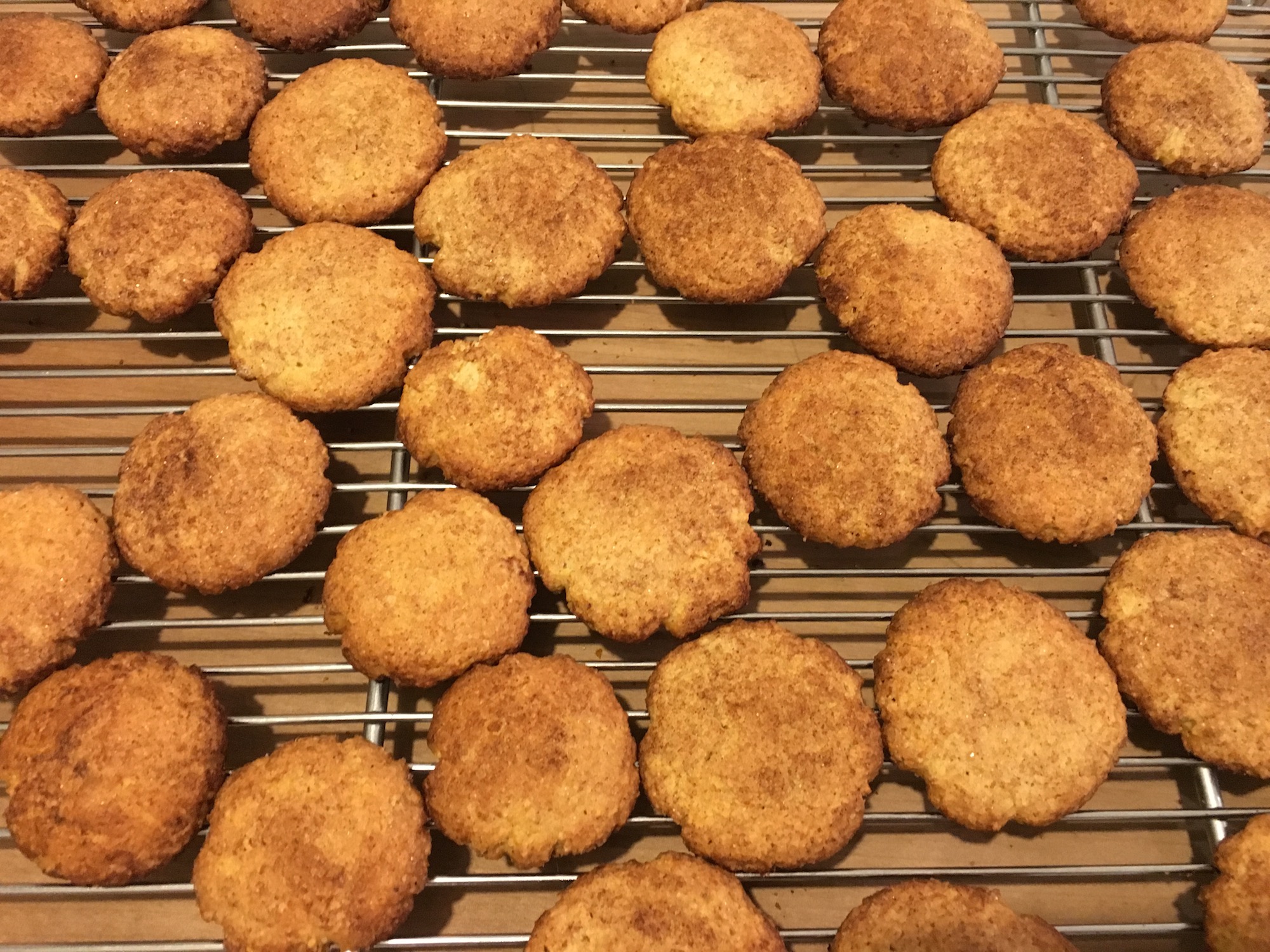
2016-05-05 19.47.42 smWell, I made Snickerdoodle cookies the other day, and it wasn’t until I thought to write a blog post about them that I discovered I could also buy Snickerdoodle scented shampoo, thus having that “just been baking” smell all day.

BLECH!

I love snickerdoodles, which, lets face it, are just sugar cookies rolled in cinnamon, but snickerdoodle shampoo?

Modern commercialisation has a way of turning even the best things into something I wouldn’t wish on my worst enemy. Next, there will be snickerdoodle scented hand lotion, snickerdoodle scented pillows, a snickerdoodle scented Barbie who comes with an apron and oven mitts.

How about just baking some cookies, eh? That’s a great way to fill your house with snickerdoodle aromas.

Crazy Corner Farm

2016-04-17 11.13.55 sm“So, what do you grow here at Crazy Corner Farm, eh?” asked the man who delivered 500 bricks earlier this week.

I laughed.

“Well, it’s basically a subsistence farm. A little milk and cheese. A lot of vegetables.”

It was a good enough answer, and appropriate to the situation. But other things came to mind.

What do we grow here at Crazy Corner Farm?

A lifestyle. A lifestyle of hard work rewarded by the fruits and vegetables of our labour.

Kids. Kids who know where their food comes from. Kids who understand the work that goes into a simple block of cheese. Kids who can tell a bee from a syrphid fly, use a machete and an axe safely, and design and plant a garden.

Creativity. Creativity in food, garden, crafts, DIY problem-solving, circus arts…everything. By providing the space, materials, and encouragement to let it flourish.

Stories. Or, as my husband said it, “Organic hand-picked words available in convenient poem, economic story, and family-size novel packs.”

So, we grow a lot here on our tiny farm. More than you might guess at first glance.

Pumpkin Ricotta Lasagne

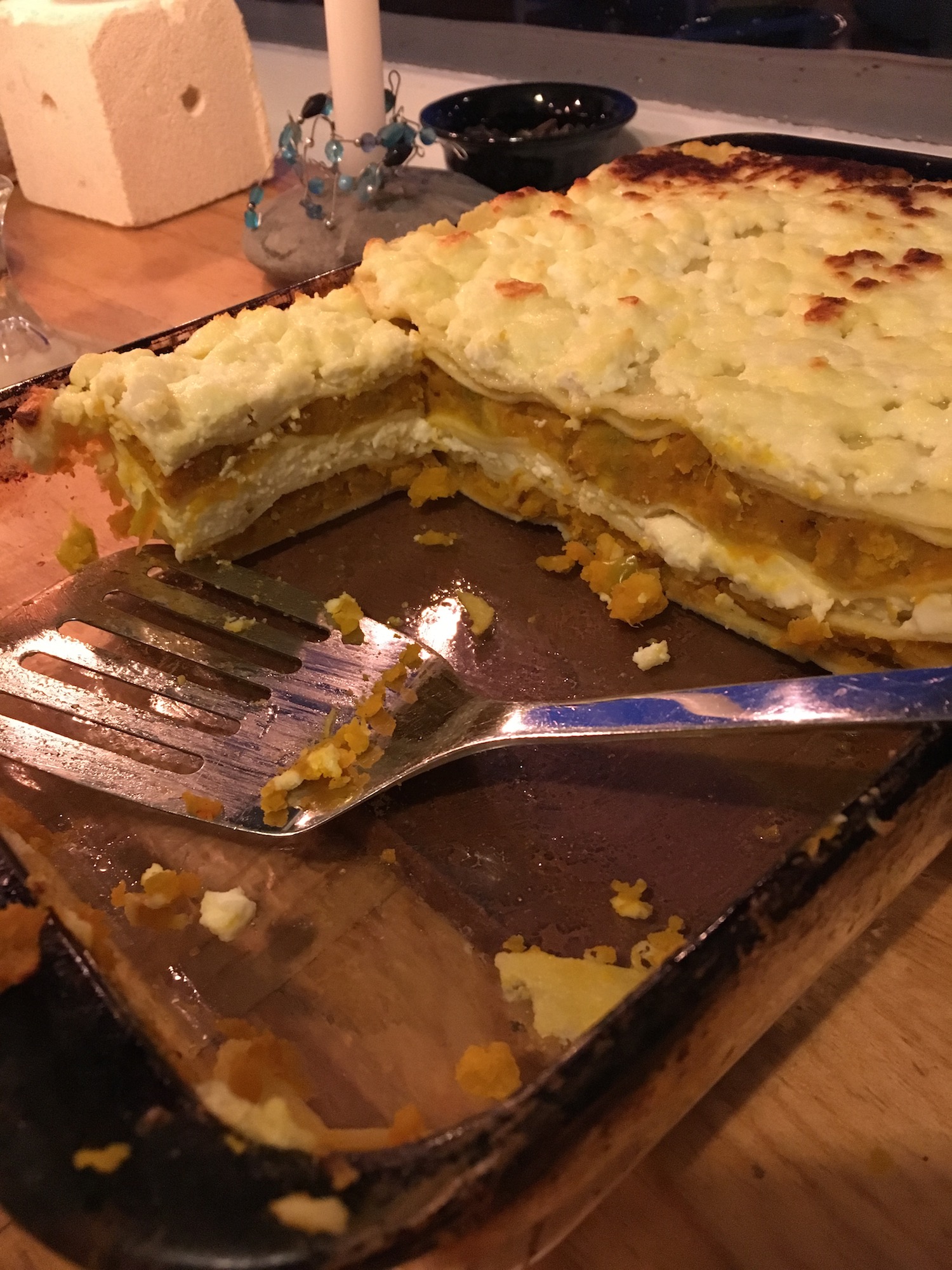
2016-04-20 18.18.45 smYesterday I made a large batch of ricotta, and then wanted to use some of it in dinner. I also had in the fridge some leftover pumpkin galette filling from dinner a few days ago. And over the weekend, I had made some pepper oil to use with pasta.

What came out of it all was a pumpkin ricotta lasagne that was an absolute hit.

I can’t even begin to give you a recipe. It would start with, “Make too much pumpkin galette filling on Saturday, pepper oil on Sunday, and a vat of goat milk ricotta on Wednesday…”

But the final assembly followed this recipe, and yielded a beautiful white and orange striped dish that kept its form well when cut. It would have been perfect for a dinner party, served with a leafy green salad. Perfect, because we didn’t even eat half of it—it’s much denser than a normal lasagne, and would have easily fed five more people.


Ristras

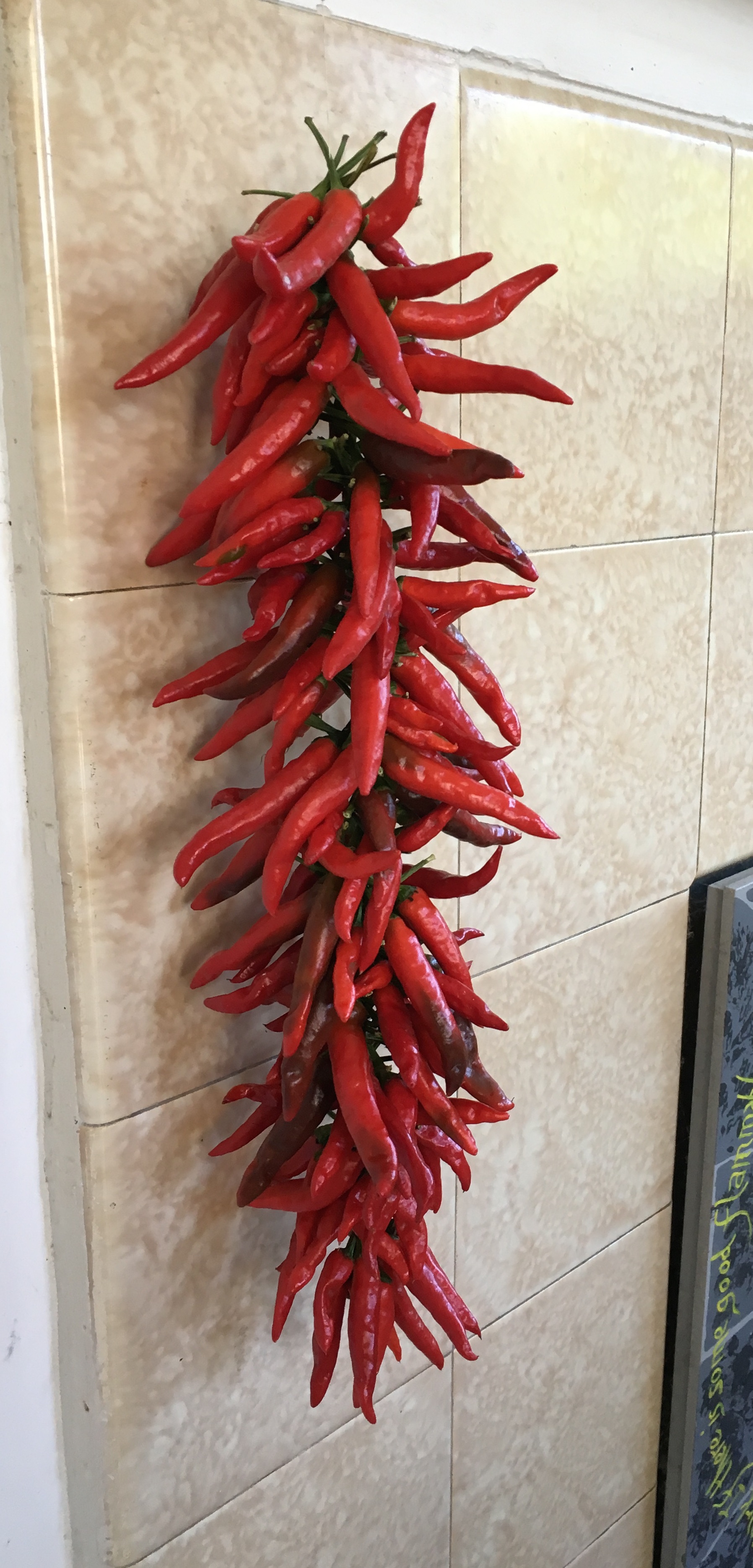
2016-04-19 12.51.22 cropHung on the kitchen fireplace mantel, a ristra of hot peppers looks beautiful, and is said to bring good health and good luck.

But mostly it just brings good food.

They’re often just used for decoration these days, but stringing chiles began as a way to dry and store them. And a string of chile peppers in the kitchen makes it easy to add spice to any meal.

I grew up in a house with all sorts of dried plant material hanging from rafters and tucked into baskets. It was all purely for decoration. My house today has a similar profusion of plant material, but for more utilitarian purposes. Ristras are convenient ways to dry and store peppers, garlic and onions. They’re also very convenient hanging in the kitchen.

Do I make sure my ristras look nice? Do I string twice as many peppers as we can realistically use, so that I can pair the ristras on each side of the mantel? Yes, of course—they do make nice decorations, after all.

Jack-o-lanterns

2016-04-17 11.17.03 smWhile you folks in the Northern Hemisphere are cleaning out your pools, dusting off the barbecues and planting seeds, we in the South are enjoying all that autumn has to offer.

And something we always look forward to is carving pumpkins. Growing up in the US, it was one of my favourite Halloween activities. Here pumpkin season falls inappropriately near Easter.

That doesn’t stop us from celebrating the season with jack-o-lanterns.

All my pumpkins are grown for food, but the edible part of the Austrian oilseed pumpkin is its seeds—the flesh is only suitable for goat food (and even the goats aren’t excited by it). So once I scoop out the delicious seeds, I have no problem using the shells for artistic purposes.

A nice crop of Austrian oilseeds this year means there is plenty of raw material for our artwork.

Touched by Frost

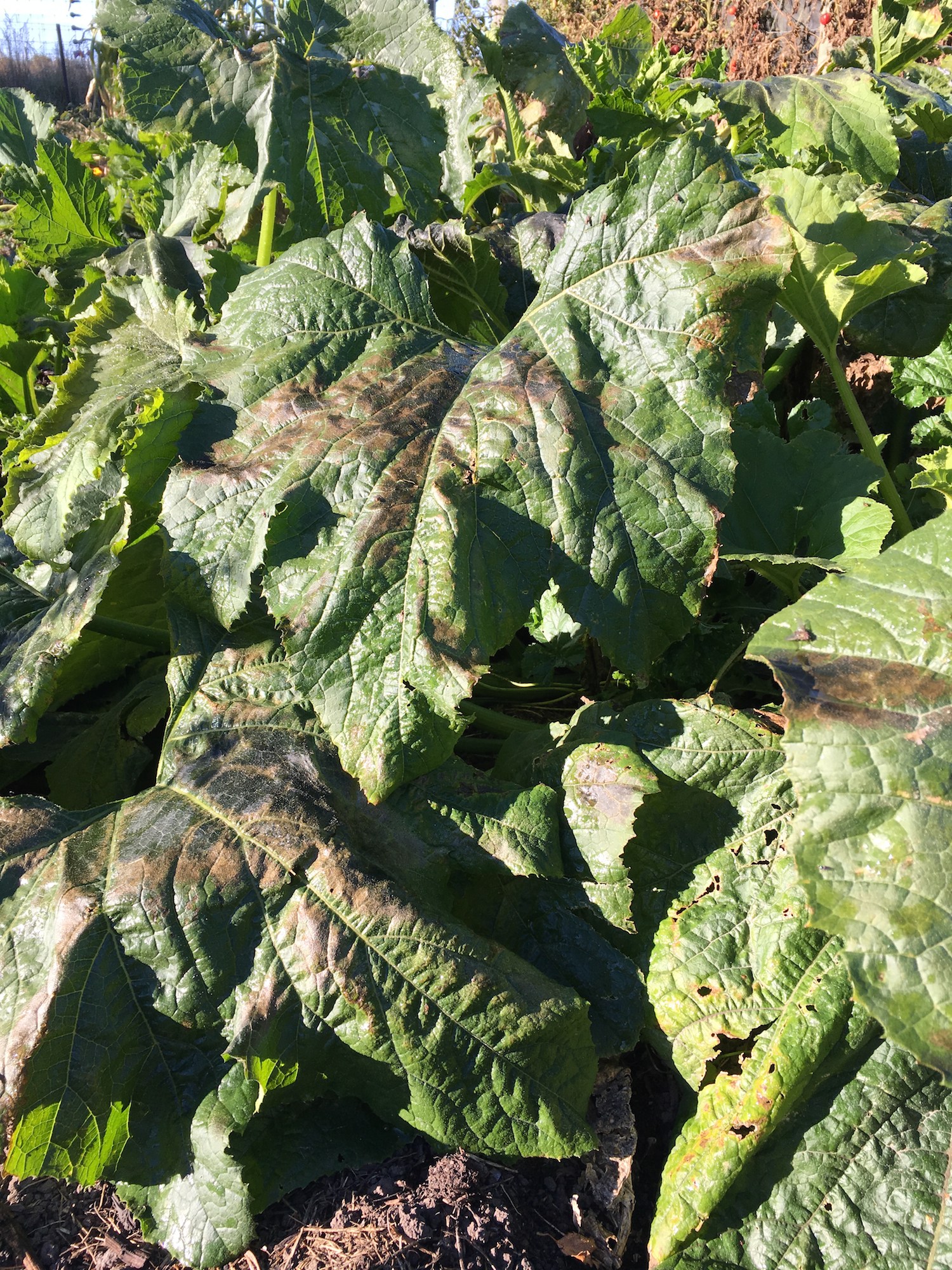
2016-04-14 08.42.53 smIt happened. The first frost hit the vegetable garden. Not hard, but enough to show. Most of the tender and unprotected plants were already done for the year, anyway—the tomatoes had largely succumbed to drought, the cucumbers had given up, the melons were done, the pumpkins were already harvested, and the basil had gone to seed. The summer squashes were only lightly touched—a few of the leaves browned, but most of the growing tips in good shape.

Of course, at this time of year, any day could be the last.

So we savour each day—enjoying the tastes of summer while they last.

Corn

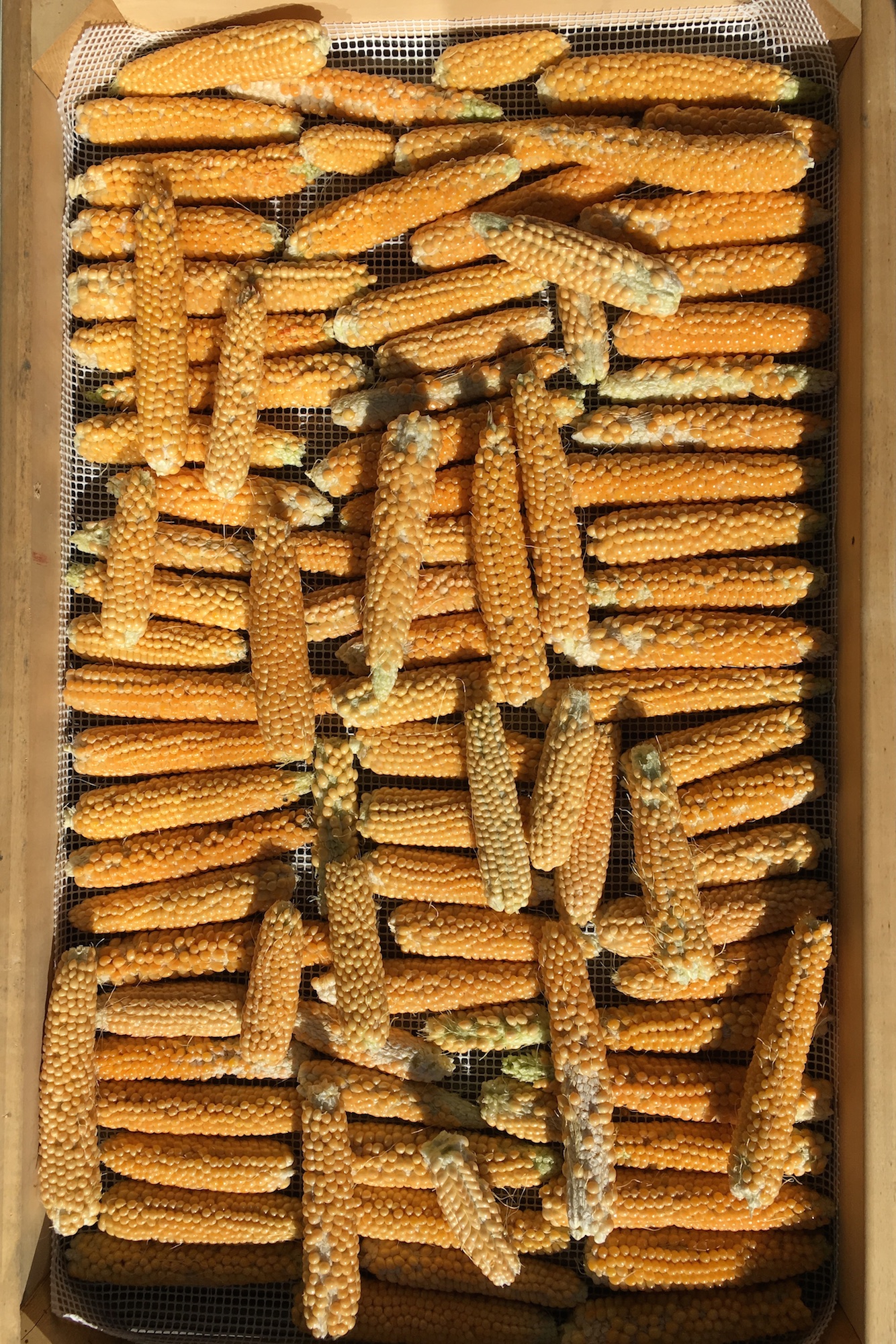
This year's popcorn harvest.

This year’s popcorn harvest.

What would life be without it?

Even ignoring the highly processed corn oil and corn sugars found in so many products, what would a movie be without a big bowl of butter-laden popcorn?

What would chilli be without a slab of corn bread to go with it?

What would summer be without corn on the cob?

And how dull life would be without polenta, corn dodgers, corn chowder, corn and pea succotash, roast corn, caramel corn, tacos and tortillas, nachos…

And then, there’s chicha fuerte…

Um…well…we can just forget chicha fuerte. It’s a corn alcohol brewed in Panama. Tastes a bit like vomit, and even a sip leaves you with a hangover the next day.

But hurrah for all the other forms of corn!

Many thanks to the people in what is now Mexico who bred corn from its ancestor, teosinte, about 9000 years ago! I doubt they had any idea how ubiquitous corn would become, but they hit on a winner.

Pumpkins

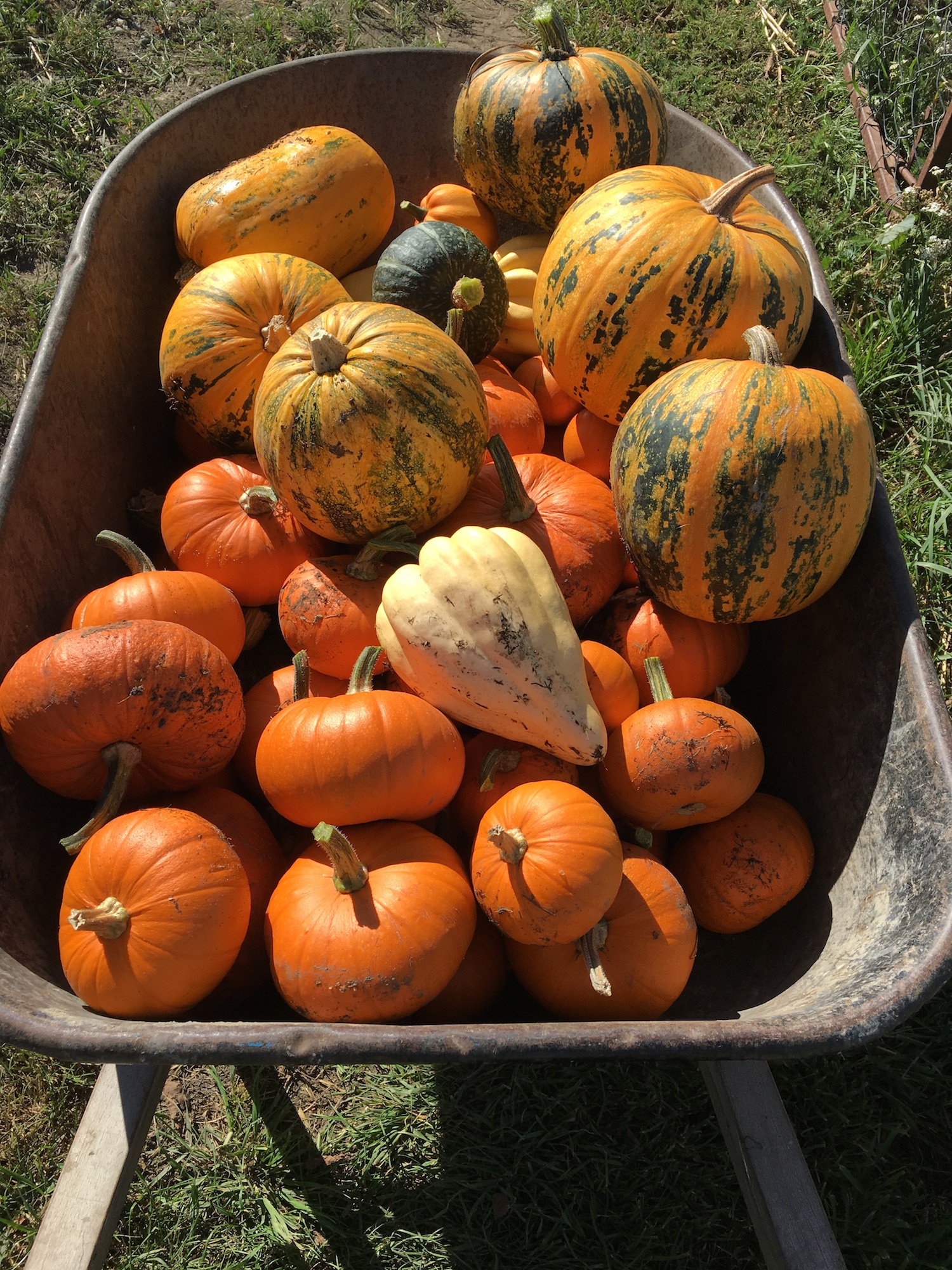
About a third of the harvest.

About a third of the harvest.

Autumn wouldn’t be complete without the requisite wheelbarrow loads of pumpkins and other winter squash. In spite of some late-frost drama this spring, the harvest wasn’t bad.

My kids ask every year, “Which are the pumpkins and which are the squash? What makes a pumpkin a pumpkin?”

The short answer is that a pumpkin is a squash that we call a pumpkin. There are four species and countless varieties that variously get called pumpkin and squash. Some fruits are known as pumpkins in one place, and squash in another.

I don’t bother with the distinction. The important distinctions are between varieties. Some are best made into soup, others make splendid pies. Some have robust, dry flesh that holds up well in savoury galettes. Some are just the right size for baking whole. Some keep well, and others need to be eaten quickly after harvest. Some have flesh only useful as goat food, but have naked seeds that are wonderful toasted with salt and spices.

Which is, of course, how I justify planting so many pumpkins of so many varieties. I need them all!

What do you do with a giant zucchini?

2016-04-02 18.47.15 smTo the tune What do you do with a drunken sailor?


What do you do with a giant zucchini?

What do you do with a giant zucchini?

What do you do with a giant zucchini,

Early in the morning?


Hey, they just get bigger.

Hey, they just get bigger.

Hey, they just get bigger.

You can’t eat them all.


zucchinienchiladassmCook ’em in a sauce and make enchiladas,

Cook ’em in a sauce and make enchiladas,

Cook ’em in a sauce and make enchiladas,

Early in the morning!


Hey, they just get bigger.

Hey, they just get bigger.

Hey, they just get bigger.

You can’t eat them all.


chocolatezucchinicakesmBake ’em in a cake and add chocolate chips,

Bake ’em in a cake and add chocolate chips,

Bake ’em in a cake and add chocolate chips,

Early in the morning!


Hey, they just get bigger.

Hey, they just get bigger.

Hey, they just get bigger.

You can’t eat them all.

Cape Gooseberries

2016-03-22 19.08.56 smCape gooseberries (Physalis peruviana) are not something you’re likely to find in the grocery store. The plant is native to Peru and Chile, and has been introduced into most temperate and tropical climates around the world as a fruit for home gardens. It has been only sporadically commercially grown, however.

The fruit’s flavour defies categorisation. It is like a sour grape crossed with a tomato—not entirely surprising, as it is related to tomatoes. The initial sensation is the sour, and then they leave a lingering fruity tomato flavour in the mouth.

Cape gooseberries grow reasonably well here—some years they grow too well, actually. I’m still learning how to use them and how to enjoy their odd flavour. This year we got only a handful, as I wasn’t able to water them as much as they needed in this hot, dry summer.

Their tartness goes well in jams, chutneys, pies, and fruit salads. They’re also good eaten right in the garden—the papery husk acts as a handle, so you can snack on them even with hands dirty from gardening!

In temperate climates they are an annual, though here they often overwinter, if the weather is mild. In tropical climates they are perennial.

They’re definitely a plant to try, if you’ve never grown them.