Ristras

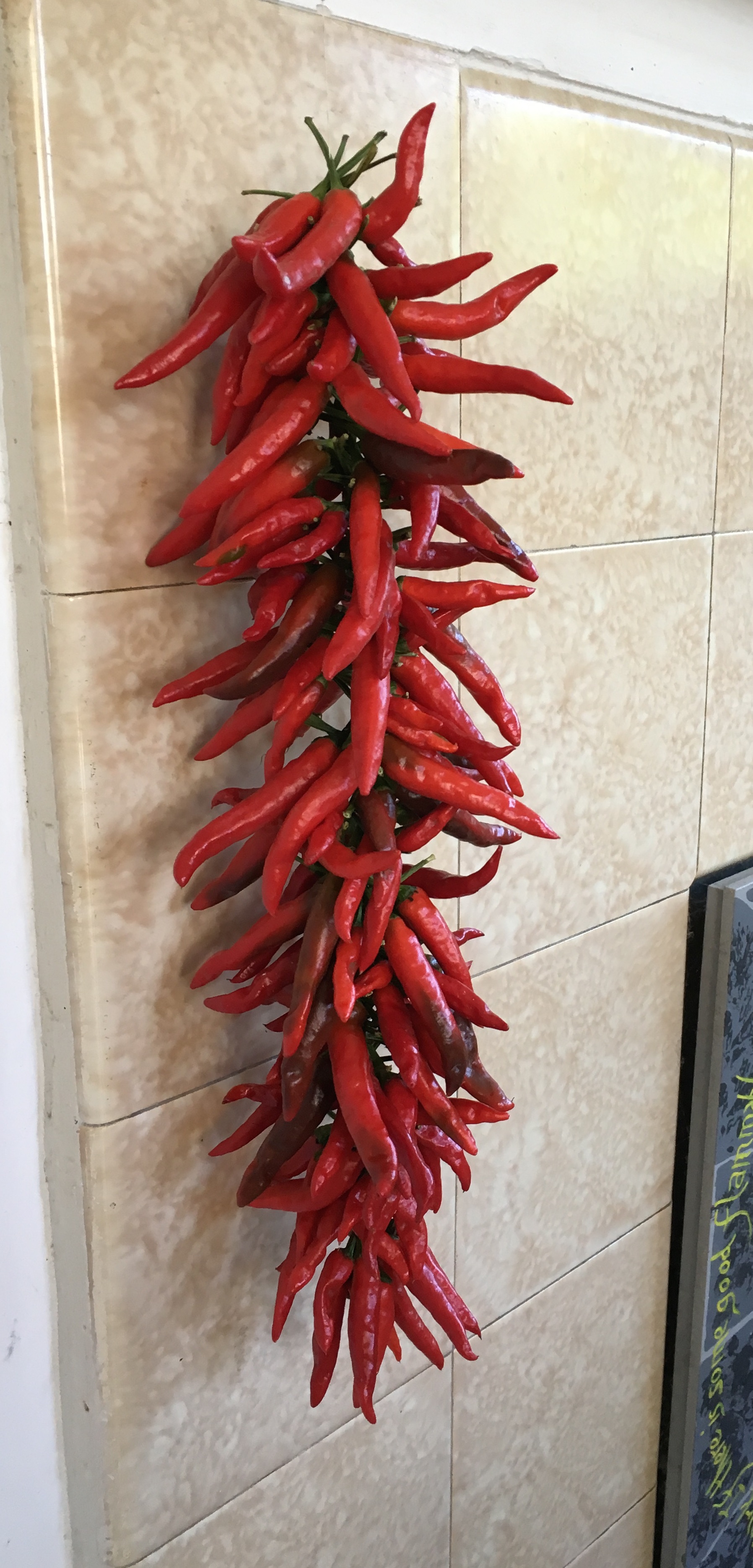
2016-04-19 12.51.22 cropHung on the kitchen fireplace mantel, a ristra of hot peppers looks beautiful, and is said to bring good health and good luck.

But mostly it just brings good food.

They’re often just used for decoration these days, but stringing chiles began as a way to dry and store them. And a string of chile peppers in the kitchen makes it easy to add spice to any meal.

I grew up in a house with all sorts of dried plant material hanging from rafters and tucked into baskets. It was all purely for decoration. My house today has a similar profusion of plant material, but for more utilitarian purposes. Ristras are convenient ways to dry and store peppers, garlic and onions. They’re also very convenient hanging in the kitchen.

Do I make sure my ristras look nice? Do I string twice as many peppers as we can realistically use, so that I can pair the ristras on each side of the mantel? Yes, of course—they do make nice decorations, after all.

Jack-o-lanterns

2016-04-17 11.17.03 smWhile you folks in the Northern Hemisphere are cleaning out your pools, dusting off the barbecues and planting seeds, we in the South are enjoying all that autumn has to offer.

And something we always look forward to is carving pumpkins. Growing up in the US, it was one of my favourite Halloween activities. Here pumpkin season falls inappropriately near Easter.

That doesn’t stop us from celebrating the season with jack-o-lanterns.

All my pumpkins are grown for food, but the edible part of the Austrian oilseed pumpkin is its seeds—the flesh is only suitable for goat food (and even the goats aren’t excited by it). So once I scoop out the delicious seeds, I have no problem using the shells for artistic purposes.

A nice crop of Austrian oilseeds this year means there is plenty of raw material for our artwork.

Touched by Frost

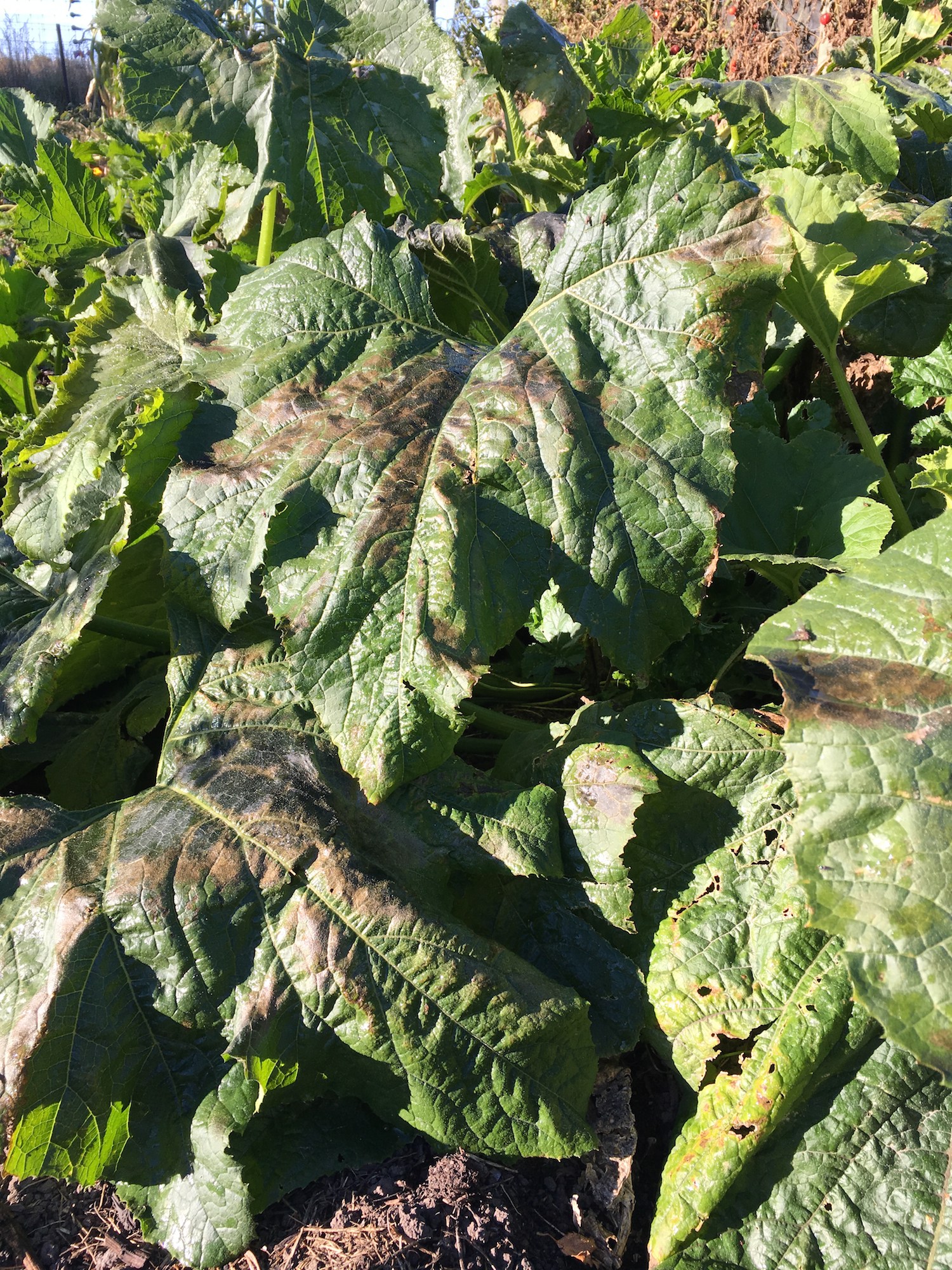
2016-04-14 08.42.53 smIt happened. The first frost hit the vegetable garden. Not hard, but enough to show. Most of the tender and unprotected plants were already done for the year, anyway—the tomatoes had largely succumbed to drought, the cucumbers had given up, the melons were done, the pumpkins were already harvested, and the basil had gone to seed. The summer squashes were only lightly touched—a few of the leaves browned, but most of the growing tips in good shape.

Of course, at this time of year, any day could be the last.

So we savour each day—enjoying the tastes of summer while they last.

Corn

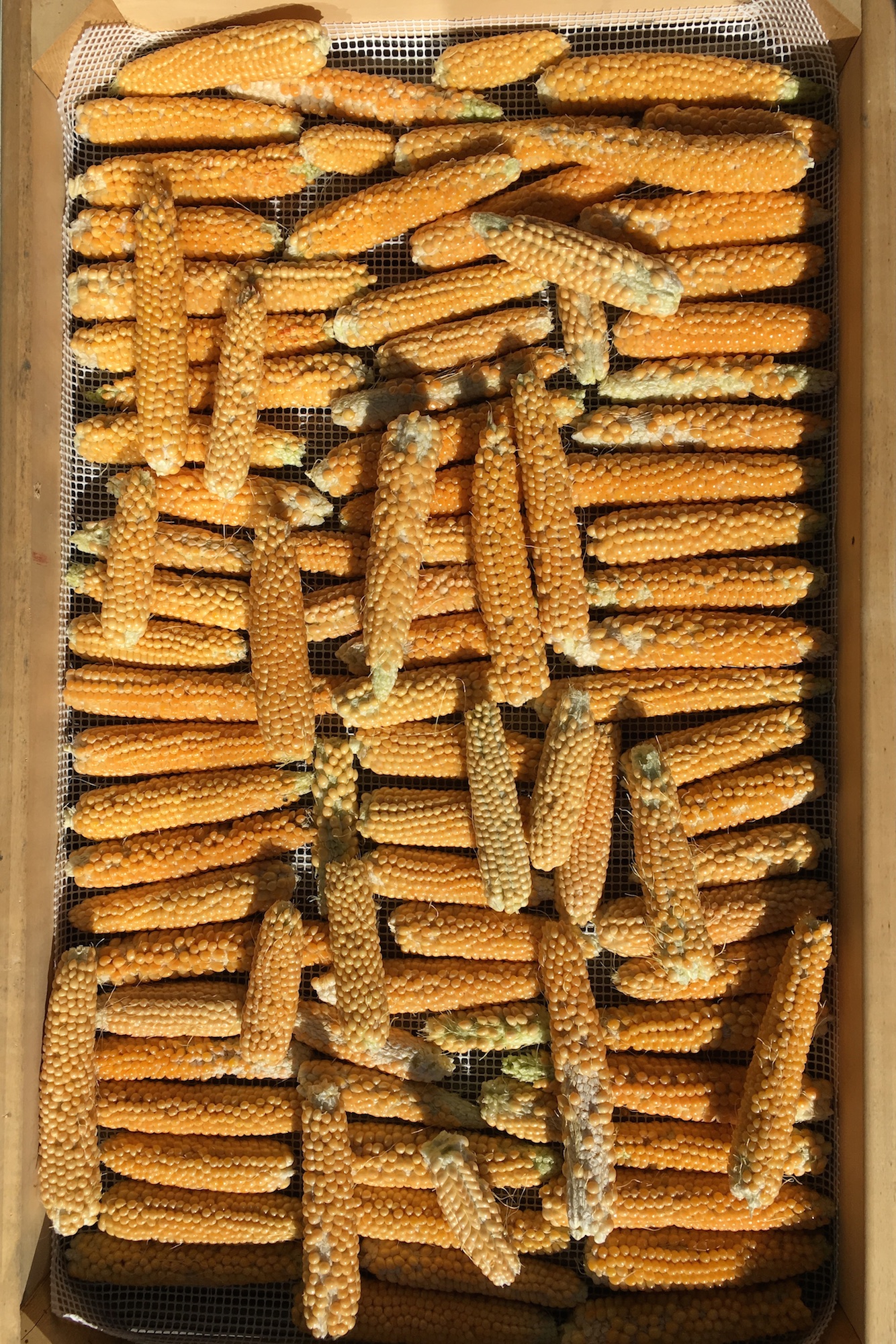
This year's popcorn harvest.

This year’s popcorn harvest.

What would life be without it?

Even ignoring the highly processed corn oil and corn sugars found in so many products, what would a movie be without a big bowl of butter-laden popcorn?

What would chilli be without a slab of corn bread to go with it?

What would summer be without corn on the cob?

And how dull life would be without polenta, corn dodgers, corn chowder, corn and pea succotash, roast corn, caramel corn, tacos and tortillas, nachos…

And then, there’s chicha fuerte…

Um…well…we can just forget chicha fuerte. It’s a corn alcohol brewed in Panama. Tastes a bit like vomit, and even a sip leaves you with a hangover the next day.

But hurrah for all the other forms of corn!

Many thanks to the people in what is now Mexico who bred corn from its ancestor, teosinte, about 9000 years ago! I doubt they had any idea how ubiquitous corn would become, but they hit on a winner.

Pumpkins

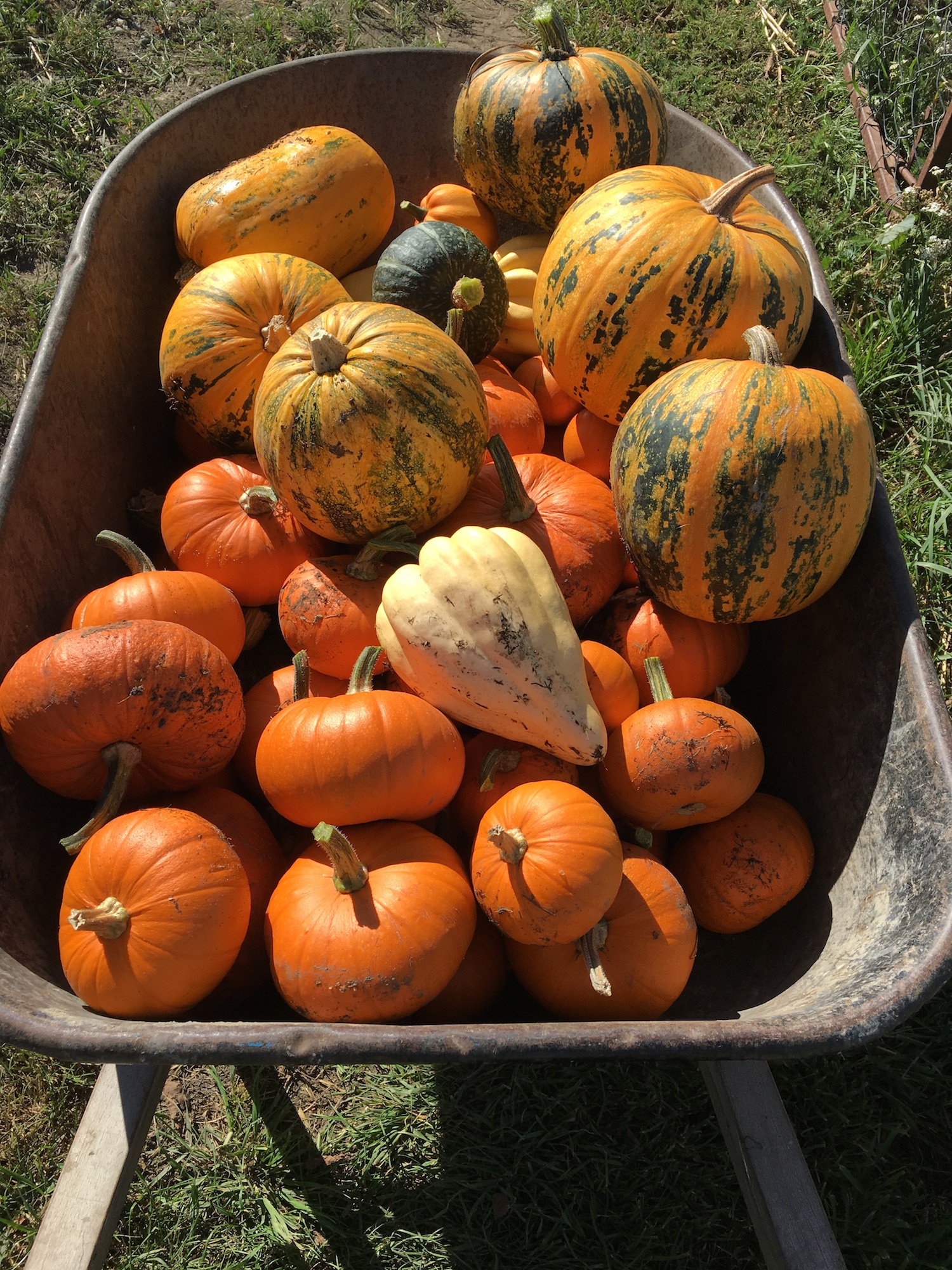
About a third of the harvest.

About a third of the harvest.

Autumn wouldn’t be complete without the requisite wheelbarrow loads of pumpkins and other winter squash. In spite of some late-frost drama this spring, the harvest wasn’t bad.

My kids ask every year, “Which are the pumpkins and which are the squash? What makes a pumpkin a pumpkin?”

The short answer is that a pumpkin is a squash that we call a pumpkin. There are four species and countless varieties that variously get called pumpkin and squash. Some fruits are known as pumpkins in one place, and squash in another.

I don’t bother with the distinction. The important distinctions are between varieties. Some are best made into soup, others make splendid pies. Some have robust, dry flesh that holds up well in savoury galettes. Some are just the right size for baking whole. Some keep well, and others need to be eaten quickly after harvest. Some have flesh only useful as goat food, but have naked seeds that are wonderful toasted with salt and spices.

Which is, of course, how I justify planting so many pumpkins of so many varieties. I need them all!

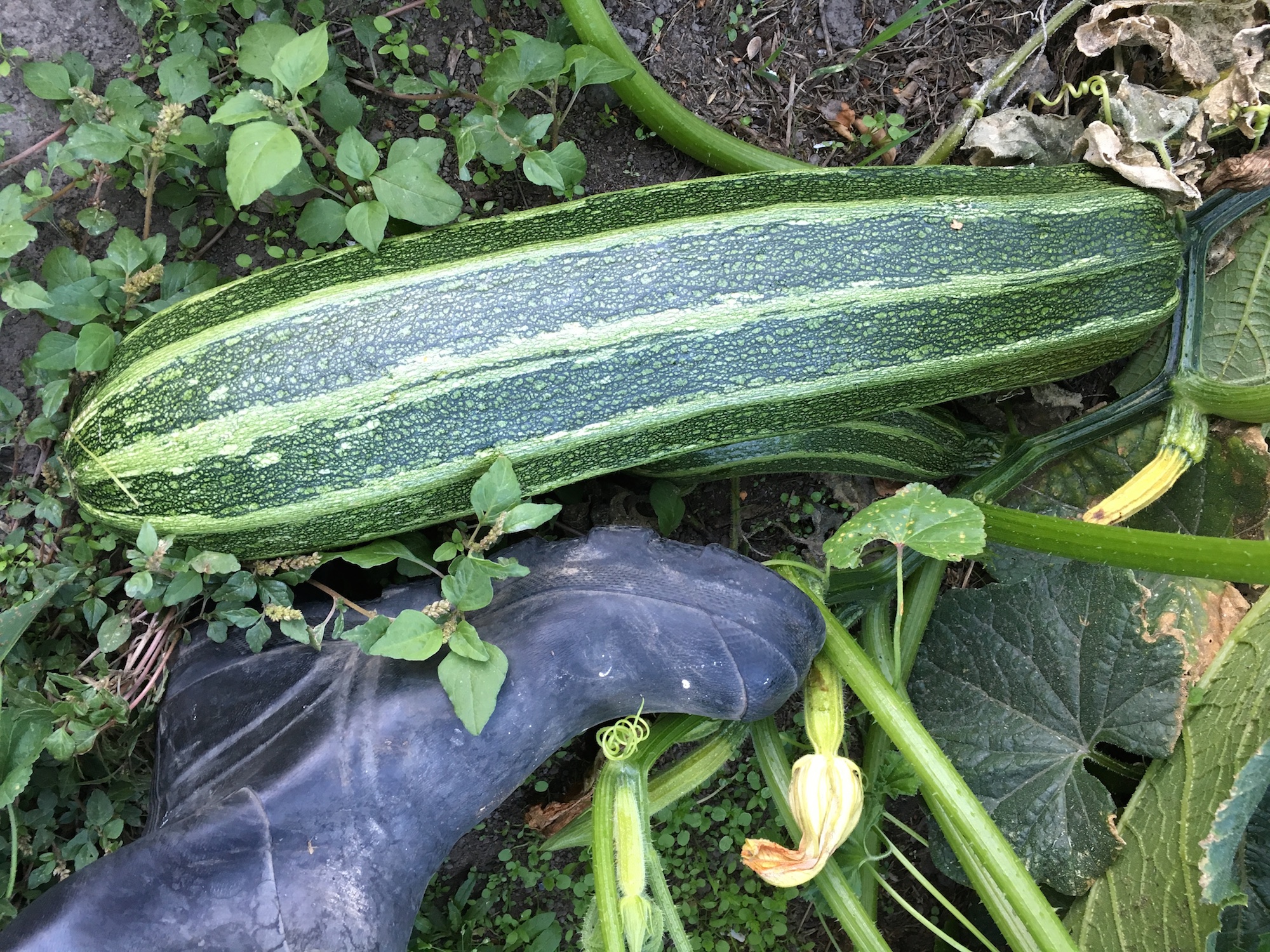
What do you do with a giant zucchini?

2016-04-02 18.47.15 smTo the tune What do you do with a drunken sailor?


What do you do with a giant zucchini?

What do you do with a giant zucchini?

What do you do with a giant zucchini,

Early in the morning?


Hey, they just get bigger.

Hey, they just get bigger.

Hey, they just get bigger.

You can’t eat them all.


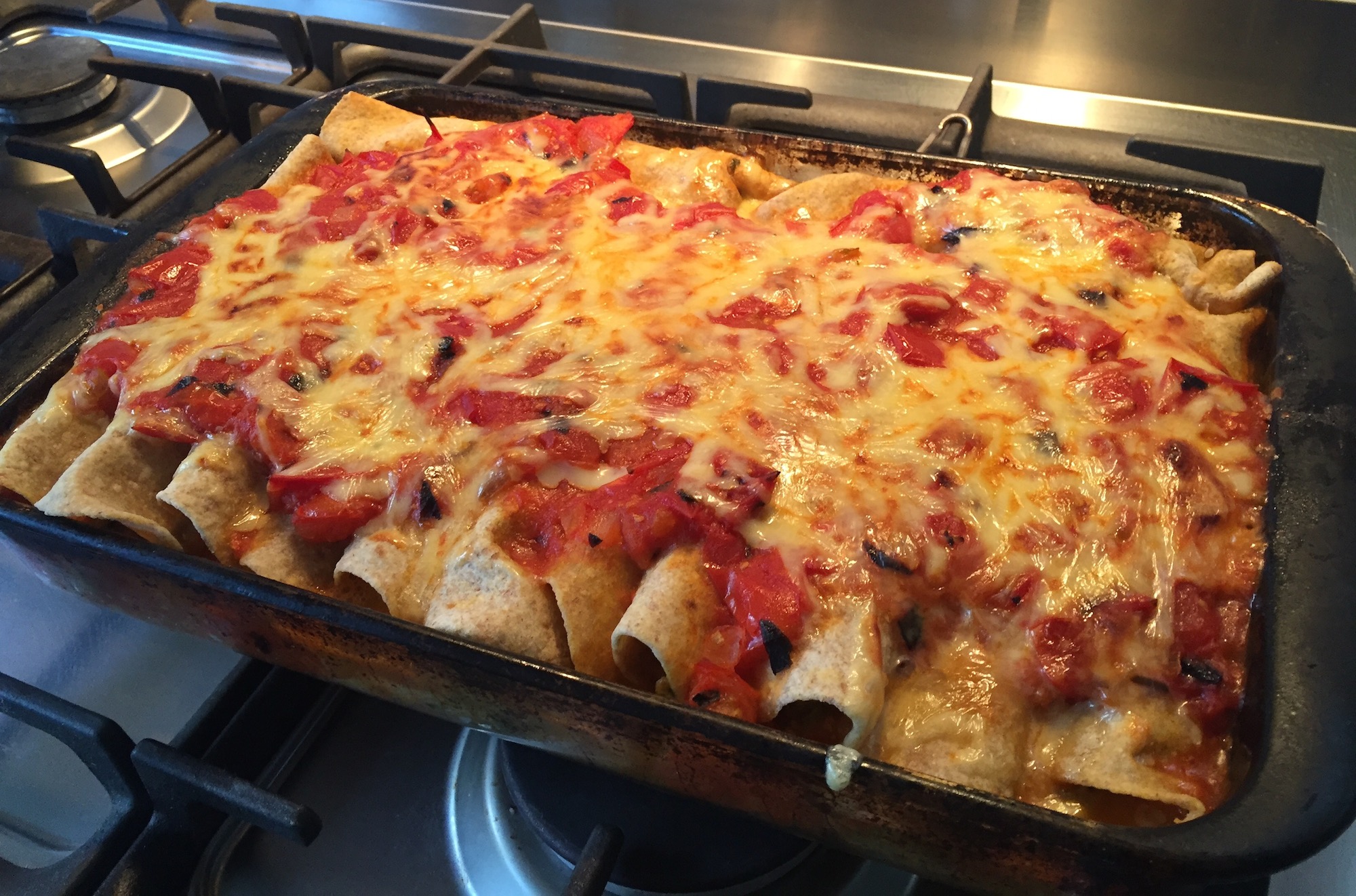
zucchinienchiladassmCook ’em in a sauce and make enchiladas,

Cook ’em in a sauce and make enchiladas,

Cook ’em in a sauce and make enchiladas,

Early in the morning!


Hey, they just get bigger.

Hey, they just get bigger.

Hey, they just get bigger.

You can’t eat them all.


chocolatezucchinicakesmBake ’em in a cake and add chocolate chips,

Bake ’em in a cake and add chocolate chips,

Bake ’em in a cake and add chocolate chips,

Early in the morning!


Hey, they just get bigger.

Hey, they just get bigger.

Hey, they just get bigger.

You can’t eat them all.

Cape Gooseberries

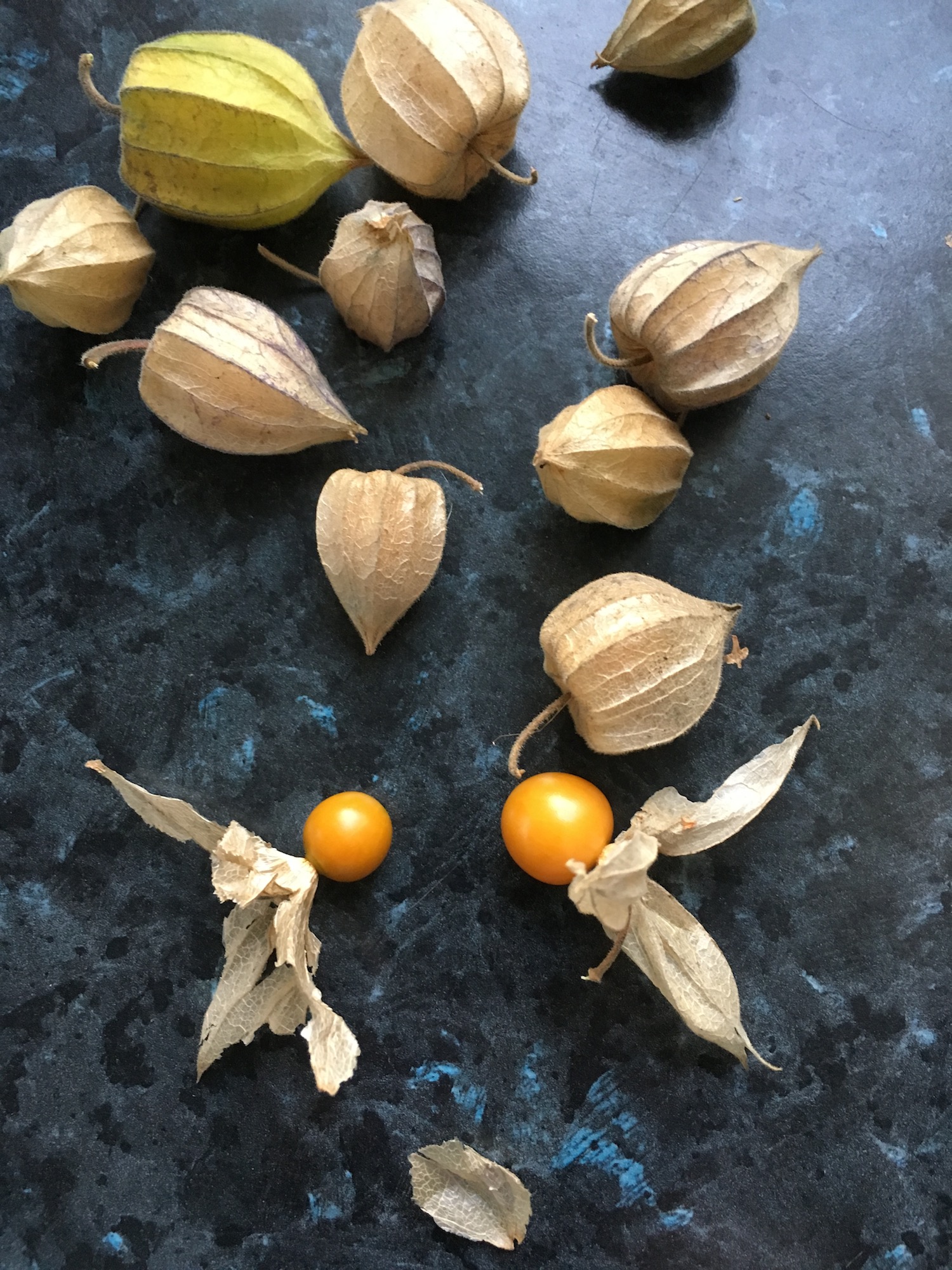
2016-03-22 19.08.56 smCape gooseberries (Physalis peruviana) are not something you’re likely to find in the grocery store. The plant is native to Peru and Chile, and has been introduced into most temperate and tropical climates around the world as a fruit for home gardens. It has been only sporadically commercially grown, however.

The fruit’s flavour defies categorisation. It is like a sour grape crossed with a tomato—not entirely surprising, as it is related to tomatoes. The initial sensation is the sour, and then they leave a lingering fruity tomato flavour in the mouth.

Cape gooseberries grow reasonably well here—some years they grow too well, actually. I’m still learning how to use them and how to enjoy their odd flavour. This year we got only a handful, as I wasn’t able to water them as much as they needed in this hot, dry summer.

Their tartness goes well in jams, chutneys, pies, and fruit salads. They’re also good eaten right in the garden—the papery husk acts as a handle, so you can snack on them even with hands dirty from gardening!

In temperate climates they are an annual, though here they often overwinter, if the weather is mild. In tropical climates they are perennial.

They’re definitely a plant to try, if you’ve never grown them.

Baking Bellybuttons

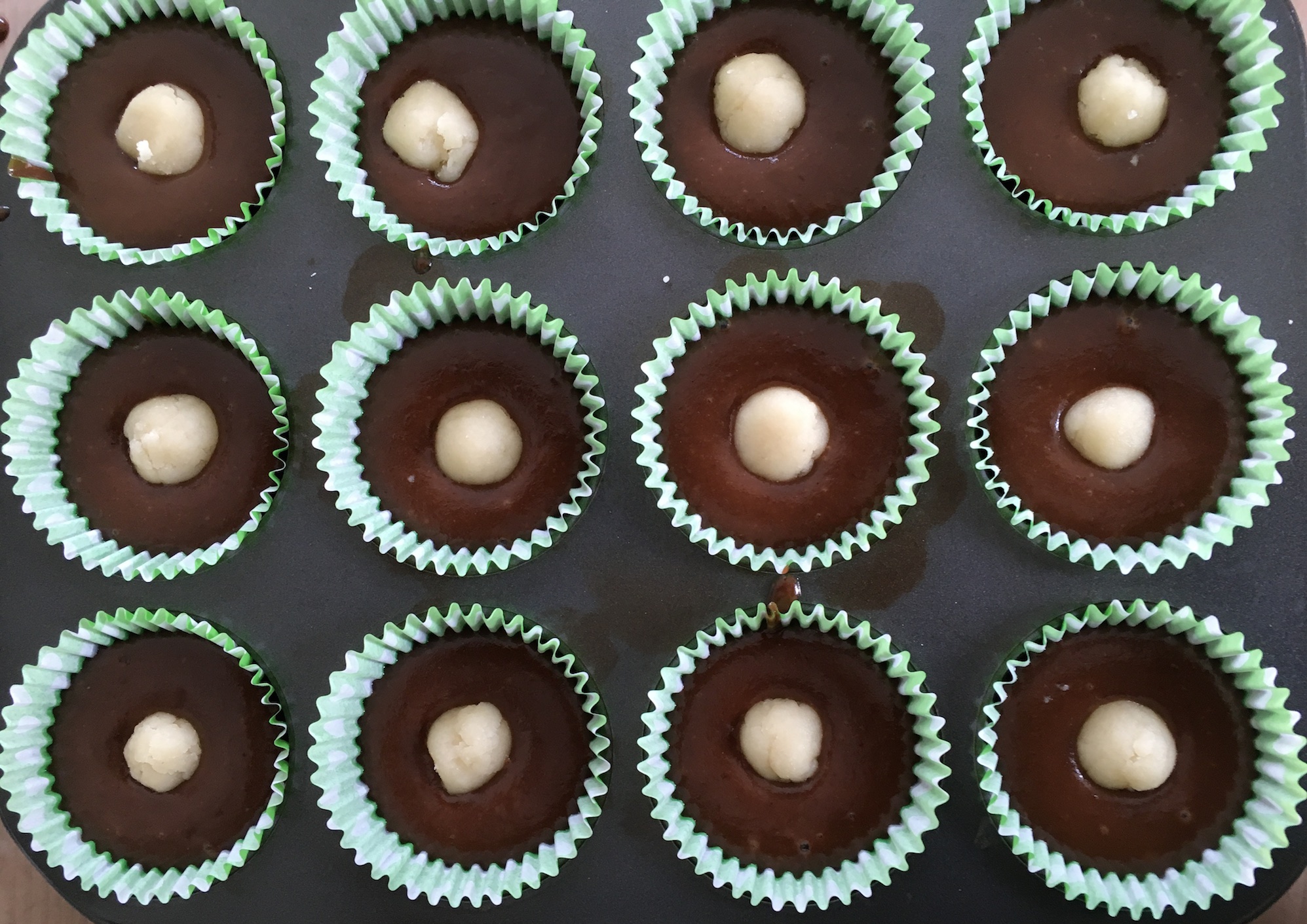
Before baking--moons in the night sky. How romantic!

Before baking–moons in the night sky. How romantic!

I had to bake on the equinox. Something to celebrate the season, and the coming long nights.

I had some marzipan left over from recent birthday cakes, so I made chocolate cupcakes, each with a little ball of marzipan dropped into the batter–you know, a moon in the night sky.

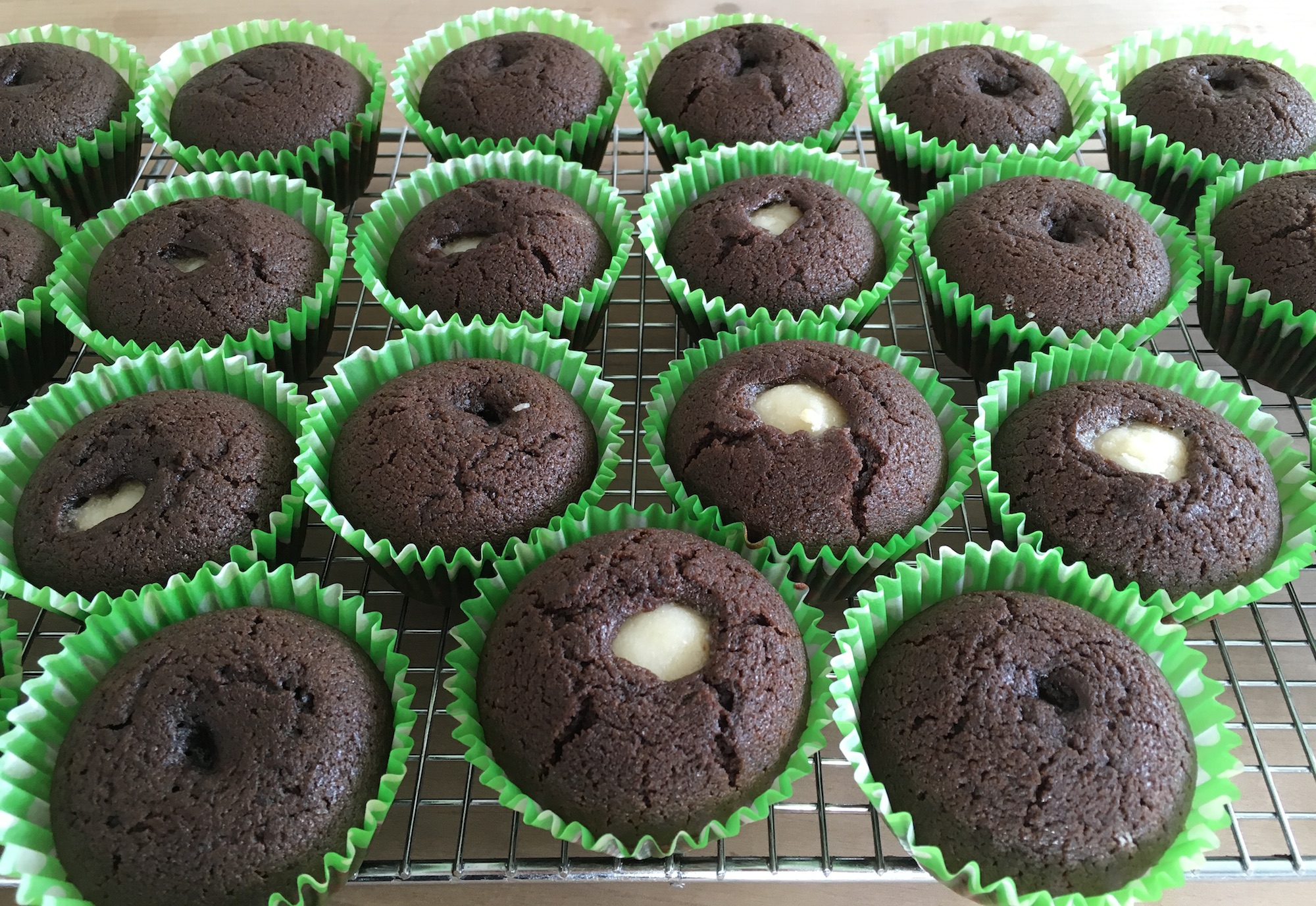
After baking--bellybuttons. How...um...something.

After baking–bellybuttons. How…um…something.

But the marzipan moons sank, leaving the cupcakes looking a bit like bellybuttons.

Delicious bellybuttons, I might add…


Throwback Thursday—visiting friends, Panama style

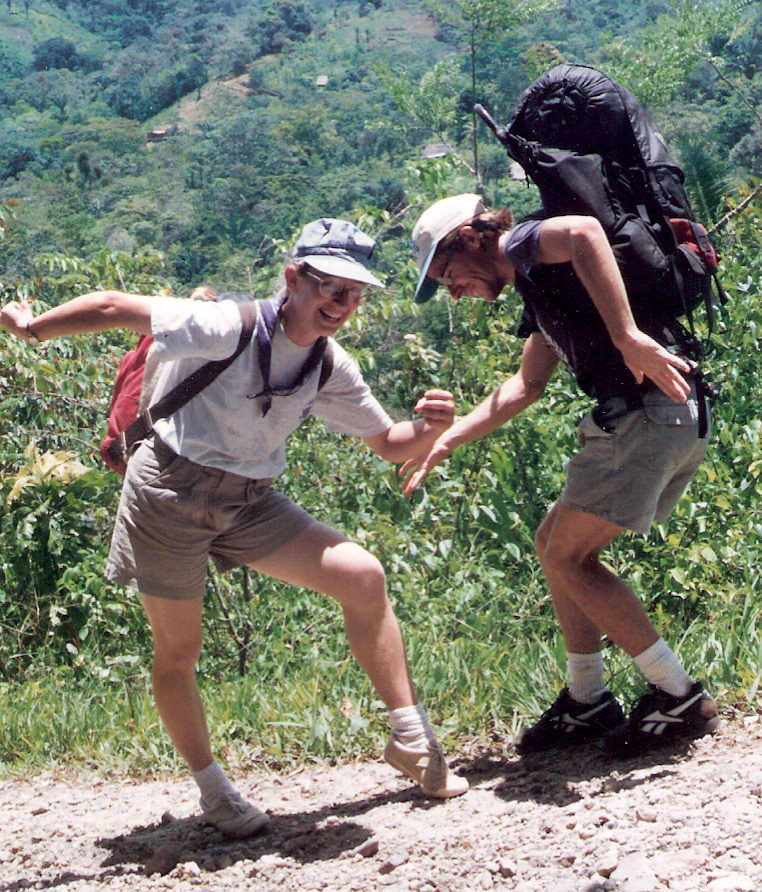
Paul and me, hamming it up for the camera on our trek.

Paul and me, hamming it up for the camera on our trek.

In Peace Corps in Panama, we lived in a village that was on the edge of what was accessible by vehicle. The lower part of our village was reliably accessible, but the upper part, where we lived, was only accessible in the dry season, and even then it was rough.

Walking was the main mode of travel there.

We walked everywhere. To all the farmers we worked with, to all the forestry groups we worked with. To the tienda, to the bus stop. Up and down (because there was no flat land in our village, or anywhere nearby, for that matter). We grew what we called “campo calves”—massive calf muscles that would have made an Elizabethan swoon.

Walking was such a natural mode of transport, that when we decided to visit a friend, Gareth, who lived on the other side of the mountains (hills, really, the continental divide is very low in Panama), we decided to walk.

First stop was our friend, Paul’s house, an hour up the mountain from our place. Paul went with us. Paul, Gareth, my husband, and I regularly met up for late-night Dungeons and Dragons sessions—a modified version that used only the two ordinary dice we had with us. This was to be an epic journey to play D&D.

After picking up Paul, we climbed further, to El Valle, where we spent the night with one of Paul’s friends there. We found ourselves without breakfast in the morning, so we shouldered our packs and set off with nothing but a cup of coffee in our stomachs.

Not to worry, we soon came across a campesino willing to sell us some bananas, and we ate as we walked.

We had only a vague notion of how to get where we were going, but all paths lead somewhere in the Panamanian countryside, and with regular stops along the way to ask directions, we managed a good pace.

Along the way we talked and laughed, we met campesinos, we enjoyed beautiful views. When we finally trudged into Gareth’s yard late in the afternoon, we felt we’d seen the world.

I have visited many friends since then, but that trip stands out as the best journey ever.
Fruit overload

2016-03-15 19.20.44 smCan you have too much fruit? I’m not certain, but if you can, I think we’re approaching it.

I mentioned the apples the other day—there’s still a 20 litre bucket and a large bowl full of them in the kitchen. Then there are the melons I mentioned yesterday—a great heaping platter of them, and more to come in the next few days.

And a houseguest brought us a box of apricots as a gift.

And the grapes have started coming in, so there’s a colander full of them in the kitchen.

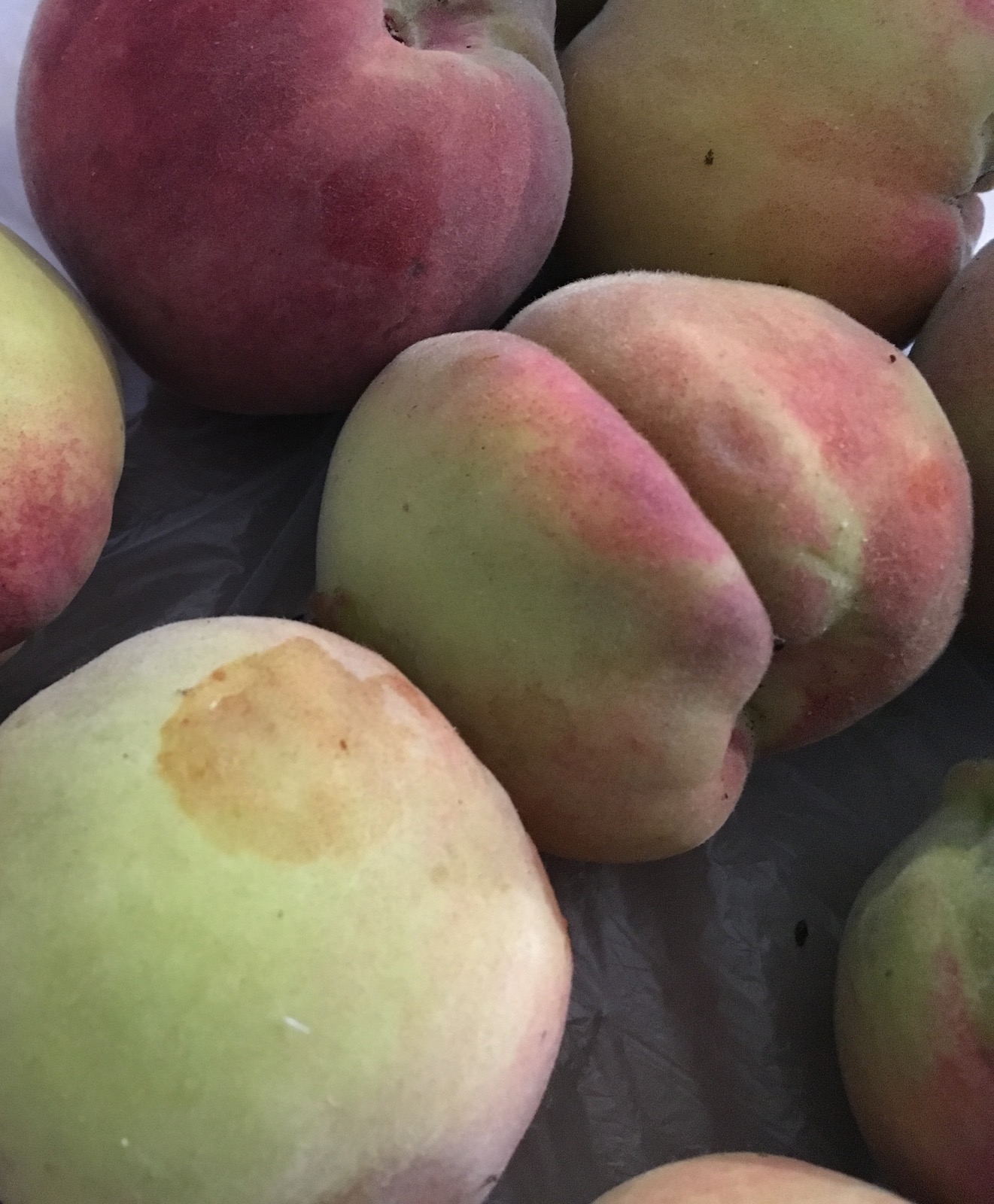
And today I went to pick up 200 daffodil bulbs I ordered, and it turns out that the woman selling the bulbs was the first person I ever sold goat kids to—she’s still got one of them. Anyway, so we got to talking (as you do), and next thing I know, she’s filling a bag with peaches for me—dead ripe and luscious.

So sitting in the kitchen right now are probably 10 kilos of fruit for every person in the family.

So I wonder, can you have too much fruit?