Perfection

2016-12-13-18-36-33-cropAfter decades of work, I finally did it.

I made a perfect pie crust.

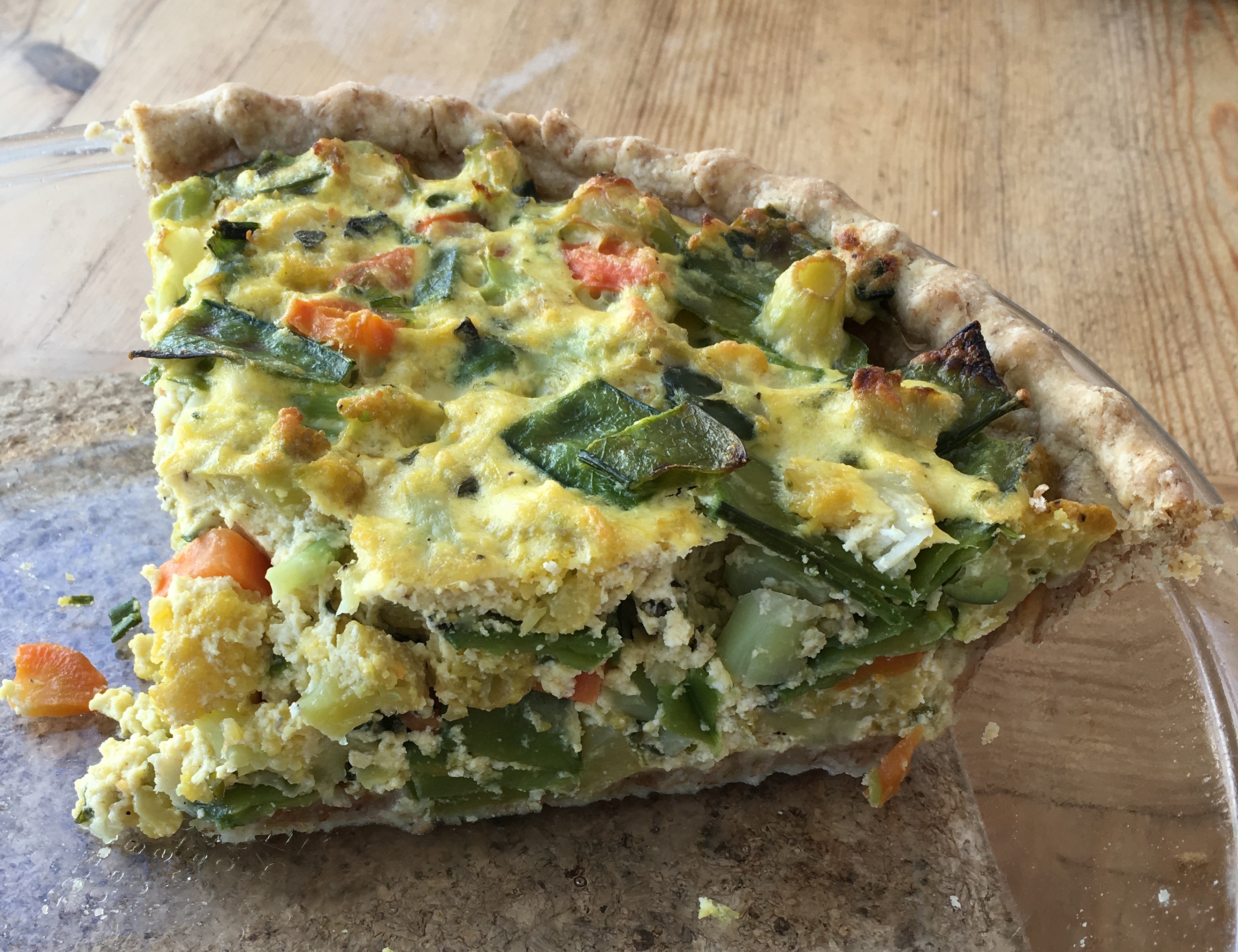
A flaky melt-in-your-mouth crust that made this excellent ricotta and vegetable pie seem like just a prelude to the crust. Not a hint of toughness, not a moment over-baked or under-baked. Even the bottom, that tends toward sogginess, was perfect.

That’s it, now—I’ve accomplished that and can tick it off my list. I never need to make another. I’ve done it right, and that’s that. My last pie crust.

Well, okay, I like pie…a lot. I probably will make another crust. And another. And another.

And, if I’m being honest, this perfect crust came about in part because I was being a bit lazy.

My pie crust recipe (designed to create an American pie crust with NZ ingredients), is supposed to be made with 125 grams each of butter and Olivani. But today there was a 150 gram chunk of butter in the fridge. I didn’t feel like cutting off a 25 gram sliver, so I just used it, and reduced the Olivani to 100 grams.

The other part of the perfection of this crust was a 45-minute chill in the fridge after rolling it out and putting it in the pan. That chill was necessary, simply because I was cooking alone today, and it took 45 minutes to pick, prepare and cook the vegetables after I finished the crust.

I really wasn’t aiming for perfection (my usual crust is actually pretty good, so I tend not to mess with the recipe much), I just stumbled upon it by accident.

I have, however, made a note on my recipe to increase the butter to 150 grams and chill for 45 minutes…
Christmas-lite

2016-11-30-17-31-25-smIt’s beginning to look a lot like Christmas…

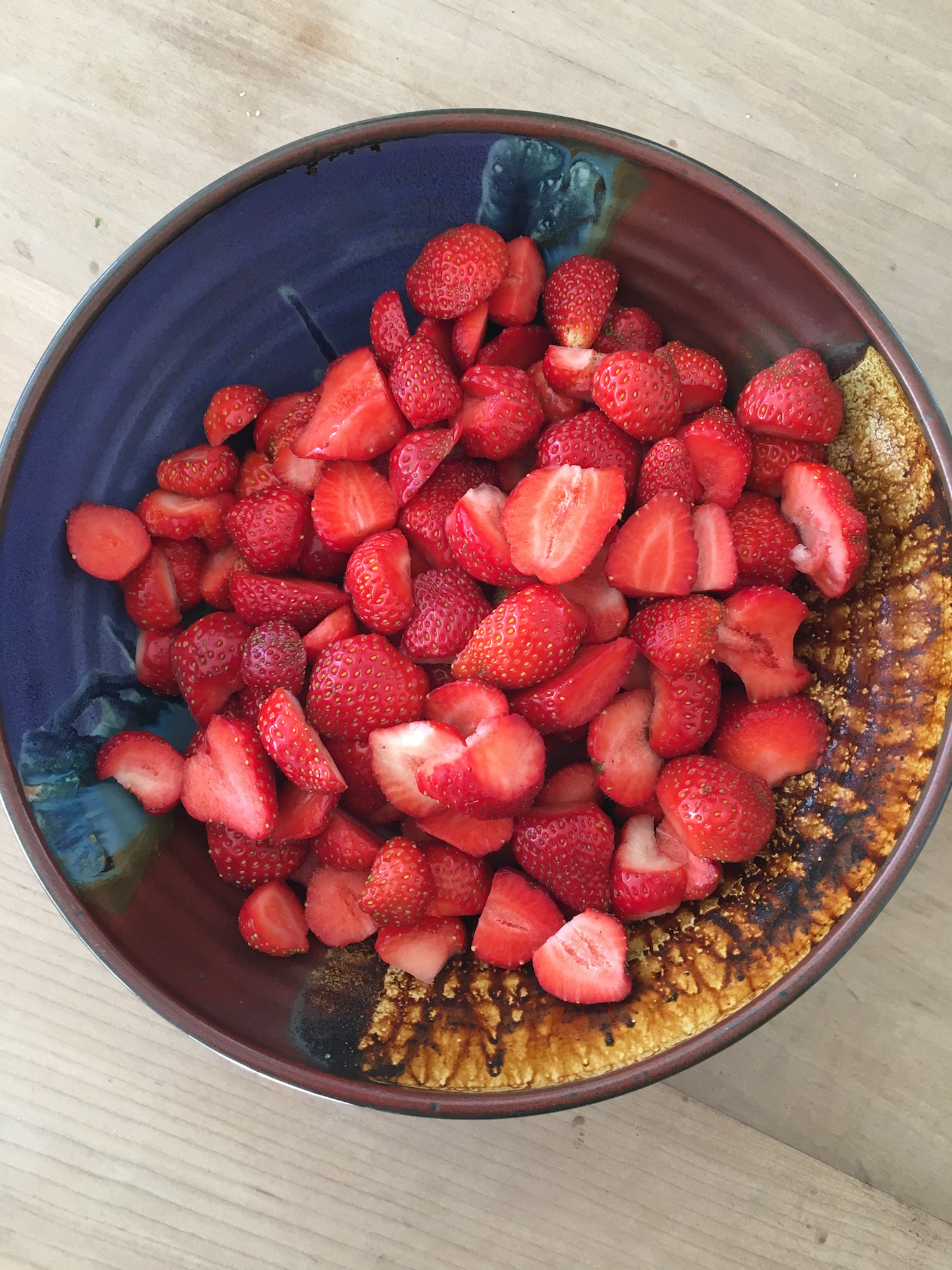
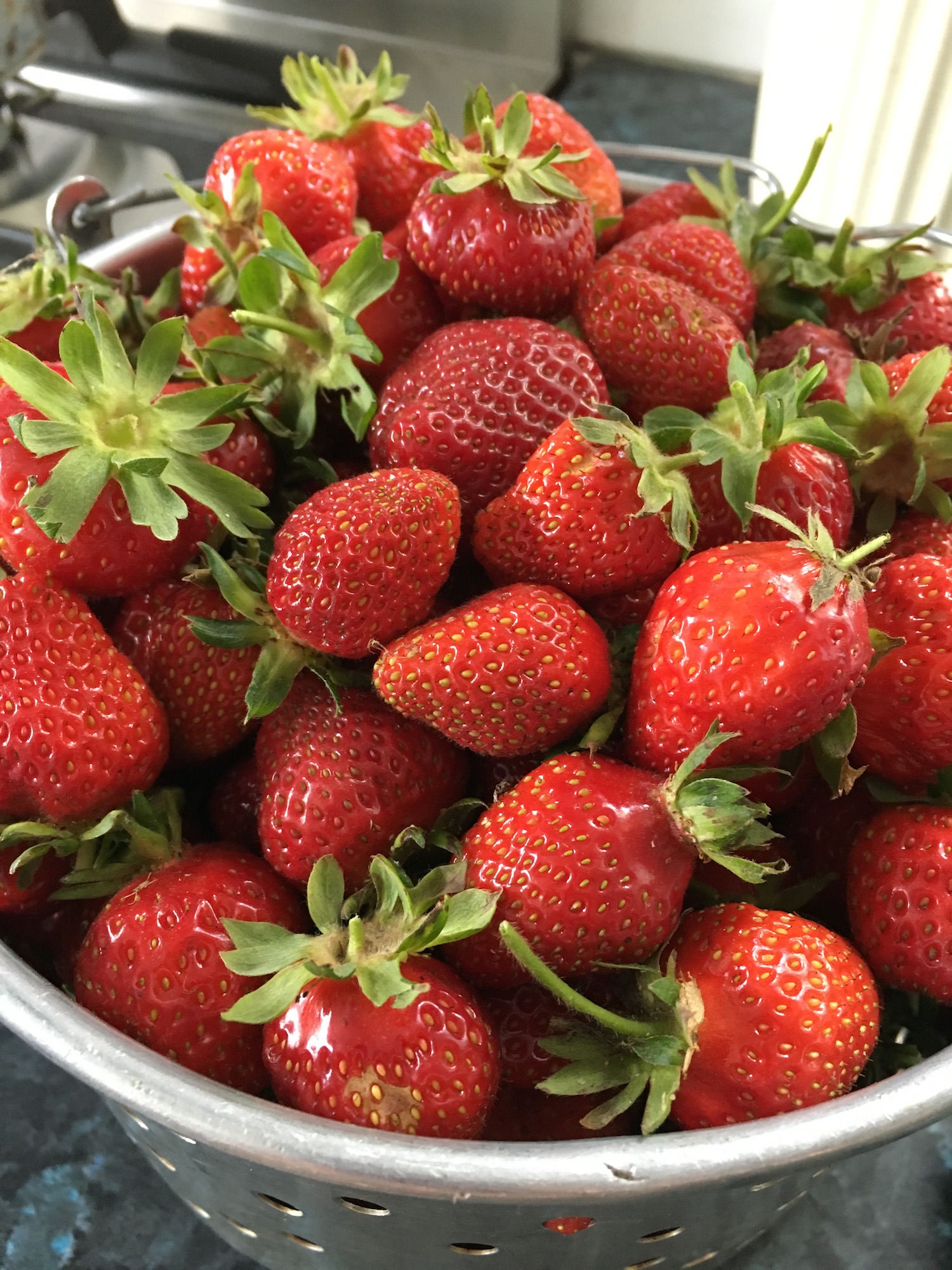
Strawberries, gooseberries, black currants, red currants, cherries, and peas—ah! The signs of Christmas! They’re red and green, just like those in the Northern Hemisphere, but the greens are brighter than pine tree green, and the reds more succulent than holly berries.

They are just as festive as the colours up north, though in a different way. While you look inward, gathering around the hearth on long dark evenings, we look outward, sitting with friends on the beach on long summer days. You dream of white snow, we dream of white sand. You have visions of sugar plums dancing in your heads, we have visions of fresh strawberries dancing in ours. While you sing ‘let it snow’, we sing ‘let us go’ (to the beach).

Now and again I miss the cosy dark of Christmas in the north. And every year, I wish summer gardening, Christmas, and the end of the school year didn’t happen simultaneously. But I’ve grown to appreciate the summer Christmas. I appreciate not having to plan Christmas dinner, but letting it spring from whatever is abundant in the garden. I appreciate being able to sit outside on the porch in the sun after gifts have been opened. I appreciate the barefoot, short-sleeved, nature of Christmas here.

It’s like Christmas-lite.

A Cauliflower Calamity

2016-11-29-16-41-47We’re about to be inundated with cauliflower. I’m afraid it’s all my fault.

As I looked through the seed catalogue way back in July, I saw ‘Cauliflower Orange Bouquet F1’.

The photo showed a warm orange head of cauliflower, and I thought, “Oooo! That would be pretty!”

I ordered it, of course. Never mind that I already had half a packet of ‘Snowball’ left from last year, and we don’t eat all that much cauliflower.

And then, because I can’t help myself, I planted both types this spring. After all, if orange cauliflower would look good, then orange and white cauliflower would look better, right?

Now I’m looking at 20 cauliflower plants all coming ready at the same time. That wouldn’t be too bad, if I had my beautiful orange and white colour combination.

Unfortunately, Orange Bouquet has turned out to be a sort of weak yellowish colour. If you didn’t have the two side by side, you’d be hard-pressed to tell the orange from the white.

The orange is every bit as delicious as the white, and the heads are big and compact. There’s nothing at all wrong with it. But it is a bit disappointing.

And now I’m wondering what to do with all this cauliflower…

Hmm…

I see in the catalogue there’s another variety—’Violet Sicilian’—now, that would be something! Think how all three colours would look together!

(Please, somebody stop me now, before it’s too late!)

A Christmassy Dinner

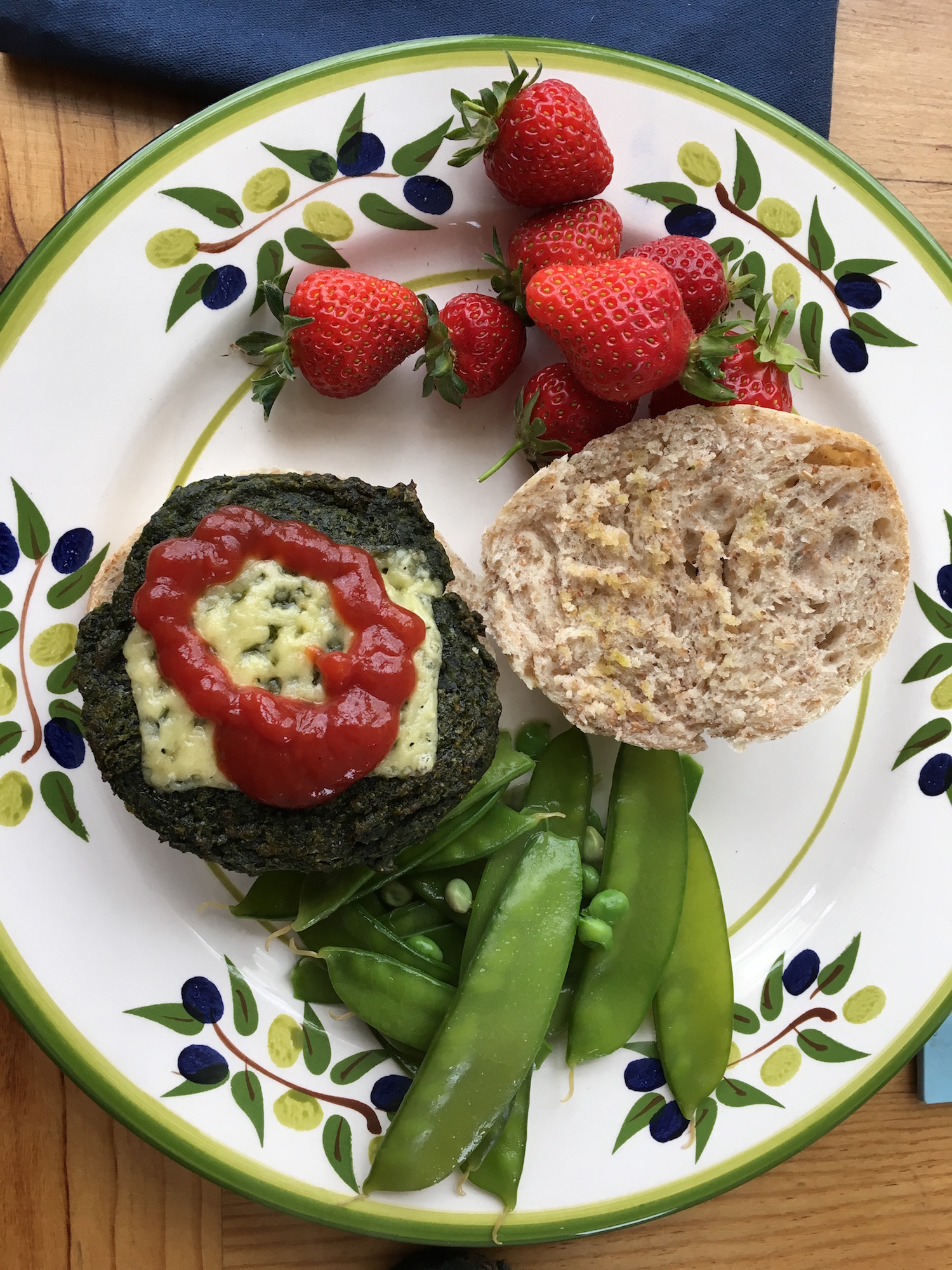
2016-11-30-18-07-51-smOnce a year, I make broad bean burgers. They’re a mission to make, because you have to shell them, cook them, then peel of the skins, then turn them into burgers. So once a year is enough.

As I mixed up the bright green burger mix, I thought about what I was going to serve with the burgers.

Well…

It’s the start of the holiday season…

A red and green meal was in order—green burgers with ketchup, peas, and strawberries!

Not exactly a Northern Hemisphere holiday meal, but perfect here.

Counting your Quinces

2016-11-28-16-39-54-smYou know what they say—don’t count your quinces before they ripen…okay, maybe they don’t say that, but they probably should.

I’m pleased to count the little quinces forming this year, though. I know we won’t get to eat all of them, but it’s the most fruit the little quince tree has ever set.

I can almost taste the quince paste now…

I had never encountered quince before coming to New Zealand. It’s an odd fruit. It’s sort of what I imagine pears must have been like before hundreds of years of plant breeding—astringent, hard, and gritty. They’re not a fruit you eat fresh.

But cook them, and all their glorious floral flavours come out. Turned into quince paste, they are one of my favourite foods.

Quince paste is delightfully versatile—pair it with cheese on a cracker for a salty snack or hors d’oeuvres, or spread it on toast for a sweet breakfast treat.

Making quince paste is a lesson in patience. First, you have to wait for the quinces to grow and ripen—they won’t be mature until autumn, and they’re not a fruit you find in the store, even in season. You just have to wait for them.

Then you have to simmer those rock-hard quinces for half an hour until they’re soft enough to mash.

Then you add sugar and cook oh-so-slowly for up to 3 hours, until the mixture turns red.

You pour the hot paste into jars and wait another few hours for it to set.

Finally, you can enjoy your quinces.

So, yeah, don’t count your quinces before they’re paste.

Bread Day in the New Oven

2016-11-27-12-28-41-smWhile there are still a few details to finish on the oven, we had our first bread day in it today. I say “we”, but really it was my husband who did all the work.

It started yesterday when he started bulking up the sourdough starter.

This morning around 7, he lit the fire and made the dough—20 kilos of flour in this batch!

Three fires lit and burned down, and both dough and oven were ready. He started baking just after lunch.

I swanned in several hours later and whipped up lemon cupcakes and walnut chocolate chip biscotti to go in after the last of his loaves came out.

2016-11-27-16-01-13-smAlmost 12 hours after the fire was lit, we pulled out the last of the day’s baked goods. The final tally was 27 loaves of bread, 20 sandwich rolls, 24 cupcakes, a batch of cookies, and a hefty ‘brick’ of bac-un.

So the oven works, and looks good, too!

For those who missed it a couple years ago when I posted it, you can visit our kitchen for a bread day in this time lapse video.


Thanksgiving

2016-11-25-18-36-30-smTimed to coincide with the last of the autumn harvest, Thanksgiving is traditionally a celebration of the foods that store through winter—pumpkins, apples, potatoes, corn.

Which is why we don’t really celebrate it here. Not in the traditional culinary sense, at least. Apples and potatoes are wrinkled and old by November. The pumpkins are all gone.

But there is much to be thankful for at the beginning of summer, and our Thanksgiving Day meal reflects this—pasta full of spinach, artichokes, and peas; a fresh green salad; and strawberries for dessert. Indeed, every day is a harvest celebration at our house. Every day, I am thankful for the sun, rain, and soil. I am thankful for our ability to produce much of our own food. I am thankful for my children, who understand and appreciate the amount of work that goes into every bite they eat—who thank the cook and the gardener every day.

I am thankful for the partner with whom I share the daily tasks that provide food for our table. I am thankful for the neighbours who help keep animals and plants alive when we go on vacation.

Yes, I’m sometimes a grumpy farmer—there’s never enough rain, the pests are terrible, the neighbour’s weed-killer has wafted across the fence line again…there’s always something to complain about.

But however much I grumble as I’m pulling weeds or dragging irrigation hoses around, dinner is always a time of Thanksgiving.

Ice Cream Sandwich Cookies

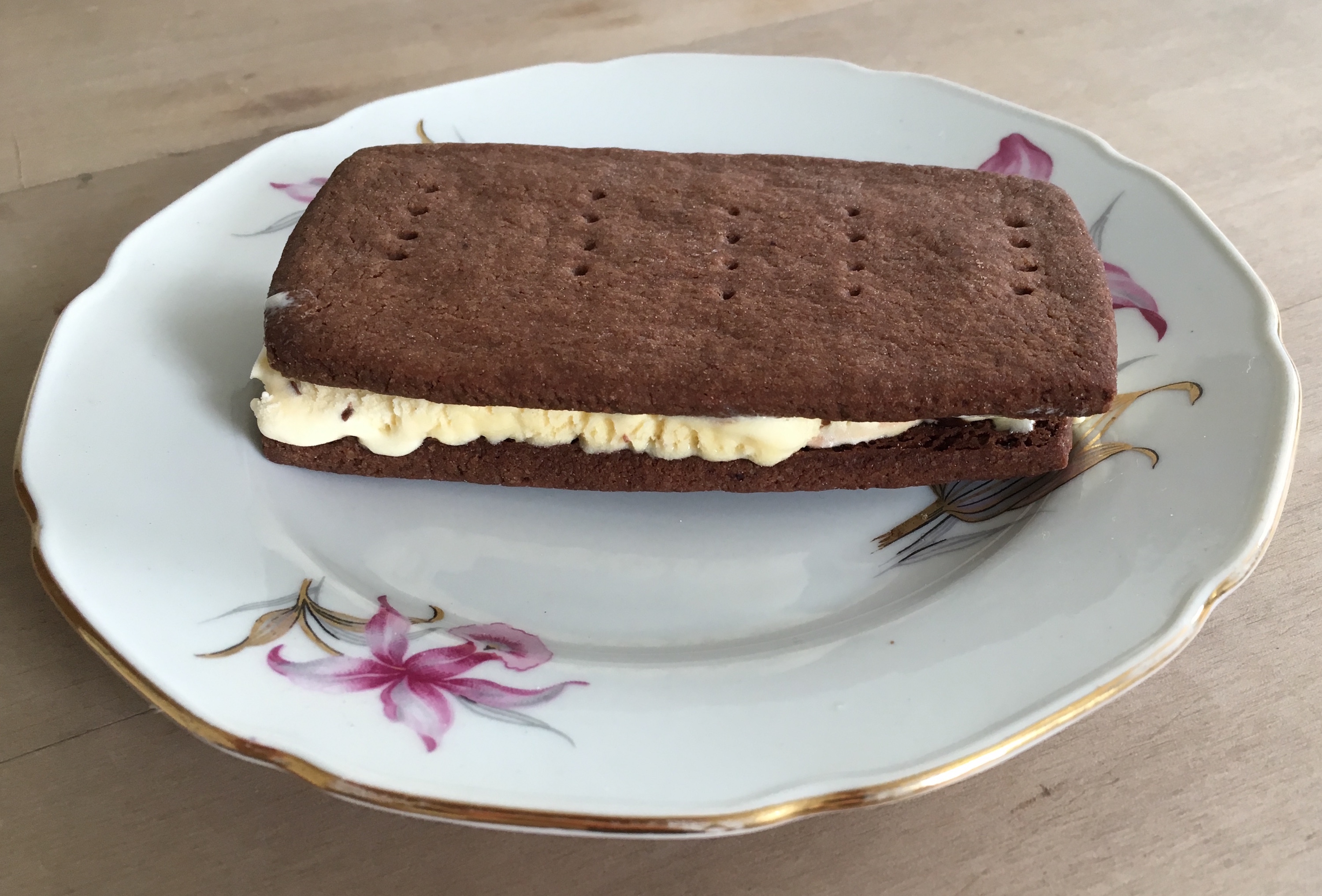
2016-11-23-18-32-40-smI know that for those of you in the Northern Hemisphere, an ice cream sandwich might not be enticing at this time of year, but you’ll want to save this recipe for later. Better yet, turn up the thermostat and make them now, regardless of the weather.

When I first made speculaas, I thought the texture was perfect for an ice cream sandwich cookie. It’s been quite a while, but I finally got around to modifying the recipe to turn it into the perfect ice cream sandwich cookie.

2 ½ cups flour
½ cup baking cocoa
4 tsp baking powder
½ tsp salt
1 cup butter, softened
1 ½ cups sugar
1 tsp vanilla
3 Tbs milk

Sift together the flour, cocoa, baking powder and salt. In another bowl, cream the butter and sugar until light and fluffy. Mix in the vanilla and milk. Gradually add the flour mixture until it is all incorporated, and the dough comes together.

Turn the dough out onto a well-floured surface and roll to about 3 mm (1/8 inch) thickness. Cut with a knife into ice cream sandwich sized rectangles (about 5 x 12 cm (2 x 5 inches)), and prick with a fork for the classic look. Place on a lightly greased baking sheet. Bake 12-15 minutes at 190°C (375°F).

Allow to cool, then sandwich ice cream between two cookies, wrap in waxed paper, and allow to sit in the freezer for at least an hour. I cut the ice cream into the right size slabs with a butter knife.


Berries Bought with Blood

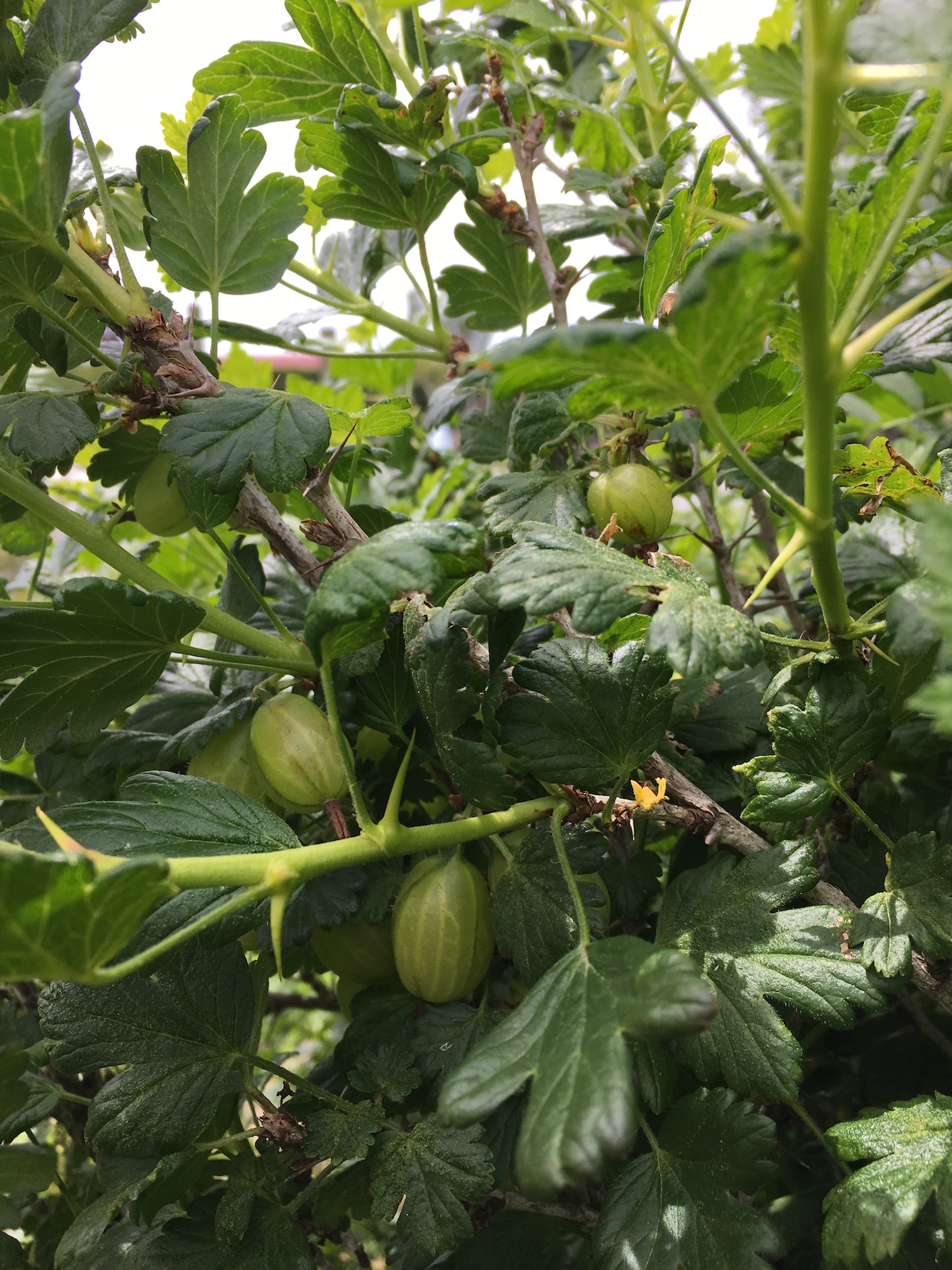
2016-11-18-13-33-56-smGooseberries are one of my favourite fruits for jam—high in pectin, a beautiful colour, and wonderfully tart.

I just wish the plants weren’t so vindictive…

I watch the fruits swell with a mix of excitement and trepidation. There will be lots of fruit soon, but the price of picking it will be scratched and bloody hands.

I should probably prune the plants, so there’s more space to get in there and pick. But pruning brings its own blood price, and one of the things I like most about gooseberries is that they pretty much take care of themselves. They do well in dry conditions, and they compete well with the weeds. That they give us fruit without the fuss of pruning is a huge bonus.

All in all, I suppose I can’t complain about the trade-off. A little blood for a harvest of delicious fruit is a good deal.

Vigilance

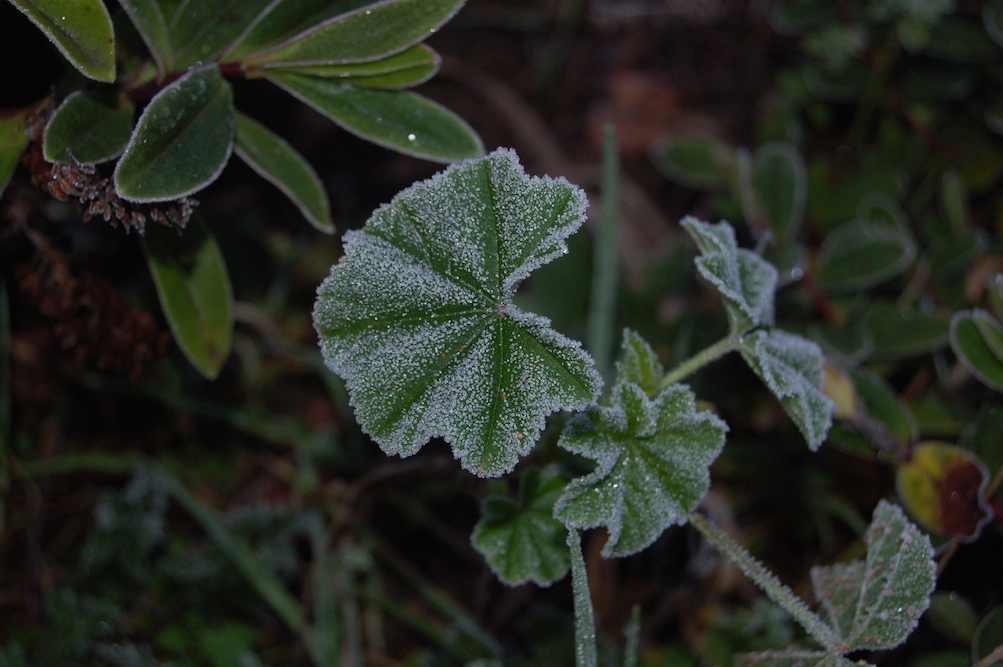
Will we wake up to this tomorrow?

Will we wake up to this tomorrow?

I watched the weather forecast closely this week. The week after plant out, when all the frost tender vegetables are newly planted, is when it usually happens.

A day of cold southerly rain, bringing much-needed moisture. The rain is good, and the low daytime temperatures won’t damage the plants.

But somehow, those rain clouds always blow away as the sun sets. The wind dies, and the air grows still as the temperature plummets.

The weather forecasts rarely predict these frosts, but I’ve learned to look out for them.

Today, as the clouds broke just in time for a spectacular rainbow before sunset, I knew the garden would be in trouble before dawn.

I pulled out all the frost cloth I own, and as the light faded, covered as many tender plants as I could. At this point, I can’t possibly cover them all, but I can strategically save those I would be most sorry to lose, and those that are most sensitive to frost.

Before dawn I will be in the garden again checking for frost. If I’m lucky, there will be none. If I’m unlucky, I’ll spend the early hours hosing down the plants I couldn’t cover in the hopes of saving them.

The strategy works…mostly. But just one frost at this time of year can change the landscape in the garden and the food choices we have through the next twelve months. It pays to be vigilant.