Zucchini Tomato Tart

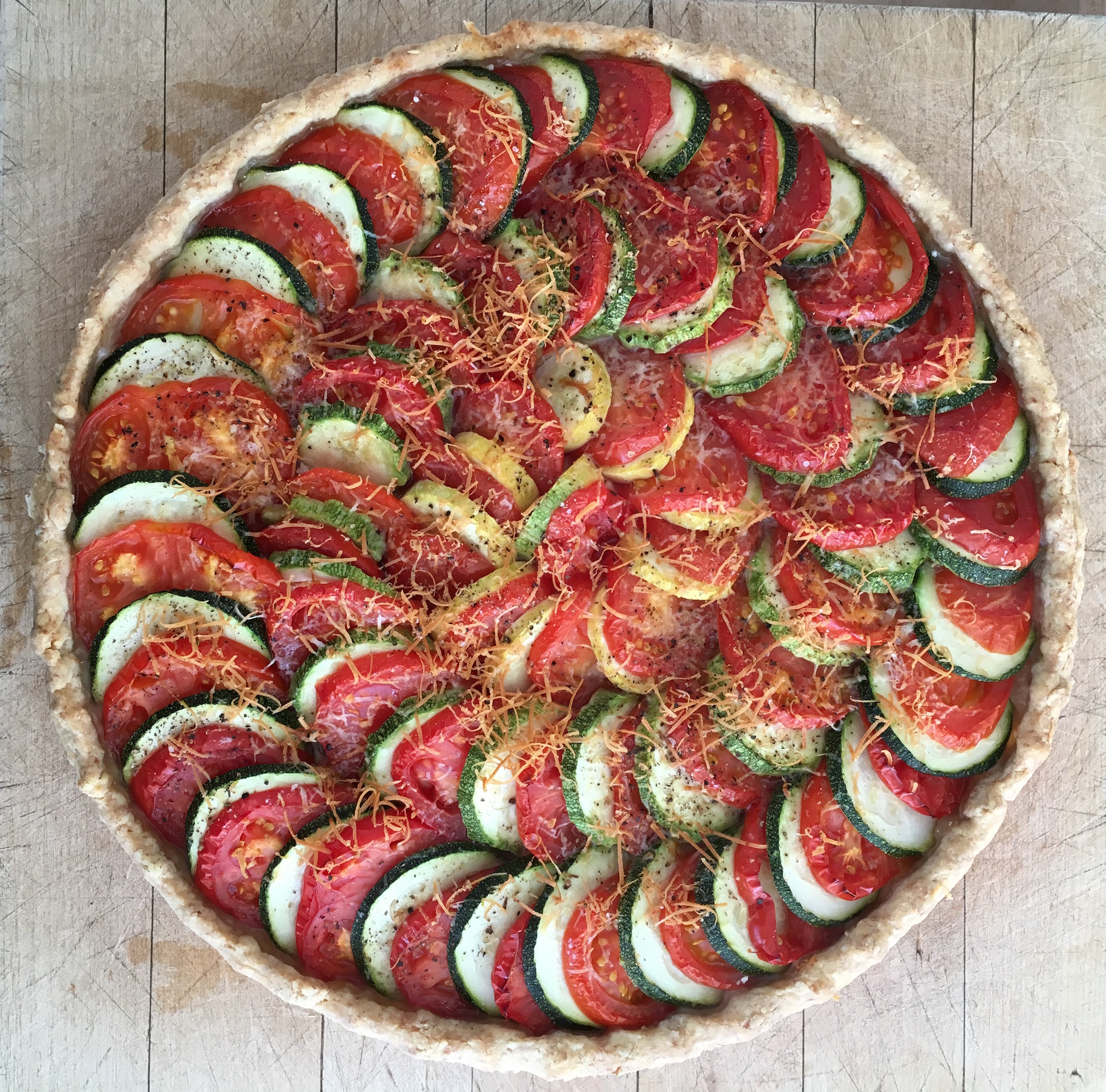
img_3173I knew what I wanted for dinner this evening. I remembered seeing the photo of it in one of our cookbooks. I remembered making it once, ages ago–a tomato zucchini tart. I couldn’t find the recipe, though, so I punted. The resulting tart was spectacularly good.

Here’s the completely untested recipe I made up on the fly.

Make your favourite pie crust. Line a large tart pan with it and chill it in the fridge while you prepare the rest of the tart.

Slice zucchinis and tomatoes into 3 mm (1/8 inch) slices. How many? I don’t know…enough. You can always slice more as you go.

Spread a generous layer of chevre (a soft goat cheese) on the bottom of the crust.

Layer slices of zucchini alternated with slices of tomato, starting at the outside edge of the pan and working toward the centre in rings. (Because I could, I used a different variety of zucchini for each ring, moving from dark green to light green to yellow…but I’m weird like that)

Sprinkle freshly grated parmesan cheese over the top, along with a generous grinding of black pepper and salt.

Bake at 210°C (400°F) for about 40 minutes.

I served this with corn on the cob and a cucumber and onion salad for a mid-week meal that felt more like a weekend feast.

Lovely Leftovers

2017-02-20-20-05-18-smMost days I eat dinner leftovers for lunch. Sometimes they’re okay, sometimes they’re lame, occasionally they’re quite good.

But some leftovers are always nice.

During crazy cake season, I make a lot of icing, marzipan, and other special items for decorating cakes. Invariably I make too much–after all, I don’t want to run out in the middle of decorating a cake.

Some leftovers are eaten as-is–meringue mushrooms were a huge hit one year, as I recall, as were chocolate leaves.

Other leftovers need to be incorporated into something else to be enjoyable. This week I had a lot of marzipan leftover. Marzipan is okay on its own, but it’s much better with chocolate.

I rolled the leftover marzipan into 24 little balls, and placed each ball into the middle of a chocolate cupcake. The presence of the marzipan flattened the cupcakes (and made little belly buttons in some), but the chocolate-almond combination is excellent.

Best leftovers I’ve eaten in a long time. Now, if only I could justify eating them for lunch…

Ginger Slice

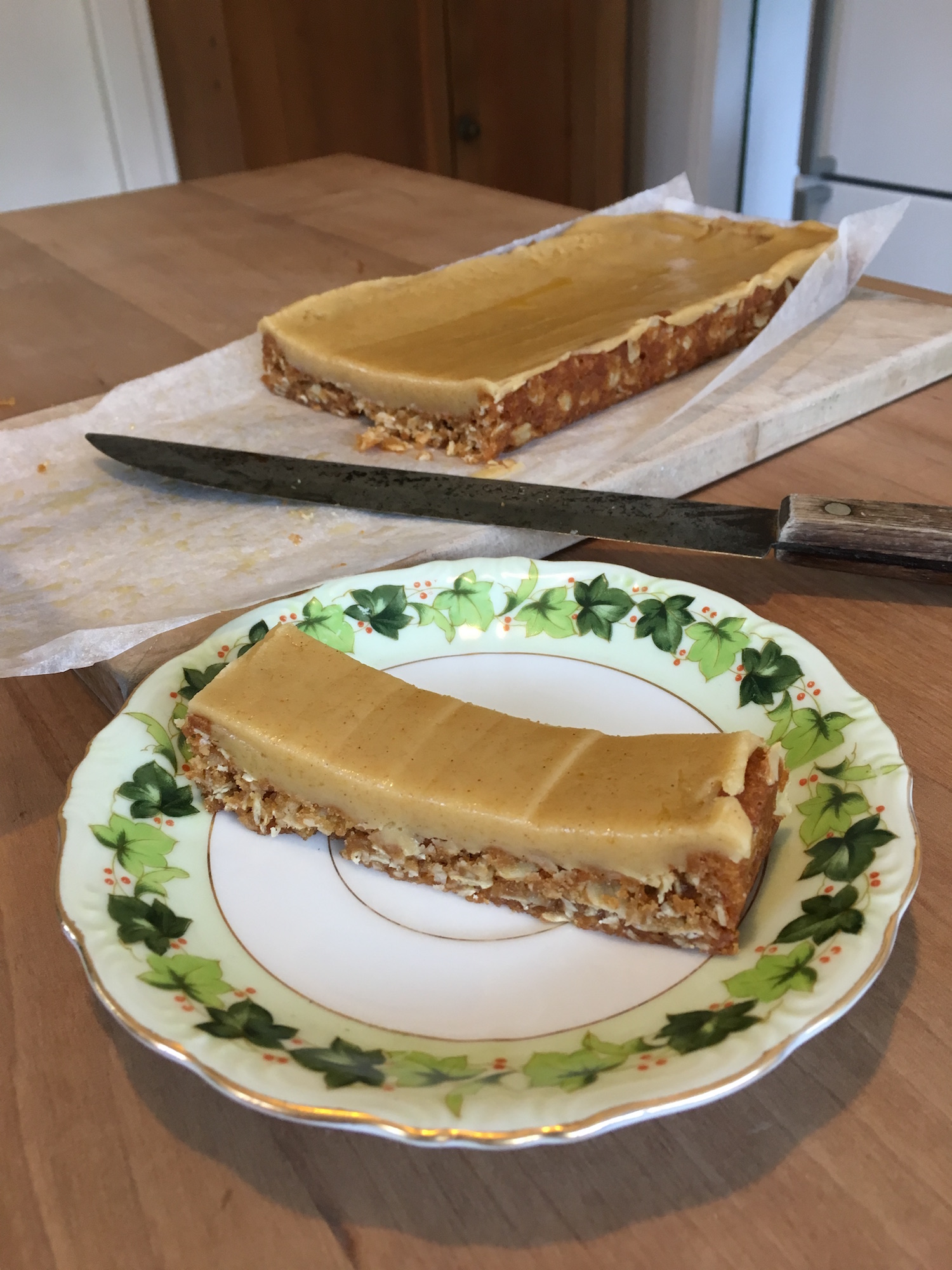
img_3132I asked my daughter if she had any requests for today’s baking, and she asked for ‘those ginger slices’. I have no idea what she was talking about, because I’ve never made ginger slice. Sounded like a good excuse to try something new. Besides, making a slice let me use the slice pans Santa brought me for Christmas this past year.

A quick on-line search took me to this recipe, posted by Chelsea Winter. The recipe was quick and easy, if rather high in butter and sugar.

The result was greeted with praise by my ginger-loving family. Even I (not really a fan of ginger) thought they were pretty good, especially with a cup of tea.

Uplifted Polenta Lasagne

2017-02-11-18-05-05-smLet me start by saying I had nothing to do with this meal, aside from growing the raw ingredients and making the feta and parmesan cheese. I was off doing other things while my husband cooked this. I didn’t even do the dishes afterwards–the kids washed.

Do I have the best family, or what?

This incredible dish is actually quite simple. My husband started by making firm polenta (flavoured with parmesan cheese, rosemary, salt and pepper) and allowing it to cool in an oiled jelly roll pan. When the polenta was firm, he cut it into squares, and layered the squares at an angle in an oiled lasagne pan with slabs of raw zucchini, slices of tomato, salt and pepper, and a mix of feta and grated edam cheese. He sprinkled fresh basil, chopped garlic, and diced tomato on top, and baked it at 220°C (on fan bake) for about 20 minutes. The result was rich, juicy and flavourful.

My contribution to the dinner was a simple salad of thinly sliced cucumbers tossed with salt, red wine vinegar, olive oil, and chopped fresh fennel leaves–a perfect accompaniment.

Summer cooking just doesn’t get better than this.

Salty Pretzels, Shiny Pots

img_3057I love soft pretzels. If I had an unlimited supply of them, I’m certain I would simply eat them until I was sick. So it’s a really good thing they’re basically not available in New Zealand.

They’re easy to make, though, and the kids enjoy shaping them. We make them with some regularity, usually timed so that they’re coming out of the oven at lunchtime. Served with dill pickles, mustard, and a good sharp cheese, they make an excellent meal (if a bit salty).

I love these pretzel meals, but even after the pretzels are gone, they leave a lasting bonus.

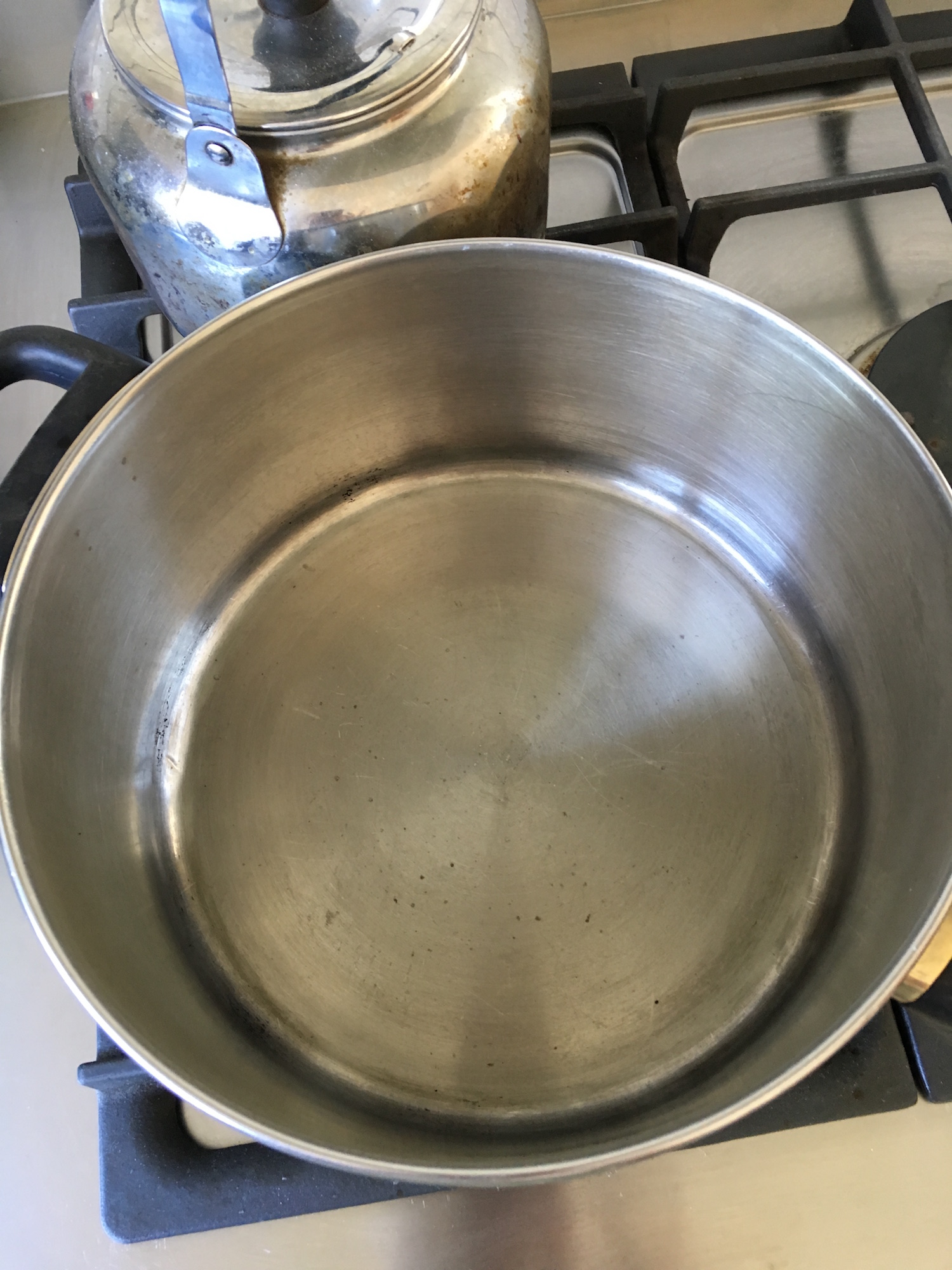
A shiny pot.

Boiling the pretzels in a baking soda/water mixture loosens all the burnt-on oil from my cooking pots. You know, all those dark spots you chalk up to ‘patina’ because they’re a real pain to wash off. Loosened by the baking soda, they lift right off when you wash the pretzel-boiling pot.

I learned this years ago, and regularly boil water and baking soda in my pots to get them nice and clean. But I never have the patience to boil it long enough–by making pretzels in the baking soda mixture, I leave it boiling long enough to lift the stains.

Pots looking dingy? Maybe it’s time to make pretzels!

Greengages

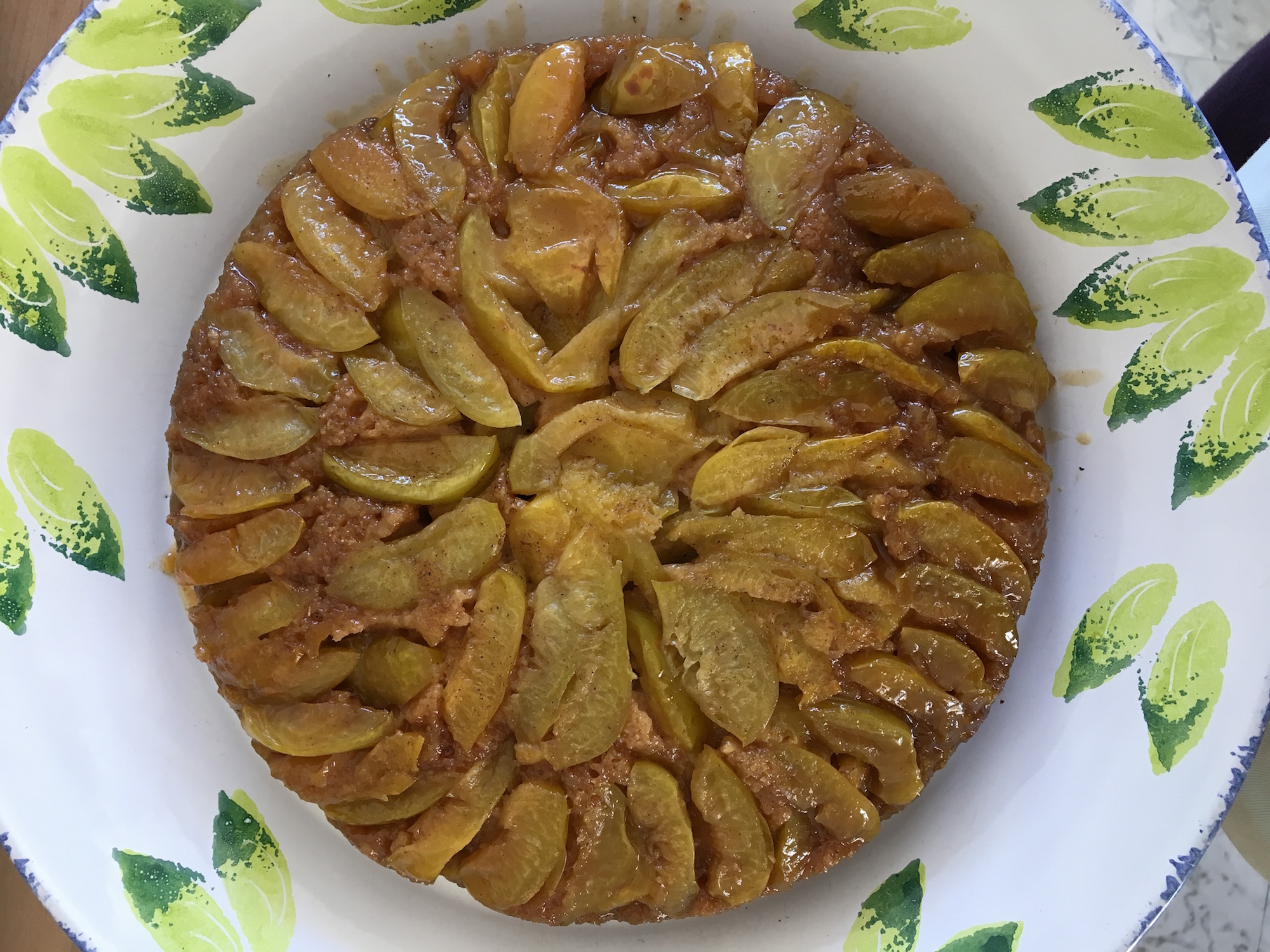
2017-01-25-14-58-09-smWe don’t often get many greengage plums. Our tree is small, and it sits in a windy location, so many fruits blow down before they are anywhere close to ripe. This year wasn’t too bad–we harvested about three kilos of fruit. Plenty to enjoy.

One of my favourite things to do with summer stone fruits is to make upside down cake. Indeed, I’ve blogged about it three times in the past two years. So today I’ll ignore the cake, and mention the plum, instead.

I didn’t know a lot about greengages before coming to New Zealand, where I found a fair number of people had them growing in their yards.

Greengages are named after Sir William Gage, who imported them to England from France in 1724. The cultivar he imported had another name, but apparently the tag was lost in transit (These were the days before anyone considered biosecurity…Importing a strange plant? Whatever). They were popular in America in the 1700s, but fell out of favour in the 1800s.

According to a 2004 article in the New York Times, there’s good reason greengages fell out of favour. The trees take longer to mature than other plums, they fruit erratically (I thought it was just our tree), the ripe fruit is fragile, and they’re prone to cracking and rotting on the tree. Not exactly an easy plum for commercial production.

But the greengage is considered one of the finest plums for flavour. Grown commercially, it fetches a high price. According to the New York Times article, in 2004 fewer than 100 greengage trees were harvested commercially in the United States. They are more common in Europe and New Zealand. New Zealand exports a small quantity of greengages to the US each year, where they are sold in specialty markets.

So I feel much better about my 3 kilo harvest of greengages. They are wonderful, and if they’re a bit finicky to grow? Well, that just makes them all the more special when we have a good year.

The Art of Food (or Beauty and the Beets)

img_2953-smTwenty-seven years ago, when I became a vegetarian, I had no idea that doing so would be an artistic adventure, as well as a culinary one.

The dietary change came easily and quickly. Because I was actually thinking about my food, I ate much better than I had before–a lot less pre-packaged swill, and a lot more fresh ingredients. I never missed the meat.

The artistic change has come more slowly and has only really blossomed in the past two years of blogging about food. In the past, I concerned myself with the look of food only on special occasions. Most of the time, I didn’t pay much attention to the aesthetics of my meals.

Now, even meal preparation has become an artistic experience. I notice how water beads on the surface of a tomato or how yellow carrots contrast beautifully with the dark kitchen benchtop, I choose vegetables for their colour as well as their flavour, I appreciate the vision of my ingredients lined up in little bowls waiting to be cooked. Sometimes, I’ll pick the vegetables for dinner a little earlier than I have to, simply so I can enjoy seeing them heaped in colander in the kitchen.

Being a gardener makes the aesthetics all the more rewarding to me–when the fruits of my labour are as beautiful as they are delicious, how can I help but be pleased? And, of course, I’m thinking about colours when I plant my vegetables too.

I say the aesthetics are part of the vegetarianism because I can’t imagine a raw chicken leg looking nice sitting on the kitchen bench. There’s something about the vegetables that’s pleasing, whether raw or cooked. Maybe it’s the colours. The vegetable palette is more varied and bright than the meat palette–snow white cauliflower, dark green spinach, deep magenta beets, bright green peas, sunny yellow squashes, scarlet tomatoes…Cooking with those vegetables is like dipping a paintbrush into the colours and creating a work of art.


End of the Pickle Drought

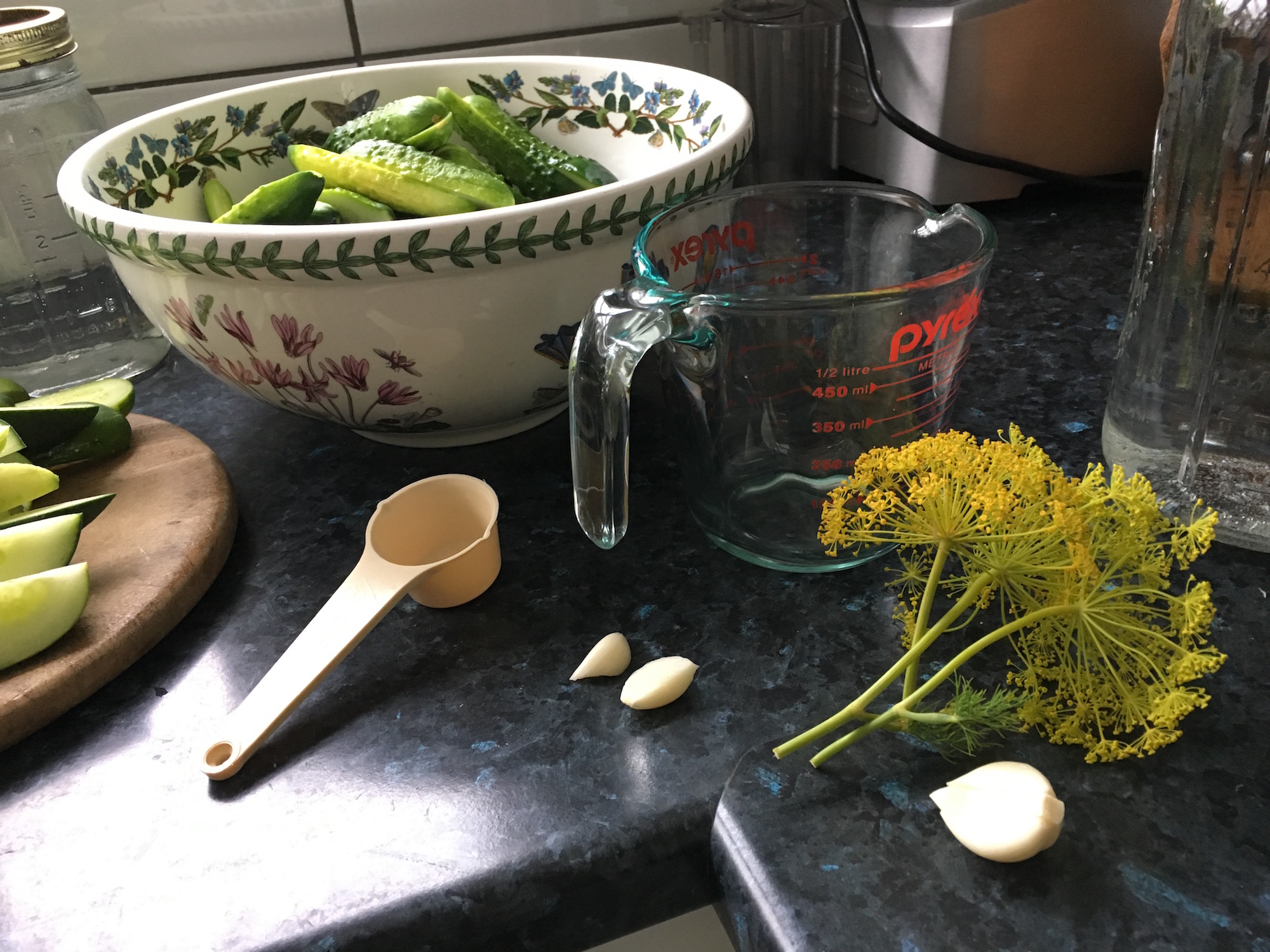
2017-01-02-08-03-25-smI grow pickling cucumbers every other year, in order to avoid becoming the Pickle Lady. Last year’s crop, however, was killed by frost, and we’ve been out of pickles for some time.

This year, the stars have aligned, and I have a beautiful crop of cucumbers coming on. As a bonus, the dill didn’t get completely wiped out by aphids (as it often does), so it’s perfectly timed with the cucumbers. There will be plenty of dill seed heads to flavour the pickles this year.

So it was with joy that I picked the first cucumbers yesterday. There weren’t enough to make a proper batch of pickles—there’s no point in heating up the canner unless I can fill it at least once—but I was fine with that. In fact, I was quite pleased there weren’t more. It meant I could make a batch of fresh pickles to put in the fridge and eat right away. After a long pickle drought, they’re going to taste fabulous!

Cabbage Overload

img_2762When my husband and I lived in Panama, we made the trek to the provincial capital, Penonomé, every week or two. The trip involved half an hour of walking to the closest bus stop, then a bumpy forty-five minute ride down the mountain in the back of a pick-up truck. It wasn’t something to do daily.

In town, we would pick up our mail, phone home, and do some shopping. In our village, we could buy rice, beans, and a few other necessities in small quantities from the little tiendas, but we could only get vegetables from town (we were nowhere close to self-sufficient in vegetables there).

With no refrigeration, and tropical heat, fresh vegetables didn’t last long. We ate well for a few days after a shopping run, but by the end of the week, we were usually down to plain rice.

The most long-lasting vegetable we had was cabbage. A cabbage might last an entire week before it was too wilted or rotted to eat. So every trip to town, we bought a cabbage, and for at least two meals a week, we ate cabbage and rice.

At that rate, in our two years of Peace Corps service, we ate about a hundred cabbages. By the time we left, we couldn’t bear to even look at a cabbage. It was several years before we considered eating one again.

Today, we enjoy about a dozen cabbages a year, most in the form of sauerkraut or coleslaw. The idea of cooking up a pot of cabbage and rice is still repulsive, but with cabbage being a year-round crop here, it’s good to be able to make use of it.