Chick Pea Salad

2016-05-08 17.32.36 smWho would have thought we’d still be eating tomatoes and eggplant in mid-May?

But since we are, my husband made baba ghanoush on Sunday, and we had a lovely Mediterranean meal of baba ghanoush, freshly baked bread, homemade goat cheeses, and chick pea salad.

I looked at a number of chick pea salad recipes on-line, then ignored them all and used what we had in the garden. The result was quite lovely.

1 cup dry chick peas

1 sweet red pepper, chopped

2-3 medium tomatoes, chopped

¼ cup chopped fresh parsley

12 large black olives

1 Tbsp extra virgin olive oil

1 Tbsp balsamic vinegar

1 Tbsp red wine vinegar

salt and black pepper to taste

Cook the chick peas until tender, and allow to cool. Drain. Mix the chick peas, tomato, pepper, parsley and olives in a bowl. In a small bowl, whisk oil, vinegars, salt and pepper. Toss the salad with the oil and vinegar.

This salad holds up reasonably well to refrigeration (I just ate the last of it for lunch today, two days later, and it was still good), but is best eaten at room temperature on the first day.

Any day now…

DSC_0060smOkay, it’s allowed to rain now.

Any day would be fine.

Just a little?

And maybe something a bit cooler than t-shirt and shorts weather to go with it?

Please?

Six years ago, the beginning of May looked like the picture above—we called it the black days of May. That was a bit too much rain, but normally we’ve had some good rain by the beginning of May.

Not so, this year. This year, it’ll be the brown days of May. We had plans to do a lot of landscaping this fall, but the soil is still bone dry—new plants wouldn’t stand a chance, even if we could water them. Almost every bit of promised rain has failed to materialise. The little that has fallen has evaporated within a day under summer-like heat.

2016-05-03 10.26.14It feels like summer will never end.

I’m still watering the garden, though the summer crops have mostly given up out of drought and exhaustion. The winter crops are likely to bolt in this weather, even with watering.

And who knows how long I’ll be able to water. It hardly rained last winter, and last summer was particularly dry, too. Canterbury water is over-allocated. The water table is dropping, and some people have already had to deepen their wells. How long before we run out?

Water is still being managed for short-term profit here—to ensure maximum output of dairy and crops. Environmental concerns and future supply are given lip service. That will come back to bite us. Climate change models predict less rain for Canterbury. If we keep on like this, at some point, we will run out.

Do we have the will to change before that happens? Experience in other parts of the world says no.

I do my best to conserve water here—using greywater to water plants, watering sparingly, mulching heavily, planting shrubs that can handle the dry—but I’m a tiny player, surrounded by farms hundreds of times the size of my property. The water I conserve is just a drop in the bucket.

A drop in the bucket would be nice about now. But the meteorologists are predicting no rain at all for the month of May in Canterbury.


An Unusual Moth

2016-04-22 15.36.36One day last week I was folding the laundry, which had been hanging out on the line all day. As I shook a t-shirt to fold it, up flew a tiny moth. When it landed again, I noticed that it looked odd. It sat with wings wrapped around it, a bit like a grass moth. But it held its spiky back legs high in the air, unlike any moth I’d seen. I took a couple of photos, none of which came out great—the iPhone just wasn’t made for macrophotography.

Still, even with a grainy photo, I was able to identify the moth to the genus Stathmopoda.

That’s where it started to get weird.

Everyone knows that butterflies and moths start off their lives as caterpillars, and that caterpillars eat plants, right?

Not so, in the genus Stathmopoda. Instead of munching leaves, the caterpillars of Stathmopoda eat other insects.

Yes, they’re carnivorous caterpillars.

They prey primarily on scale insects, so some species are actually used as biological control agents to help control these pests.

They are not the only carnivorous caterpillars. Though carnivory is rare among butterflies and moths, it has evolved separately several times in at least eight different lineages. Most carnivorous caterpillars eat small, slow-moving or sedentary insects, as you might expect from an animal that is neither speedy nor particularly formidable itself. As far as we know, there is only one moth that is carnivorous as an adult—the ‘vampire moth,’ Calyptra eustrigata, which feeds on the blood of ungulates.

I’m quite happy that this little Stathmopoda is carnivorous. Our currants suffered a bad case of scale insects this summer, so I hope there are lots more Stathmopoda out there. Here’s wishing it great reproductive success in the garden!

Crazy Corner Farm

2016-04-17 11.13.55 sm“So, what do you grow here at Crazy Corner Farm, eh?” asked the man who delivered 500 bricks earlier this week.

I laughed.

“Well, it’s basically a subsistence farm. A little milk and cheese. A lot of vegetables.”

It was a good enough answer, and appropriate to the situation. But other things came to mind.

What do we grow here at Crazy Corner Farm?

A lifestyle. A lifestyle of hard work rewarded by the fruits and vegetables of our labour.

Kids. Kids who know where their food comes from. Kids who understand the work that goes into a simple block of cheese. Kids who can tell a bee from a syrphid fly, use a machete and an axe safely, and design and plant a garden.

Creativity. Creativity in food, garden, crafts, DIY problem-solving, circus arts…everything. By providing the space, materials, and encouragement to let it flourish.

Stories. Or, as my husband said it, “Organic hand-picked words available in convenient poem, economic story, and family-size novel packs.”

So, we grow a lot here on our tiny farm. More than you might guess at first glance.

Managing Water

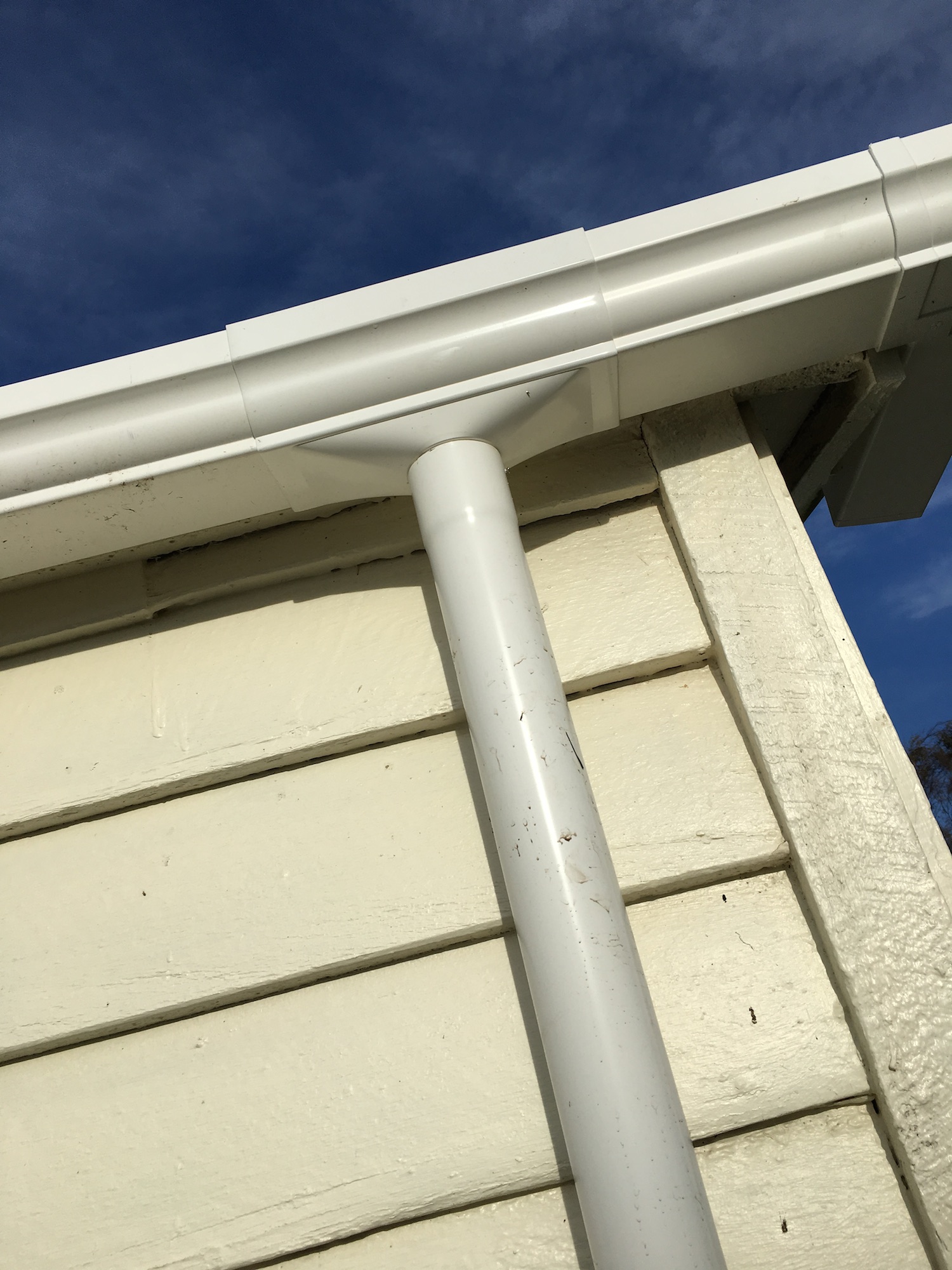
2016-04-22 15.51.16 smMake hay while the sun shines, they say.

They could also say fix your roof while the sun shines.

The sun shone so much over the summer (and now well into autumn), that it would have been easy to forget the leaky roof and broken gutters. And we did manage to ignore them both all summer, but one of these days (hopefully very soon) it’s going to start raining again. It was time to get the work done.

I enjoy being on the roof. But roof work is never fun—wrestling sheets of corrugated iron roofing around in the wind, pulling rusty lead-topped nails, dealing with rotting roof beams, and doing it all on an angle four metres above the ground.

Still, it is good to have roof and gutters repaired. And after we prepared for rain, I weeded the artichokes.

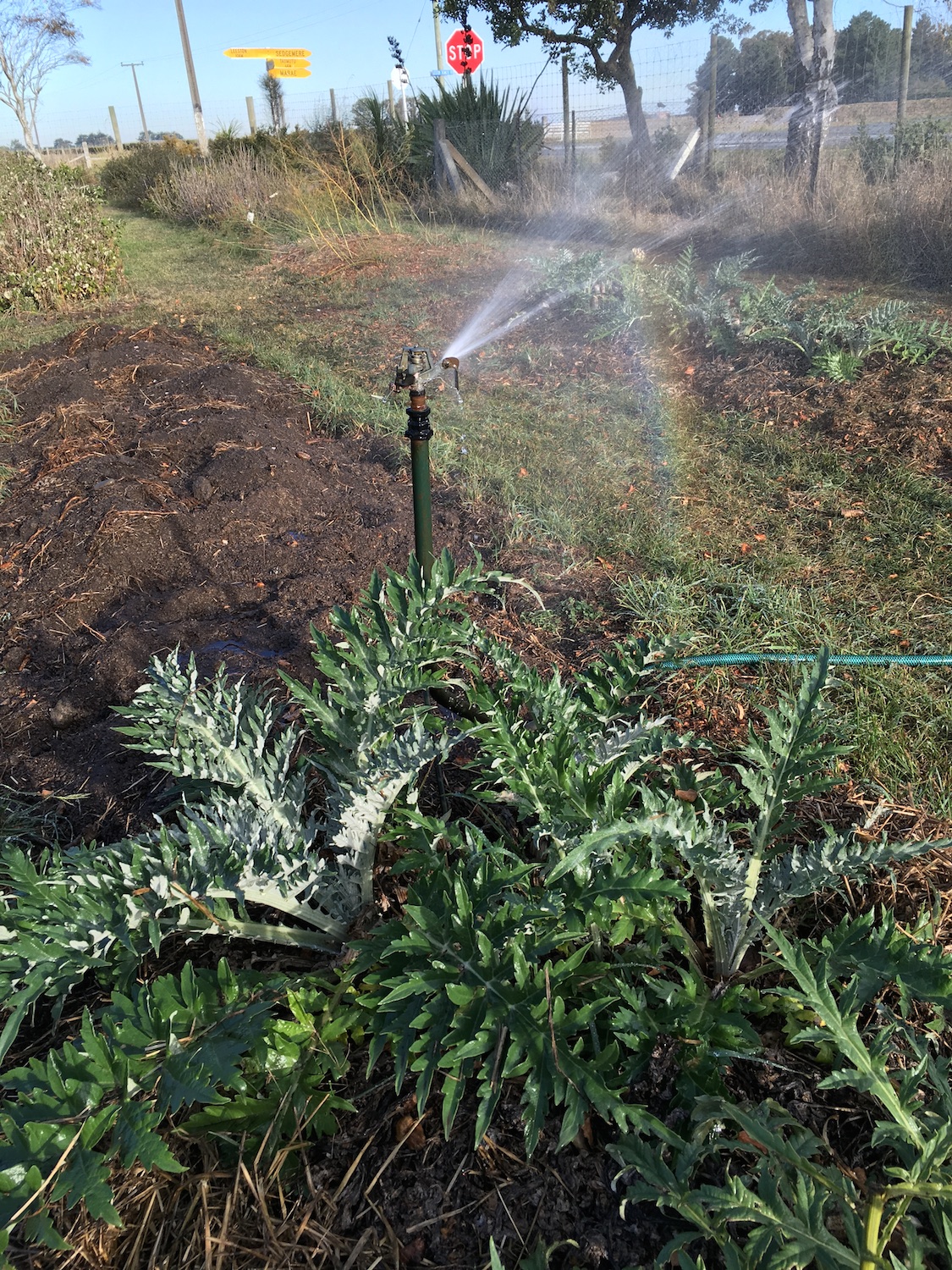
2016-04-22 15.50.14 HDR smIt was a lesson in dry—the ground was dust, and the poor water-loving artichokes were suffering. So I turned the sprinkler on them, dealing with an extreme lack of water after preparing for an overabundance of it.

Some day I do hope it begins raining again. It would be good to know if the roof and gutters are properly fixed, and it would be nice if we didn’t have to water the garden all winter. Either way, we’ll be managing water—either too much or too little of it.

When it rains, it pours, as they say.

Jack-o-lanterns

2016-04-17 11.17.03 smWhile you folks in the Northern Hemisphere are cleaning out your pools, dusting off the barbecues and planting seeds, we in the South are enjoying all that autumn has to offer.

And something we always look forward to is carving pumpkins. Growing up in the US, it was one of my favourite Halloween activities. Here pumpkin season falls inappropriately near Easter.

That doesn’t stop us from celebrating the season with jack-o-lanterns.

All my pumpkins are grown for food, but the edible part of the Austrian oilseed pumpkin is its seeds—the flesh is only suitable for goat food (and even the goats aren’t excited by it). So once I scoop out the delicious seeds, I have no problem using the shells for artistic purposes.

A nice crop of Austrian oilseeds this year means there is plenty of raw material for our artwork.

Naked Ladies

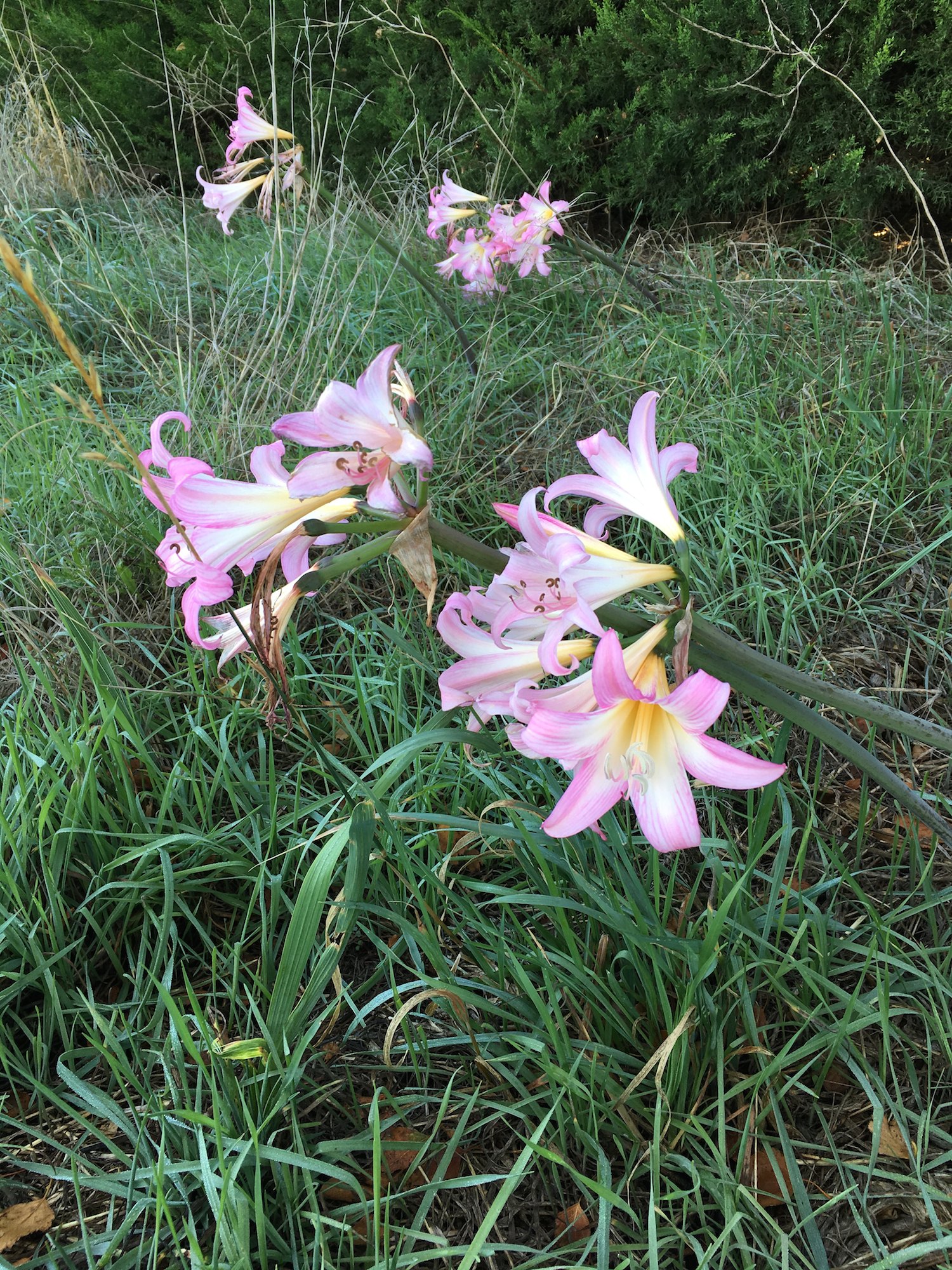
2016-04-14 08.43.56 smDo I need to say more?

These are some of the most delightful flowers in our yard. When we first moved in, there was a row of non-descript green plants in front of our hedge. They were uninspiring. I planned on removing them.

The plants died back over summer. We mowed the remains down.

Then one day I looked out to see a row of gorgeous pink blooms! What a lovely surprise! When I described them to my mother, she immediately said, “Oh! Naked ladies!” My response was, of course, to giggle. But the name is apt, as these lovely ‘girls’ bloom long after the leaves have died back.

We did end up removing the naked ladies…in order to put them in a better spot, as the hedge was smothering them. Every year, I forget they are there, and every year I have the joy of heading outdoors one day and finding them in bloom.

They make me smile. What more can you ask from a flower?

Touched by Frost

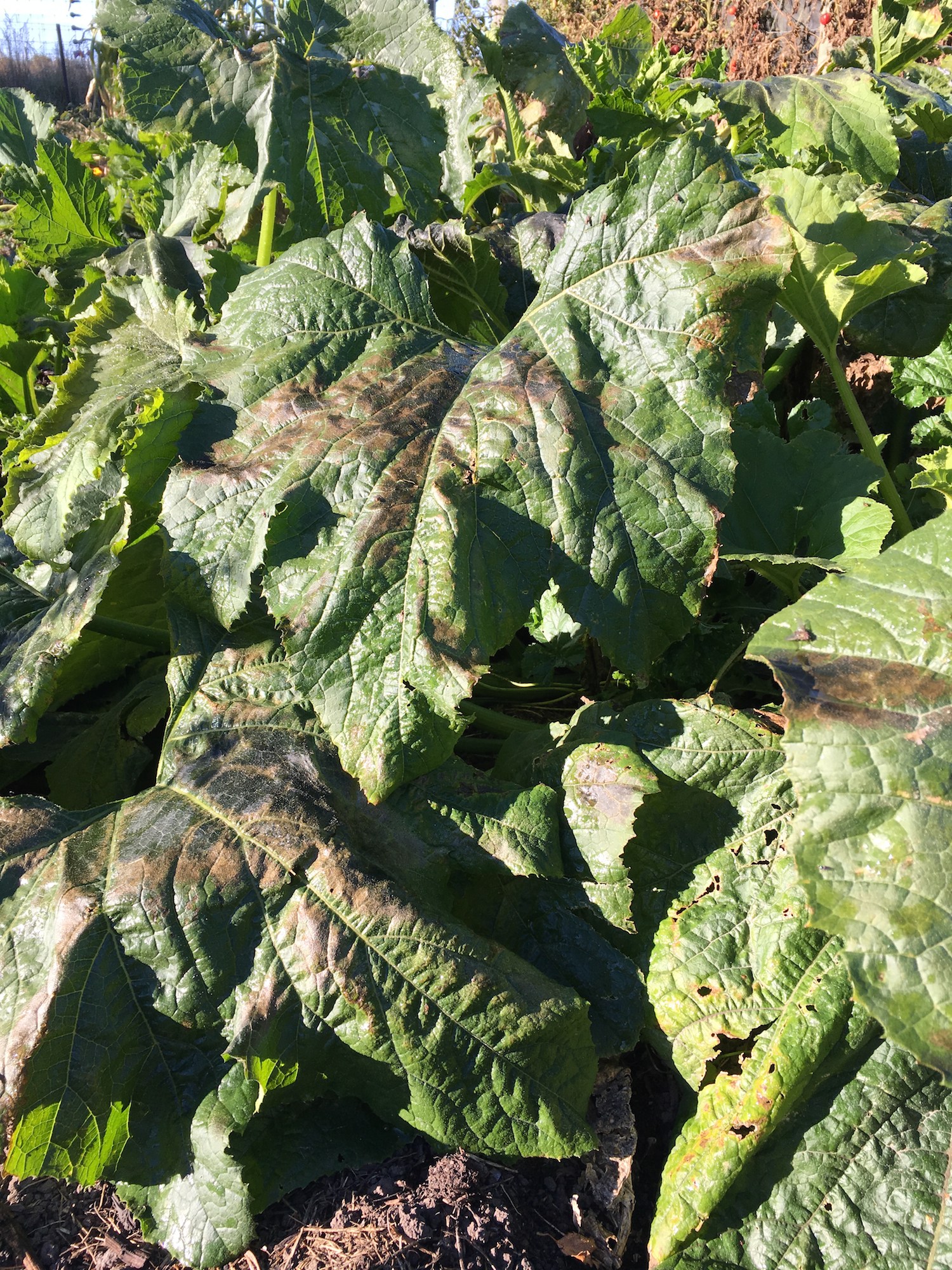
2016-04-14 08.42.53 smIt happened. The first frost hit the vegetable garden. Not hard, but enough to show. Most of the tender and unprotected plants were already done for the year, anyway—the tomatoes had largely succumbed to drought, the cucumbers had given up, the melons were done, the pumpkins were already harvested, and the basil had gone to seed. The summer squashes were only lightly touched—a few of the leaves browned, but most of the growing tips in good shape.

Of course, at this time of year, any day could be the last.

So we savour each day—enjoying the tastes of summer while they last.

Corn

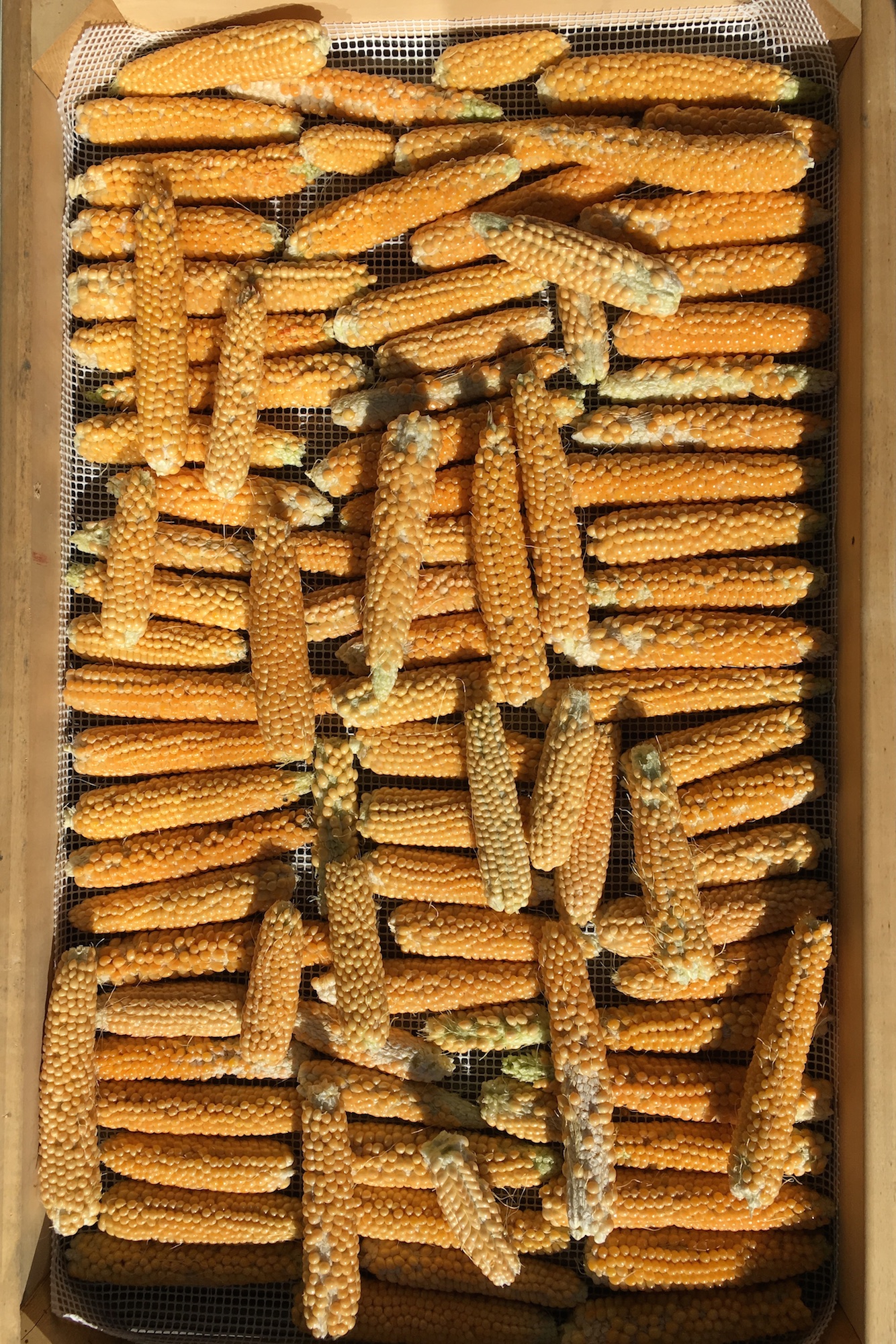
This year's popcorn harvest.

This year’s popcorn harvest.

What would life be without it?

Even ignoring the highly processed corn oil and corn sugars found in so many products, what would a movie be without a big bowl of butter-laden popcorn?

What would chilli be without a slab of corn bread to go with it?

What would summer be without corn on the cob?

And how dull life would be without polenta, corn dodgers, corn chowder, corn and pea succotash, roast corn, caramel corn, tacos and tortillas, nachos…

And then, there’s chicha fuerte…

Um…well…we can just forget chicha fuerte. It’s a corn alcohol brewed in Panama. Tastes a bit like vomit, and even a sip leaves you with a hangover the next day.

But hurrah for all the other forms of corn!

Many thanks to the people in what is now Mexico who bred corn from its ancestor, teosinte, about 9000 years ago! I doubt they had any idea how ubiquitous corn would become, but they hit on a winner.

Pumpkins

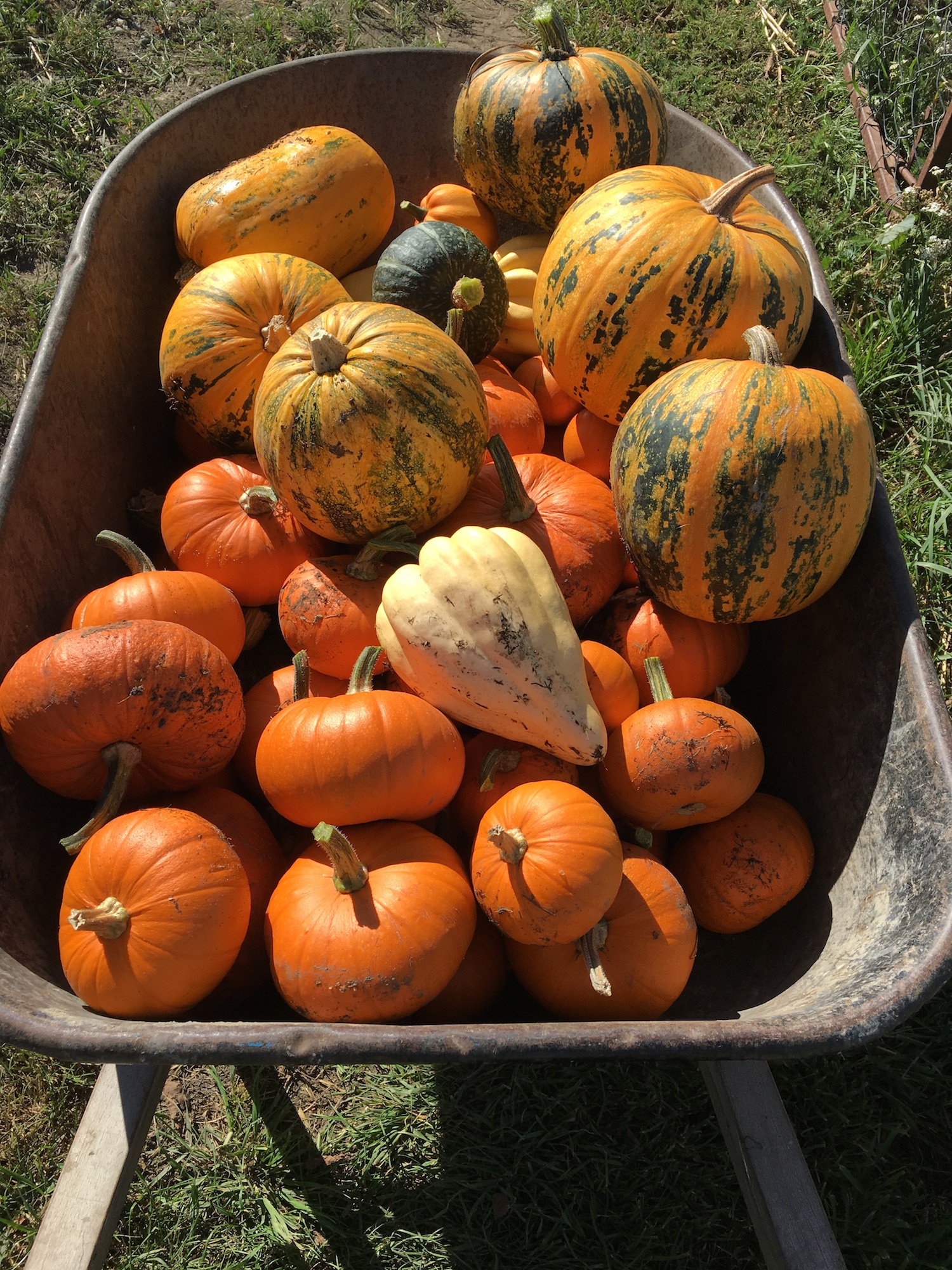
About a third of the harvest.

About a third of the harvest.

Autumn wouldn’t be complete without the requisite wheelbarrow loads of pumpkins and other winter squash. In spite of some late-frost drama this spring, the harvest wasn’t bad.

My kids ask every year, “Which are the pumpkins and which are the squash? What makes a pumpkin a pumpkin?”

The short answer is that a pumpkin is a squash that we call a pumpkin. There are four species and countless varieties that variously get called pumpkin and squash. Some fruits are known as pumpkins in one place, and squash in another.

I don’t bother with the distinction. The important distinctions are between varieties. Some are best made into soup, others make splendid pies. Some have robust, dry flesh that holds up well in savoury galettes. Some are just the right size for baking whole. Some keep well, and others need to be eaten quickly after harvest. Some have flesh only useful as goat food, but have naked seeds that are wonderful toasted with salt and spices.

Which is, of course, how I justify planting so many pumpkins of so many varieties. I need them all!