Garden of Colour

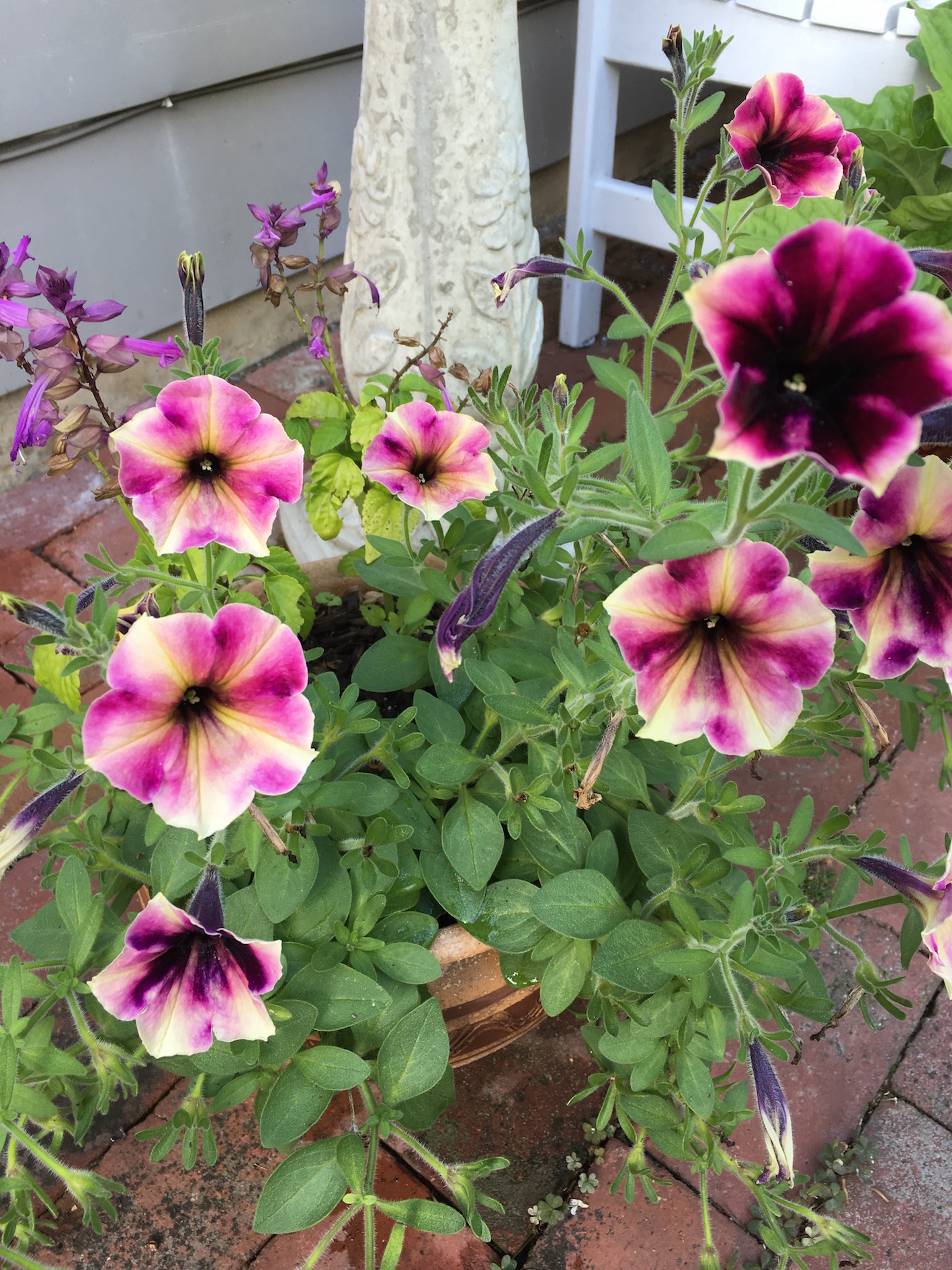
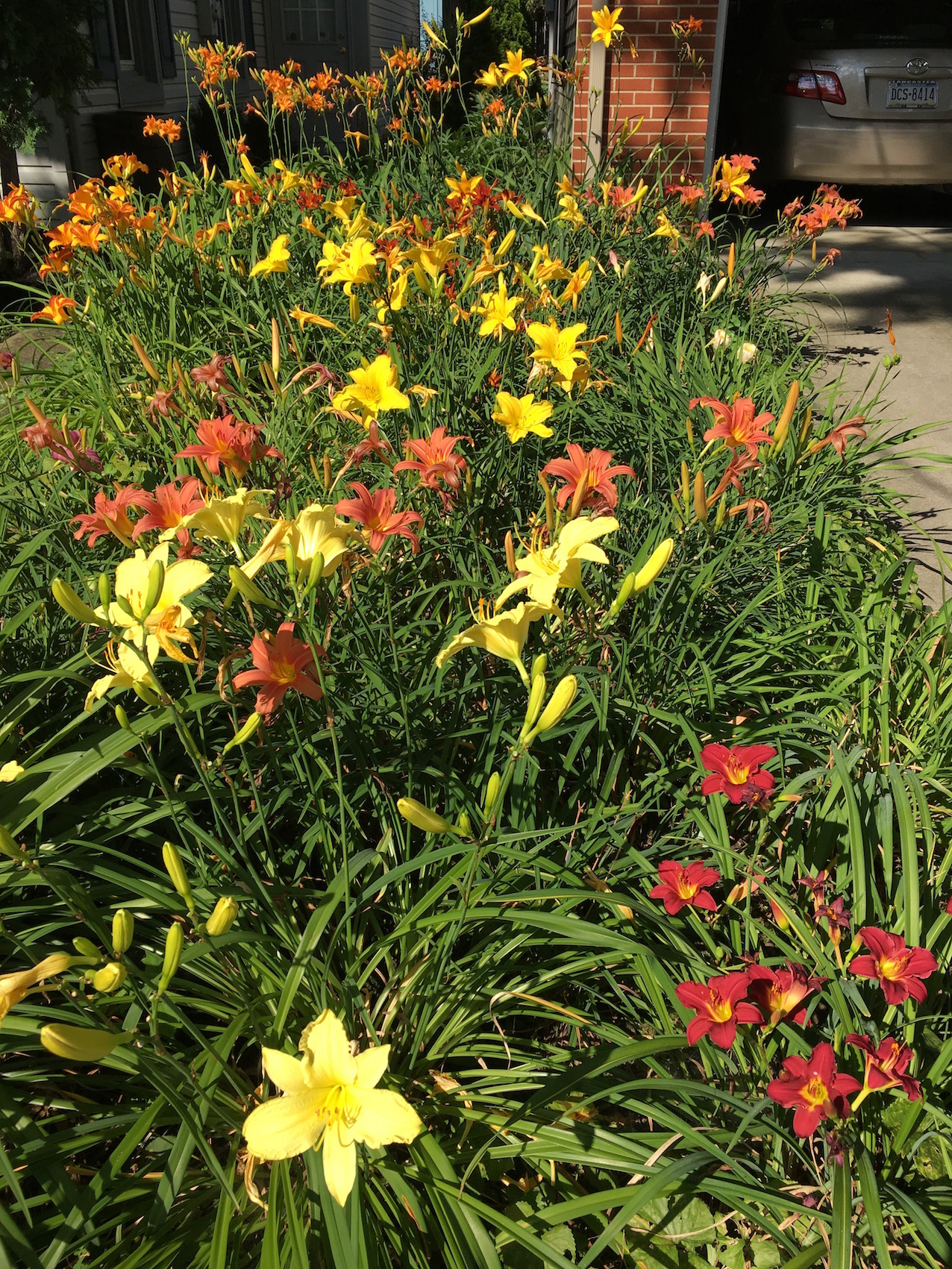
IMG_1454I don’t get to visit my parents very often, as they live on the other side of the planet. When I do, I am always struck by my mother’s garden.

For me, flowers are a second-thought. I like them, but I’m so focused on the vegetable garden, I don’t have the energy leftover for the effort of growing flowers. Nor do I really have the water to keep them growing through summer.

IMG_1453 (1)My mother, however, focuses on flowers, and her garden is a stunning show of colour. It’s amazing to me the wide variety of plants she packs into such a small space!


IMG_1448


Be a Plantain

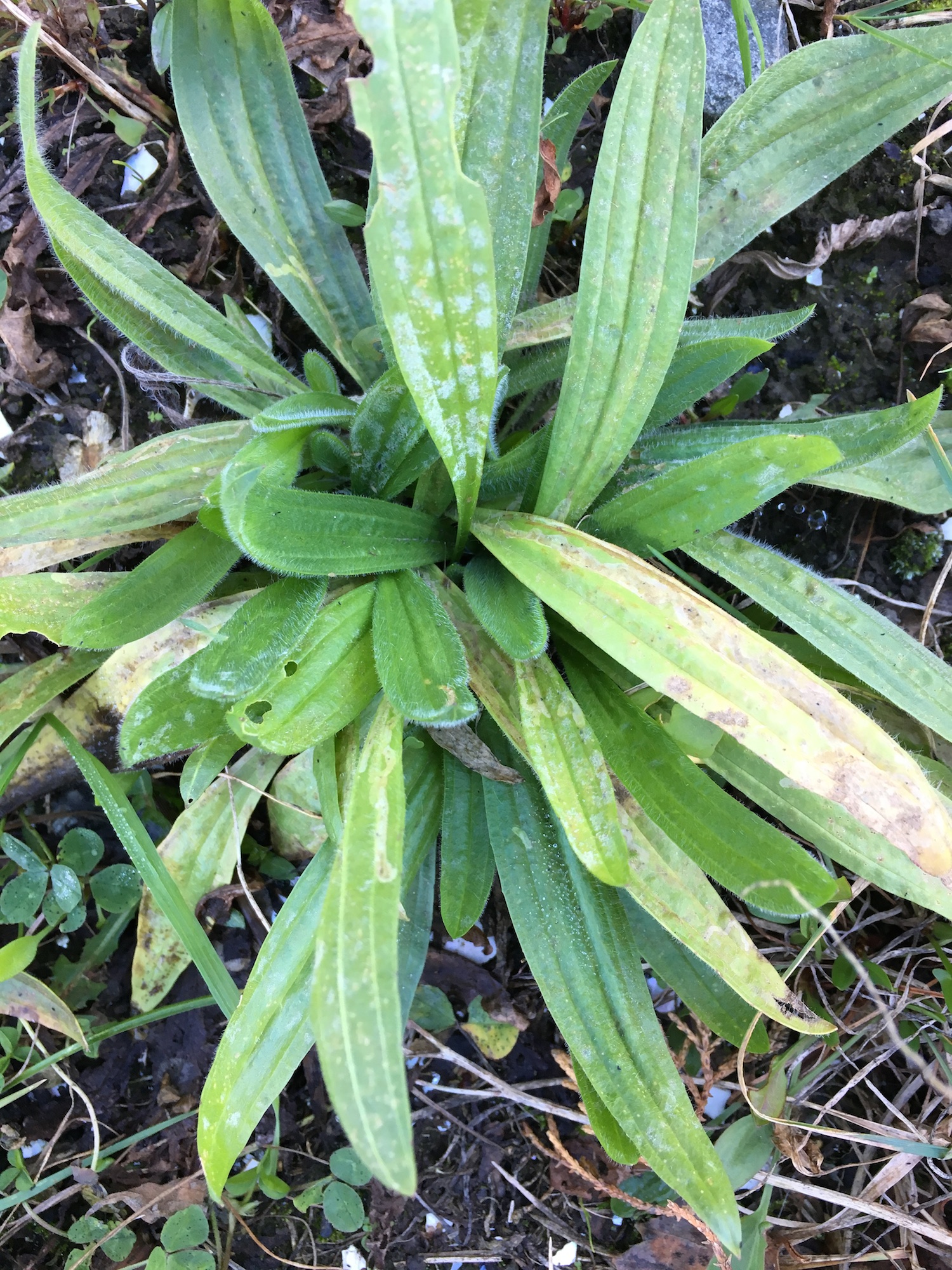
2016-06-29 14.01.15 smWeeds are survivors—that’s part of what makes them weeds—and none more so than the lowly plantain. This plant, carried throughout the world by European colonists for its medicinal uses, thrives in even the most inhospitable places.

It is common along roadsides and paths, in lawns, and even in the tiniest of cracks in pavement. It withstands trampling and mowing, and can resprout from pieces of root left in the soil.

It was known by the Anglo-Saxons as waybread or waybroad, for its habit of colonising roadsides, and it was revered for its tenacity.

And thou, Waybroad,
Mother of Worts,
Open from eastward,
Mighty within;
Over thee carts creaked,
Over thee Queens rode,
Over thee brides bridalled,
Over thee bulls breathed,
All these thou withstoodest
Venom and vile things
And all the loathly ones,
That through the land rove.

Anglo-Saxon poem about plantain, as reproduced in A City Herbal, by Maida Silverman.

As a gardener, I should despise plantain’s tenacity, it’s ability to invade and overtake my garden. Instead, I side with the Anglo-Saxons—I admire it. I might even say I aspire to be as tenacious myself.

Be tough. Be strong. Thrive in spite of the tramplings of life (or the bridalling of brides). Be a plantain.

My Love/Hate Relationship with Yarrow

2016-06-24 13.33.30Growing up, yarrow was a flower to be dried for arrangements. An innocuous plant that grew along the roadsides. I liked the flowers, and I loved the insects and spiders it attracted.

It wasn’t until I moved to New Zealand, where yarrow is a pernicious weed in my garden, that I began to consider yarrow more closely and learn more about it.

Yarrow is native to Europe and parts of Asia, but has been spread widely, because of its many uses.

It is referenced in Homer’s Iliad as being used for stanching wounds, and has been used all over the world for many other medicinal purposes—from reducing fevers and soothing earaches, to curing urinary problems and head colds.

Yarrow was probably originally brought to New Zealand as a medicinal plant, but it has other uses that are more valid than the medicinal ones.

Today yarrow is a common pasture plant. Its deep rhizomes make it drought resistant, and it is higher in certain key nutrients than either ryegrass or white clover. I discovered this when I began to worry about the goat paddock. After two dry summers, the yarrow was taking over a big swath of the paddock. I worried, knowing that to remove that much yarrow would be a Sisyphean task—dig it out and any bits of rhizome left in the soil will simply resprout. Even herbicides are largely ineffective against yarrow.

So I was thrilled to learn that its virtues went beyond pretty dried flowers, and that I could ignore it in the paddock.

Of course, it grows everywhere, and isn’t bothered by mowing. But that has benefits, too. This past summer, when all the grass of the lawn was brown and dead, the yarrow remained some of the only spots of green.

And then there are the insects it attracts, which I naturally love.

And so, I love yarrow…and I hate yarrow. Either way, I have to live with it.

Evaluating the garden year

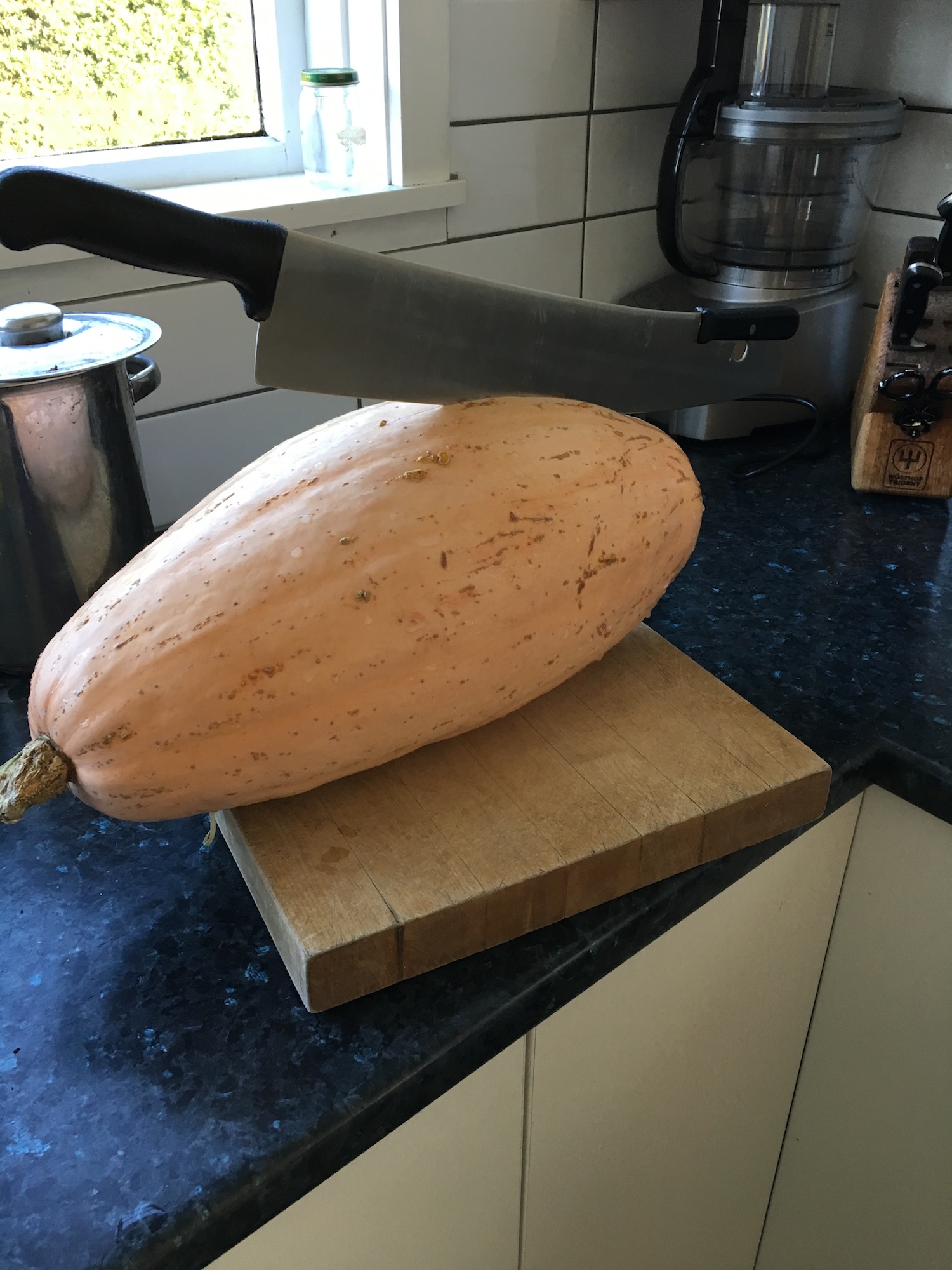
A jumbo pink banana squash--one of last year's winners.

A jumbo pink banana squash–one of last year’s winners.

The new seed catalogue will be out in a little over a week, so it’s time to consider which new plants did well and which didn’t last summer.

It’s difficult to really evaluate varieties I hadn’t tried before, because last summer was so devastatingly hot and dry, but I got a feel for them by how my tried and true varieties did.

Tomatoes were a bust—all varieties—it frosted extremely late, and then was just too dry. But I did find that one of the new varieties I tried—bloody butcher—was extra sensitive to the neighbour’s herbicide overspray. So that one’s off the list for next season.

Same went for the yard long red noodle beans—they didn’t recover from the overspray until March, and then it was just too late.

The blue corn was preferentially eaten by the rats, and none survived past seedling stage. Doesn’t mean I won’t try again next year, but I’ll need to protect it better.

Jumbo pink banana squash was a winner, though. Not only was it a spectacular plant in the garden (anything that can grow half a metre in one day has my vote), but the fruits were equally spectacular. They have good flavour and texture, too. The only real drawback is that it’s difficult to fit one in the oven, because they’re so big.

The purple carrot, pusa asita, was also a winner, though its germination was spotty, like all the purple carrots seem to be. The colour was worth it though, as the purple goes all the way to the centre.

And the fire candle radishes were fantastic—delicious, spicy, and slow to bolt.

I’m looking forward to the arrival of the new catalogue and the chance to try out some new varieties for the coming year!

Preserving the Harvest

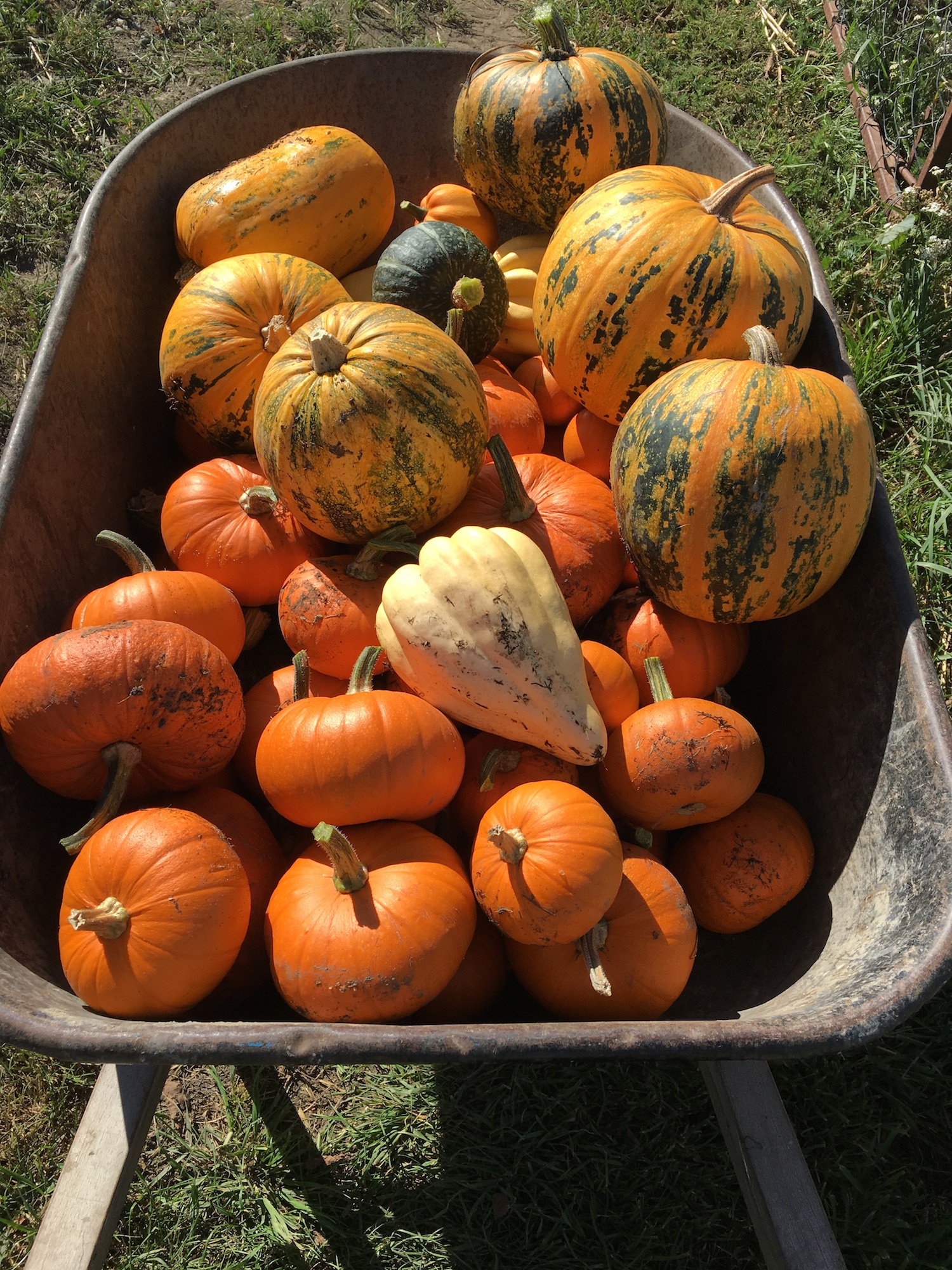
About a third of the harvest.

Gardening is a never-ending struggle against the elements.

Seeds must be stored cool and dry to maintain viability.

Then they need to be kept warm and moist in order to germinate.

But not too moist, or they’ll rot, or damp off once sprouted.

Then the plants need to be nurtured with just the right amounts of sun, shelter, water and nutrients so they will grow and produce. They need to be protected from pests.

With luck and hard work, the gardener can nurture the plants all the way to harvest.

But even once that produce is harvested, a gardener continues to fight—some foods can be canned, dried, or frozen so they keep longer, but others can’t. Or, maybe they can, but they’re better fresh. Or maybe there’s no room in the freezer for them.

It’s about now that these fresh foods begin to show their age.

Members of the onion family—shallots, onions, garlic—are stored as living bulbs. When the solstice is past, they want to grow, so they begin to sprout, even hanging in their riestras in the shed or the kitchen.

Then there are the pumpkins. In theory, some can keep for up to six months or more after harvest. That is, in ideal conditions—cool and dry, sitting on dry straw and not touching one another. I don’t have ideal conditions, nor the space to spread out my pumpkins. They hang in mesh sacks from the rafters of the cool, but damp shed—the only way to protect them from the rats.

Three months from harvest, the first pumpkins are beginning to rot. I discovered them today when I selected pumpkins for a galette for dinner.

Now comes the race to bake as many pumpkins as possible and freeze their pureed flesh before they go bad, and before the freezer is full.

I can fit about eight pumpkins at a time in the oven, unless they are jumbo pink banana squash or musquee de Provence, which only fit one at a time . There are sixty-six pumpkins left in the shed. That’s a lot of baking!
Don’t be George Bush: Eat Broccoli

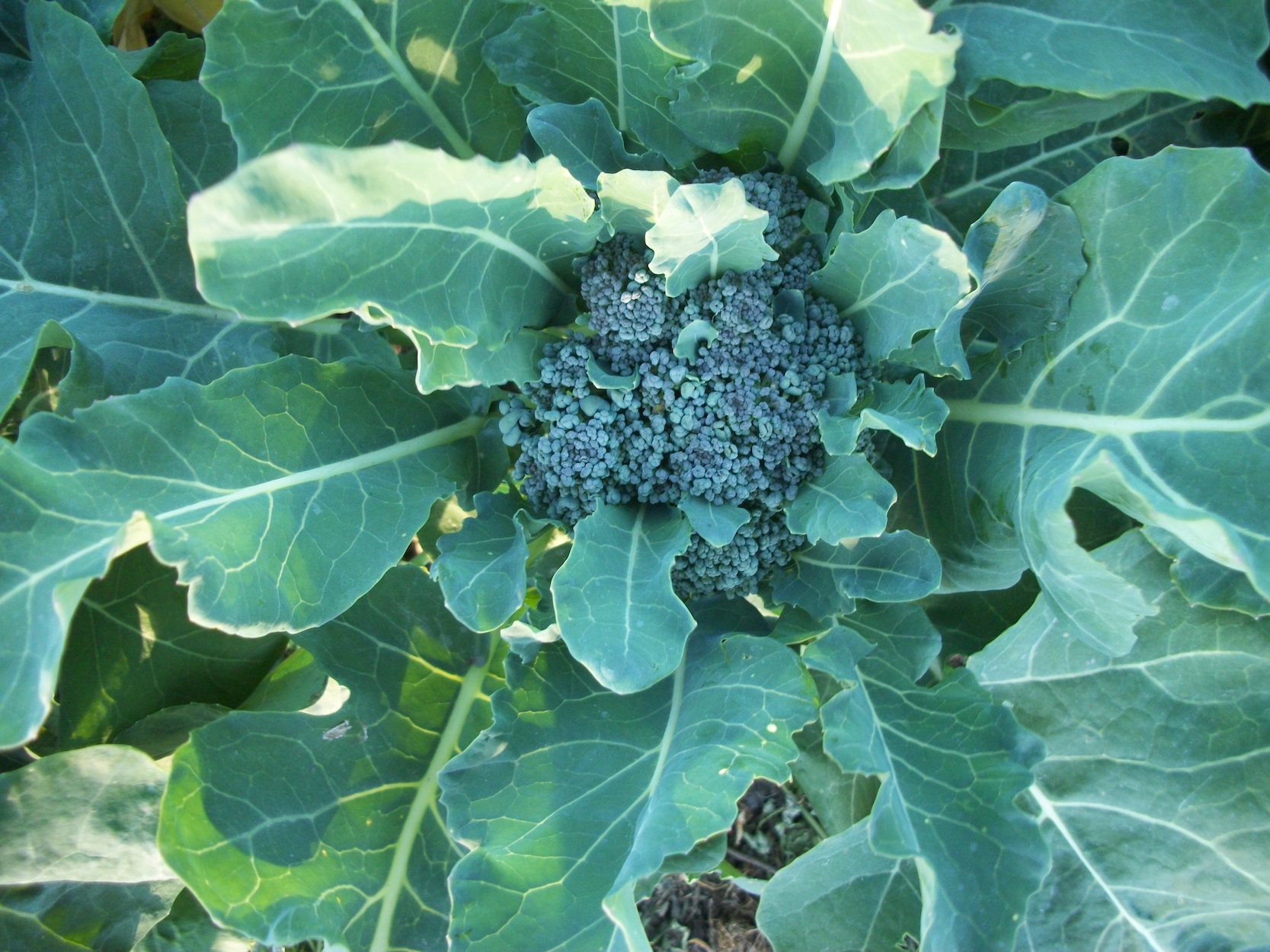
100_4038 smAs the cooler weather finally hits, we slip into winter eating. That means the stored foods like pumpkins and potatoes, but it also means the cool-weather crops, like broccoli.

Broccoli gets a bad rap, and anyone who has ever eaten overcooked, mushy broccoli has my sympathy. But it’s worth giving broccoli a second chance, even if your first experiences with it were less than delicious. Because it can be grown year-round here, it is a staple in our diet.

Broccoli can be good raw, lightly cooked, or well cooked—it’s all a matter of choosing the right level of cooking for the dish. Here are some diverse and delicious ways to eat this maligned vegetable:

Add raw or very lightly steamed broccoli to a green salad.

Dip raw broccoli florets in your favourite cheese dip.

Lightly steam long broccoli spears and serve with butter, salt, and a squeeze of fresh lemon.

Add chopped broccoli to pizza or pasta sauce, or layer it into a potato gratin.

If you’re feeling adventuresome, make a broccoli soufflé—the broccoli, cheese, and egg combination is delicious.

Marinate and grill long broccoli spears.

Roast broccoli florets along with other vegetables in the oven.

Fabulous Fennel

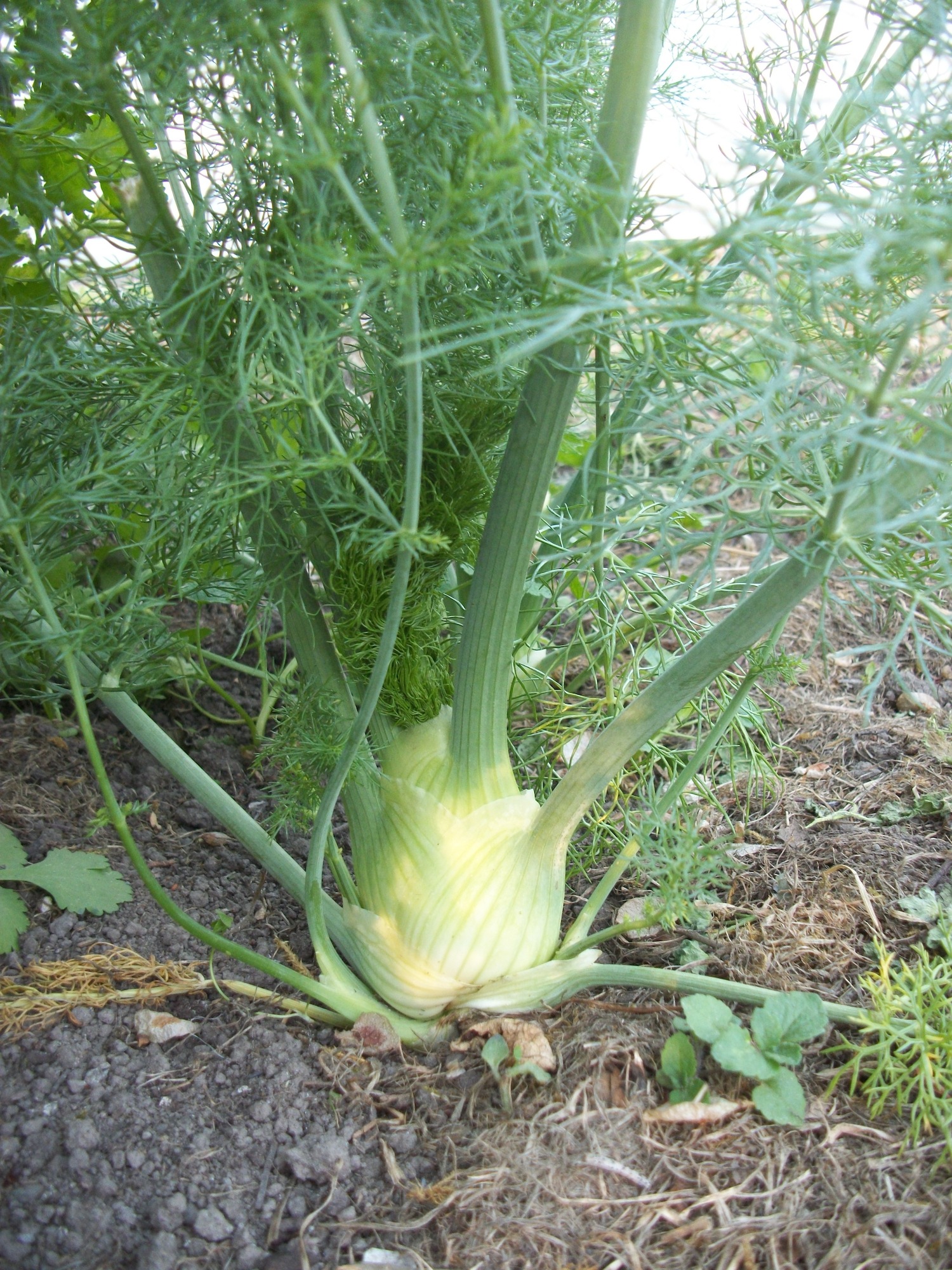
100_4031 smThere’s not a lot coming out of the garden at the moment. The summer crops are pretty well finished (though we’re still scrounging the odd pepper or eggplant from the tunnel house), and the winter crops barely had a chance, with the hot dry weather we’ve had until last week. But among the few crops that are available right now is fennel.

This little-used vegetable is versatile and delicious in the kitchen, and attractive and useful in the garden. Leaves, seeds, and bulb are all edible.

Fennel grows year-round here, though the cooler months are when we appreciate it most. I plant it in both spring and autumn, but it seeds in readily, and we eat as many volunteer fennel as we do planted ones.

Fennel has a mild anise flavour that goes well with many other vegetables. When raw, the flavour is refreshing and numbing.

Raw fennel, sliced thin, makes a crisp and refreshing addition to salads. Or it can make a salad all on its own.

It can be braised and eaten as a side dish, or chopped and added to stews or casseroles. It goes particularly well with potatoes in a cheesy gratin, and makes a delightful risotto.

Fennel leaves can be added to salads and stews, even if the bulbs aren’t ready to harvest.

The ground seeds make a zesty addition to burgers, chai, and cookies, too! Or just crunch a few between your teeth after a meal to sweeten your breath.

In the garden, fennel’s big yellow flower heads attract all sorts of beneficial insects that help keep pests in check, and when the plants get too big and rangy, I can feed them to the goats, who love fennel as much as I do.

Sew Lovely It’s Raining

2016-05-24 16.22.48One of the best things about finally getting some rain is the excuse to spend my weekends and evenings sewing, rather than working in the garden. Not that I don’t enjoy working in the garden, but I enjoy sewing, too.

And with all the nice weather, the sewing projects have been piling up.

2016-05-24 14.07.14With the help of the wet weather this past weekend, I managed to complete a garden holster (to hold the hand tools I’m always losing among the weeds), and a new set of curtains for the office.

Next up are some new clothes for me—some jeans, a couple of shirts, and probably a new jersey…

Here’s hoping for more rain!

The Winter Staff Have Arrived

Some of the girls, enjoying what's left of the peas and eyeing up the newly planted broad beans, protected by netting.

Some of the girls, enjoying what’s left of the peas and eyeing up the newly planted broad beans, protected by netting.

I don’t know whether I appreciate my chickens more for their eggs or for their winter garden maintenance.

I turned the girls out into the vegetable garden for the winter today, and was happy to see them rooting around for grass grubs, which were a serious problem this year, and eagerly grazing on weeds.

I used to injure myself every spring when it was time to clear the winter’s weeds and prepare the garden beds. Now I employ the chickens in the garden all winter, and my springtime bed preparation is a breeze (comparatively speaking, anyway).

They keep the weeds down and reduce the pest populations, and the love the rich foraging the garden offers, as their summer paddock is practically bare by now.

Of course, there’s always a risk—now and again the chickens will get into the winter crops—but the benefits are worth it.

The chickens think so, too.


Too Late

Newly sprouted, out-of-season apple leaves.

Newly sprouted, out-of-season apple leaves.

The weather finally turned last night. After five days of hot, gale-force winds, after seven months of summer weather, we finally got a hard southerly storm. Three centimetres of rain, a bit of hail, and howling winds—a proper ‘winter’ storm.

But it’s too little too late. By yesterday afternoon, half a dozen shrubs around the property had simply given up in the heat and dry. The apple trees, having lost their leaves to drought six weeks ago, had already flushed again with the unusually warm weather. Those leaves will almost certainly be killed by frost, if not tonight, than another night soon. The trees will struggle to leaf out in the spring, because of their wasted effort now.

The lawn is little more than dirt in patches. If anything resprouts, it will be weeds, not grass. And the winter crops in the garden had already bolted from the heat.

I’m thankful for the rain. I’m pleased to have a full rainwater tank, and the early spring crops that are just now putting on growth will benefit from the water now.

But for the sake of the groundwater, I hope it keeps raining, because we need a lot more.