Sedgemere Haiku–Spring

In honour of National Poetry Day this Friday, the remainder of my posts this week will be in verse.

2016-04-18 14.50.46 cropFog billows in wet.
Frosting hair, spider webs, grass
With silver gilding.

_______

Magpie warbles loud
In early morning darkness,
Waking up the sun.

_______

Bees hum in purple
Lavender blooms, blue pollen
Dusting hairy backs.

_______

Seedlings defy frost,
Growing tall in warm sunshine,
Sheltered under glass.

_______

Sparrows descend to
Old sheds, bringing straw, grass, noise
Leaving poo, feathers.

_______

Ploughs plough, seagulls wheel
Overhead seeking
The freshly turned worm.

List It

See no evil--list it instead.

See no evil–list it instead.

It’s about this time of year when I look around and see how shabby the garden looks. Through the depths of winter, I didn’t notice. I wasn’t outside enough. The days were short. I didn’t want to work outdoors.

But even if the lengthening days and singing magpies weren’t enough to tell me, the calendar is screaming that it’s just two weeks to spring.

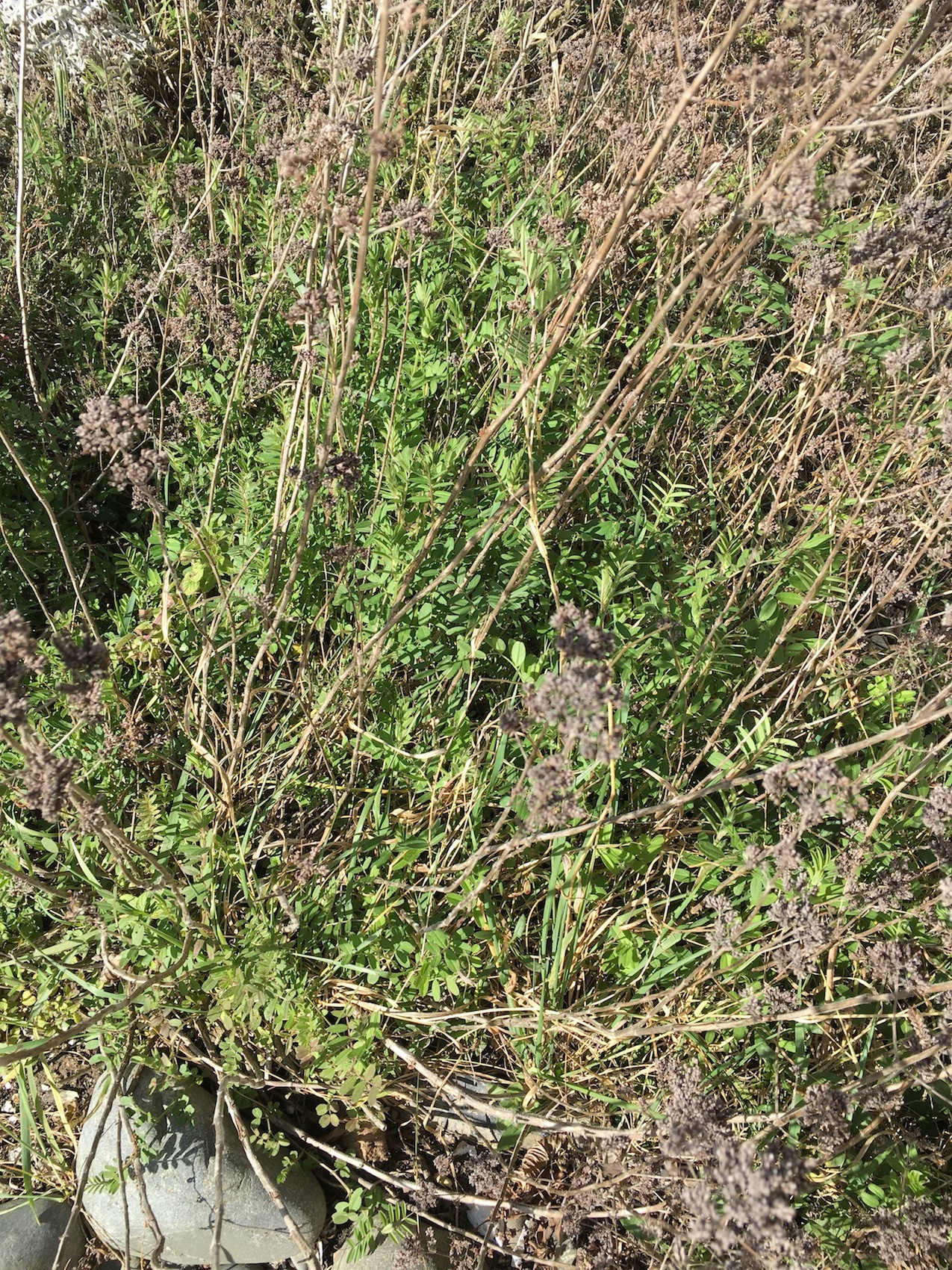
So I’m paying more attention to the yard and garden. I’m taking a second glance at what I thought was my herbs beginning to resprout…and finding that the green I saw was actually a giant, aggressively spreading vetch. I’m walking through the vegetable garden to assess what needs to be done…and finding that though the chickens did a lovely job on some weeds, they didn’t touch the most difficult ones. I’m checking the bird netting over the strawberries, and finding hole after hole that needs repairing. I’m inspecting irrigation pipes, and finding ice-cracked valves. I’m walking the rows of currants and raspberries, and finding enough thistles to make me want to cry.

In short, I’m finding so many things to do, I begin to think I can’t possibly do them all.

And so, to maintain my sanity, I make lists.

A list of things to do this weekend.

A list of things to do in the evenings during the week.

A list of things to purchase in town.

A list of things to do next weekend.

A list of things to do the weekend after that.

A list of things that need to go on a list…

By mid-September, I’ll have every weekend through late-November planned in detail—exactly what needs to be done in order to have everything under control and planted out at the right time.

It sounds crazy, but it keeps me sane. Once a task is on a list, I can ignore it. I can walk past that aggressive vetch plant every day, knowing that if I just keep to my lists, I will eventually get to it. I can be completely blind to the holes in the bird netting, because I know that fixing it is on the list the week before the strawberries should start to ripen.

Without my lists, I’d be overwhelmed by the mountain of tasks to get done between now and December.

But the lists aren’t just good for making me get my work done. They also help me get my play in, too. Fun stuff goes on the lists, too. A weekend tramping trip, a day at the beach—I can schedule these things in alongside my work, and then actually enjoy them, because I know I’ve got time to do them. It says so, right on my lists.


Cricket Flour

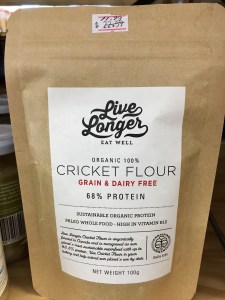
IMG_1784I was running errands in town today, and called in to Bin Inn for some flour and cornmeal.

I was excited to find this sitting on the shelf next to the rice flour and barley flour. It was the first time I’ve seen commercial insect products that admit to being insect products sold in an ordinary store (there are plenty of things you’ve probably bought that contain insect products, but manufacturers generally don’t advertise that).

It’s nice to see insects showing up on the grocery store shelves. I am a proponent of entomophagy, even though I am a vegetarian. If you’re going to eat meat, insects are probably the most environmentally sound way to go.

Being cold-blooded, insects convert feed into body mass much more efficiently than our warm-blooded livestock. You can raise a kilo of crickets on just 1.7 kilos of feed. Compare that to chicken at 2.5 kg of feed per kilo of chicken, or cows at 10 kg of feed per kilo of cow. Adjust these numbers for percentage of the animal that’s edible, and they favour insects even more—80 percent of a cricket is edible, whereas only 55 percent of a chicken and 40 percent of a cow is.

It still takes resources to produce insects. Though they convert feed into food more efficiently, insects need to be kept warm—warmer than you need to keep a cow, because they can’t keep their own bodies warm. There is an energy cost in that.

Of course the biggest problem with farming insects is getting people in Western countries to eat them. Most of the world’s people actually do eat insects, but our modern Western culture had separated us so much from our food, that we even get squeamish when we can identify the animal that our cuts of meat came from.

Consumers generally don’t want to actually see the animal when they’re preparing dinner. I’m sure cricket flour goes over better than, say pickled whole crickets (sort of like sliced ham vs. pickled pigs feet).

It will take a change in our attitude toward insects before Westerners will agree to bar nuts that include roast, salted crickets (which are delicious, by the way). When preschoolers learn that a cricket says “chirp, chirp” along with the cow says “moo”, we’ll be on our way. When we begin to view insects, not as enemies to be beaten, but as fellow organisms on Earth, we’ll be on our way. When we stop seeing insects as dirty, but rather recognise that they carry fewer potential human pathogens than our close relatives the cow and pig, we’ll be on our way.

As a vegetarian and a gardener, I value the insects that come into the kitchen on my vegetables. I don’t get enough vitamin B12, because it is only found in animal products. Insects are full of vitamin B12. So, I’m casual about cleaning the insects off our organically grown vegetables. We eat a lot of aphids, and quite a few caterpillars, I’m sure. And that’s great—it gives us all the nutrition we need, without any extra effort on our part (less, in fact).

Indeed, though I support insect farming, I’m afraid I will probably never buy any insect products–there are so many wonderful insects out there free for the taking, I couldn’t see spending $120 per kilo (and that’s half off!) for cricket flour.

Besides, I prefer my crickets whole—the best part about them is the crunch, after all.

My life in gumboots

2016-08-16 12.32.47My daughter and I wear the same size gumboot, but there’s never any problem telling them apart.

That’s because gumboots tell the story of their wearer’s activities.

Mine tell many tales.

A smear of paint—Sicily White—tells of a hot summer day scraping and painting the house. A job that had to be called off, because the paint was drying so fast, I couldn’t spread it.

Another glob—brick red—tells of another summer day fixing and painting the roof, balancing paint bucket and feet on the peak, and looking out over the hedges to the lake and sea beyond.

Lavender speckles recount an afternoon drenching goats, when a syringe of purple medicine burst open and splattered everywhere.

Bits of hay relate frosty mornings feeding the animals in the dark, by moonlight and starlight.

Smears of mud describe weeding and planting in the vegetable garden.

Clumps of goat poo tell of afternoons in the paddock, hand-feeding grain to eager goats who push and shove to get more than the others.

The tales are fleeting—even the most enduring splatters fade in time, replaced by the next instalment of my life in gumboots.

Tease

2016-08-03 14.58.18The starlings mutter. The sparrows scold. Magpies warble on the fenceposts.

Daffodils stretch skyward.

I pace the garden, pulling weeds. I finger the newly arrived seed packets.

The goats stand sentinel on the hill, noses quivering with the smell of soil.

Buds swell on the fruit trees.

We are all impatient. Waiting.

The sky is a little bit lighter for a little bit longer than it was yesterday.

The sun, when it shines, is warm.

But we know it is a tease.

Clouds boil to the south, dark and heavy with rain, maybe even snow, if you believe the forecast.

The northerly breath of spring whisks around to the southwest, knife-edged and cold, reminding us that winter still rules.

We bide our time by the fireplace, planning the new season’s garden while rain and sleet lash the window.

Seeds! Seeds! Seeds!

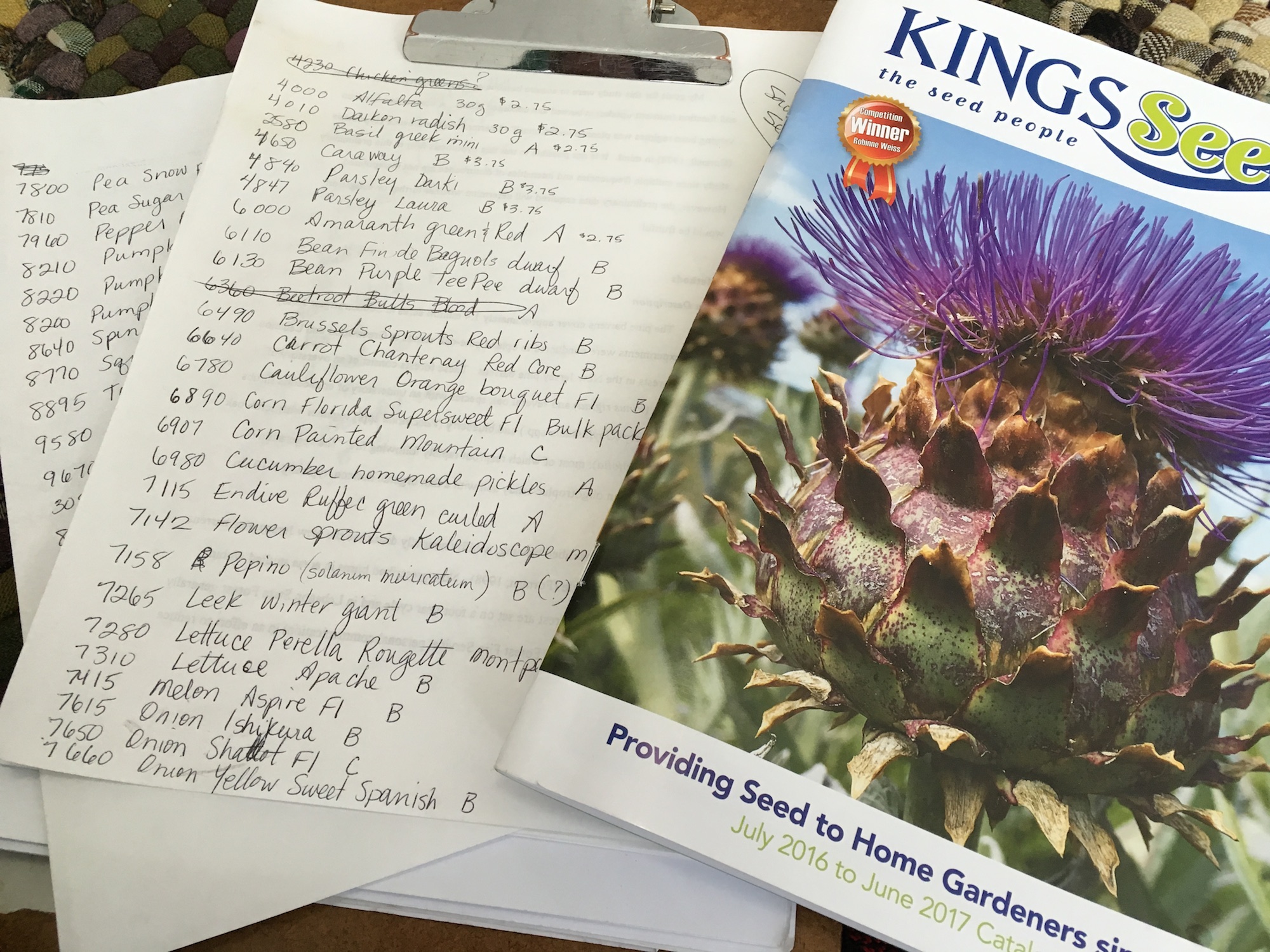
2016-07-23 11.47.41It’s that time of year! The seed catalogue is here, and I’m dreaming of melons, tomatoes and corn.

The garden is all about possibilities at this time of year.

How about an orange sweet pepper?

My favourite squash isn’t available anymore? Well, maybe we’ll get Jade F1 instead?

And maybe an Australian Butter pumpkin, just for something different.

Endive. Definitely endive this year.

Orange cauliflower? Why not?

And I’m sure I can squeeze in this Greek mini basil along with the other three varieties. It’s mini, right?

So many plants, so little garden space…I’m sure that long about October, I’ll wonder what I was thinking back in July when I bought all these seeds. But I also know I’ll fit them in somehow.

July is the month for dreaming big.

Winter Blooms

2016-07-07 11.00.58 smI miss a good northern winter, with snow, but there is something to be said about the mild winters we have here.

One of the things I appreciate about our winters is the flowers that bloom then.

There aren’t many—allysum, calendula, and pansies flower year-round and grow largely as weeds in my garden (though I usually weed around them, and try to avoid pulling them out).

Camellias and snowdrops bloom in late winter. They provide lovely winter flower arrangements.

And then there’s the mystery iris. This plant wasn’t apparent in the yard until well after we thought we had discovered all the bulbs planted by generations of owners before us. It sprang up in an area we had cleared of plants, and I nearly pulled it out.

I’m glad I didn’t. This beautiful little plant is mostly foliage, but produces short blue flowers all through winter. Another lovely bloom for winter flower arrangements!

Where Grass is King

IMG_1589 smOne of the things I’m struck with every time I return to the US is the prevalence of the expansive lawn. I don’t know if that’s all of the US, or just Pennsylvania, but there’s a lot more acreage in lawn here than there is back in New Zealand.

I appreciate a good lawn—for picnics and games, nothing beats it. But I also believe in making good use of land, and I believe there is such a thing as too much lawn—especially in Pennsylvania where much of the lawn covers land that was once highly productive farmland.

How much energy and effort are put into the maintenance of vast expanses of grass that no one so much as steps foot on except to mow? What if those expanses were used instead to grow vegetables or were restored to native habitats? How much space in our suburban environments could we use more productively by eliminating the lawn? How much expenditure of fossil fuels and fertilisers could we avoid? How many native plants and animals could we benefit?

I don’t have answers to these questions, but my gut feeling is that in a world with an ever-increasing population, wasting space growing unappreciated Kentucky bluegrass is not sustainable.

At Crazy Corner Farm, we try to make the best use of the entire property, and much of it is devoted to food production or native plantings. We also have a sizeable lawn, but that grassy area is heavily used by the kids for all manner of play. Once the kids are gone, the grass will almost certainly give way to something more productive. We are forever looking to make more efficient use of the space we have. I think in future, we are all going to have to do the same.

Garden of Colour

IMG_1454I don’t get to visit my parents very often, as they live on the other side of the planet. When I do, I am always struck by my mother’s garden.

For me, flowers are a second-thought. I like them, but I’m so focused on the vegetable garden, I don’t have the energy leftover for the effort of growing flowers. Nor do I really have the water to keep them growing through summer.

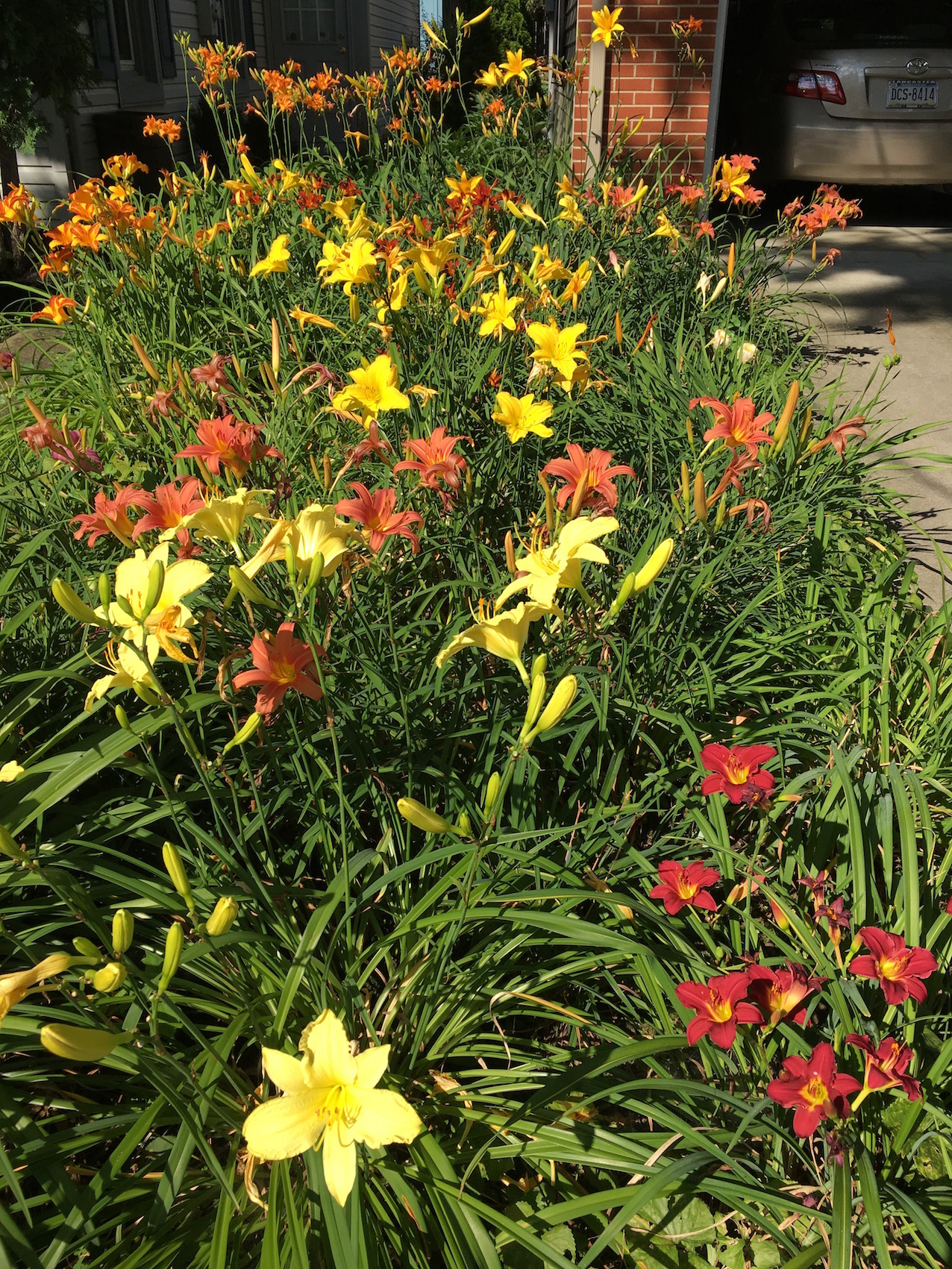
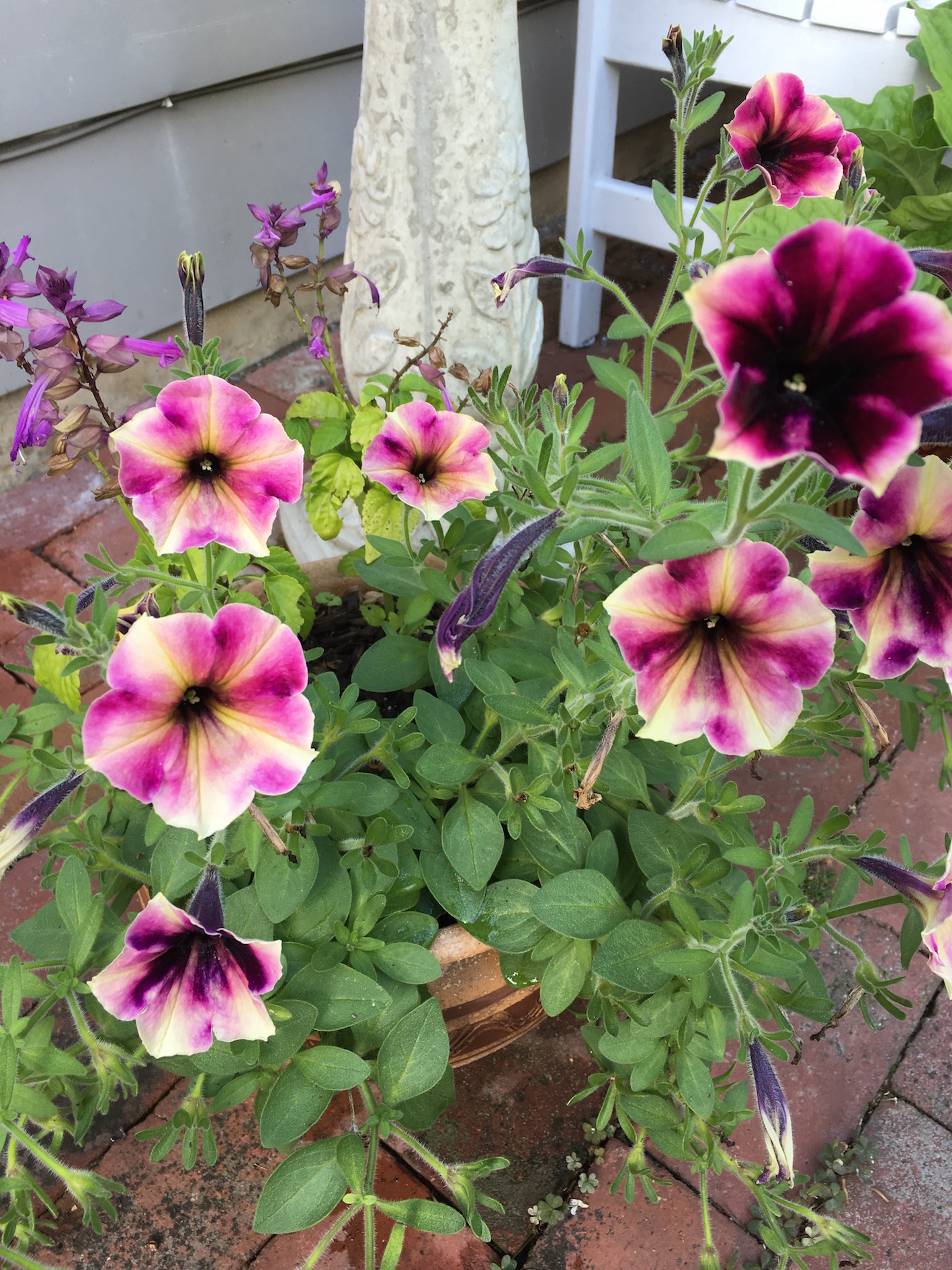
IMG_1453 (1)My mother, however, focuses on flowers, and her garden is a stunning show of colour. It’s amazing to me the wide variety of plants she packs into such a small space!


IMG_1448


Be a Plantain

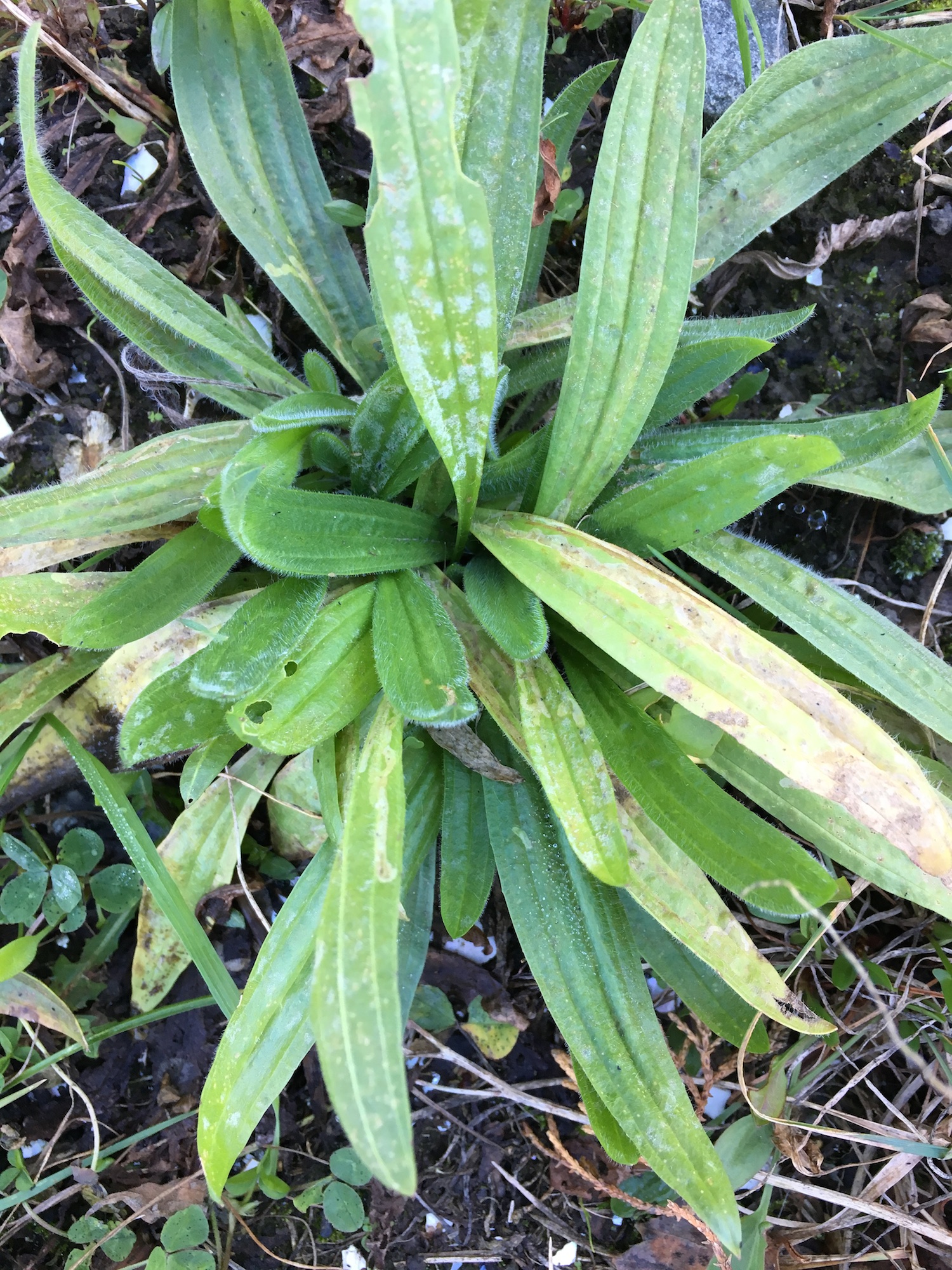
2016-06-29 14.01.15 smWeeds are survivors—that’s part of what makes them weeds—and none more so than the lowly plantain. This plant, carried throughout the world by European colonists for its medicinal uses, thrives in even the most inhospitable places.

It is common along roadsides and paths, in lawns, and even in the tiniest of cracks in pavement. It withstands trampling and mowing, and can resprout from pieces of root left in the soil.

It was known by the Anglo-Saxons as waybread or waybroad, for its habit of colonising roadsides, and it was revered for its tenacity.

And thou, Waybroad,
Mother of Worts,
Open from eastward,
Mighty within;
Over thee carts creaked,
Over thee Queens rode,
Over thee brides bridalled,
Over thee bulls breathed,
All these thou withstoodest
Venom and vile things
And all the loathly ones,
That through the land rove.

Anglo-Saxon poem about plantain, as reproduced in A City Herbal, by Maida Silverman.

As a gardener, I should despise plantain’s tenacity, it’s ability to invade and overtake my garden. Instead, I side with the Anglo-Saxons—I admire it. I might even say I aspire to be as tenacious myself.

Be tough. Be strong. Thrive in spite of the tramplings of life (or the bridalling of brides). Be a plantain.