Winter Solstice

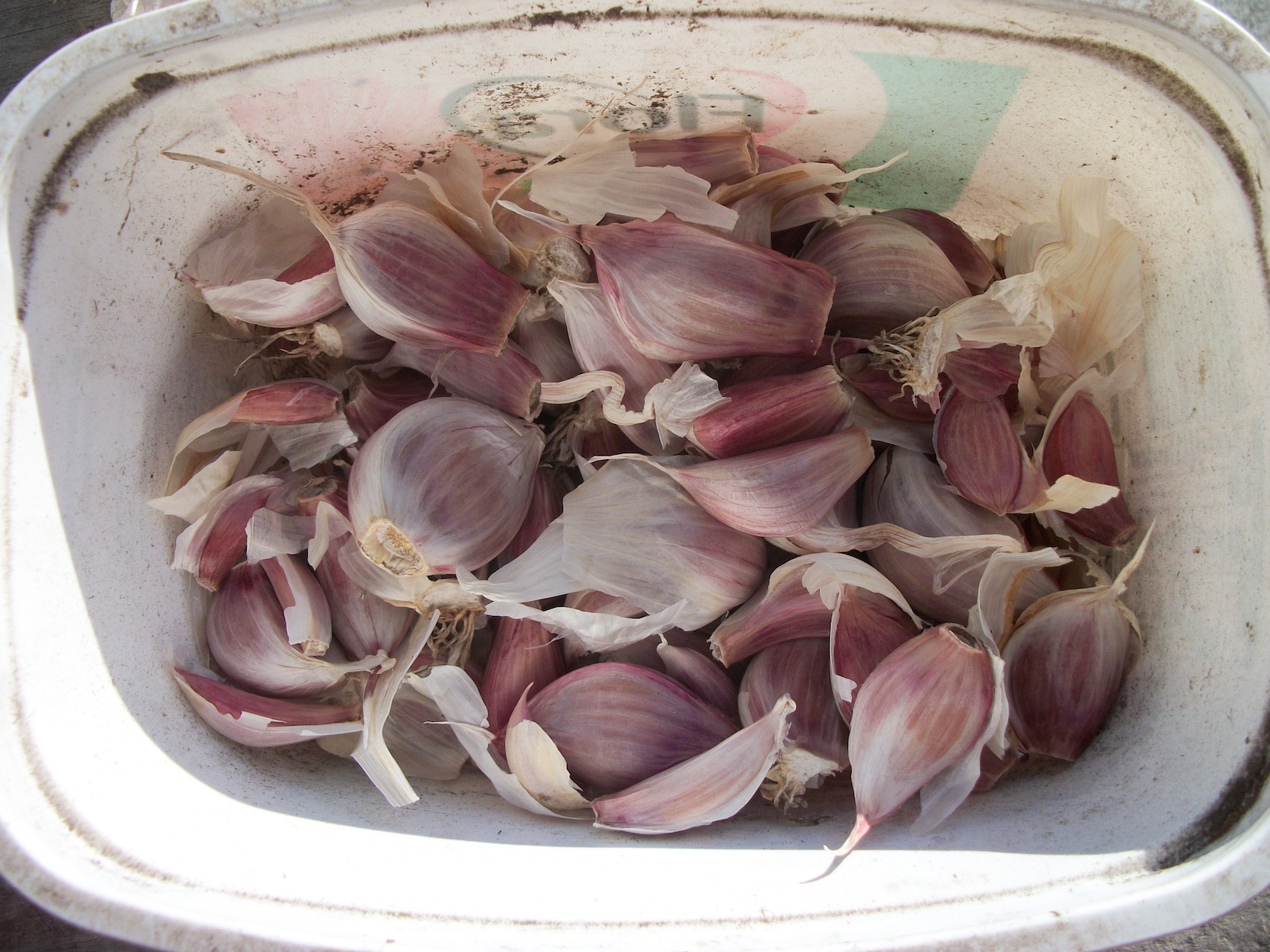
Garlic cloves ready to plant.

Garlic cloves ready to plant.

The forecast for tonight into tomorrow is for cold southerlies and snow lowering to sea level. So what did I do today? Planted garlic, of course!

Plant on the shortest day, harvest on the longest, is what I learned for garlic. Truth is that here, at least, it’s not ready to harvest until mid-January, but I do try to plant on the solstice. Coming from a homeland where the ground was frozen solid at the winter solstice, it feels positively cheeky to plant anything at that time. It’s a bit of defiance—I even planted through snow one year, just because I could.

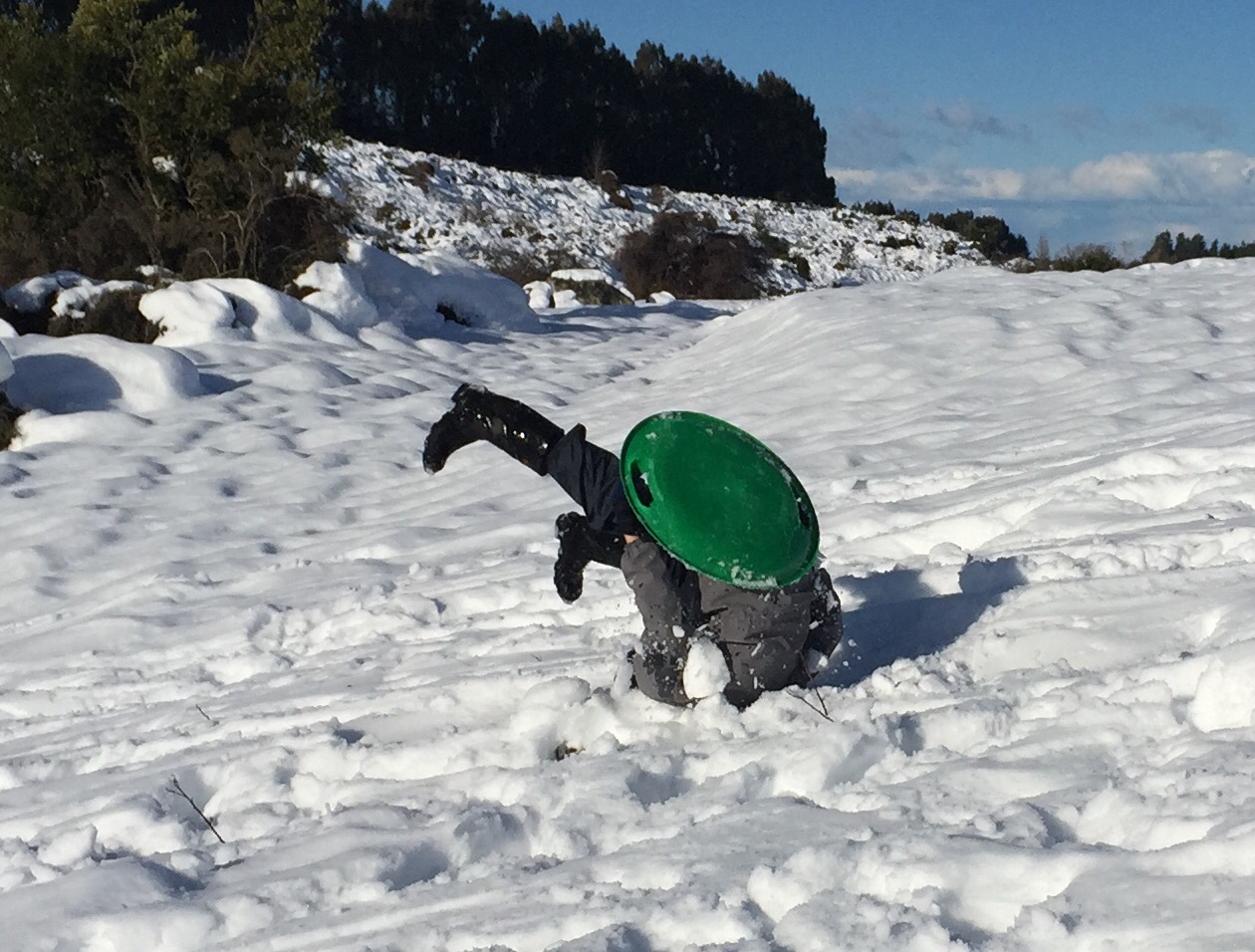
Wipe out!

Wipe out!

Today, I just had to break up mulch stiff with frost before I could plant. It was actually a beautiful (if chilly) day, and after spending the morning in the garden, we rugged up and headed to the hills for a fabulous afternoon of sledding in 30 cm of snow! Winter just doesn’t get much better than that!

Banish the winter blues!

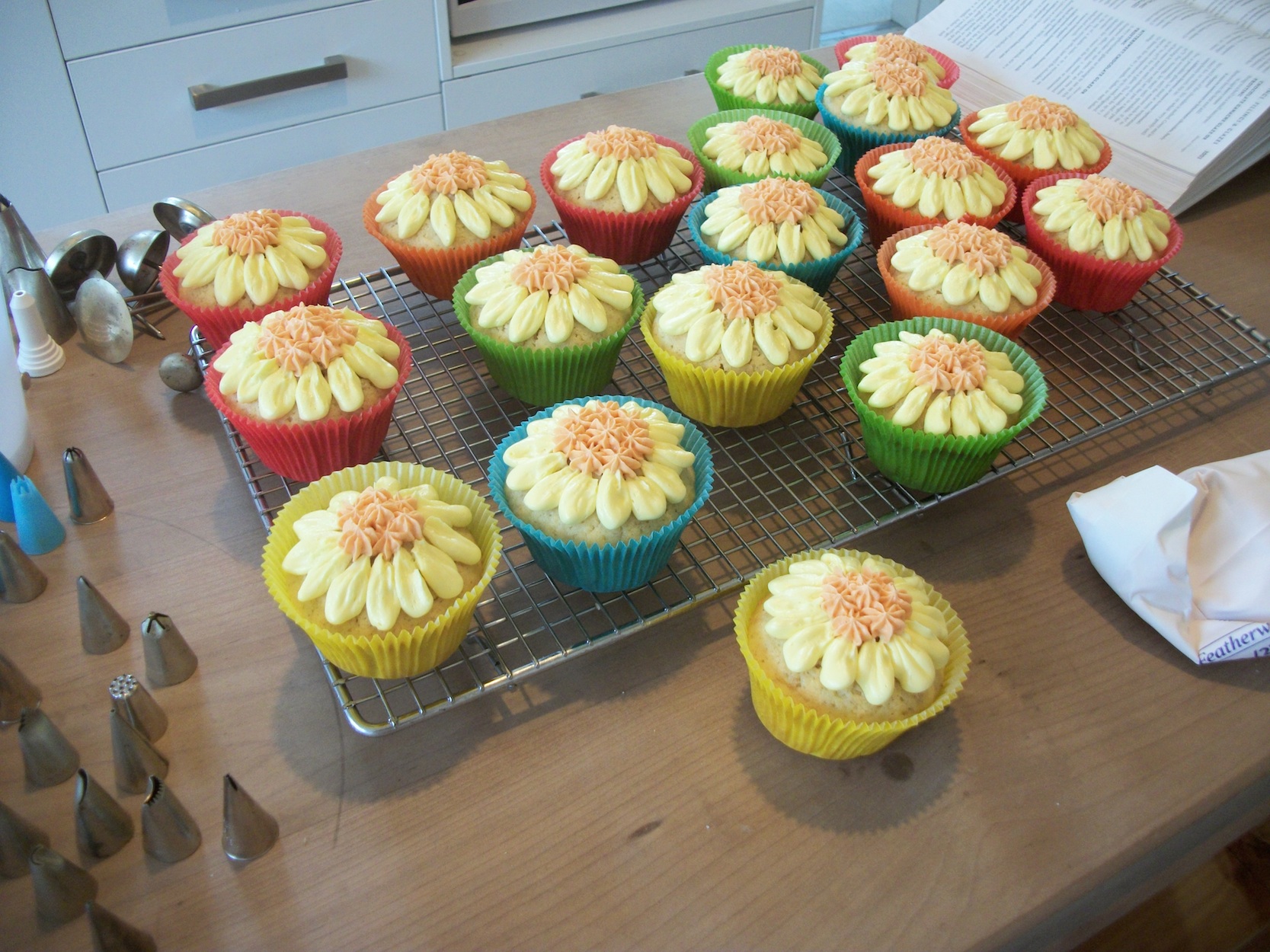
100_3345 copyIt’s a drizzly, dark day. The whole family slept in this morning (well, apart from me), and they still all rose before sunrise. It was a day to either stay in bed or do something to banish the winter blues. So I made lemon cupcakes iced with bright yellow flowers—my kitchen is sunny, even if the sky is grey!

The original plan was to teach my daughter some cake decorating techniques, but we discovered we were out of confectioner’s sugar, so I made a buttercream frosting instead of a quick frosting. That took a lot longer than a quick frosting, and by the time the frosting was ready, a friend had arrived to play. Since all the cake decorating equipment was already out, I figured I’d have some fun, even without my daughter. (She did manage to stop playing long enough to eat a cupcake).

Happy Matariki, (Maori New Year) to you all!

100_3340I love a good New Year celebration, but the January one has less meaning here than Matariki, which is seasonally appropriate, and a much needed celebration in the dark of winter. Matariki is celebrated on the new moon after the constellation Matariki (a.k.a. the Pleiades, Subaru, 7 Sisters) appears in the pre-dawn sky, after being absent from the night sky since April.

The modern celebration of Matariki only dates back to the early 2000s, and is a quirky blend of Maori traditions and European ideas. Kite and lantern making, food, song, and traditional crafts have all become part of the modern celebrations. Matariki is a time for looking back and honouring the past, and for looking forward with hope. It is a time to give thanks for the bounty of the harvest, and to begin to prepare for the coming planting.

So this Matariki, I will honour the spirit of my grandfather, who died late last year and taught me to pursue my dreams, even if it meant striking off the beaten path. I will look forward to the future, striving to make the coming year I find my place in my new career. I will celebrate the bounty of the past summer’s garden, bringing out jars of summer soup, peaches, and pumpkins for a weekend of glorious food. I will begin to prepare for next year’s garden, weeding the strawberries, and planting garlic in the cold, wet soil. I will celebrate light amidst the dark of winter, with candles and toasted marshmallows over a campfire.

May you find wonderful things to celebrate this weekend, too, whether you are celebrating Matariki, Winter Solstice, Summer Solstice, or just another day.

Favourite Kitchen Tools: rotary grater

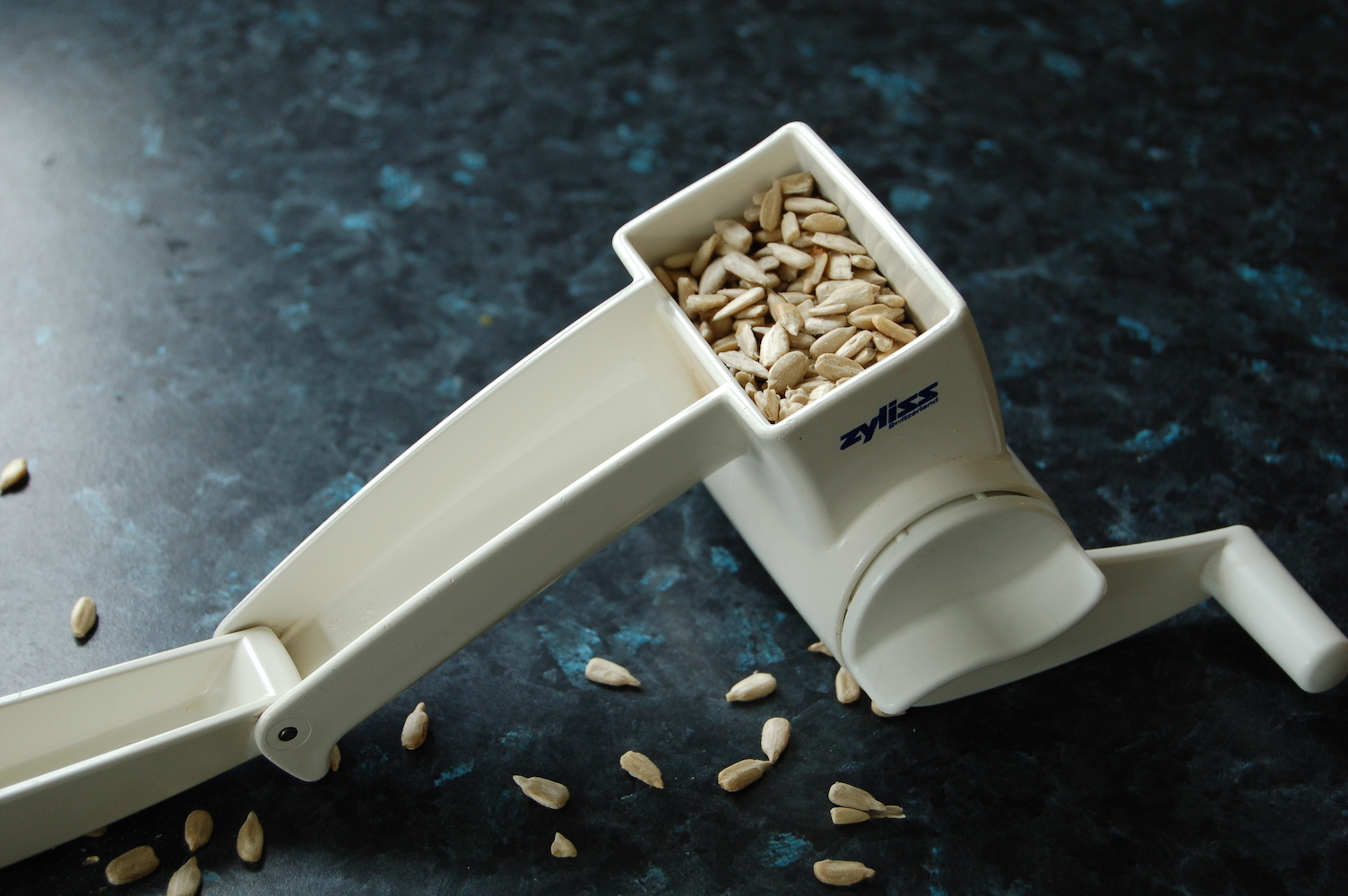
sunflower seeds grater4 sm

Works great on seeds, too!

Time for another favourite kitchen tool. This time, the rotary grater. I loved this tool right from the start for grating parmesan cheese and nutmeg without taking off my knuckles, but it really captured my heart when I discovered what it does to nuts.

Grinding nuts with a food processor or coffee grinder works well, but when both coffee grinder and food processor died several years ago, I resorted to doing it by hand with a knife. The process is tedious and yields poor results. Then I tried the rotary grater. It yielded the most beautiful, fluffy nut powder I’d ever seen. In fact, now that I have a food processor again, I still use the grater, because it does a better job.

Beans, Beans

Beans baked overnight in the bread oven

Beans baked overnight in the bread oven

Beans, Beans

The wonderful fruit.

The more you eat,

The more you toot.

The more you toot,

The better you feel,

So eat your beans

With every meal.


I have no idea where that poem came from or who wrote it. My husband apparently learned it at Scout camp when he was a boy. It makes the 12 year-old in me giggle.

The truth of the matter is that beans don’t make me toot, and they are, indeed, wonderful. We eat beans regularly, in many different forms. Usually I can grow enough beans to get us through the year. I grow black, borlotti, and soy beans. We eat most of the soy green, but I always save some for dry beans. Beans are one of those wonderful, long-storing products from the garden. They’re a low-maintenance, high-yield sort of crop, like potatoes. Best of all, they’re delicious in a wide variety of dishes.

Burritos and burgers are probably my family’s favourite ways to eat beans. They’re time-intensive meals, but well worth the effort. Baked beans, too, are time intensive—mostly oven time, so we usually only make them when we have the bread oven fired up. They bake beautifully in the long tail-end of the oven’s heat.

Simple beans and rice is the most common way we eat beans. If I remember to put the beans to soak in the morning, it becomes an effortless meal, and a perfect winter warmer.

The best flavours to go with beans (no matter how they’re cooked)? Fresh cilantro (added at the very end of cooking), smoked paprika, and cumin. A bit of tomato is lovely, too.

The lambs are coming!

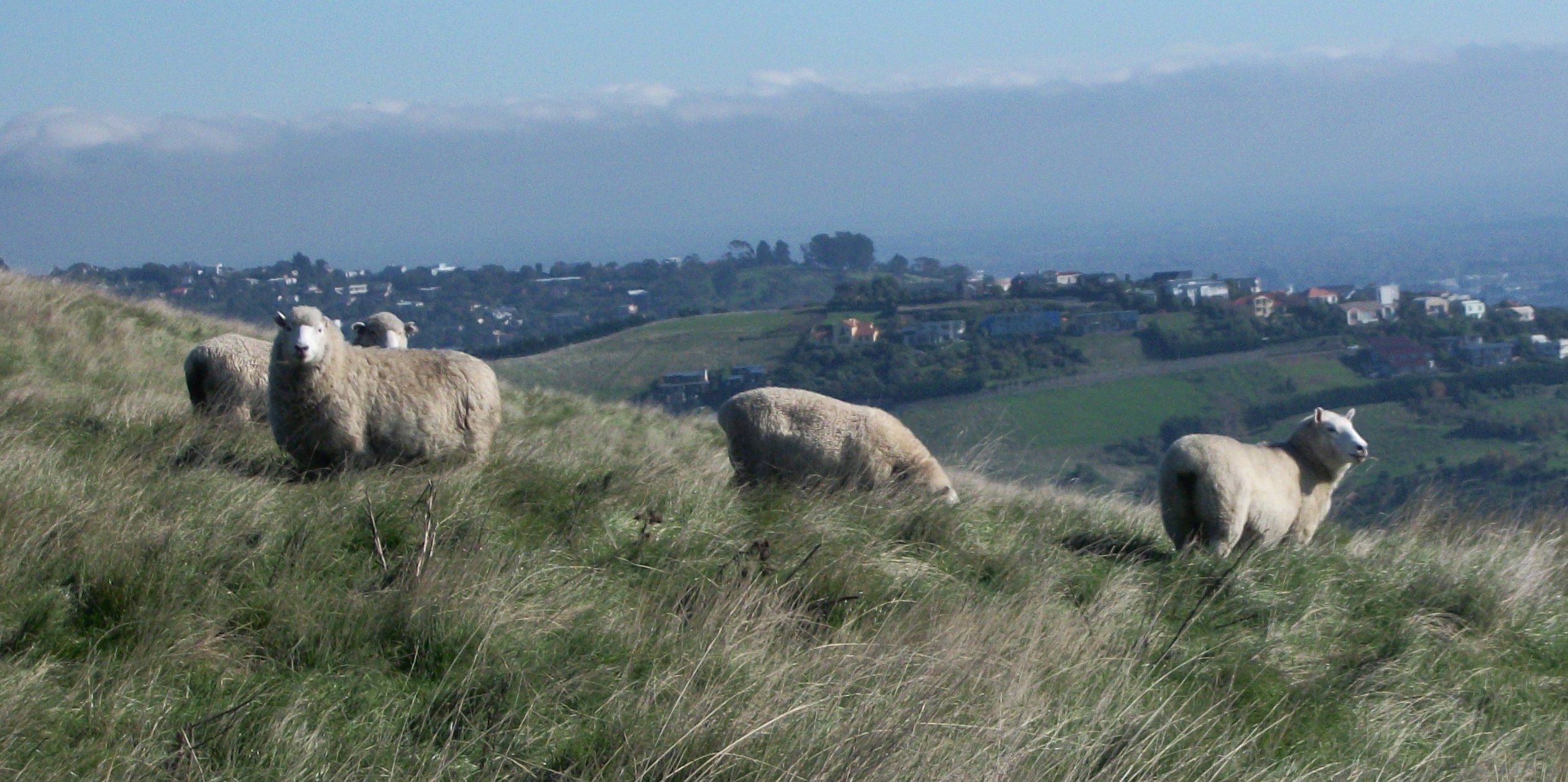
100_2204 cropTwo days ago, I heard the first one—a reedy, high pitched ‘baaa’ from the neighbour’s paddock. Today there are a dozen voices out there, calling to their mothers, whose low rumbles answer patiently.

Lambing comes early in our neighbourhood. These June and July lambs will have to survive the worst of winter, and the farmers know it is a gamble. One ill-timed storm, and a farmer can lose 200 lambs overnight. It is apparently worth the gamble though. Lambs that make it through the winter will have months of growth on the August and September lambs born in the high country, and will be prime for the Christmas lamb market.

Though I feel bad for those little lambs, born in the dead of winter, I do appreciate the promise they bring, frisking in the paddocks on frosty mornings. They promise spring to come. Warmth and light. They bring joy to the bare branches of the winter landscape.

Baked pumpkin slices

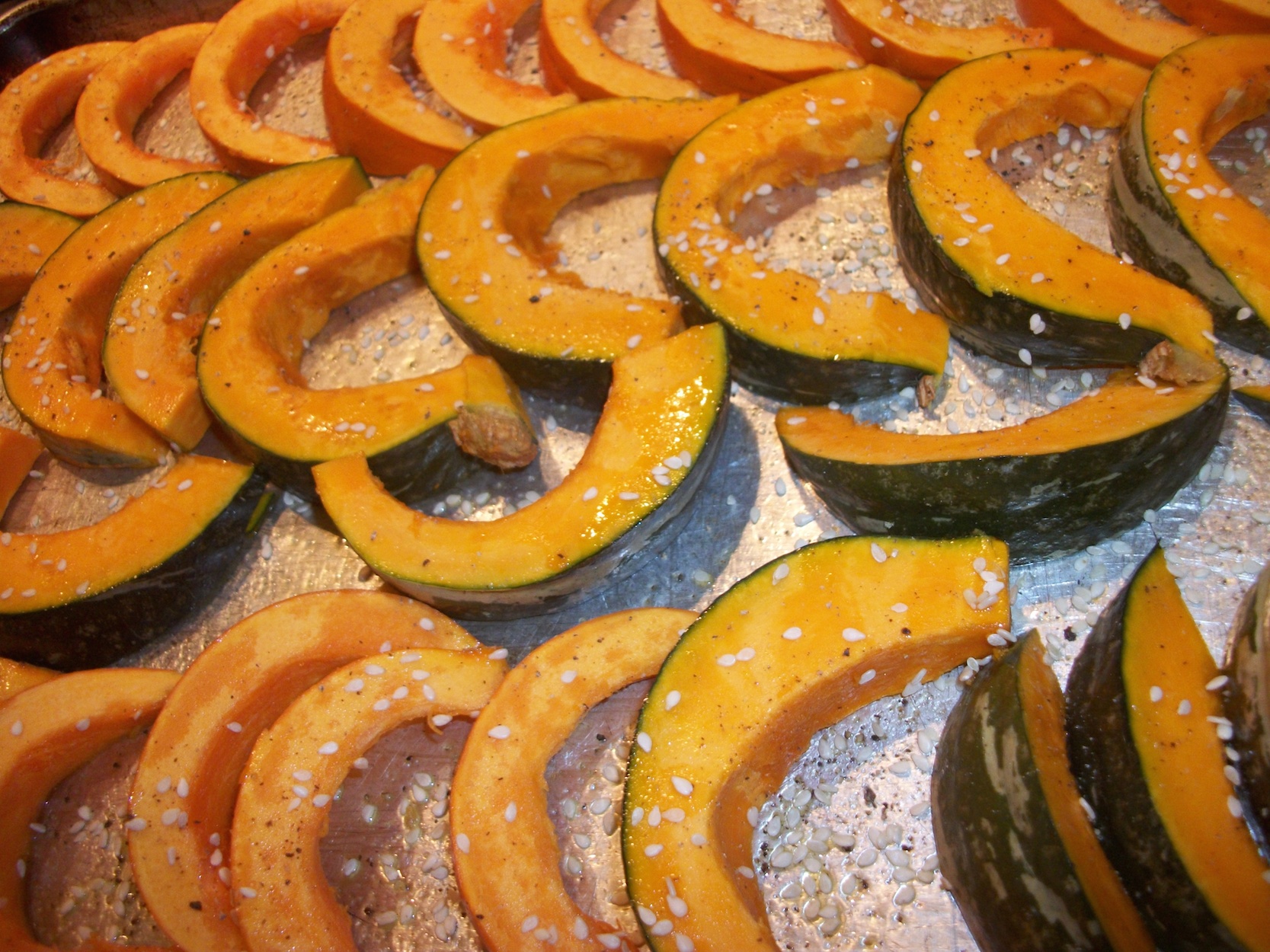
100_3334 smI think my husband was the first to try it—baked pumpkin slices. We all love pumpkin, but it can be a real pain to prepare—either you spend an hour baking whole pumpkins, or you peel and cube dangerously hard raw ones. These lovely slices, with the peel on, are easy to prepare and bake up quickly. They make a wonderful side dish with lentils or burgers (and probably go well with animal flesh, too, for the meat eaters among you).

Halve a pumpkin or other winter squash. Scoop out the seeds. Slice each half into wedges about 1.5 cm thick. Place on an oiled baking sheet, flipping each slice once to make sure it’s coated with oil on both sides. Sprinkle with coarse salt, freshly ground pepper, and sesame seeds. Bake at 190°C (375°F) for 20-30 minutes.

Cream cheese frosting

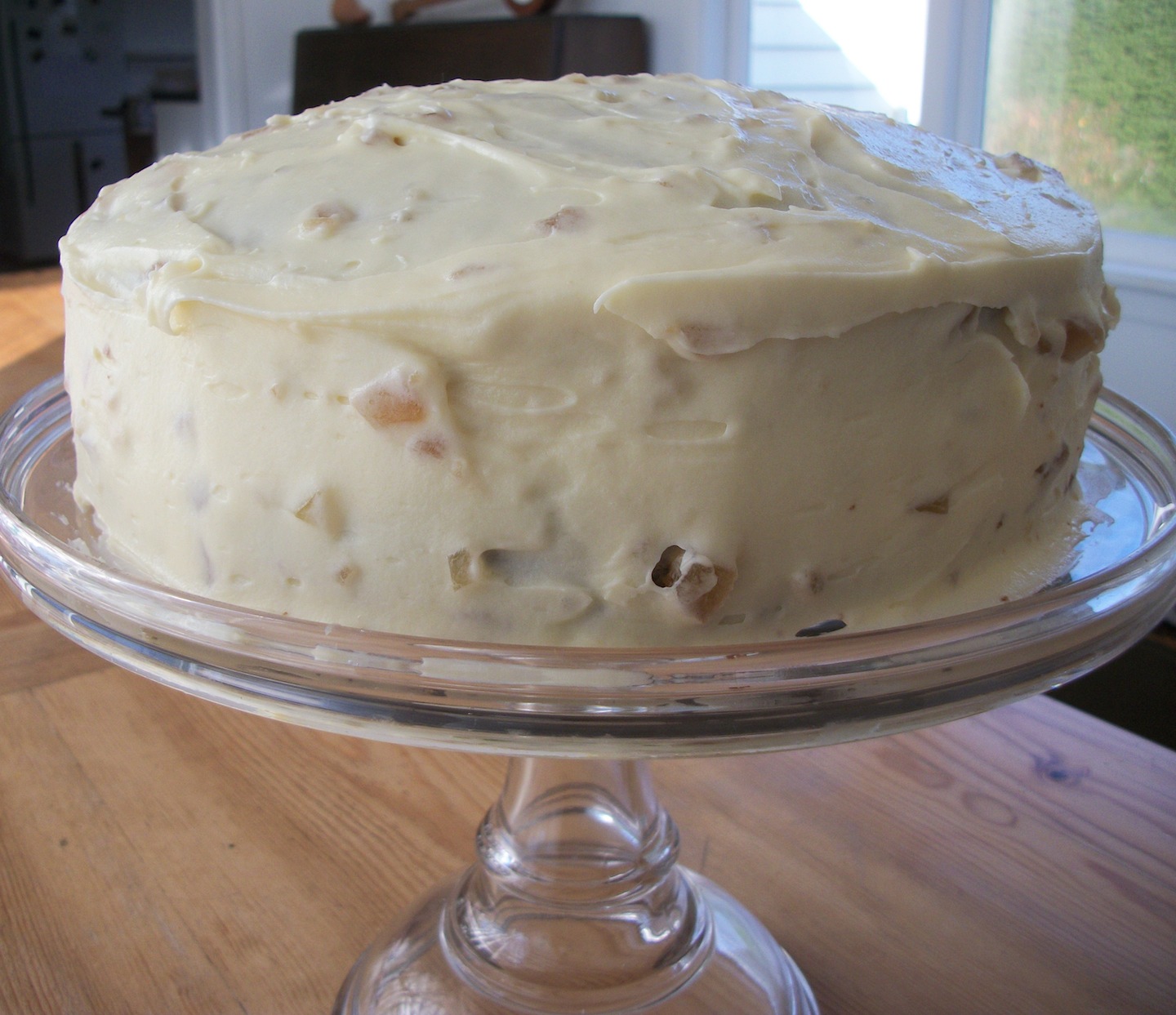
100_3322 copyOK, so I’m fixated on cake again. Must be the cold, short days. I recently checked out a book about cake from the library. Can’t remember the title of the book, but I do remember that every third cake was iced with cream cheese frosting.

And I thought…why not?

I’d only ever really thought of cream cheese frosting in association with carrot cake, but this book opened my eyes to all sorts of possibilities. Imagine cream cheese frosting on lemon, chocolate, or spice cake! How about on gingerbread?

Since then, I’ve put cream cheese frosting on a variety of cakes. Today on pumpkin cake. It has been dangerously good on everything!

Cupcakes

carrotcupcakes1 smThe whole family loves cake, and I much prefer cake over cookies or bars, but cake has some important drawbacks. It can be difficult to pack in lunches—icing gets everywhere and the cake crumbles. It’s also not something the kids can grab and go with, like cookies are.

So lately I’ve been turning many of my cakes into cupcakes. They travel well, are easy to snag on the go, and…well…they’re cake!

It’s still nice to have icing on cake, but with cupcakes, I can ice some and leave others plain for lunchboxes. These beautifully iced carrot cupcakes were divine, but the plain ones were just as good!

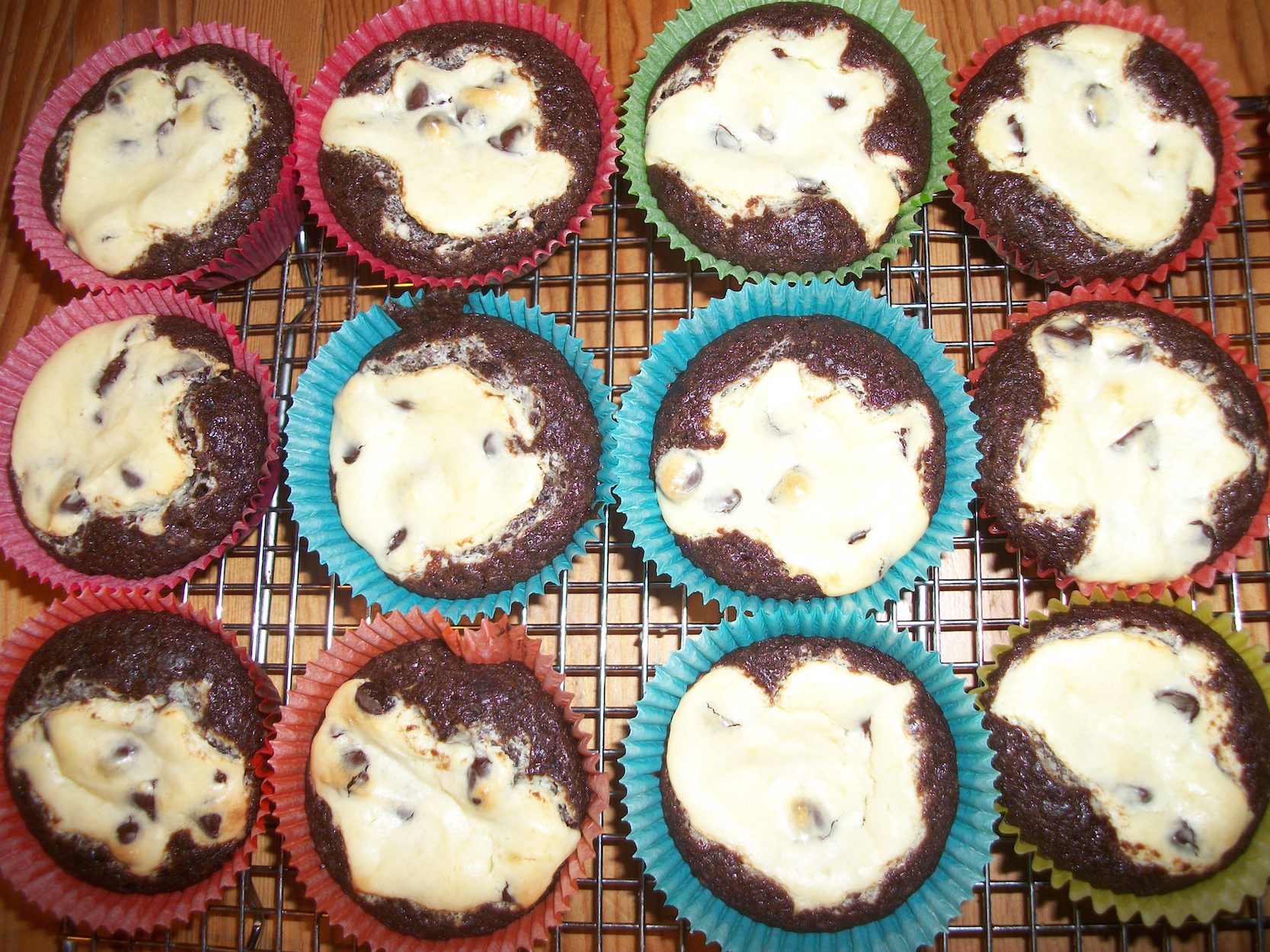
chocchipcupcakes1 smThere are also some lovely cupcakes that don’t need icing at all, like these chocolate chip cupcakes with cheesecake centres.

So far, I haven’t met a cake that didn’t do just as well as a cupcake. Just make sure you pull them out as soon as they’re done—they’ll bake faster than a cake and dry out easily.


A Culinary Adventure

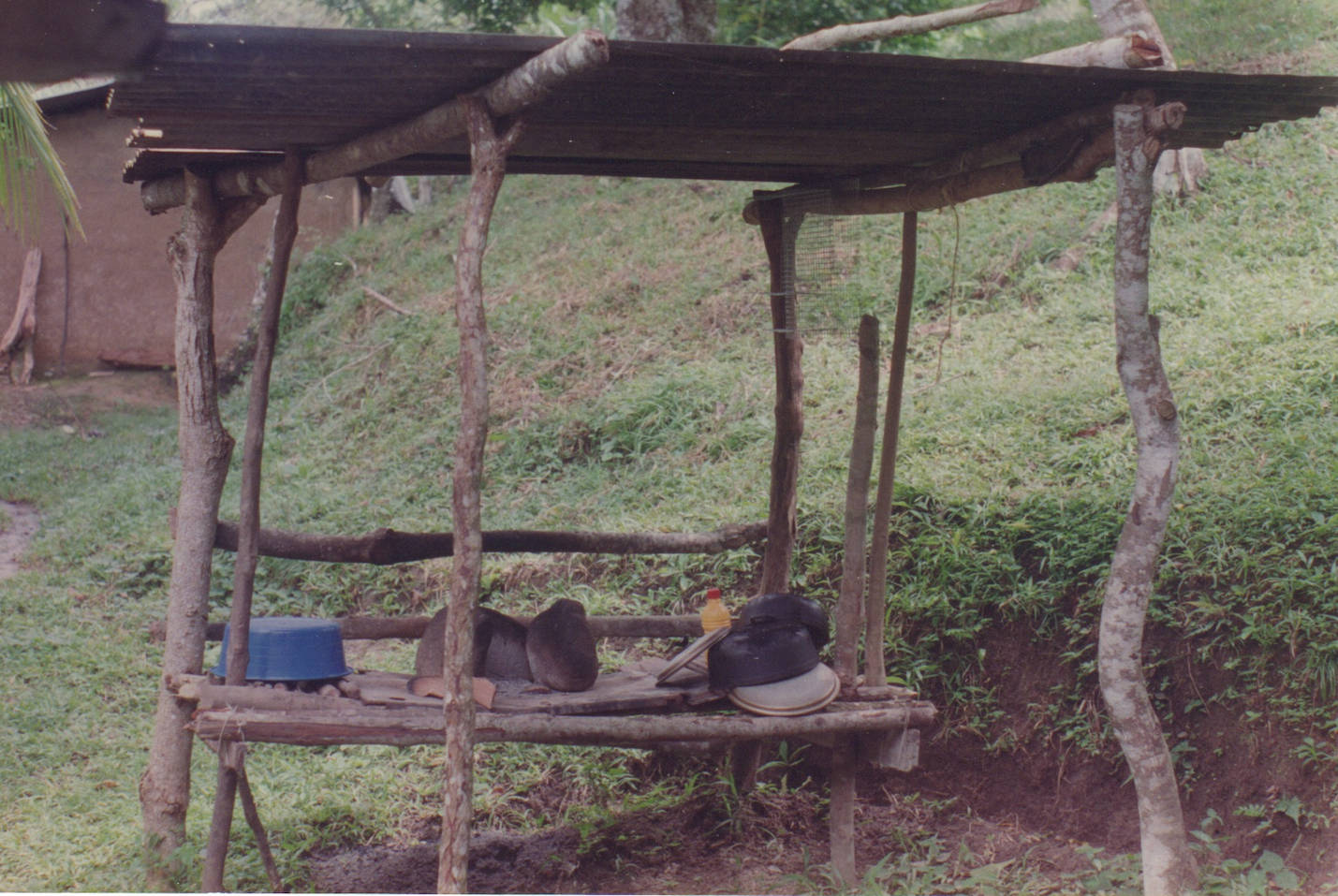
The kitchen, with 3-rock fire.

The kitchen, with 3-rock fire.

I spent a couple of hours today going through the letters I wrote home from Panama when we were in Peace Corps–trying to decide if there’s a book in that mass of experiences. As I went through, I noted that, in almost every letter, there is something about food. Life in rural Panama was a nutty mix of plenty and famine, luxury and squalor. We had no electricity, and only rudimentary water, but we had fresh hot bread delivered to our door every morning. Sometimes we ate nothing but rice with a spoonful of chutney for dinner, and other times we stuffed ourselves with fresh produce and tropical fruits.

Every week, I had something to say about food:

“Last night’s dinner was actually pretty good. The rice and beans and juice they brought us tasted fine as long as you ignored the dead bugs in both. Same with the soup for lunch today and the mouse droppings.”

“Tonight our dinner was 25 cents worth of bread and a little peanut butter. After eight hours of walking I would have liked more…oh well, we won’t starve to death.”

“6:15 am–I’m sitting here enjoying a delightful warm roll that was just delivered to our door a minute ago.”

“Thanksgiving dinner didn’t quite turn out as planned—the papaya we were planning on for the bulk of our fruit salad was full of worms—but it was very good.”

“We each ate about four oranges yesterday…and the citrus season still isn’t in full swing! We’re hard pressed to eat all the citrus we’re getting now! Guess we’ll just have to suffer.”

“We stopped by a kiosko (little store) on the way home this afternoon for a Coke (warm, of course).”

We grew to love the local lentils and rice, boiled yuca lightly salted and served with a slice of tomato, and thick sweet oatmeal drink that substituted for a meal in the fields. We perfected the art of straining ants out of the coffee with our teeth. We learned how to make lasagne and pizza on our 3-rock fire. It was a culinary adventure!