DIY pot handles

100_4014 smA good stainless steel pot can last pretty much forever.

Problem is, the bits that aren’t stainless steel don’t.

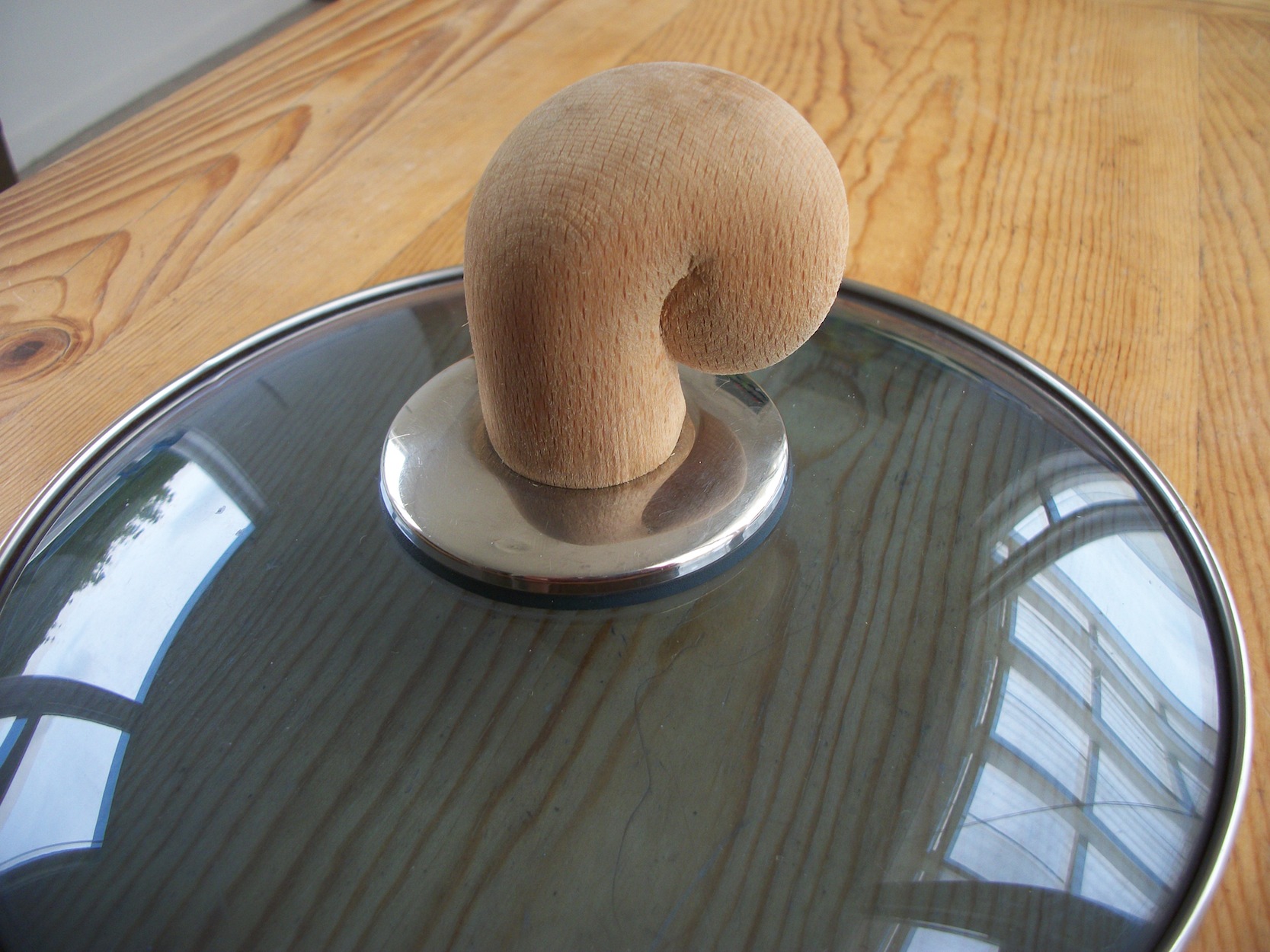
We inherited two glass-lidded pots when we bought our house. They’re not the greatest pots, but they do get used a lot, as they’re very convenient sizes. Unfortunately, the lid handles have broken off both of them.

Enter my ever-resourceful, creative husband, who carved new handles for them.

These delightful knobs are far more interesting than the ones they replaced. In fact, they’re so nice, I’m thinking about breaking some of the other pot handles…

Strangest Kitchen Tool Ever

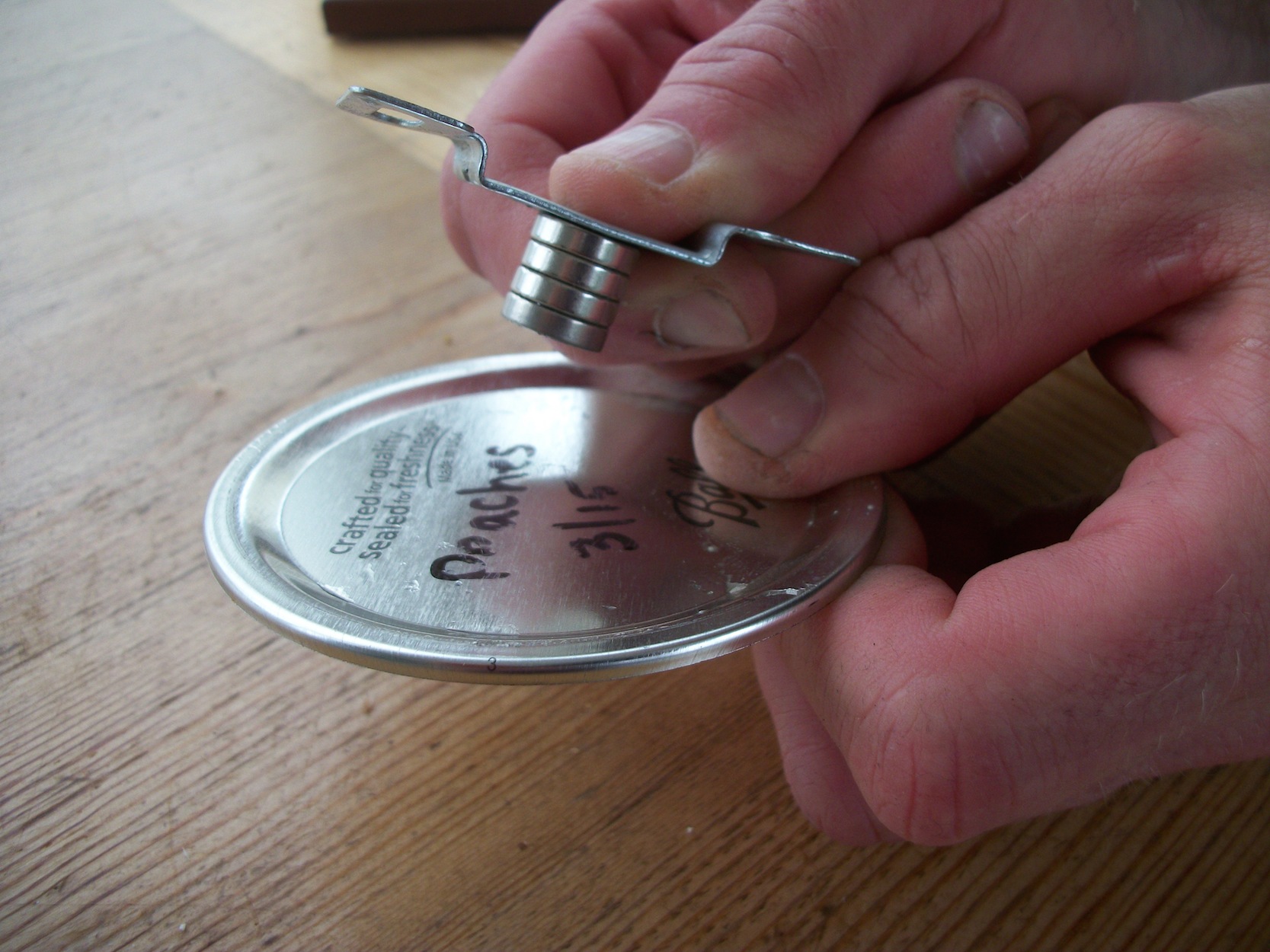
100_4012 smStuck to a screw head in the bottom kitchen cupboard where mouse traps nestle alongside the water heater is the strangest kitchen tool. It’s a DIY affair made of a discarded cabinet latch plate and four small rare-earth magnets. It is seldom used, but absolutely critical when it’s needed.

It’s the Canning Lid Extraction Device.

For some reason known only to the gods (who are laughing uproariously about it, I’m sure), the drain of our kitchen sink is exactly the same diameter as a wide mouth canning lid. Exactly. And, you know, when you’re washing a jar, you just toss the lid into the wash water, not thinking. It floats innocently down, guided inexorably to the lowest point of the sink—the drain—where it gently settles in, just as you think, “No! I dropped a lid in!”

And once one settles into the drain, there is absolutely no way to get even the thinnest tip of a knife in there to pry it out. It’s stuck. Forever.

Or, it would be without the handy dandy Canning Lid Extraction Device.

Where would we be without magnetism! The powerful magnets latch onto the lid and pull it right out. The old latch plate acts as a convenient handle for wet, soapy hands. The perfect tool!

Overspray

100_4002Planting out, I scrutinise each plant for health. I discard damaged or poorly growing plants. I pick off pests.

But there are some problems I can’t do anything about.

The neighbour’s 2,4-D overspray is one of those.

2,4-D is a broadleaf herbicide that has become increasingly popular with our neighbours over the past five years. Unfortunately, it is extremely volatile, so if the wind is blowing our direction when they spray, we are enveloped in a cloud of herbicide.

It usually doesn’t kill our plants outright, but it has long-lasting effects on them. Grapes are particularly susceptible, but we’ve had damage to nearly every vegetable crop in some years. Some plants, like the green beans, seem to be able to ‘grow out’ of the damage. Others never do, and the effects of an early spring spray can still be seen at harvest time in late summer.

This year, the first overspray hit us in mid-October. Though the frost-tender crops weren’t in the garden yet, they were in the greenhouse, and didn’t escape damage.

I’d surveyed the damage in general as the plants were massed in the greenhouse, but as I inspected each plant at plant out time, I saw the full extent of the damage.

The most obvious early sign of 2,4-D damage is deformation of the leaves—they elongate and curl, and develop odd-looking venation. They can also bleach, sometimes looking nearly white. This year, the tomatoes were particularly hard-hit, with almost all the young leaves deformed. Eggplants, too. Thankfully, the peppers seem to have escaped, and many plants weren’t even up yet, so they made it, too.

I accept that my neighbours aren’t organic farmers, and that they have little control over when the contractor comes to do their spraying, but still it is discouraging to face the same overspray problems year after year.
Plant out!

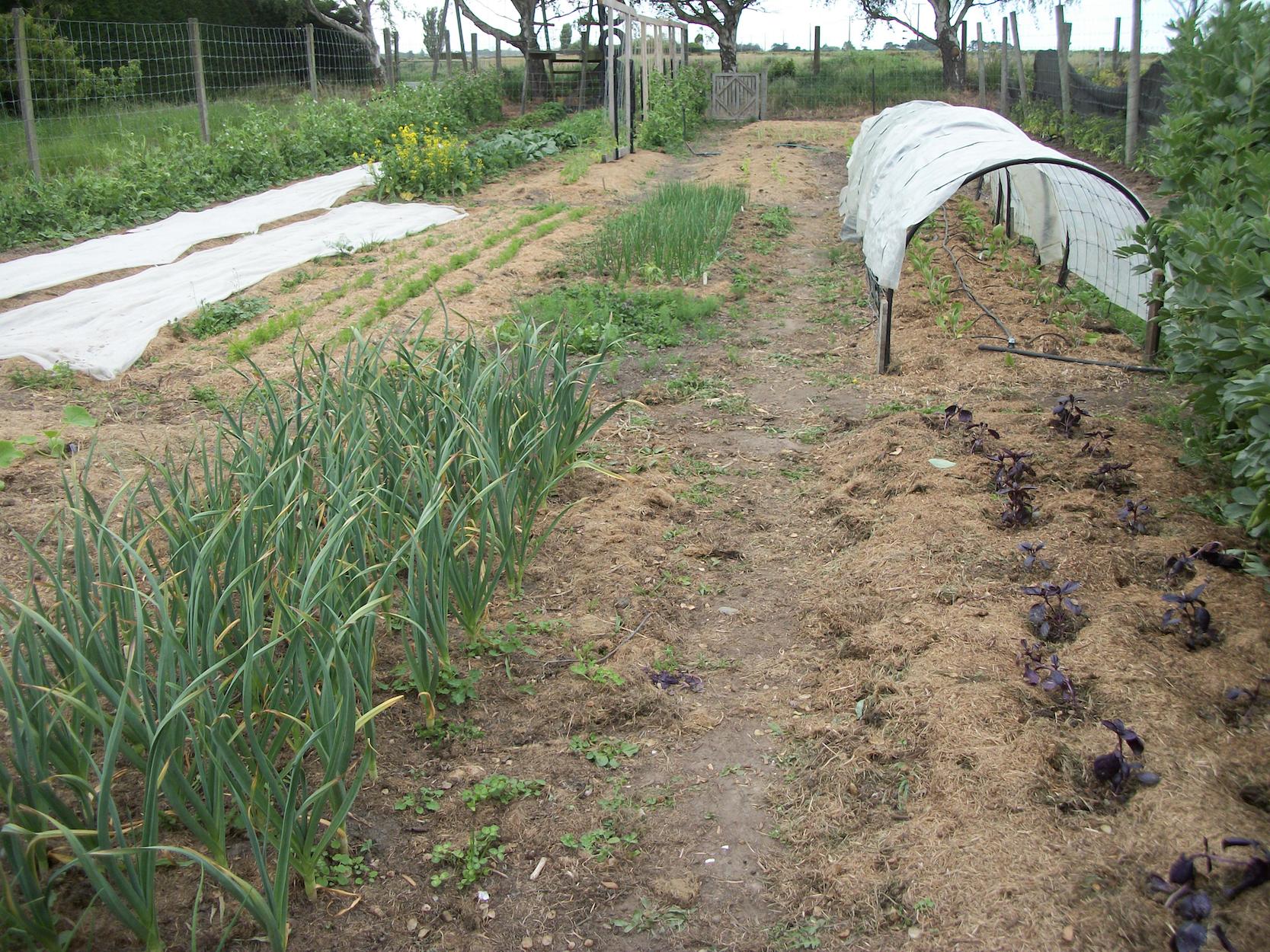
100_4005 smIt’s Canterbury weekend here, and that means it’s time for all the vegetables to head to their prepared spots in the garden. In theory, the frost is over and summer is upon us!

The approach to plant out weekend is always a bit stressful. Plants are overly large for their pots, and there’s a temptation to plant out too early (and Murphy’s Law says that if you plant out before Canterbury Day, it WILL frost). It’s a mission just to keep the plants watered in the greenhouse. And with all the plants crammed together in one place, all it would take is one hungry possum discovering the greenhouse, and the entire garden would be destroyed for the year.

And then there’s the task of making sure all the garden beds are ready to receive those plants in time for plant out weekend. I start mapping out each weekend’s jobs in late September so that I’m not caught with half a dozen beds still full of weeds at plant out time.

This year, plant out went beautifully. The weather cooperated—it was cool and cloudy so the transplanted plants and I weren’t stressed by heat. The beds were all ready to go, and most of the plants were in good shape.

And now I get to rest, right?

Ha!

Now the early crops are desperate to be weeded, the berry beds are sprouting full of thistles, and I’m probably 10 days from being inundated by strawberries, gooseberries and currants.

Never a dull moment!

Broad Beans

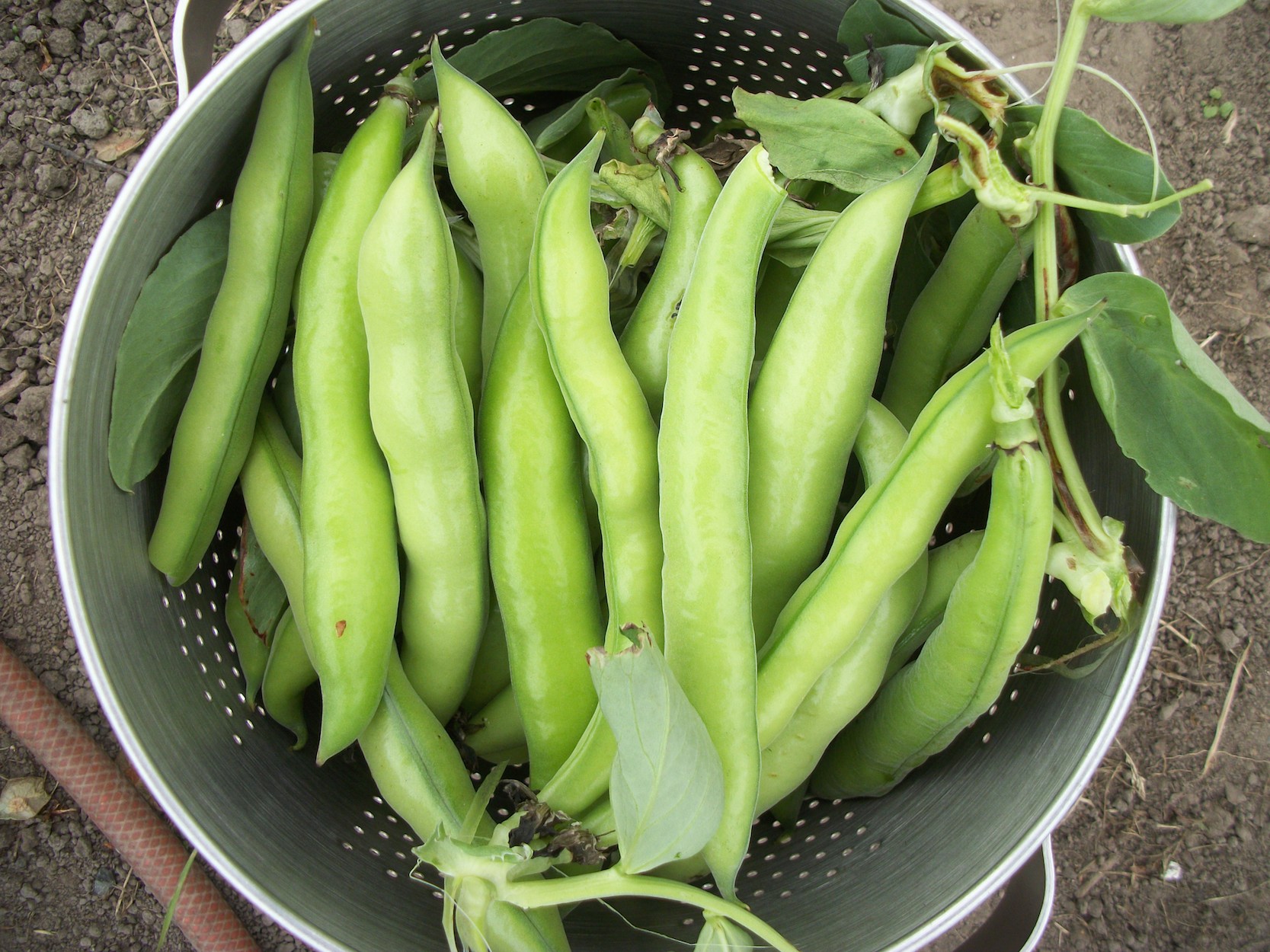
100_4007 smI had never eaten broad beans (aka fava beans) before moving to New Zealand, but now I can’t imagine early summer without them. They’re uncommon in the U.S., and even here where they’re grown by the hectare, they’re often considered “old people’s food”. During my brief stint selling vegetables at the Leeston market, I never sold broad beans to anyone under the age of 80.

But his attitude is unfair. Broad beans are more versatile than that. They have a bold, almost floral flavour that needs no embellishment. When young, the beans are sweet like peas, and they grow starchier as they mature. Somewhere between sweet and starch, they are at their best.

The “usual” way to eat broad beans is to blanch them, peel the skin off each bean, then serve them or cook them into a dish. Nothing wrong with that, unless you’re the cook, who has to shell and peel all those beans.

We prefer to make the consumers do half the work. We blanch the beans and serve them as finger food. They make a lovely appetizer—pop them out of their skins right into your mouth. Paired with a nice Sauvignon Blanc and eaten outdoors on a summer evening, they are no longer “old people’s food”. They become urbane and sophisticated. Something to be savoured with intelligent conversation.

And if you’re more the beer and burgers type, broad beans will oblige. They make a mean green burger that goes well with cheese, mushrooms and ketchup. Light enough for a lager, strong enough for a stout, broad bean burgers go with just about anything.

Broad beans—a versatile legume that’s not just for old people.


Not a Spanish Omelette

100_3995 smContinuing with the egg theme…because I’m getting three a day now, and hardly know what to do with them all…

My husband introduced me to this dish before we were even married. He called it a Spanish omelette.

It is not a Spanish omelette. It’s more akin to a Texas omelette, but without the beans.

But it’s not even really that.

But whatever you call it, it’s good! And simple to make.

Chunks of roast potatoes topped with scrambled eggs and a thick spicy tomato sauce.

This dish can be served at any time of day, and can take on whatever flavours you want in the tomato sauce. This week, I made a sauce rich with an entire colander full of spinach, fistfuls of fresh basil and oregano, and heavy in paprika (including some smoked paprika, too). Sometimes I steer the sauce toward Central America, with cilantro, sometimes toward Greece with feta cheese and olives. The potatoes and egg are flexible, and will happily nestle under whatever you pour on top.

Best of all, it tastes like junk food, but is packed with nutrients and leaves you feeling satisfied. A real stick-to-your-ribs sort of meal.

Scromelettes

messy but good

messy but good

I know there are many people who add things to their scrambled eggs, but for me, scrambled eggs have always been nothing but eggs and a little milk. If I wanted to add things to my eggs, I made an omelette.

Though I’m not particularly fond of eggs, I’m quite good at making omelettes, thanks to a summer job through my teen years that had me cooking breakfasts for hungry actors at the PA Renaissance Faire.

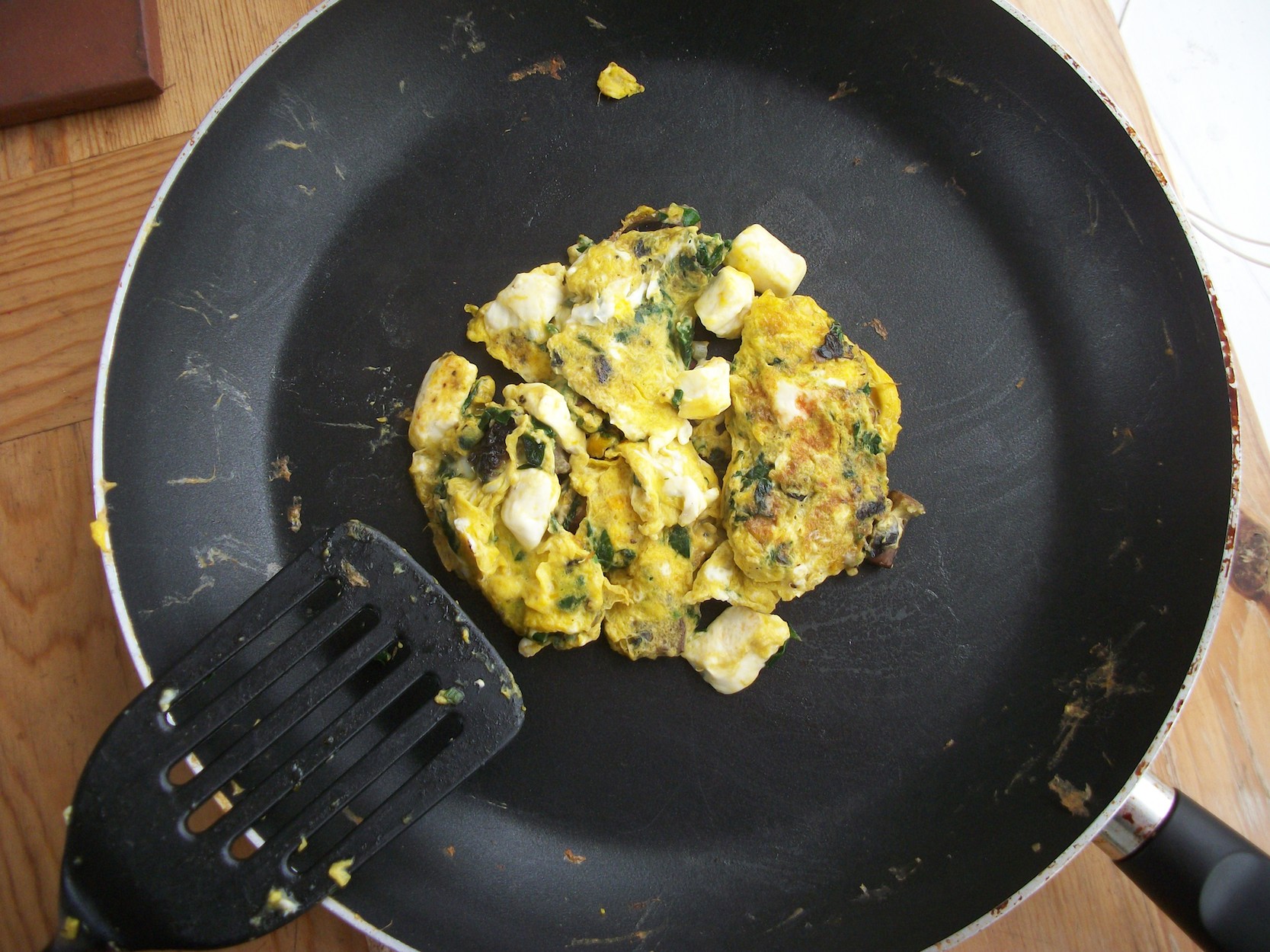
But the other day I exceeded my omelette abilities. I had so many yummy vegetables and so much cheese to put in our omelettes that I knew the egg wouldn’t hold it all.

So instead I made what we called “scromelettes”—scrambled eggs with omelette fillings mixed in. The result was delicious, if not so pretty as a perfectly folded omelette. Beyond the bonus of being able to use more filling, I was pleased to realise I could sautĂ© longer-cooking ingredients before putting the egg into the pan, ensuring that everything was perfectly cooked.

Would I serve scromelettes to company? Probably not, but they’re a great option for times when your omelette just won’t all fit in a neat package.

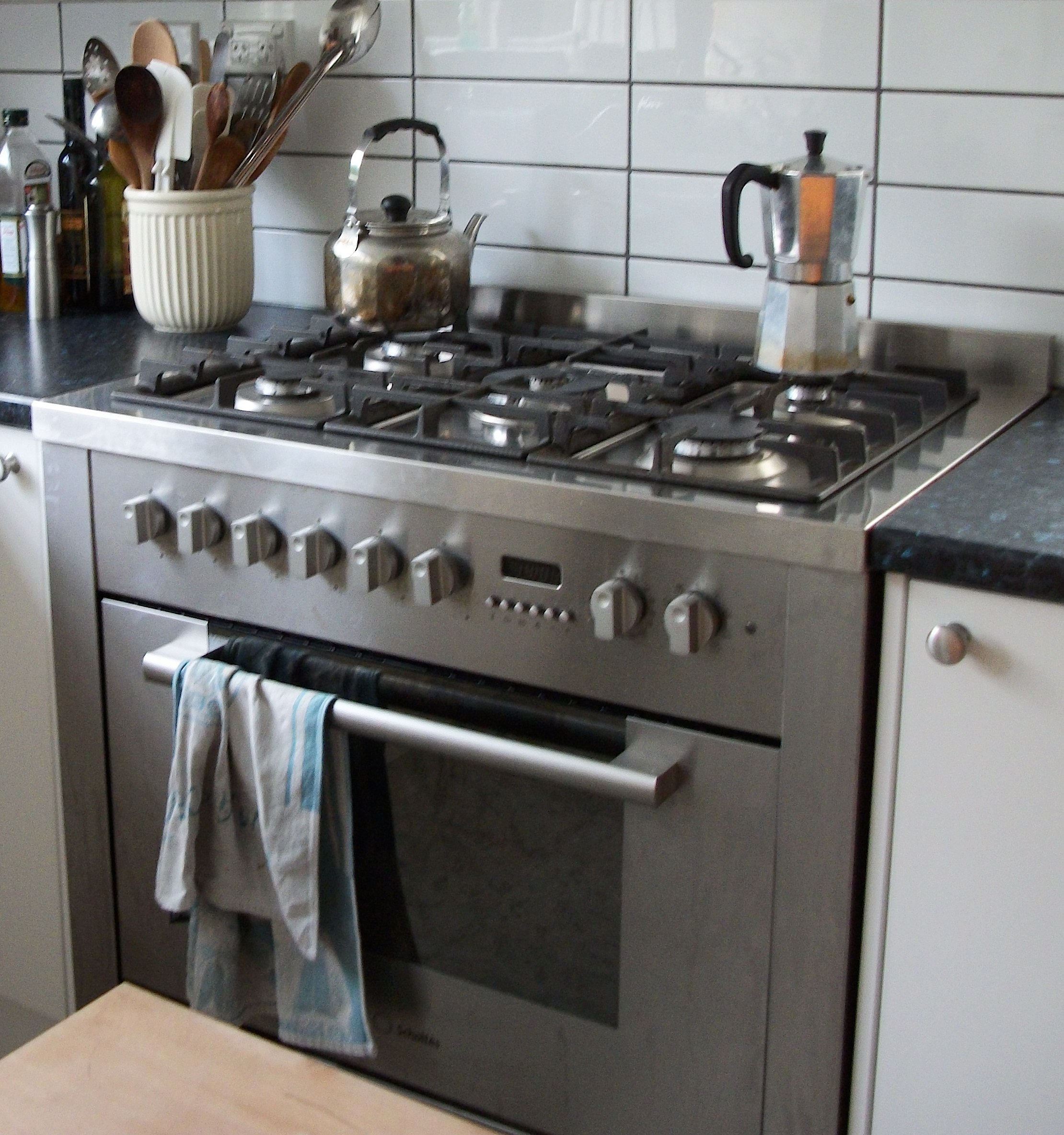
Favourite Kitchen Tools: Scholtès stove

100_0316 cropI prepared our dinner mid-afternoon and tossed it into the oven on delayed bake so we could come home this evening after piano lessons to a hot meal, and I figured that it was time for another Favourite Kitchen Tools post.

When we remodelled the kitchen years ago, we went for the cheaper flooring and cabinetry options, but we splurged when it came to the stove. It is the most-used tool in the kitchen, after all. It has been worth every cent. The previous stove was a barely functional old thing that had a habit of electrocuting mice (ztztztzztztzt…Is that burning fur I smell?—it was awful!).

We cook and bake a lot. We do a lot of preserving. We make cheese. We needed a nice cook top and a big oven.

At the risk of sounding like a salesman (that really isn’t my intent)…We settled on the budget-blowing Scholtès made by the Italian company Indesit—90 cm wide, 5 gas burners, and an electric oven. We’ve worked the cook top and the oven hard in the past seven years, and it has done pretty much everything we’ve asked of it. Many days during summer I have all five burners going at once, and I appreciate being able to slide my biggest sheet pans easily into the large oven. It has had its troubles—the display unit has had to be replaced twice. (Turns out it gets cooked by the heat of the oven if you don’t leave the door open once you turn it off.) The tiny burner in the centre of the large central burner doesn’t work terribly well anymore. And the front panel and oven door are made of a supremely difficult to clean stainless steel—no matter what I do, it looks filthy.

Oh, and the operating manual is written in French and Italian…illustrating just how rusty my high school French is after 27 years!

Still, I love my stove. I am particularly glad we chose to go with a gas cook top. I love the way the gas responds to my cooking needs, and I especially love the fact I can cook dinner when the power is out!

Oh yeah, and on nights like tonight, when I can’t be home to cook dinner, the delayed bake is a life-saver!

Too Hot To Eat

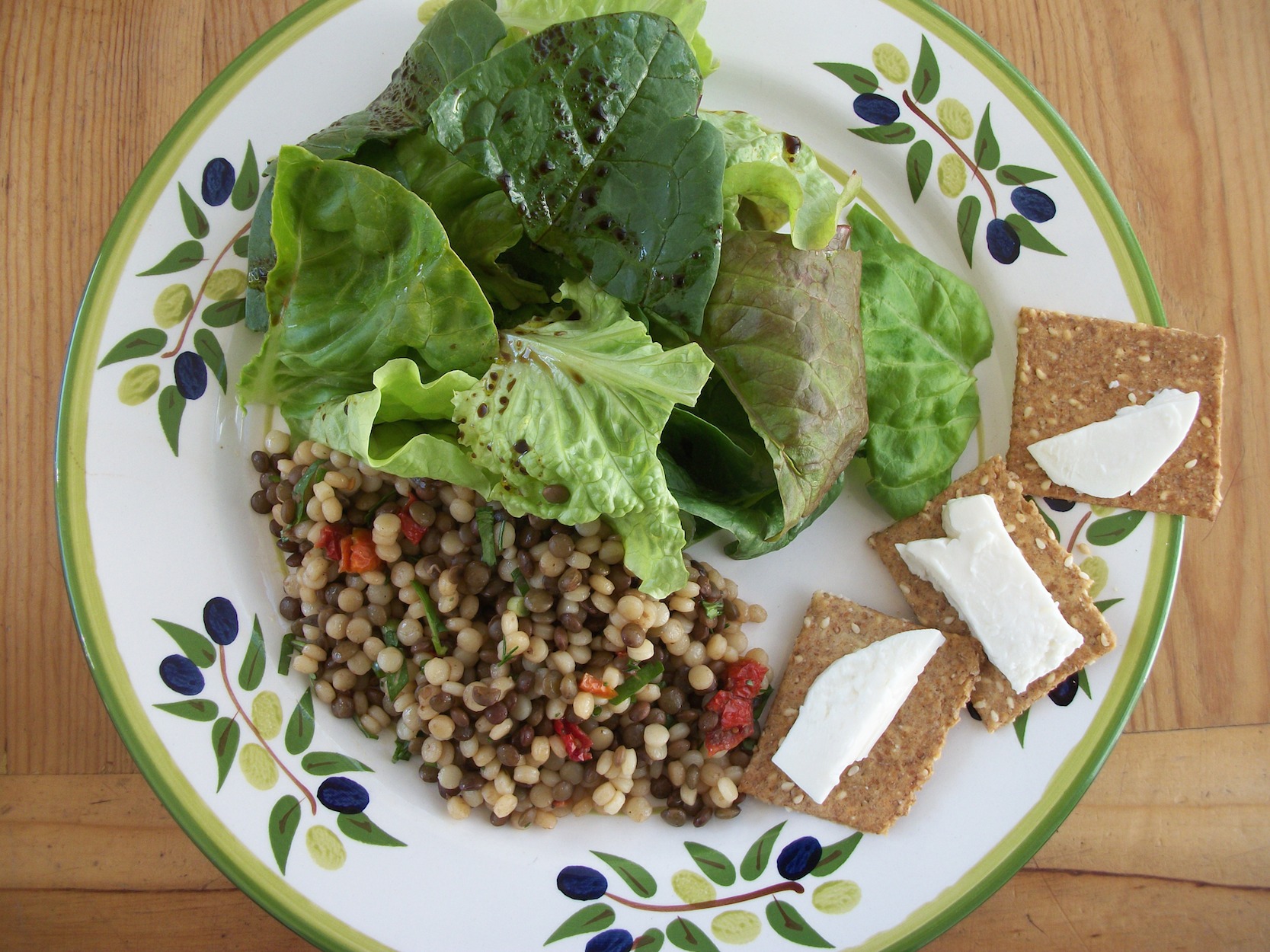
100_3989 smIt was 32°C (90°F) when we got home today. Too hot to eat a hot meal. So it was salads and cheese for dinner.

A luscious green salad of spring lettuces.

A hearty lentil salad with Israeli couscous, dried tomato, spring onion and fresh herbs.

Homemade feta on Mommy’s Magical Crackers.

A perfect summer meal!


What’s your perfect summer meal?

(ch)Eating from the garden

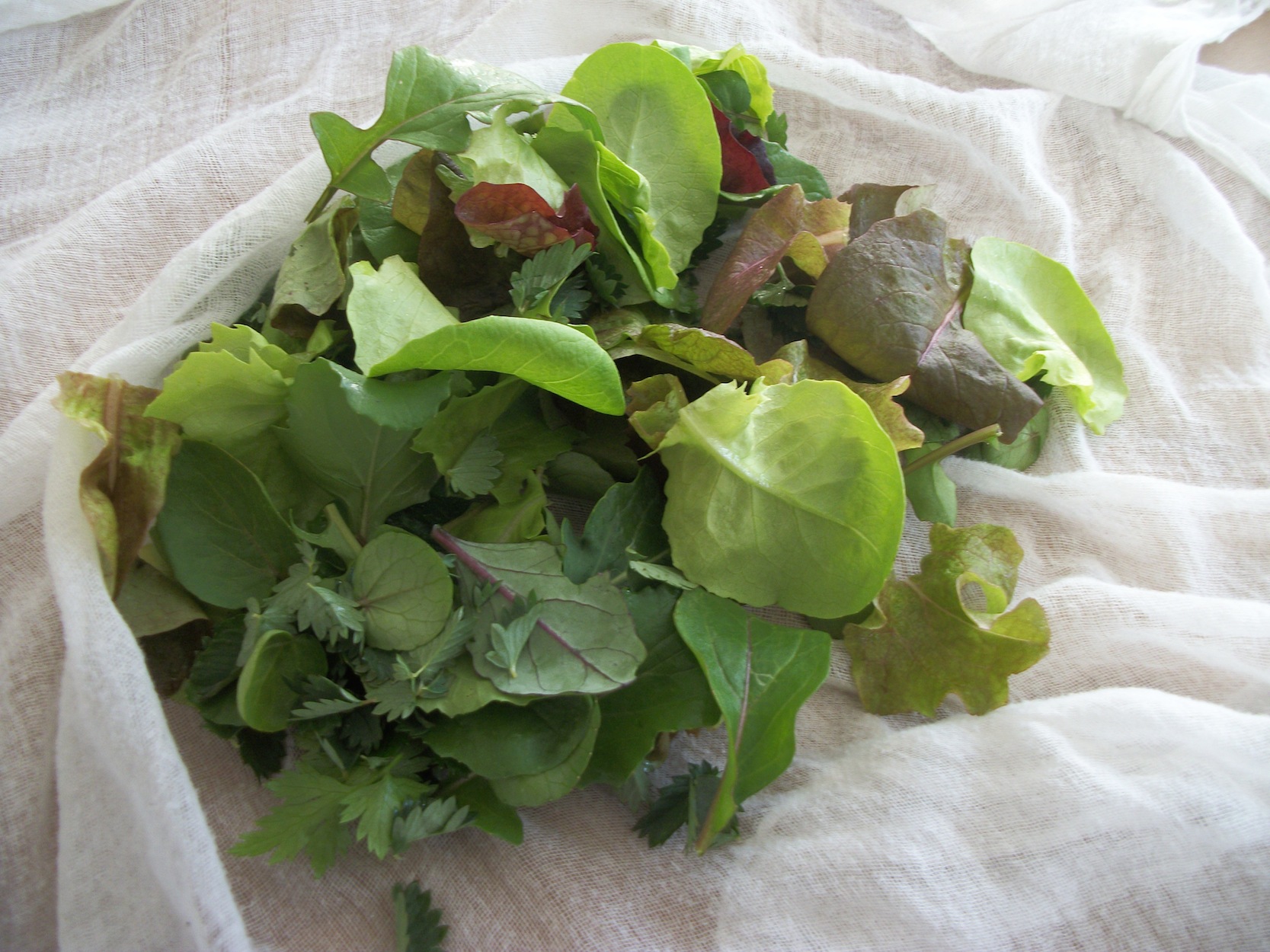
saladgreens1 smSometimes it feels like cheating.

I came home today tired and not feeling like cooking. I had 16 litres of milk that needed to be made into cheese waiting for me in the fridge. Dinner was going to be a slap-dash affair cooked in the wait times during cheese making. I didn’t expect much.

But with vegetables so fresh they’re still photosynthesizing as they go into the pot, herbs snipped moments before cooking, and homemade cheese on hand, even a thrown together meal is bound to be something special.

I whipped up a pasta from whatever was on hand in the garden and could be picked in 6 minutes, threw in some feta cheese and a handful of olives, and had a meal I would have happily served to company.

You just can’t help but eat well when you’re eating out of the garden.