Christmas Sticky Buns

2016-12-25-07-06-02These buns are a Christmas morning tradition at our house. I would love to give you a recipe, but there isn’t one, and I’m not the one who makes them anyway. Christmas is the one breakfast each year that my husband makes. On Christmas eve, he rolls his sourdough bread dough around a festive mix of brown sugar, walnuts, currants, citron, and cinnamon. He slices the resulting log into rounds and nestles them into a baking pan. The buns rise overnight in the refrigerator, and I put them into the oven in the morning. By the time everyone else is out of bed, the whole house smells like cinnamon and burnt sugar.

My only real contribution to them is the icing—a simple mix of powdered sugar, vanilla and milk, drizzled on after they come out of the oven.

Mmmm…best Christmas breakfast ever.

The Christmas Calzone

2016-12-24-19-21-34-smGrowing up, Christmas eating was strictly traditional stuff—lots of cookies, turkey, mashed potatoes, cranberry sauce, a token vegetable, and lots of gravy. I remember Christmas day as being a frenzy of cooking, starting with my mother putting the turkey in the oven in the wee hours of the morning, so that by 10 am the whole house smelled like turkey. It truly was glorious from a kid’s perspective.

At Crazy Corner Farm, Christmas eating is about as far from traditional as it gets. Except that it has become our Christmas tradition, and as such, it is traditional.

Our big holiday meal is on Christmas eve. With all the wonderful vegetables from the garden, we make calzones. We enjoy them with a fresh salad, or fruit from the garden.

In the evening, my husband makes up sticky buns and puts them in the refrigerator to rise overnight. I pop them into the oven in the morning before I go out to feed the animals, and they’re ready for breakfast by the time everyone else is awake.

We feast on sticky buns throughout the morning, then have leftover calzones for lunch. We hardly need an evening meal Christmas day, so our tradition is a big salad, broad beans, and the first of the season’s new potatoes.

All very low-key and relaxing, yet wonderfully decadent.

Bugs in Your Food

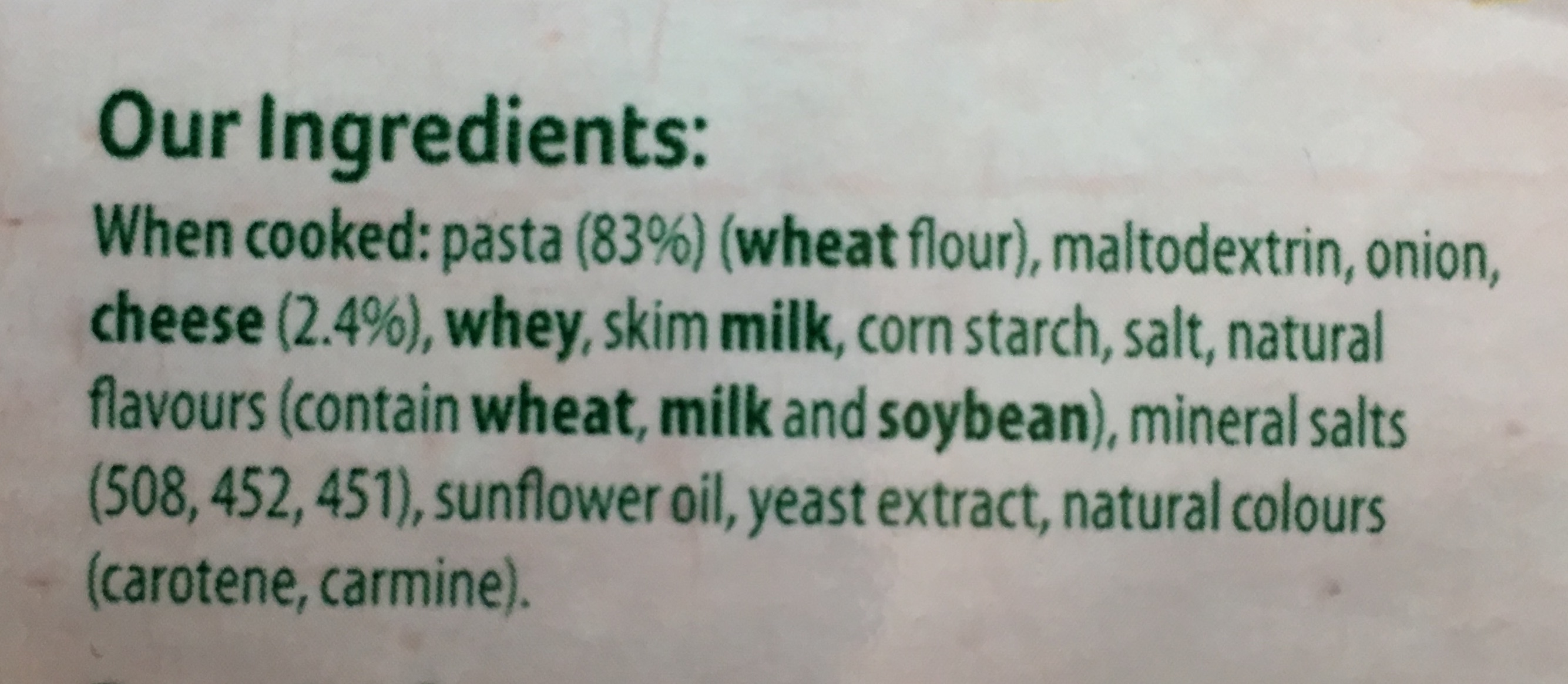
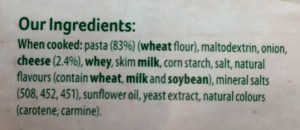
2016-12-18-06-46-58Can you find the insects in this ingredient list?

Yep, that’s it, at the very end—carmine—an all-natural food-safe red colouring made from the crushed bodies of the cochineal scale insect (Dactylopius coccus).

I don’t buy much processed food, so I rarely eat carmine, but I was excited to find it listed as an ingredient in the packaged macaroni and cheese I recently bought for a backpacking trip.

The cochineal scale is native to Central and South America, and lives on prickly pear cactus. It has been used as a dye since at least the 15th century, when it was used primarily to colour textiles. For three hundred years, it was one of our only red food-safe dyes. In the late 19th century, synthetic dyes began to replace carmine.

Until the 1820s, Mexico was the sole commercial supplier of carmine to the world, despite efforts to grow the insect elsewhere. At least one of those attempts ended in an environmental disaster. The British tried to establish carmine production in Australia to supply red dye for military uniforms in the 1700s. The insects died, but the cactuses thrived and eventually took over 259,000 square kilometres (100,000 square miles) of the country before being brought under control in the 1920s by the introduction of a moth that eats the cactus.

Carmine production is labour intensive. The insects need to be protected from predators and severe weather, then have to be brushed off the plants by hand at harvest. The insects are dried, crushed, and mixed with various substances to make a range of colours from bright red, to pink, to purple. It takes 80,000-100,000 insects to produce 1 kg of carmine.

Concerns over the safety of synthetic food colouring has led to a resurgence in the use of carmine in recent years, and it’s not unusual (though still not common) to find it included on the ingredient lists of food packages. In fact, you might be surprised how many products on the supermarket shelf contain carmine. Though it is more expensive than synthetic red dyes, it shows up in various cosmetics, candies, alcoholic drinks, fruit juices, sauces, cheese, meat, preserves, and desserts. In the US, the ingredient list is required to say ‘cochineal extract’ or ‘carmine’. In the EU, it might be labelled additive E120, and here in New Zealand, it is usually listed as colouring 120.

Poem on Moose

What happens when I let my daughter decorate Christmas cookies.

What happens when I let my daughter decorate Christmas cookies.

Literary ungulate
In gingerbread.

This poem is either
On a moose,
Or on moose,
Or both.

Your palmate antlers,
Distinctive,
Tell me you’re a bull.
They beg to be bitten off.

Then you would be a cow
Only your drooping nose
And your beard
Giving away your moosy nature.

But why a poem
On a moose
(Or on moose)?

I do not recommend
Writing poems on moose
(or is it mooses?)
Unless they are of the gingerbread variety.
The icing tickles
And moose (meece?) snort when they laugh.

But if you try,
I suggest a stepladder.

Perfection

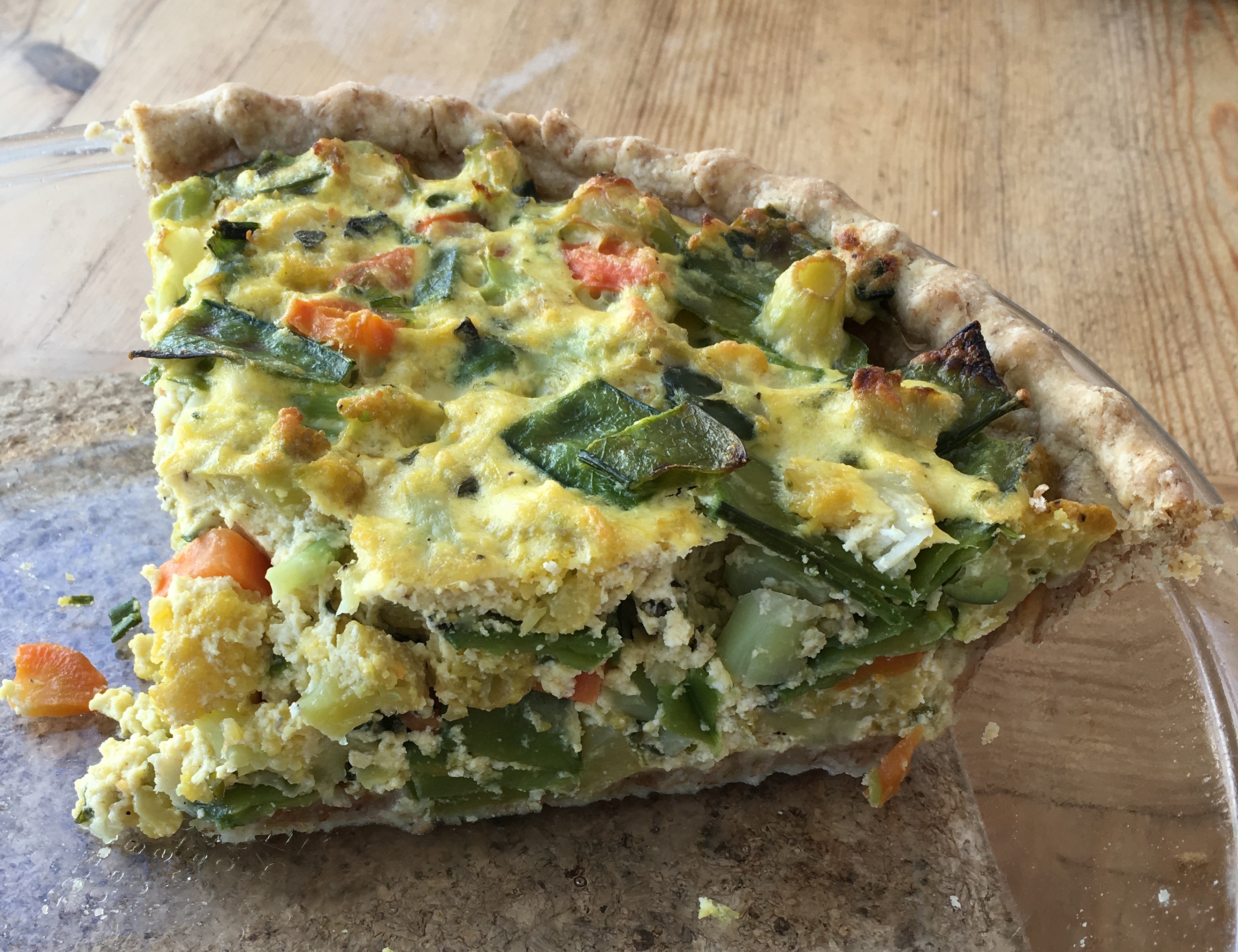
2016-12-13-18-36-33-cropAfter decades of work, I finally did it.

I made a perfect pie crust.

A flaky melt-in-your-mouth crust that made this excellent ricotta and vegetable pie seem like just a prelude to the crust. Not a hint of toughness, not a moment over-baked or under-baked. Even the bottom, that tends toward sogginess, was perfect.

That’s it, now—I’ve accomplished that and can tick it off my list. I never need to make another. I’ve done it right, and that’s that. My last pie crust.

Well, okay, I like pie…a lot. I probably will make another crust. And another. And another.

And, if I’m being honest, this perfect crust came about in part because I was being a bit lazy.

My pie crust recipe (designed to create an American pie crust with NZ ingredients), is supposed to be made with 125 grams each of butter and Olivani. But today there was a 150 gram chunk of butter in the fridge. I didn’t feel like cutting off a 25 gram sliver, so I just used it, and reduced the Olivani to 100 grams.

The other part of the perfection of this crust was a 45-minute chill in the fridge after rolling it out and putting it in the pan. That chill was necessary, simply because I was cooking alone today, and it took 45 minutes to pick, prepare and cook the vegetables after I finished the crust.

I really wasn’t aiming for perfection (my usual crust is actually pretty good, so I tend not to mess with the recipe much), I just stumbled upon it by accident.

I have, however, made a note on my recipe to increase the butter to 150 grams and chill for 45 minutes…

Christmas-lite

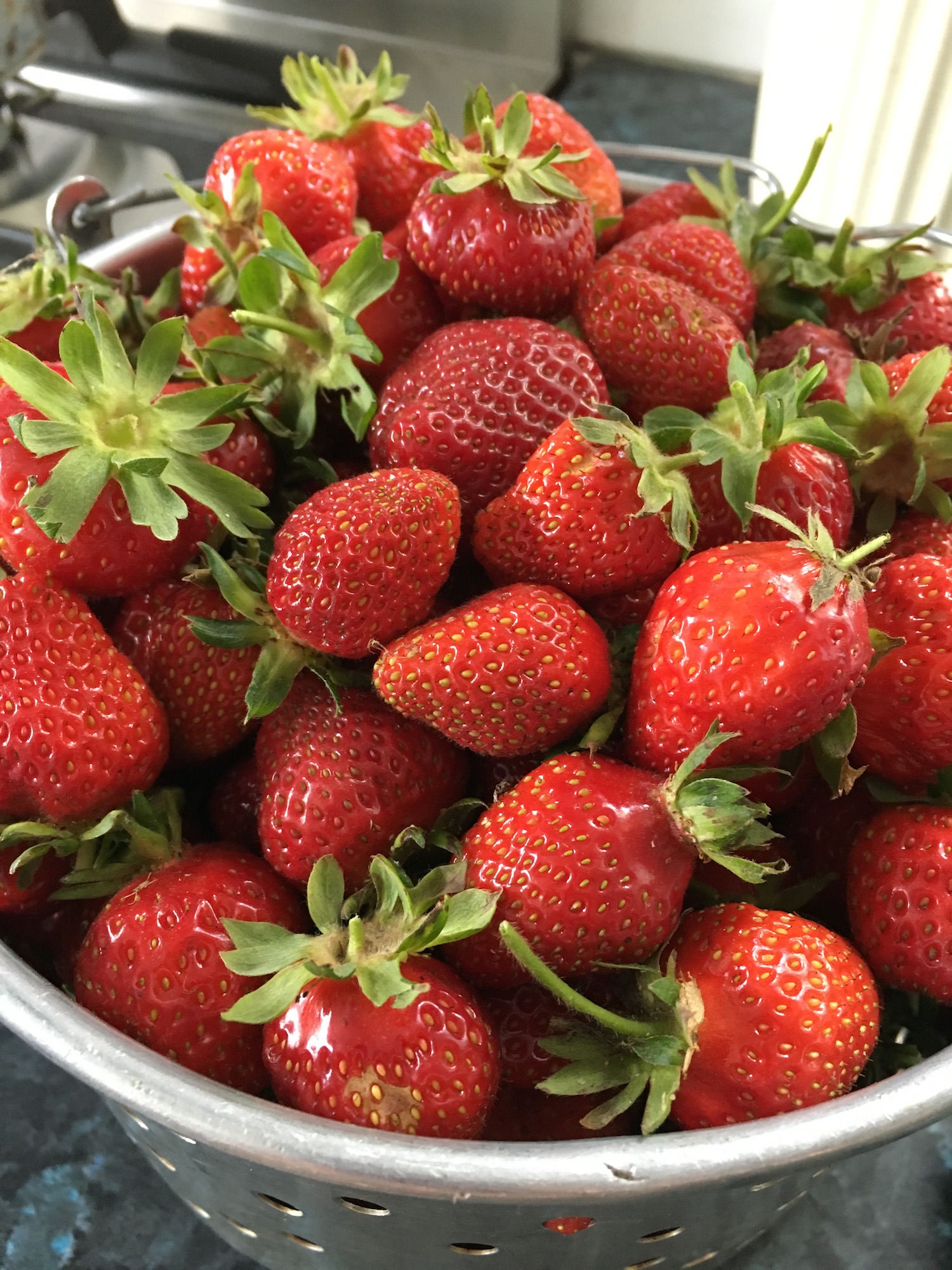
2016-11-30-17-31-25-smIt’s beginning to look a lot like Christmas…

Strawberries, gooseberries, black currants, red currants, cherries, and peas—ah! The signs of Christmas! They’re red and green, just like those in the Northern Hemisphere, but the greens are brighter than pine tree green, and the reds more succulent than holly berries.

They are just as festive as the colours up north, though in a different way. While you look inward, gathering around the hearth on long dark evenings, we look outward, sitting with friends on the beach on long summer days. You dream of white snow, we dream of white sand. You have visions of sugar plums dancing in your heads, we have visions of fresh strawberries dancing in ours. While you sing ‘let it snow’, we sing ‘let us go’ (to the beach).

Now and again I miss the cosy dark of Christmas in the north. And every year, I wish summer gardening, Christmas, and the end of the school year didn’t happen simultaneously. But I’ve grown to appreciate the summer Christmas. I appreciate not having to plan Christmas dinner, but letting it spring from whatever is abundant in the garden. I appreciate being able to sit outside on the porch in the sun after gifts have been opened. I appreciate the barefoot, short-sleeved, nature of Christmas here.

It’s like Christmas-lite.

A Cauliflower Calamity

2016-11-29-16-41-47We’re about to be inundated with cauliflower. I’m afraid it’s all my fault.

As I looked through the seed catalogue way back in July, I saw ‘Cauliflower Orange Bouquet F1’.

The photo showed a warm orange head of cauliflower, and I thought, “Oooo! That would be pretty!”

I ordered it, of course. Never mind that I already had half a packet of ‘Snowball’ left from last year, and we don’t eat all that much cauliflower.

And then, because I can’t help myself, I planted both types this spring. After all, if orange cauliflower would look good, then orange and white cauliflower would look better, right?

Now I’m looking at 20 cauliflower plants all coming ready at the same time. That wouldn’t be too bad, if I had my beautiful orange and white colour combination.

Unfortunately, Orange Bouquet has turned out to be a sort of weak yellowish colour. If you didn’t have the two side by side, you’d be hard-pressed to tell the orange from the white.

The orange is every bit as delicious as the white, and the heads are big and compact. There’s nothing at all wrong with it. But it is a bit disappointing.

And now I’m wondering what to do with all this cauliflower…

Hmm…

I see in the catalogue there’s another variety—’Violet Sicilian’—now, that would be something! Think how all three colours would look together!

(Please, somebody stop me now, before it’s too late!)

A Christmassy Dinner

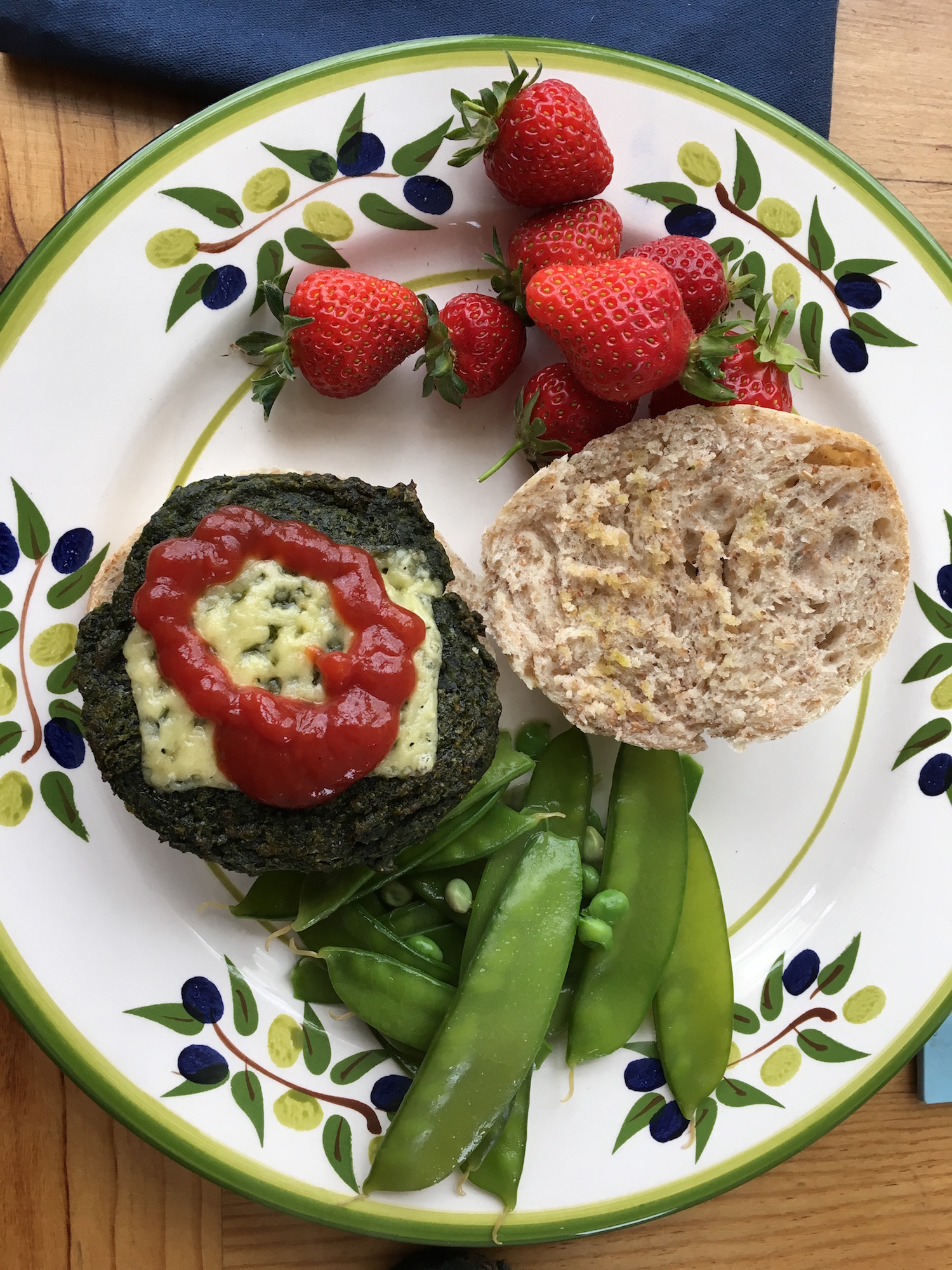
2016-11-30-18-07-51-smOnce a year, I make broad bean burgers. They’re a mission to make, because you have to shell them, cook them, then peel of the skins, then turn them into burgers. So once a year is enough.

As I mixed up the bright green burger mix, I thought about what I was going to serve with the burgers.

Well…

It’s the start of the holiday season…

A red and green meal was in order—green burgers with ketchup, peas, and strawberries!

Not exactly a Northern Hemisphere holiday meal, but perfect here.

Counting your Quinces

2016-11-28-16-39-54-smYou know what they say—don’t count your quinces before they ripen…okay, maybe they don’t say that, but they probably should.

I’m pleased to count the little quinces forming this year, though. I know we won’t get to eat all of them, but it’s the most fruit the little quince tree has ever set.

I can almost taste the quince paste now…

I had never encountered quince before coming to New Zealand. It’s an odd fruit. It’s sort of what I imagine pears must have been like before hundreds of years of plant breeding—astringent, hard, and gritty. They’re not a fruit you eat fresh.

But cook them, and all their glorious floral flavours come out. Turned into quince paste, they are one of my favourite foods.

Quince paste is delightfully versatile—pair it with cheese on a cracker for a salty snack or hors d’oeuvres, or spread it on toast for a sweet breakfast treat.

Making quince paste is a lesson in patience. First, you have to wait for the quinces to grow and ripen—they won’t be mature until autumn, and they’re not a fruit you find in the store, even in season. You just have to wait for them.

Then you have to simmer those rock-hard quinces for half an hour until they’re soft enough to mash.

Then you add sugar and cook oh-so-slowly for up to 3 hours, until the mixture turns red.

You pour the hot paste into jars and wait another few hours for it to set.

Finally, you can enjoy your quinces.

So, yeah, don’t count your quinces before they’re paste.

Bread Day in the New Oven

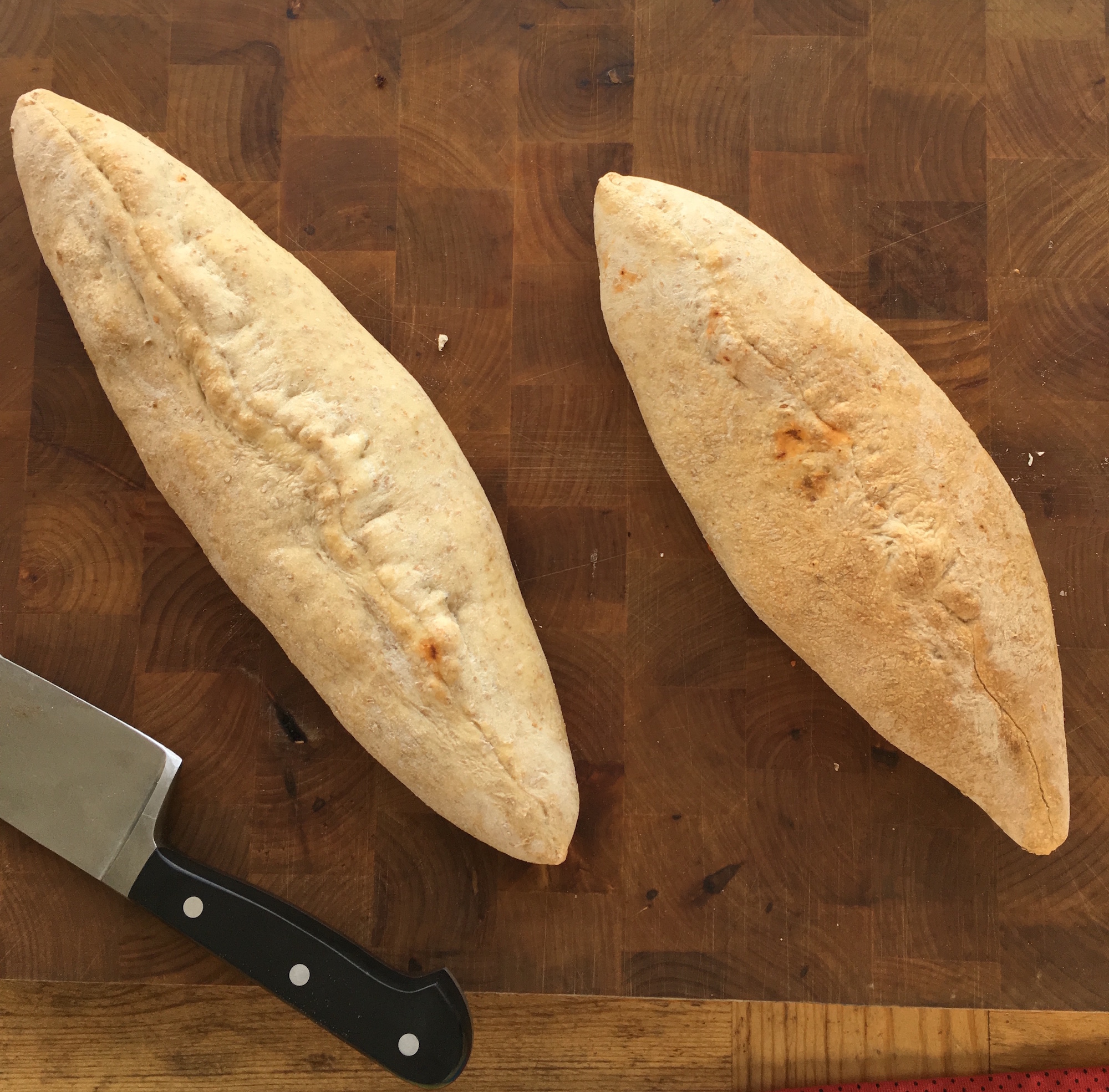
2016-11-27-12-28-41-smWhile there are still a few details to finish on the oven, we had our first bread day in it today. I say “we”, but really it was my husband who did all the work.

It started yesterday when he started bulking up the sourdough starter.

This morning around 7, he lit the fire and made the dough—20 kilos of flour in this batch!

Three fires lit and burned down, and both dough and oven were ready. He started baking just after lunch.

I swanned in several hours later and whipped up lemon cupcakes and walnut chocolate chip biscotti to go in after the last of his loaves came out.

2016-11-27-16-01-13-smAlmost 12 hours after the fire was lit, we pulled out the last of the day’s baked goods. The final tally was 27 loaves of bread, 20 sandwich rolls, 24 cupcakes, a batch of cookies, and a hefty ‘brick’ of bac-un.

So the oven works, and looks good, too!

For those who missed it a couple years ago when I posted it, you can visit our kitchen for a bread day in this time lapse video.