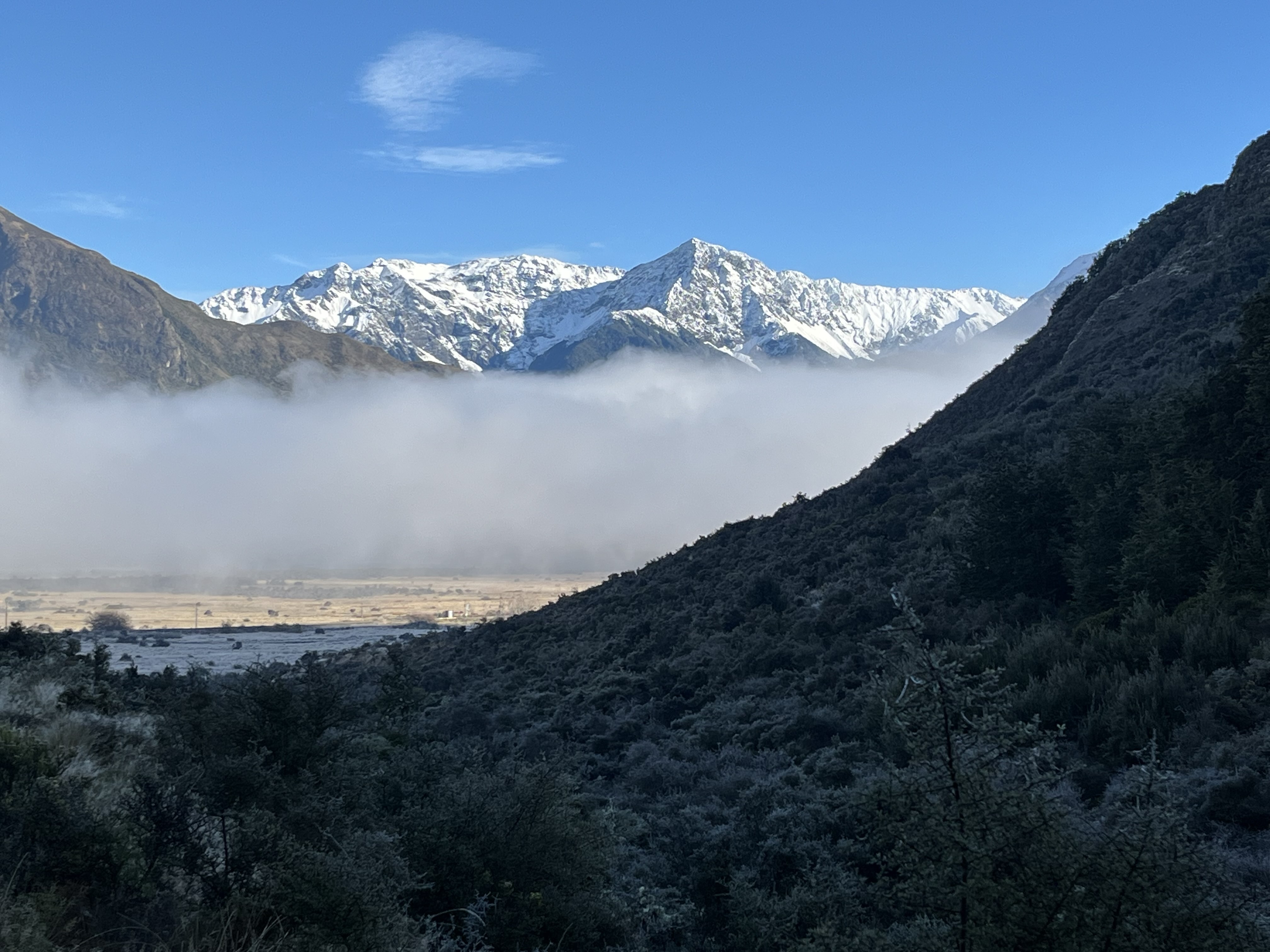
Last weekend I had the pleasure of participating in a mini bioblitz at the University of Canterbury’s Cass Mountain Research Station.
Eleven of us descended on the station on the frosty Saturday morning. Fog enshrouded the mountains, but blue sky above promised a glorious day.
We set a goal for the weekend of increasing the number of iNaturalist observations at Cass to 4,000 and the number of species observed there to 800. Then we embarked on forays into the bush and across the outwash fan to search for life.
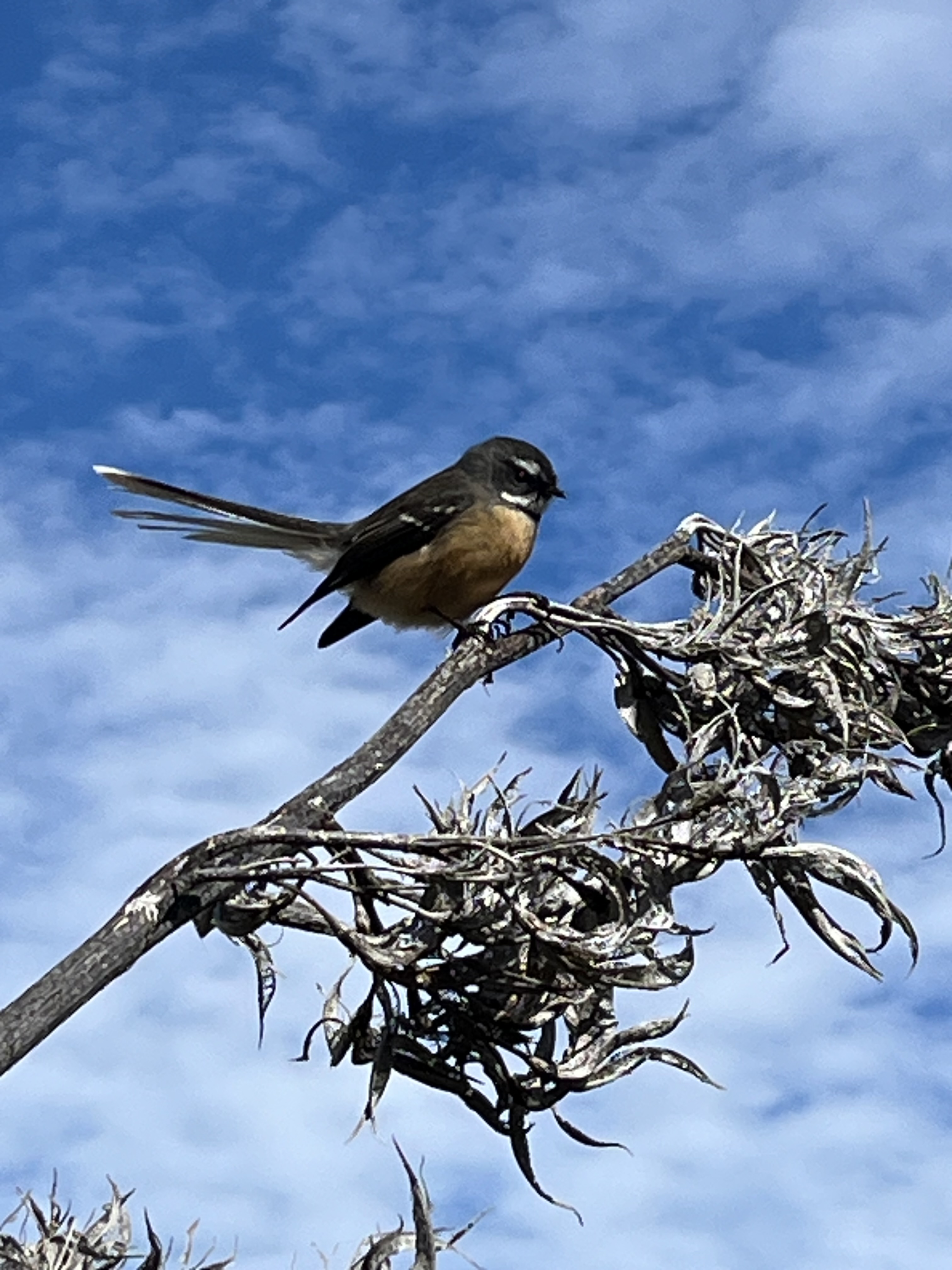
I was stuck near the station, because my knee hadn’t yet healed from the previous week’s tramp. But my geographical constraints didn’t prevent me from plenty of discoveries. Instead, it forced me to focus on the small and overlooked species. Mites, springtails, slugs … all manner of life abounds nearby and underfoot.
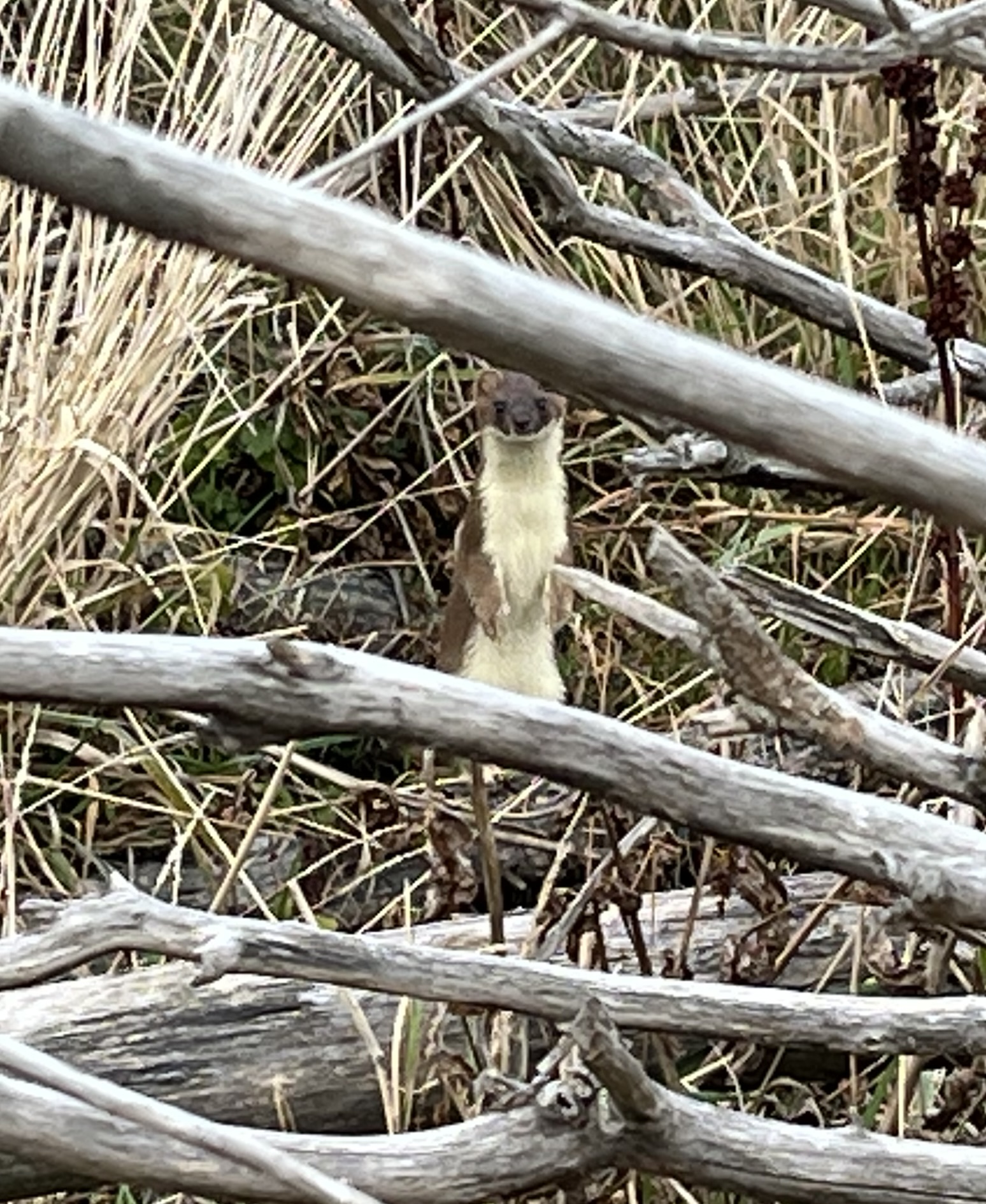
And because I was spending much of my time quietly turning over stones and picking apart rotting logs, larger organisms came to investigate me, including a pair of curious stoats who spent five minutes scurrying around me and popping up out of the vegetation to spy on me. In spite of the fact stoats are terrible pests here, and I would happily kill them, the encounter was pure magic.
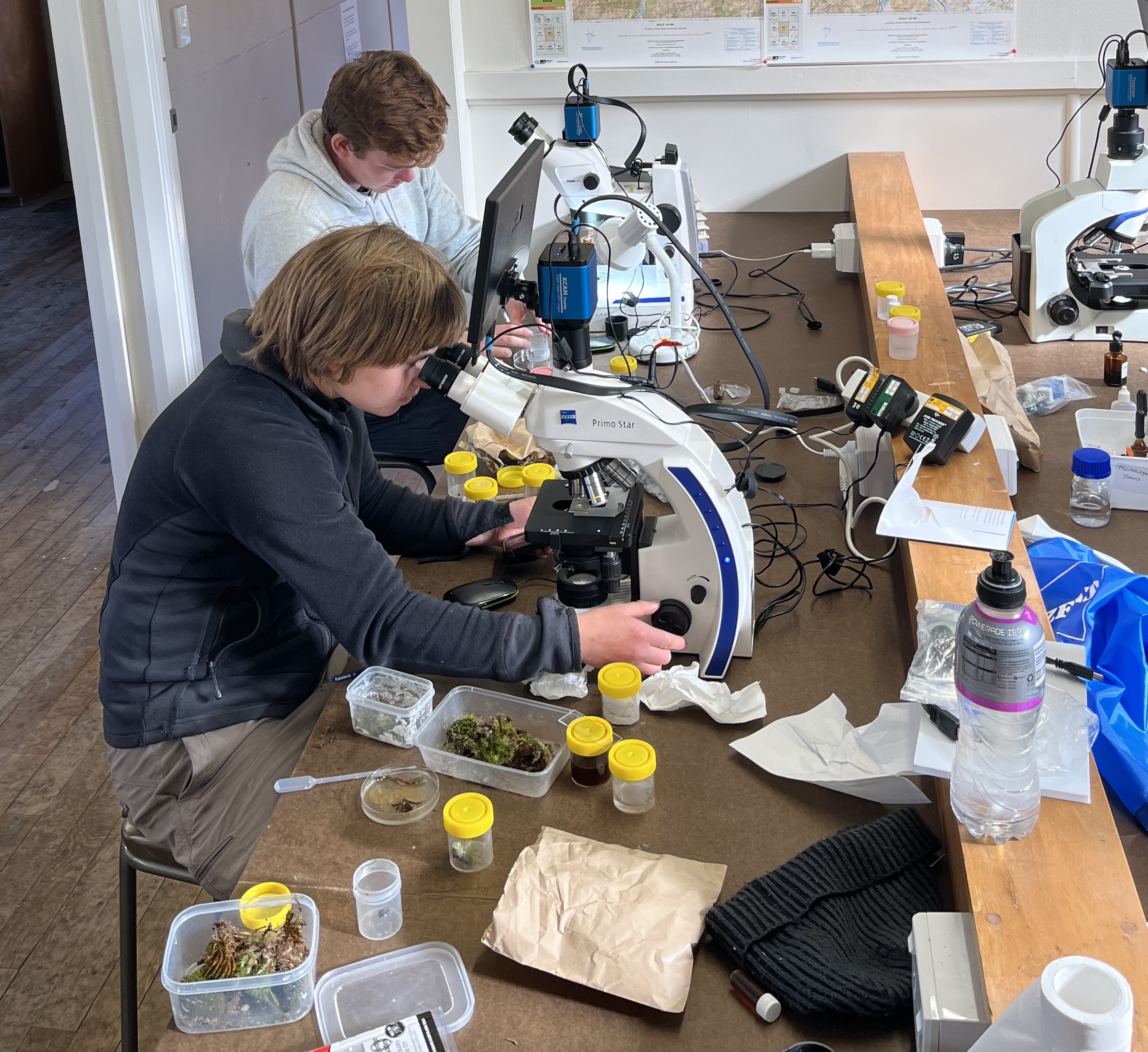
As people returned to the station laden with stories, photos and samples, we moved to the microscopes in the lab, where the geek factor was cranked to 11.
“Oh wow! Look at this!” was a common refrain, as we crowded around the microscopes to examine the smaller finds. As dusk fell, we set up light traps for flying insects, to be checked later in the night.
On Sunday, a group ventured into the bush in search of the giant springtail, which was found at last year’s bioblitz. The quest was successful, and although it didn’t add a new species to the list, it was a highlight of the weekend for many.
In early afternoon, after a busy morning, and a lunchtime spent uploading observations to iNaturalist, we headed home, where we continued to upload our observations from the weekend.
When all was done and dusted, the 11 participants made 871 observations of 321 species. Almost 1 out of 3 observations were of organisms new to the Cass list, bringing the totals for Cass Research Station to 4484 observations of 869 species! An amazing result from a spectacular weekend!

The event reminds me again how important university field stations are for fostering science in general. The people at the two bioblitzes I’ve attended at Cass might never have collaborated or shared ideas in their everyday research life, but the research station brought them together in an atmosphere that fosters collaboration. The research station is a place where scientific curiosity can flourish, where scientists can explore the connections among disciplines and research projects. What an incredible asset for the university!
Discover more from Robinne Weiss
Subscribe to get the latest posts sent to your email.
 Robinne Weiss