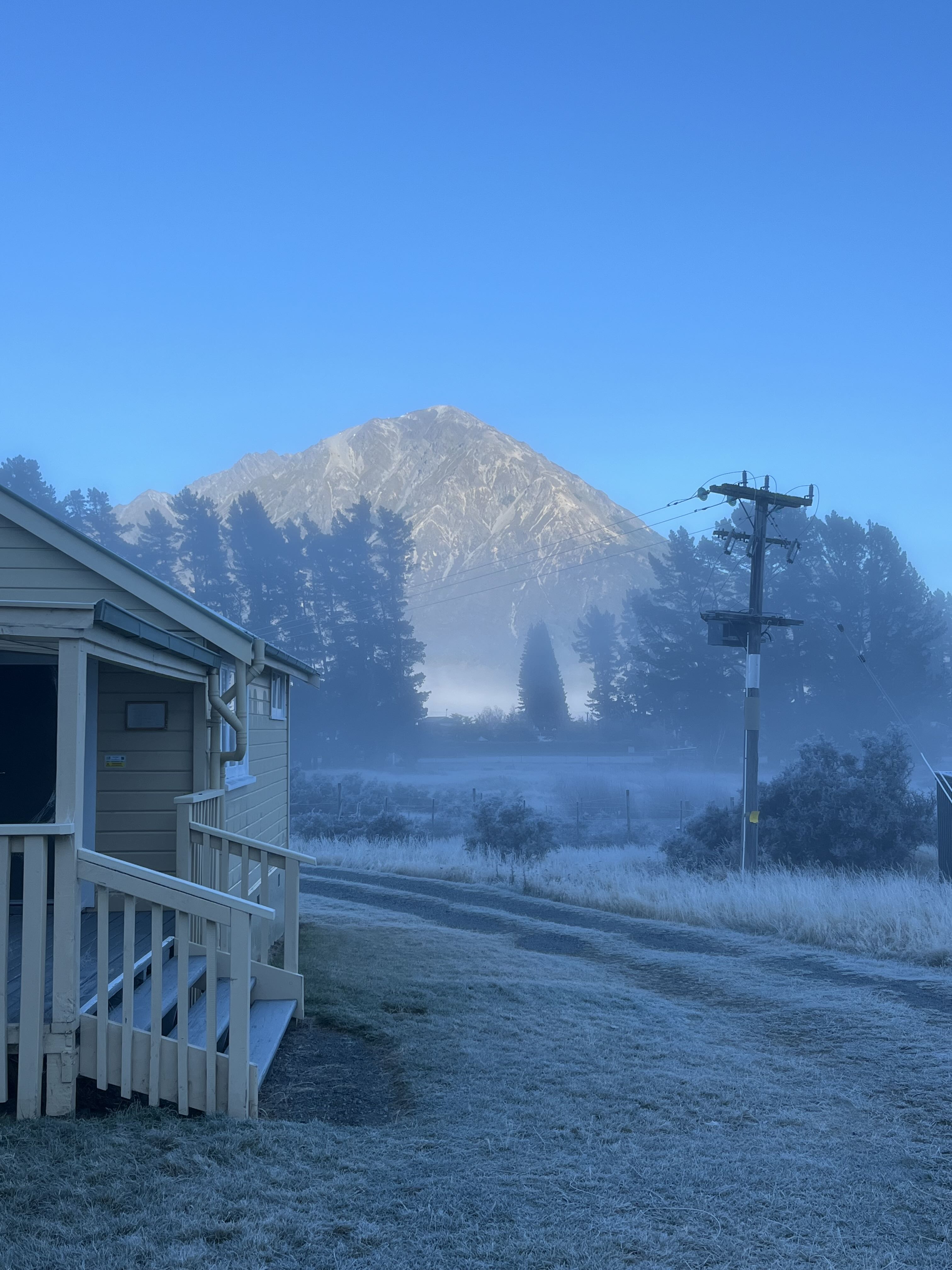
Last weekend marked the 2026 Cass Mountain Research Station bioblitz.
Twenty-four enthusiastic naturalists participated in the weekend—a mix of university students, former students and faculty, and others like me, with ties to those students and faculty. A great mix of expertise and enthusiasm.
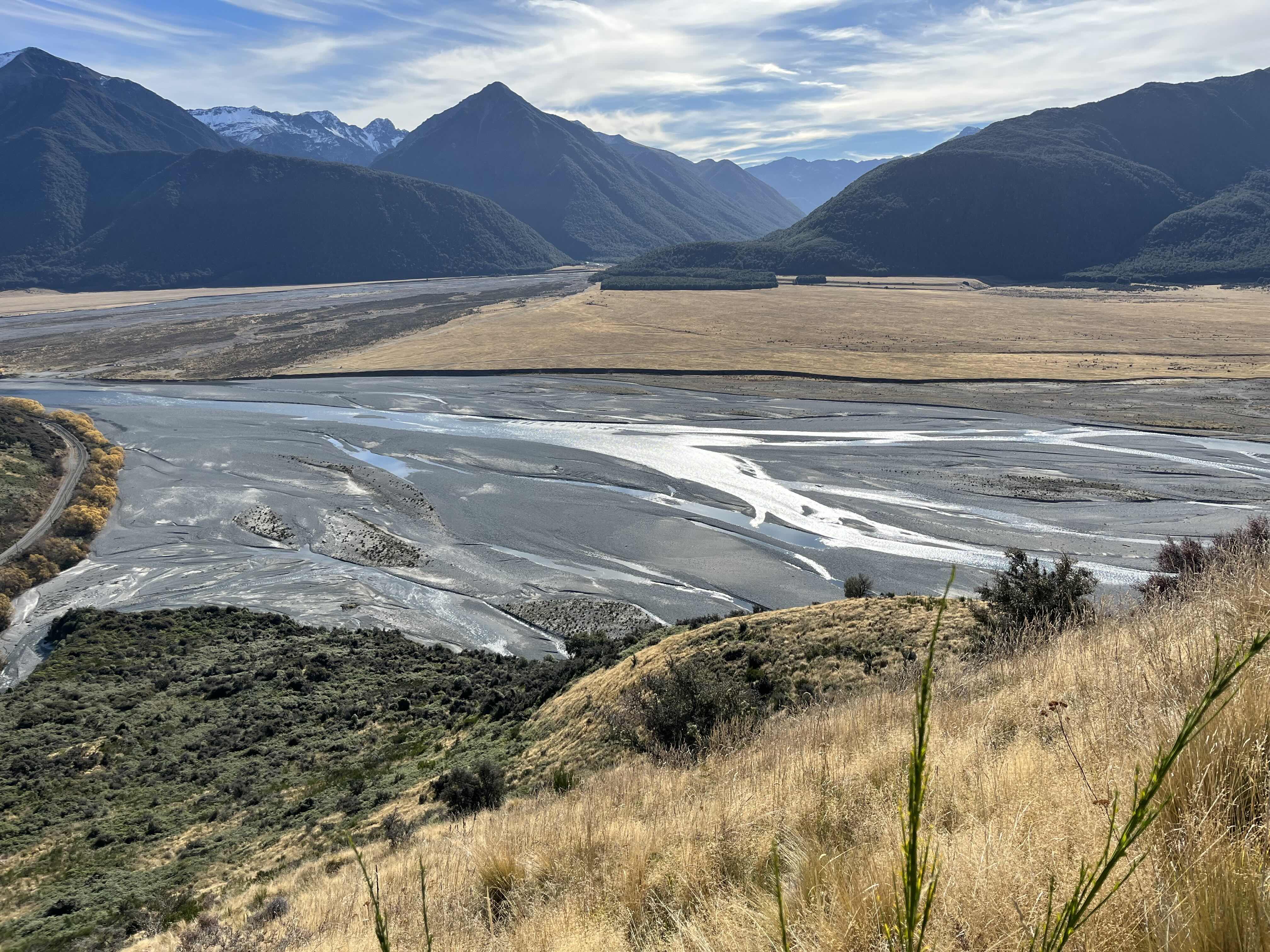
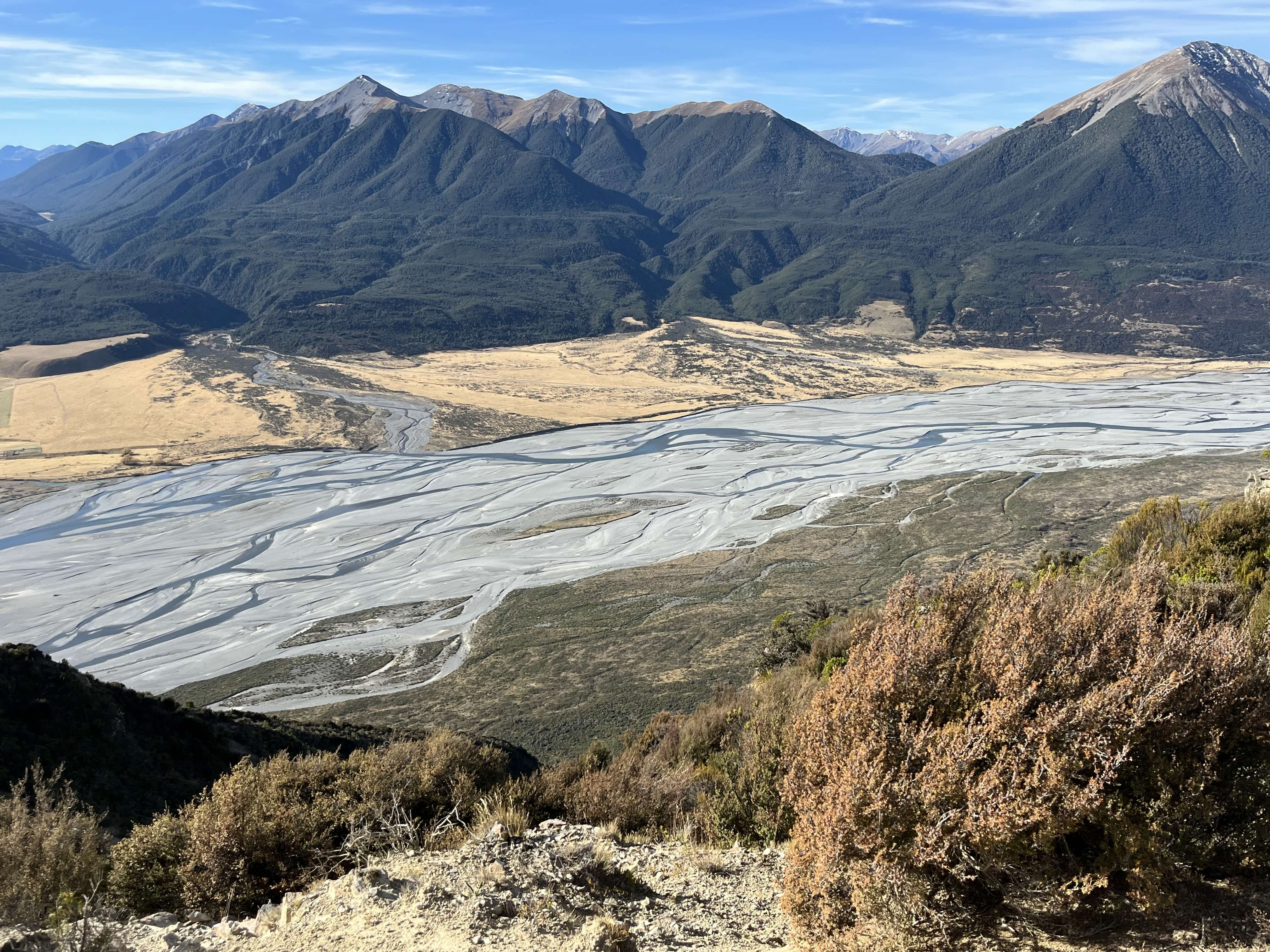
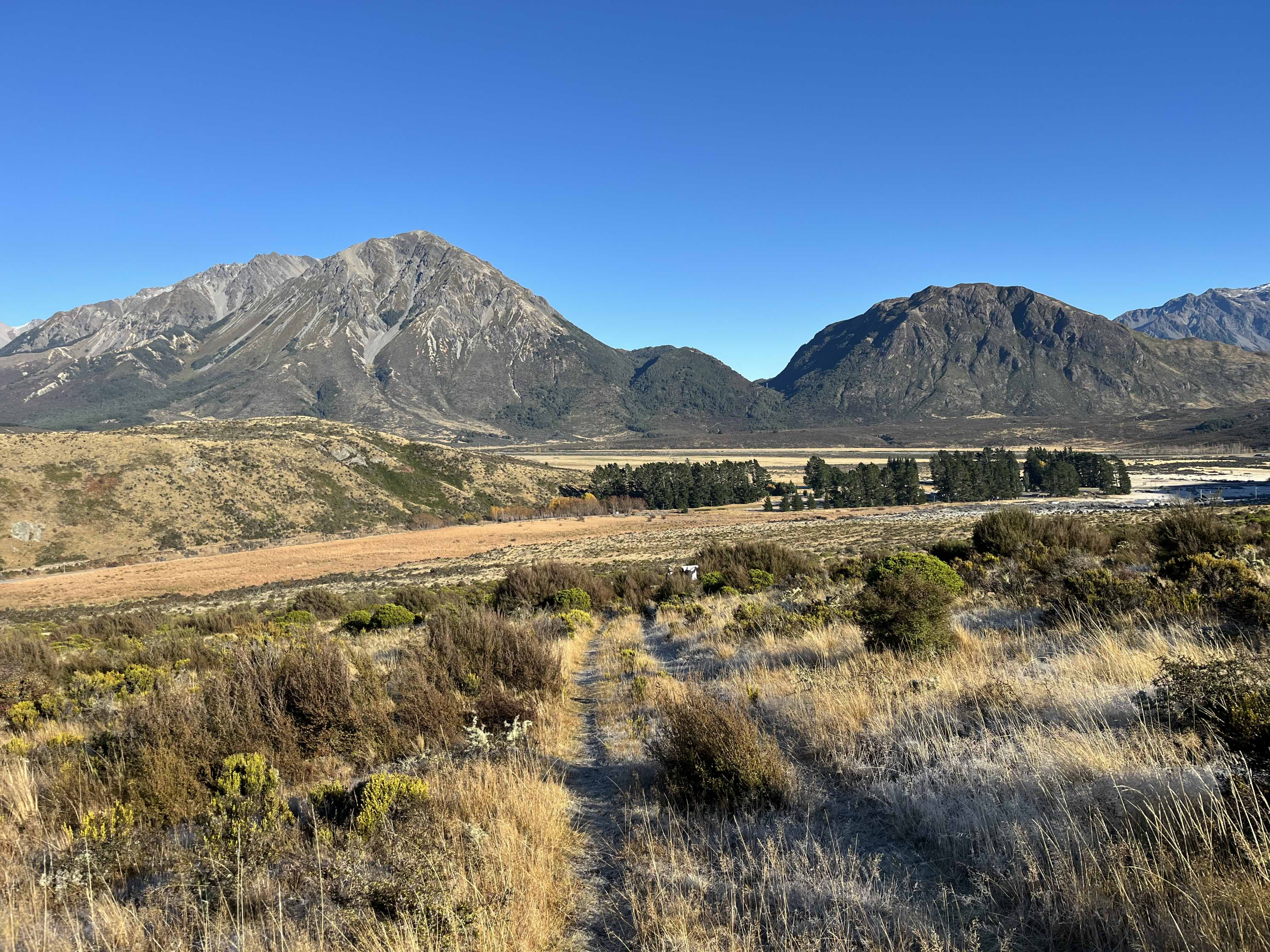
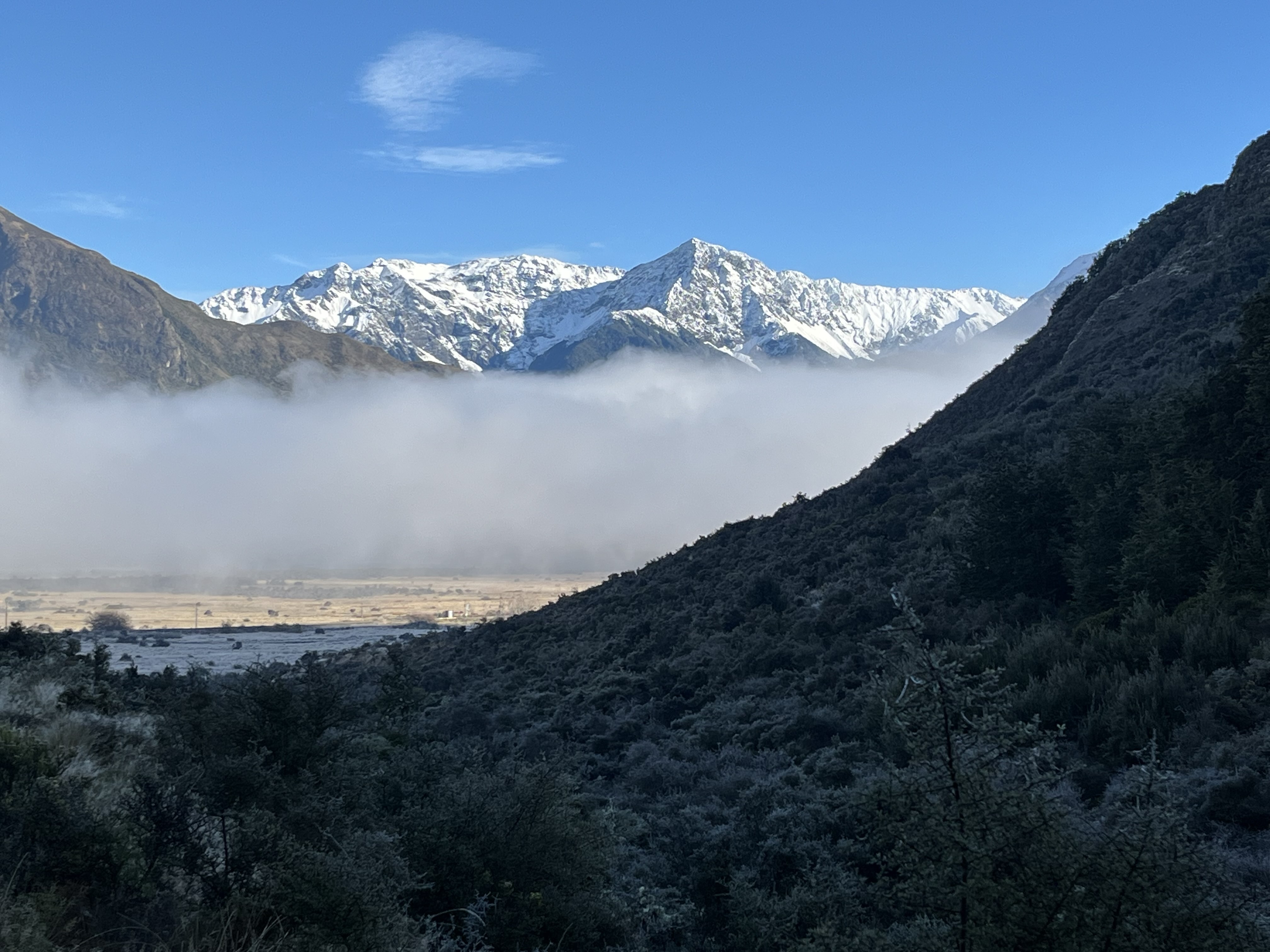
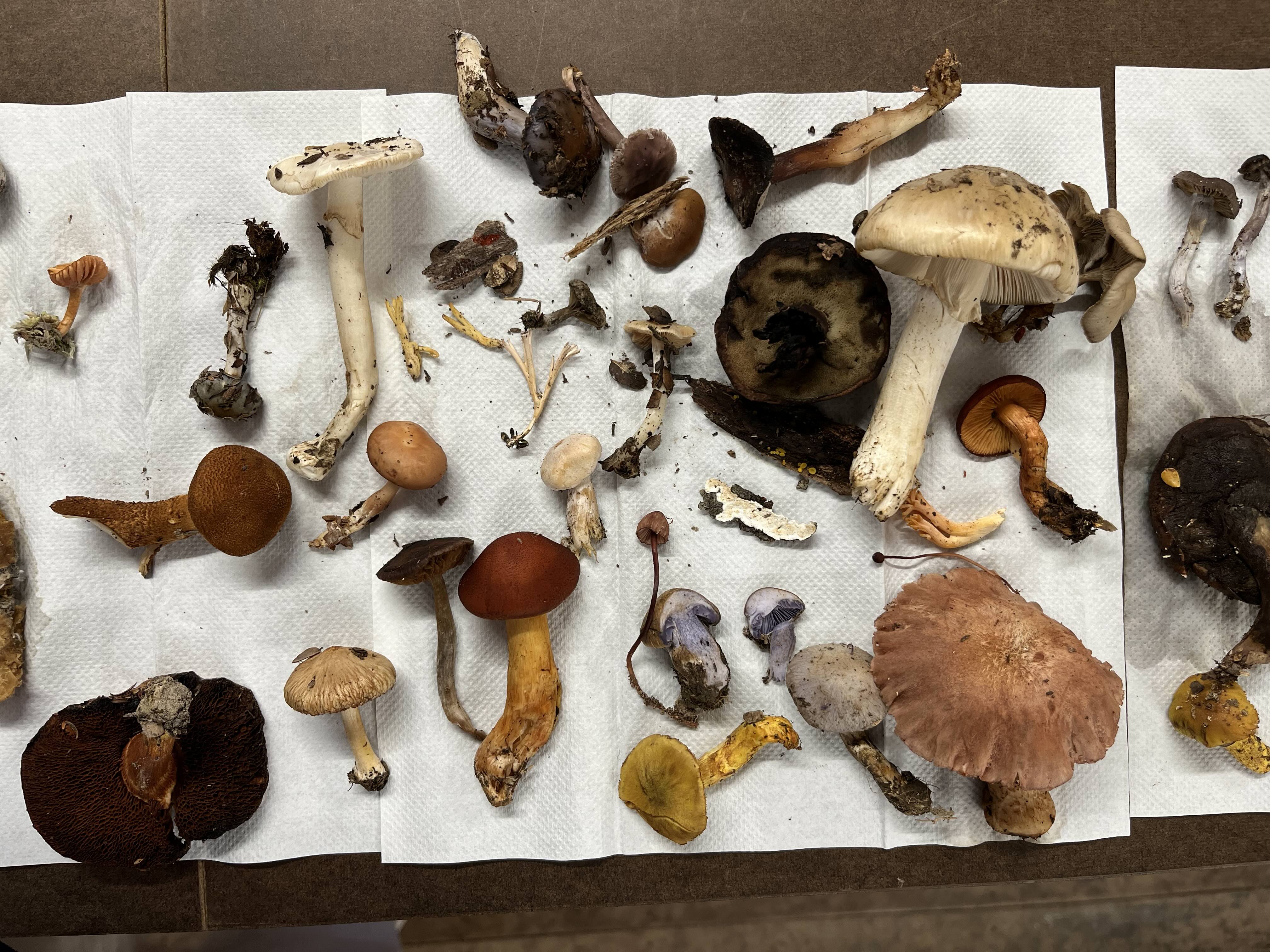
The weather was gorgeous—sunny and calm. On Saturday, the group I was with followed a maze of pig trails out towards the northernmost tip of the research station, where the Cass River meets the Waimakariri River. Then we climbed the ridge to the top of Cass Hill. Along the way, our group recorded a variety of lichens, mosses, fungi, native and exotic plants, and insects. We scared up a pair of pigs, and watched a harrier lazily circle the ridge above us.
We returned to the research station, scratched and sweaty, in the late afternoon to find it buzzing with the enthusiasm of our fellow naturalists returning from their own adventures.
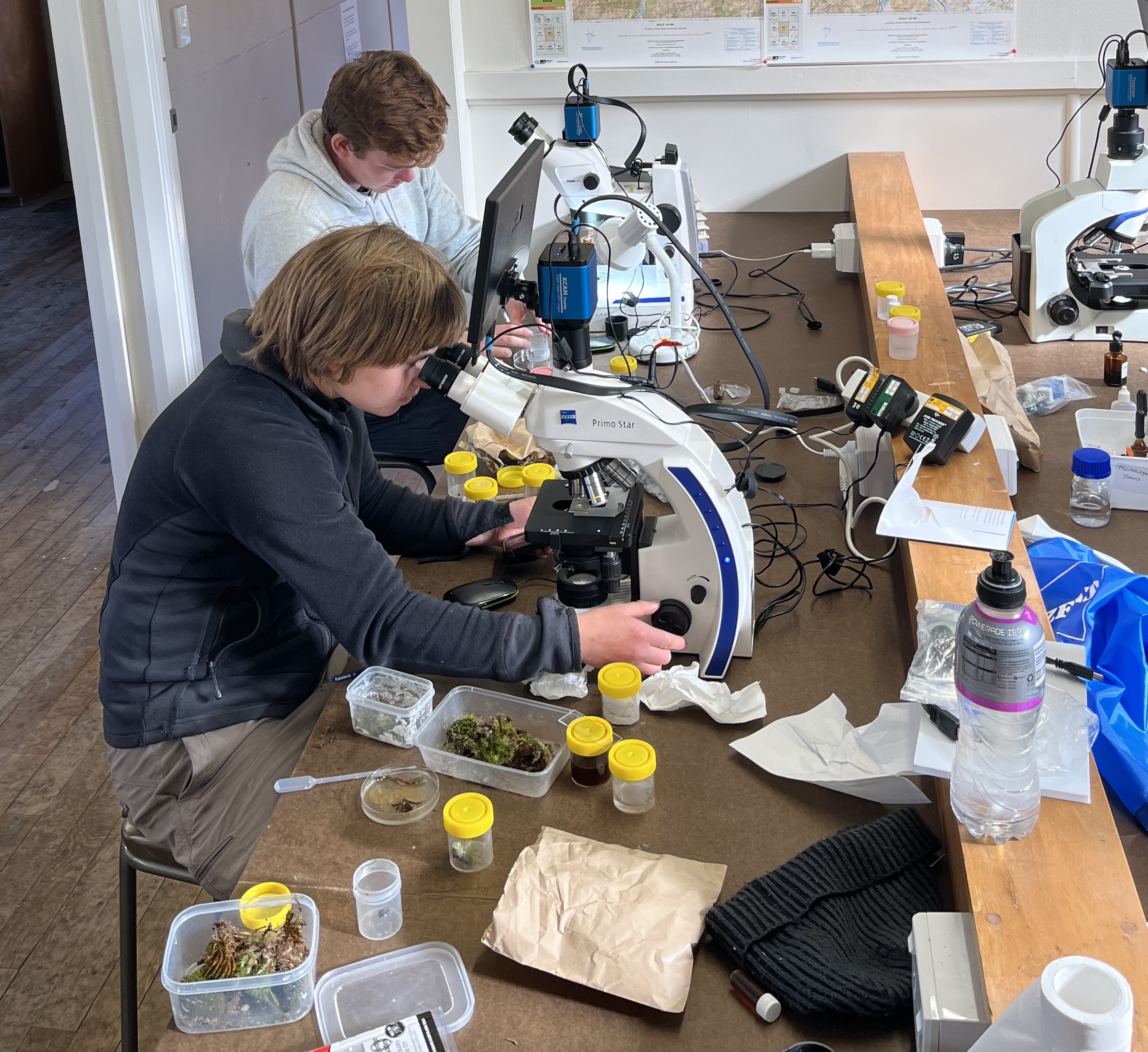
Throughout the afternoon and evening, people shared photographs, examined specimens under the microscopes, and debated about identifications as we started to log our observations on iNaturalist.
By the end of the evening, we’d already passed our goal of increasing the total number of species recorded at Cass to 1000.
On Sunday, I decided on a mission to find stick insects. There is only one record of a stick insect at Cass, from 2021, and they have not been recorded at the previous bioblitzes. I am convinced they’re more common than the records would suggest, because they are easily overlooked. They also have an irritating tendency to hang out in the forest canopy, far out of reach.
In other locations, I’ve had good luck finding stick insects on forest edges, where the canopy is lower, and stick insects hang out at eye height. So I took a beating tray and a few other participants willing to tolerate my obsession, and slowly crept along the shrubby forest edges, peering at foliage and shaking branches.
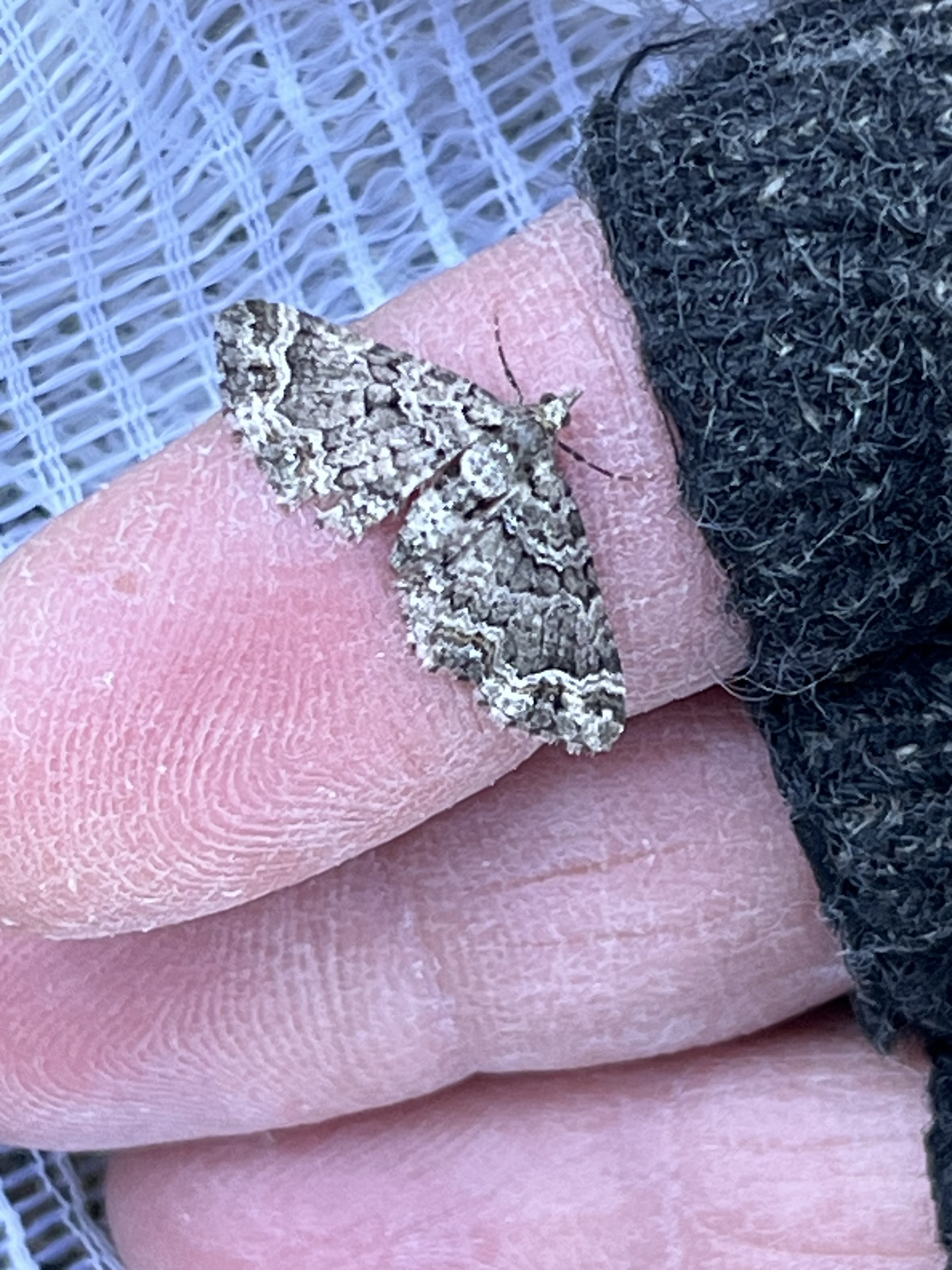
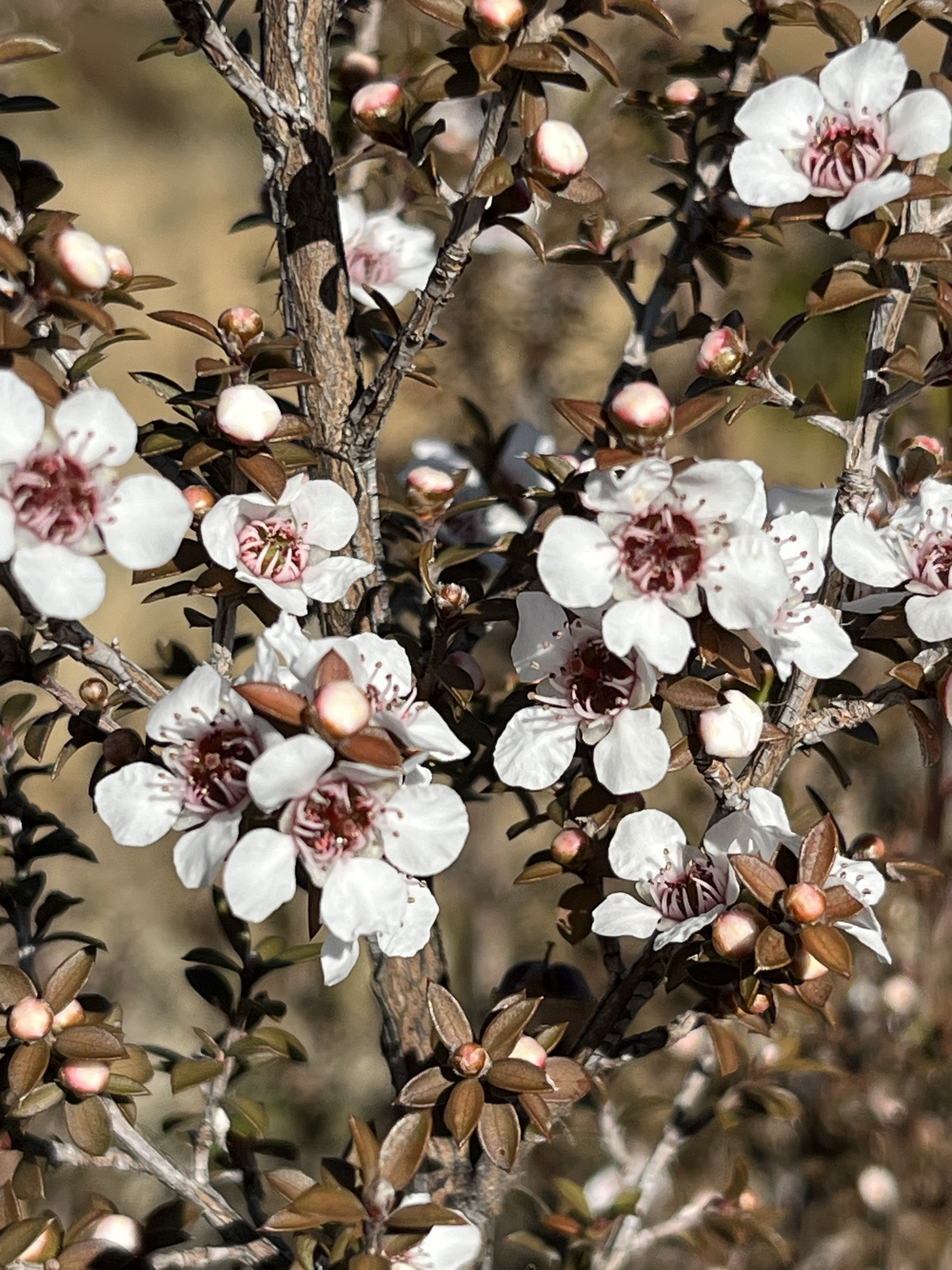
Alas, I found not a single stick insect, although I did record some lovely little spiders, a beautiful moth, and a few interesting plants. Undaunted, I will try again next time. The creatures are out there, I know.
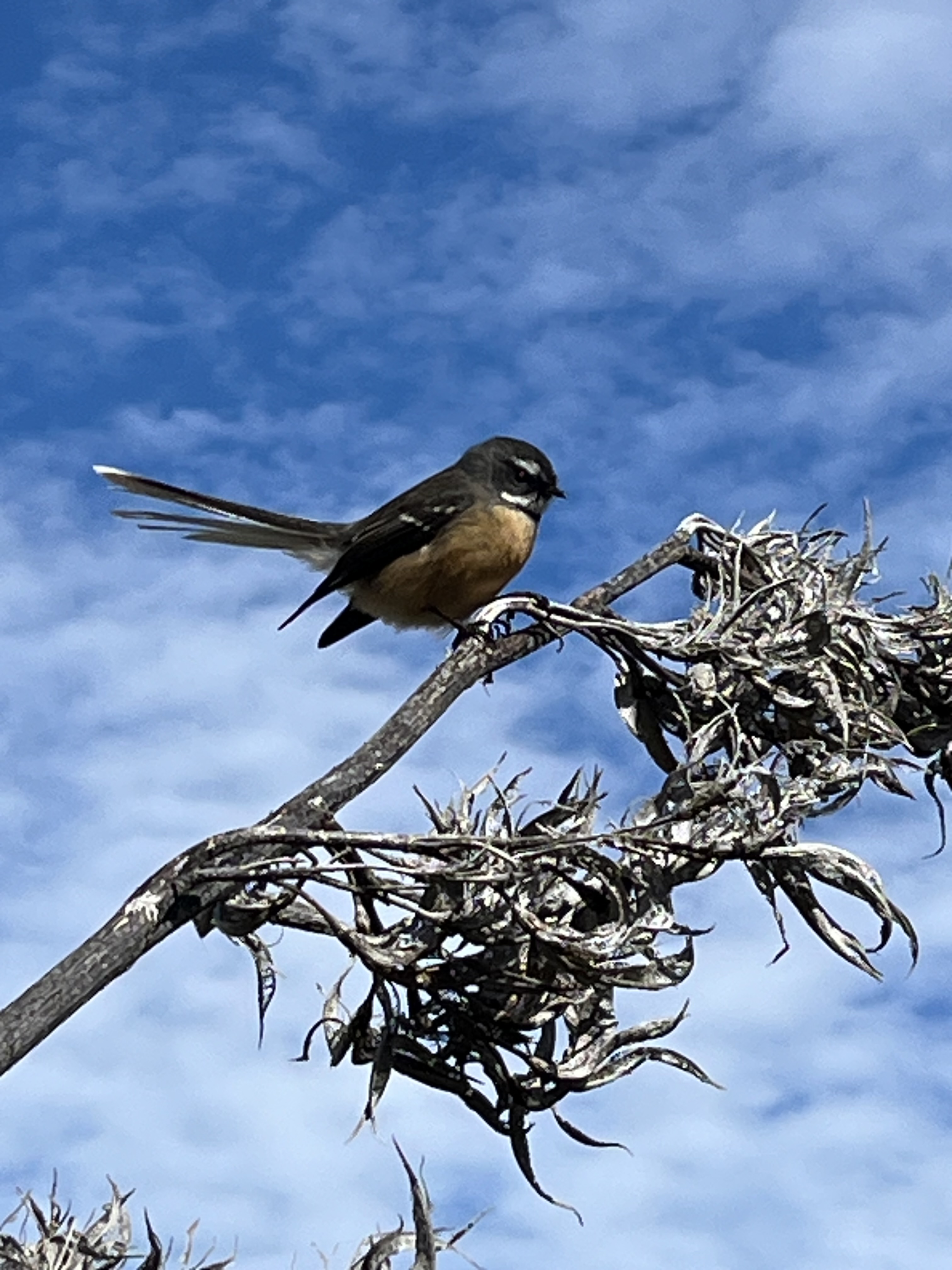
Indeed, lots of living things are out there at Cass. Every time we’ve had a bioblitz, we’ve set what seems like an ambitious goal for recording new species at the research station. And every time, we blow our goal out of the water. In 2023, we were thrilled to exceed 500 species. In 2025, we sailed past 800. Last weekend, we added an amazing 119 new species to the list of life at Cass, bringing the total number of observed species there to 1093.
The more you look, the more you see.
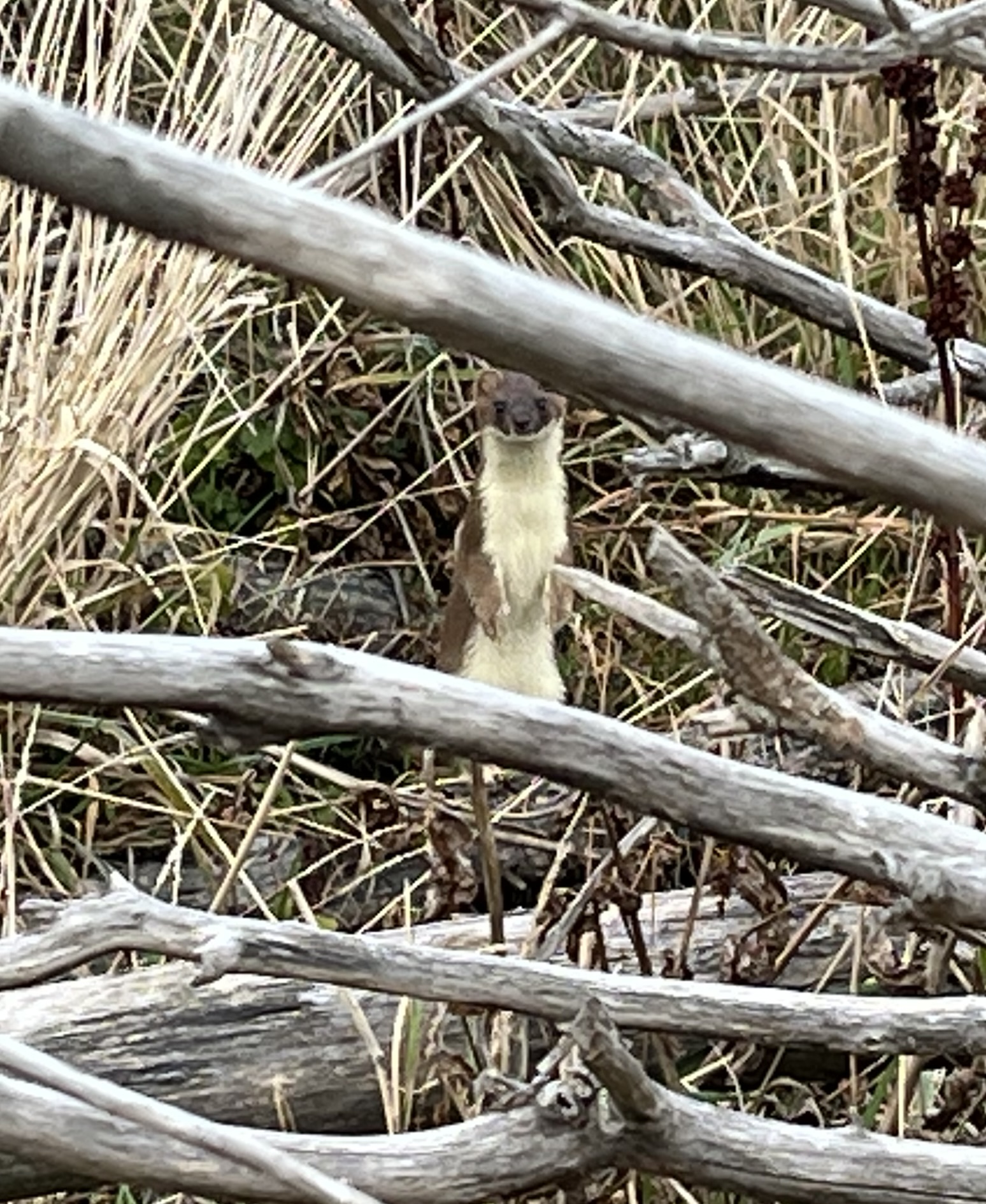
Unfortunately, I fear many of the native species at Cass are at risk. The population of feral pigs at the research station has exploded in recent years. Five or ten years ago, pig damage was confined to certain areas, but today there’s barely a square metre of the station not impacted by the rooting of pigs. Other mammals, too, have an impact on the native flora and fauna—rats, stoats and possums are all present there.
My worry was shared by many over the weekend, and we dreamed collectively of a predator fence around the station, combined with intensive pig, stoat, possum, and rat control. What a jewel the station could become! I wonder what our Bioblitz species counts would be like ten or twenty years after effective mammal control?
For now, Cass Mountain Research Station remains as an incredible resource for scientists and others to study and explore. Our bioblitzes show there’s much out there to be learned.

 Robinne Weiss