365 Days of Food

100_3831 smHere I am at the end of my 365 Days of Food blog challenge. Reflecting on the year, I am pleased–and a little surprised–I’ve managed to blog every day. Yes, some days were…um…half-hearted at best, and some posts were written in advance, to be posted automatically on days when I had no internet access. So there was a little fudging, but only a little.

And what did I learn from this exercise?
DSC_0009 smI gained a heightened appreciation for how much of my daily life revolves around food—planting, caring for, harvesting, preserving, preparing, eating…and cleaning up from all of the above. There were times during the year when I felt that dealing with food was the only thing I was doing, and I wondered if I needed to get a life.

But what is more basic to life than food? What is more fundamental to human cultures than sharing food with friends and family? On the last day of the year, I come full-circle—back to my first blog post of the year:

DSC_0016 copy“[Food] feeds us physically and emotionally. It is an integral part of our celebrations, and is the scaffold on which our days are built.”

After a year of blogging about food, I would add that it underpins our economy, is woven into the fabric of human history, impacts the health of the planet, reflects our personal values, and is an inseparable part of our identity.

DSC_0015 copyThank you for reading and commenting all through the past year. Though it is the end of my 365 Days of Food challenge, it is not the end of my blogging. There will be more…maybe even a new challenge for next year.

Stay tuned!
 

Homemade and Home grown

100_4265 smMy family loves food. We eat well. We eat a lot. But what I’ve come to realise is that we don’t just love food for its own sake. We don’t go out to restaurants, and we don’t wax lyrical about our favourite products from the grocery store.

For us, food is as much about how it gets to our table as it is about what it tastes like there. Food is a labour of love, a creative endeavour, a team effort. Food is inseparable from its origin.

Years ago, my son asked, “If we didn’t grow the ingredients ourselves, is it really homemade?” That is how deep our relationship to our food is.

I sometimes wonder if this is healthy—this obsession with food. But it really isn’t so much about the food as it is about the process and all the corollary benefits.

Producing our own food, we stay fit without paying for gym memberships, we have food security in the face of natural disasters, we learn to work together as a family, the children gain a sense of worth from helping to feed us all, we eat better, we reduce our impact on the earth…the list goes on and on.

Producing our own food is a way to nurture the family, a way to acknowledge our place in the natural world, a way to celebrate each day of the year and the gifts it brings.

A Day Off

DSC_0020 smI don’t do anything on Christmas Day. I take the day off. Well, okay, I have to do the milking and the other animal care, but I do only the essential daily tasks.

Before Christmas, I make sure the garden is well-weeded, so I’m not tempted to pull any on the day. I make sure all the picking and processing of fruits and vegetables is caught up, so I don’t feel I have to make jam or sauerkraut. I make sure the laundry is all done the day before, so I don’t feel a need to do washing. As soon as I’m done with the morning chores, I put on a skirt, just to make it harder to do work.

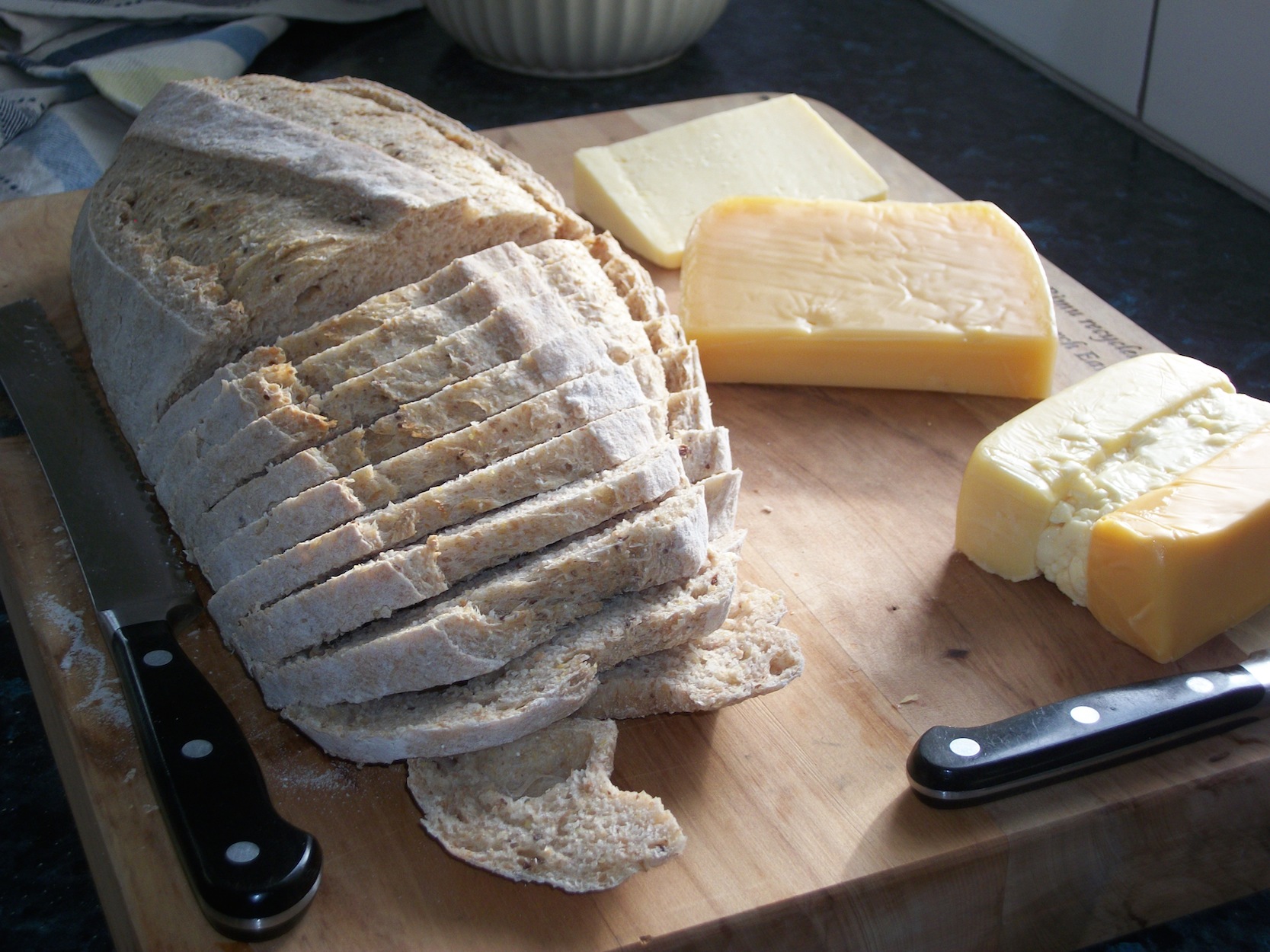
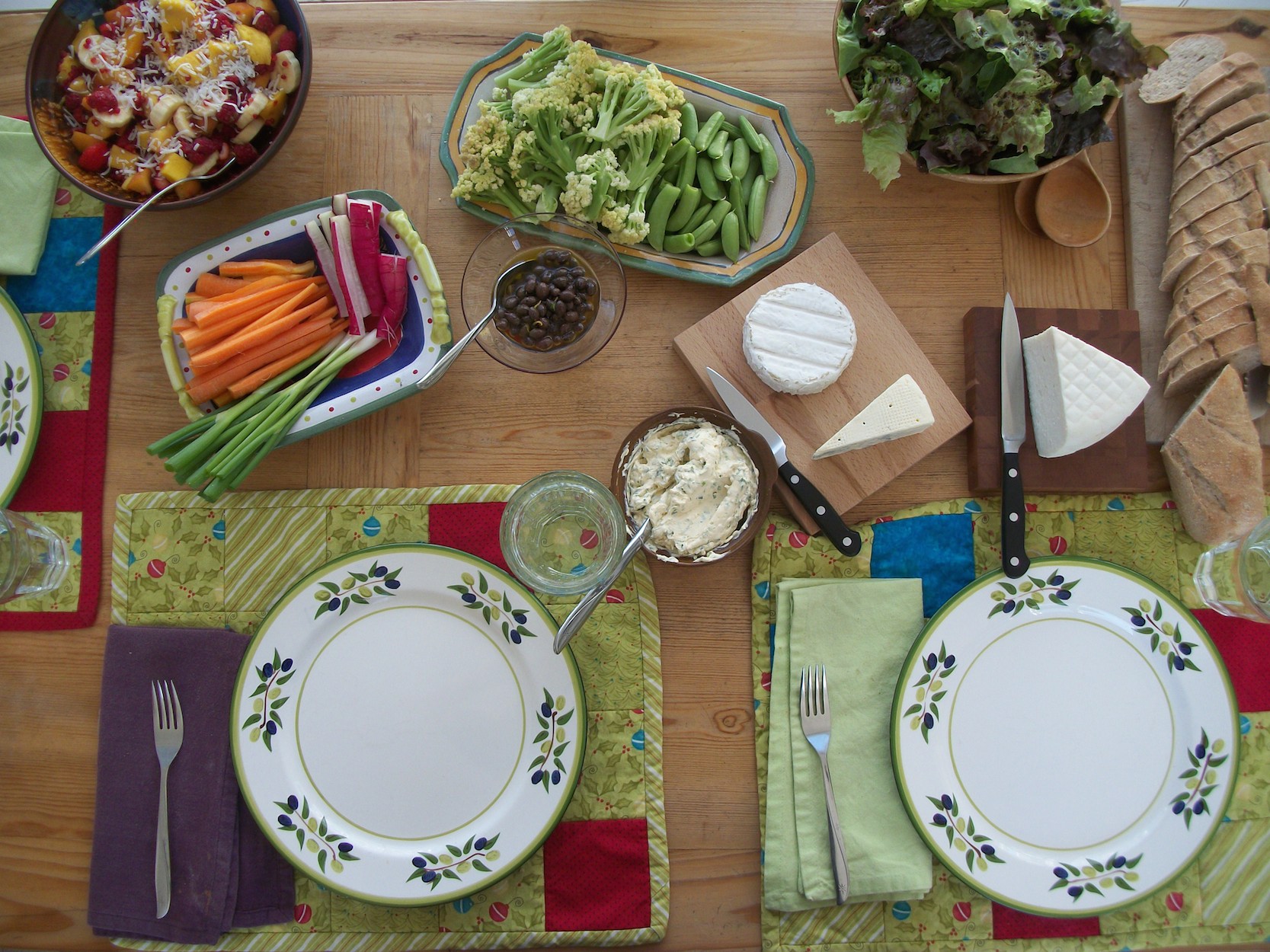
I don’t even cook much. Christmas breakfast—sticky buns—are made the night before, and left to rise in the fridge overnight. All I do is throw them in the oven in the morning. Lunch on Christmas is leftovers from Christmas eve dinner—usually calzones. Christmas dinner is salad, cheese, and bread. Easy and summery.

So I take a day of rest, and I enjoy it a great deal. I read a book. I take an afternoon nap. I do a little sewing, I play games with the kids.

The problem is the next day.

My body is obviously made to be in motion. Sitting around all day is not good for it.

The morning of the 26th of December, I can barely get out of bed, my back is so stiff and sore. I hobble around groaning for the first hour of the day.

So I’m happy to be back at work on Boxing Day, weeding, harvesting, doing the laundry. Good thing Christmas comes only once a year!

Harvest time, Time to harvest

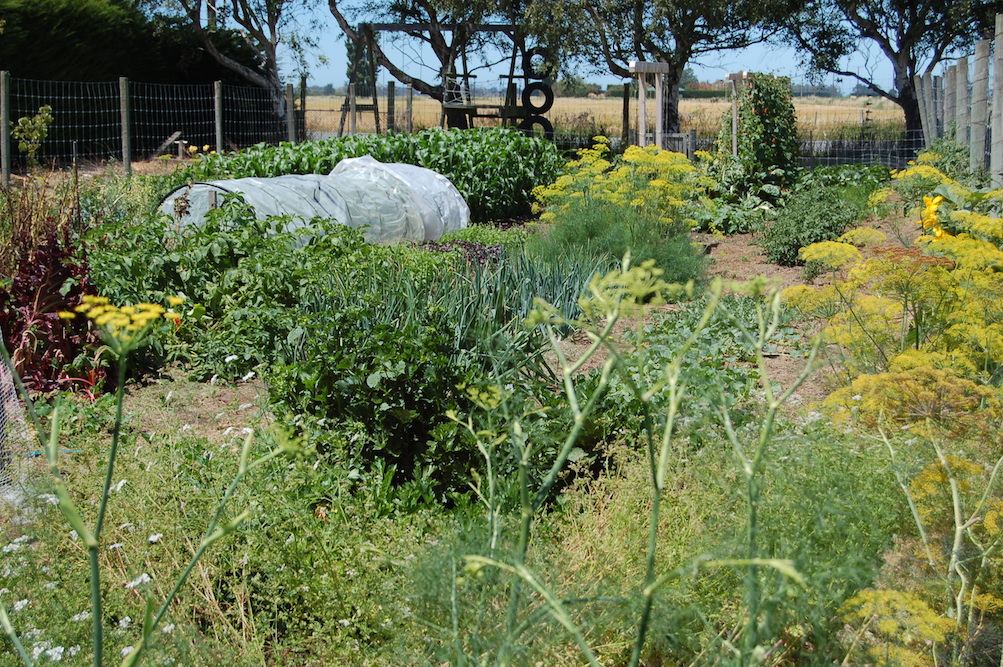
100_4237 smI picked peas today.

That was all.

Well, yes, I did a few other things, like laundry and cooking dinner and whatnot, but my day was pretty much given over to picking and processing peas.

Tomorrow I will do the same with currants and raspberries.

The next day we will pick cabbages and make saurkraut.

And it will be time to pick peas again.

When George Gershwin wrote the lyric, “Summertime, and the livin’ is easy,” he obviously wasn’t thinking like a gardener. Oh, food is plentiful—more than plentiful—but getting that food to the table or stored away for leaner times doesn’t make for easy living.

Summer

100_4218 smWhen the question is not, “What is there to eat?”

But, “What needs to be eaten?”


When bringing in the day’s vegetables takes all morning.

And doing something with them takes the rest of the day.


When you worry, not about what to eat,

But how to eat it all.


When you begin to think that life is nothing

But picking and processing vegetables.


When you know

You will appreciate all this work

In the dead of winter

When you are still eating

Peas, corn, cherries, strawberries, green beans…

But today

All you want

Is to sit

For five minutes

And not

think

about

food.

Currently Jammin’

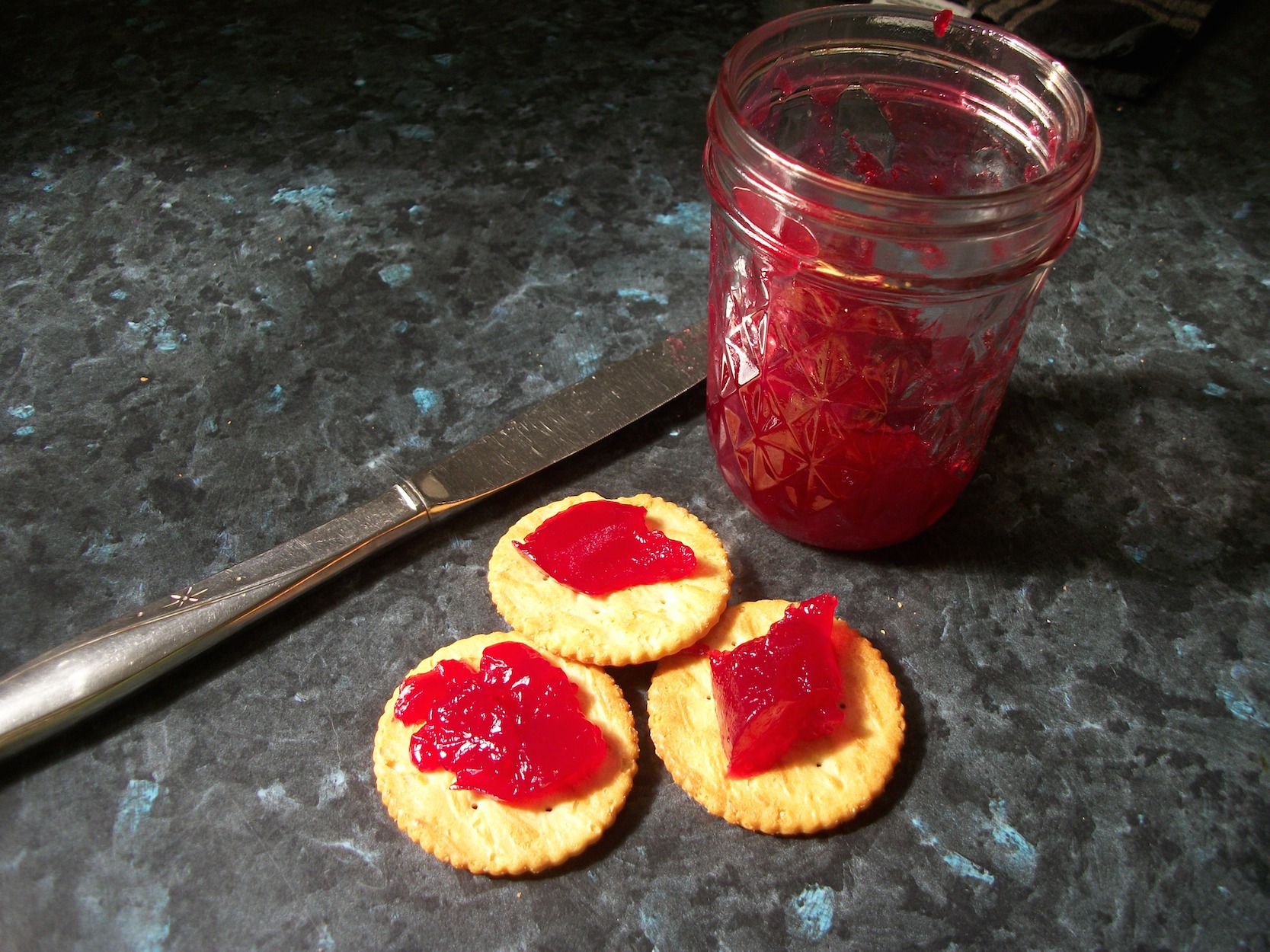
100_4220 smIt was a fruity day today—picked and processed cherries, blackcurrants, and red currants.

We enjoy mixed berry jams, but this is the first year we have enough red currants to make straight red currant jam. Naturally, I had to try it.

I am in love.

The jam is incredibly tart and hits you with waves of flavours.

And it is impossibly red!

I tried some on a cracker, then had another and another…

I can tell that it’s main problem is that it won’t keep well 😉


Rain!

100_4212I didn’t dare believe it until it happened, but we got over a centimetre of rain today. Squally thunderstorms rolled in at lunchtime, curtailing my gardening and cutting power, but I don’t mind. A centimetre of rain will do lovely things for the garden and paddocks.

Dinner switched from the planned ricotta and pea tart to risi e bisi, which could be made on the gas stove without electricity.

This blog was written the old-fashioned way—on paper with one of my favourite pencils (and uploaded when the power came back on).

Now there’s nothing left to do by sit down with a glass of wine and a book to read by the light of the solar powered Christmas tree lights.

The Cherry Mystery

100_4169 smWhen you move onto an old property, it takes a while to become familiar with all the plants previous owners planted. Our property was blessed with a variety of fruit trees. There are a few apples—three varieties, from what we’ve seen, though we can only identify one of them. There’s a late-season peach. And there is a cherry tree. The cherry tree is old and had been damaged repeatedly over the years.

In the spring, the first years on the property, we would watch as the tree put out a few flowers, but we never saw a ripe fruit. The birds seemed to eat them all before they ripened.

Then one year the tree flowered profusely. It was loaded with cherries. But still, they didn’t seem to ripen before they were eaten by the birds.

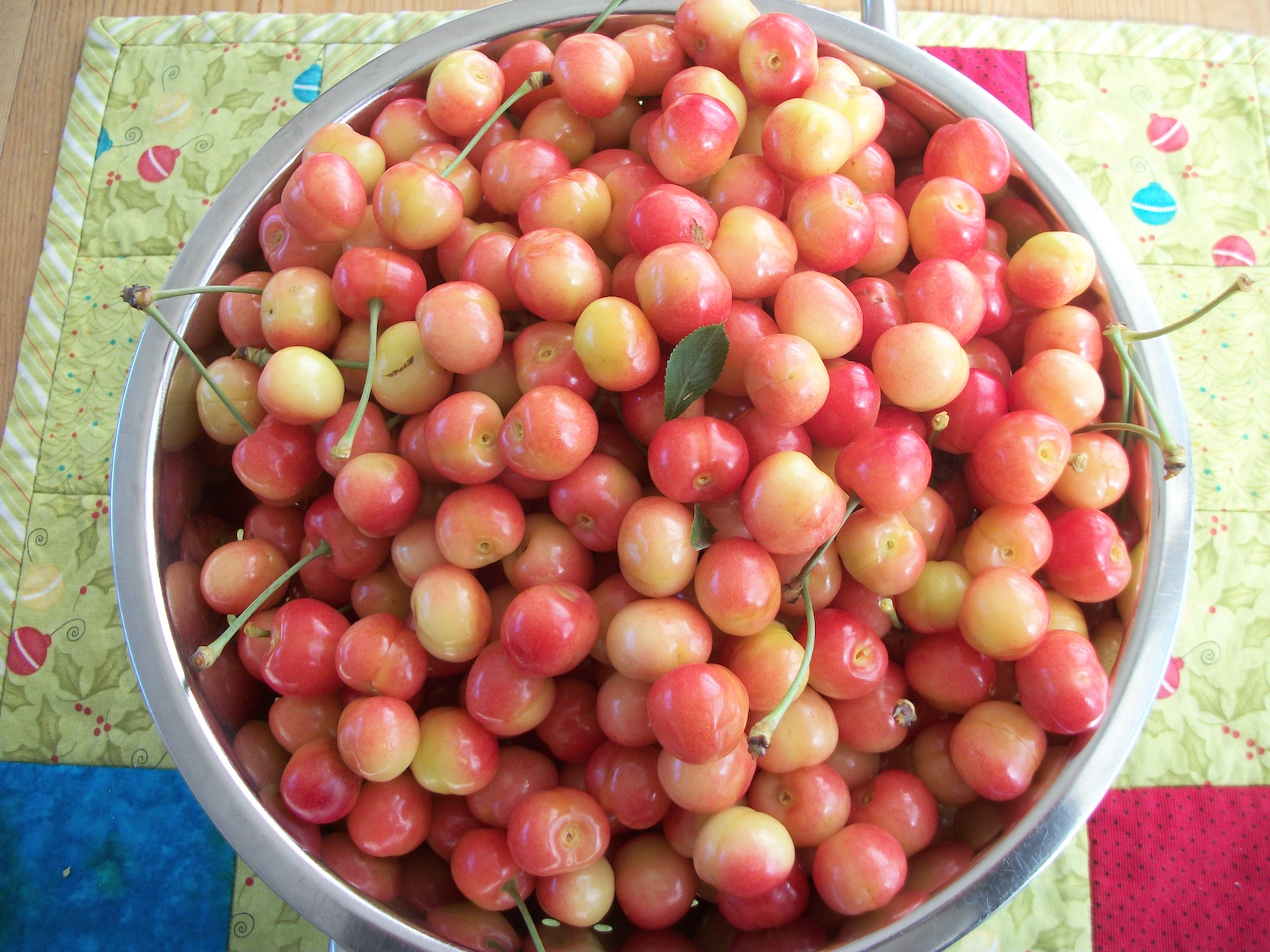
That’s when it finally dawned on us—it was a yellow cherry! The fruits were ripening. The birds knew that—they can see the change in reflected UV light when a berry is ripe—but we didn’t.

Once we knew what the cherries were, we were able to get a harvest most years, in spite of the birds. It’s still difficult for me to tell when one is ripe by look, but I pick by feel—a ripe cherry is subtly softer than a nearly ripe one.

We still don’t know the variety. The fruits are relatively small. They’re sweet, but very heavy in cyanide flavour, and we can’t decide if they’re better for eating fresh or baking.

This year is a bumper year for cherries, so we’ll be able to have them both ways. This morning’s harvest was more than enough for a pie, so you can guess what we’re having for dessert tonight!

Watch Out—She’s Packing Secateurs!

Among my favourite garden tools is a pair of small, straight-bladed secateurs. In addition to the secateur function, the tool also acts as a knife—the “back” edge of each blade is sharpened.

It took me a few very deep, nasty cuts to my fingers before I quite got the hang of this tool. When I use it to trim goat hooves, I have to wear heavy gloves, because the goats always kick and send the blade into my hand.

Thankfully, the tool comes with a sheath. The sheath clips to a belt or pocket, and I’ve found it quite handy to always have a knife and secateurs with me in the garden. So I’ve taken to automatically clipping it on when I go to the garden.

With my secateurs at my hip, I feel like I’m packing heat.

**Apologies—I spent most of my day away from internet access, only got home at 10.30 pm, and didn’t get a photo for today’s post. At least I got it posted…just an hour to go in the day!

Reality check

syringesPeople who don’t keep livestock think that having dairy goats is like some sort of fairytale honeymoon. You go out to the paddock, fill a pail with fresh milk, and life is all strawberries and cream.

Reality…is a bit different.

You wake at 5 am to the sound of the goats whining at you. You stumble out of bed wishing that you could sleep in, just one day, but you know you can’t—the milking has to be done, whether you feel like it or not. You go out to the paddock and open the gate. You wrestle desperately with four goats who all want out the gate at once, trying to tease out the one you want. While you heave the gate shut behind her, the loose goat decides to eat those lovely ornamentals you just planted.

You pull her away from your flower beds and head her to the milking stand. She baulks at stepping up, because yesterday the neighbour’s irrigator was hitting the stand while you milked, and she was spooked by it. You cajole, then threaten her up onto the stand. You start to milk her, and she kicks. When you pull back to let her calm down, you discover why she doesn’t want to be milked this morning—she has a cut on one teat, and milking is reopening it. Your hand is covered in blood, but you can’t stop—she’s got to be milked.

You manage to milk her out while she dances around, trying to upset the pail. You get her back into the paddock and repeat the circus with another goat. When you get back inside, you strain the milk, and realise that one of the goats has developed mastitis.

You spend another couple of milkings trying to isolate who is infected, and whether one or both sides is infected.

When you finally know only one side of one goat has mastitis, you go to the vet, who decides that this time, she’s going to give you a systemic antibiotic for it, not the local udder injection like you expected. All that work figuring out exactly where the infection is was a waste of time.

For the next three days, you inject the goat with antibiotics. An intramuscular injection that’s as painful for you as it is for the goat. She hates the injections, and by day three absolutely refuses to get on the milking stand where you give them to her.

Now, for thirty-five days, you need to continue to milk, morning and evening. But instead of making cheese and ice cream, you have to throw the milk away because it’s laced with antibiotics.

So, yeah, it’s all strawberries…hold the cream.