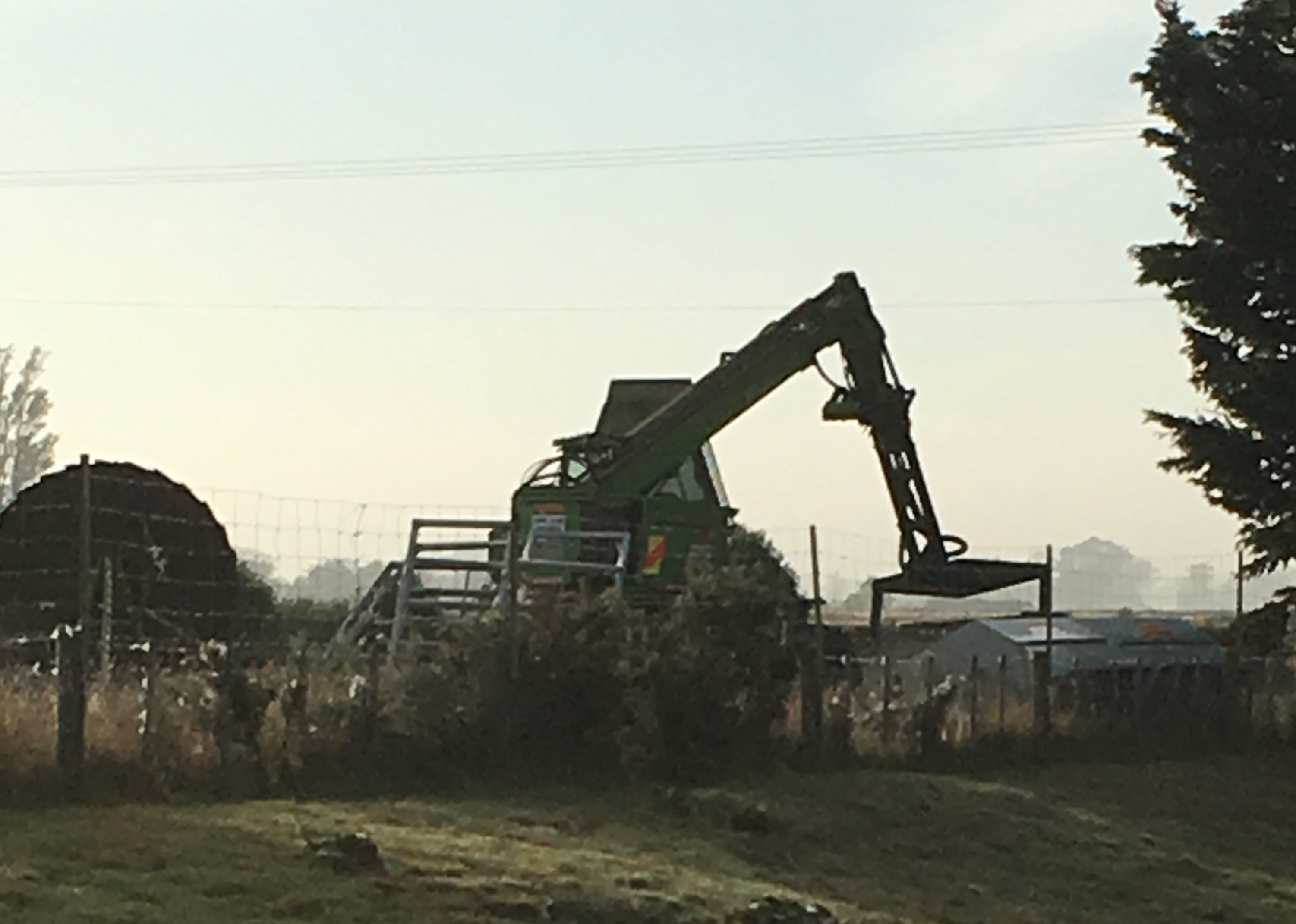
Hedge trimming

Trimmer looming out of the early morning fog. Note the circular blade to the left--he switched to that later.

Trimmer looming out of the early morning fog next door. Note the circular blade to the left–he switched to that later.

THWACK! THWACK! THWACK! THWACK! THWACK! THWACK!

The sound, like a helicopter crashing into a stand of trees, is unmistakable, though the first time I heard it, I had no idea what it was—a giant hedge trimmer.

Hedges are a necessity here on the windswept Canterbury Plains, and autumn is hedge trimming season.

Our hedge, hemmed in by fruit trees and the septic system, has to be trimmed by hand—a full-day job for my husband and me, and one we put off as long as we can every year.
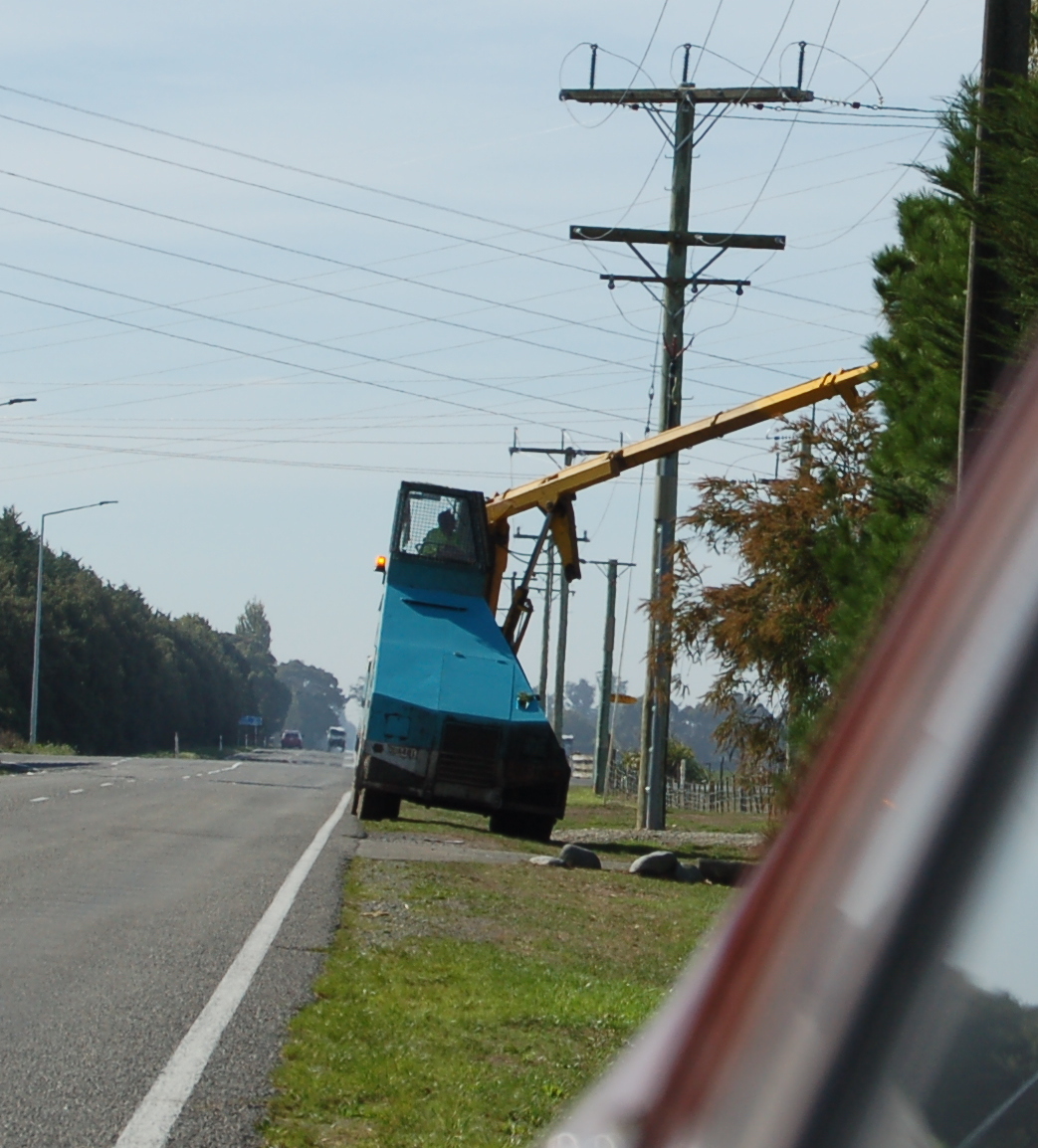
Here's another, snapped along the roadside on the way to town.

Here’s another, snapped along the roadside on the way to town.

Our neighbours, however, have their hedges trimmed by professional hedging contractors. The hedge trimming machines they use are terrifying—giant, armoured vehicles with a long crane arm bearing any one of a number of wicked-looking cutting devices.

There are circular saw blades the size of a man, two-metre wide lawn mower blades, heavy chains that just beat the branches off the hedge. The machines must be Occupational Safety and Health’s worst nightmare. Some have an 18 metre reach, and the result is perfectly trimmed hedges the size of castle battlements.
 

Doing Nothing

2016-03-19 18.36.29 HDR smMy husband says I don’t spend enough time doing nothing.

He’s probably right—I rarely sit down, and even when I do, I like to keep my hands busy.

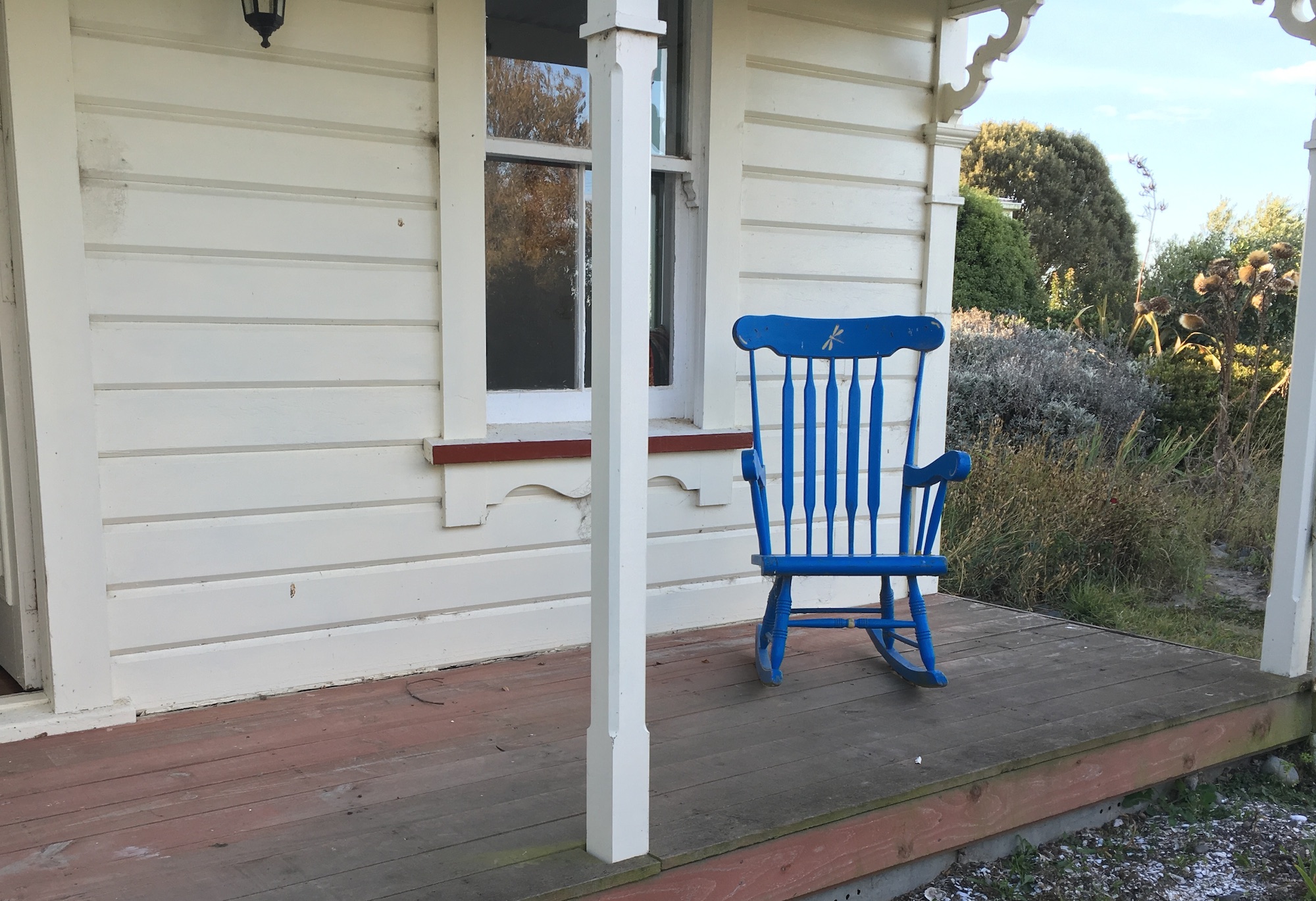
But if there was ever an afternoon made for doing nothing, today was it.

It was hot and windy, and the shady front porch offered a cool and calm refuge after a day canning applesauce.

And so I sat.

I chatted with my husband.

I enjoyed a cold beer.

I watched the wind bend the trees in the front yard, and idly noted that the herb garden looked much better for the rain on Thursday.

For nearly twenty minutes, I did nothing.

I reckon that’s not bad, for a novice. With practice and training, someday I might make it to an hour or more!

Fruit overload

2016-03-15 19.20.44 smCan you have too much fruit? I’m not certain, but if you can, I think we’re approaching it.

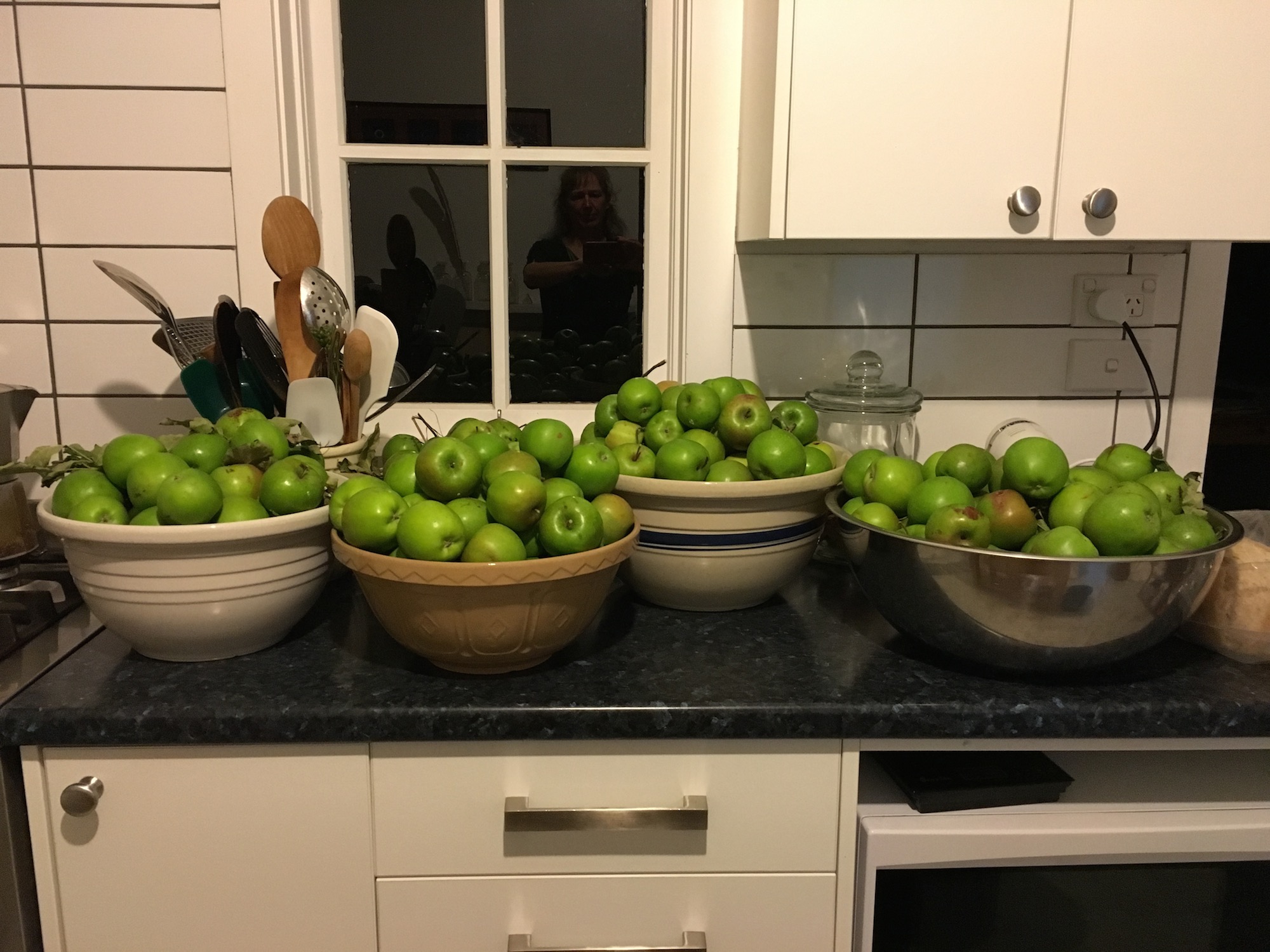
I mentioned the apples the other day—there’s still a 20 litre bucket and a large bowl full of them in the kitchen. Then there are the melons I mentioned yesterday—a great heaping platter of them, and more to come in the next few days.

And a houseguest brought us a box of apricots as a gift.

And the grapes have started coming in, so there’s a colander full of them in the kitchen.

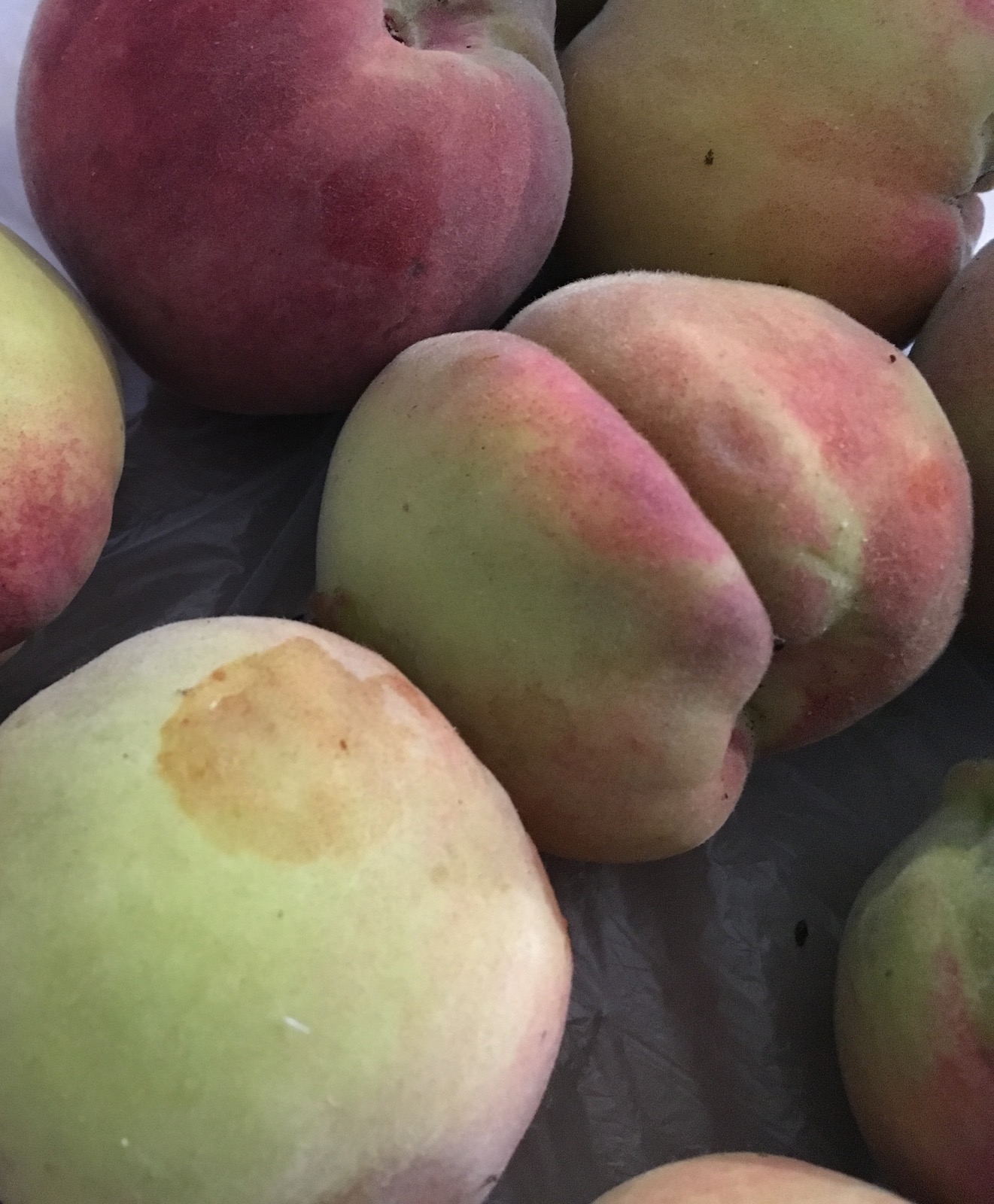
And today I went to pick up 200 daffodil bulbs I ordered, and it turns out that the woman selling the bulbs was the first person I ever sold goat kids to—she’s still got one of them. Anyway, so we got to talking (as you do), and next thing I know, she’s filling a bag with peaches for me—dead ripe and luscious.

So sitting in the kitchen right now are probably 10 kilos of fruit for every person in the family.

So I wonder, can you have too much fruit?


Cat Games

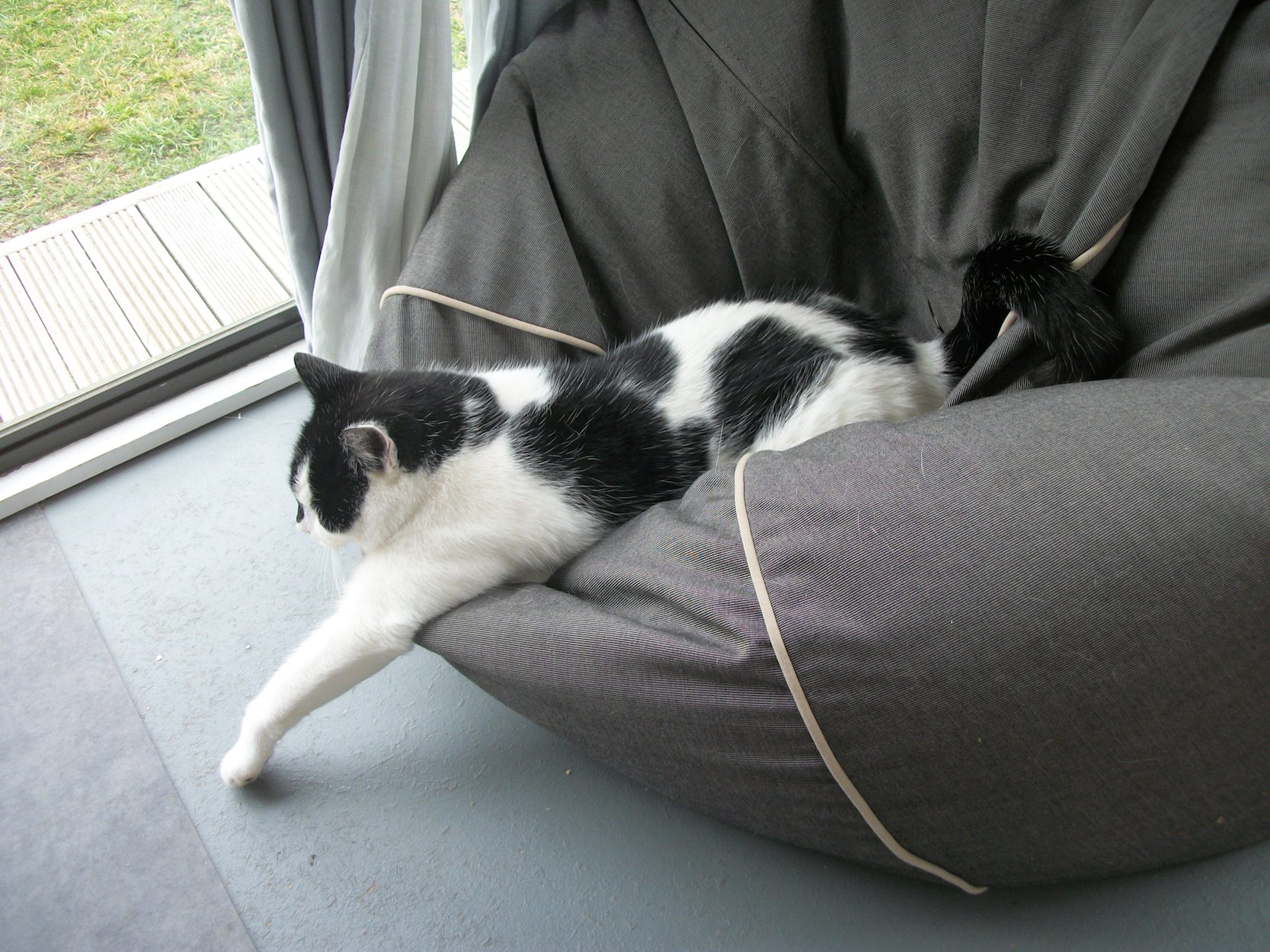
Exhausted after a hard night's hunting.

Exhausted after a hard night’s hunting.

The routine is the same every morning. About 5 am, the cat starts howling at the bedroom window. I eventually roll out of bed, grumbling at him, but knowing I need to get up anyway. On my way through the house to the bathroom, I let him in. He has a snack while I get ready to milk the goats. He comes back outside when I go out.

I set up grain and milk pail at the milking stand, then head out to let the chickens out for the day and feed them.

The cat is there, in the tall grass half way to the chicken coop. His black and white body stands out stark on even the darkest morning. He crouches as I go past on the way to the chickens. When I come back, he pounces. I can almost hear him saying,

“Boo! HAHAHA! Gotcha!”

I head to the paddock to bring out the first goat. As the goat trots up the hill toward the milking stand, the cat bounds across the goat’s path, back arched, leaping menacingly as he goes, as though he is going to bring down an animal ten times his size.

Or he might lie in wait for the goat’s return to the paddock, leaping out from behind the corner of the shed.

Sometimes, he gets more than he bargains for. If it’s Artemis he threatens, it goes badly for him. She has a vendetta against the cat, and lunges at him every chance she gets. If I’m not right there, ready to grab her collar and hold her back, she’ll chase the cat all over the yard to show him who’s boss.

In truth, I think the cat enjoys being chased by the goat. He enjoys pretending to attack me in the dark as I feed the other animals and do the milking.

By the time I’m finished with the milking, the cat is done playing. He trots back indoors with me, has another snack, then finds a cosy place to curl up and sleep for the day.

Windfall

2016-03-10 21.13.23 smToday.

Thirty degrees C.

120 kph wind.

Dust clouds so thick I couldn’t see the back fence 20 metres away.

So I knew there would be carnage by day’s end.

Picking yellow summer squash for dinner, I was having trouble finding them, because they were completely coated in dust.

I studiously avoided looking at the fruit trees—I couldn’t face what I knew I’d find while the wind still howled.

Later in the evening, my husband and kids went out and surveyed the damage. Remember back in November when I posted the picture of all those apple blossoms? I knew it was too good to be true.

Every fruit was stripped off of every tree. They collected them all, tossed the bad ones on the compost, and brought the rest inside.

None are quite ripe, but we’ll make the best of them—applesauce and pie this weekend, for sure!

The Midges!

A male midge, with feathery antennae.

A male midge, with feathery antennae.

It was like a scene from an Alfred Hitchcock film. The sliding glass doors of my office were swarming with midges, commonly called lakeflies here (because they lay their eggs in nearby Te Waihora/Lake Ellesmere, and rise off the lake in huge swarms in summer). By their density (at least 1 per square centimetre), and the size of the doors, I estimated that there were at least 90,000 on the doors alone, not counting the ones swarming around looking for landing space.

I had been working late in the office, with the lights on, and they were attracted to the light. I turned off the light, took a deep breath (breathing in midges is horrible), and bolted out the door, slamming it closed behind me.

A female midge, with thread-like antennae.

A female midge, with thread-like antennae.

There were about a hundred on my ceiling in the morning. I reckon that was pretty good, given how many were knocking on the door.

I actually don’t mind the midges much. They don’t bite, and their appearances are brief, if dramatic.

But the question is, what are they all doing in those great big swarms? Well, the swarms are great big mating displays called leks. Male midges (they are the ones with feathery antennae), fly around in large swarms trying to attract the eye of a female. The females drop by the lek, pick out their favourite male, and mate with him. The resulting eggs are laid in slow-moving bodies of water (or sometimes on wet car parks, where I imagine they don’t live long).

The larvae of our particular midges are called bloodworms. They are one of the few insects that have haemoglobin in their blood. That’s what gives our blood its red colour, and it does the same to the midge larvae. The haemoglobin allows the midge larvae to live in low-oxygen, stagnant water, because it can capture and store oxygen, just as it does in our blood.

Midge larvae are a critical part of the food chain in many terrestrial aquatic ecosystems, feeding fish and other insects. They also must be important food on land, too. The spiders and songbirds certainly enjoy them when they swarm.

Still, in spite of their harmlessness and their ecological importance, I think Hitchcock could have had made a great movie of them.

Summer Soup 2016

2016-03-06 19.55.54 smEight pm, and I feel like I’ve hardly stepped outdoors today.

I remember the air was still and warm early this morning. I milked by the light of the stars and a sliver of a crescent moon.

I remember the cool drips of water in the freshly watered vegetable garden just after breakfast.

But, aside from a hurried trip to the goat paddock with an armload of corn husks or carrot tops, I haven’t been outside since eight am.

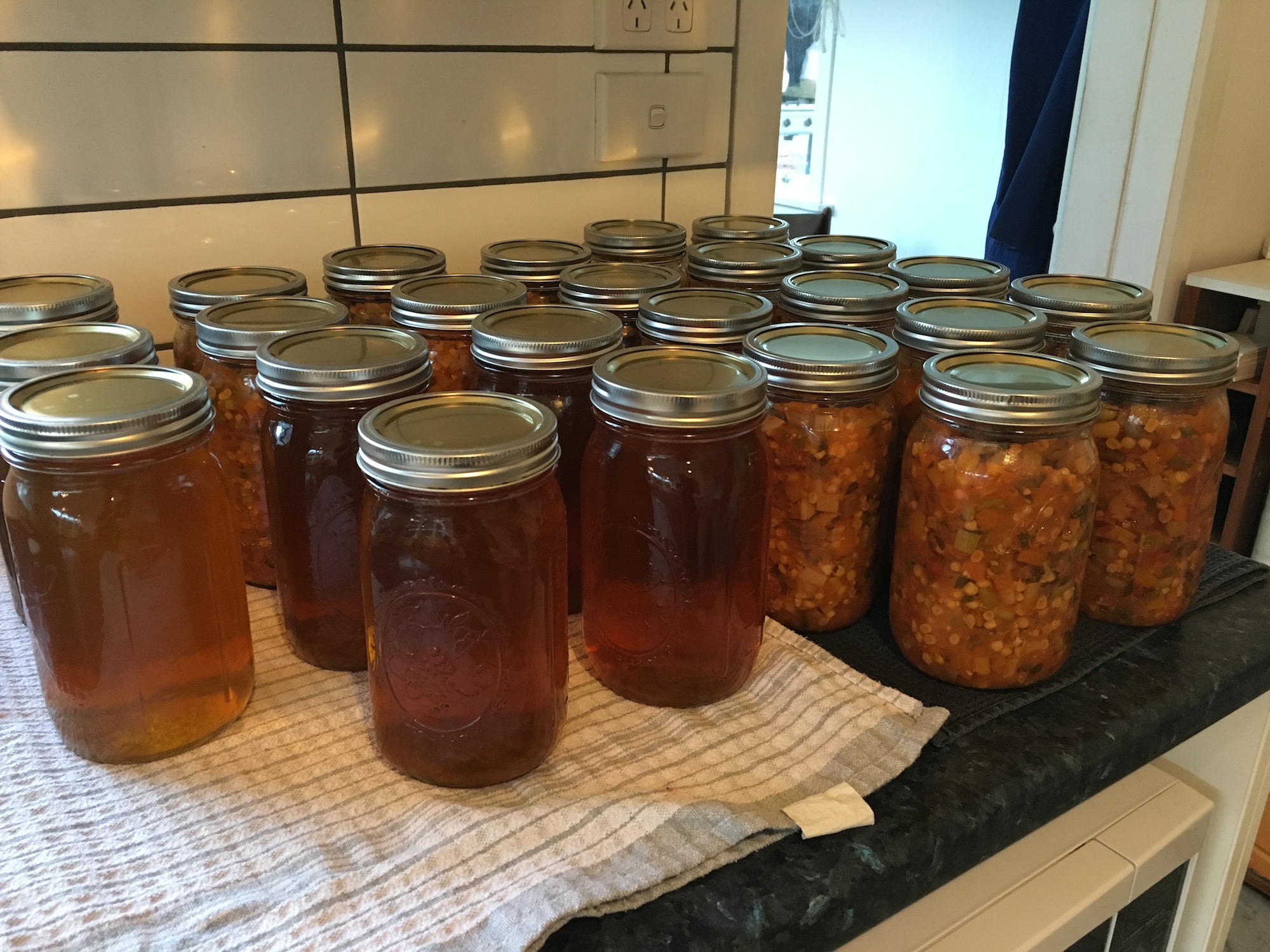
Just after breakfast, the whole family got to work making the year’s Summer Soup (which I’ve blogged about before). We spent the morning chopping vegetables and making up the soup together, then I settled in alone for the long slog at the pressure canner.

It was a hot day to be in the kitchen canning soup. I thought it was just that I had four burners and the oven going much of the afternoon, but when my daughter walked through the kitchen looking wilted, I realised it was just a hot day.

That was the closest I got to knowing what it was like out there.

But I’ll appreciate this lovely summer day spent indoors—over and over again all winter. The final tally for the day was nineteen quarts of soup and six quarts of vegetable stock. That’s a lot of summer, stored up to cheer us on a cold winter evening.

Ballistic Plants

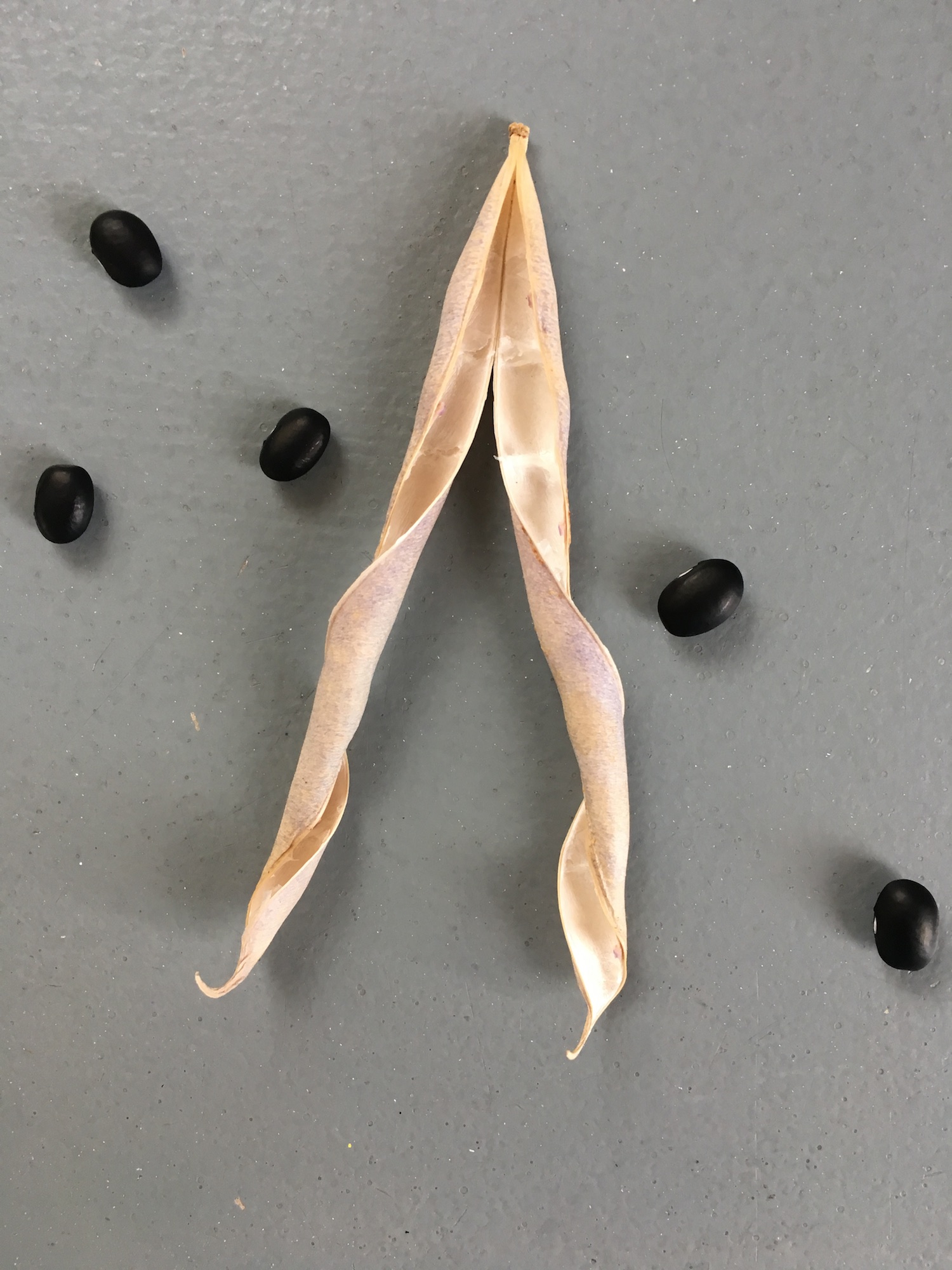
2016-03-05 19.16.53 smI only just harvested the black beans before they all exploded in the garden. It was the hot sun Thursday and Friday that did it. Friday afternoon, when I realised how dry the beans were, I raced to pick as many as I could, and was able to bring in the last of them this morning, with only a few losses.

Though it can be a pain for harvesting, I love plants with explosive seeds. As much as the explosion and shower of seeds, I like the empty pod afterwards. The tension that caused the explosion is gone, and the empty pod twists into attractive little corkscrews.

We have a weed in the yard with seeds so explosive, my daughter and I have dubbed it the seed-in-your-eye plant. It’s real name is bitter cress (Cardamine hirsuta). It’s common in the flower beds around the house, and has a habit of detonating just as a hapless weeder grabs hold of it (hence the seeds in the eye).

My favourite explosive plant is touch-me-not. Where I grew up, touch-me-nots sprang up in any moist hollow. As soon as they started flowering in summer, I’d start searching for ripe seed pods. I’d give each seed pod a gentle squeeze—if the pod was ready, it would burst under my fingers, sending yellow seeds scattering, and turning into a curly work of art. I loved the feel of the deforming fruit.

Sadly, my own children only have beans and bitter cress to detonate here. Now, if I can just convince them that shelling dry beans by detonating them is great fun…


The Beginning of the End

Pumpkins are filling out and beginning to harden off.

Pumpkins are filling out and beginning to harden off.

March 1—first day of autumn here. It is appropriately autumnal today, with a grey sky and brisk, cool wind.

But it didn’t take a cool day, or the calendar to tell me summer was coming to a close. I have been milking in the dark for weeks—a sure sign the equinox is coming. Last week, the first of the elm leaves crunched brown and crisp underfoot. The poplar trees are looking sparse. The dry beans have started to senesce—pods bleaching, yellow leaves plopping to the ground.

The coming weekend will be full of harvest activities—no time for the beach, regardless of how hot it is. Soy beans, dry beans, and corn will all need harvesting. We’ll make the year’s summer soup. I’ll make another batch of pesto for the freezer before the basil is finished. I’ll dry some tomatoes.

There will be plenty more hot days, and likely a few trips to the beach. There will be many more tomatoes, eggplants, beans, and melons. Summer’s not really over. But it’s beginning to pack its bags and get rid of whatever it can’t take with it when it leaves for the Northern Hemisphere.

Soundtrack For the Drive Home on a Summer Evening

(with special thanks to Dave Dobbyn)


2016-02-24 20.57.32Traffic thins, dusk falls

Be mine tonight.

Windows down, breathe cool air

Just add water and dissolve, Baby.

100 kilometres per hour past disinterested sheep

Guilty through neglect.

Moths in the headlights make furry windshield thuds

The outlook for Thursday, your guess is good as mine.

Stray hairs tap tap tap a rhythm on my cheek

It’s magic what she do.

Purple mountains against a bruised apricot sky

Shouldn’t you ought to be in love?

Kids playing frisbee in the dusk

            Call me loyal

Round the bend, the neighbour’s dogs bark

Welcome home.