A Little Too Much Indoor/Outdoor Flow?

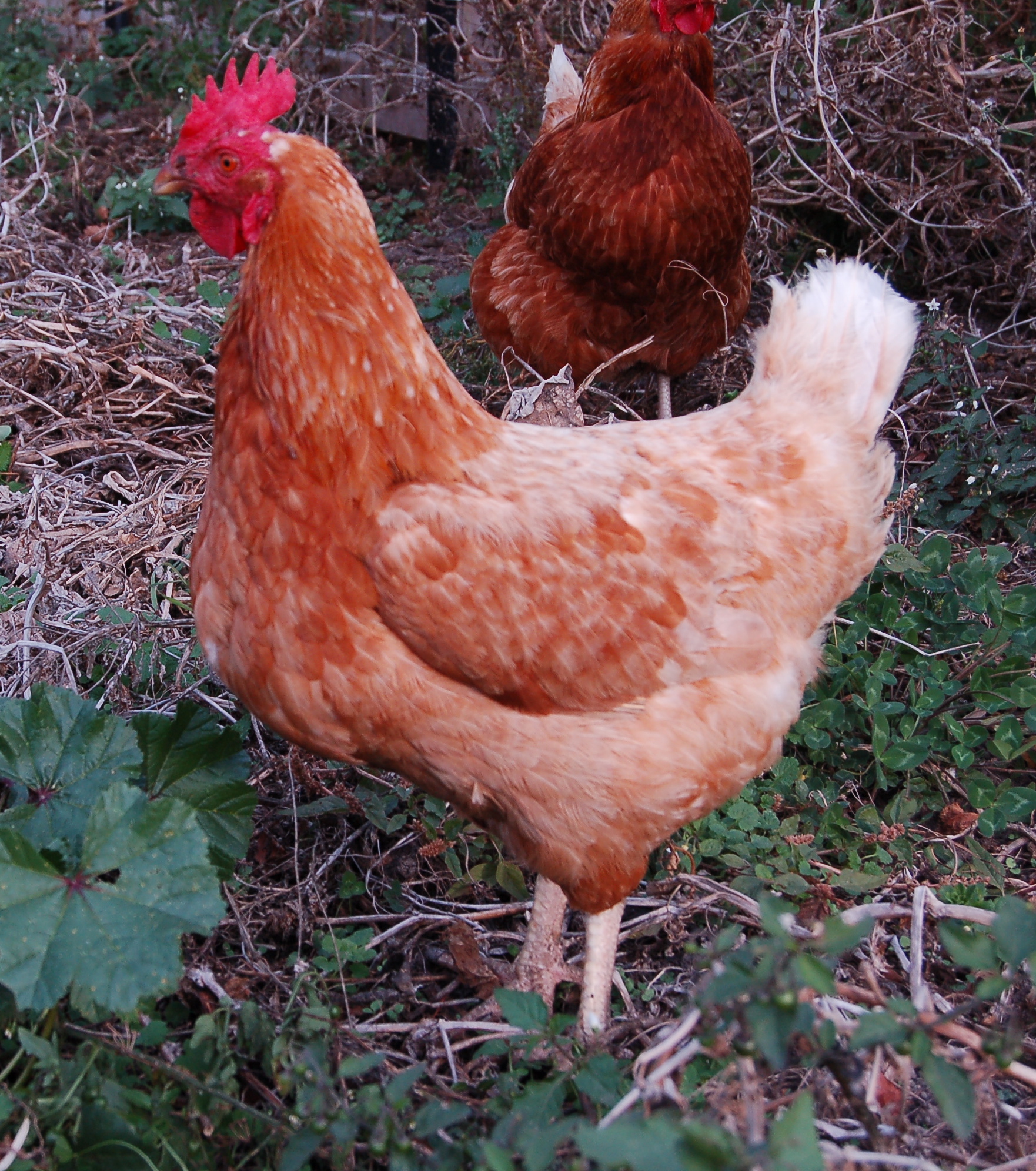
Fine in the paddock, not welcome indoors.

Fine in the paddock, not welcome indoors.

I always assumed, growing up, that window screens and screen doors were there to keep insects out of the house. It never occurred to me that other wildlife would want to get in, too.

Two nights ago, we woke at 2 am to the sound of the rocking chair on the porch thumping back and forth and claws raking the bedroom window. At first, I cursed the cat—who often sits on the rocking chair meowing in the middle of the night—and rolled over. But the raking claws didn’t stop. The cat never claws at the window. I opened my eyes, then had to get up for a closer look, because I couldn’t believe what I saw. An Australian possum was sitting on the back of the rocking chair, leaning out to scratch the window.

What the heck? Was it trying to get in?

It got me thinking about all the non-insect wildlife we’ve had in the house over the years.

In Panama, there were numerous mice, rats, scorpions, whipscorpions, windscorpions, and tailless whipscorpions…naturally. But there also were a few geckoes, and a skink who spent weeks living with us. We started leaving out water for him on the table, and named him Smaug.

There were the bats. Mostly they were small ones, but occasionally we’d get a massive one, with the wingspan of a pterodactyl. They’d swoop in between the top of the wall and the roof, wheel around the house, then swoop out again.

There were regular chicken incursions, even after we evicted the one brooding a clutch of eggs there when we moved in, and there was a cat who came inside and had kittens on our bookshelf.

The largest visitor was probably the dog, who came into the house chasing a rat, then regularly trotted in after that to see if we had more rats for her.

Here in New Zealand, we’ve had mice and rats, including one bold rat who sauntered into the kitchen through the front door while I was washing dishes one day. Sparrows and the odd starling are regular visitors in the summer—they come in, poo a few times, and leave. Chickens and feral cats are occasionally pop in for a visit, too.

For one magical season, we had a piwakawaka, who would flit into the house every day. He would zip around inside, eating flies, then land on a bird mobile hanging from the kids’ bedroom, bobbing up and down like just another wooden bird.

I can only imagine what mayhem that possum would have caused if it had gotten in last night. Earthquakes would probably seem tame to the havoc of a possum indoors. You can bet I’ll be making sure the windows are all closed tonight—I think I’d like to keep that one outdoors.

 

Small Celebration

2016-11-19-16-04-44-smWell, I finally made it. Made it to the day I can look at the vegetable garden and not be overwhelmed with jobs to do.

Everything is planted (except successive plantings of things like carrots, etc.), and most everything is mulched. The tomatoes are tied up and pruned, and the potatoes are mounded. Today, I managed to get all but a few small areas weeded, too.

I walked through the garden this afternoon to survey my work, and managed to get all the way through without feeling the need to pull a weed.

To celebrate, I’ve decided to spend the rest of the day pretending that there aren’t a thousand other jobs waiting for me in other areas of the yard. I’ll tackle those tomorrow.

Berries Bought with Blood

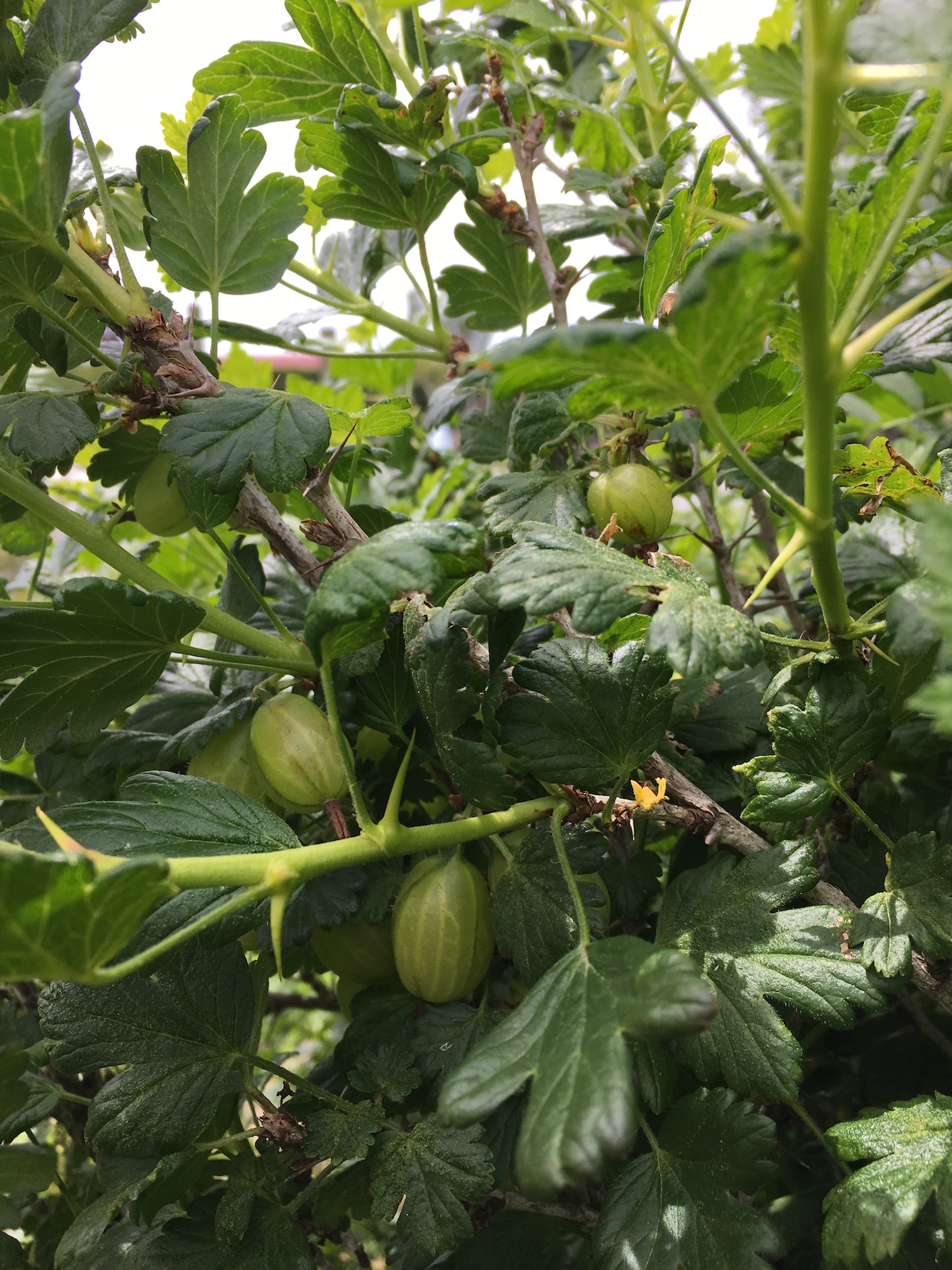
2016-11-18-13-33-56-smGooseberries are one of my favourite fruits for jam—high in pectin, a beautiful colour, and wonderfully tart.

I just wish the plants weren’t so vindictive…

I watch the fruits swell with a mix of excitement and trepidation. There will be lots of fruit soon, but the price of picking it will be scratched and bloody hands.

I should probably prune the plants, so there’s more space to get in there and pick. But pruning brings its own blood price, and one of the things I like most about gooseberries is that they pretty much take care of themselves. They do well in dry conditions, and they compete well with the weeds. That they give us fruit without the fuss of pruning is a huge bonus.

All in all, I suppose I can’t complain about the trade-off. A little blood for a harvest of delicious fruit is a good deal.

Vigilance

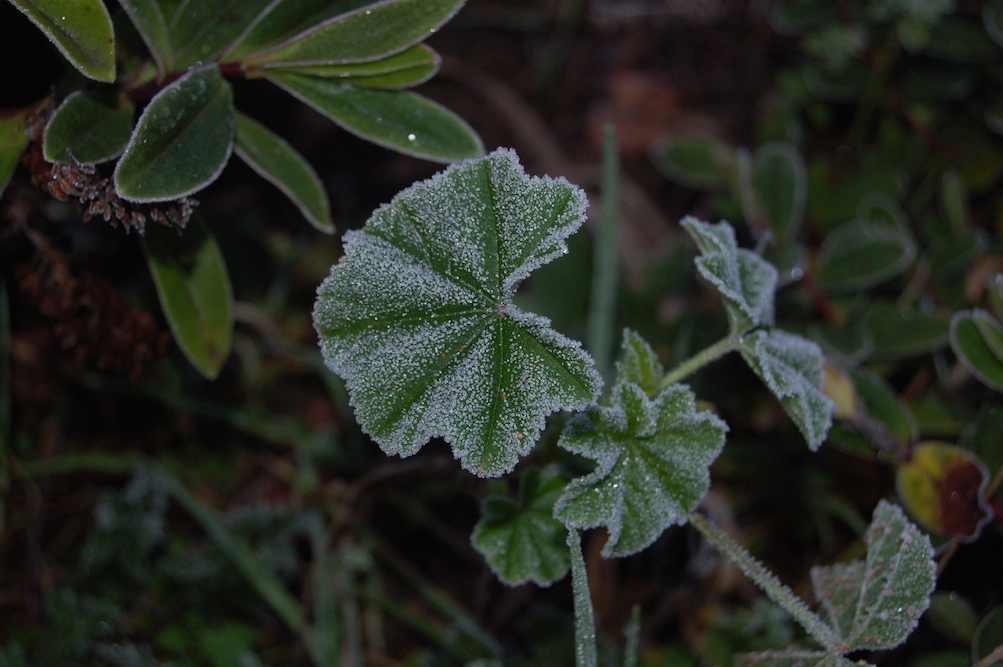
Will we wake up to this tomorrow?

Will we wake up to this tomorrow?

I watched the weather forecast closely this week. The week after plant out, when all the frost tender vegetables are newly planted, is when it usually happens.

A day of cold southerly rain, bringing much-needed moisture. The rain is good, and the low daytime temperatures won’t damage the plants.

But somehow, those rain clouds always blow away as the sun sets. The wind dies, and the air grows still as the temperature plummets.

The weather forecasts rarely predict these frosts, but I’ve learned to look out for them.

Today, as the clouds broke just in time for a spectacular rainbow before sunset, I knew the garden would be in trouble before dawn.

I pulled out all the frost cloth I own, and as the light faded, covered as many tender plants as I could. At this point, I can’t possibly cover them all, but I can strategically save those I would be most sorry to lose, and those that are most sensitive to frost.

Before dawn I will be in the garden again checking for frost. If I’m lucky, there will be none. If I’m unlucky, I’ll spend the early hours hosing down the plants I couldn’t cover in the hopes of saving them.

The strategy works…mostly. But just one frost at this time of year can change the landscape in the garden and the food choices we have through the next twelve months. It pays to be vigilant.

Strawberry Secrets

2016-11-16-14-50-36-smShhh!!

Don’t tell my family.

I ate the first strawberry of the season!

It was delicious!

I’m usually quite generous with my garden produce—everyone gets a fair share of the goodies. But when it comes to the first strawberry of the year, I turn selfish.

I always get the first strawberry.

I get it, because I plant, and weed, and water, and weed again. Because in two weeks, I’ll be spending an hour a day just picking berries, then countless hours processing them into jam and other yummy treats for everyone to enjoy.

It’s my sweet reward for a year of work.

The secret will out in a day or two. When I come in with three berries, and give one to everyone else in the family, saving none for myself, they’ll know. They’ll know I ate the first one already.

But by then it won’t matter. I will have gotten the first one.


Ripgut Brome

2016-11-08-16-14-49Ripgut brome. How can you not be curious about a plant named ripgut brome?

I was certainly curious, after it took over my yard this spring. I’ve hauled countless wheelbarrow loads of ripgut brome to the compost pile, and I’m still finding it everywhere.

Ripgut brome (Bromus diandrus) is an annual grass native to the Mediterranean region. It probably arrived in New Zealand as a contaminant in grain, or in the wool of imported sheep. It’s a tall, sprawling plant, and seems to spring up overnight to suddenly form a dense thicket anywhere that isn’t regularly mown or grazed.

The leaves of ripgut brome are rough, and feel like sandpaper on bare legs and arms. They leave countless, fine scratches like paper cuts on the unwary weeder.

But the worst part of ripgut brome is the seed. Sharp, and covered in little hooks, the seeds catch and burrow into animals’ fur, eyes, skin, feet and intestines (I assume that’s where the name ripgut comes from).

And like all good weeds, it produces copious seeds (over 3000 per plant), aggressively outcompetes other plants, and is drought tolerant. It has also evolved herbicide resistance in some areas.

There’s only one thing for it on our property—to pull it up before the seeds mature. The good news is, that it’s got a shallow root system, so it’s not difficult to pull. The bad news is that it covers almost every inch of our acre and a half.

Sisyphus had it easy…

Rain

2016-02-24-20-57-32I wake
To the sound of rain.

It is not morning.

It is the rain
That has dragged me from sleep.

No.

Not dragged.

It has nudged me awake
Accidentally
Like my husband does
When he comes to bed
(Night owl that he is,
And me an early riser).

Like my husband,
The rain has lain down beside me.
A comfort,
Knowing he is there,
Knowing the rain is there
Watering the garden,
Making the grass grow in the paddock,
Tamping down the dust.

The Best Laid Plans…

2016-11-05-16-46-35-smBack in mid-August, I blogged about the to-do lists that get me through spring. I make a list and stick to it. That way, everything gets done.

But what if the plants don’t pay attention to the list?

I try to maintain consistency from year to year, and I document planting dates, plant-out dates, potting-up dates. So I know that if I plant my first batch of corn in trays on the 15th of October, it will be just ready to plant out on Canterbury weekend (around the 15th of November).

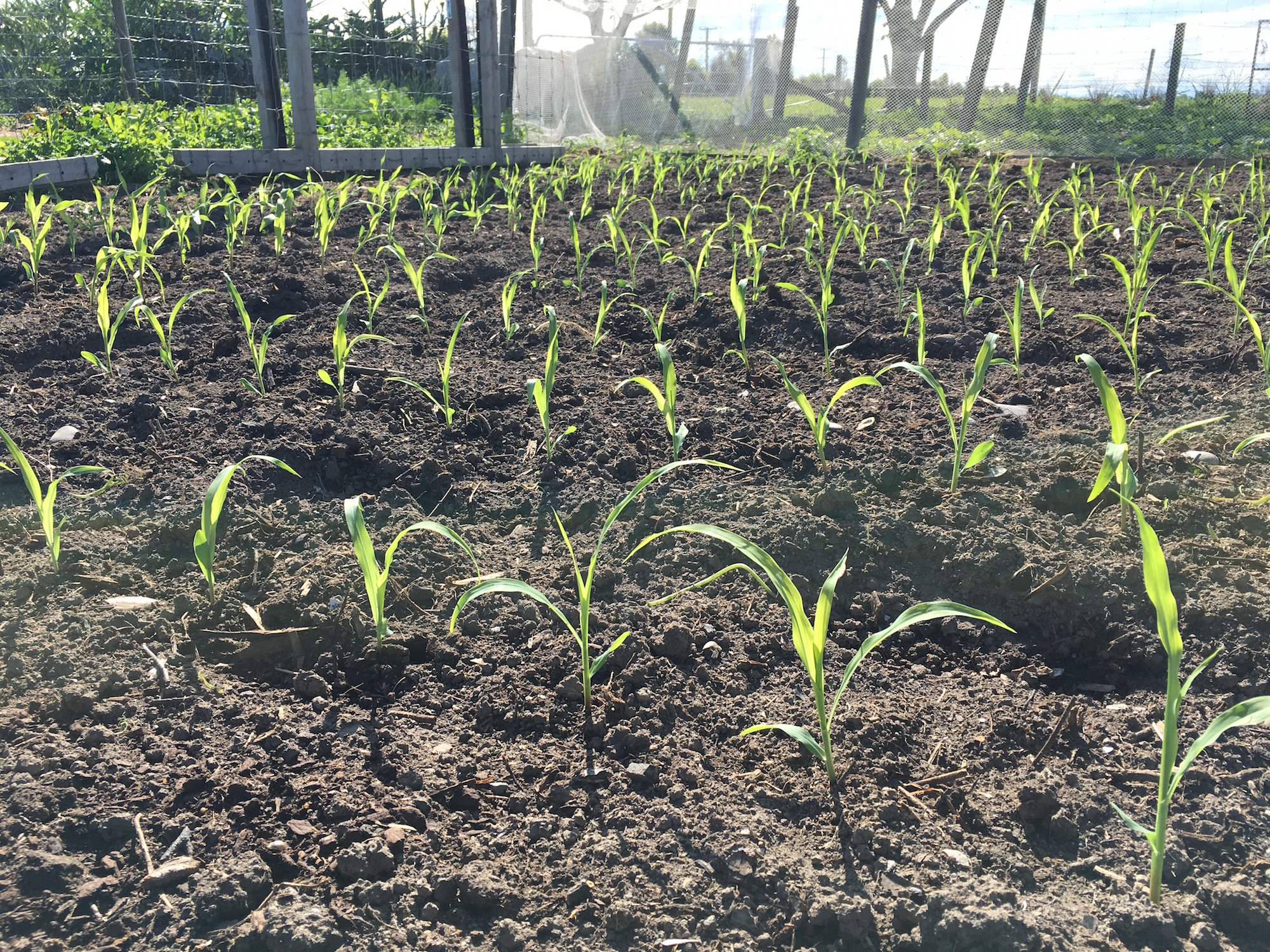
But this year, the corn was ready to plant out by the 30th of October.

The corn bed wasn’t ready yet. It’s always the last one I prepare, because it’s usually the last one to be planted out. I took the trays of corn seedlings out of my office, so they would have chilly nights to slow down their growth.

It didn’t help. The corn kept growing at a ridiculous rate.

I considered planting the corn in the beds designated for pumpkins, because they were ready. But that would have meant planting pumpkins in the same beds they were in last year. I had a lot of pest problems in those beds last year—I’d be foolish to plant the same crop there again this year.

Last weekend I got frantic. If I didn’t get the corn out to the garden in the next week, it would die in those trays.

Wednesday, I quit work at 2 pm and started preparing the beds. I got them weeded, and the soil turned. Then I realised I was going to need to turn the compost pile in order to get compost for those beds.

Turning the compost pile usually takes at least two weekends of back-breaking work.

This morning, I started on the compost pile around 6.30 am. By the time I’d turned a third of it into the empty compost bay, I was completely exhausted. And I’d only managed to get five wheelbarrow loads of compost for the corn (I really wanted nine).

So I compromised. Five loads of compost would have to be enough. I turned it in, raked the soil smooth and called the beds done. The corn was all in the ground before lunch. Whew!

Of course, it’s a week early. I have learned the hard way not to plant out too early here. My garden sits in a frost pocket. Chances are, the corn will get nipped by frost, but it was either that or watch them die in trays. Crossing my fingers and hoping for warm weather!

On-the-Fly Spinach Tart

2016-11-04-18-25-58-smMy plan was an easy dinner tonight. I’d been saving a few artichokes—letting them get big, so we could have steamed whole artichokes. I figured I’d make a salad with some leftover cous cous in the fridge, and maybe fry up some tofu crusted with herbs and parmesan cheese. Quick and easy.

Then I went to the garden and saw the spinach. Beautiful, glossy leaves, loving the bit of rain we’ve had recently. There was so much of it, I couldn’t resist.

So instead of a quick, easy meal, I made a spinach tart to go with those artichokes.

Dinner was a little late, but it was well worth it. There wasn’t a crumb left when we were through.

Trying to work quickly, I didn’t bother looking for a recipe. Here’s what I did.

I made a standard pie crust—enough for a single-crust pie. I rolled it out and lined my tart pan, then put it in the fridge to chill while I prepared the filling.

For the filling, I used:

Fresh spinach (maybe 1kg (2 lbs), coarsely chopped)

Fresh chives (a good handful, chopped)

Fresh dill weed (4 Tbsp, chopped)

1 cup grated goat cheddar

4 large eggs

salt and pepper to taste

I cooked the spinach and chives with a few tablespoons of olive oil until the spinach was well cooked, and most of the water had boiled off. I removed it to a bowl to cool. When it was cool enough to handle, I squeezed more water out of the spinach, and drained it off. (You want the spinach pretty dry, to keep the crust from getting soggy.)

I mixed in the dill, cheese, eggs, and salt and pepper, then poured the mix into the prepared crust. I baked it at 190°C (375°F) for about 40 minutes. I let it cool ten minutes before serving.

A New Gardening Lexicon

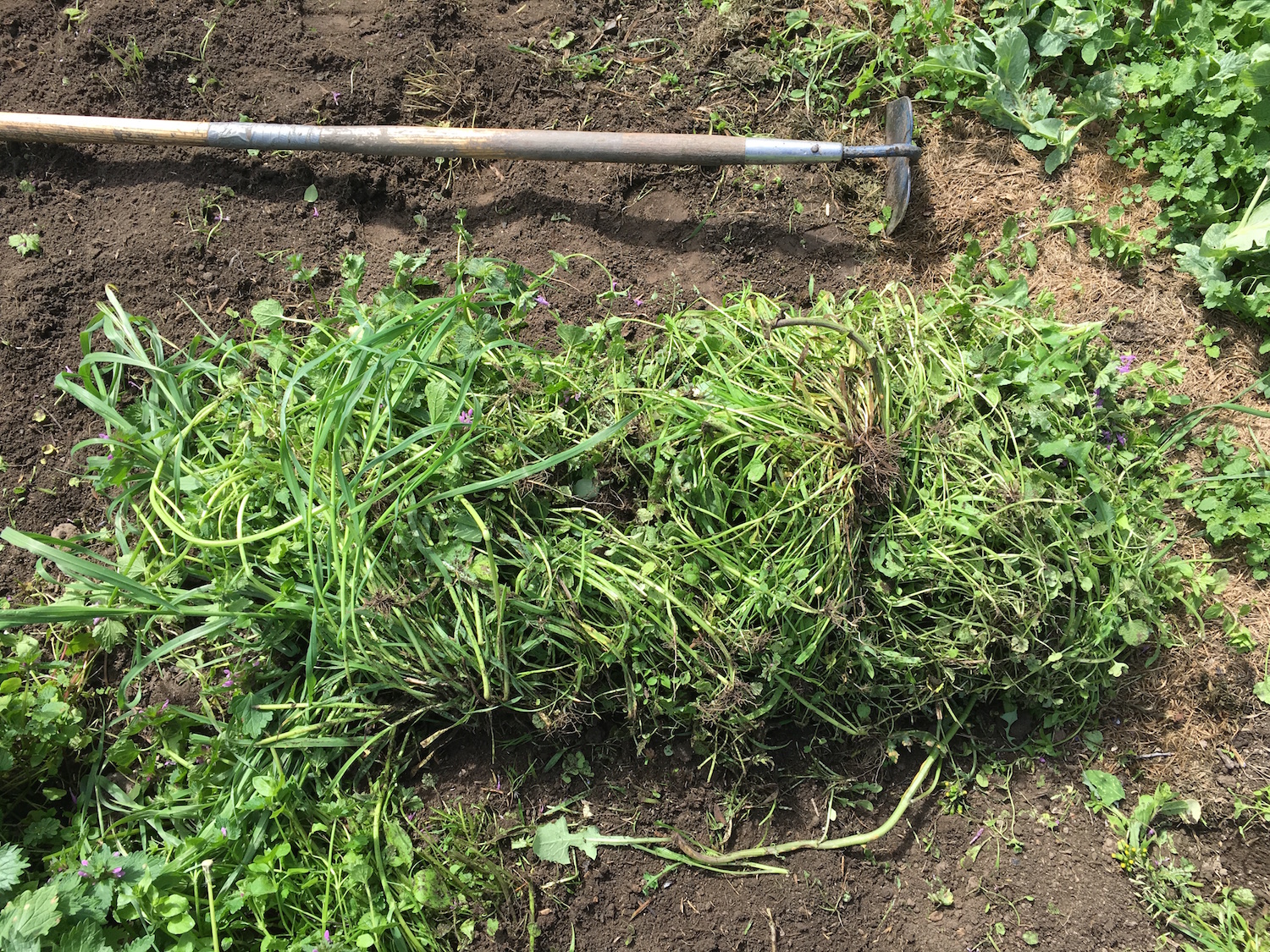
A nice tidy rolag.

A nice tidy rolag.

I’ve noticed that the world of extreme gardening doesn’t have a very good vocabulary. There just aren’t the words to express the particular situations, actions, and states one experiences.

So I’ve developed my own gardening lexicon, to try to fill that gap in the English language. Here are a few of my words:

Chook—verb. To toss something to the chickens. E.g.: Just chook those weeds—they like them.

Chookable—adjective. Suitable for the chickens to eat. E.g.: Those weeds are chookable.

Dinger—noun. A rock in the soil, accidentally struck by a gardening tool.

Goat—verb. To toss something to the goats. E.g.: Goat these branches—they like them.

Goatable—adjective. Suitable for the goats to eat. E.g.: Those branches are goatable.

Grunter—noun. A weed that requires significant effort (and usually a tool) to pull.

Hum-dinger—noun. A particularly large rock in the soil, accidentally struck by a gardening tool.

Pop bead—noun. Insect pest. Name comes from the sound it makes when squished between the fingers.

Rolag—noun. A term borrowed from weaving. Weeds that have been hoed into a tidy roll, ready to be lifted into the wheelbarrow or thrown on the compost heap.

Squeaker—noun. A nest of mice, when overturned accidentally by a shovel or spading fork.

Superman tree—noun. A tree or shrub that looks difficult to cut, but is actually easy to cut, making the cutter feel like Superman. (See also Wonder Woman weed)

Twitch light—noun. Couch grass with unusually fine runners.

Twitch-on-steroids—noun. Couch grass with unusually thick runners.

Twitch-headed—adjective. Having weeded so much that you see weeds when you close your eyes.

Wonder Woman weed—noun. A weed that looks like a grunter, but is actually easy to pull out, and makes the weeder feel like Wonder Woman. (See also Superman tree)