Summer

100_4218 smWhen the question is not, “What is there to eat?”

But, “What needs to be eaten?”


When bringing in the day’s vegetables takes all morning.

And doing something with them takes the rest of the day.


When you worry, not about what to eat,

But how to eat it all.


When you begin to think that life is nothing

But picking and processing vegetables.


When you know

You will appreciate all this work

In the dead of winter

When you are still eating

Peas, corn, cherries, strawberries, green beans…

But today

All you want

Is to sit

For five minutes

And not

think

about

food.

Colours of the Season

100_4093 smStrawberries, gooseberries, black currants, red currants, cherries, raspberries—they all seem to come at once in a tsunami of colour and flavour.

The weeks before Christmas are filled with jam, pies, and shortbread. Fingers are permanently stained with juice. Festive splatters decorate the kitchen walls and floor. Bowls of green and red fruit stand in for more traditional holiday decorations.

Today, we put up the Christmas tree and made the first jam of the season.

It’s beginning to look a lot like Christmas!

Strangest Kitchen Tool Ever

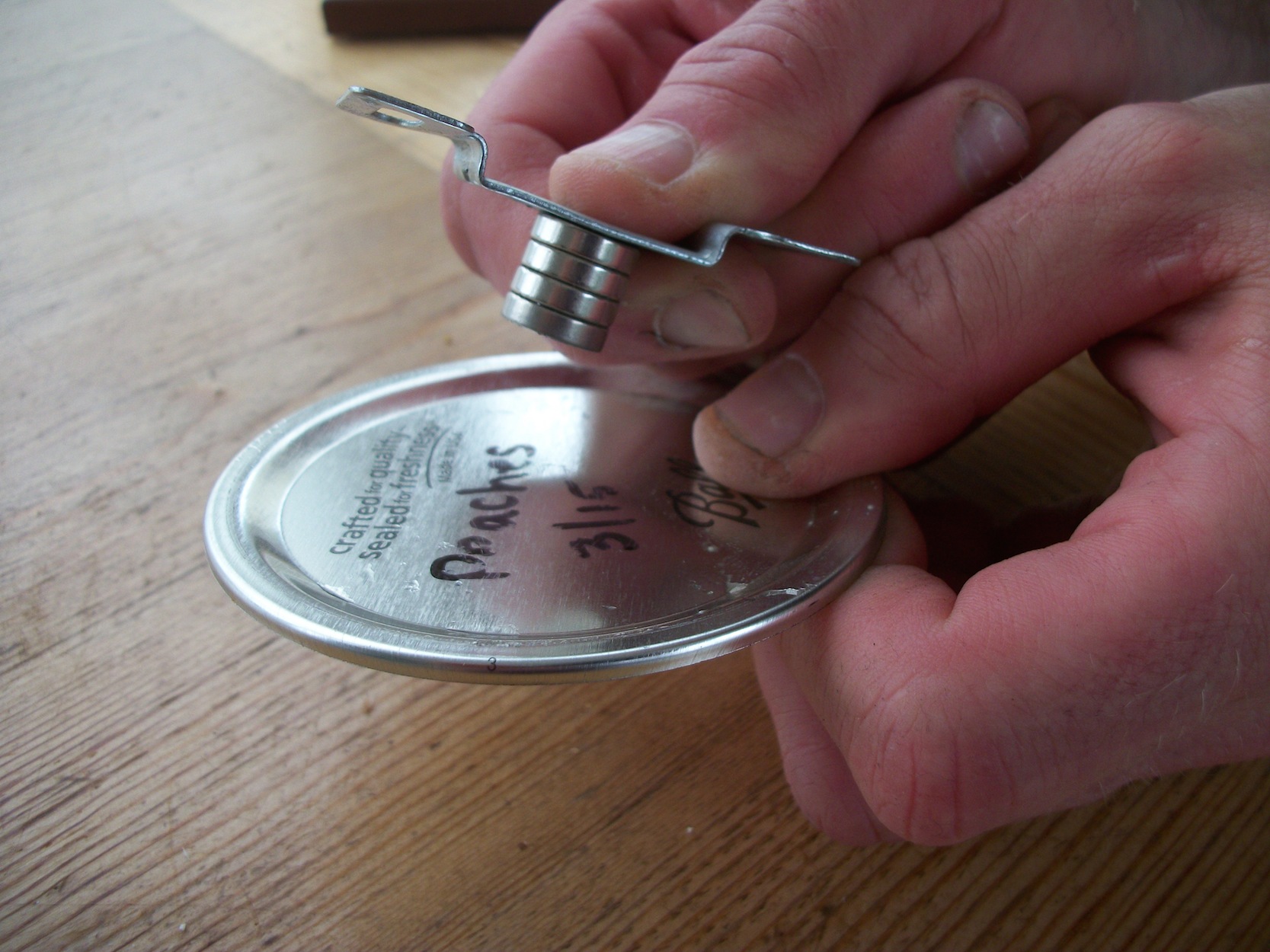
100_4012 smStuck to a screw head in the bottom kitchen cupboard where mouse traps nestle alongside the water heater is the strangest kitchen tool. It’s a DIY affair made of a discarded cabinet latch plate and four small rare-earth magnets. It is seldom used, but absolutely critical when it’s needed.

It’s the Canning Lid Extraction Device.

For some reason known only to the gods (who are laughing uproariously about it, I’m sure), the drain of our kitchen sink is exactly the same diameter as a wide mouth canning lid. Exactly. And, you know, when you’re washing a jar, you just toss the lid into the wash water, not thinking. It floats innocently down, guided inexorably to the lowest point of the sink—the drain—where it gently settles in, just as you think, “No! I dropped a lid in!”

And once one settles into the drain, there is absolutely no way to get even the thinnest tip of a knife in there to pry it out. It’s stuck. Forever.

Or, it would be without the handy dandy Canning Lid Extraction Device.

Where would we be without magnetism! The powerful magnets latch onto the lid and pull it right out. The old latch plate acts as a convenient handle for wet, soapy hands. The perfect tool!

I can, can you?

100_3986 cropsmFaced with 45 artichokes, there’s really only one thing to do—pull out the pressure canner, and bottle them up for later.

We thought long and hard before buying a pressure canner years ago—it was expensive, and signalled a whole new level of commitment to preserving than a simple water bath canner.

And then, of course, there are all the horror stories about exploding pressure canners. When the canner arrived, emblazoned with more warning stickers than a case of TNT, it didn’t alleviate my concerns.

But now I can’t imagine being without it. We can preserve so much more of what we grow, and not everything needs to be pickled to be preserved.

Pressure canning changes vegetables—the high pressure and temperature destroys their structure and basically turns them to mush. I wouldn’t want to subsist on pressure canned vegetables.

But our summer soup

LINK provides a burst of summer flavour, and wonderfully convenient instant meals through the winter. A few jars of canned green beans mean we can make our favourite Indian charcharis any time of the year. And canned artichokes add incredible flavour to pizzas, regardless of their texture. We could freeze these things, of course, but especially here where the power goes out with such frequency, having some of our preserved food not dependent on a continuous supply of electricity is a good idea. It also saves room in the freezer for those things that really don’t do well in the canner—berries, corn, peas, and of course the bread and baked goods from our baking days.


Oregano

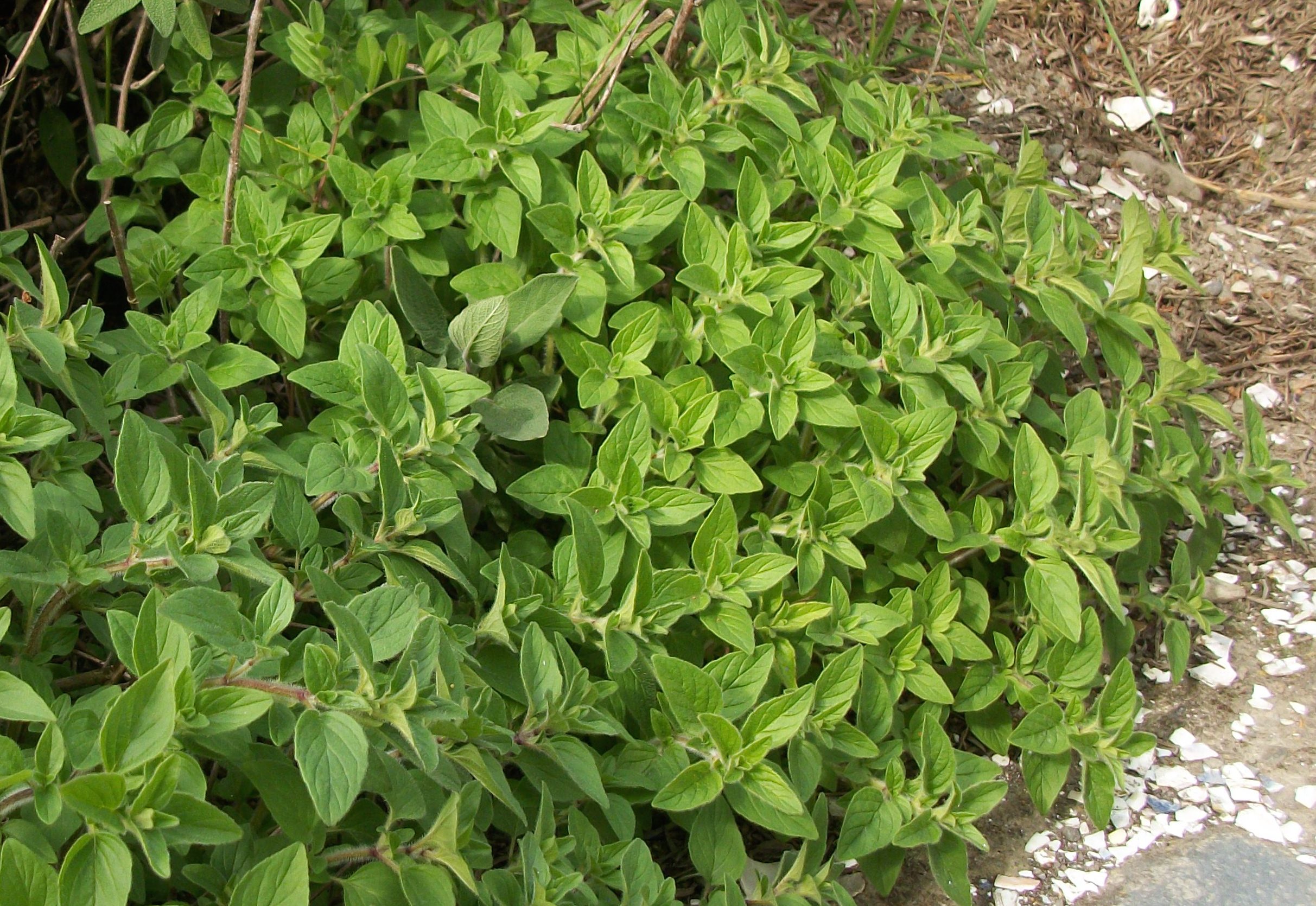
100_3863 cropOregano is marjoram’s wild cousin, and as such, is pungent and weedy. It seeds in all over the garden, and thrives even in the dry, rocky former driveway-turned-flowerbed. It is the first plant ready for harvest and storage each spring, and some years I miss it because I’m so busy planting everything else.

A woody perennial, oregano is available fresh almost all year in our mild climate, but the classic oregano flavour we all love on pizza comes only from the dried herb.

In winter, I cut the plants back nearly to the ground; the scraggly stems that have already flowered would survive and sprout new growth in the spring, but oregano needs an annual “haircut” to look good.

Early in spring, the trimmed plants send up a beautiful green cushion of new foliage. This fresh, even growth is easy to harvest and dry, and the plants will reward me with another crop when the first is shorn.

But for me, the best thing about oregano is its flowers. They aren’t particularly showy or pretty, but they attract a huge array of insects—bees, butterflies, hover flies—and those in turn attract preying mantids and spiders. When the oregano is flowering, I often take my lunch into the herb garden, just to watch the insects.

Seasons of Garlic

15 heads of garlic, all in one pint jar!

15 heads of garlic, all in one pint jar!

The garlic I planted on the winter solstice has taken advantage of the recent rain. It is now 5cm above ground, and looking great!

Of course, when the garlic in the garden starts sprouting, so does the garlic stored in the shed. And once it starts sprouting, its flavour goes off. The goats will still eat it (they seem to love garlic, and the local breeders feed it to them to help fend off intestinal parasites), but it’s not very tasty to the human palate.

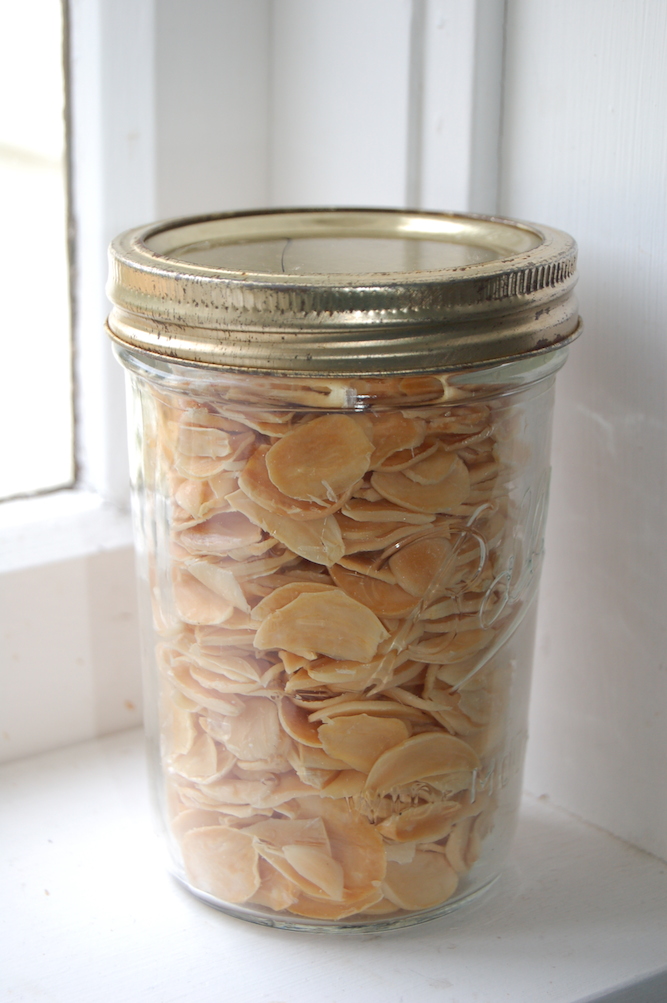
So it’s about this time of year when we switch to using the garlic we dried at harvest time. The thin slices grind well in a mortar and pestle, and are easy to use. Though they aren’t as good as fresh garlic, they’re much better than sprouted garlic, because they were dried at peak freshness.

We’ll use this dry garlic until we can start harvesting the first immature new heads around Christmas. But as spring comes on, and the winter-planted leeks and the spring onions begin to be harvested, we naturally start using more of these fresh members of the onion family and less garlic. There will almost certainly be dry garlic left when the new heads start coming in. But that’s okay—the goats like dry garlic, too!

Leftover Soup

There could be anything in here...

There could be anything in here…

It always happens. At some point in winter, we start to see the end of the vegetables. Winter’s vegetables lose their fight against the cold and rain. The remaining potatoes are small and beginning to sprout, the pumpkins are nearly gone, as are the onions. The garlic is sprouting. The frozen and canned vegetables are harder to find, requiring rummaging around in the freezer or cupboard. There are still vegetables to eat, but we can start to see the bottom of the barrel.

At that point, leftovers from dinner stop going to the chickens. We keep an ice cream tub in the fridge, and leftovers go there instead. When the ice cream tub is full, we have enough for leftover soup.

Leftover soup is always a surprise. Indian food mixes with Italian food. Tomato sauce might mix with a Béchamel. Doesn’t matter what it is, it goes in. Add a little water, maybe make some savoury muffins to have with it, and ‘voila’! A dinner that doesn’t deplete the remaining stores from summer. And, usually, it’s not half bad, either! It usually takes us a week to build up enough leftovers for soup, and we’ll often time a leftover soup night for Friday. An easy dinner, then a family movie is a great way to kick off the weekend!

Buried Treasure

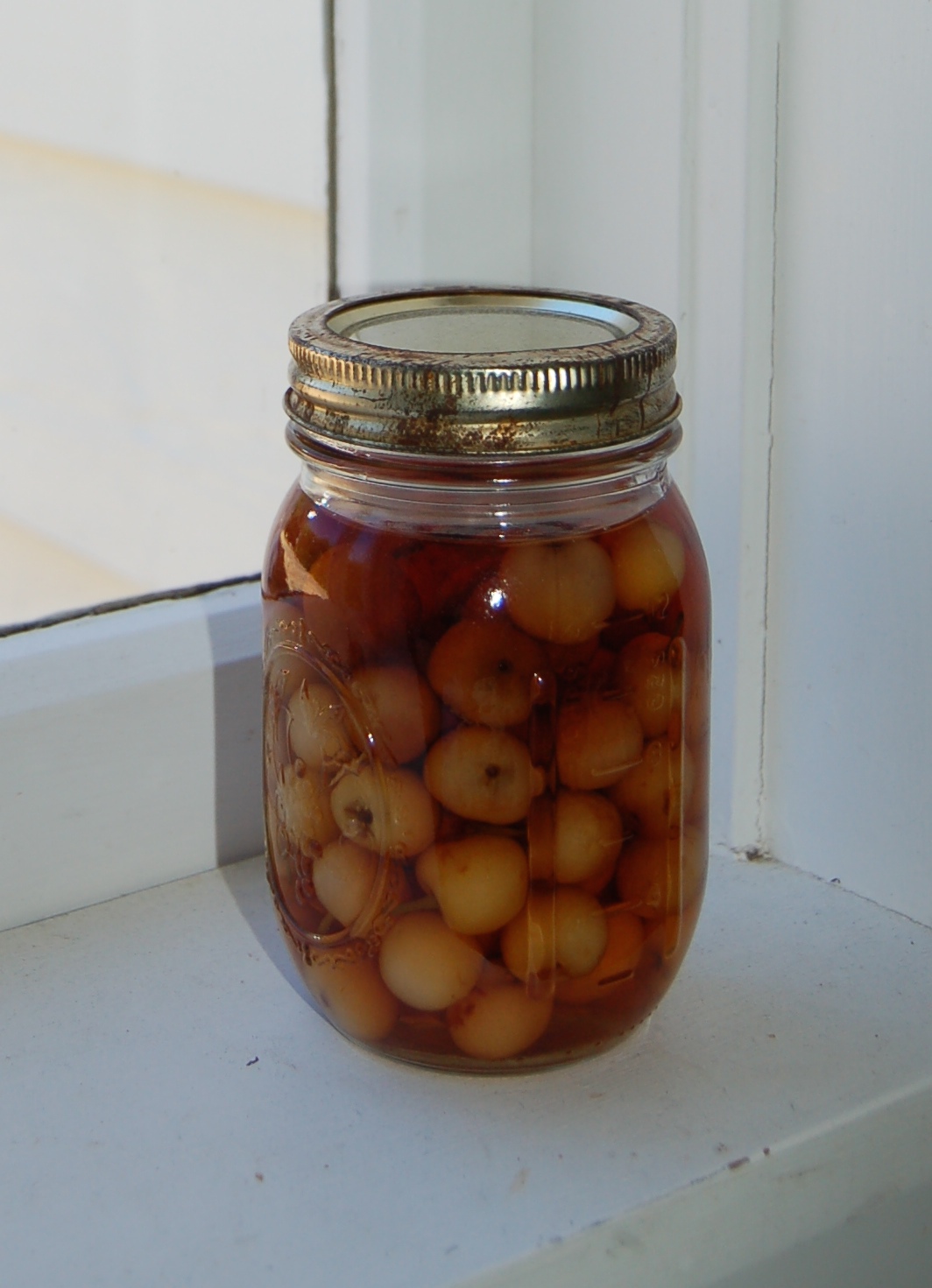
brandiedcherriesonwindowsillcropLong about now, the summer bounty is over, the winter crops aren’t yet producing, and we start eating the foods we preserved over summer.

Long about now, we remember the brandied cherries.

We don’t make many (we don’t eat many)—one pint jar full. On top of a scoop of vanilla ice cream, accompanying a chocolate brownie, or all on their own, they are a decadent treat. Like much of the summer bounty stored up, they feel like buried treasure when we remember them on a cold, rainy day.

Step Away From The Kitchen!

There's more to life than the kitchen!

There’s more to life than the kitchen!

“I don’t know what is more terrifying…that your blog makes you seem like this insane woman who spends all day in the kitchen, or that you really are an insane woman who spends all day in the kitchen.”

I just want to make it perfectly clear that I do not spend all day in the kitchen. I may be insane (indeed, I’m pretty sure I am), but not in that way.

For example, I spent all afternoon Saturday in the garden, and Sunday morning I cleaned the house and payed a social call to the dentist. I just finished editing a resource management plan for a client, and soon I will move on to the main task of each week day, writing and selling (well, trying to sell) my books (which have nothing to do with food, though sometimes characters do eat).

Have I spent an inordinate amount of time in the kitchen lately? Yes, at least on weekends. But it is harvest time, and extra work now means I can spend winter evenings sewing, or curled up with a book. I intend to enjoy every one of the frozen and canned meals I’ve been working so hard on lately, and I will take full advantage of the extra hours I gain later, spending them out of the kitchen.