Christmas Adventure

This year’s pre-Christmas tramp took us to the Lewis Pass area for four days of forests, mountains, and lots of water.

Day 1 was up the Nina Valley Track through beautiful beech forest. We bypassed Nina Hut, planning to camp below Devil’s Den Bivvy. Unfortunately, recent rain had rendered the area below Devil’s Den Biv into a swamp. There was no place to pitch a tent, so we carried on to the biv. Then we had to figure out how to bunk four people in a two-person hut. With three in the biv and one in a tent blocking access to the loo, we managed. It was … cosy.

Day 2, we left the biv in dense fog, hiking down to the Doubtful River on a track that has clearly seen no maintenance for a decade. At times it felt like bush bashing, and there was lots of windfall to clamber over, under and around. 

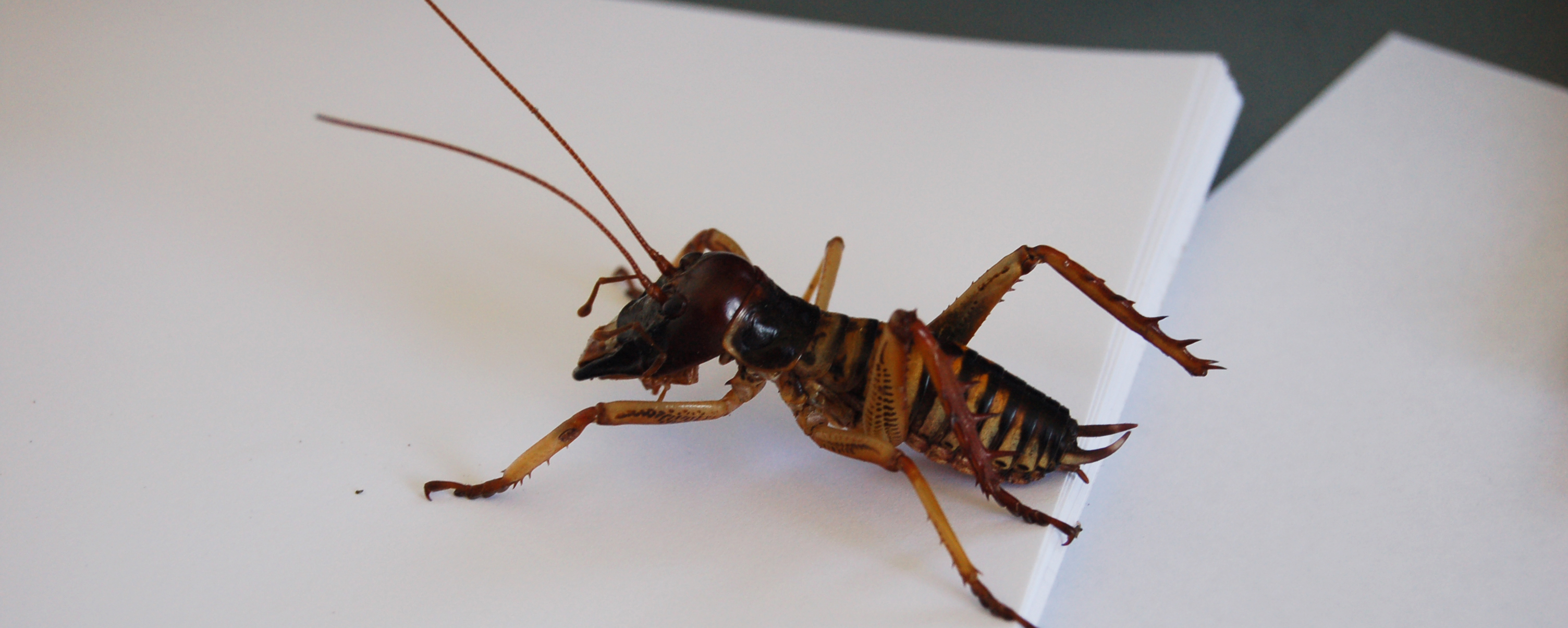
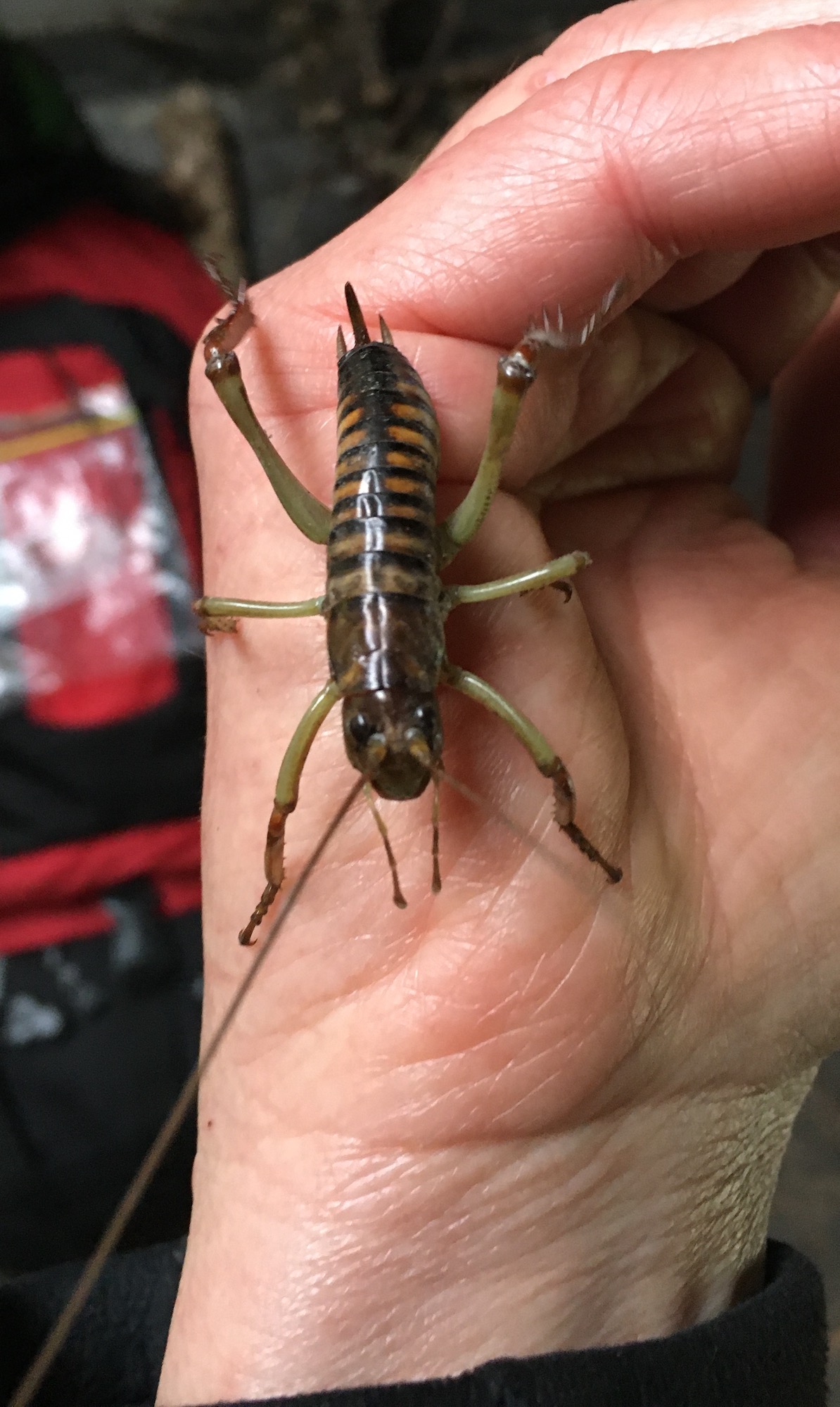
Once at the Doubtful River, a cruisy 40-minute hike took us up to the confluence with the Doubtless River, and shortly thereafter, to the Doubtless Hut, where we had a spacious six bunks to ourselves. Well, almost to ourselves. As we were packing up to leave, we found a beautiful young female Wellington tree wētā in the hut. 

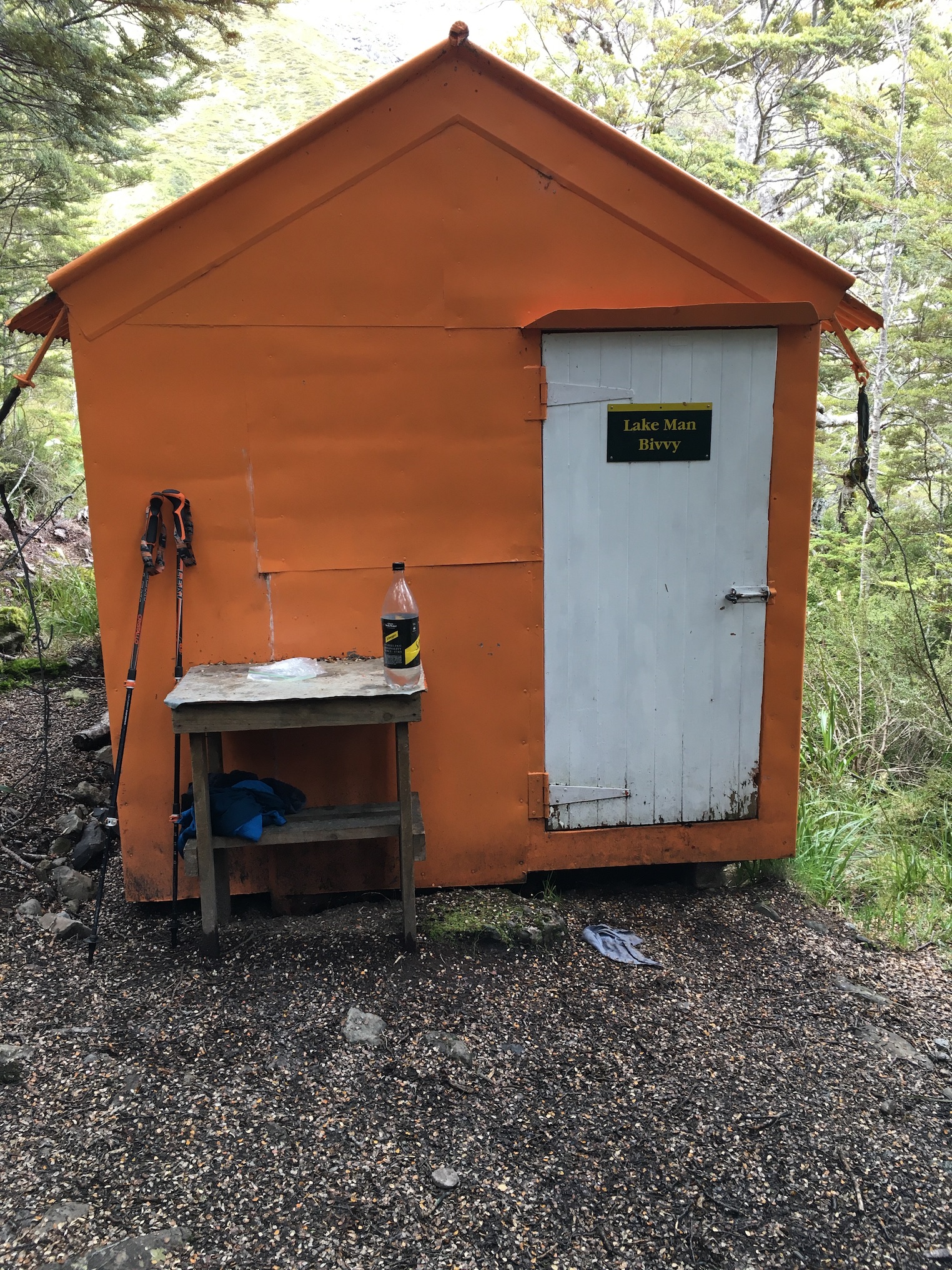
On day 3 we climbed up to Lake Man Biv—another 2-person hut, thankfully with a little more camping space nearby. Lake Man Biv is hobbit-sized. The door is about three-quarters height, and the bunks were so short, even 160-centimetre (5-foot, two-inch) me couldn’t stretch out on them. But in spite of its size, the biv is perfectly appointed, with a small table for cooking (complete with a drawer full of cooking and cleaning supplies) a set of tiny shelves, a fold-down bench, and an empty ammo box for additional seating and mouse-proof storage. Cords along the ceiling provide clothes drying space, and there are even clothes pegs fashioned from beech tree branches. The overall effect is a tidy, fully-functional space, in spite of its size.

After dropping our gear at Lake Man Biv, we hiked up to Lake Man, an alpine lake where we found our summer solstice snow and had a lovely lunch in the sun, surrounded by awesome alpine vegetation and some cool bugs.

After a cosy night in Lake Man Biv, we hiked out via the Doubtful River. The hike ended with a couple of crossings of the thigh-deep Boyle River and a long river-valley slog—easy hiking, but not terribly exciting.

The trip wasn’t our most strenuous ever, but after having spent the better part of the last six weeks sick, first with Covid, then with a nasty, lingering not-Covid, I was seriously out of shape and thankful for the relatively easy hike.
A Kiwi Halloween

October is nearly upon us. For me here in Aotearoa New Zealand, that means springtime planting, flowers, and lots of weeding! But for many of my readers, it means colourful autumn leaves, pumpkins, and the spooky season of Halloween. And for writers of fantasy, like me, it means story inspiration too (even if my witches aren’t always who you might expect …).

When I was a child in the United States, Halloween was one of my favourite holidays. Yes, the candy was a draw (I’ve always had a weakness for candy corn), but what I liked most was the chance to make a costume and then walk around after dark wearing it. 

Halloween imagery is all about darkness and things that go bump in the night. It’s meant to be scary, but I quite enjoy the night and all the creatures that inhabit it. 

As an interpretive naturalist in America, I led a lot of night hikes. ‘Spooky’ owls and bats are old friends I’ve had the privilege to not only observe in the wild, but teach with in classrooms and nature centres in a variety of places.

Spooky enough for Halloween?

And those nocturnal animals can be helpful. When I lived in Panama, there was a sizeable gap between the top of the walls of my mud house and the roof. At night, little bats would swoop into the house through the gap, zipping around snapping up mosquitoes. I used to lie awake at night waiting for their arrival before falling asleep, knowing they were keeping guard against the little blood suckers that wanted to disturb my rest.

New Zealand is blessed with a fabulous array of nocturnal animals. If Halloween had originated here, the icons of the season might be a bit different …

  • Kiwi—Imagine this beach-ball-sized bundle of fluff with a deadly beak spearing hapless hikers in the dark. Maybe there would be vampire kiwi.
  • Kakapō—What could be scarier than a nearly invisible nocturnal parrot with a booming voice that echoes through the night?
  • Wētā—Okay, lots of people already find these giant crickets spooky. And some of them bite. They’d be a perfect candidate for Halloween horror.
  • Owls … maybe not—The morepork and the little owl might need to up their game to be Halloween mascots. Their cute factor is pretty high, and their calls are far from scary. I’d even go so far to say that the morepork’s call is soothing.
  • Bats—Unfortunately, New Zealand’s bats are all endangered, so you’re not likely to encounter them frequently. However, they have some interesting habits that would play out well on the spooky scale. Short-tailed bats don’t hunt from the air like many other bats. Instead they scramble around on the forest floor, using their wings as legs. What’s that rustle in the undergrowth?
  • Moa—Yes, these giant birds are extinct and were probably only partly nocturnal, but maybe their ghosts or skeletons could haunt a New Zealand Halloween. Their diet was mostly plants, but I still wouldn’t want to meet up with a 3.5-metre-tall bird in the dark.

Of course, a Southern Hemisphere Halloween would have to fall in April or May, during the autumn here. We could all dress up as kiwi or moa and eat pavlova …

Welcome to the Light

We have now officially tipped over to the light half of the year. All green and growing things know it, as do the birds and the farmers and gardeners.

And for this first day in which the day is longer than the night, Canterbury’s weather has decided to celebrate—clear skies and warm sunshine with a hint of a cool breeze to remind us where we’ve come from.

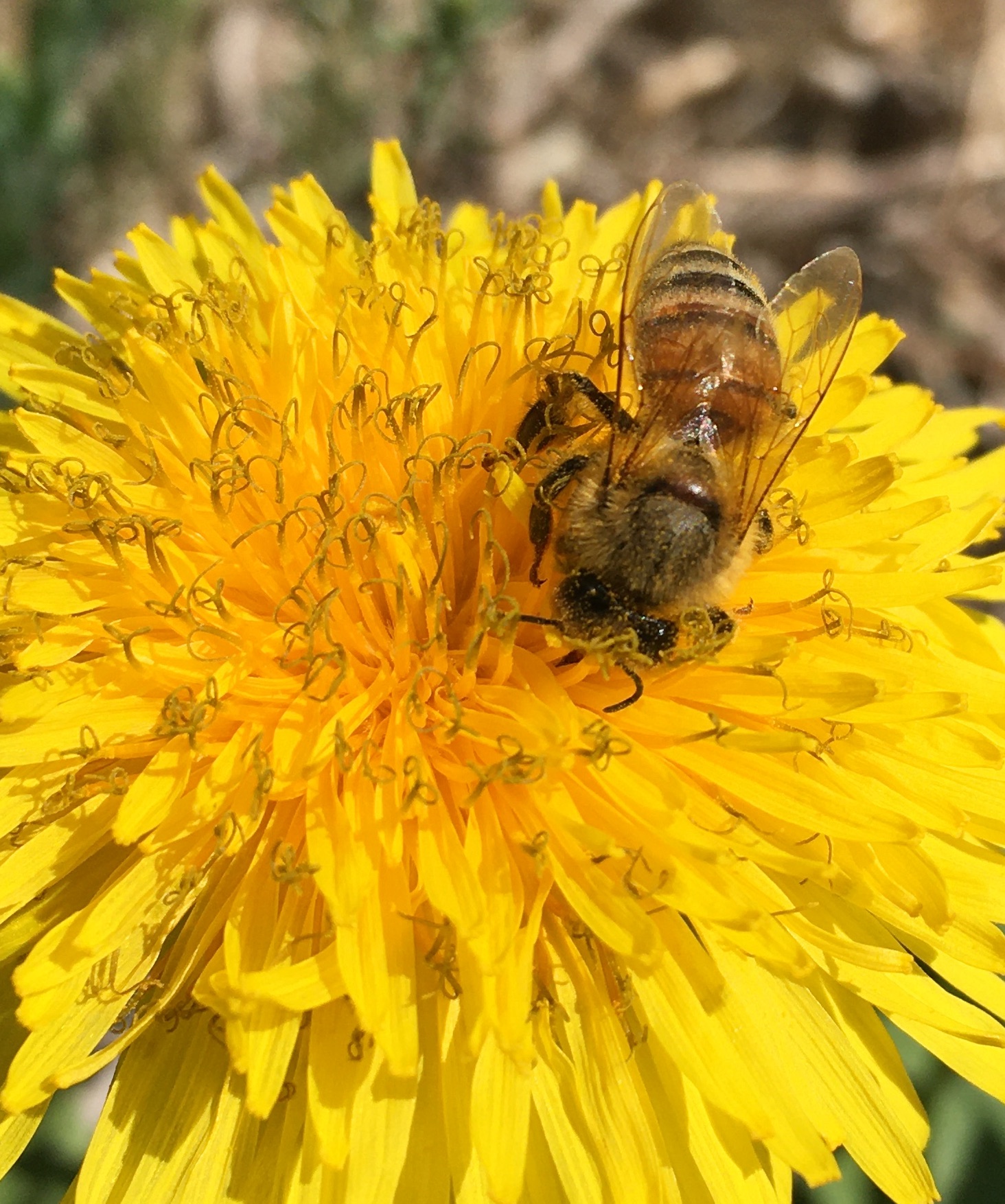
A bumble bee drones by as I sit on the porch eating lunch in the sunshine. A guttural croak overhead draws my eye to a white-faced heron gliding like a modern-day pterodactyl to its nest. A jumping spider lurches across the warm pavers at my feet, leaving behind a glittering silk thread that marks her passage. Flies swirl in jerky spirals, describing their micro-territories within a cloud of lekking insects.

Days like today remind me to slow down and feel the motion of the earth.

I pluck a fresh mint leaf and chew on it. The flavour brings back summer memories of Mrs Cassel’s mint tea, sipped from frosty glasses clinking with ice. 

A bellbird whistles from somewhere in the neighbourhood. Enjoying the nectar of someone’s flowering kōwhai, no doubt. I close my eyes and remember the sound of the dawn chorus in Westland National Park.

Days like today remind me that the most memorable things in life never involve the daily grind, but only happen when we step off the treadmill and into the world.

Sitting on the porch of a tramping hut while a weka tries to steal my socks.

Fording an icy river, turquoise from glacial runoff.

Watching jumping spiders’ strange semaphore dance on the windowsill.

Biting into the first tomato of summer, warm from the garden.

Following a starfish’s slow glide across the bottom of a tide pool.

Reaching the top of a mountain to find rank upon rank of peaks stretching out ahead, begging to be summited, drawing you on to new adventures.

So, welcome to the light. Step into the world and enjoy the sunshine.

From Snow to Go

Spring is a funny old season, and this one is no different. A little over a week ago, we woke to snow on the ground—our first snow of the winter (never mind it’s spring already).

Just a few days later, we were working outdoors in t-shirts. I even considered switching jeans for shorts at one point. 

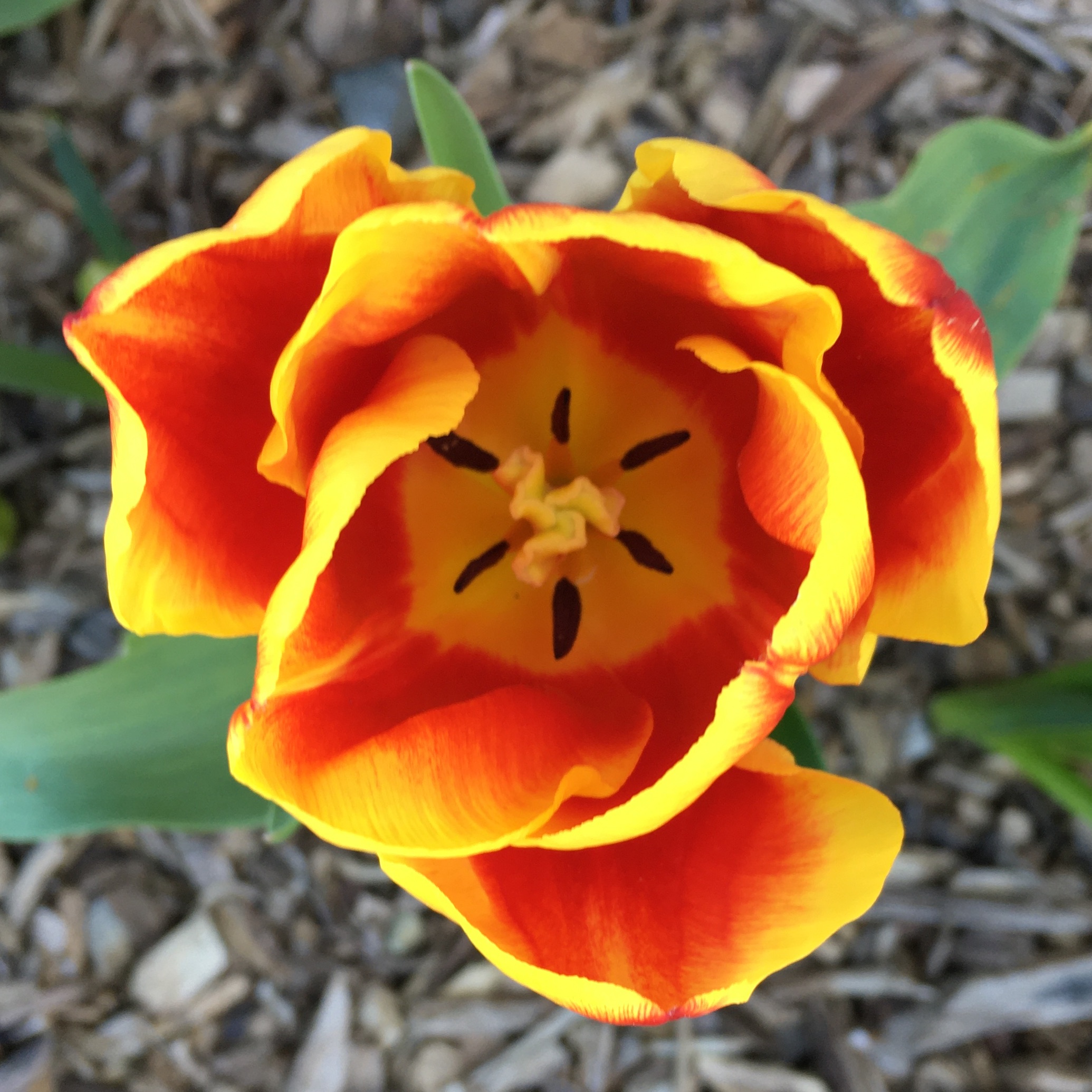
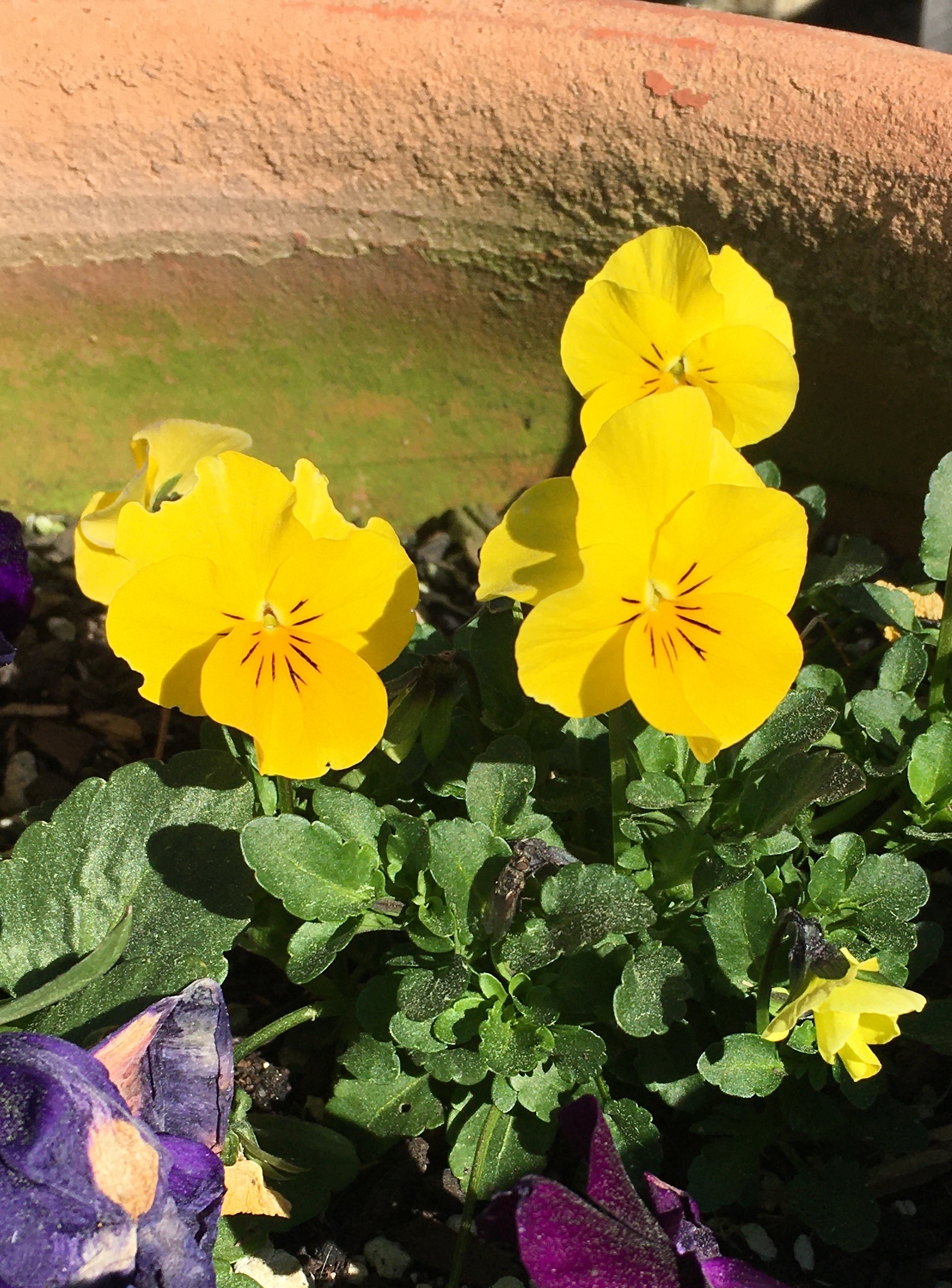
The fruit trees are dripping with blossoms, and yellow daffodils beg to be picked in profusion. The buds on the berry bushes are beginning to burst, and the weeds seem to be doubling in size daily.

But it pays to be vigilant. I’ve had to pull the tomato seedlings out of the cold frame and bring them indoors the past two nights, because it’s been well below freezing overnight. And while the possibility of snow diminishes with each passing day, it’s not inconceivable (I remember getting 10 cm of snow on the 18th of September years ago).

What is certain is that every day the sun rises higher in the sky and remains there longer. Winter and spring will continue to play tug-of-war, but eventually spring always wins.

So for another week or two, I’ll haul those tomato seedlings in at night, but there will come a day when they can stay out. 

Won’t be long now …

Five Spring Haiku

Today is the first day of spring, blown in by a warm and gusty nor’westerly wind, as if to say, “Take that, winter! Your time is over.” Here are five haiku inspired by the day.

Ngā koru

Swirls of yellow pollen
ripple in winter’s
vanishing puddles.

Te rā

Sunshine filters through
branches still winter-bare.
Wind rattles a welcome.

Kākāriki

Bright against dark soil,
leaves unfurl and
quest toward the sun.

Ngā puaka

Heads nod to the breeze—
frills of yellow, white, purple—
decked out in Sunday’s best.

Mahi māra

Cracked nails underlined
with dirt. Hands pressed to
the Earth’s heartbeat.

Rain, Rain, Go Away

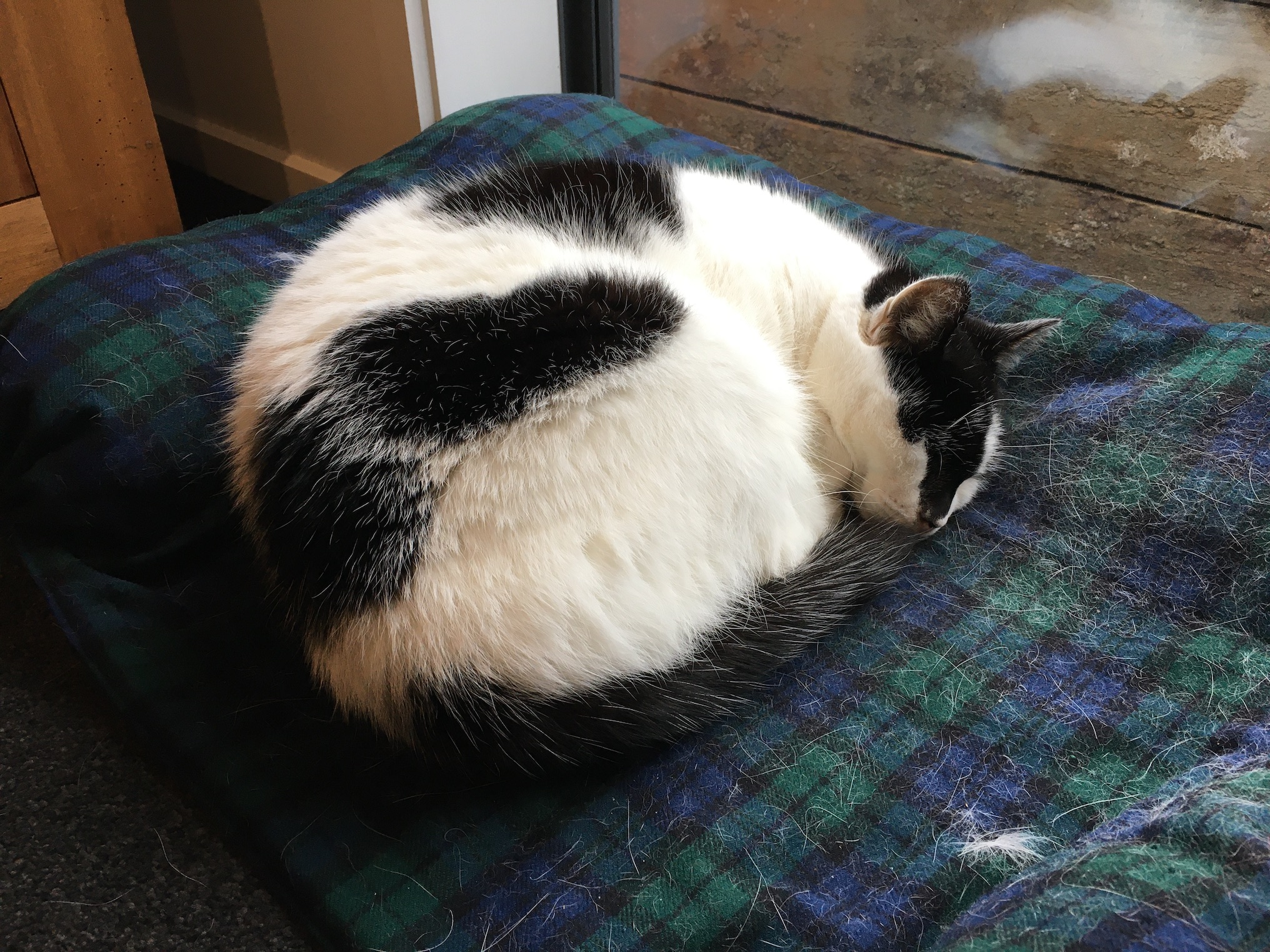
sleeping cat
The cat, coping as best as he can with the poor weather.

I sit at my desk yet another day, watching the rain fall in sheets outside the window. Another morning splashing through puddles in the dark to feed the chickens. Another week using the drier rather than the laundry line. It’s been a winter of rainy days.

I suppose I shouldn’t complain. Compared to other regions in New Zealand right now, Canterbury is dry. For the most part, our recent rain has come steadily in small doses, rather than in a deluge leading to flooding.

But the weekend’s to-do list includes beginning to prepare garden beds for planting, and at the moment, those beds are more suited to mud wrestling than cultivation. Far too wet to work without destroying the fragile soil structure I’ve been building up the past two years. 

There is no rain in the forecast for the weekend, but given how saturated the soil was even before today’s steady rain, I expect puddles to remain through the weekend.

I am already adjusting the to-do list, already stressing about how much will have to be accomplished next weekend in order to compensate for a lack of progress this week.

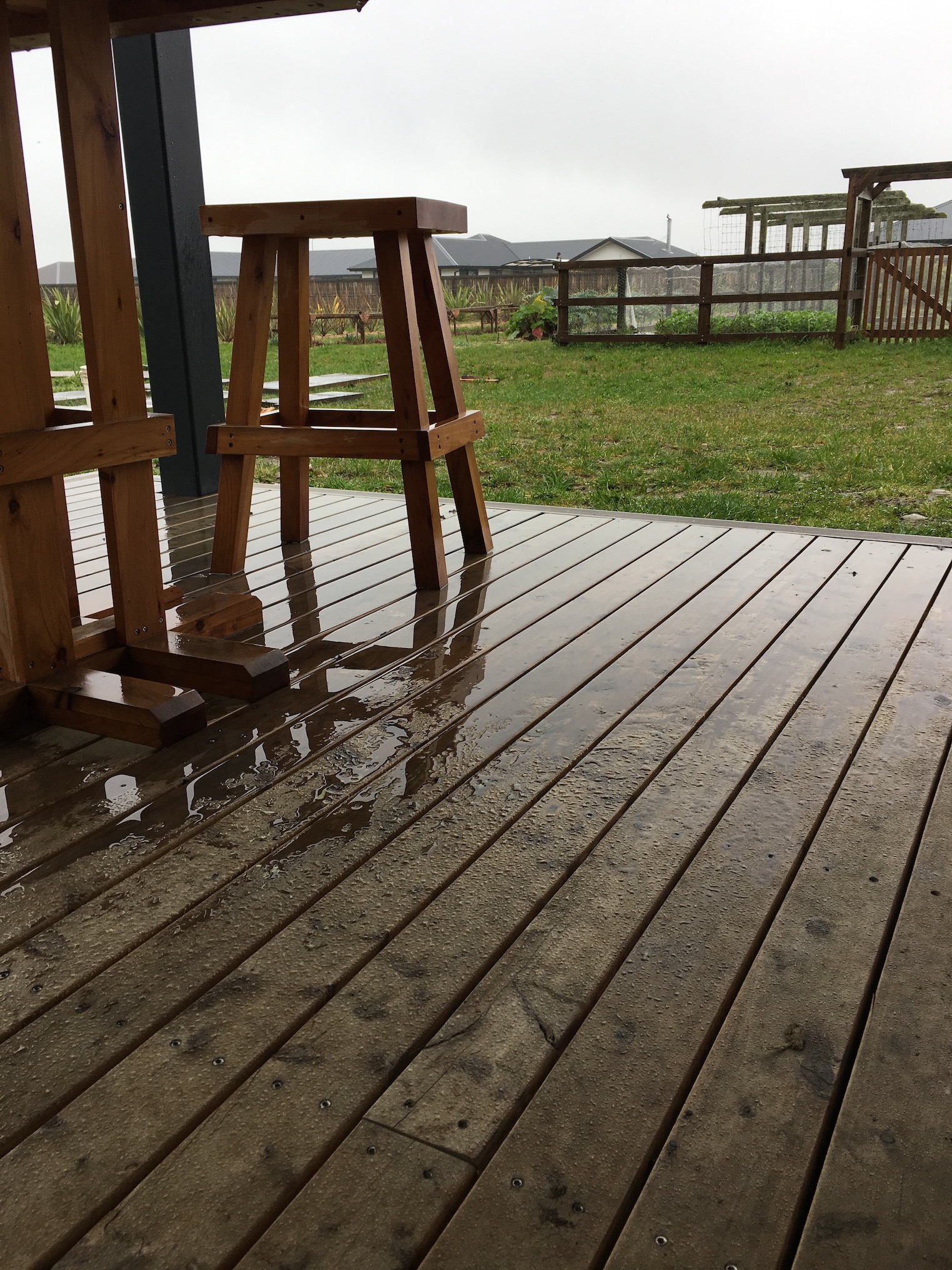
Even the porch is puddly.

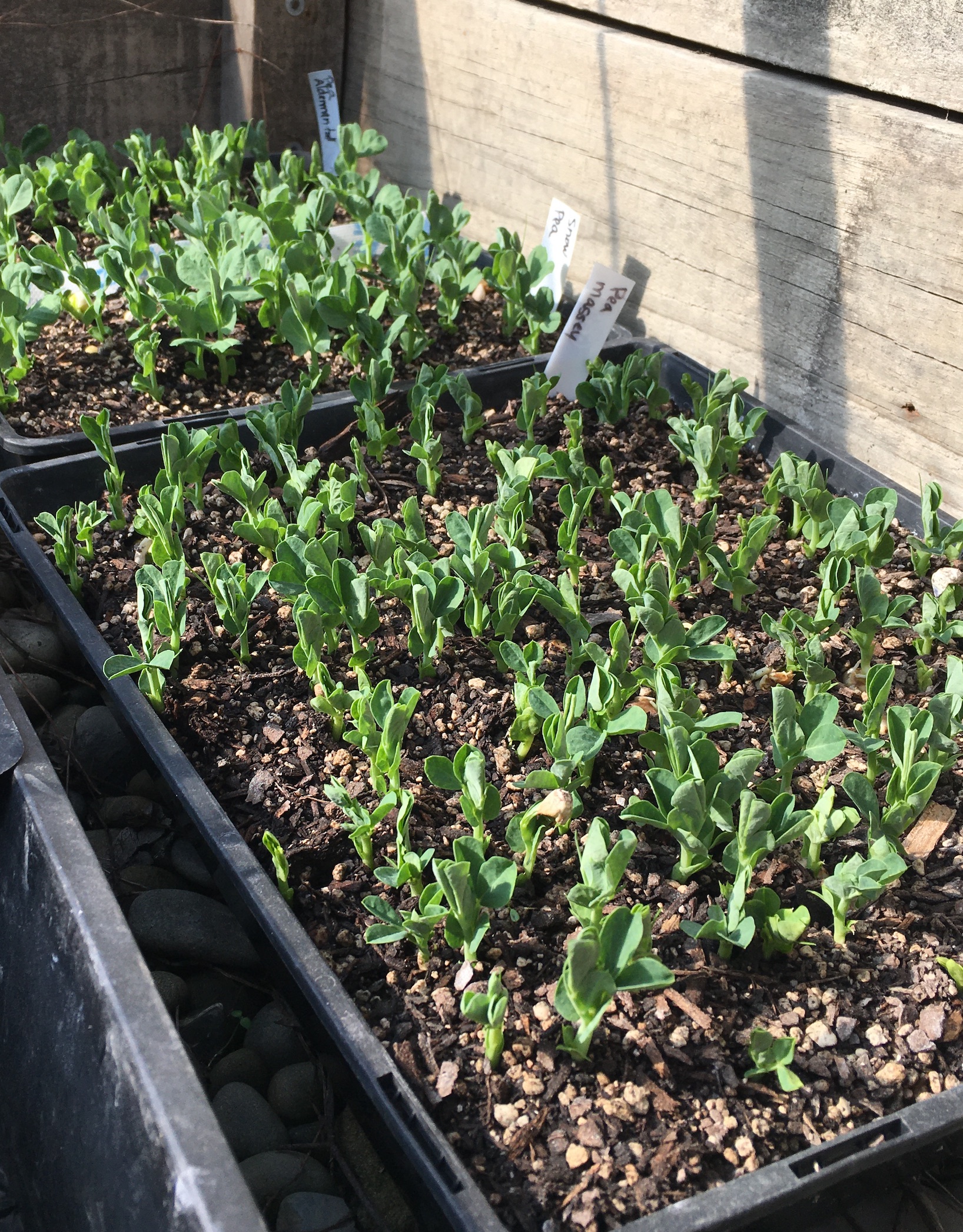
Because the clock is ticking. The seeds I planted two weeks ago have sprouted. In two weeks, the peas, lettuce, and spinach will be ready to plant out into the garden. If their beds aren’t ready at that time, I’ll have to pot them up in order to hold them. Extra work I’d rather not have to do. And I know my physical limits, too. Preparing twice as many beds next weekend is going to wreak havoc on my back. It’s doable, but there’s a good reason I plan all the garden prep to spread the work evenly. I’ve learned from the years when I had to literally crawl through the garden to do my planting because I could no longer stand due to the damage I’d done to my back.

But this year, the weather has scuppered my well-laid plans. I’ve adjusted the to-do list, and considered my options if the beds aren’t ready in time. Now there’s nothing left to do except to make another cup of tea while I watch the rain fall.

A Hobbit Adventure

As a writer of fantasy and adventure novels, it’s important to me to get out and have my own adventures. My adventures provide the inspiration and the gritty details for my characters’ escapades. I especially enjoy true wilderness adventures—the less sign of human impact, the better.

view from Mt Isobel
The view from atop snowy Mount Isobel

Of course, not every adventure can be a wilderness experience. Sometimes you want some fun with a little more luxury.

My husband and I recently spent a lovely weekend in Hanmer Springs. While the town is known for its hot pools, we’re not the hot pool type. What we appreciate about Hanmer Springs is the ability to step out the front door of your holiday home, climb a mountain, and end the hike at the pub a few blocks from the holiday home.

It’s hardly a wilderness experience, especially given that Hanmer Springs is surrounded by pine plantations, rather than native bush, but on a winter weekend during the rainiest month on record, it’s just right.

Our main hike for the weekend was up Mount Isobel. This wasn’t our first winter trip to the peak, but it was the first time we’d followed the ridge from the peak in order to descend via Jollies Pass. The last time we were on Mount Isobel, the wind was so fierce, there was only enough time to race to the top, snap a photo or two, and race back down before we froze. This time was entirely different.

It snowed the previous day, so we hiked through a winter wonderland. Light wind and full sun made it a stunning hike. The snow was an easily hikeable fifteen centimetres deep on the ridge—just enough to ensure our feet and lower legs were thoroughly soaked by the end.

There was nowhere dry to stop for lunch, so we ate in short snatches standing up. That was really the only downside to what was a delightful seven-hour hike.

And when your hike ends in Hanmer village, with beer and good food on offer, and a roaring fire at the holiday home to warm your toes, it’s hard to complain about anything. I think of it as a Hobbit adventure—a bit of fun without skipping second breakfast.

Planning Time

We’ve turned the corner on the seasons—the days are getting longer now, and we’re in the second half of the year. The seed catalogue will be arriving within the next couple of weeks, so now’s the time for garden planning.

As someone obsessed with organising, creating my garden plan each winter is a highlight of the year. It’s the time to take stock of the previous year’s successes and failures and to dream about next year’s abundance.

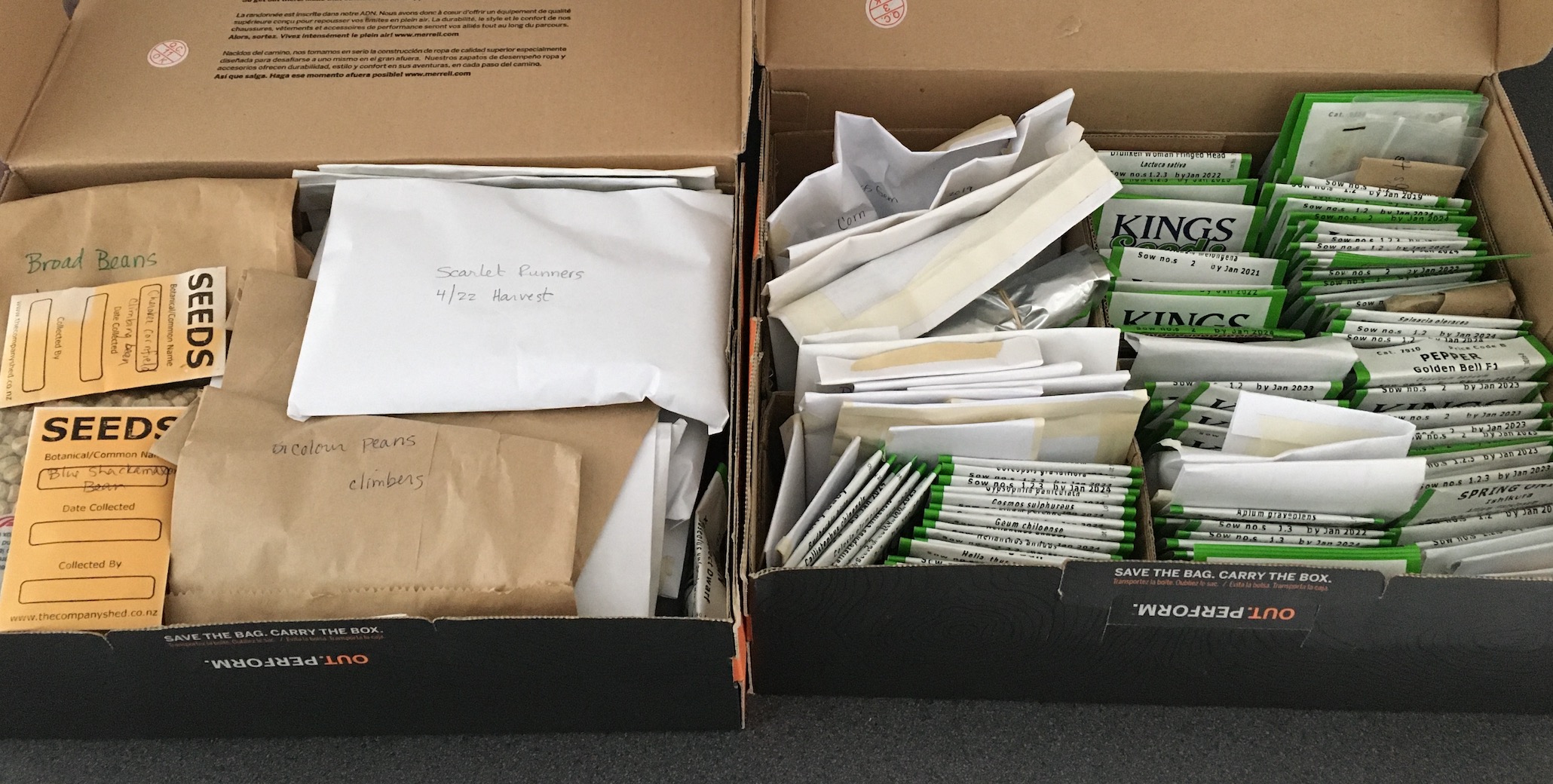
For me, planning starts with taking inventory of my seed stock. Two large shoe boxes barely manage to contain most of my seeds (the broad beans never fit). Small vegetable seeds are arranged alphabetically. Large-seeded peas and beans get their own shoe box, and are less well organised. 

My inventory is kept on a spreadsheet that I update annually, so I can see at a glance what I’ve got in stock. As I update the inventory, I cross-reference my garden notes, tossing out seeds that had low or no germination the year before. When I find seeds I know I need more of, I make a note on the spreadsheet. When the seed catalogue arrives, I can quickly determine what I need to buy. (Note that this doesn’t actually save me any time in getting my order in—I still page through the entire catalogue, because you never know what new things you’re going to absolutely NEED, based on a pretty photograph and a two-sentence description).

Once I’ve got my seed needs identified, it’s time to plan where all those plants are going to go in the vegetable garden.

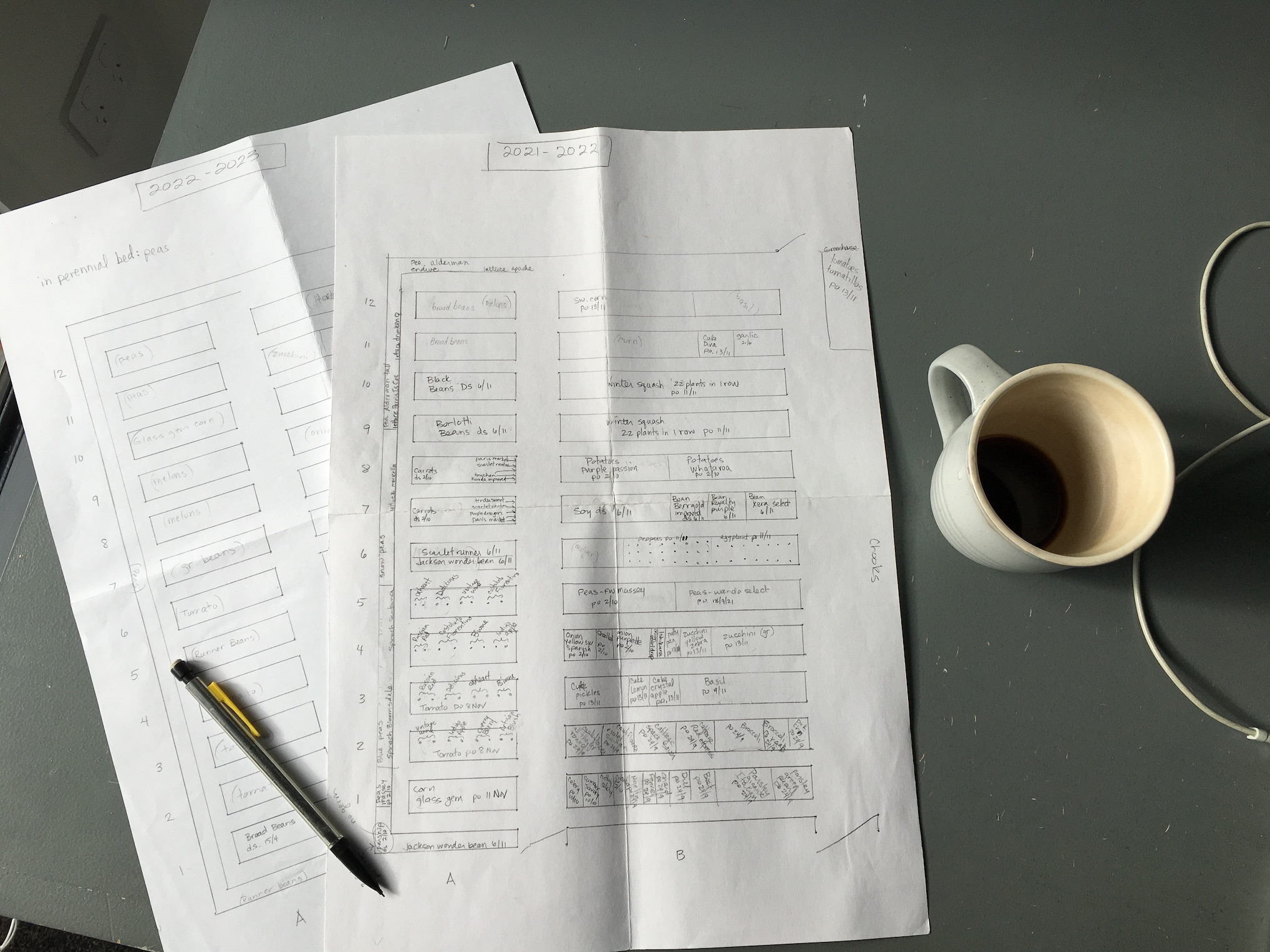
Every year I draw a map on a large sheet of paper. The map includes all the vegetable beds plus the greenhouse and any ‘overflow’ space I happen to have that year in perennial beds. I give each bed a grid reference—columns labeled with letters, rows with numbers—so I can refer to them easily when I start mapping out my weekly tasks later in the year.

With last year’s map as a reference, I tentatively write each crop into the beds I want to plant in, careful to rotate crops to avoid pathogen build up. As I plant each crop later on, I’ll mark a date on the map to tell me when it was planted.

By planning ahead, I avoid mistakes like planting sprawling winter squash next to low-growing herbs that will be overrun by the squash. I can also plan for large plants to sprawl into space vacated by early crops, or tall crops to shade cool-loving crops and extend their season.

Equally importantly, by planning in advance, I can control myself when it comes time to actually plant seeds—preventing problems like having to deal with 50 kg of zucchini every day in February. Planning goes a long way toward making each garden year a success.

Pro tip: Garden planning is best done on a really cold, nasty day, with a cup of coffee or glass of wine in hand. 🙂

Matariki Hike–Tiromoana Bush Walkway

Nature pulled out all the stops last weekend for Matariki. All three days of the long weekend were stunners, with temperatures more like mid-autumn than mid-winter.

On Saturday I worked in the garden in a t-shirt, and we had all the doors and windows open for most of the day. On Sunday, with both kids home for the holiday, we headed out for a hike.

Avoiding the snowy mountains and crowded ski fields, we headed to an unlikely spot—the Kate Valley Landfill.

Well, okay, not the landfill itself, but the restoration area next to it on Transwaste land.

Tiromoana Bush Walkway wends through a patchwork of restoration planting, old paddocks, plantation forestry and regenerating bush. An active predator trapping programme has clearly done its job, and the air teems with bellbirds and pīwakawaka.

Access to the beach cuts through a steep valley between limestone cliffs busy with welcome swallows. The beach is narrow and overshadowed by actively crumbling cliffs of limestone and clay—definitely not a place you want to be during a storm, but quite fascinating on the blue-sky day we enjoyed.

The hike was only about three hours long, leaving plenty of time to enjoy the beach, even on a short mid-winter day.

We had relatively low expectations of the hike when we started out, but it ended up being quite a pleasant mid-winter outing. Not very strenuous, but with enough ups and downs to be interesting, and with some intriguing landforms along the coast.

Come to the Dark Side … we have cookies

With our switch back to standard time last weekend, we’ve most definitely entered the darker half of the year. My husband and I took our first evening walk in full dark yesterday, and we can expect months more of the same.

fig and date cookies

Part of me mourns the loss of hot sun and long days. I certainly feel the dwindling abundance of the summer garden as plants die off. But I also enjoy the darkness.

Summer is bright, noisy and frenetic. Everything is in motion. I’m in motion. Long days mean more tasks on the to-do list—an expectation to ‘make hay while the sun shines’. Summer gardening can start as early as 6 am and continue past 9 pm. It feels wrong to lay about in bed when the sun pops up at 5 am, and who wants to go to bed at 10pm, before it’s even dark?

The bonus of all that work is abundant fruits and vegetables, weed-free gardens, clean gutters, tidy lawns …

But it gets exhausting after a while.

About the time we go off Daylight Savings Time, my body has had enough. That extra hour we gain isn’t enough to make up for the post-summer exhaustion, and I find myself going to bed by 9 pm, happy that it’s dark long before then.

In addition to the extra sleep, I appreciate the calm of night. A walk in the dark is an entirely different experience than a walk during daylight hours. The chatter of sparrows and starlings is absent. Magpies are silent. Neighbourhood dogs are indoors instead of barking at passersby. Quieter sounds come to the fore—the zit-zit of katydids, or the trill of a frog. A lone sheep maa-ing in a distant paddock. The gurgle of the local water race. There is peace in the darkness that is difficult to find during the day.

In the morning, I feed the chickens in the dark. They are groggy and slow—instead of racing toward me as soon as I enter the paddock, they wander my way, muttering their greetings. 

Although there are too many streetlights near our new house that obscure the fainter stars, I still take time every morning to greet the night sky—moon, planets and constellations.

I am comfortable in the dark—it is a soft velvet cloak wrapped around my shoulders.

And when I choose to come inside in the dark of longer nights, there is the warmth of the light. The smell of cooking. The rows of pumpkins stashed on top of the cupboards. Summer’s bounty stored up for winter.

During the dark half of the year, I have extra time to spend on baking—I can make fiddly cookies, cakes with cooked frostings, fancy decorated cupcakes. I have more time for sewing, spinning, and other crafts. I can sit and read a book without feeling guilty about wasting daylight.

So while there is some sadness to the end of summer, there is also joy in the darkness. And there’s the knowledge that summer will return and I will miss the books and baking of the dark side.