Competition Ploughing

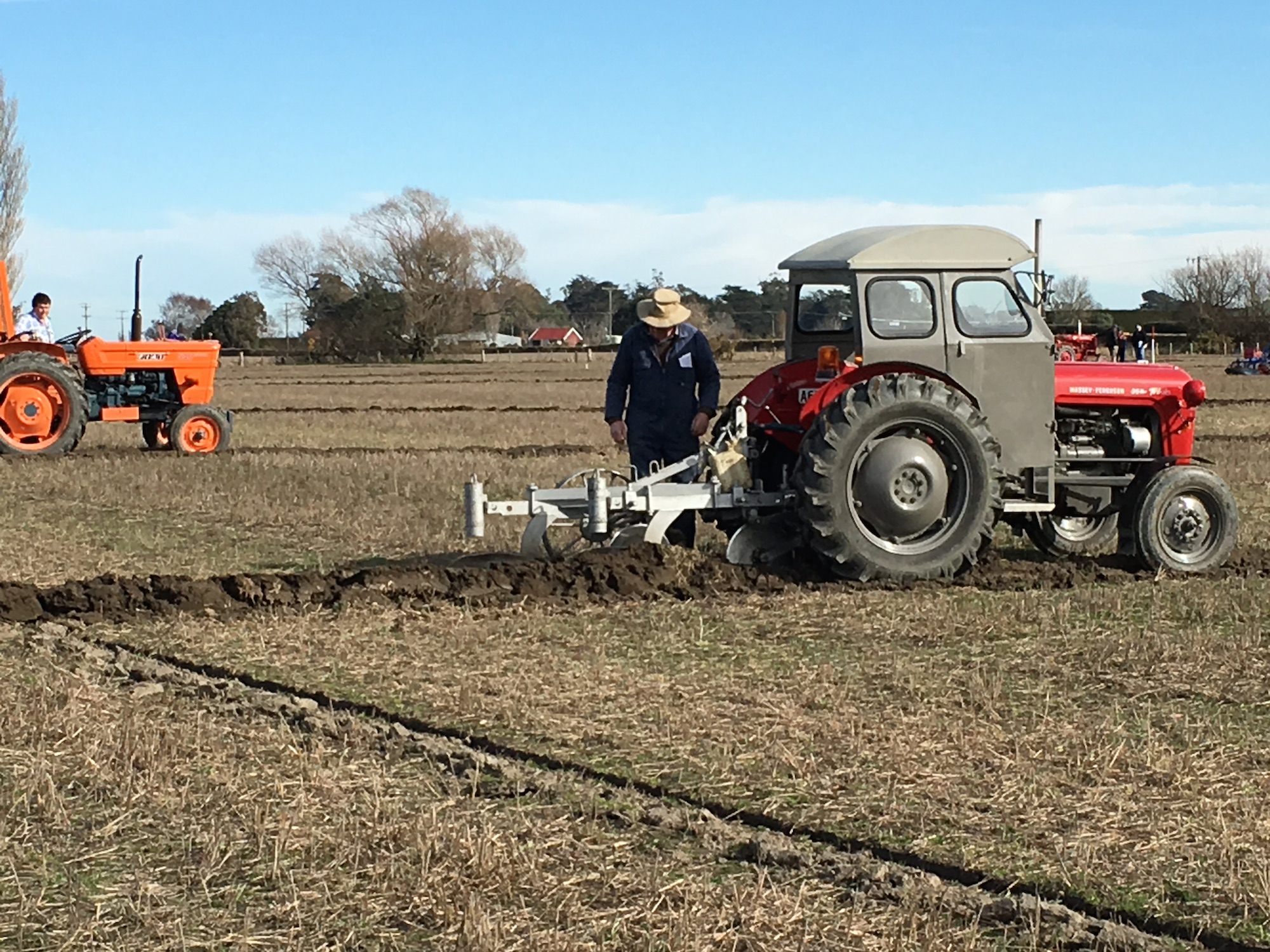
2016-08-20 11.18.35 smThis past weekend was the annual Ellesmere Vintage Club’s Ploughing Match. Our neighbour hosts the event, so we walked down there on Saturday morning to watch the action.

It was slow-motion action. No big thrills or adrenalin. Just the rumble of diesel engines and the smell of freshly turned soil. It was clear the point was a perfectly-turned patch of ground, not speed. There was a lot of starting and stopping, and adjusting of freshly-painted ploughs.
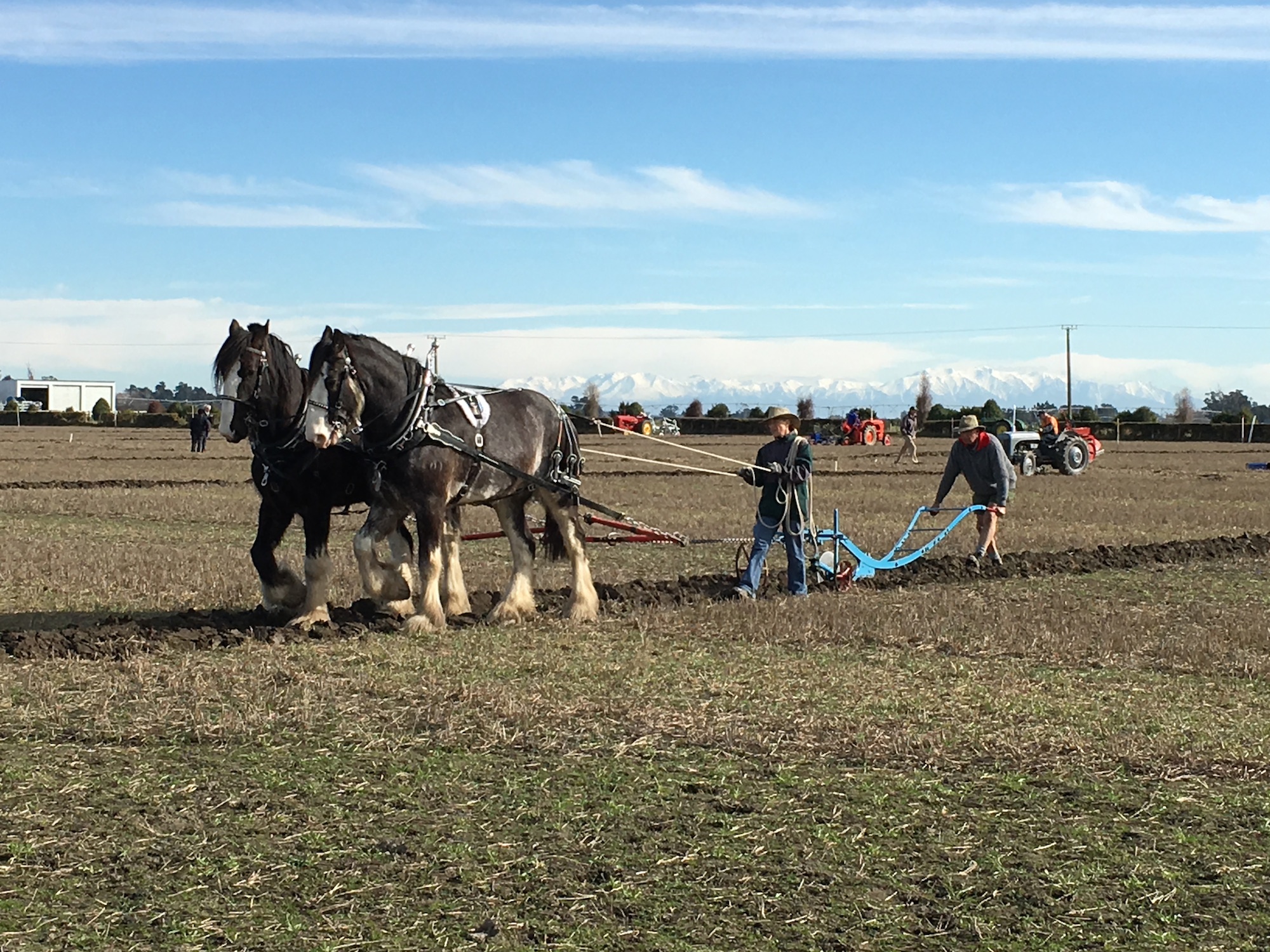
2016-08-20 11.22.21 smA pair of horses joined the 1940s and ’50s era tractors. Watching them work, it’s clear why tractors have taken over on the farm—there was significantly more fiddling to be done by the horse team in order to perfect their rows.

The demographics of the crowd were predictable. Before we arrived, I commented to my daughter that we might be the only women there. Her response was that she would likely be the youngest person there…by about 70 years.

2016-08-20 11.32.18 cropWhile the majority of competitors were as vintage as their tractors, there were a few younger ones. Two or three other children were there, too, though they were sitting in a car playing on an iPad. And there was a small contingent of women. A few wives watched from the sidelines, and a woman drove the horse team.

It was a true small-town event—25 competitors, and perhaps 40 people in total at the event when we were there. Participants were shuttled to the local hall for lunch on two long benches, set back-to-back atop a flatbed trailer.
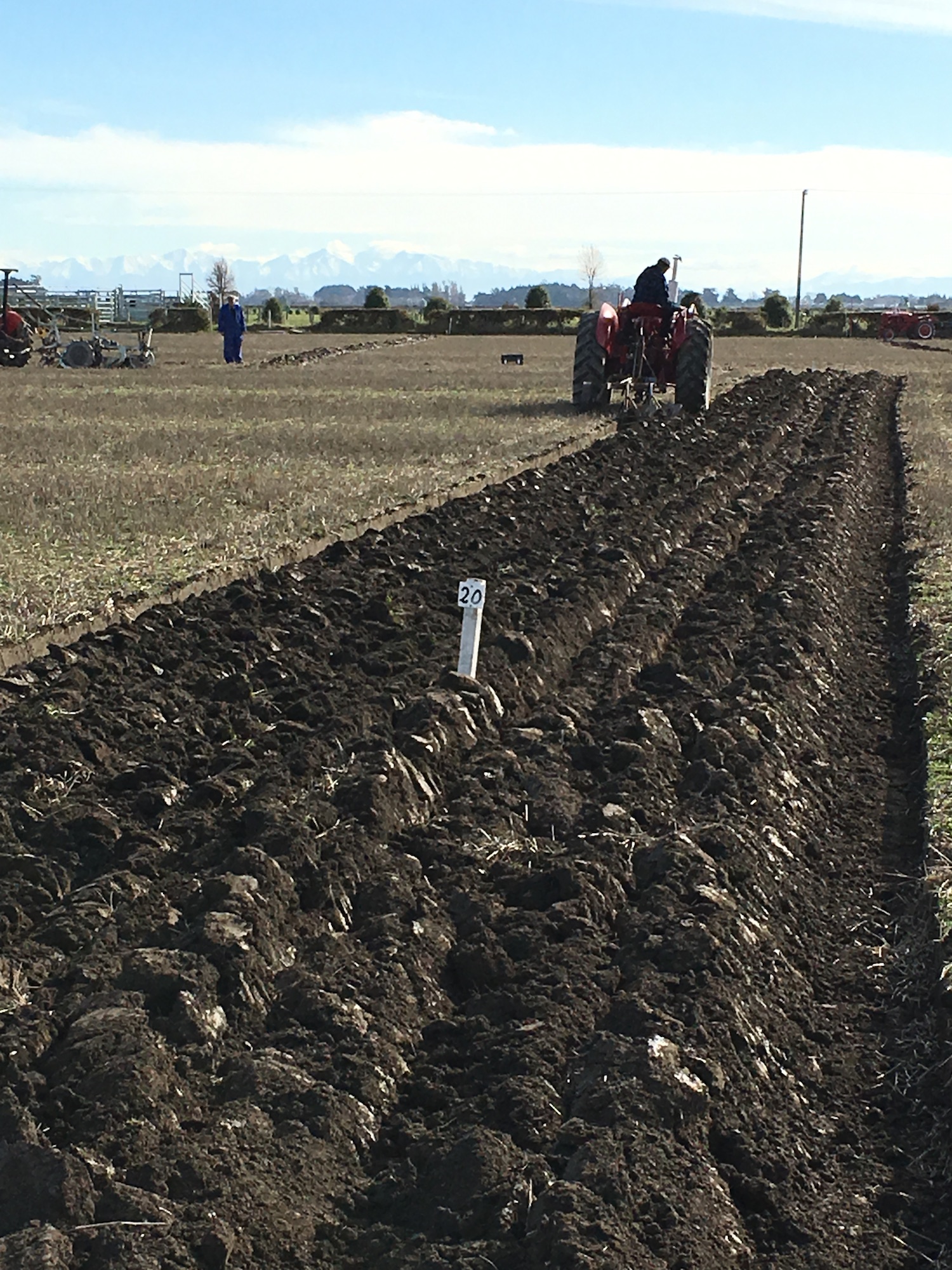
2016-08-20 11.33.12 smLater, as the event broke up and tractors motored past the house, we laughed—it was hard to tell which vehicles were en route from the competition, and which ones were simply on their way from paddock to paddock. Many of these vintage tractors still get regular use on the farm.

Of course, I have to wonder what will happen as the vintage tractor enthusiasts and their machines age further. Will younger farmers grow nostalgic about tractors from the 60s and 70s as they age? If not, we’ll see a lot fewer than 25 contestants at vintage ploughing matches in future years.
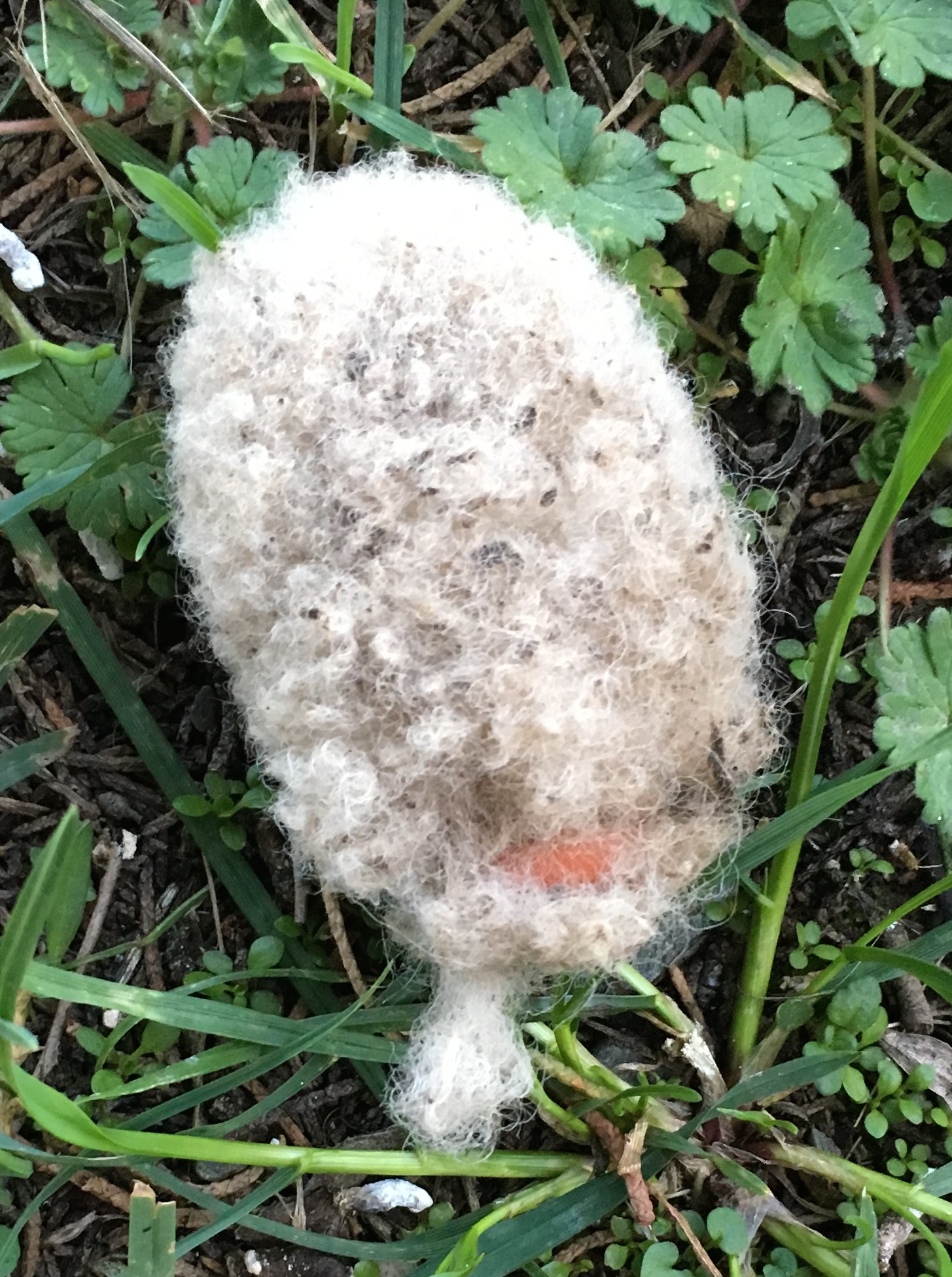
Well, you don’t see that every day…

2016-08-19 17.44.37I couldn’t possibly post a story for Saturday Stories today—there were just too many interesting things to blog about…

The neighbours are always busy moving sheep around at this time of year—there’s shearing, lambing, tailing…sheep being shifted from paddock to paddock for all sorts of reasons. Nearly every day a mob or two pass the front gate.

Even if I don’t see them pass, I can always tell when sheep have been by, because the road is sprinkled with sheep pellets afterwards.

But yesterday, a sheep left a bit more than poo at our gate.

You know you live in rural New Zealand when…

Special prize to you if you know what this is. I’ll give you the answer tomorrow.


List It

See no evil--list it instead.

See no evil–list it instead.

It’s about this time of year when I look around and see how shabby the garden looks. Through the depths of winter, I didn’t notice. I wasn’t outside enough. The days were short. I didn’t want to work outdoors.

But even if the lengthening days and singing magpies weren’t enough to tell me, the calendar is screaming that it’s just two weeks to spring.

So I’m paying more attention to the yard and garden. I’m taking a second glance at what I thought was my herbs beginning to resprout…and finding that the green I saw was actually a giant, aggressively spreading vetch. I’m walking through the vegetable garden to assess what needs to be done…and finding that though the chickens did a lovely job on some weeds, they didn’t touch the most difficult ones. I’m checking the bird netting over the strawberries, and finding hole after hole that needs repairing. I’m inspecting irrigation pipes, and finding ice-cracked valves. I’m walking the rows of currants and raspberries, and finding enough thistles to make me want to cry.

In short, I’m finding so many things to do, I begin to think I can’t possibly do them all.

And so, to maintain my sanity, I make lists.

A list of things to do this weekend.

A list of things to do in the evenings during the week.

A list of things to purchase in town.

A list of things to do next weekend.

A list of things to do the weekend after that.

A list of things that need to go on a list…

By mid-September, I’ll have every weekend through late-November planned in detail—exactly what needs to be done in order to have everything under control and planted out at the right time.

It sounds crazy, but it keeps me sane. Once a task is on a list, I can ignore it. I can walk past that aggressive vetch plant every day, knowing that if I just keep to my lists, I will eventually get to it. I can be completely blind to the holes in the bird netting, because I know that fixing it is on the list the week before the strawberries should start to ripen.

Without my lists, I’d be overwhelmed by the mountain of tasks to get done between now and December.

But the lists aren’t just good for making me get my work done. They also help me get my play in, too. Fun stuff goes on the lists, too. A weekend tramping trip, a day at the beach—I can schedule these things in alongside my work, and then actually enjoy them, because I know I’ve got time to do them. It says so, right on my lists.


Cricket Flour

IMG_1784I was running errands in town today, and called in to Bin Inn for some flour and cornmeal.

I was excited to find this sitting on the shelf next to the rice flour and barley flour. It was the first time I’ve seen commercial insect products that admit to being insect products sold in an ordinary store (there are plenty of things you’ve probably bought that contain insect products, but manufacturers generally don’t advertise that).

It’s nice to see insects showing up on the grocery store shelves. I am a proponent of entomophagy, even though I am a vegetarian. If you’re going to eat meat, insects are probably the most environmentally sound way to go.

Being cold-blooded, insects convert feed into body mass much more efficiently than our warm-blooded livestock. You can raise a kilo of crickets on just 1.7 kilos of feed. Compare that to chicken at 2.5 kg of feed per kilo of chicken, or cows at 10 kg of feed per kilo of cow. Adjust these numbers for percentage of the animal that’s edible, and they favour insects even more—80 percent of a cricket is edible, whereas only 55 percent of a chicken and 40 percent of a cow is.

It still takes resources to produce insects. Though they convert feed into food more efficiently, insects need to be kept warm—warmer than you need to keep a cow, because they can’t keep their own bodies warm. There is an energy cost in that.

Of course the biggest problem with farming insects is getting people in Western countries to eat them. Most of the world’s people actually do eat insects, but our modern Western culture had separated us so much from our food, that we even get squeamish when we can identify the animal that our cuts of meat came from.

Consumers generally don’t want to actually see the animal when they’re preparing dinner. I’m sure cricket flour goes over better than, say pickled whole crickets (sort of like sliced ham vs. pickled pigs feet).

It will take a change in our attitude toward insects before Westerners will agree to bar nuts that include roast, salted crickets (which are delicious, by the way). When preschoolers learn that a cricket says “chirp, chirp” along with the cow says “moo”, we’ll be on our way. When we begin to view insects, not as enemies to be beaten, but as fellow organisms on Earth, we’ll be on our way. When we stop seeing insects as dirty, but rather recognise that they carry fewer potential human pathogens than our close relatives the cow and pig, we’ll be on our way.

As a vegetarian and a gardener, I value the insects that come into the kitchen on my vegetables. I don’t get enough vitamin B12, because it is only found in animal products. Insects are full of vitamin B12. So, I’m casual about cleaning the insects off our organically grown vegetables. We eat a lot of aphids, and quite a few caterpillars, I’m sure. And that’s great—it gives us all the nutrition we need, without any extra effort on our part (less, in fact).

Indeed, though I support insect farming, I’m afraid I will probably never buy any insect products–there are so many wonderful insects out there free for the taking, I couldn’t see spending $120 per kilo (and that’s half off!) for cricket flour.

Besides, I prefer my crickets whole—the best part about them is the crunch, after all.

Literary Fog

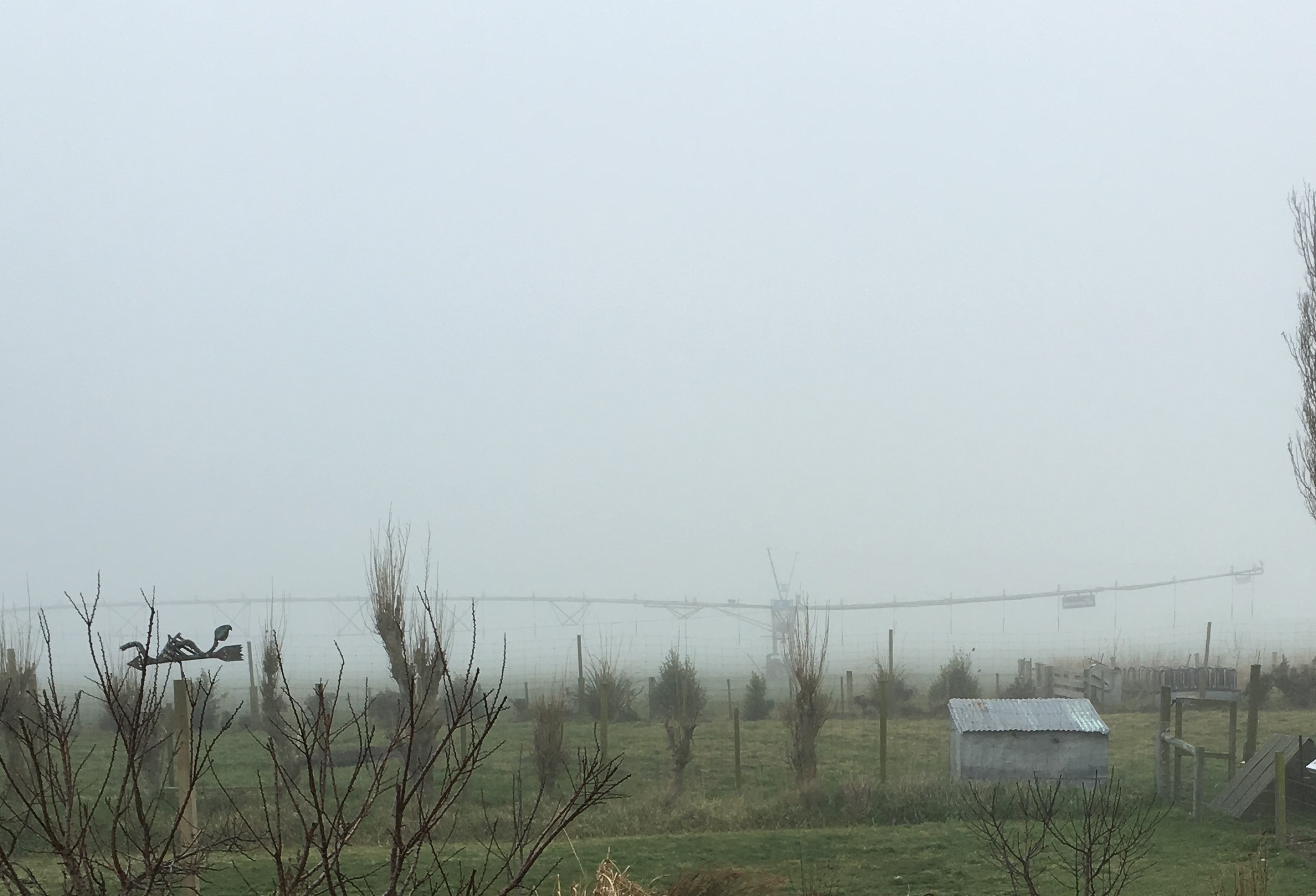
The view extended no farther than the neighbour's irrigator.

The view extended no farther than the neighbour’s irrigator.

“The fog came pouring in at every chink and keyhole, and was so dense without, that although the court was of the narrowest, the houses opposite were mere phantoms. To see the dingy cloud come drooping down, obscuring everything, one might have thought that Nature lived hard by, and was brewing on a large scale.”
–Charles Dickens, A Christmas Carol

This is one of my favourite quotes about fog. It’s actually quite a bit longer than this (Dickens certainly couldn’t dispense with such an atmosphere in just two sentences.)—I’ve just transcribed the second half of it here.

Today put me in mind of this quote. We were in the grip of a chilly sea fog most of the day. Heavy, wet and cold. I’m sure that a mere kilometre away, it was a warm and sunny day—that was the forecast, at least. But this close to the sea, our weather sometimes defies the land-based predictions.

I worked in hat and fingerless gloves most of the day, even indoors. When I went outdoors to care for the animals or get the mail, the trees dripped sullenly, and I came back in with my hair frosted with water droplets.

For about an hour—between 11 am and noon—the fog retreated. The sun shone warm on paddocks sparkling with water. I threw open the windows and took off my hat and gloves.

But soon the dull grey blanket came rolling back. I saw it coming, while the sun still shone, and closed the windows. And then we were plunged into the chill darkness again.

I would have liked the sun today—my laundry, hung on the line in the morning, ended up being thrown into the dryer in the afternoon, wetter than it had started. But there is something so delicious and…Dickens…about fog, that I can’t resist spending time out in it. There is mystery in fog. There is introspection and contemplation. Who knows, but the Hound of the Baskervilles could be out in that fog. Fog is literary. Fog is visceral, tangible like a sunny day can never be.

I do hope we see the sun tomorrow, but if it is fog, well, I’ll sharpen my pencil and keep an eye out for strange door knockers and large black dogs.

My life in gumboots

2016-08-16 12.32.47My daughter and I wear the same size gumboot, but there’s never any problem telling them apart.

That’s because gumboots tell the story of their wearer’s activities.

Mine tell many tales.

A smear of paint—Sicily White—tells of a hot summer day scraping and painting the house. A job that had to be called off, because the paint was drying so fast, I couldn’t spread it.

Another glob—brick red—tells of another summer day fixing and painting the roof, balancing paint bucket and feet on the peak, and looking out over the hedges to the lake and sea beyond.

Lavender speckles recount an afternoon drenching goats, when a syringe of purple medicine burst open and splattered everywhere.

Bits of hay relate frosty mornings feeding the animals in the dark, by moonlight and starlight.

Smears of mud describe weeding and planting in the vegetable garden.

Clumps of goat poo tell of afternoons in the paddock, hand-feeding grain to eager goats who push and shove to get more than the others.

The tales are fleeting—even the most enduring splatters fade in time, replaced by the next instalment of my life in gumboots.

Waiting

2016-01-25 20.44.42 smFor the week before our trip to the U.S. I got almost nothing done. I was mentally occupied, with the trip—waiting for it to begin.

When we returned, we were just a week and a half from my husband leaving for a trip, and I got little done that week, either—waiting for him to leave.

While he was gone, I did almost no writing. I was distracted, I was working in odd places at odd times around the extra tasks that fell to me while he was gone. I was waiting for him to return.

Now he’s back, and I feel stuck in the habit of waiting.

I fear I’m stuck in the Waiting Place, as Dr. Seuss so eloquently described it:

“…for people just waiting.
Waiting for a train to go
or a bus to come, or a plane to go
or the mail to come, or the rain to go
or the phone to ring, or the snow to snow
or waiting around for a Yes or No
or waiting for their hair to grow.
Everyone is just waiting.”

Yep, I’m stuck in the waiting place.

It can be a hard place to get out of, but I learned many years ago that waiting rarely brings what you want.

It was in Peace Corps in Panama. My husband and I had been out with our local Corregidor (mayor), Fermín, and were returning to our village by bus. As we waited for the bus, it started to pour. We waited for hours, and when the bus finally came past, it didn’t even stop—it was too full already. The next bus might be hours, or might not come at all, so we decided to just walk, in spite of the rain. Fifteen minutes later, when we were thoroughly soaked, we heard another bus coming up behind us. Fermín smiled and said, “If you don’t walk, the bus won’t come.”

I took that as an important life lesson.

And now, I need to step out into the rain and stop waiting.

It’s All About Perspective

IMG_5709 sm
We headed to the mountains this morning in the hopes of snow. We were disappointed in that—there was no sledding to be had, but we did have a lovely walk at Kura Tawhiti/Castle Hill instead.

Kura Tawhiti, with its fabulous limestone formations and huge boulders, is one of our favourite quick day trips and a regular stop-off on our way to other places. For all our visits, though, we have never actually gone to the top of Castle Hill. So today, that was our destination (with many boulder-scaling detours along the way, of course).

The best part of the top of Castle Hill was the massive boulder jutting up from near the summit (I really think they should have put the trig marker on top of that rock—it really is the summit, more so than the ground below). Though I didn’t measure it, I’d guess the rock adds a good seven metres to the height of the hill. It dwarfed us all as we stood in its shadow.

It was a lovely walk to the top, though we were disappointed that we couldn’t actually make it to the top of that big rock. After a few minutes on top, we made our way down the other side of the hill.

Later, looking back toward the summit from a neighbouring ridge, that massive boulder looked tiny.

“The lesson,” my husband said, “Is that until you reach them, all your problems will seem insignificant. It’s only when they’re upon you that you’ll realise how utterly insurmountable they are.”

It wasn’t exactly the lesson I took (I was thinking that big problems, safely in the past, look small), but it’s a valid point. Sometimes we take on challenges or make decisions we know will lead to challenges in the future. At the time, those challenges might look manageable, but when we finally face them down, they could be huge.

Thankfully, we rarely have to face life’s problems alone unless we choose to do so. In fact, many of the big challenges that matter a great deal to us—raising kids, dealing with illness, facing loss—are really only manageable when shared. Sometimes, the hardest part is asking for help.

And then, once you’re past, the problems look smaller again. They look more manageable, because you did manage them.

So, don’t be afraid of those big challenges. They may be bigger than you think, but once you’ve made it past them, you’ll be able to look back from a distant ridge and say, “Well, maybe that wasn’t so bad after all.”

Going bananas

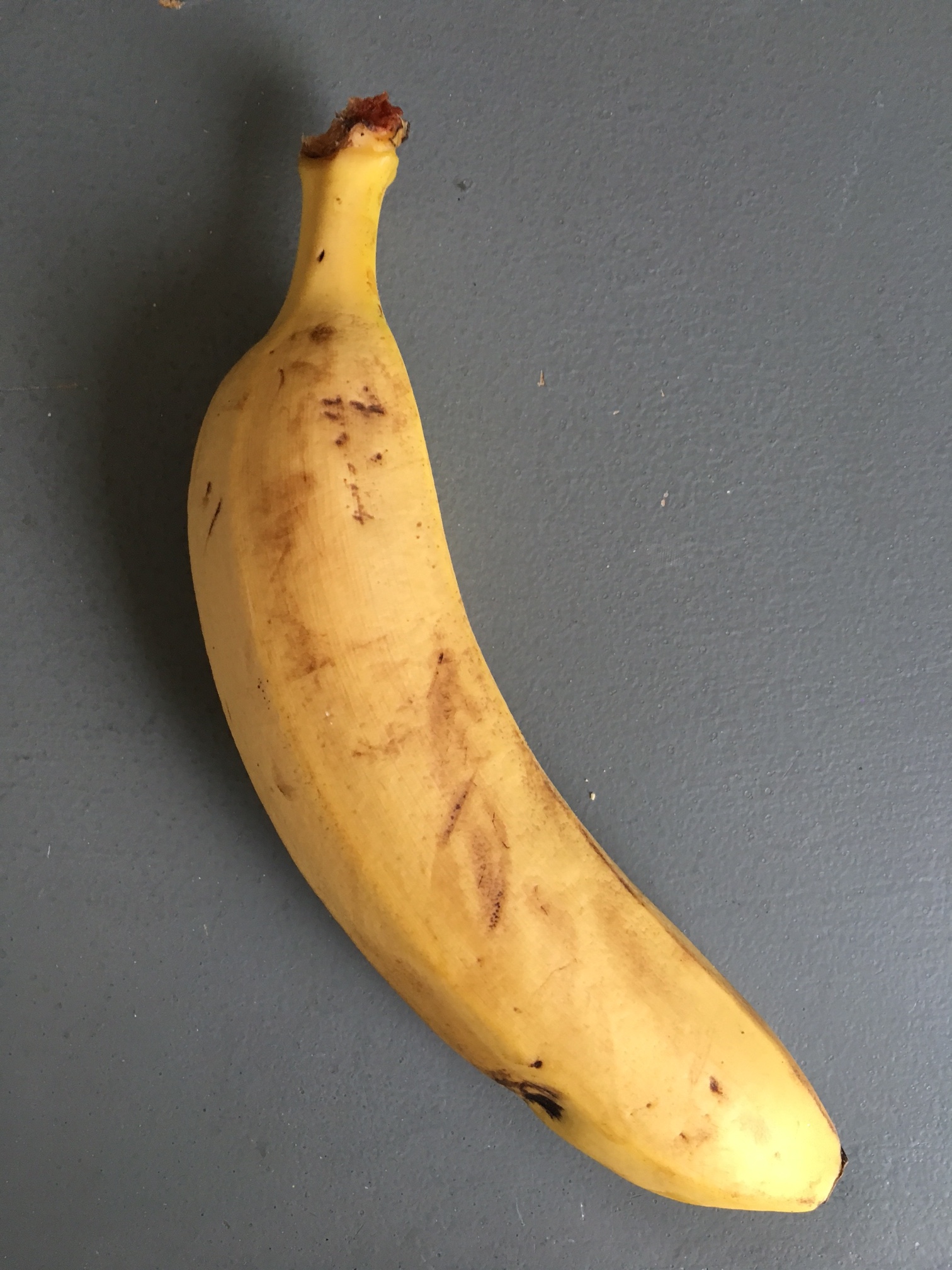
bananaOver 100 billion bananas are eaten globally every year, making bananas the fourth most important food crop in the world. Most bananas are consumed locally—only 15% are exported. Almost all the bananas grown for export are a variety known as Cavendish. New Zealand is said to have the highest per-capita consumption of Cavendish bananas in the world, at 18 kg per person per year.

The Cavendish was named for the Duke and Duchess of Devonshire—whose family name was Cavendish. Their head gardener imported a plant from Mauritius in 1830 and grew it in the family’s hothouse. The banana flourished and provided the duke’s guests with fresh bananas to eat. The Cavendish banana grew so well, the duke was able to supply two cases of plants to a missionary in Samoa. Those bananas were the start of the banana industry in Samoa.

Missionaries spread the Cavendish throughout the Pacific, but it wasn’t until the 1950s that the variety became popular commercially.

Until the 1950s, the most important banana for export was the Gros Michel, but in that decade, it was almost wiped out by a fungus known as Panama disease.

The Cavendish—smaller and not as flavourful as the Gros Michel—was immune, so growers switched largely to the Cavendish.

Almost all commercially grown bananas today are Cavendishes—clones of the plant grown by the Duke and Duchess of Devonshire.

Panama disease didn’t sit idly, though. By 1992, a strain evolved in Southeast Asia that was able to attack the Cavendish. And since the plants are all genetically identical, they are all susceptible to the new strain of the disease. At least 10,000 hectares of Cavendish bananas have been destroyed, and more will certainly fall as the fungus spreads.

For many of the nations that export bananas, it will be an economic disaster. For those of us who enjoy bananas…who knows?

There will likely be a time in which bananas become more expensive, even hard to find in our grocery stores.

But having lived in Panama, I know there are many banana varieties (about 1000, worldwide). And every single one I’ve eaten is better than the Cavendish. The Cavendish’s main selling point is its ability to survive transport, not its flavour.

In our village in Panama, everyone grew bananas. They came in many sizes, shapes, and colours. Some were more starchy, some were sweeter. Some tasted so much like banana, they seemed almost fake. Others tasted like a fruit salad, with tangy citrus overtones to the banana flavour.

I have to believe that as growers develop a replacement for the Cavendish, they will naturally end up with something more flavourful than the bland Cavendish. If we’re really lucky, they’ll develop more than one variety, providing greater insurance against the future evolution of Panama disease and more variety in our supermarkets. That has to be a good thing in the long run.

Want to know more? Visit the Panama Disease website.

Frozen

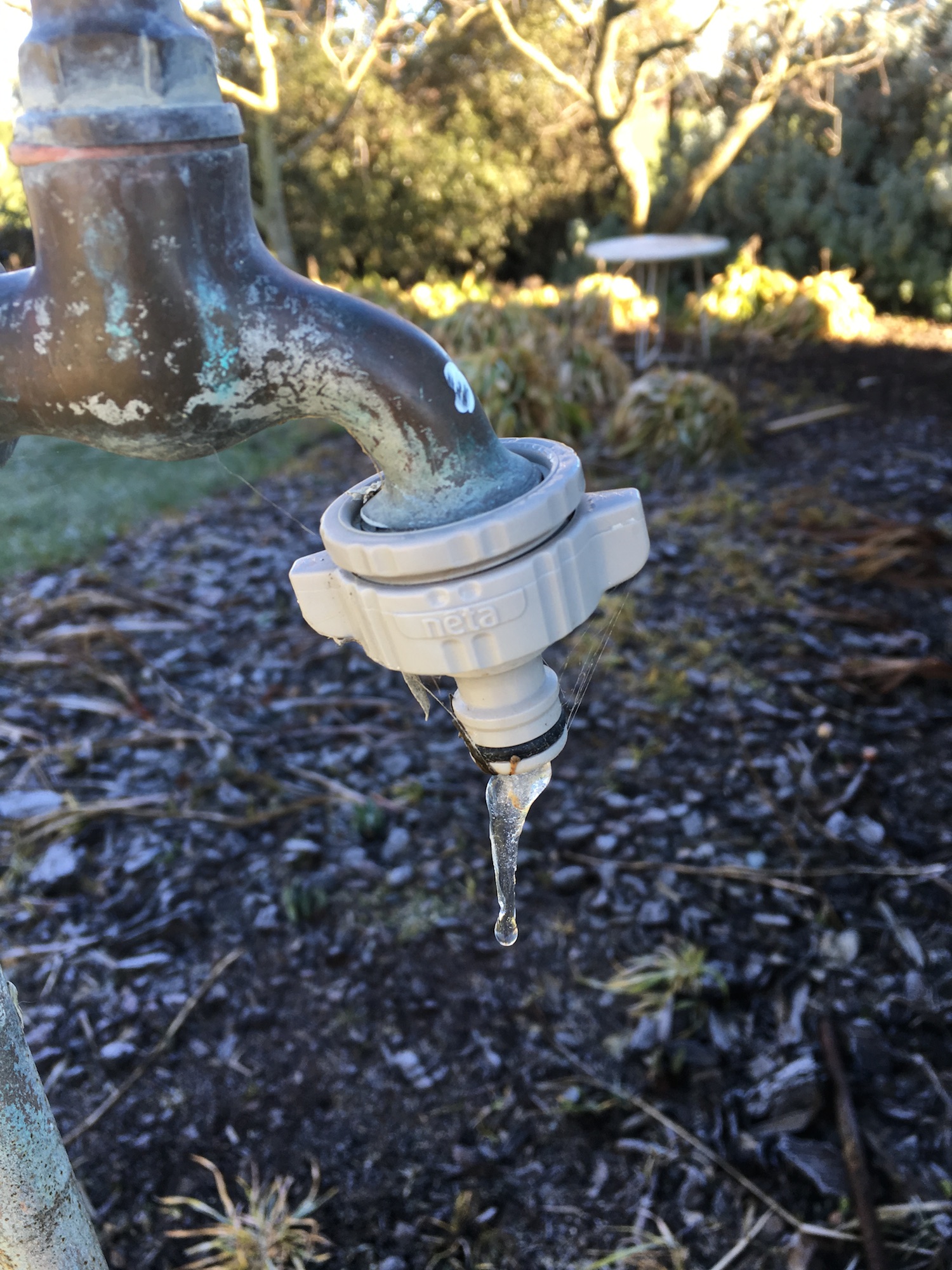
2016-08-10 10.08.08 smFive degrees below zero.
Grass
stiff with frost.
Pipes
frozen.
Pond
iced over.
Broken tap
paralysed mid-drip.
Nothing moves in the pre-dawn darkness
Except the stars,
shimmering in a black-ice sky.