A Little Bit of Crazy

On the lower slopes, looking up to the clouds.

You have to be some kind of crazy to summit Mount Herbert in a raging Nor’easter. Apparently my family and I are some kind of crazy.

To be fair, we didn’t set out to summit. We’d hoped for a day at the beach, but the wind and cloud cover wasn’t promising. So we pulled into Orton Bradley Park thinking we’d do a nice little hike.

We thought, ‘Let’s go toward Mount Herbert; we haven’t actually hiked that track before.’

It’s a typical Banks Peninsula track, winding through non-native forestry blocks, pasture, and scrubby native bush on its way up the mountain. As we got higher and higher, the wind picked up. The ridge line and summit were shrouded in cloud. It certainly wouldn’t be nice up there.

But, hey, it was great hiking weather down lower—not too sunny, and the breeze was nice … until it started whipping off our hats. We carried on up the slope.

By the time we reached the bottom of the cloud layer, the wind was getting a bit ridiculous. We checked our location on the topo map.

Well, it wasn’t too much farther to a shelter where we could eat lunch. Surely we could go that far. We carried on, around a switchback so the wind was blowing full in our faces. I laughed and shouted, ‘This is silly!’ But no one heard me over the wind.

We were in the cloud now, hiking blind to the shelter. When we found it, we tumbled inside, laughing and a little breathless. As we ate our lunch, the sturdily-built shelter shimmied and moaned in the wind. Billowing waves of cloud poured in with each gust.

It would be ridiculous to go on in this weather. What would there be to see, anyway, in the cloud?

But it was only a little bit further to the summit …

We donned our raincoats, shoved our useless hats into our bags, and made for the top.

And so there I was, leaning into the wind, a cramp in my left thigh and a blister on my right heel, condensation dripping off my hair and running down my glasses, unable to see the rest of my family just ten metres ahead of me through the cloud … and stupid-grinning the whole way.

At the summit (the highest point on the Banks Peninsula) we should have been able to see a huge expanse of the South Island spread out around us. We could barely see each other. We cheered our accomplishment, admired the view, and then set off back down.

Our little walk ended up traversing 15 kilometres and climbing 900 vertical metres. It was a ridiculous walk to do, given the weather conditions, but it was absolutely brilliant.

And we got our beach time in, too. By the time we made it back to sea level, it was sunny and hot, so we had a little splash in the sea before returning home.

Sometimes a little bit of crazy is perfect.
Respite on the Rakaia

The temperature is squatting at 37 degrees C. Body temperature. I’ve experienced hotter, but when it hits 37, it’s just hot, no way to argue it’s not.

So we headed down to the Rakaia River, just a short drive from our place.

The walk in from the settlement of Rakaia Huts is green and humid. The track is maintained only by the feet that tread it and winds through a magical scrubby forest. Non-natives brush leaves with natives, feral fruit trees share space with hydrangeas. The worst of Canterbury’s weeds coexist with a remarkable array of native shrubs and ferns—it’s the Peaceable Kingdom of the plant world.

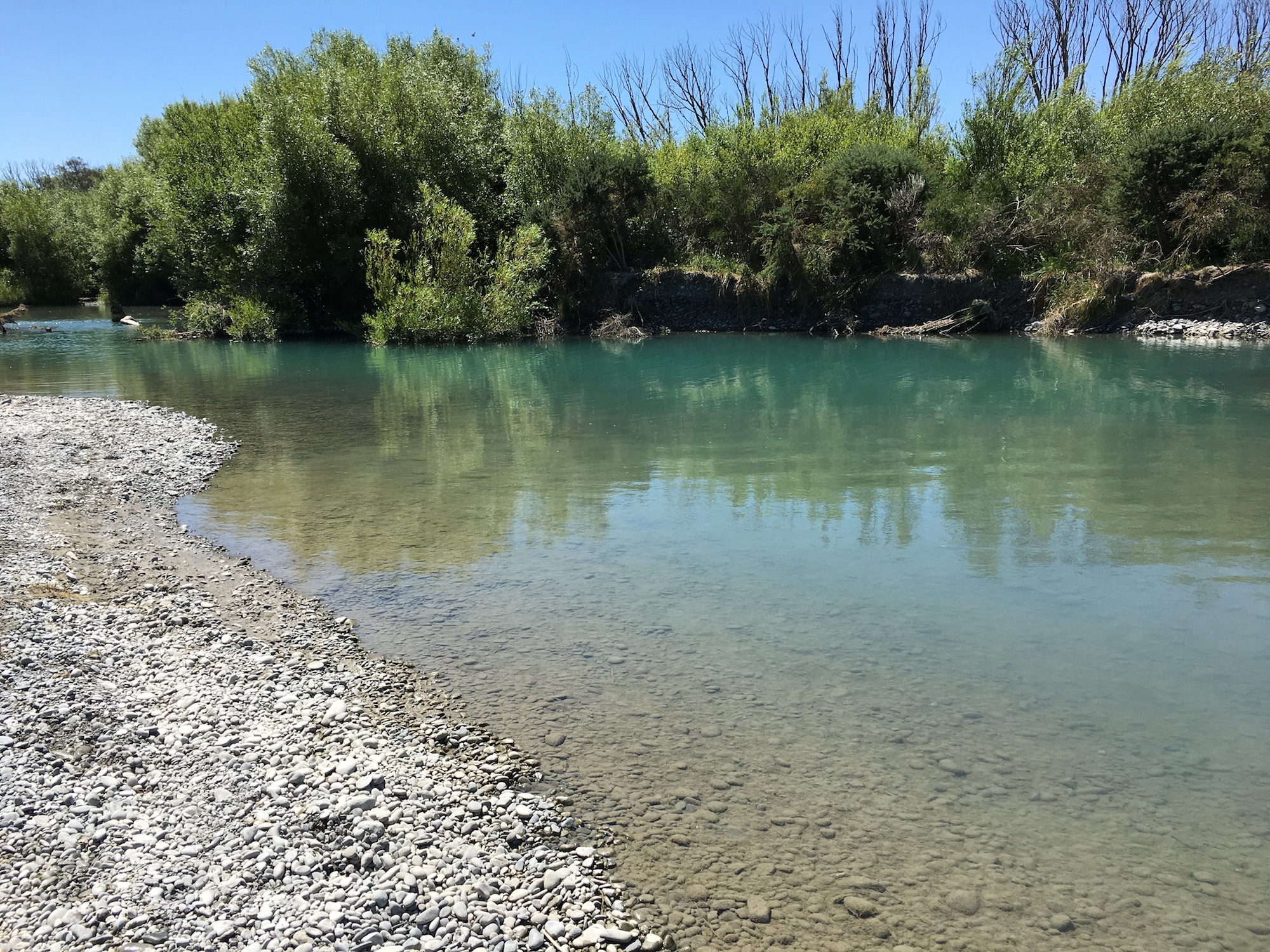
Twenty minutes of walking through this green glade brings you to the river. The Rakaia is a braided river, so you cross and re-cross channels to reach one suitable for swimming. Down near the mouth, there are many swimming holes—deep and turquoise with suspended loess (wind-blown rock dust)—separated by sparkling riffles. We followed the river to the sea, testing each pool to find the best one.

They were all delightful, all ours for the taking, because there was no one else there.

Back home, we stayed in our wet togs until they dried, bringing the cool river with us.

In the time it’s taken me to write this blog, the temperature has risen further. The river water has long since evaporated. Now we have just the memory to keep us cool.

Alpine Delights

The family spent a delightful hour on the Dobson Nature Walk in Arthur’s Pass National Park on Wednesday. The track is an easy one, and hiking it quickly takes about 20 minutes. But it’s not a walk you want to do quickly, especially in summer. It winds through alpine and sub-alpine vegetation, including some beautiful tarns, and in summer, so many plants are blooming, it’s hard to take five steps without finding another lovely orchid, daisy, or hebe in bloom.

For me, the best part of the walk is the abundance of sundews in the tarns. As an entomologist, I’m naturally drawn to carnivorous plants like sundews. Sundews catch insects on the sticky hairs you can see glistening in this photo. The hairs are sensitive to both touch and taste, and when they sense a struggling insect, they fold inward to further entangle their prey. Enzymes exuded by the hairs then digest the insect, and the leaf takes up the nutrients in order to grow in the nutrient-poor alpine wetlands. 

These sundews were just beginning to flower—many plants had flower buds, but none had yet opened. The flowers sit above the leaves—an important adaptation, since the plant needs to be pollinated by the very insects it eats.

The alpine summer is short, so when these plants are done flowering, the leaves will slowly shrink into a structure called a hibernaculum that sits near the soil surface and protects the plant through the winter.

A Trifle More Christmas Baking

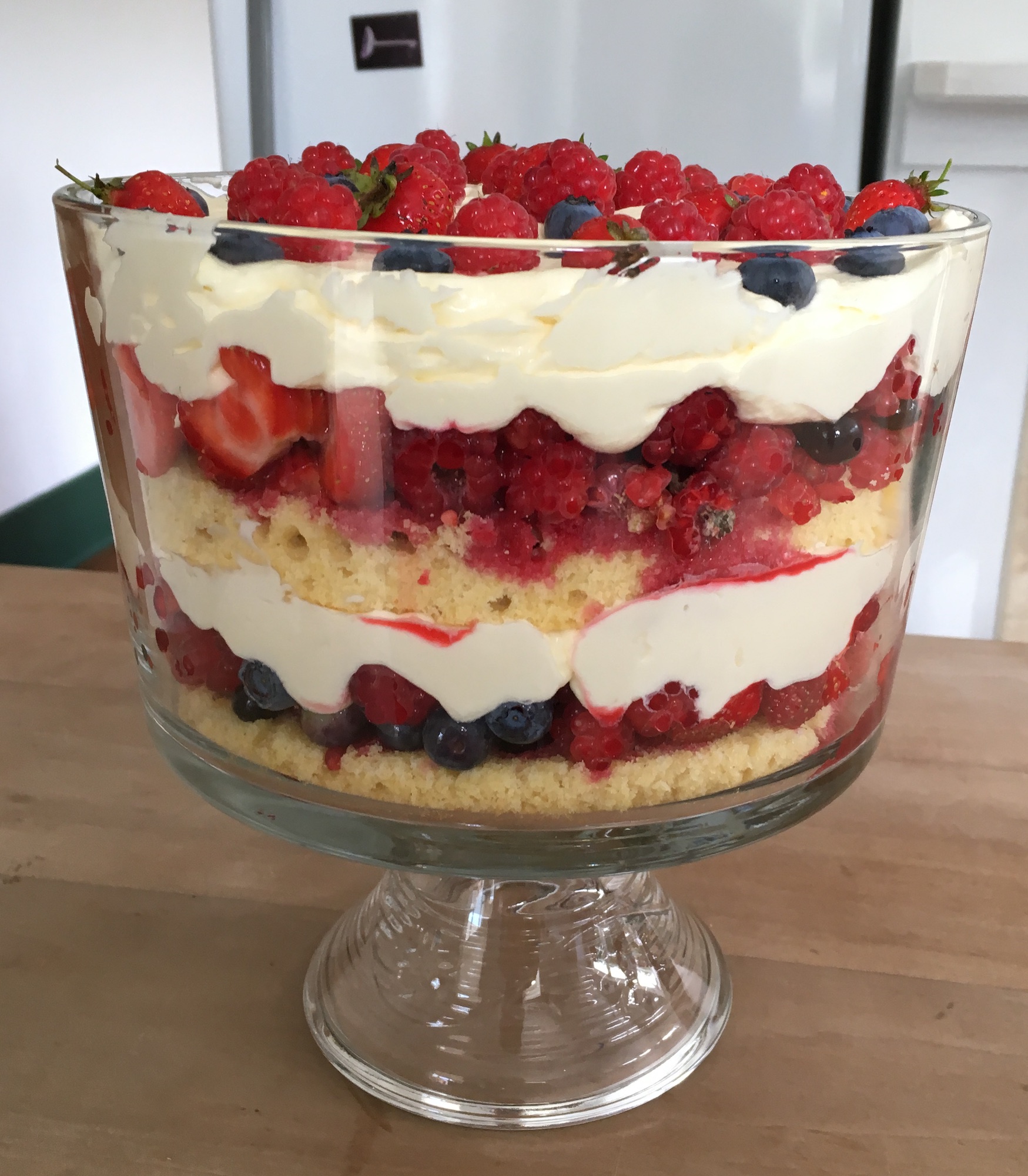
Okay, so I wrote the Christmas Baking blog post a couple of days ago, and then this happened. We picked another mountain of fruit this morning, and it happened to be a bread day. My original plan was to bake a pie, but my husband agitated for a trifle, but without the custard, which he’s not fond of.

So into the baking rotation went a lemon cake. Once it was cool, I sliced it and layered it with fresh fruit (strawberries, raspberries, black currants and blueberries), raspberry sauce, and a mixture of cream cheese, whipped cream, sugar and vanilla (inspired by this trifle recipe, but I measured nothing, and ignored most of the directions).

Just making it made everyone smile. Eating it … Oh my! I think I have a new favourite Christmas dessert!

Catlin’s River Walk—a little bit of magic

My family and I were in the Catlins last week, in the southeast corner of the South Island. It’s a wild and remote area, home to more penguins and fur seals than humans. No urban adventures here—it’s a place for outdoor recreation.

One of the things we did was to hike part of the Catlins River Track (we didn’t have time to do the full track). It was unlike any other place I’ve been in New Zealand.

In fact, it reminded me most of eastern Pennsylvania, in spite of the fact that it shares not a single common species of plant or animal.

The track follows the Catlins River, a beautiful waterway that cuts through layers of limestone in one little cascade after another. Swing bridges cross the river several times, providing great aerial views of the water (and a little excitement for those who don’t like heights). The forest is old-growth beech which provides habitat for myriad native birds, carefully protected by intensive predator control. 

In addition to the beech, we were delighted to see two species of orchid on the forest floor, red-flowered mistletoes in the treetops, several species of slime mould, some lovely mushrooms, and a beautiful native harvestman. The birdlife was noisy and varied, but we weren’t lucky enough to see any endangered mohua. And, amazingly, there wasn’t a single sandfly! 

The whole effect was one of an enchanted forest. We were certainly enchanted.

The track is relatively flat—easy hiking for kids or those who can’t face the usual Kiwi hiking track going straight up a mountain, and because there’s no “goal” to reach, you can simply walk as far as you’d like, and then return. The entire length is 12 km one-way, with a return loop option through forestry land away from the river. 

I highly recommend this track. I’ll certainly be going back when I have enough time to do the whole thing.

Summer?

It’s been decidedly un-summer-like recently. We’ve had an exceptionally wet two weeks—there’s a puddle in the yard, Coes Ford is flooded, and weeds and mushrooms are sprouting everywhere.

Fortunately, that hasn’t stopped the strawberries. When my daughter braved the rain to pick, she found a surprising number of slug-bitten but delicious ripe fruits.

Strawberry shortcake for dessert, strawberries on my morning muesli, strawberries every time I walk through the kitchen…it must be summer!

Now, if only we’d see the sun…

A Bird in the Hand

I’ve had two funny encounters with birds recently. Two birds in-the-hand, so to speak.

A few weeks ago I was in town, doing some writing in Hagley Park, because it was a beautiful spring day. I sat down on the grass with my lunch and my laptop.

A few minutes later, I noticed a male European blackbird eyeing me up. He hopped closer, stopping when I met his gaze, but then, deciding I was no threat, sidling even closer. My lunchbox sat open between us, and I knew he was sizing it up.

Well, I don’t feed wildlife in general, and I certainly wasn’t going to feed a non-native invasive bird. Besides, I wanted to eat that lunch myself. I finished off my sandwich and started in on my apple.

The bird watched my every move. When I set the apple into the lunchbox to type, he rushed in. I clapped my hand over the box, and he backed off.

The bird was undeterred. When I brought the apple to my mouth again, he lunged for it. He flew up and took a bite out of it while I was biting the other side. His wingtips brushed my cheeks, he was so close.

Well, how could I refuse after that? I gave him the rest of the apple (which wasn’t much more than core at that point, anyway). 

But I made him work for it.

I put it back in the lunchbox, and set the box next to my leg. And that cheeky bird perched on the lunchbox and ate the rest of the apple. Other birds came to see what he had, but none were brave enough to come close, so he had it all to himself. He was terribly smug about it—quite pleased with himself, I’m sure.

My second recent bird encounter happened last weekend. My husband was mowing the lawn, and there was a fledgling magpie in the way. The magpie wouldn’t move out of the mower’s path, so I tried to shoo it away. It still wouldn’t budge, just cheeped at me, as if to say, “Yeah. What do you want?”

So I gently picked it up to pop it over the fence, out of the way. It gave one alarmed squawk, and suddenly its parents were arrowing straight for me from where they had been feeding in the neighbouring paddock. They swooped and screeched as I walked away, and I had to wave my arms over my head to avoid being pecked. The fledgeling, meanwhile, hopped away as though nothing had happened. I could almost hear him chuckling.

So, yeah, I’ve been had by two birds recently. A human in the beak is worth two in the bush, apparently.

A Weakness for Weevils

I was excited to find a new weevil on our property the other day. At least until I identified it.

Meet Otiorhynchus sulcatus—the black vine beetle—pest on a wide range of garden plants, including grapes, black currants and strawberries (all common in my garden).

I admit, I have a weakness for weevils—no matter how much of a pest they are, I think they’re cute. And this one is no exception. She’s lovely, in spite of her diet. And I’m certain she’s a ‘she’, because no males of this species have ever been found. The black vine beetle reproduces parthenogenetically, producing viable eggs without the need for fertilisation by males. 

This ability is the result of a bacterial symbiont in the genus Wolbachia. When researchers in California eliminated Wolbachia in black vine beetles (by giving the beetles antibiotics), the beetles’ unfertilised eggs were no longer viable. It’s a clever little ploy by the bacterium to ensure its own reproduction—only infected insects can reproduce, and they can do so without the trouble of finding a mate (I wrote more about this fascinating relationship in Putting the Science in Fiction and on Dan Koboldt’s Science in Fiction blog).

Another cool feature of the black vine beetle is that it is flightless. It’s not uncommon to find flightless insects and birds here in New Zealand, but it’s a little unusual to see it in invasive pests like the black vine beetle. Native to Europe, the black vine beetle is now distributed all around the world. Pretty impressive travelling for a 6 mm-long flightless insect.

Apparently black vine beetles can cause significant damage to plants. The larvae eat roots in the soil and do the most damage, particularly in potted plants, where root growth is limited. I’ve decided not to worry about them at the moment. I’ve got more damaging pests to worry about, and to be honest, I wouldn’t mind seeing them again. They are awfully cute.

Pity the One Percent

I enjoy springtime for its warmer temperatures, flowers and the opportunity to get outdoors more frequently. But it’s the bump in our standard of living that I enjoy most.

Garden excess comes early, in the form of artichokes and asparagus. Add in some home grown oyster mushrooms, spinach, leeks and herbs, and I begin to feel like we have unlimited wealth. Like we’re in the ‘one percent’.

Except, I doubt the one percent gets vegetables as fresh as ours.

And I expect they don’t have the pleasure of strolling among head-high artichoke plants, breathing in their earthy scent and picking twice as many as they need, because, well, why not?

And I know they don’t enjoy passing their excess vegetables on to the neighbours, spreading and sharing riches that cannot be saved, banked, or invested.

So I feel sorry for them, in springtime; they are so poor, and I am a queen.

Awesome Alpine Plants

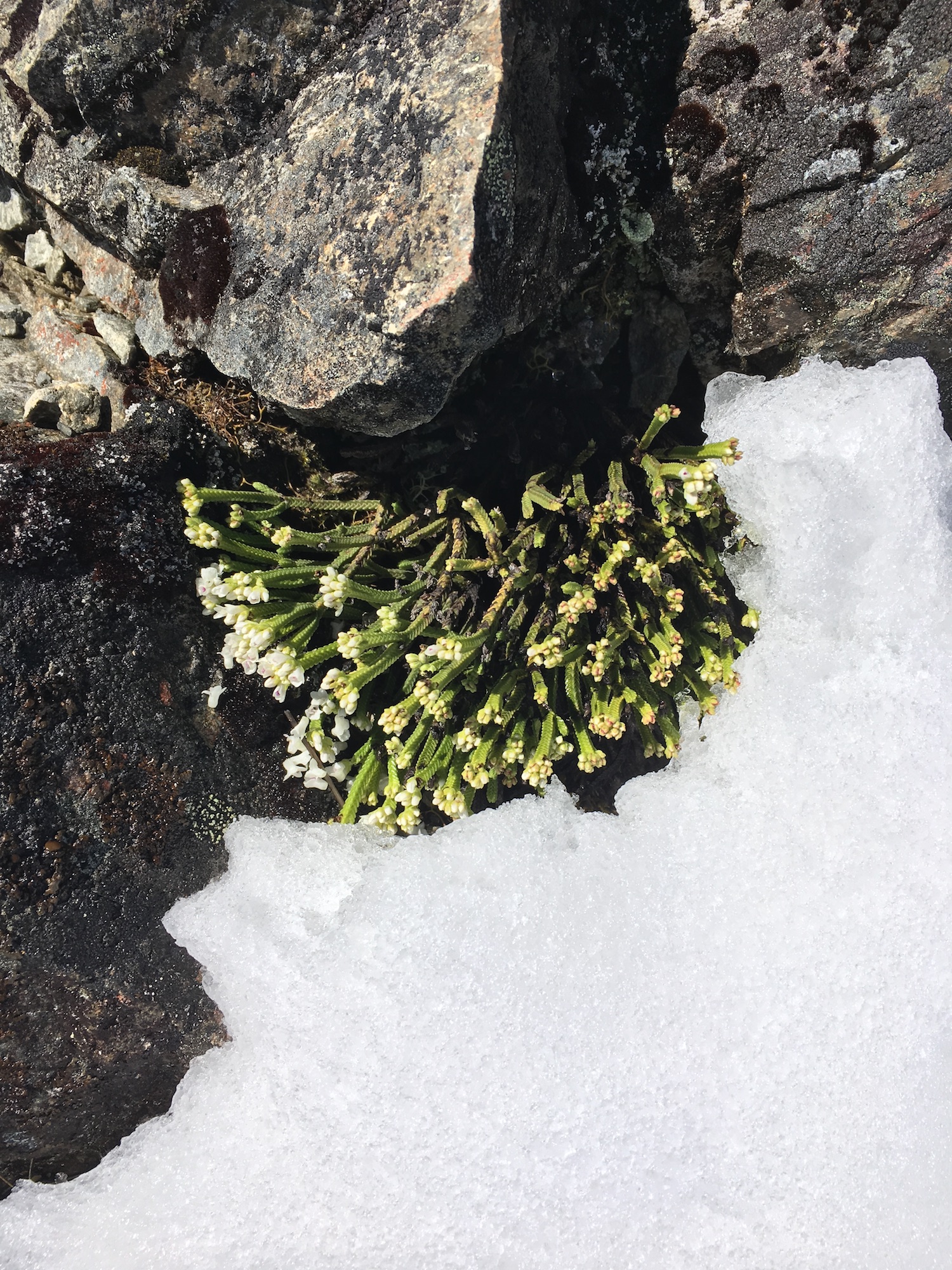
Whipcord hebe flowering in the snow

My daughter and I went for a hike on Saturday after being cooped up in the house all day Friday by a rip-roaring southerly storm. The storm lashed us with rain and hail, but in the mountains, it brought snow. Saturday morning, the beech forest at Cragieburn Forest Park was a winter wonderland.

Climbing up out of the forest into the alpine areas, the intensity of the storm was clear—thigh-deep drifts filled the path in some places, while other areas had been blown clear down to the scree. Every tussock had a long train of sculpted snow on its leeward side, so you could almost feel the howling wind and the sting of blowing snow, in spite of it being a clear calm day.

Nestled among the rocks, we found this lovely whipcord hebe, flowering in spite of its slowly melting blanket of snow. And there were other plants peeking out of the snow, clinging to the scree.

Alpine plants are some of the toughest organisms around. They have to cope with intense sun, wide temperature fluctuations, drought, wind, and ice and snow. They have evolved a variety of adaptations in order to combat these dangers.

Short, cushion-shaped growth: A tight ball of branches and leaves resists damage and drying from fierce wind. The pinnacle of this growth form has to be plants in the genus Raoulia. Known as ‘vegetable sheep’, they form hard, tight masses of tightly packed leaves (akin to the texture of a head of cauliflower). Inside the mound, dead plant material builds up around the branches and acts like a sponge, soaking up rain when it’s available. Adventitious roots on the plant’s branches tap into this reservoir of water when the weather is dry.

Long roots: Unstable rocks and shifting scree make it difficult for alpine plants to stay put, and water is often far below the surface. To cope, they have long roots that anchor them deep into the rock. Some are also able to regrow from their roots if the top of the plant is snapped of by rockfall.

Drought-resistant leaves: Many alpine plants have leaves that are fuzzy on the underside, where the stomates (the breathing holes) are located. The hairs trap a layer of calm air against the leaf surface, slowing down water loss from the stomata. Other plants have narrow, vertically-oriented leaves that minimise exposure to the intense alpine sunshine, reducing evaporation.

Sunscreen: A waxy coating on many alpine plant leaves protects against intense sunlight and high temperatures.

Antifreeze: Ice crystals forming inside a living cell break the cell walls and kill it, so organisms living in cold environments have to somehow avoid freezing. Alpine plants protect themselves from freezing by manufacturing antifreeze from proteins in their tissues. The antifreeze prevents ice crystals from forming in the plant’s cells.

Energy conservation: The growing season in alpine areas is short, and nutrients are scarce. Many alpine plants respond by not reproducing every year. Instead of producing low-quality seeds that may not survive, they hoard resources until they have accumulated enough to reproduce successfully.

All these adaptations give most alpine plants a similar look—low, mounded, small-leaved and tough. But one plant in particular stands out as oddly showy and out of place.

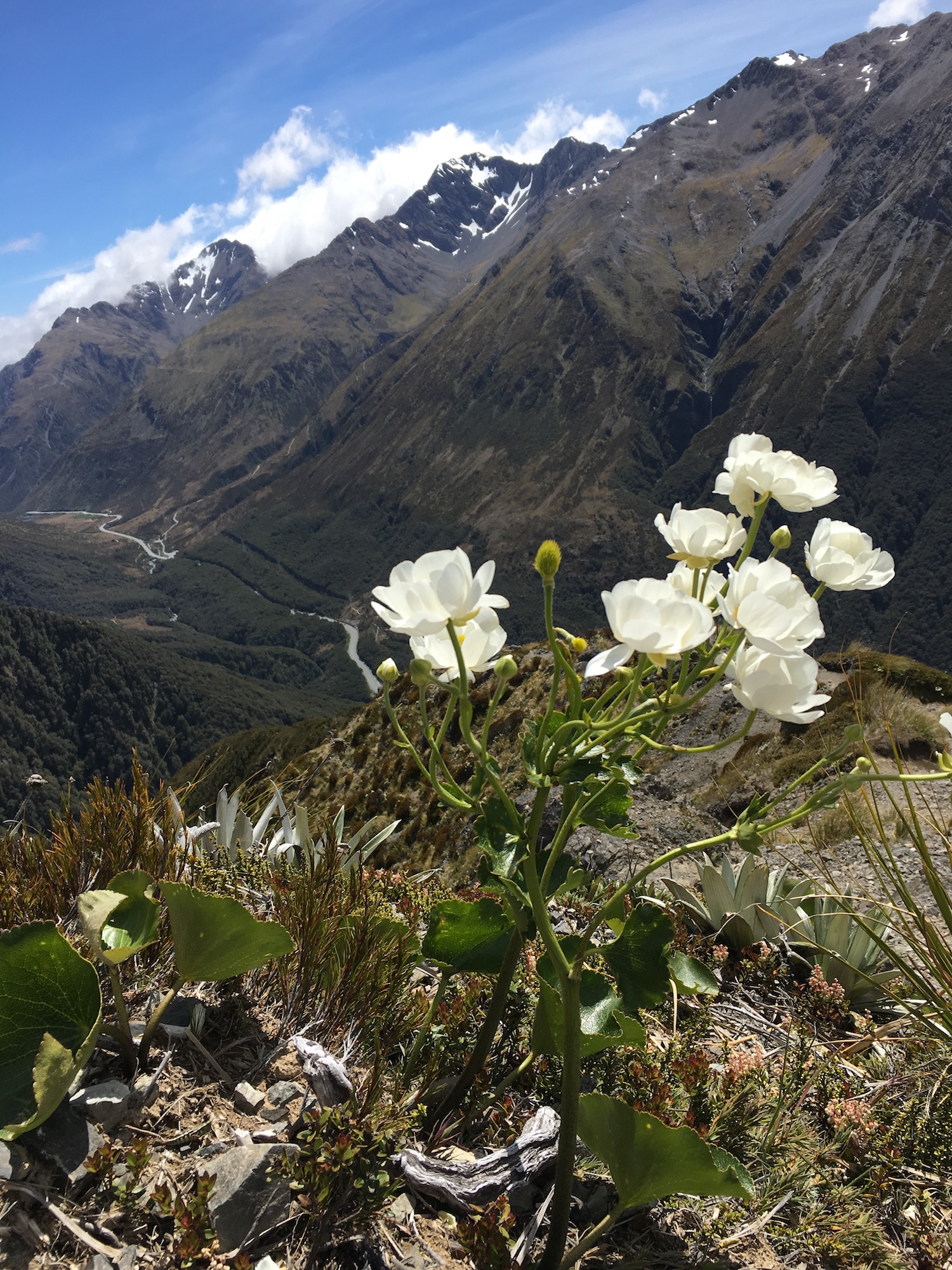
Mount Cook buttercup (Ranunculus lyallii)

The Mount Cook buttercup (aka Mount Cook lily), is an unusual alpine plant, in that it has big leaves and large, showy flowers. But even so, it is well-adapted to the alpine environment. Most plants have stomates on the underside of their leaves, because the underside is generally shaded and cooler, leading to less water loss. But in the alpine environment, sun-warmed rocks radiate heat, making the underside of the leaves warmer than the upper side on sunny days. The Mount Cook buttercup and its relatives have evolved stomates on the upper side of the leaves, in addition to the ones on the underside. The stomates on the top open when the underside of the leaf grows too warm.