A Day Off

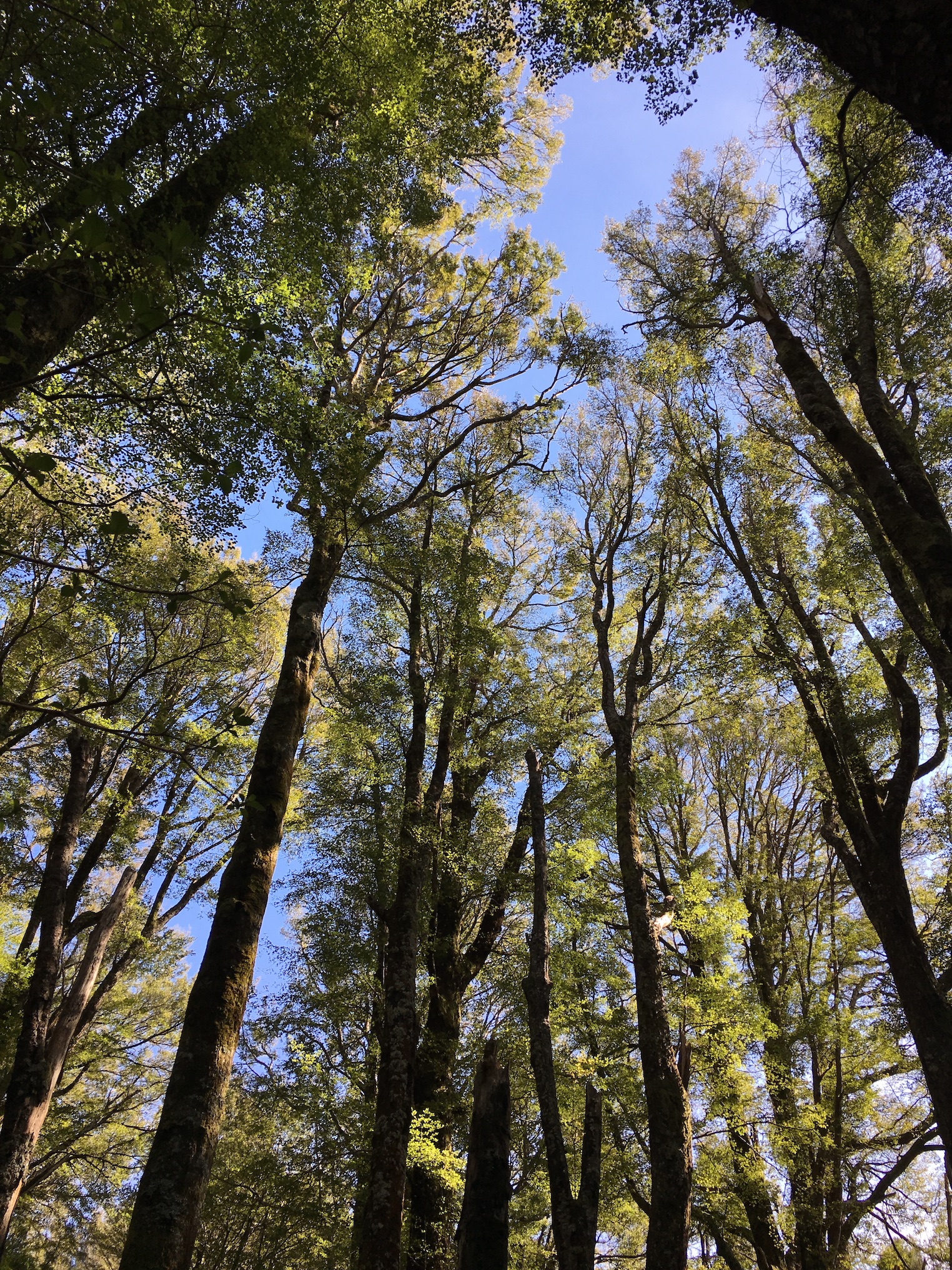
Cathedral of red beech

Sunday dawned warm and sunny, and I prepared myself for another day of hard work in the garden, in spite of my aching back. It would be a crunch to finish what I needed to stay on track—my garden to-do lists get longer each week, and I don’t dare fall behind at this time of year.

Meanwhile, my husband was fretting about the lectures he still needed to prepare for this week. But he’s much better at relaxation than I am. Before I had a chance to gather my tools, he suggested a hike instead of a day of work.

So we ignored our pesky to-do lists and enjoyed a day at Hinewai. 

Hinewai Reserve is privately owned, and encompasses 1250 hectares of the outer Banks Peninsula. It includes a glorious mix of vegetation types.

The track forms an avenue within a dense kānuka stand.

Probably the most impressive are the 50 hectares of old growth forest. The red beech create a green cathedral, shading out much of the undergrowth. The effect is in stark contrast to the dense kānuka stands that blanket other parts of the reserve.

At this time of year, the gorse is in full bloom. Management at Hinewai allows this invasive weed to grow, because it provides an effective nursery for native trees. Eventually, the native plants will overtop the gorse and shade it out, but in areas recently disturbed by fire, the gorse is thick. On Sunday, the tops of the hills looked like they’d been capped with bright yellow snow, for all the gorse.
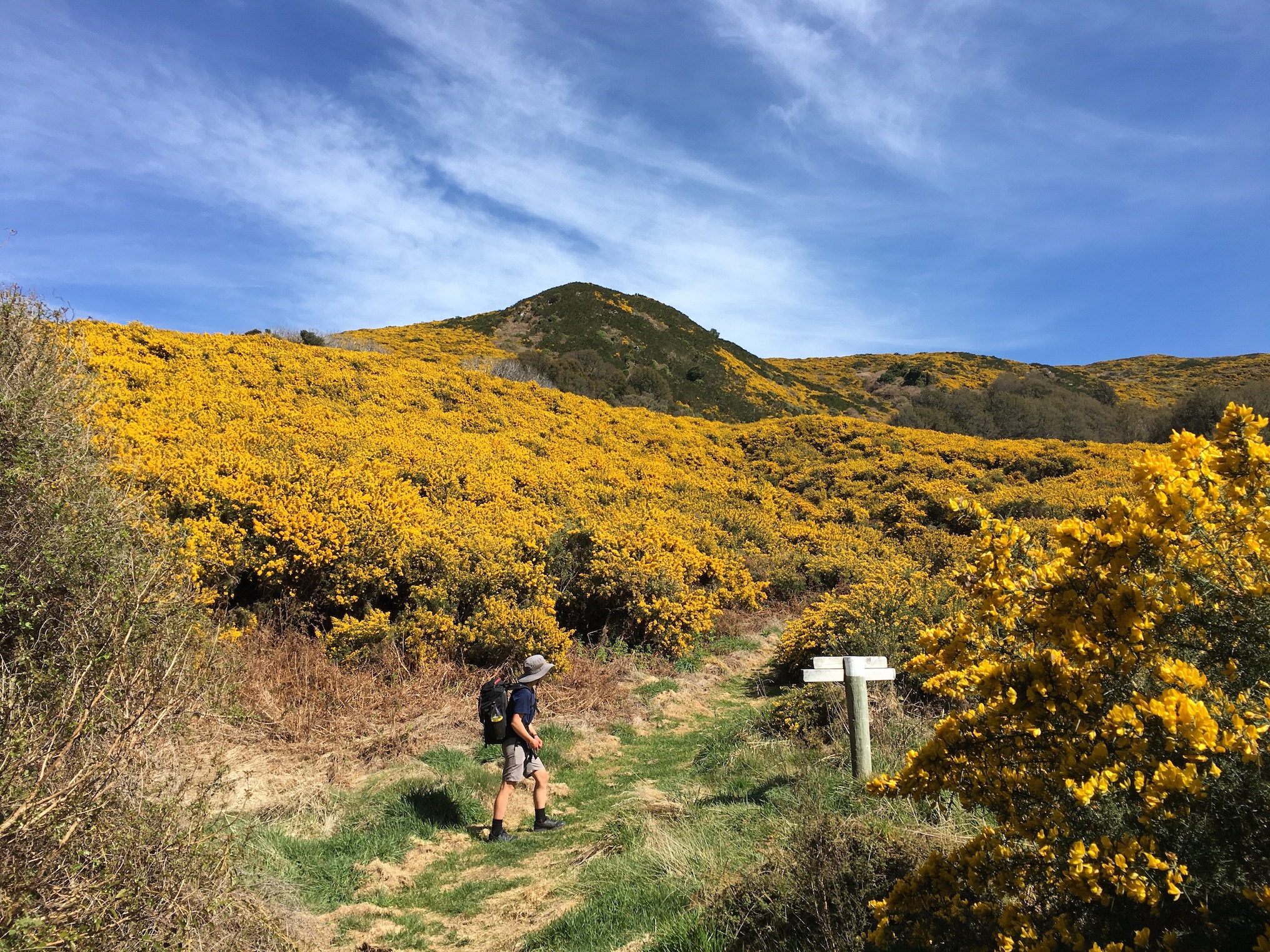
Gorse in full bloom in a recently burned area.

With 330 species of native vascular plants, and 60 species of fern (including six species of tree fern), Hinewai is probably the most diverse site on the Banks Peninsula. We never fail to see interesting things when we visit. This visit was no exception. A bright purple fungus creeping along a rotting branch was probably the most unusual find on Sunday, but we were treated to tree fuchsia in bloom, kererū swooping overhead, and pīwakawaka and tomtits flitting around among leafy lacebarks, kahikatea, tōtara, and kōwhai. I enjoyed seeing my favourite filmy ferns, with their translucent fronds. Large quantities of ongaonga (tree nettle) supported the red admiral butterflies that were enjoying the warm day along with us, flitting through the dappled light in the forest.
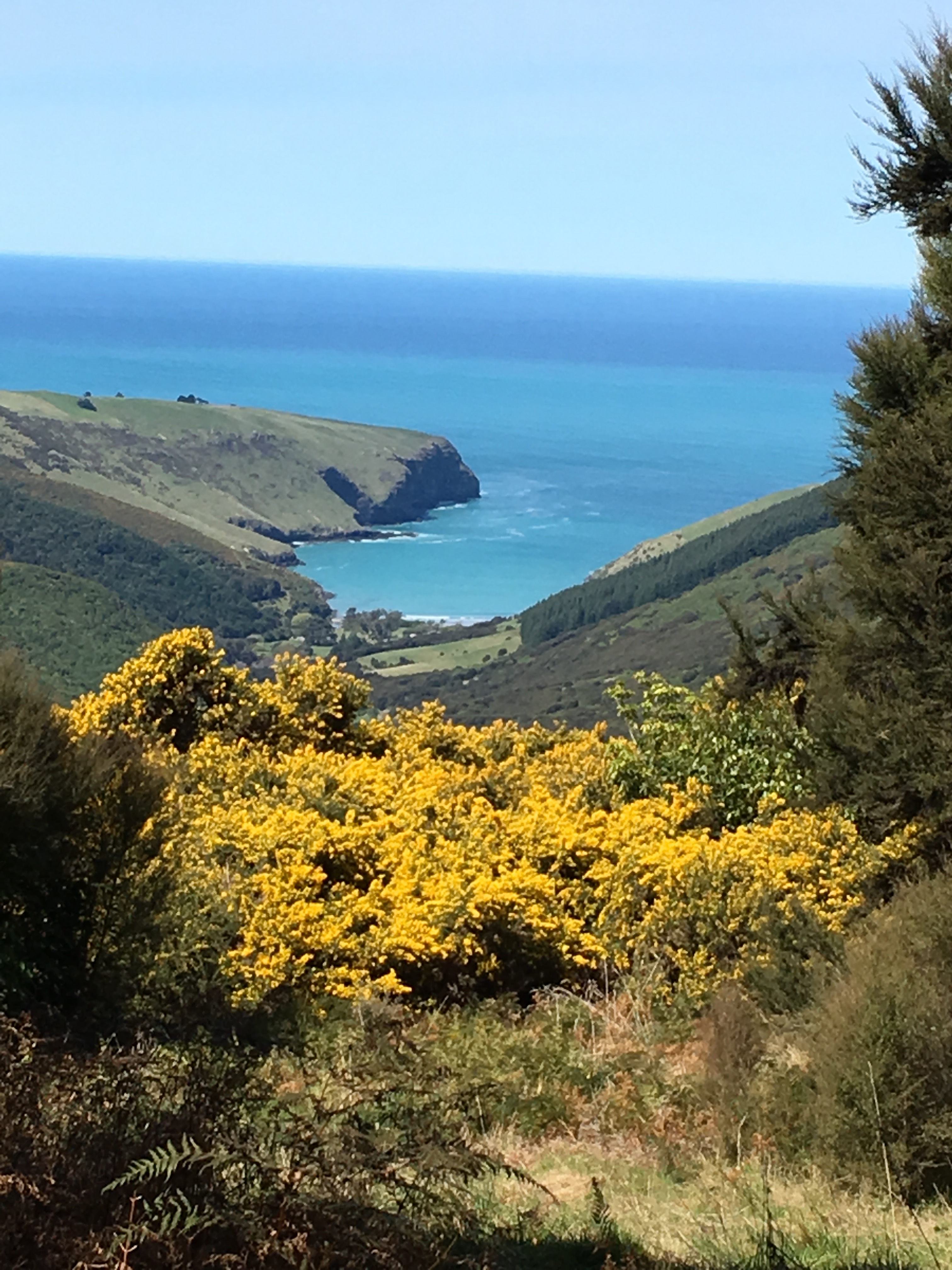
View down to Otanerito/Long Bay

And, of course, as with most spots on the Banks Peninsula, the views from the clearings at Hinewai were spectacular. 

My weekend to-do list forgotten, I had a lovely day enjoying the outdoors. Next weekend’s list is necessarily longer now, but it was good to take a day off. I must remember to do that more often.
 

First Day of Spring

Last Sunday was the first day of spring, and it was as if all of nature wanted us to know it.

The day dawned crisp and sunny, and by mid-afternoon the temperature had climbed to a summer-like 27ºC.

The weeds in the garden seemed to have put on extra growth, and I hauled almost a dozen wheelbarrow loads of them to the compost pile as I began preparing the garden for the upcoming planting season.

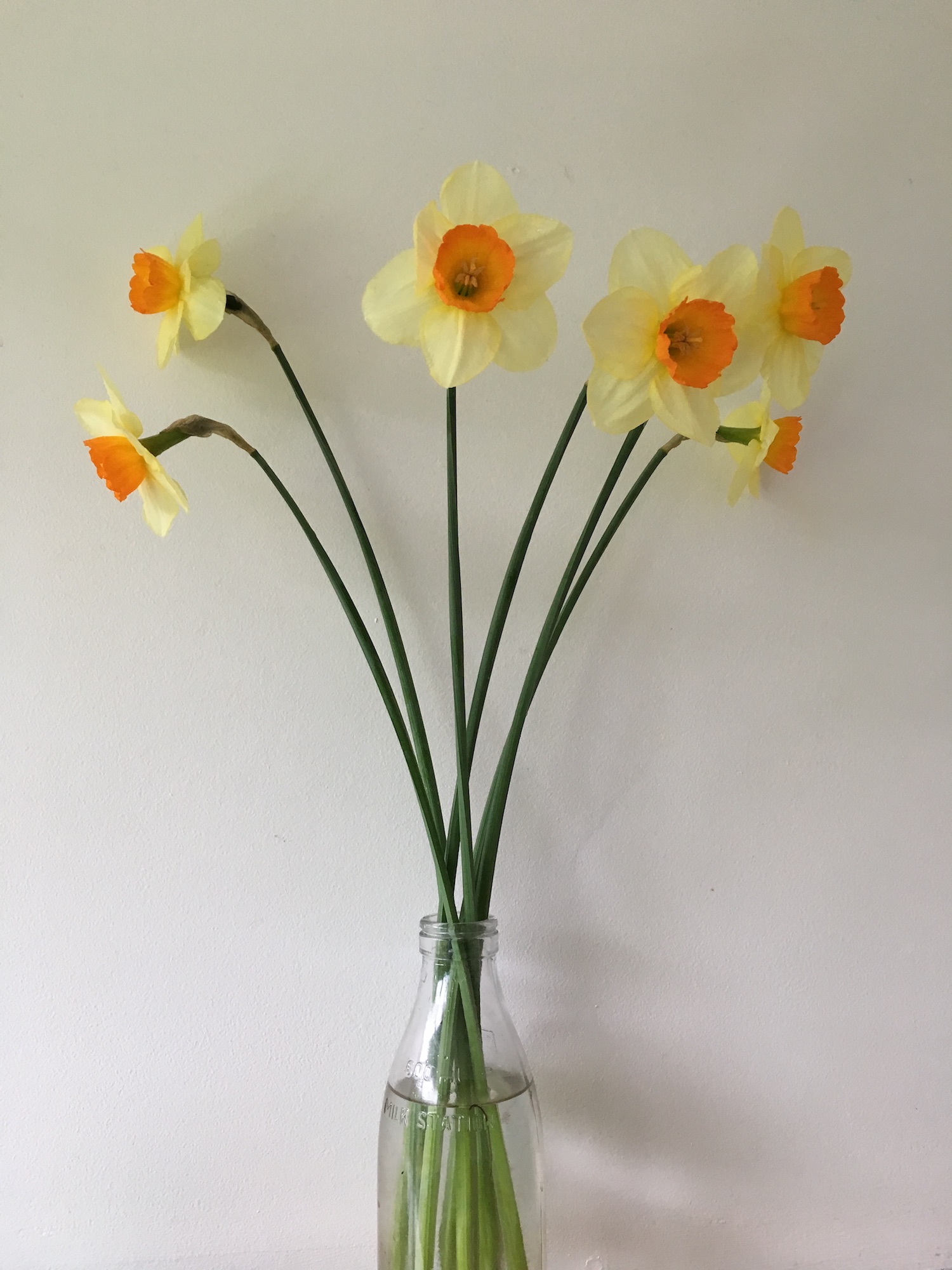
Daffodils, snowdrops, and bluebells nodded in the sunshine, carpeting the yard with colour.

Willows everywhere suddenly burst into leaf, the fresh green of their branches like a beacon.

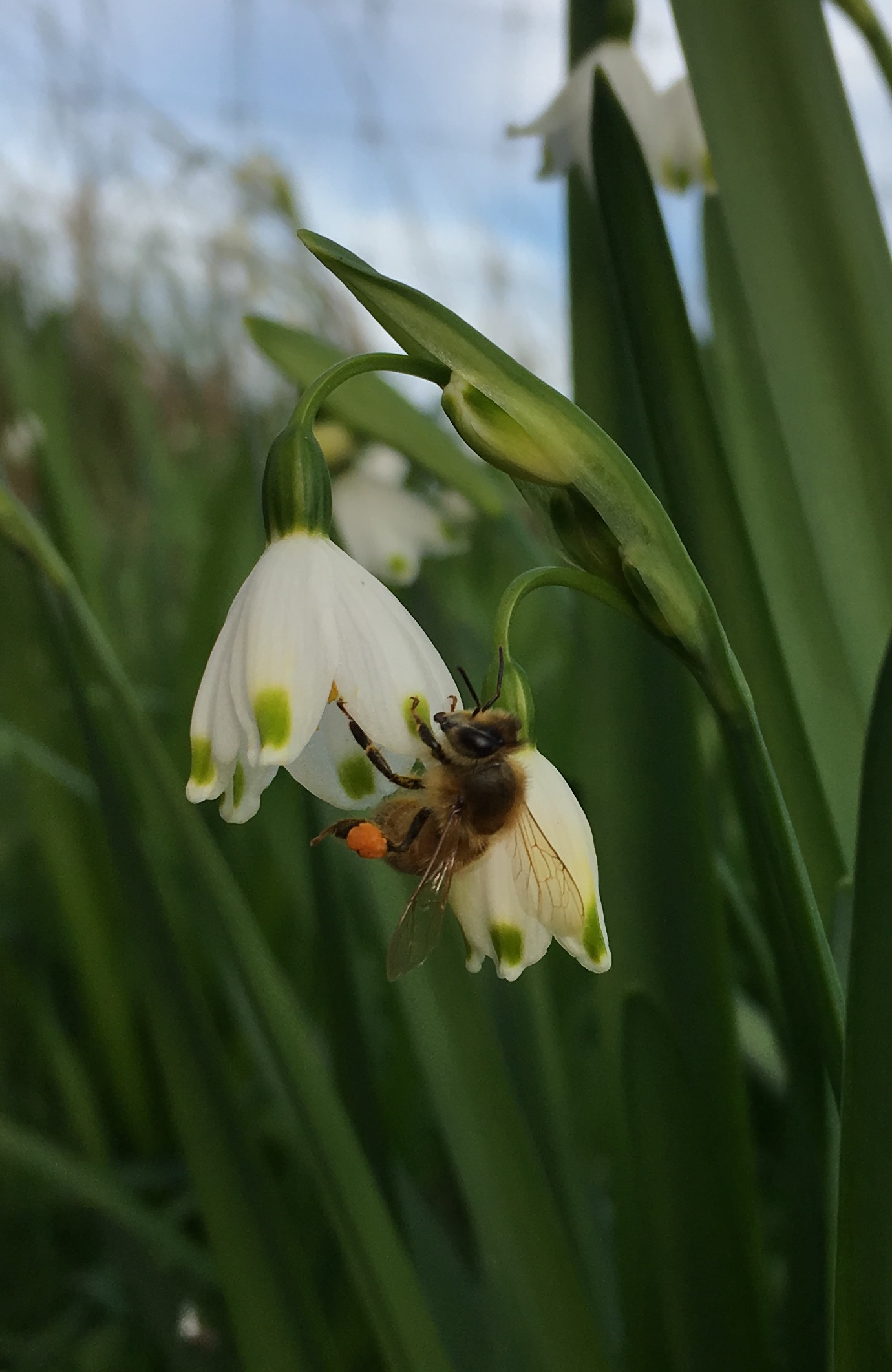
Bees hummed in every flower, and midges danced in lekking storms that sounded like rain against the windows.

We spent the day outdoors, threw open the windows, and drank in the warmth, going inside only when hunger drove us in to dinner.

Even the sun seemed to linger, painting the evening with golden streaks of promise.

Once a Gardenaholic, Always a Gardenaholic

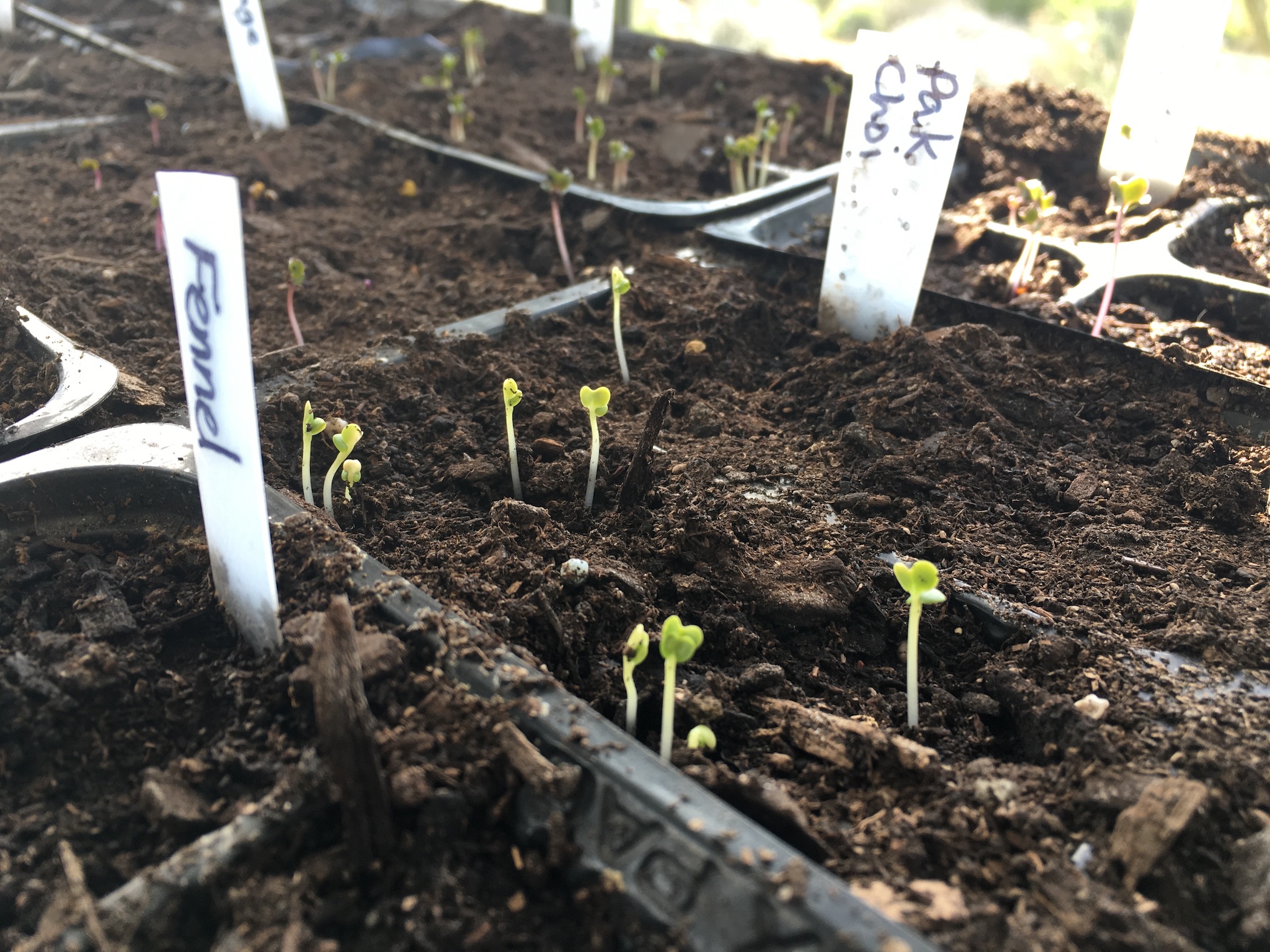
This past weekend was the beginning of the gardening year. The first of the seeds are in flats in my office. My plan was for a minimal garden this year, since I’ll be splitting it between the old and new places—caring for so many plants on two properties is a daunting prospect.

But of course, when I started planting, all thoughts of restraint evaporated. I’d splurged when buying seeds—that purple cauliflower looked gorgeous in the catalog, and who could resist a small-stature eggplant with glossy dark fruits? And once I had the seeds, there was no question I’d plant them, along with all the regular varieties, of course. Never trust a new variety until it’s proven itself.

So here I am, one weekend into the new garden year and already overdoing it.

Some things never change.

Winter Losing its Grip

When I returned a tool to the equipment hire place yesterday morning, the owner asked if I thought we’d have snow.

At school, the staff were buzzing with the possibility of a snow day. “Don’t tell the kids!” one whispered. “They’ll go crazy.”

The weather forecast is for a southerly storm to blow in on Wednesday. Depending on which forecast you look at, we might have snow to 400 metres or to near sea level.

But regardless of the forecast, it’s beginning to feel like spring.

Yesterday evening when I stepped out to close the chicken house, lambs bleated in nearby paddocks, starlings warbled in the treetops, and blackbirds fought over new territories. 

The sky was still light, though it was nearly six o’clock, and the air was soft and full of promises.

Today I am comfortable in a t-shirt, and have opened the doors and windows to warm up the house in the winter sunshine.

Whether it snows tomorrow or not, winter has lost its grip. Spring is on its way.

Rotorua: a not-so-cool place to be

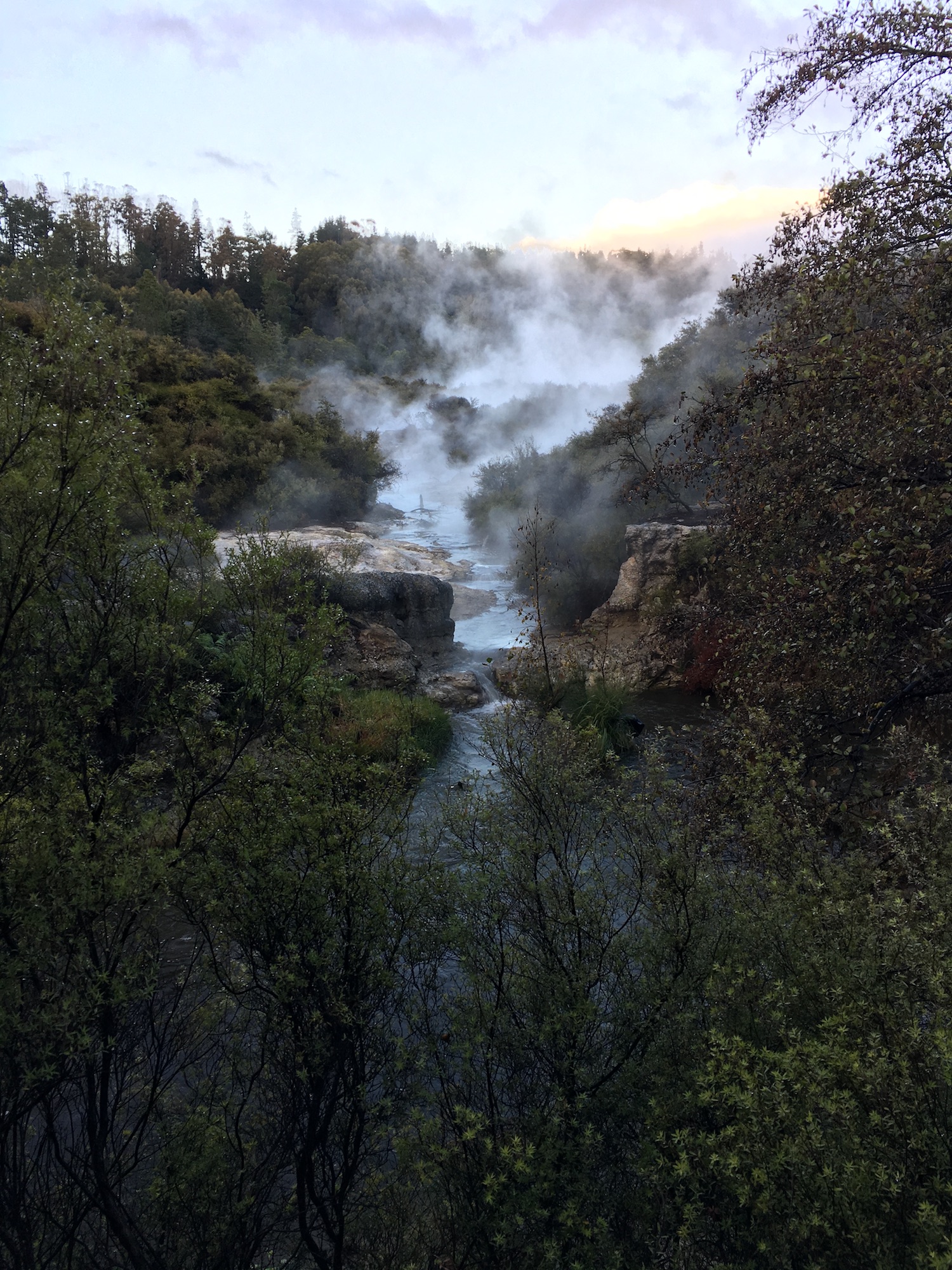
A steaming stream in Rotorua.

I spent the weekend in Rotorua at GeyserCon, the national science fiction and fantasy convention.  I had a great time hanging out with other writers and learning new things about writing, but being a science geek at heart, the one thing I can’t stop thinking about is a presentation by Peter Brownbridge, the Rotorua Lakes Council Geothermal Inspector.

For those unfamiliar with New Zealand, Rotorua is a town on the North Island known for its extensive geothermal activity. And when I say extensive, I mean extensive. The whole town bubbles and steams and smells of sulphur. There are geysers, boiling mud, hot pools, and hot springs all within the township. In some places, the footpaths are broken, gently steaming, and crusted with mineral deposits.

As you might guess, Rotorua sits inside a volcanic crater. The volcano’s last major eruption happened about 240,000 years ago, and molten rock still lurks below, heating rocks and the aquifers above them. 

It makes for some unique urban planning and maintenance issues.

Peter spoke about the ongoing need to monitor existing and new hot springs and geysers. He spoke about how the layers of ash and sediment overlaying the old magma dome are prone to erosion by hot gassy water, leading to huge underground holes that need to be filled before they become giant sinkholes. He talked about the challenges of repairing ageing geothermal bores when the pressure in them can be as high as 200psi. He mentioned the need to use alternate materials for underground pipes to avoid damage by corrosive gas. He talked about having to evacuate homes and schools due to poisonous gases belched out by hot springs. He described a median strip in the middle of town that spontaneously catches fire every summer because of highly flammable gas oozing from the ground there.

But what I found most remarkable was, after Peter described all the crazy things the city has to do to maintain services, he said, “Yeah, we’ve pretty much got it under control. The only thing we struggle with is delivering cold water to some homes.”

Think about that for a moment. Let it sink in.

I’ve been to Rotorua several times, and have visited stunning hot pools and geysers, but that one little fact has given me an entirely new appreciation for the nature of the earth beneath the town.

Music of the Night

Photo: Marcelo Zurita (CC BY-SA 4.0)

One of the pleasures of the short days of autumn is doing morning chores in the dark.

I know that sounds weird. I don’t particularly enjoy tripping over the tools someone forgot on the lawn the day before, nor am I overly fond of the cold wind slicing through my jacket.

It’s the sights and sounds of early morning that I enjoy.

Yesterday morning was particularly spectacular. The sky overhead was clear and star-studded—shimmering glitter strewn across the blackest velvet.

But the stars to the south were blotted out, and lightning flashed and forked far out at sea. The storm itself was silent from my distance, but the surf roared with a storm’s fury.

By the time the sun rose, birdsong, barking dogs and the drone of tractors drowned out the sound of the waves. Sunshine masked the flash of lightning as the storm stalked along the coast. The day dawned serene and mundane.

Other wonders have been revealed to me on my morning chores over the years.

A bioluminescent worm in the chook paddock.

Shooting stars streaking from zenith to horizon.

A bioluminescent sea creature frozen in snow and deposited in the garden.

The aurora australis pulsing green in the southern sky.

Rats tiptoeing along the top wire of a fence (I know, rats, ick. But it was an amazing feat of balance).

Little owls cackling in the treetops and swooping silently overhead.

The graceful undulation of a fence during an earthquake.

The comforting warmth of a goat’s flank on a frosty morning.

The gentle caress of a nor’west gale before it turns violent.

The rhythmic heartbeat of the sea at rest.

The clarity of thought on a crisp dark morning, before the stress of the day intrudes.

Summer’s Final Farewell

I moved the chickens into the vegetable garden last weekend—the final admission that summer is over.

I know it’s been over for weeks, but there have still been eggplants, peppers and tomatoes coming out of the tunnel houses. Before I moved the chooks, I harvested the last of those summer crops. We’ll savour them over the next week or so, and then it will be full-on winter from a culinary perspective, at least.

I’ve stocked up on barley to cook with our dry beans in bean-barley soup. Maybe I’ll add a bit of mushroom stock made from this autumn’s haul of porcini.

I’ve baked up some pumpkins so I have cooked pumpkin on hand for pie or galette later in the week. I’ll add frozen spring peas and summer corn to the galette, and garlic, stored in braids in the shed.

I’m eyeing up the secondary head of cabbage, sprouting from the remains of the summer crop. They’ll make tasty winter salads to complement warming meals.

i’ve planted out the winter crops, too—lettuce, spinach, broccoli, cabbage and cauliflower. They will provide us the late-winter vegetables we’ll crave come August.

So while I farewell summer, I welcome the culinary delights of winter. Not so varied, perhaps, as summer fare, but no less delicious.

A Bird in the Bush

bellbird

photo: Sid Mosell (CCBY2.0)

Last Thursday was frenetic—I had a challenging work day and then ran errands in heavy afternoon traffic. By the time I arrived at my husband’s work to pick him up, I was tired, and my brain restlessly analysed the day’s events.

The day was warm, and I sat in the car with the windows down waiting for my husband. Time to catch up on my e-mail …

Twee-dle … A lone bellbird called lazily from a nearby tree, cutting through the sounds of the city and the clamour inside my head.

Twee-dle

I pocketed my phone and closed my eyes as the sound transported me to the bush where I lay in a tent listening to the forest wake up. The clamour in my head stilled. Somehow my email no longer seemed important. The conundrums of the day lost their urgency. My shoulders relaxed and I took a deep breath.

Twee-dle

There was time to savour. No need to worry.

Twee-dle

Trouble could wait. I needed a few minutes in the bush.

Twee-dle

All I needed to do was listen.

Skink Snap

Stepping out the door one day last week, I met with this lovely skink on the porch. It’s not unusual to see them on our property, but it is unusual for them to sit still for photographs. The cool morning must have made this one sluggish, because he happily waited while I snapped a few pictures. 

I’m always pleased to see skinks; native vertebrates are pretty rare out here in the middle of the Canterbury Plains. We’ve deliberately landscaped to protect and encourage skinks, as I’ve blogged about before. It’s nice to know our efforts have been successful. On sunny days the native plantings rustle with unseen skinks, and the rocks sport basking lizards. I’ve learned not to leave garden hoses lying on the ground, lest a lizard take up residence in the open end.

The common skinks in our yard aren’t in any danger of extinction (unlike many of our native lizards, which are), but it’s nice to know they thrive here. Seeing them makes me smile.

Mingha-Deception Track

Last Wednesday was a glorious, chilly, sun-sparkling autumn day. A perfect day to climb up over the main divide on the Mingha-Deception Track. The track starts where the Mingha River joins the Bealey River. It follows the Mingha upstream through beech forests to the tussock-covered Goat Pass. On the way, it passes a spectacular hanging valley over which tumbles Kennedy Falls—150 metres tall. Kennedy Falls reminds me of one of the reasons New Zealand is so special. This spectacular natural feature sports no access road, no interpretive signage, no gift shop, not so much as a footpath to reach it. It spills down the mountainside in all its glory, unsullied by tourism. By the time you get to view the falls, you feel you’ve earned the privilege.

Goat Pass Hut, set in a hollow just north of the pass, is a spacious hut which we shared with just one other group of trampers Wednesday night. As we ate dinner, a group of noisy kea flew overhead. Thankfully, they didn’t call in at the hut to tear apart our shoes drying on the porch. About ten-thirty, while we all lay snug in our sleeping bags, great-spotted kiwi began calling around the hut—males and females duetting and answering one another. The great-spotted kiwi is a nationally vulnerable species, with a population around 15,000, and I always feel lucky to hear them in the wild.

Thursday morning saw us scrambling down the boulder-strewn upper Deception River on the other side of the main divide. 

Formerly known as Goat Creek, the Deception River got its name in 1900 when surveyor Mr. N. A. Harrop warned engineers building the rail line along the Otira River that the water level in the little river was deceptive—they had no idea how much water could come down the river where it flowed into the Otira River. Three months later, the river flooded and crossed the Otira Valley, damaging the new rail line. It has been called the Deception River ever since.

The day we scrambled down the Deception was one of those deceptive days—the river was lively and powerful, but the water was clear and low enough to cross on foot. Tumbled and scoured boulders left no question about what the river could be like, however. It’s not a place you’d want to be in a storm.

A few hours downstream, we passed a pair of whio (blue ducks) sitting on the rocks preening and ignoring us. Like kea and kiwi, whio are threatened with extinction. There are fewer than 3,000 remaining, so seeing a pair of them was a treat. 

The Deception Valley is narrow and steep, with many side streams pouring into the river, often in waterfalls that would be tourist attractions in their own right if they were anywhere else. Old slips, scoured into crumbling cliffs by the river, speak of a landscape in constant motion. A section of the river smells of sulphur from warm springs nearby—a reminder of the intense geological forces that have shaped the land.

As we emerged from the valley onto the wide flat where the Deception meets the Otira river, the deceptive nature of the river revealed itself again. Freshly tumbled rocks lay in drifts on the forest floor, far from the river’s current flow, showing the extent of recent flooding.

We had a glorious two days, with perfect weather, great wildlife encounters, and good company. Definitely a track to recommend.