Saffron

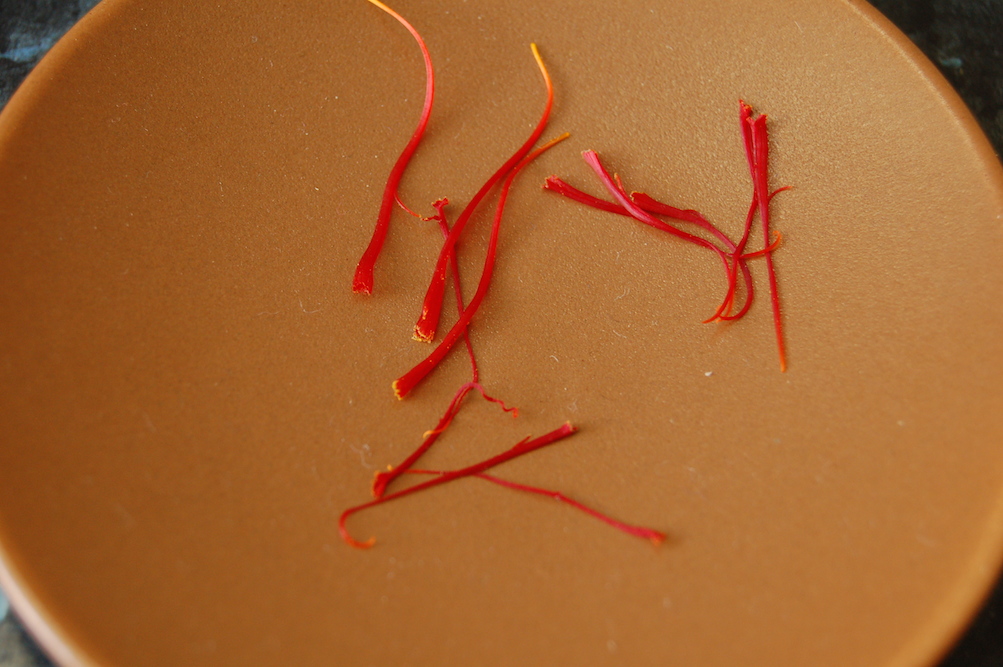
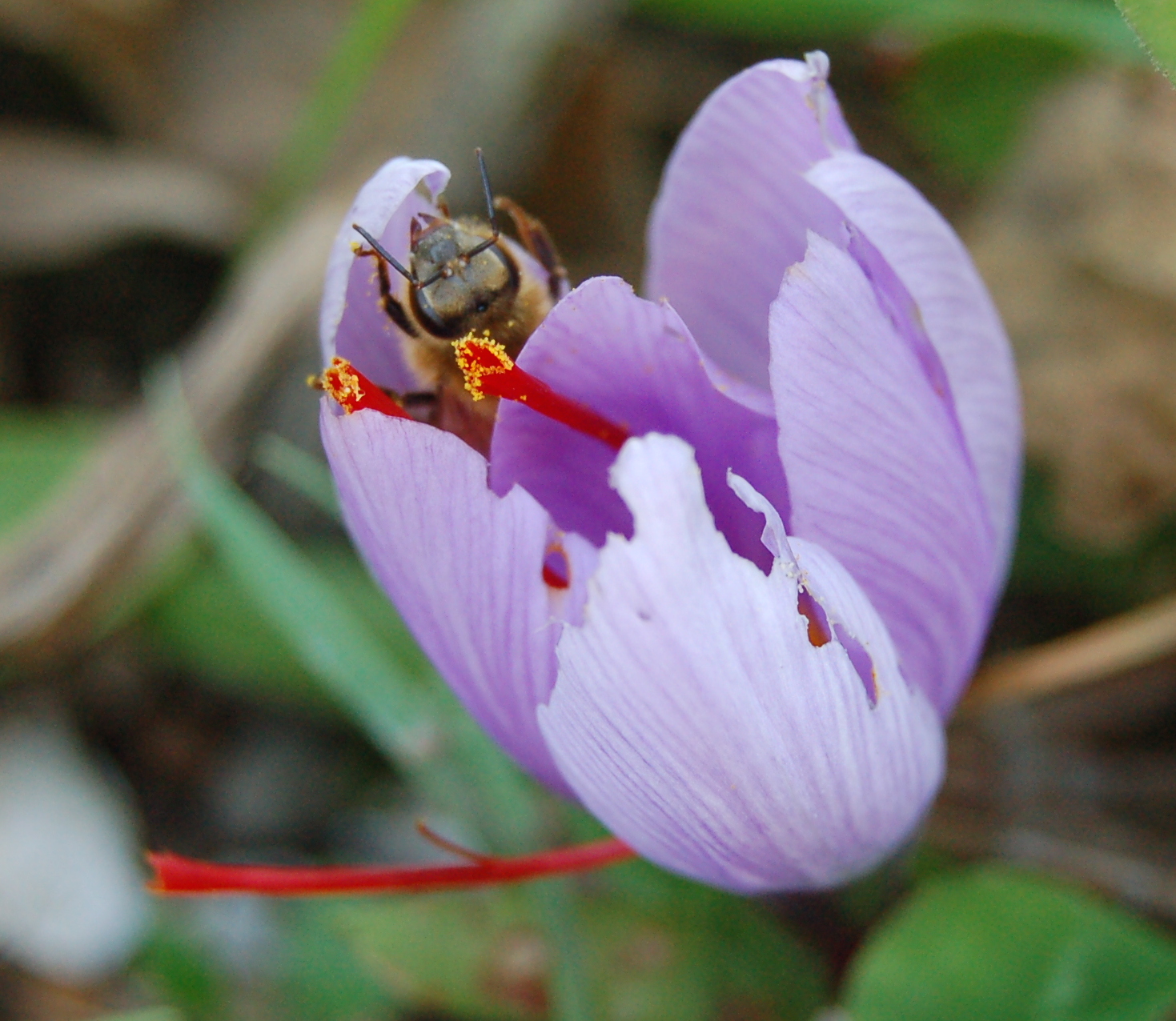
DSC_0005 cropSaffron is the dried stigma of the saffron crocus, a beautiful little autumn-flowering crocus. Harvested since 500 BCE, saffron has always been a luxury spice. No surprise, when it takes about 150,000 flowers to produce a kilo of saffron! We can get New Zealand grown saffron for $12.50/g (that’s about $350/oz), but we rarely buy it.

DSC_0010 copyA few years ago, we were given half a dozen saffron crocus bulbs, and these provide most of the saffron we use—enough for a couple of meals each year. The flowers bloom in April, and last only a day or two, so it’s easy to miss. The threads need to dry before storage, and then we’ll begin to plan the sunny yellow meals we will make with it.


Quince

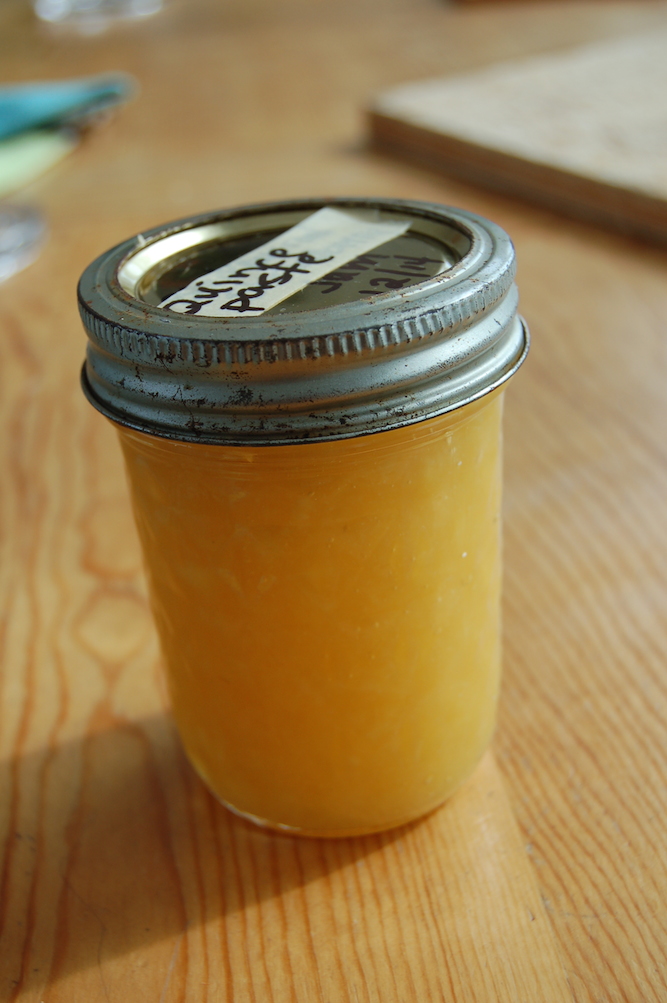
quincepaste1smQuince was a fruit I never knew before we moved to New Zealand. Looking like a fuzzy pear, and inedible raw, they’re not the most inviting fruits at first glance. But cooked into quince paste, they are one of the most delicious and versatile fruits around.

Our little quince tree (not much more than a stick) produced three fruits this year, so I made a very small batch of quince paste—about three cups. I’m afraid that it’s almost gone already. It is delicious on crackers with a thin slice of goat cheese. It’s also lovely on toast in the morning, or on bread as a late-night snack. It goes well with yogurt and granola, and…well, it never had a chance of lasting long.

The end of summer

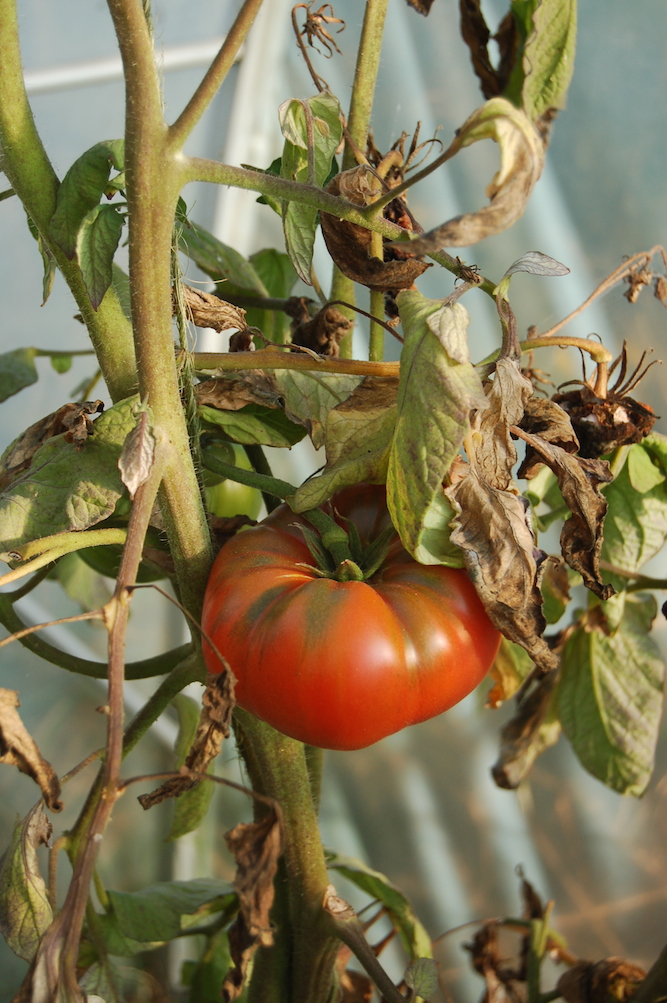
Tomatoes in the greenhouse, still going strong...for now.

Tomatoes in the greenhouse, still going strong…for now.

And here it comes…the Metservice forecast for tomorrow…

A few spots of early rain, followed by fine spells and scattered showers with hail, and possible squally thunderstorms. Snow lowering to 400 metres from afternoon. Cold southwesterlies, becoming strong about the coast in the afternoon.

It’s time to batten down the hatches, rescue the last tomatoes and zucchini, and bring firewood to the porch. I gave the goats some extra bedding (and will do the same for us, too!), and I’ve tucked down the edges of the small tunnel house in the garden, in the hopes of eking out a few more peppers and eggplants.

I’m ready, as I usually am by mid-April, for the summer to be well and truly over. I’m ready to let the chickens loose in most of the vegetable garden, to control the weeds for me over winter. I’m ready to stop frantically preserving the summer’s bounty and start eating what I’ve saved.

Not that there isn’t gardening to do in the winter. My “winter” vegetable garden is bigger than many people’s summer garden, but it is still less than a quarter the size of the summer garden, and feels like a holiday. I’m looking forward to starting that holiday soon.

Pumpkin seeds

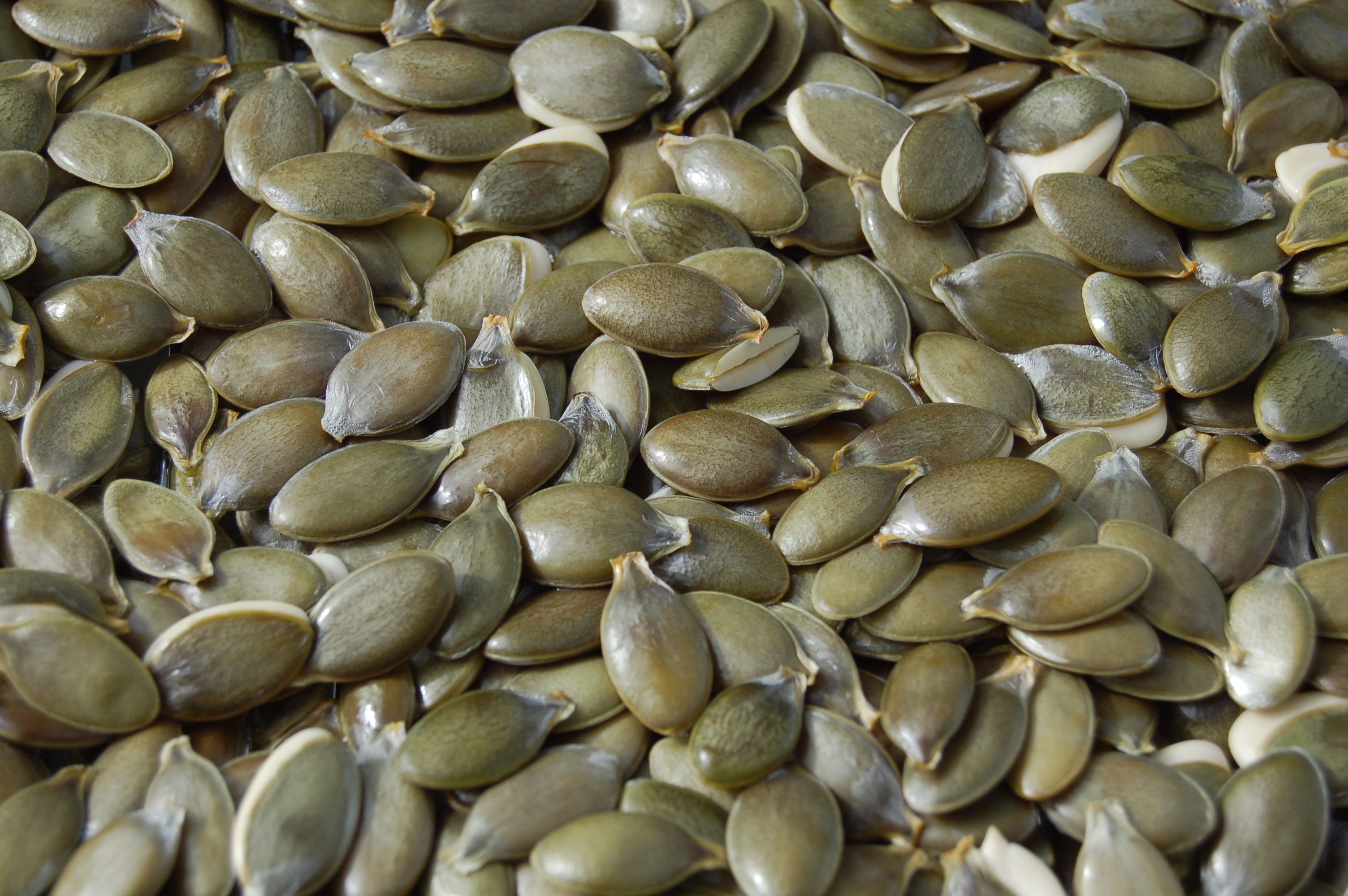
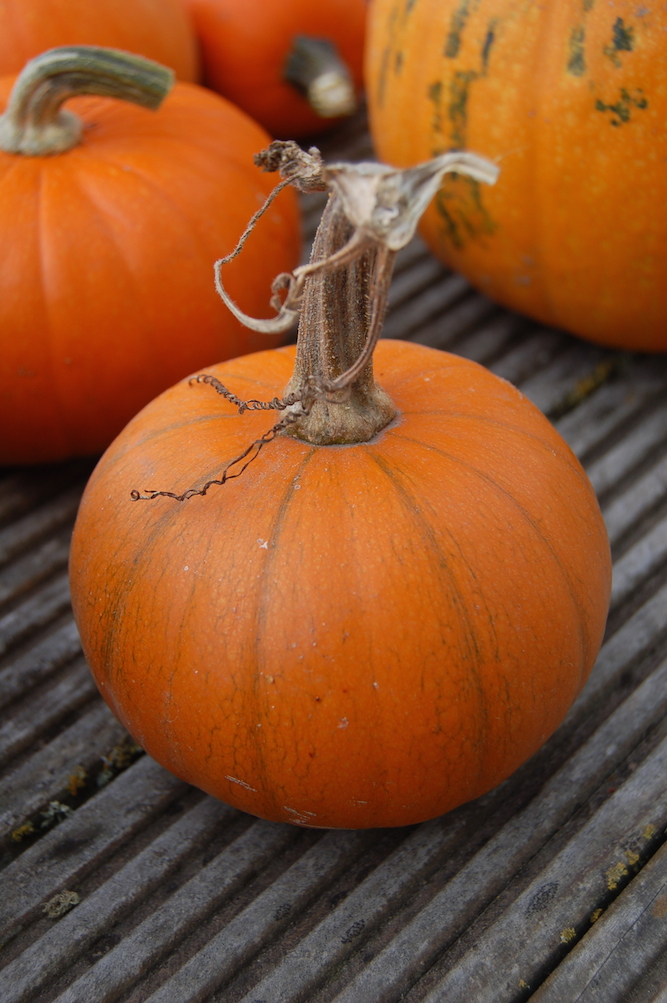
DSC_0013Pumpkin seeds are another of those foods (like onions) that I never really appreciated before I grew them myself. It’s not that I didn’t like them, but they weren’t something I paid much attention to.

I still don’t go out of my way to buy them, but I very much enjoy our harvest of pepitas, roasted with salt and a bit of curry powder. They’re almost as hard to stop eating as peanuts (and just as good with a beer)!

To care and to share

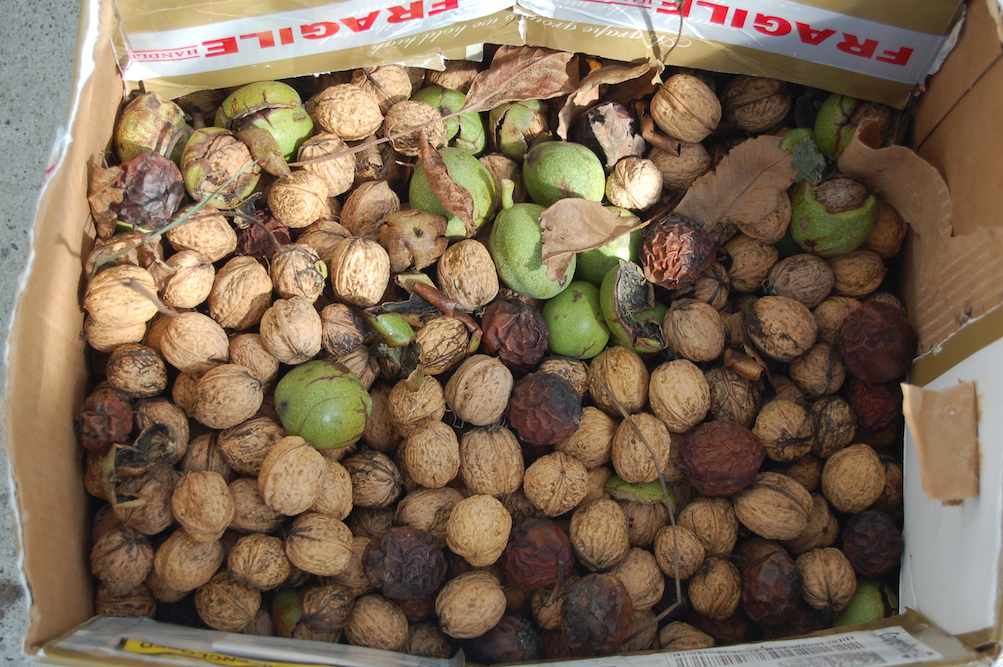
DSC_0006 copyIn addition to peaches, we foraged for walnuts at the dentist’s house on Sunday. Even more than the peaches, the walnuts illustrate what I so like about the dentist. He and his family don’t like walnuts, and they don’t have a walnut tree. The walnuts at his house come from the neighbour’s tree, planted on the fence line and hanging over into his paddock. He won’t use them himself, but every year he collects them and gives them away. As a well-paid dentist, he has no reason to be concerned about a little food waste, but he cannot bear to see good food rot. Even if it is food he won’t eat himself, he takes the time to gather it up and make sure it is eaten by someone.

If every person in the developed world just cared as much about the people and resources around them, imagine how much less waste, less pollution, less strife there would be. To care and to share…wouldn’t it be lovely.

Step Away From The Kitchen!

There's more to life than the kitchen!

There’s more to life than the kitchen!

“I don’t know what is more terrifying…that your blog makes you seem like this insane woman who spends all day in the kitchen, or that you really are an insane woman who spends all day in the kitchen.”

I just want to make it perfectly clear that I do not spend all day in the kitchen. I may be insane (indeed, I’m pretty sure I am), but not in that way.

For example, I spent all afternoon Saturday in the garden, and Sunday morning I cleaned the house and payed a social call to the dentist. I just finished editing a resource management plan for a client, and soon I will move on to the main task of each week day, writing and selling (well, trying to sell) my books (which have nothing to do with food, though sometimes characters do eat).

Have I spent an inordinate amount of time in the kitchen lately? Yes, at least on weekends. But it is harvest time, and extra work now means I can spend winter evenings sewing, or curled up with a book. I intend to enjoy every one of the frozen and canned meals I’ve been working so hard on lately, and I will take full advantage of the extra hours I gain later, spending them out of the kitchen.

Life as a Squirrel

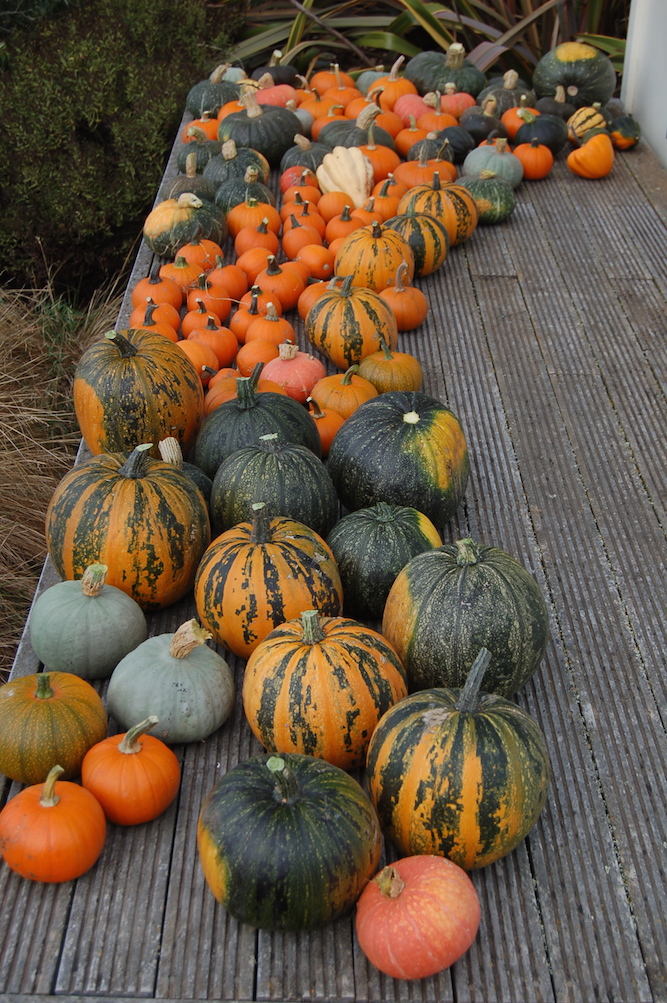
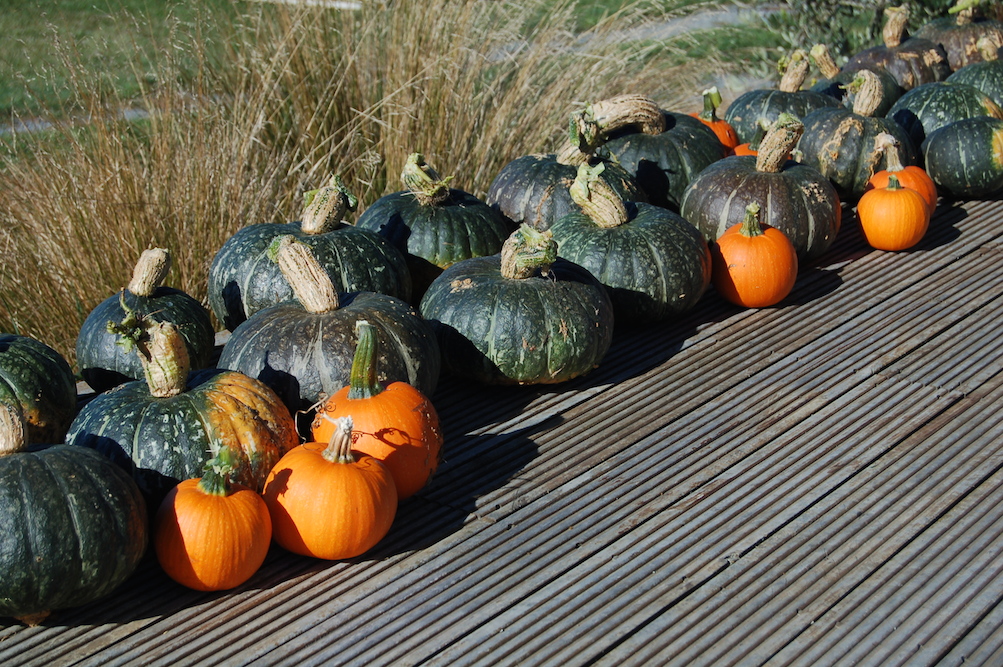
pumpkins2 smHaving recently crossed over into the dark side of the year, I am naturally looking ahead to the winter to come. The days are growing short, the nights cool.

As I sneak a late-night snack of almonds and raisins (though I’m not particularly hungry), I begin to wonder…Am I like a bear, eating extra food, building up fat in order to hibernate all winter?

Then I harvest the beans, corn and pumpkins and store them away in cupboard, freezer and shed, and I believe I am like a chipmunk, filling its larder with autumn’s bounty so I can huddle inside munching on the fruits of my labour all winter.
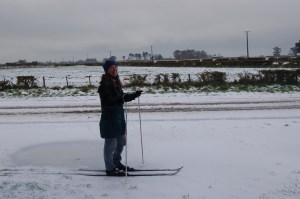
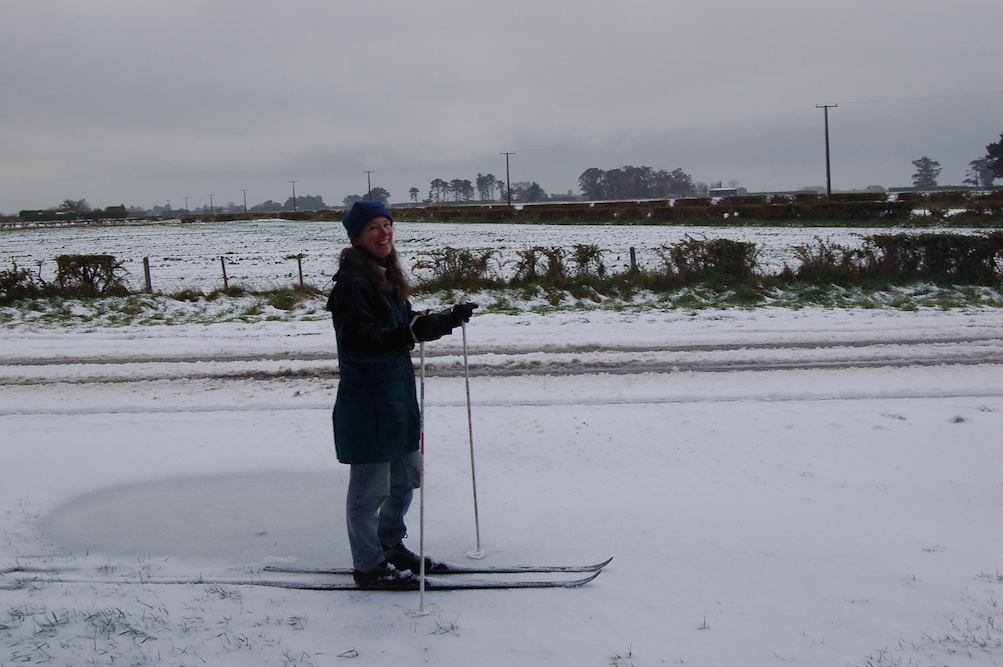
Our last snow--in 2011. We rarely get snow to frolic in, but it's nice to frolic when I can.

Our last snow–in 2011. We rarely get snow to frolic in, but it’s nice to frolic when I can.

But that’s not quite right, either, because I’m truly more like a squirrel. I hunker down in my winter nest during the worst weather, but on fine winter days I like to frolic outdoors, to scamper around searching out the little tidbits I’ve stashed here and there. The chard I left growing on the compost pile, the lettuces in the greenhouse, the last of the potatoes and carrots still in the garden, the cabbage and broccoli that hang on through the cold months. Sometimes, squirrel-like, I forget where I’ve hidden something—the last jar of artichokes, in the back of the cupboard, perhaps, or the leeks, quietly growing without my noticing until one day they are ready to eat.

I’m sure that, for a squirrel, fine winter days are a frantic race to stave off winter starvation, but for me, winter frolicking is just that—a little light weeding, gathering in the meagre winter crops, and enjoying the release from the hard labour of summer.

I still have a month or more to go before I can rest from summer labours, but on this tired end of the year, I look forward to my squirrely winter days, curling up in my nest and eating from my food caches.
Brought to you by the letter P and the colour Purple

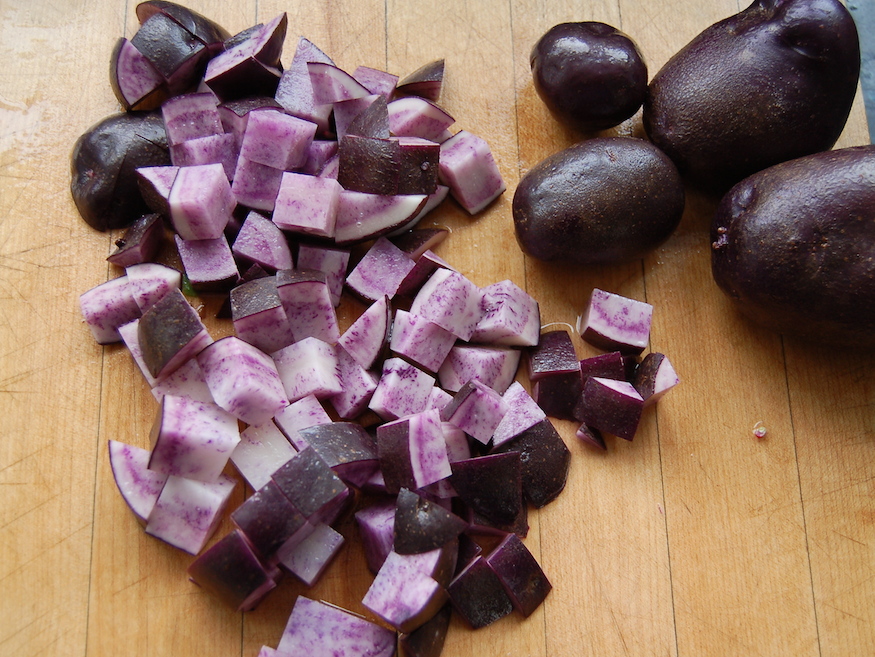
DSC_0004 copyPotatoes are one of my favourite foods. They go with just about everything. They can be baked, fried, boiled, steamed, and grilled. They can become a cool potato salad for a hot summer day, or a thick steaming soup for a cold winter night.

When we visited Bolivia and Peru years ago, I got to see and taste a wide range of potatoes I’d never experienced before. One of my most vivid memories is sitting in a boat travelling across lake Titicaca watching a group of local men pull out their lunches—handfuls of small, colourful potatoes that they ate like apples. Most of those potato varieties never make it out of South America, and our cuisine is poorer for it.

Roast veggies3sm

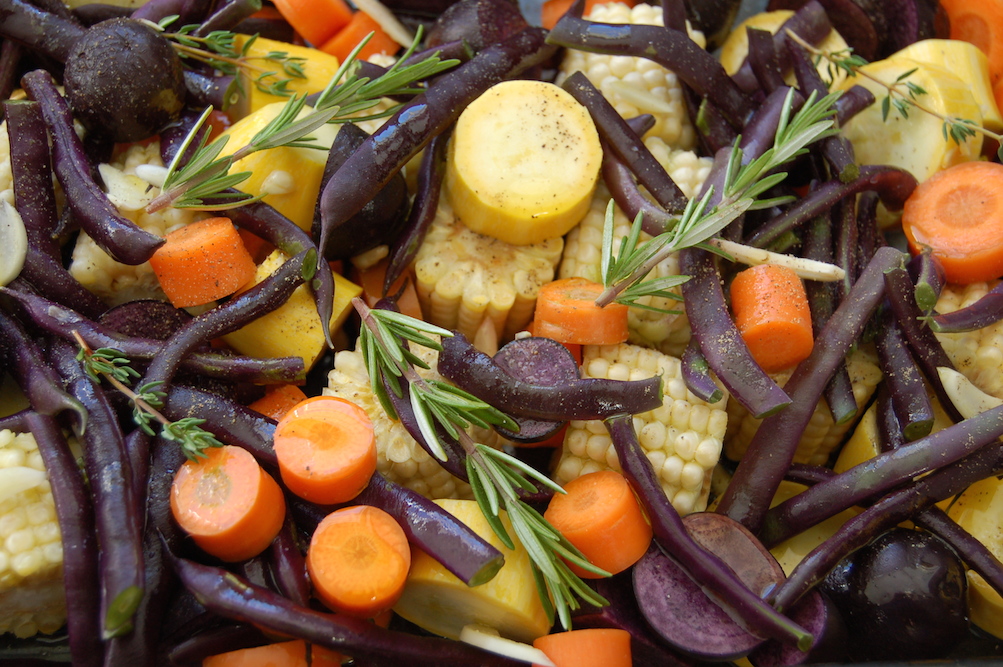
Purple potatoes (and purple beans, too) add a lovely colour contrast to other vegetables.

Supermarket potatoes are a rather uniform lot, but a greater variety can be had in seed potatoes. My all time favourite potato is Purple Heart. Even if it weren’t delicious (which it is), its purple colour would win me over. The colour remains during cooking, and adds a splash of whimsy to a plate. Purple mashed potatoes, anyone?

Some Like it Hot

DSC_0003 copyWhat do you do with 3 kg of hot peppers? I don’t know, but you’ll need lots of water on hand!

I planted Thai Super-Chilli, my reliable, high-producing hot pepper this year, and I also tried a new variety—Jalapeño Early. Ordinary jalapeños take so long to produce that they’ve barely flowered before the frost kills them off. I didn’t expect much from Jalapeño Early, but I hoped we’d at least get a few. They’ve been tremendous! We’ve been eating them for weeks, and I finally had a chance to go out and properly pick—close to 3 kilos, and more still on the plants (I quit picking when my colander was full). That’s a kilogram of fruit from each plant–way more than I ever expected!

Unfortunately, they’re milder than an ordinary jalapeño, but I’ve pickled them with a few Thai Super-Chillies in each jar, to spice them up a notch. They should be great with the black beans I harvested a few weeks ago—warm us right up on a cold winter evening!