Secret Garden

Years ago, my husband installed a mirror in our hedge. I still catch myself wondering about the garden on the other side.


hedgemirrorsmThere is an arch in the hedge,

Dark and green,

And a gate.

It beckons.

Calls me to step through

To the secret garden

Beyond.


At work over here,

I glance up.

The far side is green,

Lush,

With clipped shrubs

And well-weeded flowers.


I wonder at the gardener

Who can maintain such beauty.

I struggle so on this side!


A bird flashes by,

Glimpsed through the arch,

I am sure it was red,

With a long tail.

What exotic creatures live over there

On the other side?


I stand, stretching my aching back.

I step closer to the arch.

Was there movement?

There is someone on the other side.

The gardener?

I would like to meet her.

Would she show me around her garden?

Boldly I approach the gap.

I see she, too, walks to greet me.

When I catch her eye,

I draw up short.

A slow smile spreads across our faces

As we recognise one another.


The hills are alive with the sound of music

I was in the garden, weeding as usual, when I heard the Star Wars theme wafting across the yard. It was my daughter, testing the new low register she was making for the flip-flop-o-phone.

What’s a flip-flop-o-phone, you ask?

It’s one of a number of musical instruments scattered around our yard. My husband believes in tantalizing all the senses in the garden. Music is an important part of that, so he builds instruments everywhere.
tubophone smIn the herb garden is the tubophone—galvanized electrical conduit cut to a C-major scale and played with a mallet—a DIY glockenspiel.

musicalbench sm


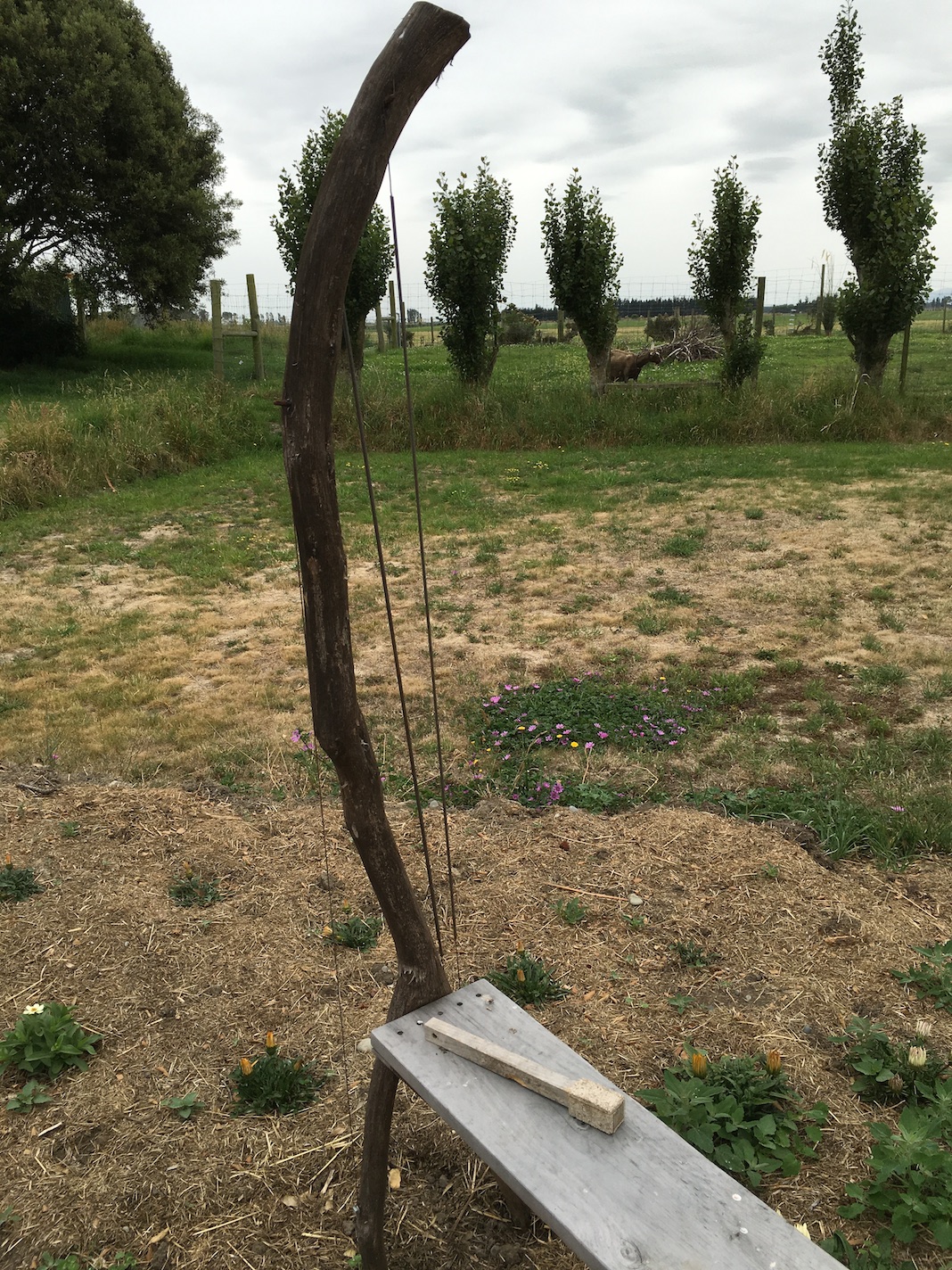
In the pond garden is a bench strung with strikable and pluckable piano strings—sort of a jug band sound.


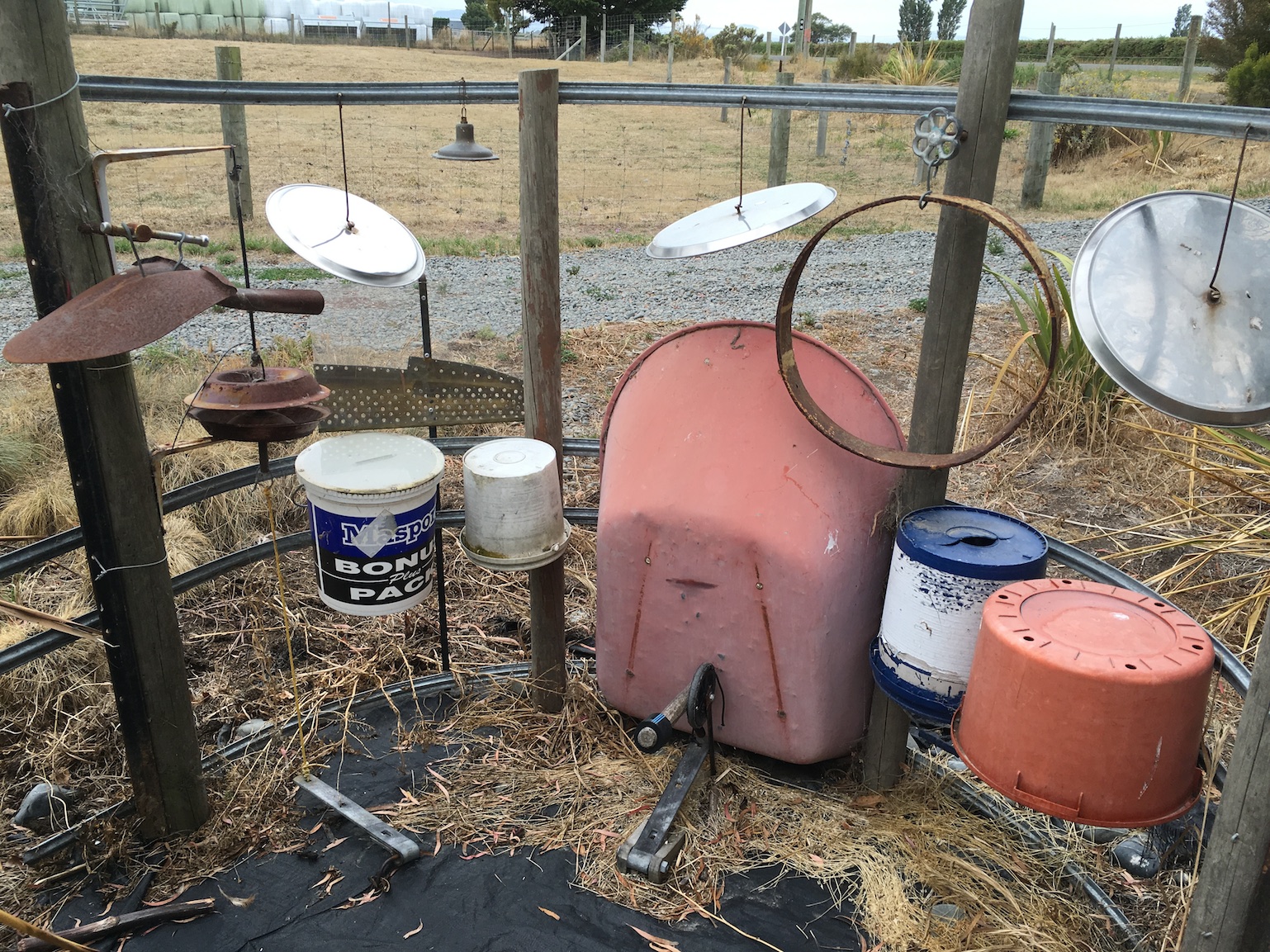
drumkit1 smAnd nestled among the plants in the native garden are the garden drum kit (complete with wheelbarrow bass drum, bucket snare, and tyre hub high hat), and the flip-flop-o-phone.
flipflopophone1 sm


The flip-flop-o-phone is a set of pvc pipes (salvaged plumbing) that are struck on the end with an old flip-flop to make a (sort of) musical note.

The outdoor instruments are fun, interactive garden elements we all enjoy—one of the many elements of whimsy my husband adds to the landscaping.

Homemade and Home grown

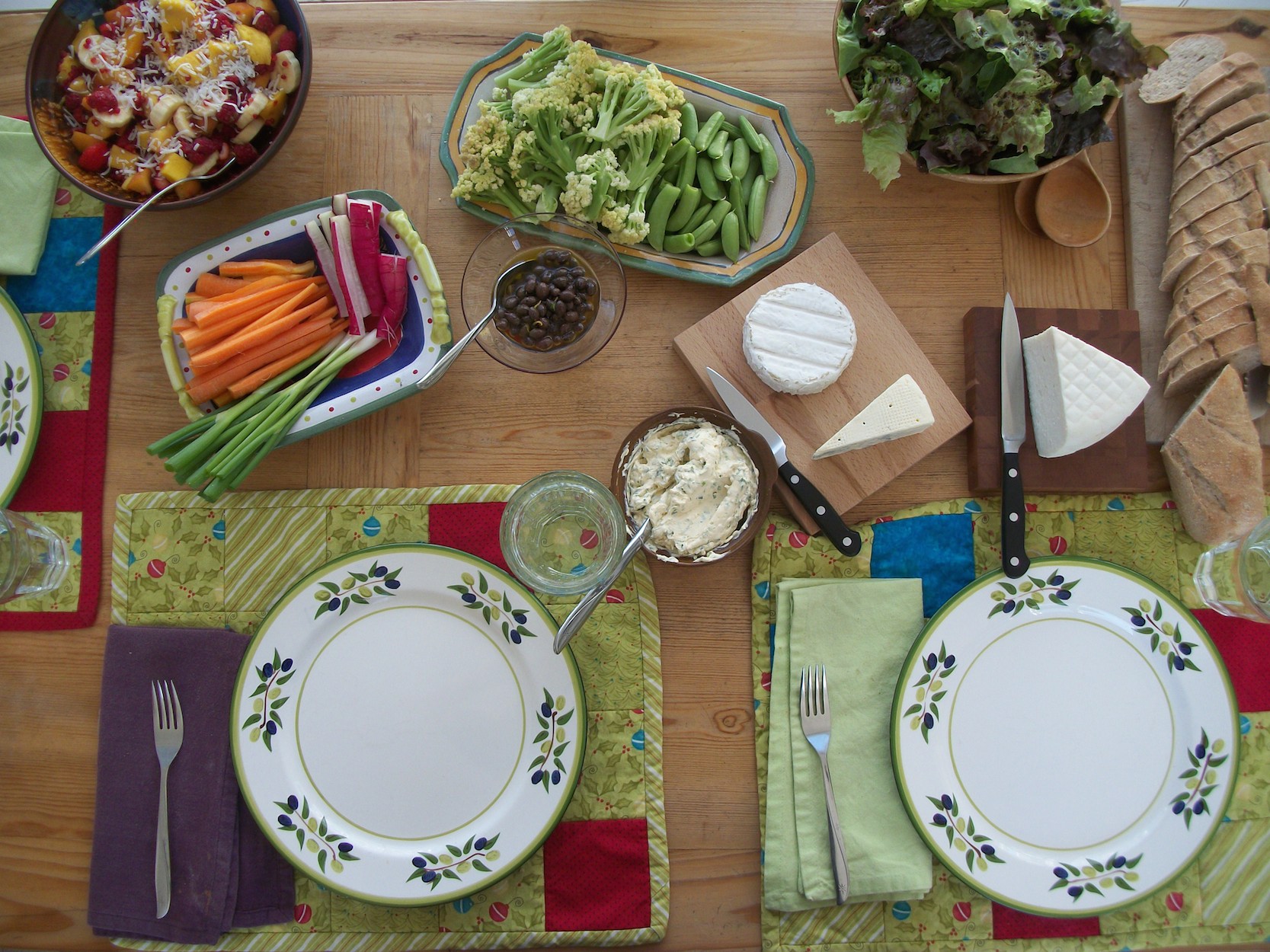
100_4265 smMy family loves food. We eat well. We eat a lot. But what I’ve come to realise is that we don’t just love food for its own sake. We don’t go out to restaurants, and we don’t wax lyrical about our favourite products from the grocery store.

For us, food is as much about how it gets to our table as it is about what it tastes like there. Food is a labour of love, a creative endeavour, a team effort. Food is inseparable from its origin.

Years ago, my son asked, “If we didn’t grow the ingredients ourselves, is it really homemade?” That is how deep our relationship to our food is.

I sometimes wonder if this is healthy—this obsession with food. But it really isn’t so much about the food as it is about the process and all the corollary benefits.

Producing our own food, we stay fit without paying for gym memberships, we have food security in the face of natural disasters, we learn to work together as a family, the children gain a sense of worth from helping to feed us all, we eat better, we reduce our impact on the earth…the list goes on and on.

Producing our own food is a way to nurture the family, a way to acknowledge our place in the natural world, a way to celebrate each day of the year and the gifts it brings.

A Day Off

DSC_0020 smI don’t do anything on Christmas Day. I take the day off. Well, okay, I have to do the milking and the other animal care, but I do only the essential daily tasks.

Before Christmas, I make sure the garden is well-weeded, so I’m not tempted to pull any on the day. I make sure all the picking and processing of fruits and vegetables is caught up, so I don’t feel I have to make jam or sauerkraut. I make sure the laundry is all done the day before, so I don’t feel a need to do washing. As soon as I’m done with the morning chores, I put on a skirt, just to make it harder to do work.

I don’t even cook much. Christmas breakfast—sticky buns—are made the night before, and left to rise in the fridge overnight. All I do is throw them in the oven in the morning. Lunch on Christmas is leftovers from Christmas eve dinner—usually calzones. Christmas dinner is salad, cheese, and bread. Easy and summery.

So I take a day of rest, and I enjoy it a great deal. I read a book. I take an afternoon nap. I do a little sewing, I play games with the kids.

The problem is the next day.

My body is obviously made to be in motion. Sitting around all day is not good for it.

The morning of the 26th of December, I can barely get out of bed, my back is so stiff and sore. I hobble around groaning for the first hour of the day.

So I’m happy to be back at work on Boxing Day, weeding, harvesting, doing the laundry. Good thing Christmas comes only once a year!

Harvest time, Time to harvest

100_4237 smI picked peas today.

That was all.

Well, yes, I did a few other things, like laundry and cooking dinner and whatnot, but my day was pretty much given over to picking and processing peas.

Tomorrow I will do the same with currants and raspberries.

The next day we will pick cabbages and make saurkraut.

And it will be time to pick peas again.

When George Gershwin wrote the lyric, “Summertime, and the livin’ is easy,” he obviously wasn’t thinking like a gardener. Oh, food is plentiful—more than plentiful—but getting that food to the table or stored away for leaner times doesn’t make for easy living.

Summer

100_4218 smWhen the question is not, “What is there to eat?”

But, “What needs to be eaten?”


When bringing in the day’s vegetables takes all morning.

And doing something with them takes the rest of the day.


When you worry, not about what to eat,

But how to eat it all.


When you begin to think that life is nothing

But picking and processing vegetables.


When you know

You will appreciate all this work

In the dead of winter

When you are still eating

Peas, corn, cherries, strawberries, green beans…

But today

All you want

Is to sit

For five minutes

And not

think

about

food.

Ricotta Cheesecake

100_4225 smWhile all you denizens of the northern hemisphere are baking Christmas cookies, we’re down here trying to figure out how to eat an overabundance of early summer fruits.

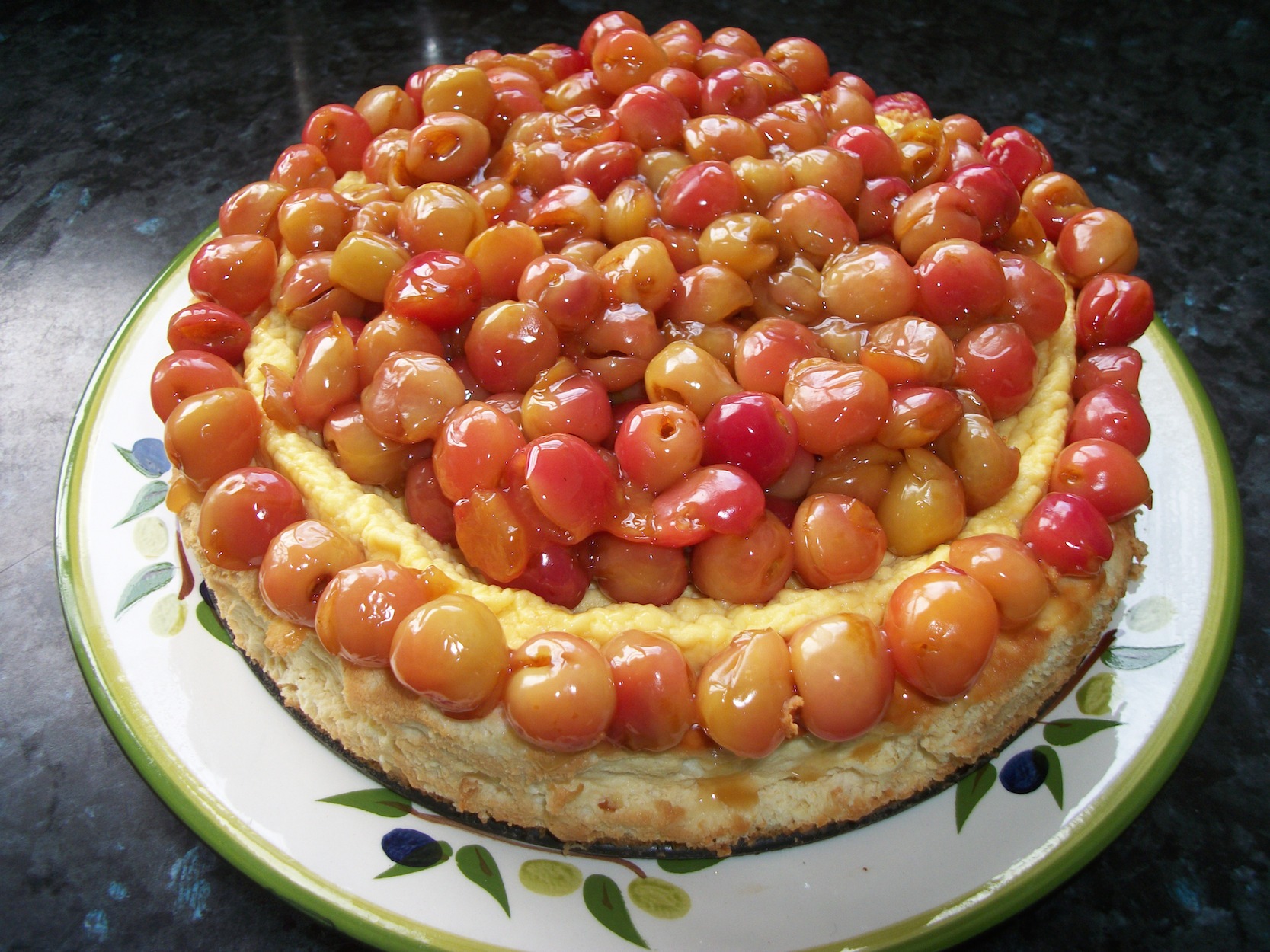
This week, we had a delicious confluence—too many cherries and too much ricotta cheese. There’s only one thing to do with that situation—make ricotta cheesecake and smother it in cherry pie filling!

The ricotta cheesecake—essentially a sweet soufflé—puffed twice the height of the pan in the oven, then fell most unattractively when it cooled. But it left a perfect rim for holding cherries.

Mulch

100_4203 smIn a drought, I can’t not blog about mulch at least once. Even in a normal summer, I don’t think I could grow vegetables without mulch—it’s just too dry and the sun is too intense.

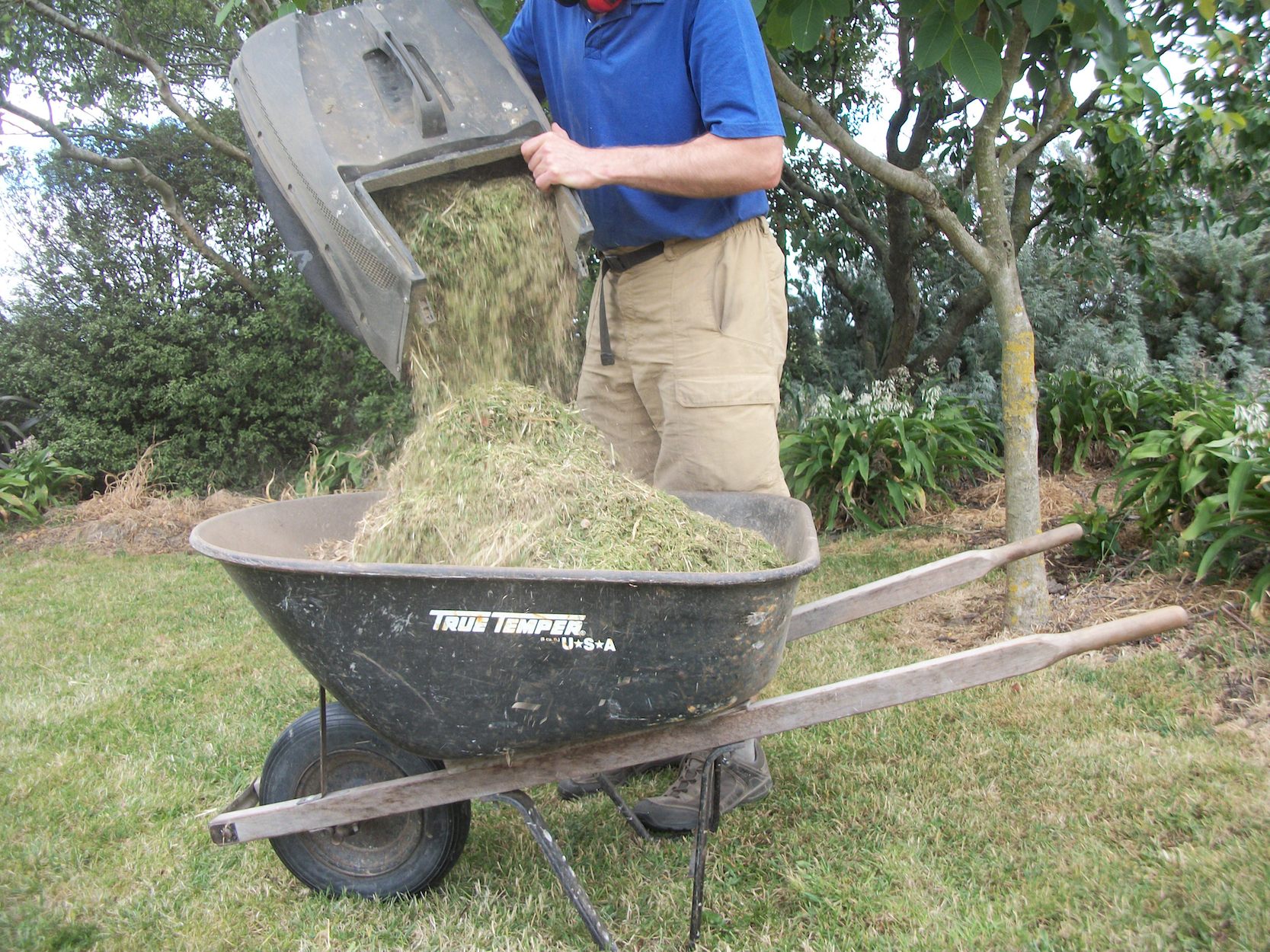
We mulch with grass clippings, and the mulch serves a number of purposes. First, it disposes of the grass clippings, which would otherwise end up sitting clumped on the lawn, or fill up the already overflowing compost bins.

But the mulch is more than that. It holds moisture in the soil, so I don’t need to water as frequently. It also suppresses weeds, which is absolutely essential for my sanity—without it, I’d be spending every waking moment just weeding from September to April.

Grass clippings are particularly nice because they aren’t as attractive to slugs as the alternatives (pea straw or barley straw), they have a fine texture that can be gently nestled around even small plants, and they don’t blow away like other mulches do.

The only problem lies in getting enough for all our needs in early summer. It takes a lot of mowing to mulch all our garden beds!

First Tomato

100_4209 cropThe first tomato of the year is always an event. We don’t buy fresh tomatoes, so tomato season is eagerly anticipated from May to December.

This year, our first tomatoes came early—early December instead of early January. The early fruits are off a variety that’s new to me—Bloody Butcher—though the variety isn’t noted for early ripening.

The Bloody Butcher plants were hit hard by overspray while they were still in pots in the greenhouse, so the early ripening could be a response to stress, or it could just be a response to the hot spring and early summer weather. Either way we’ve already enjoyed half a dozen small tomatoes.

And truly, there is nothing quite like a home grown tomato!

Cilantro and Culantro

100_4228 smCilantro is an acquired taste. This strong herb is used in Asian and Central American cooking, and is one of those things you either love or hate.

When I first tasted fresh cilantro (Coriandrum sativum), I will admit I didn’t like it.

It wasn’t until I had culantro—Eryngium foetidum, also known as Mexican coriander—that I really learned to like the flavour (Never mind that the scientific name means ‘foul-smelling thistle’).

In Panama, both are eaten, and though they are only distantly related plants, they serve the same culinary purposes, with similar flavours. Panamanians consider Eryngium foetidum the ‘real’ cilantro, and call it simply culantro. Coriandrum sativum is called culantro Chino (Chinese cilantro).

Culantro grew wild in our lawn in Panama, and we weren’t long in the country before we were eagerly searching it out to flavour our dinners. It was a disappointment to return to the U.S. and find we could only get culantro Chino—positively bland in comparison to the foul-smelling thistle we grew to love.

But we’ve since grown fond of Chinese cilantro, too. It grows year round here. In fact, it’s as much a weed here as culantro was in Panama, and I find it cropping up all over the place. It does a lovely job of providing a year round crop without any work on my part at all. I just need to be open-minded about leaving the ‘weeds’ where they sprout.