Taking Stock

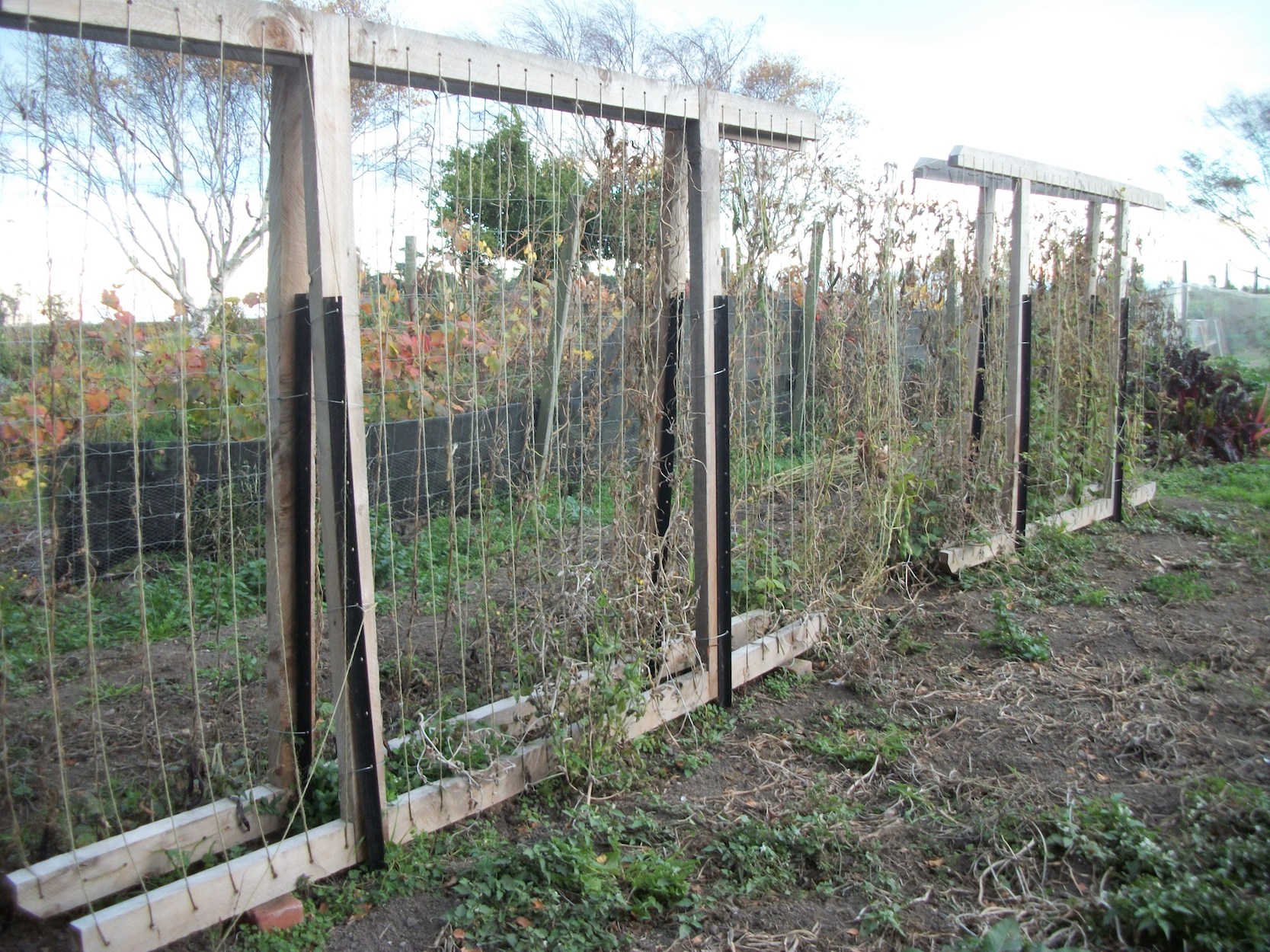
New trellises

New trellises

The new year’s seed catalogue will be out in six weeks, and all the summer crops are in, so it’s time to take stock of how the last year’s garden went.

Water was a constant problem this past summer—lack of it, that is. My irrigation system held up pretty well, though. I added some extra taps along the irrigation line at the edge of the garden, and this reduced the length of hose I had to drag around. The drip irrigation line for my eggplants and peppers is aging, though. I might need to make a new one for next year.

Birds were a terrible problem this past summer, destroying crops they’d never before bothered and never letting up all summer. Usually I only have to protect the peas and lettuce from them, and then only for a few weeks in early spring. This year I fought the birds all summer. It might have been the drought—there certainly wasn’t much food for the birds elsewhere in the yard—or it might be that the birds’ populations are up. Whatever it is, I’m going to have to more aggressively protect the garden next year.

The new trellises Ian made me were perfect for peas and beans, but not so great for tomatoes. The jute I used holds up beautifully for tomatoes in the greenhouse, but in the high wind of the open garden, it broke. I’ll try the new trellises again next year, but strung with high tensile wire instead of jute.

Summer squashes were a bust this year, not through any fault of mine, but because tree roots have again invaded the garden, and they sucked the squash bed dry. The same thing happened to a row of strawberries. We’ll have to get a trencher and cut the roots back before spring.

Peas did beautifully this past year. The heirloom blue peas I planted for the first time were vigorous, stunning to look at, and produced right through summer. Unfortunately, the peas themselves turn an unappealing grey when cooked. I’ll plant them again, for sure, but I’ll have to look for some recipes in which I don’t mind grey peas.

Pumpkins were a bit of a disappointment. Not that we don’t have lots of pumpkins, but we have fewer than I’d hoped. They were in the driest corner of the garden. That corner is always a problem. Perhaps I’ll have to set up some extra irrigation for that spot next year. I planted several new varieties of pumpkin last year, and was very impressed with Baby Bear—as cute and compact as Wee Be Little, which I’ve grown for years, but with better flavour.

The Delicious tomatoes continue to impress me. I think next year I’ll plant more of them than I do Brandywines—they’re almost as tasty, and grow much better here.

These and dozens of other notes are scribbled in my garden journal. I’m sure I’ll make more mistakes next year, but at least I won’t repeat the same ones!
First Frost

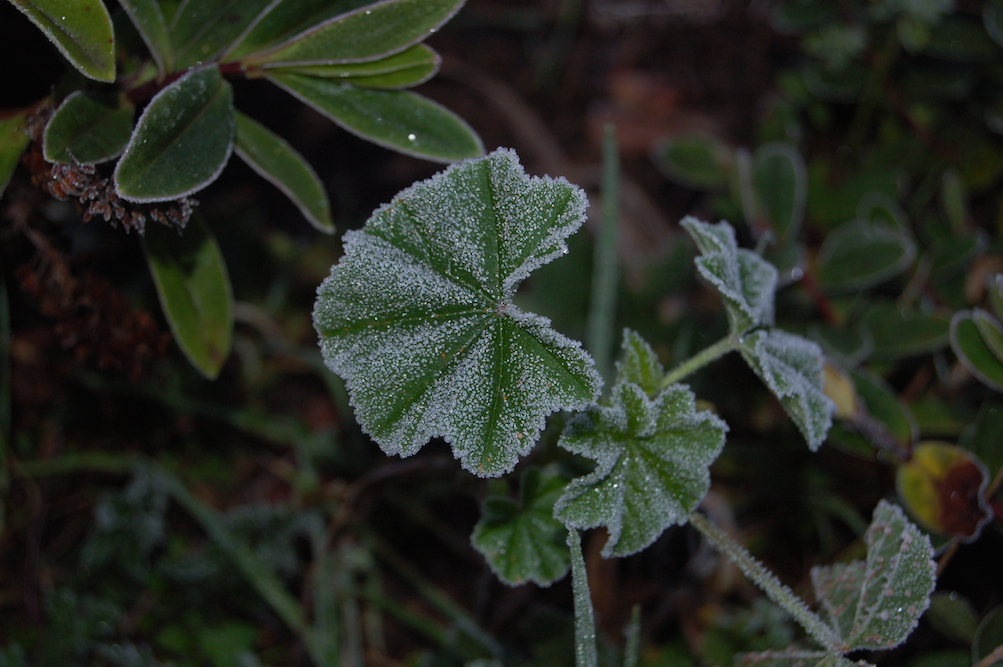
DSC_0006 copyThe grass sparkled in the beam from my headlamp this morning and crunched underfoot—our long-overdue first frost. After such a hot summer, we should have expected a warm autumn, but I was beginning to wonder if it would ever frost; it usually occurs near the end of April.

Of course, even without a frost it’s been too cool for the summer crops outside the greenhouse; they gave up weeks ago. So we’ve been eating as though it has already frosted, but there’s something decisive about the first frost.

First frost gives me permission to haul out the sewing machine after a summer’s interruption to crafts. It encourages me to pull out a good book. It gives me leave to contemplate steaming pots of soup and chunky vegetable stews for dinner. It is a milestone in the year. A time for taking stock, reflecting on the summer’s crops, and enjoying a brief break from most garden chores. Though the garden looks wasted and sad after the first frost, it is a time to savour, like every other event and milestone in the garden year.

An Orderly Work Space

My "new" 125 year-old garden shed.

My “new” 125 year-old garden shed.

With my husband’s new shop all but finished, he’s been shifting all his tools from the old shop. The shift prompted the shuffling and rearranging of not just his tools, but also my gardening tools and supplies, and my teaching resources and crafts in my office. A shelf unit from my office went to the new shop, and a cupboard went to the “new” garden shed (the old shop). I got new cupboards for the office that are a better fit for the space, and we all spent the entire weekend rearranging and organising stuff in all three work spaces. Cleaned out things we don’t use anymore, discovered things we thought we’d lost, and arranged work spaces so that the tools and materials we need are easy to find and convenient to use.

After nearly ten years saying we were going to do this reorganisation (and being sidetracked by more important issues like leaking roofs, rotted house piles, and disintegrating weatherboards), I’m thrilled to see our work spaces coming together the way we’d like them to. There is still a lot of work to do to finish the job, but I can already see I’m going to appreciate having my seed-starting trays and pots in an enclosed space so they don’t blow off the shelves every time we have a storm. I’m going to enjoy having my garden tools neatly hung on the wall, and my pots and potting mix arranged for efficiency, not just stashed wherever I could make them fit.

Makes me want to go out and plant something, just for the pleasure of using a well ordered shed.

I “Heart” Biscuits

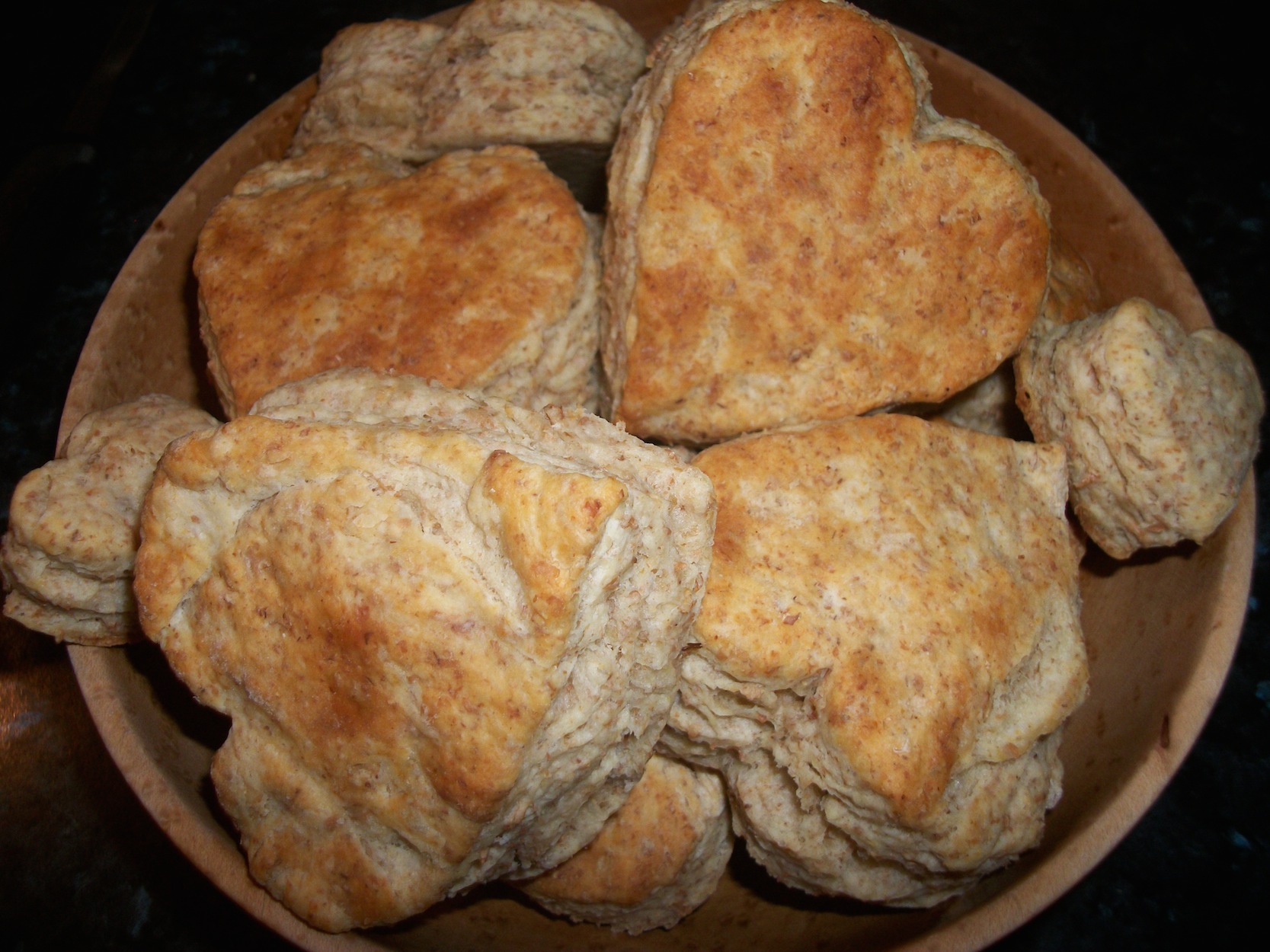
100_3226 copySunday breakfast was biscuits (or, as I have to say to my Kiwi kids, American biscuits, lest they thing we’re having cookies). I sometimes forget about biscuits–generally only making them when there are no eggs in the house—but they make such a lovely breakfast, slathered with homemade jam! Make enough, and they’re equally good at lunchtime with cheese and mustard.

For some forgotten reason, I always make my biscuits heart shaped. The crispy pointy end is absolutely the best part!

Blue Cheese

IMG_2297 copyThough it is sad when the last of the season’s goat cheese is gone, I do enjoy the excuse to buy cheeses I don’t make myself.

Blue cheese is one of these. I’ve heard enough horror stories about making blue cheese (“Once you’ve made blue cheese, all your cheeses end up blue”) that I’m reluctant to try it. Besides, there are plenty of moderately priced, locally produced blues available.

My family can polish off a generous wedge of blue at lunch, and much of the blue cheese we consume is eaten simply on bread or crackers.

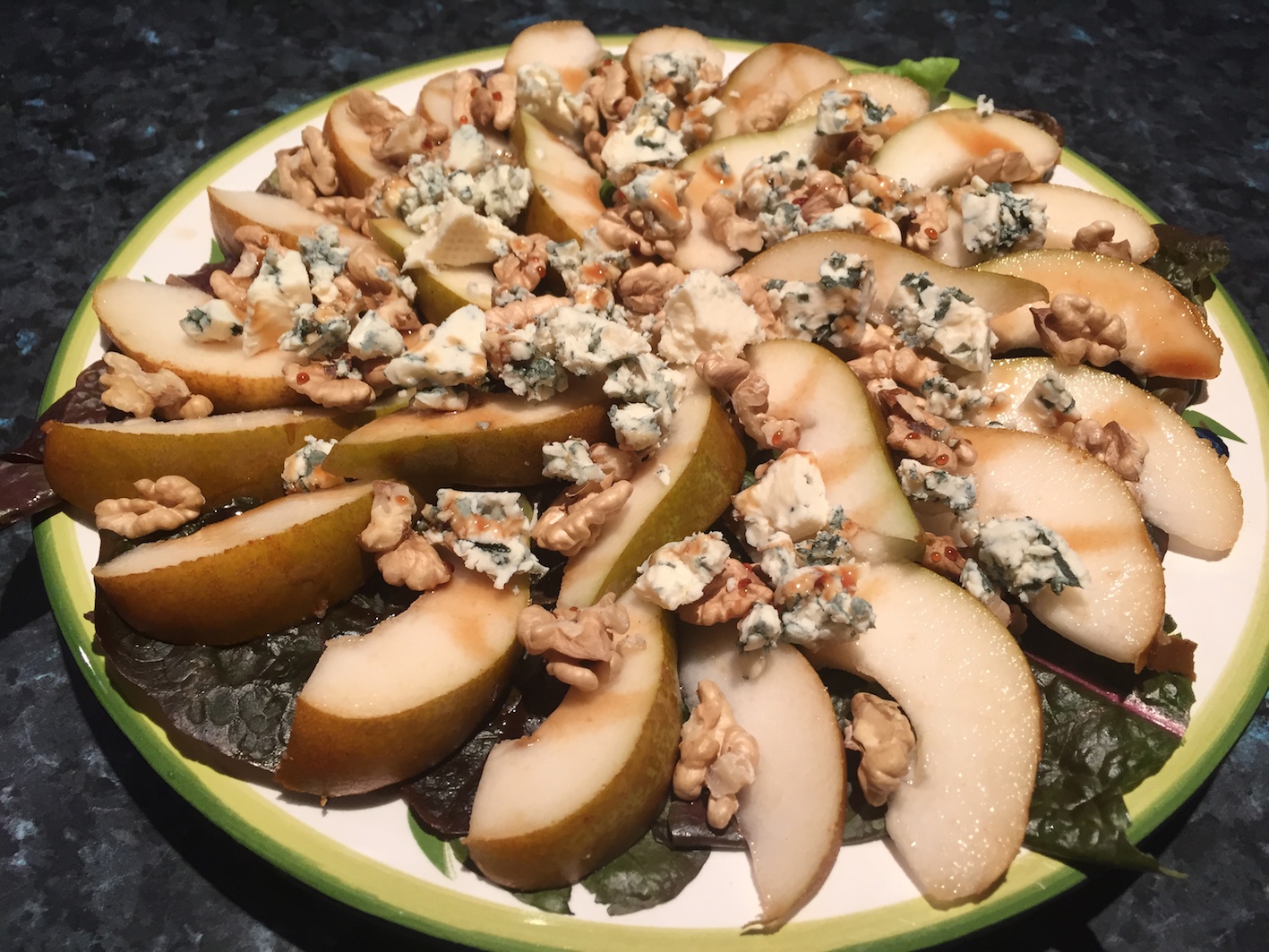
If I can hide it until dinner, though, I love blue cheese in a salad with pears and walnuts. The combination of bitter greens, sweet fruit, and sharp salty cheese hits all the right buttons. We usually top it with a bit of vinaigrette, but this time we simply drizzled some pomegranate syrup over it. Divine!


Pennsylvania Dutch make the best junk food

The well-used Brownie page

The well-used Brownie page

In the interest of full disclosure, I admit I was raised in Lancaster County, Pennsylvania, and I claim Pennsylvania Dutch heritage.

But my Michigan-born husband agrees that nobody does junk food better than the Pennsylvania Dutch.

My husband the saltaholic raves about Bickles chips and Snyders pretzels. I, with my sweet tooth would swim through crocodile infested water for a whoopie pie or a slice of shoo fly pie.

So when I’m looking for pure decadence, unencumbered by nutrients, I open the Mennonite Community Cookbook.

Usually, it falls open to page 281—Brownies.

I have modified this recipe, reducing the sugar slightly, and substituting cocoa for unsweetened chocolate (which isn’t easily available here), but I hate to mess too much with perfection…

Oh, and I ALWAYS make a double batch…here’s my doubled version

¾ c. cocoa powder

1 c. butter or shortening

1 ½ c. sugar

4 eggs

1 c. flour

1 tsp baking powder

1 tsp salt

2 c. chopped nuts, chocolate chips, or coconut

2 tsp vanilla

Melt cocoa and butter together. Beat eggs thoroughly and add sugar. Combine egg and chocolate mixtures and blend well. In a separate bowl, whisk together the flour, baking powder and salt. Blend wet and dry ingredients together, mixing until smooth. Add nuts and vanilla.

Spread dough in a greased 9 x 13-inch pan. Bake at 350°F (180°C) for 30 minutes.

Favourite Kitchen Tools: cast iron skillets

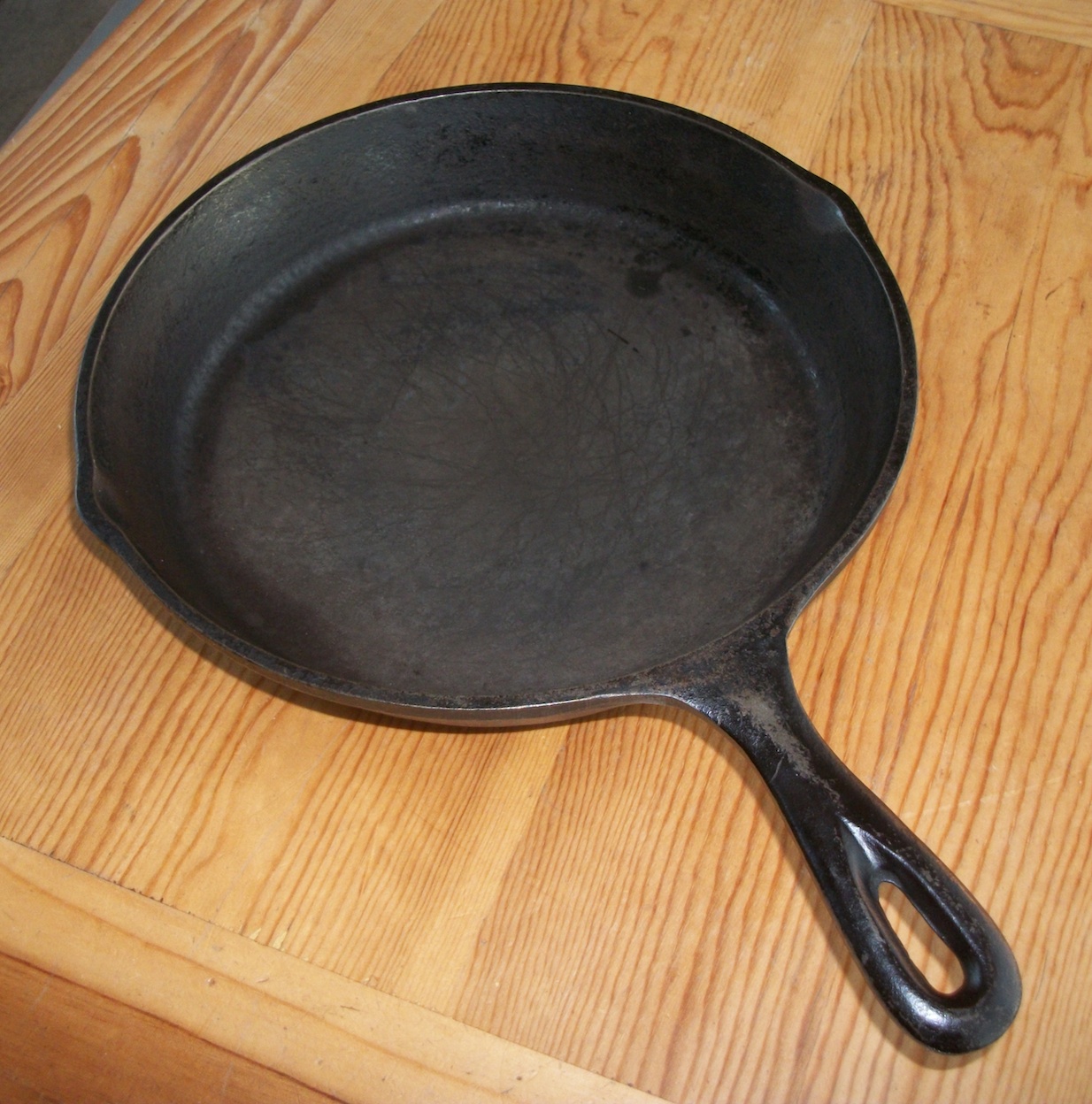
100_3215 copyTime for another tribute to one of my favourite kitchen tools. We have three cast iron frying pans. As I recall, two were garage sale finds and one was a wedding present. At least one of them gets used nearly every day.

I love the cast iron pans for their weight. Though it can take several minutes to heat them up, once they’re warm, they cook gently and evenly, without a searing hot spot in the middle and cold edges. I also love the pans for their ability to go from stovetop to oven—gravies and béchamel sauces made in a cast iron skillet can easily be popped into a warm oven to finish cooking, as can frittata.

I always make cornbread in a cast iron skillet—heating the skillet on the stove before pouring in the batter gives the finished bread wonderful crispy edges! And, of course, making flatbreads of any kind in cast iron is a pleasure—its mass allows it to quickly but gently bake a bread.

And it’s always nice to know I’ve got a handy weapon in the kitchen, you know…just in case Sauruman or Shelob shows up at the door (after all, we do live in Middle Earth…;) )

Food Therapy

Peanut butter and Jam--mood enhancing drugs.

Peanut butter and Jam–mood enhancing drugs.

My latest novel, The Anti-Mage, virtually wrote itself. Vastly better than previous novels, this book is saleable, I’m sure.

As the rejections pile up, though, I begin to doubt. I doubt the book’s merits, my wisdom in making this leap of faith to writing, and my fundamental value as a human being. Did I make a huge mistake in shutting down my science outreach business in order to write? Have I made myself nothing more than a chauffeur, gardener and cook for my family? Have I fallen into the stay at home mom role I have striven all my life to avoid? These questions haunt me more with every rejection, with every day I troll the Internet for new agents to approach.

Despair, like the cat curled up under my desk, lurks at my feet. It raises its head now and again to stare malevolently at me, dismissing my efforts to be something as nothing but bothersome noise.

I know there is nothing for it but to soldier on. Decisions have been made, and cannot be undone. I must carry on as though I have faith in my books and myself. And so I resort to food therapy.

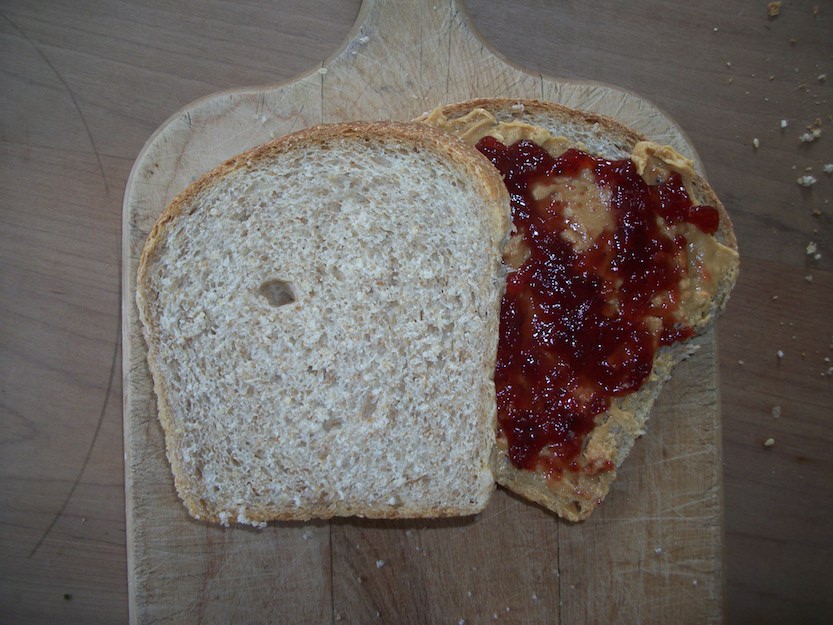
No, I don’t go on a chocolate binge—I know it will leave me feeling worse than I started—but I choose food that makes me happy. It could be comfort food, like a peanut butter and jelly sandwich for lunch. It could be food that is pretty, like a salad sprinkled with bright nasturtium flowers. It could be food that takes skill to make, like tortillas. Or it could be food that I know will make my family happy, like spaghetti with tofu meatballs. Whatever the food is, I choose it to make me feel better about myself and my lot in life.

Does it help?

Well, a plate of food is never going to sell a book, no matter how pretty or comforting it is, but it does make it easier to manage the daily grind of criticism and rejection. To be able to step away from work and focus on something as simple and fundamental to life as food can be a profoundly centring activity.

And a little chocolate now and then doesn’t hurt, either.

Poached Pears

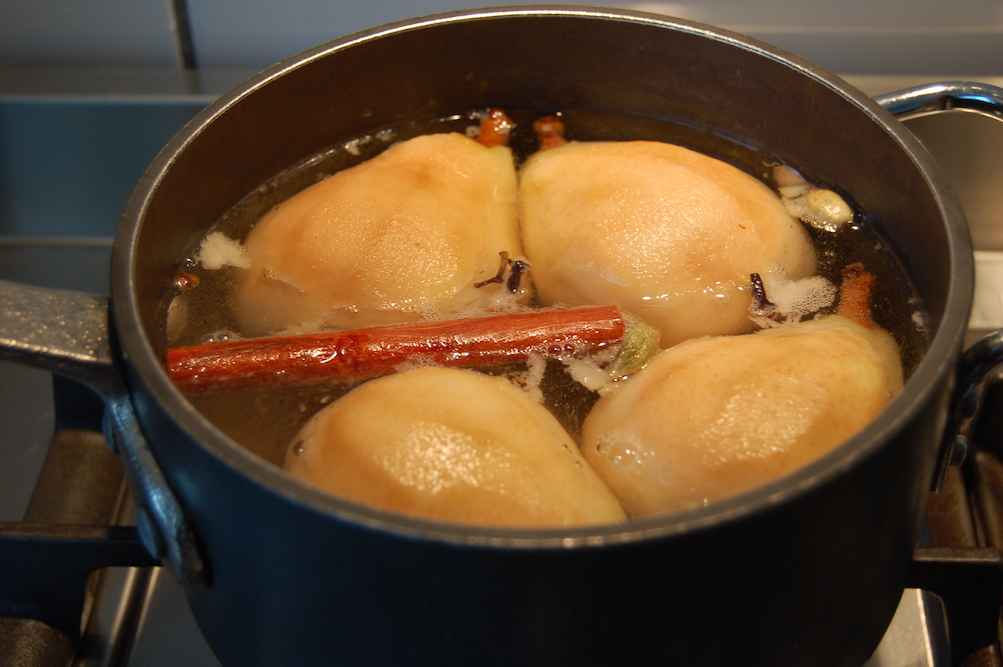
DSC_0008 copyWe have a surfeit of pears at the moment—big gorgeous ones from the Lincoln University research plots—so I made poached pears for dessert. It may be the first time I’ve made poached pears, and I was surprised at how quick and easy it was to make this elegant dessert. The kids declared them delicious, and I will certainly make them again.

Combine in a large measuring cup:

1 ¼ c. sugar

Enough water to make 4 cups of sugar solution

Stir until the sugar dissolves, and then pour the sugar solution into a medium saucepan. Add:

1 cinnamon stick

4 whole cloves

3 cardamom pods

2 chunks of candied ginger

Bring to a boil. While the sugar solution is heating, peel and core four large pears, leaving the stems intact. Simmer the pears in the sugar solution for about 10 minutes, turning them gently every few minutes. When the pears are soft, but not disintegrating, cover the pan and allow to cool to room temperature. Serve with a few spoonfuls of the poaching liquid poured over them.

Mother’s Day

DSC_0006 copyHappy Mother’s Day to all the mothers out there!

I have difficulty with Mother’s Day, and so I’m glad that my family allows me to observe it as I wish, by forgetting the day entirely. The ‘traditional’ breakfast in bed for Mom on Mother’s Day would just about kill me. I’d have to stay in bed two to three hours longer than usual in order for them to bring breakfast to me there, and the thought of eating in bed is completely unappealing; bed is not a place for food. More than that, I always make a cooked breakfast on Sunday mornings. I do it because I enjoy it. I do it because that way I get exactly what I’m craving every Sunday morning (though I do occasionally take requests). Why would I give that up for Mother’s Day?

And doing my chores for me, so I can sit around and eat bonbons all day? Are you kidding? If I have to sit still more than twenty minutes I go stir crazy. That wouldn’t do at all for Mother’s Day.

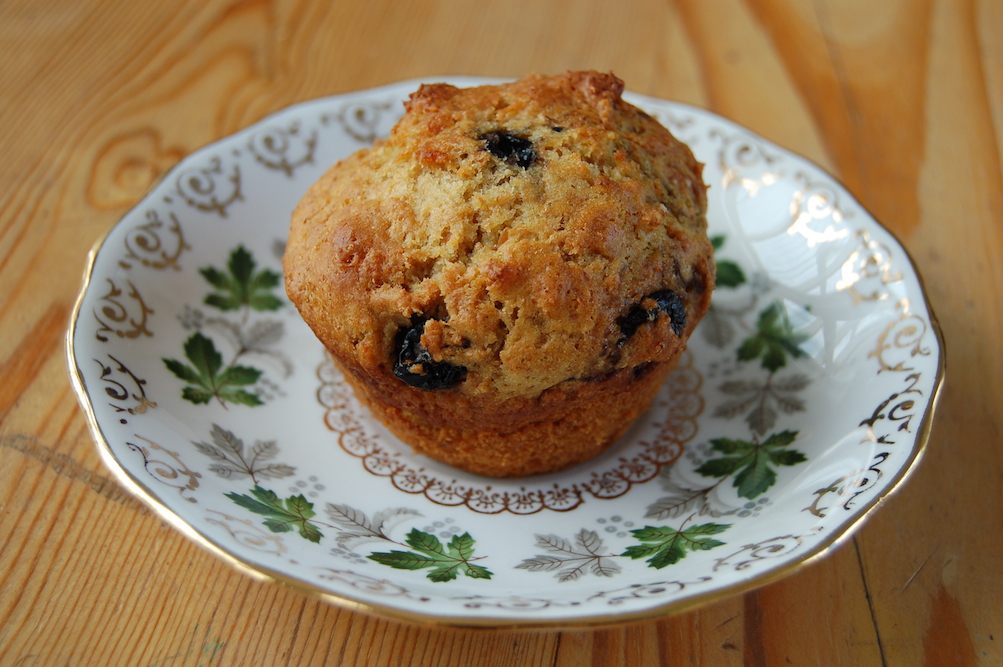
So this morning, we had lemon blueberry muffins. In a nod to the day, I made up the batter last night, so all I had to do was scoop it into the muffin tin and throw it into the oven this morning.

I also cleaned the house yesterday, so I could do outdoor chores today, which I vastly prefer to scrubbing the toilet. Much better to do work I want to do, that to do nothing at all!

So, however you like to spend your day—eating bonbons or digging ditches—I hope you enjoyed your day!