Birthday Cakes Past

DSC_0005 smFor Throwback Thursday, I thought I’d post some photos of a few past birthday cakes, just for fun.

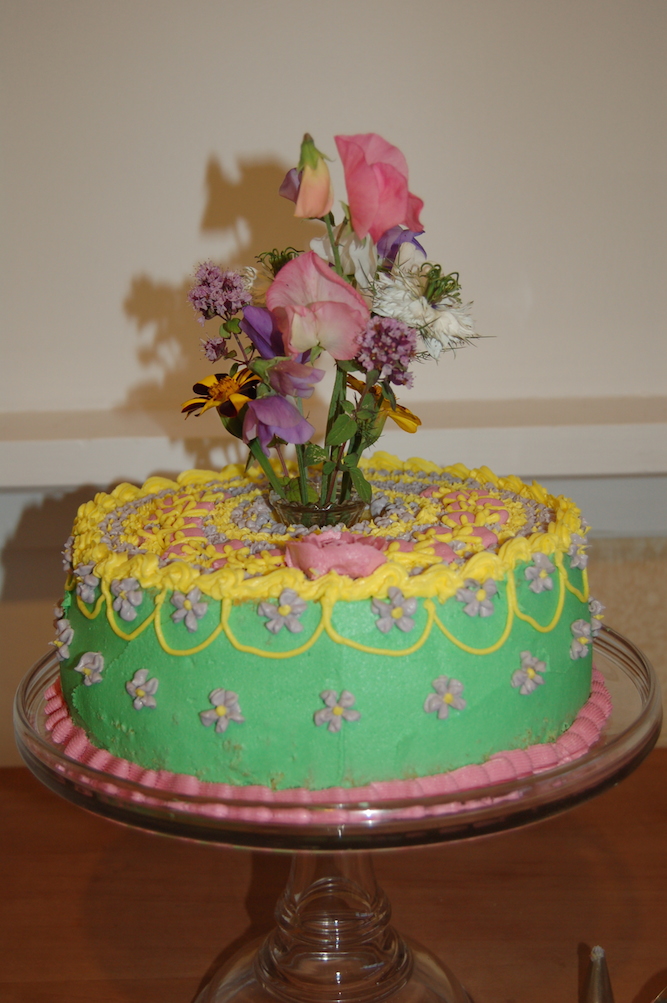
2010: One of a long series of “flower” cakes requested by my daughter.

DSC_0024 sm

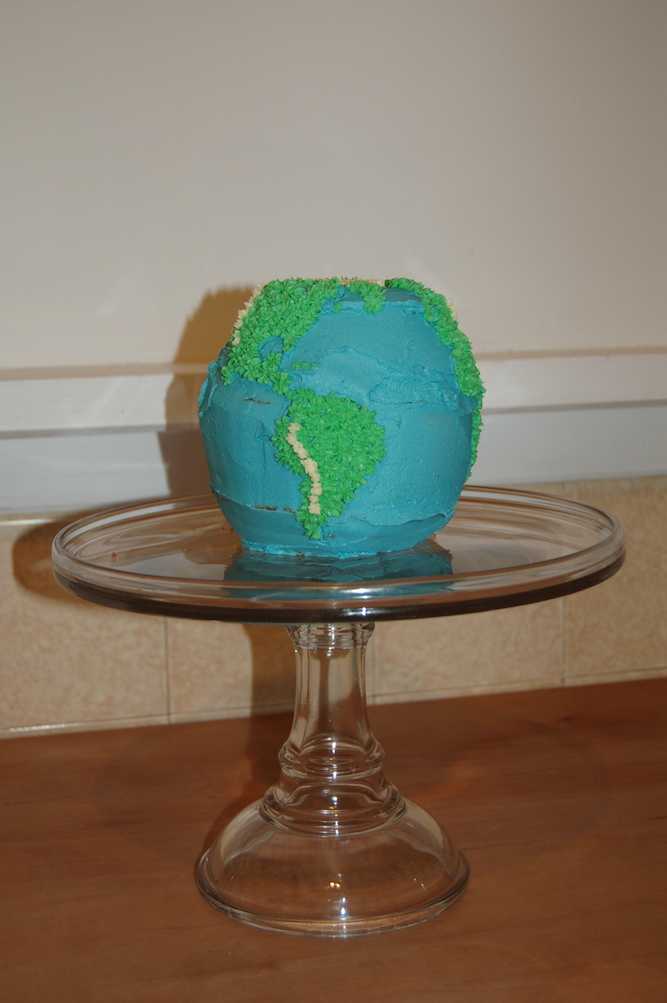
2010: The Earth was my son’s request.


DSC_0012 sm


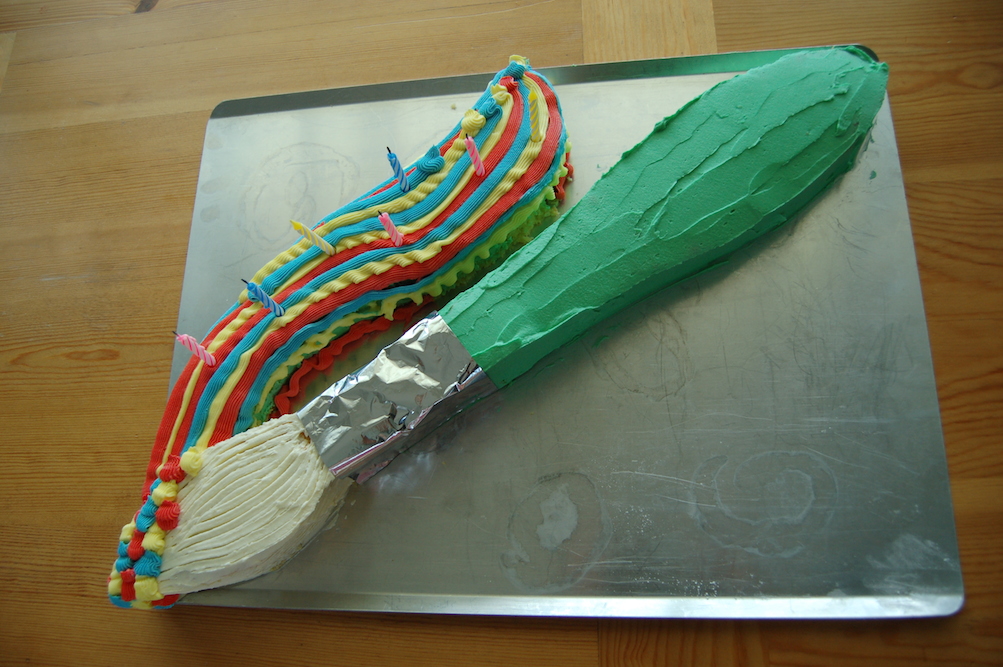
2011: My daughter’s colourful paintbrush cake.

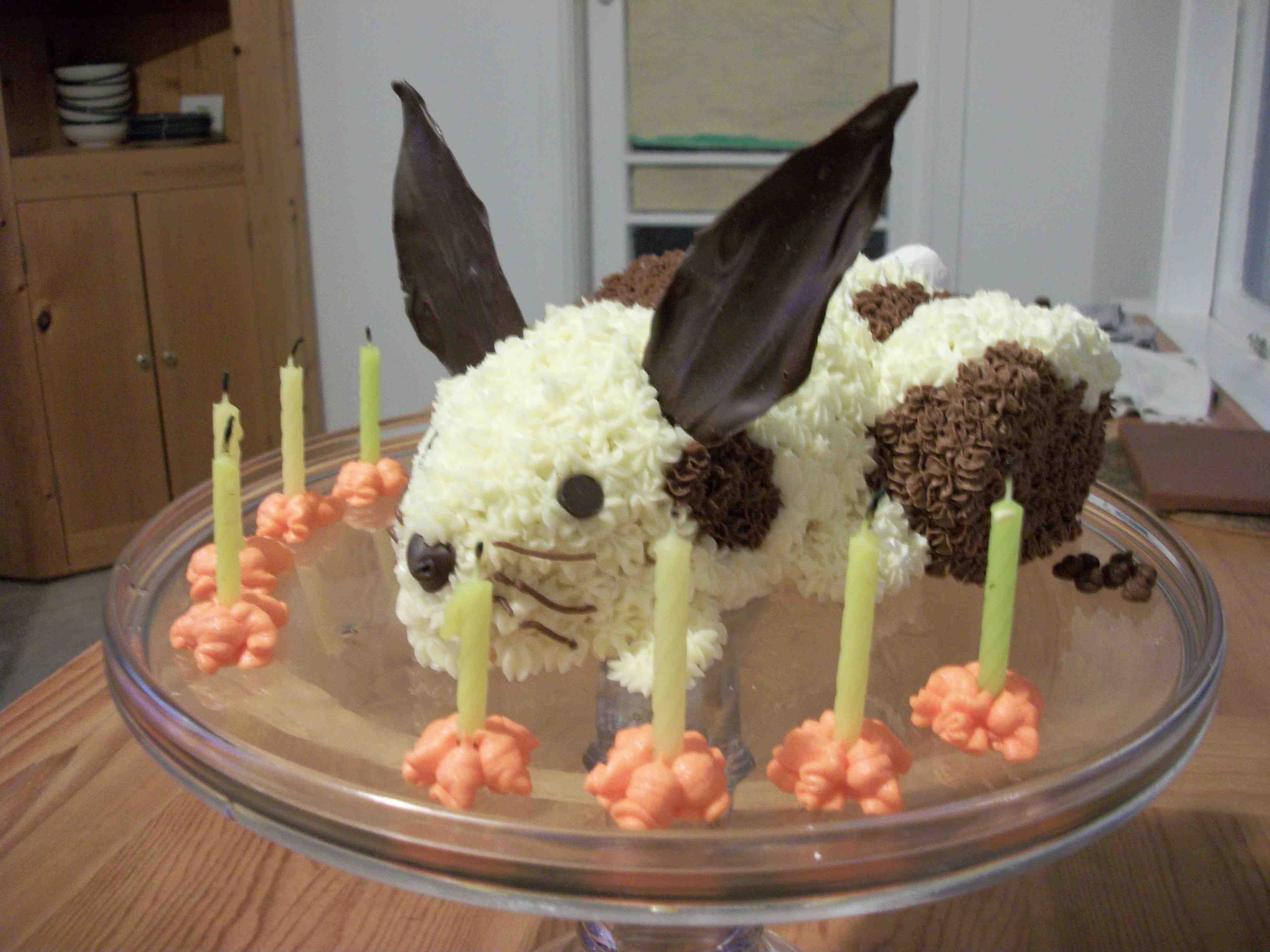
rabbitcakesm2012: The girl requested a surprise animal. This was my first attempt at using leaves as chocolate moulds (for the ears).

100_1791sm


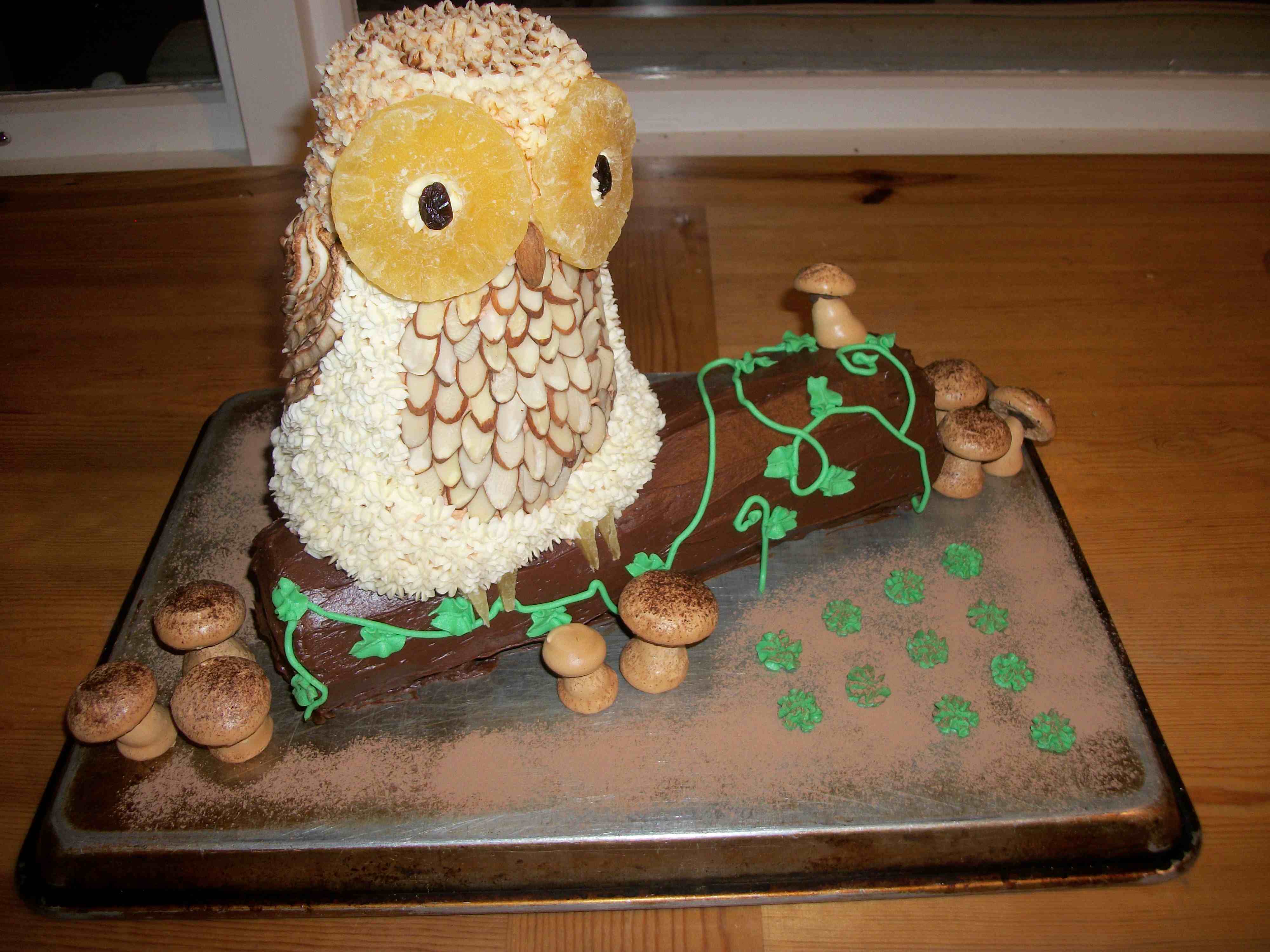
2013: A dual birthday party cake–the spice cake owl was for my son, the chocolate log, for my daughter. I had always wanted to make meringue mushrooms…

DSC_0001sm

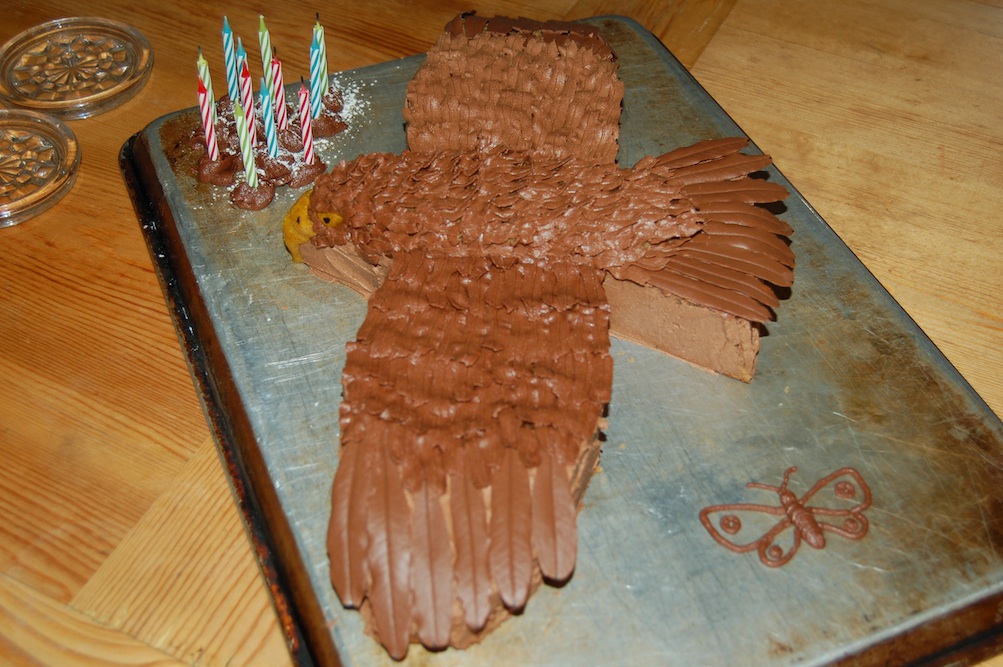
2014: After the 2012 success with chocolate painted leaves, I used the same technique for flight feathers on the LOTR eagle. Unfortunately, it was a blazingly hot day, and the wing tips melted and sagged within an hour.

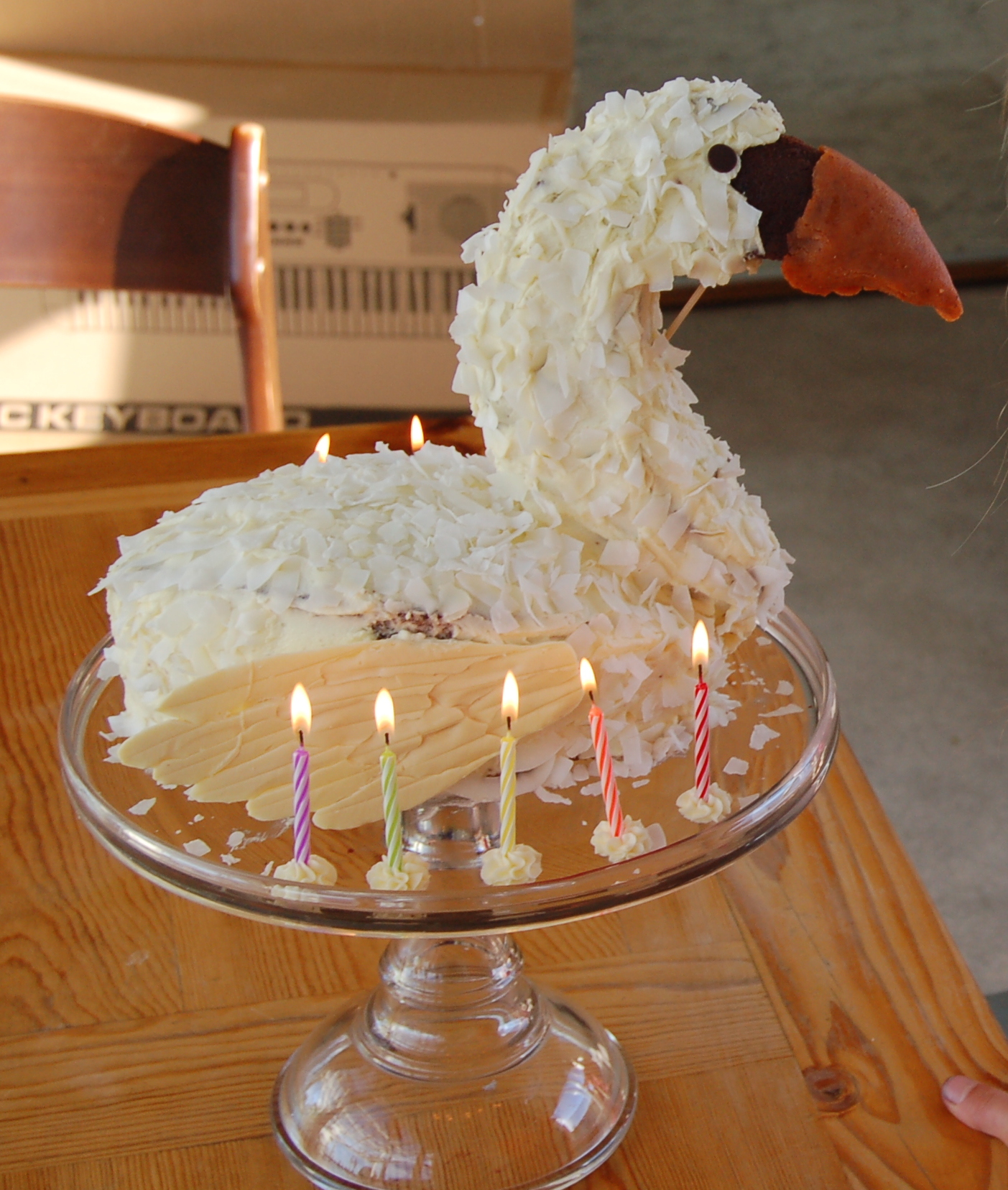
DSC_0041 crop2014: The swan used more chocolate painted leaves—white chocolate this time, which managed the heat a little bit better than the dark chocolate (though the icing holding the wing to the body did not). It was also my first, not so attractive, foray into marzipan (for the beak).

DSC_0002sm


2014: My marzipan, cake, and candy triumph—Smaug was the joint birthday party cake. Tail, neck, head, and legs sculpted from marzipan, clear candy wings and jewels studding the treasure pile.

Vacation

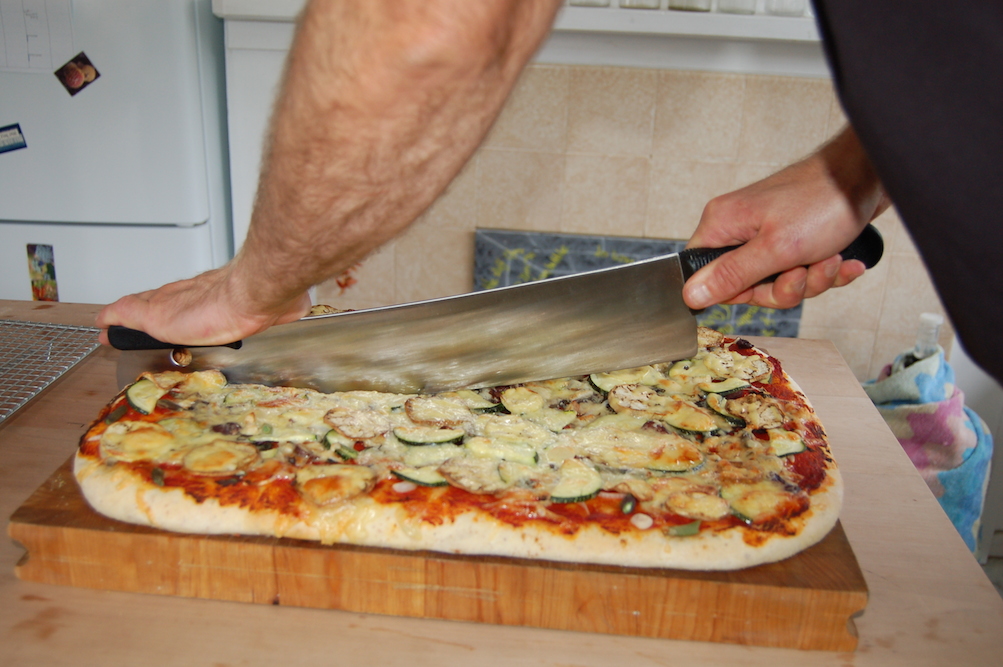
“So, should I put this pizza in the freezer for next week?”

“Yeah, that’d be great.”

“Um. There’s no room here.”

The freezer was already full of ready-made meals waiting for a day when they were needed. We’ve gotten into such a habit of making extra to throw into the freezer, that we’ve outstripped our need for those “heat and eat” meals.

So I took a vacation yesterday.

Dinner was baked beans made in the bread oven last week, reheated, served over rice. Fried eggs on the side. A 15-minute meal. And a few extra minutes to roll out a pie dough I made earlier in the week, fill it with gooseberries from the freezer and throw it in the oven. Felt like cheating.

Instead of cooking, I pottered around the yard on the unseasonally warm day, played the piano, paid a social visit to the goats, and did a little writing.

Excellent!

Repurposed tent

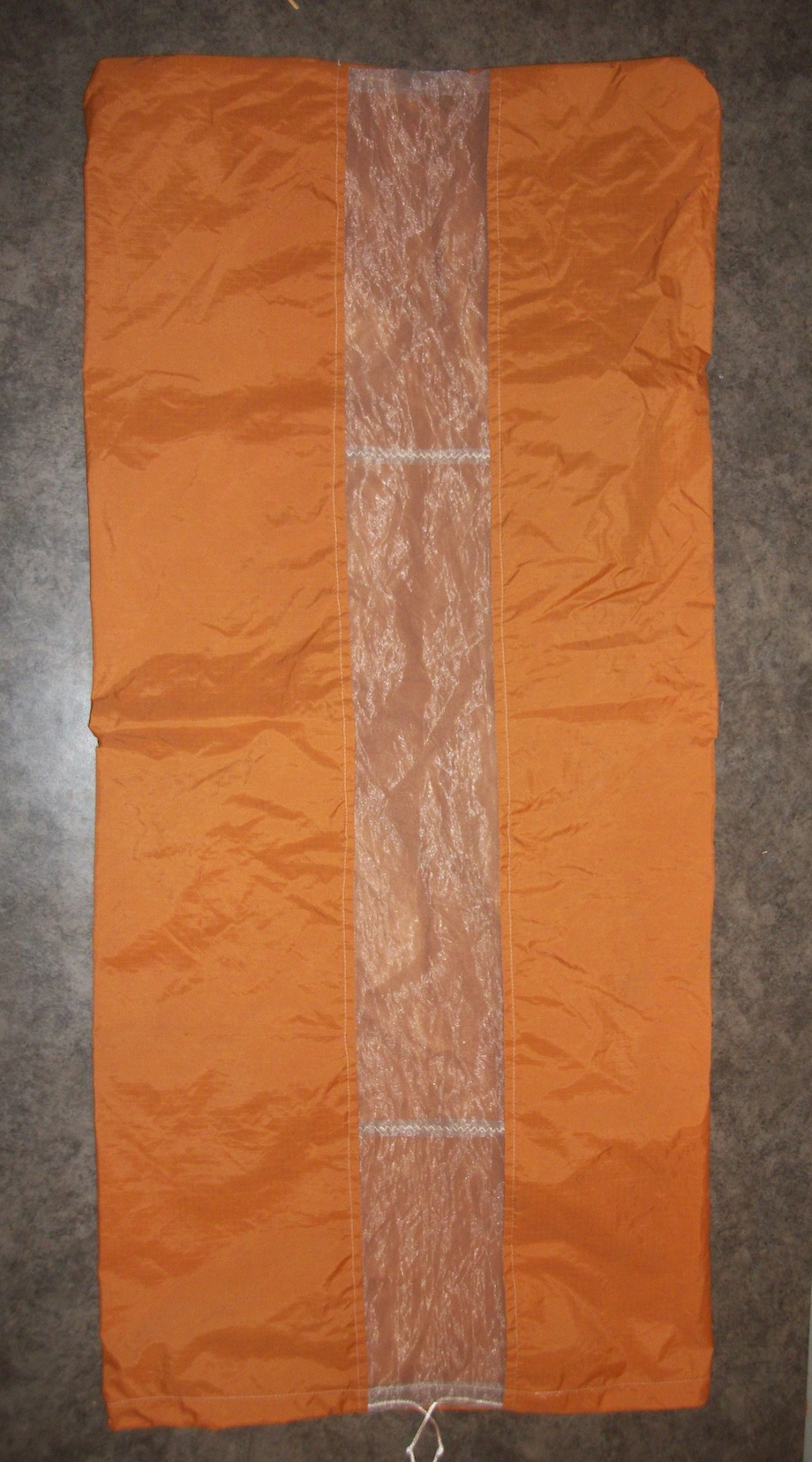
100_3308 copyOur 30 year old Eureka tent finally gave up the ghost this past summer, after many previous repairs and many years of use. I salvaged as much hardware as I could from the tent, and was about to toss the remainder in the rubbish when my hand slid over the silky no-see-um netting of the tent’s windows. That beautiful mesh was still in perfect condition, as was a lot of the rip-stop nylon of the tent itself. I found myself unable to throw it away.

It wasn’t long before I came up with the perfect project for repurposing the tent—mushroom growing bags! Last year, we covered the mushrooms with old pillowcases to keep the fungus gnats from infesting them. The pillowcases were not quite long enough, and did a marginal job. Ian had already asked me to make some custom bags with draw string bottoms to keep the flies out. What could be more perfect than bags made of tough, largely waterproof tent nylon? Add a strip of that no-see-um netting so you can peek in to check on the mushrooms, and the project was perfect.

So yesterday, I whipped out a raft of these slick bags from the old tent fabric. Felt great to repurpose the old tent, and I can’t wait to try them out!

Ojaldre

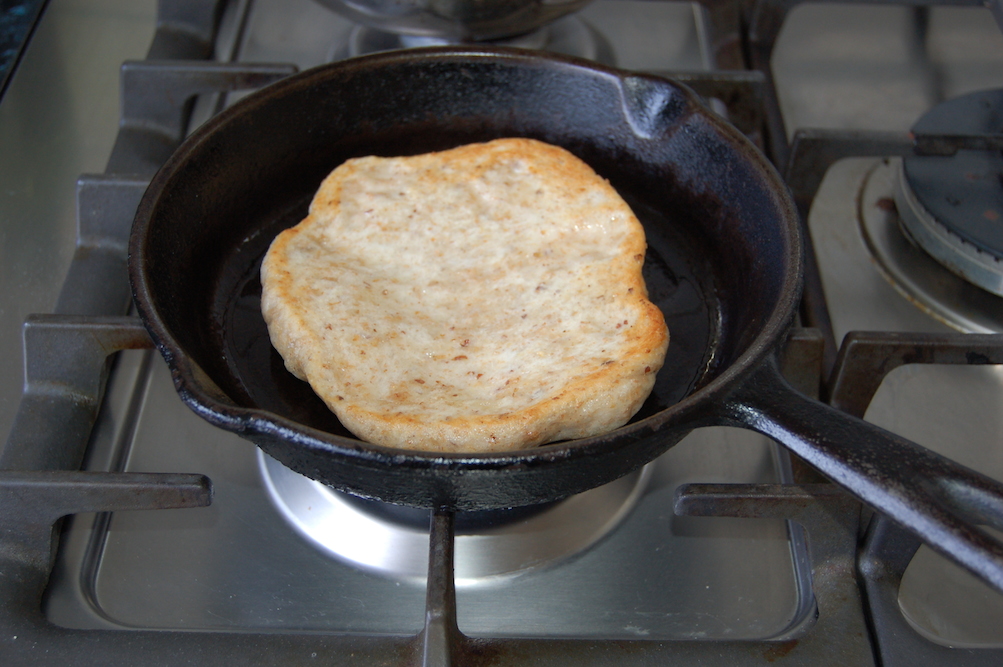
ojaldre smWhile I’m talking about fried food, I thought I’d share one of my favourite Panamanian foods—ojaldre.

Ojaldre is fried bread. It’s something we used to eat at fairs and festivals, like you’d eat French Fries.

I make ojaldre almost every time I make bread (which isn’t that often, as Ian usually bakes the bread). I always hope for a little extra dough—a little too much to put in that last loaf.

Take that extra dough, pat and pull it into a flattish, roundish sort of shape, and slap it into half an inch of hot oil until it’s brown and crispy on both sides. Shake a little salt onto it, and you’ve got a snack that reminds me of rodeos and terrifyingly decrepit carnival rides.

Happy Donut Day

100_3297 copyBy lucky chance, I decided to make donuts today. Because of the time difference, It means I can blog about donuts on National Donut Day in the U.S.

I don’t think I’ve made donuts since the early 1990s, when I used to make them as part of living history programs for school kids at Camp Tamarack. I still have the old Camp Tamarack baking powder raised donut recipe, but decided today to go with a yeast raised donut.

I won’t post the recipe I used, because I wasn’t entirely happy with it. It has promise, but I think I need to tweak it a bit. Make a few more batches of donuts. Maybe try them with chocolate frosting…hmm. Sounds like a great winter project!

The Ugly Teacup Collection

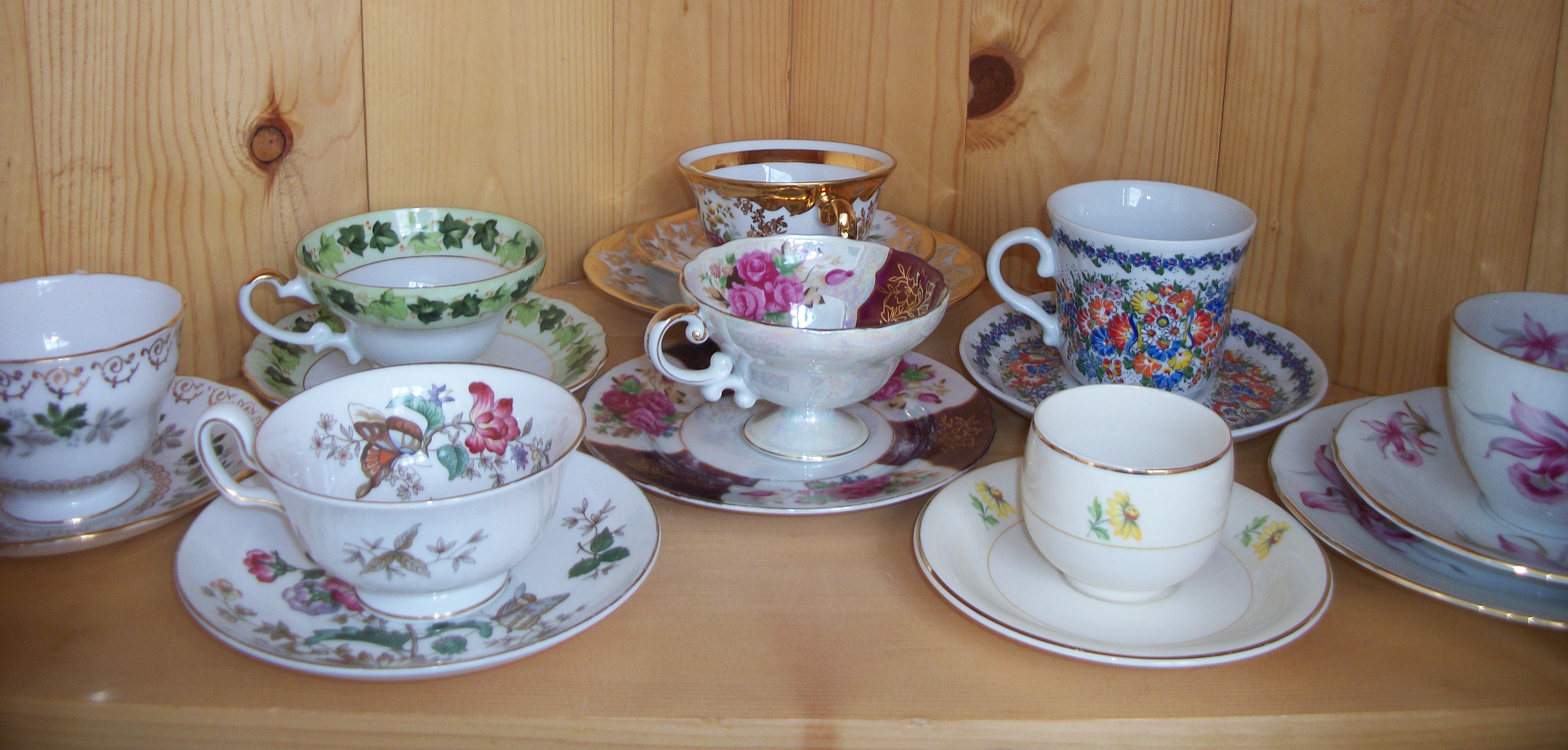
A portion of the ugly teacup collection.

A portion of the ugly teacup collection.

I’m not generally fond of fancy china, but many years ago, my husband brought back a pair of hand painted teacups from one of his international trips. They were gloriously, unabashedly garish—so ugly they were gorgeous. Thus began the ugly teacup collection. One by one, we’ve added to our collection, browsing second-hand shops for likely candidates. My mother-in-law sent us the “best” examples from the teacup collection she kept as a girl. We also picked up a suitably ugly china teapot to go with the teacups.

The collection has steadily grown, even though Christchurch’s stock of ugly teacups is greatly diminished since the 2010 and 2011 earthquakes. We love to hate the ugly teacup collection. We use them whenever we have visitors, for Sunday afternoon pots of tea by the fire, or whenever we want an extra special cup of tea. They make me smile, and I laugh at my own ridiculous fondness for these overly fussy, overly fancy, and just plain ugly dishes.

Winter Hope

100_3242 copyToday’s wind is bitter, driving icy rain against the windows. Though the heater is on in my office, I’m still shivering—just the sound of the wind and rain makes me cold. It is only the beginning of June. Winter is only just beginning. Three months of dark, cold wet stretch ahead.

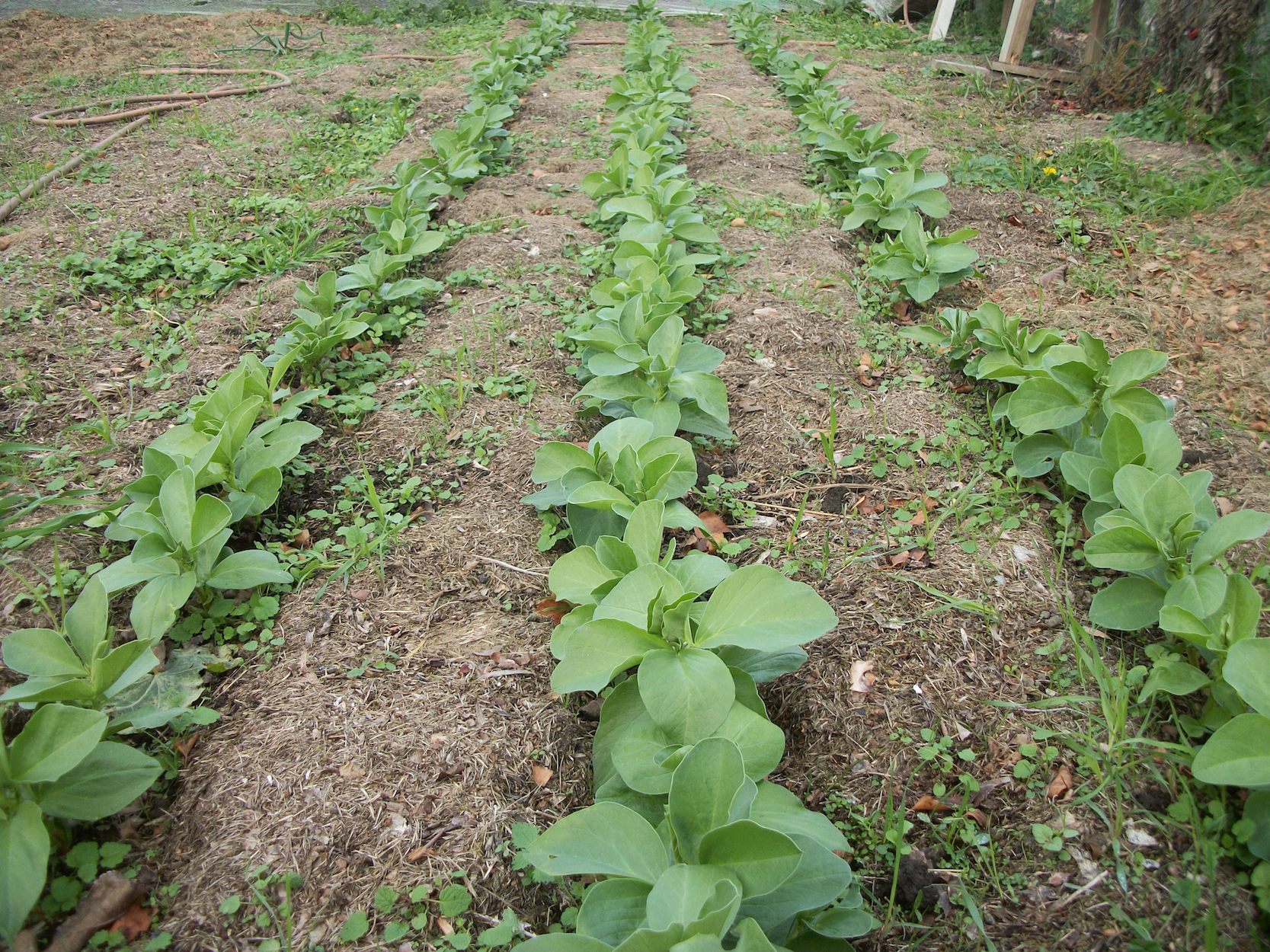
But the garden tells me we’ll see spring before we know it. Though they are bent with frost every morning, the broad beans grow bigger every day. The artichokes are lush, and the broccoli and cabbages flourish with the winter cull of pests. They promise food, light and heat to come.

Satisfying or Sisyphean?

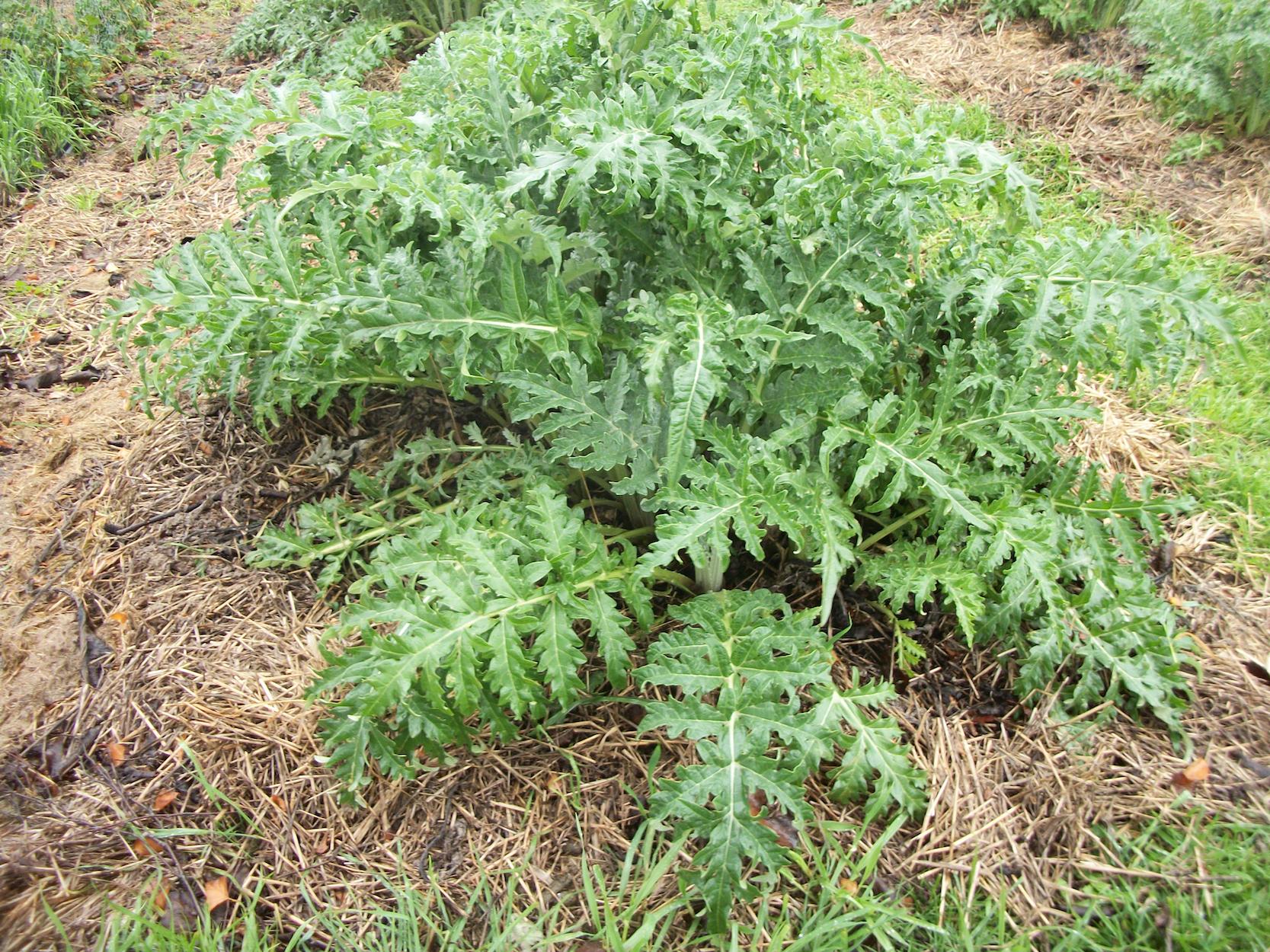
100_3292 copyI have a weed problem. Or maybe I have a weeding problem. I spent the past weekend weeding the artichokes, which are busy putting on their winter growth. I keep them heavily mulched, which prevents most weeds from growing, but twitch (aka couch grass) has no problem coming up through even the deepest mulch.

I would rank twitch as my worst weed. It makes dandelions and thistles seem easy to pull. It grows faster than I can pull it out. It lurks amongst the roots of other plants, ready to spring back the moment I turn my back. It can even drill its way through my potatoes.

My fight against twitch never ends. Twitch grows year round, and if I relax for even a few weeks, it will encroach on the garden. Pockets of it persist, even in areas that are tilled annually and weeded weekly all year. I despair every time I see a blade of twitch poking up from a place I thought twitch-free. Controlling twitch is a never-ending, unrewarding job.

So, why do I sometimes want nothing more than to go out and pull twitch? Sometimes I’ll go out specifically to pull twitch for the sheer satisfaction of it. Especially where it is thick, and the soil is soft, you can pull it up in great branching masses of runners a metre or more long. Every crisp white growing tip I ease from the soil is one less clump of twitch in the garden. There is so much of it out there, that I can’t help but think I’ve gotten it all when I bring up runner after extensive runner.

I know the feeling will not last. In a week, the twitch I missed will be sprouting thick as hair on a dog’s back, and I will wonder if I actually weeded at all.

But for the moment, I have the satisfaction of several wheelbarrow loads of twitch dying on the compost pile, and an artichoke bed that sports more artichokes than weeds.

Eating Native?

veggiesforgrilling2smI’m currently teaching a biodiversity class at my daughter’s school, so I’ve been thinking a lot about biodiversity in New Zealand. Out here on this island in the middle of the Pacific Ocean, living things have had 65 million years to evolve in isolation. Until humans arrived about 700 years ago, most living things here were endemic—found nowhere else on earth. Three and a half metre tall birds and the giant eagles that preyed on them, flightless parrots, frogs that hatch from the egg fully formed, tuatara that died out everywhere else on earth millions of years ago, crickets the size of mice…

Humans changed things dramatically and rapidly. We brought thousands of other organisms with us, some on purpose, many by accident. Many of those organisms flourished here, at the expense of native organisms. Today, there are few New Zealand ecosystems untouched by the invasion of humans and other non-natives. Some of the most successful invaders have been plants—today there are more introduced plants here than there are natives, and more arrive all the time, in spite of efforts to prevent them.

Many of those invading plants were brought to New Zealand on purpose to provide food, shelter, or medicine. In fact, I can’t think of a single native plant currently cultivated for food, except one seaweed. There are certainly a few edible native plants, but they are few, and they are more of a survival food than something you’d want to eat every day.

No surprise. The crops we eat today have been cultivated for thousands of years—selected by countless generations of farmers to be bigger, tastier, and easier to grow. With only 700 years of history in New Zealand, there’s hardly been time to develop native crops.

The human migrants to New Zealand brought their crops with them instead. Familiar corn and carrots, potatoes and peas. But it’s not just in New Zealand that people mostly eat food native to other regions. People have been carrying their food with them for as long as we’ve travelled, until it’s sometimes hard to know where a food originally came from—classic Italian tomato sauce is made from a plant native to the Americas, the American “wheat belt” has its origins thousands of years ago in Turkey, and cassava domesticated in Brazil is now a staple food throughout tropical areas worldwide. Few people anywhere in the world eat native.

While I would love to be able to magically bring back the moa, Haast eagles, huia, and host of other incredible New Zealand endemic organisms that humans have wiped out here, I will admit I’m terribly fond of my non-native tomatoes, cucumbers, potatoes, eggplants, etc. I am thankful those non-natives are here, and I need not subsist on seaweed and ferns. Does it feel somewhat disingenuous to passionately support the conservation of our native biodiversity while I plant my non-native vegetable garden? Yes, but I’m only human, after all, doing what humans have done for 10,000 years.
Anticipation

100_3284 copyIt is a bread day. A real bread day, with the wood fired bread oven. It feels like forever since we’ve fired up the oven—with a fire ban almost all summer, and major DIY weekends since.

Ian has been preparing for two days already—ramping up the sourdough, and gathering wood for the oven. My daughter and I walked to the neighbours before dawn to buy eggs (my chooks are on strike at the moment), and I spent the morning planning and preparing for the cakes and cookies I will bake after the bread is done. My son has chopped a pan of vegetables to roast for dinner, and later I’ll prepare a couple trays of pumpkins for baking and freezing.

The fire has been built and burnt, and built and lit a second time. Soon the oven will be hot enough, and the dough will be ready. Then the frenetic work will begin.

For the moment, we wait, in anticipation of the baking to come.

See a time lapse of a bread day at Crazy Corner Farm!