Sing to Your Plants

DSC_0006smMy plants are fond of show tunes—Oklahoma!, Pirates of Penzance, The Music Man.

At least, I hope so, because I sing show tunes in the garden.

Sometimes I switch up the words so the song is appropriate to the moment:

Oh what a beautiful eggplant!

Oh what a beautiful bean.

I’ve got a wonderful feeling

I’m going to eat like a queen.


I sing to the chickens and goats, too, though they prefer folk songs.

Oh my chickens, oh my chickens,

Oh my darlin’ little birds.

You’re revolting, you’re disgusting,

You’re obnoxious little turds.


I don’t know if any of my charges like it. I don’t believe that my singing will actually make my plants grow better. But when I’m pulling stubborn weeds, mucking out the chicken house, or trimming goat hooves, I can either grumble or sing. I choose to sing.

Feijoa

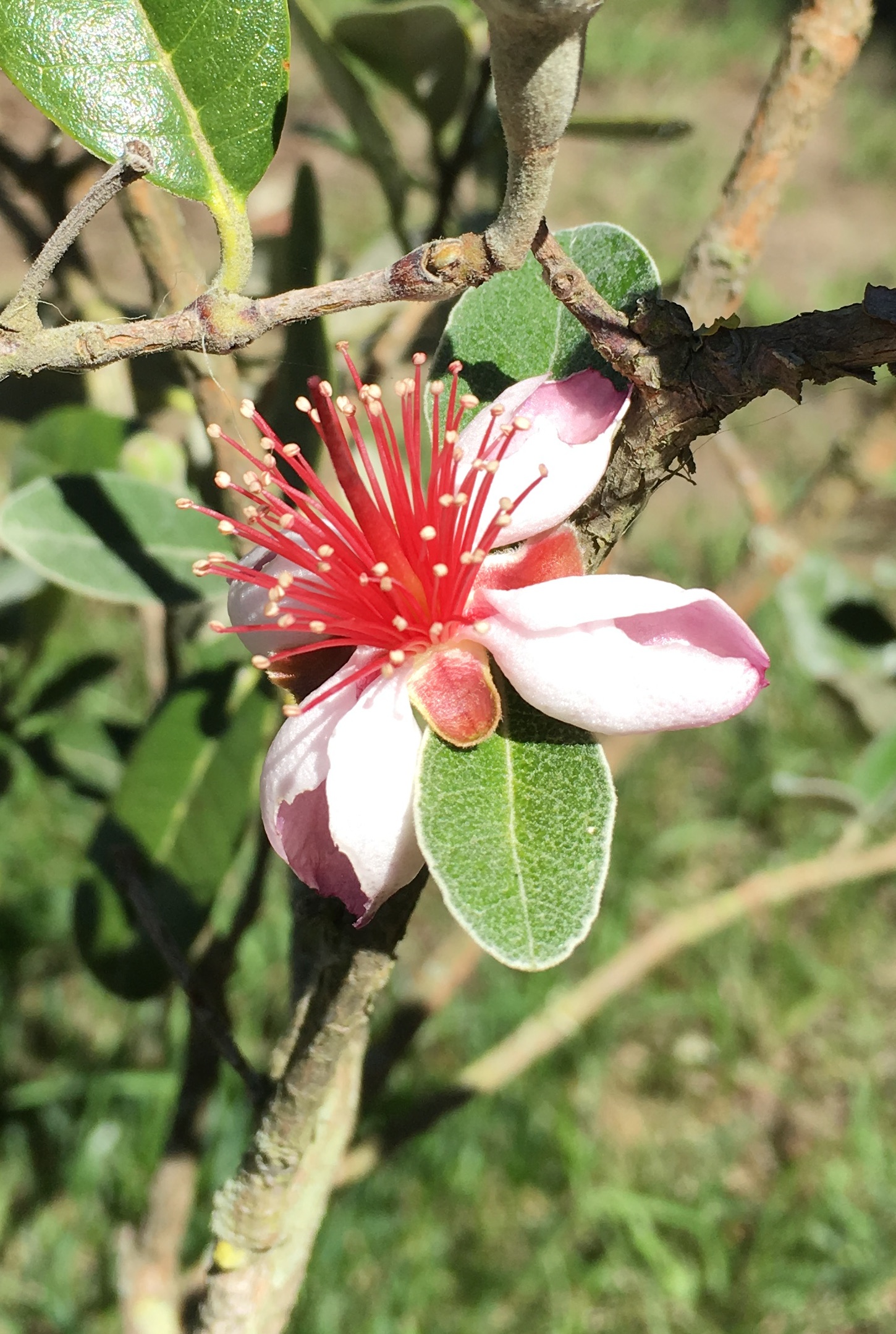
2016-02-01 15.35.52 cropI had never heard of the feijoa before arriving in New Zealand, though it is native to South America and is grown in various locations around the United State. I’m afraid that even after eleven years, I’m still not fond of feijoas. In fact, I can’t even stand having them in the house—the smell alone makes it hard for me to breathe.

Wikipedia says, “Feijoa fruit has a distinctive, potent smell that resembles that of a fine perfume.” Which may explain my response to the smell and the taste, as I have to walk out of the room if anyone enters wearing perfume.

Still, we have two small feijoa trees. Planted too close to our macrocarpa hedge, they have never produced fruit (for which I am grateful), but they do flower. Their flowers are stunning, and I’d grow feijoas any day, just to see these tropical-looking beauties.

Apricots…with recipe

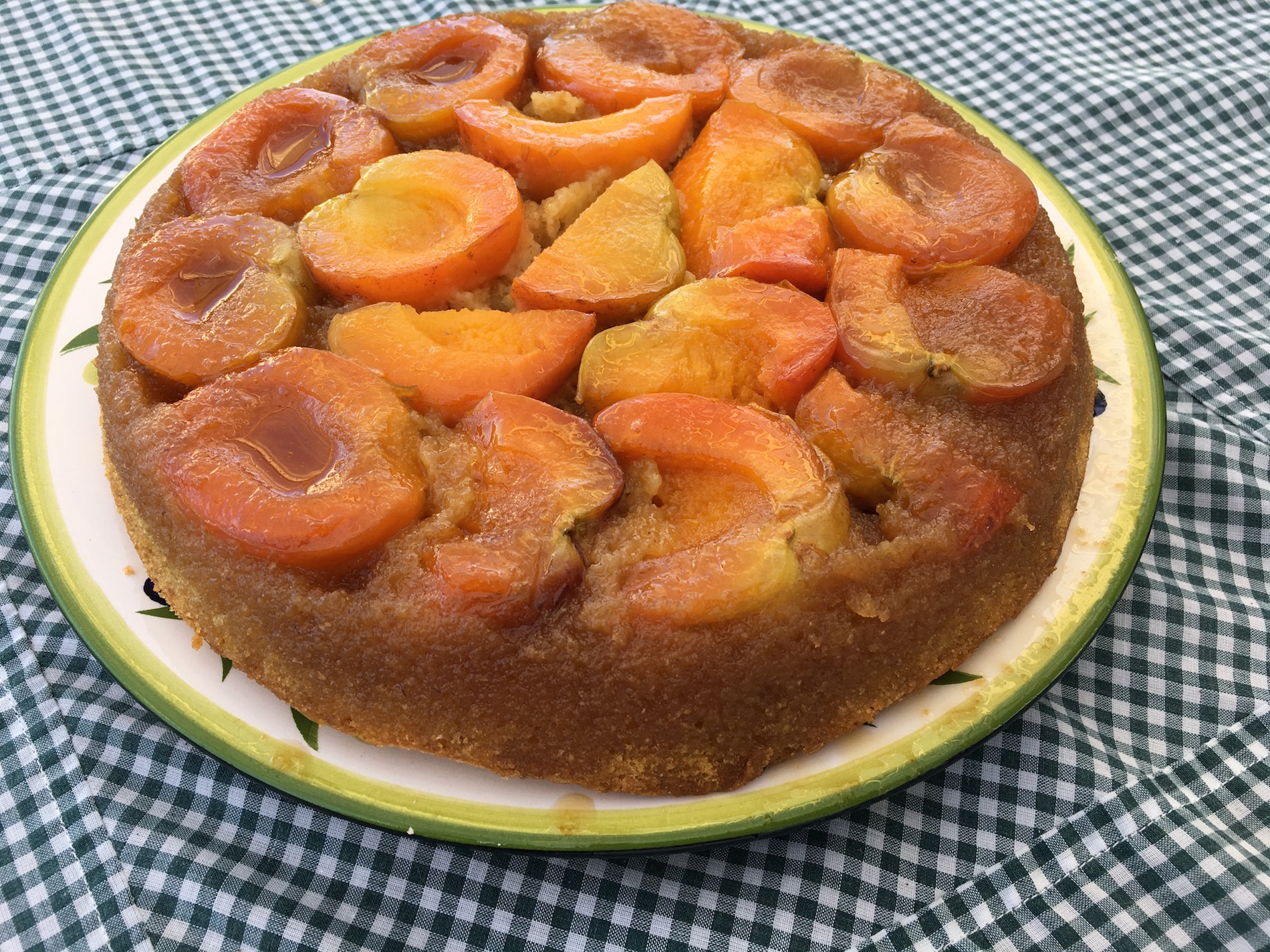
2016-02-16 18.53.39 smAs I wandered through the pond garden yesterday evening, watching the fish and the damselflies, I noticed that the apricots had blushed. I tested one. It was soft and ripe—so ripe, the juice dripped down my arm when I bit into it.

This was the first year the apricot tree has given us anything, and the wind stripped many of the fruits a month ago, but there were still about two dozen on the tree, and they were all ready to pick.

So this afternoon, I made apricot upside down cake—for the second time in a month. This time, I’ll give you the recipe…

This is adapted from a recipe in the 1997 edition of Joy of Cooking.

Melt 3 Tbsp butter in a 9-inch (20cm) cast iron skillet or round cake pan. Tilt the pan to coat all sides with butter.

When the butter is melted, sprinkle ½ cup brown sugar evenly over the bottom.

Arrange apricot halves, cut side down in the bottom of the skillet, completely covering the bottom.

Whisk together in a medium bowl:

2 large eggs

2 Tbsp buttermilk

½ tsp vanilla

Combine in a large bowl:

½ cup all-purpose flour

½ cup whole wheat flour

½ cup brown sugar

¾ tsp baking powder

¼ tsp baking soda

¼ tsp salt

Add to the flour mixture:

6 Tbsp softened butter

6 Tbsp buttermilk

Beat on low speed just until the flour is moistened, then increase the speed to high and beat for 1 ½ minutes. Add one-third of the egg mixture at a time and beat 20 seconds after each addition. Pour batter over fruit.

Bake at 180C (350F) for 35-40 minutes. Cool in the pan for 2-3 minutes before unmolding. To turn the cake out, run a knife around the edge to ensure the cake has separated from the pan. Place a plate on top of the pan and quickly flip pan and plate together. Carefully lift off the pan.

Sunflowers

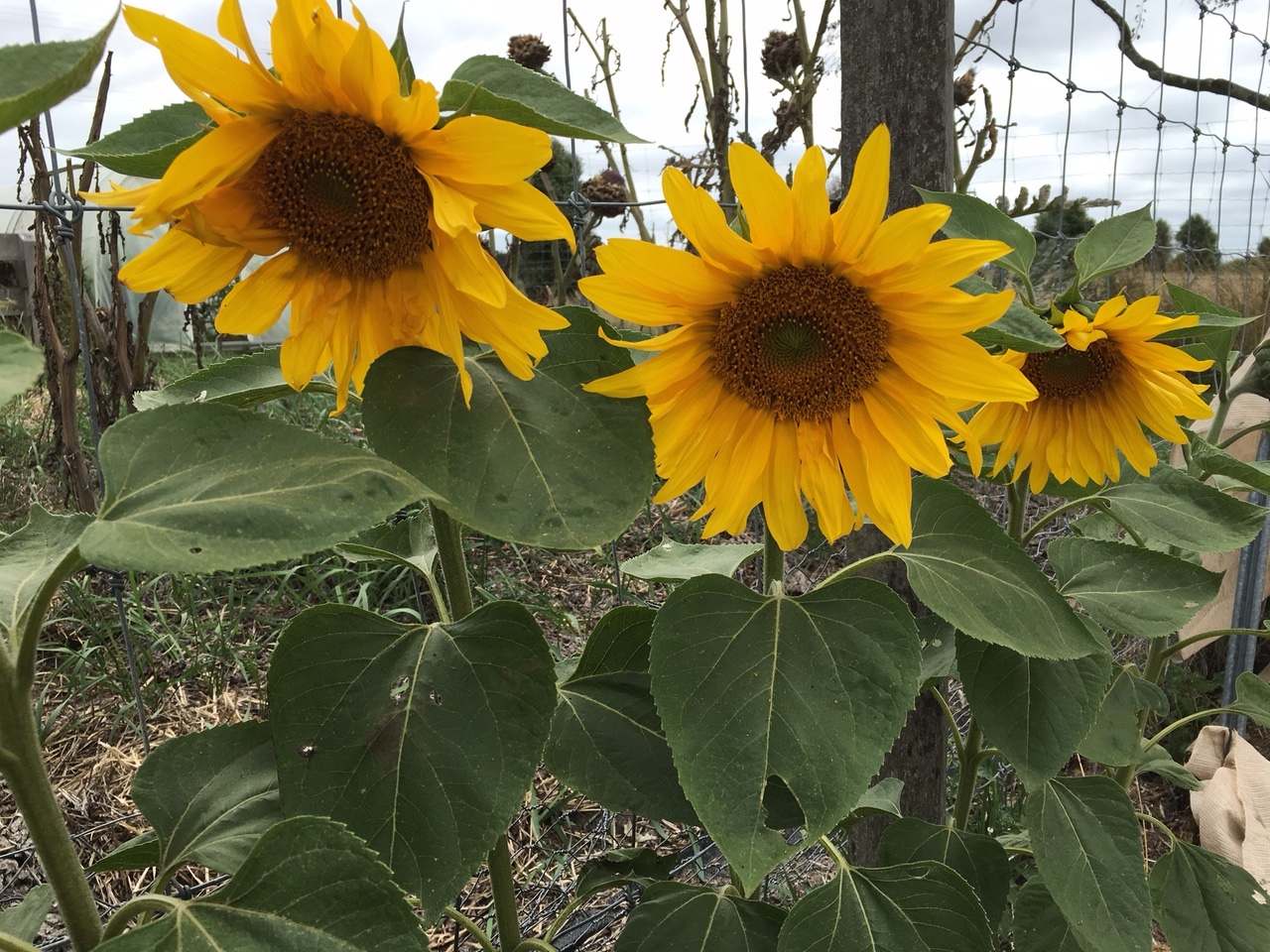
sunflowersI am of the opinion that you can never have too many sunflowers.

I have Golden Toasted sunflowers in the vegetable garden, with big fat seeds for eating, and I have half a dozen other varieties of sunflower in other places around the property.

Sunflowers don’t like the wind here, and they tend to grow short and stocky or to fall over unless they’re staked or well protected from the wind. Still, I plant them wherever I can.

Sunflowers serve many purposes in my garden, beyond the seeds for eating. The blooms look great in the garden—pale yellow through orange to deep russet—and make stunning cut flowers, too. They also attract lots of insects. Though there are many pollenless varieties, I steer toward the varieties that produce copious pollen, because they are more attractive to insects. Pollen provides important protein for—bees flies, parasitic wasps, beetles, ants, and many other insects.
2016-01-22 07.43.48 cropThe pollen attracts some insects, and they, in turn attract others. Preying mantises regularly visit my sunflowers.

When autumn comes and the blooms are spent, the sunflowers (the entire plant), make a nutritious snack for the goats.

Beauty, food for me, food for my livestock, and food for the wildlife—what more can you ask of a plant?


Onion Excess

onionsWhat does one do with 270 onions? That’s in addition to the 50 shallots and 50 purple onions ready to harvest.

Onions can be hit and miss for me. They’re so susceptible to birds, dry weather, excess heat, and weed competition when they’re young, that some years I get lucky and some years I don’t.

This year I got lucky.

We won’t be able to eat all these onions before they start sprouting. Long about October, they’ll know it’s spring and want to grow.

I’ll dehydrate some to use in backpacking food. I’ll be generous in my onion use all year. Perhaps I’ll introduce my kids to fried onion rings…oh, that’s dangerous!

And, like all good gardeners, I’ll give some away. My greatest pleasure as a gardener is having excess to give to friends, neighbours and strangers. I never plan on it, but it almost always happens with a few crops each year. Nothing beats sharing food.

Boletes! Cepes! Porcini!

2016-02-05 18.22.23 smIt’s that time of year again. A little rain last week, and we’ve got porcini mushrooms (aka Cepes, Boletus edulis), collected from a location that will remain undisclosed, lest others beat us to them.

The wonderful, earthy flavour of these wild mushrooms makes any dish special. Bored with the “usual” meals, I decided to make Friday’s dinner a Fun Friday sort of meal.

2016-02-05 18.28.40 smInspired by the mushroom packets in Yotam Ottolenghi’s book Plenty, I put together these divine little parcels that turned dinner into Christmas morning.


The following quantities made nine packets.


600 g small boiling potatoes, cooked

500 g fresh green beans,

125 g fresh oyster mushrooms

1 medium fresh porcini mushroom

½ cup chopped cutting celery

½ cup chopped fresh parsley

¼ cup chopped fresh oregano

1 Tbsp chopped fresh thyme

½ cup olive oil

1/3 cup half and half

Salt and black pepper to taste


Chop the vegetables and mushrooms into small cubes. Gently mix all ingredients in a large bowl. Place portions of the mix in the centre of large squares of baking parchment. Scrunch up the edges of the parchment and tie with cotton string. Place parcels on a baking sheet.

Bake at 200˚C (400˚F) for 20 minutes. Remove from the oven and allow to sit for a minute before serving.

Onion and Goat Cheese Tart

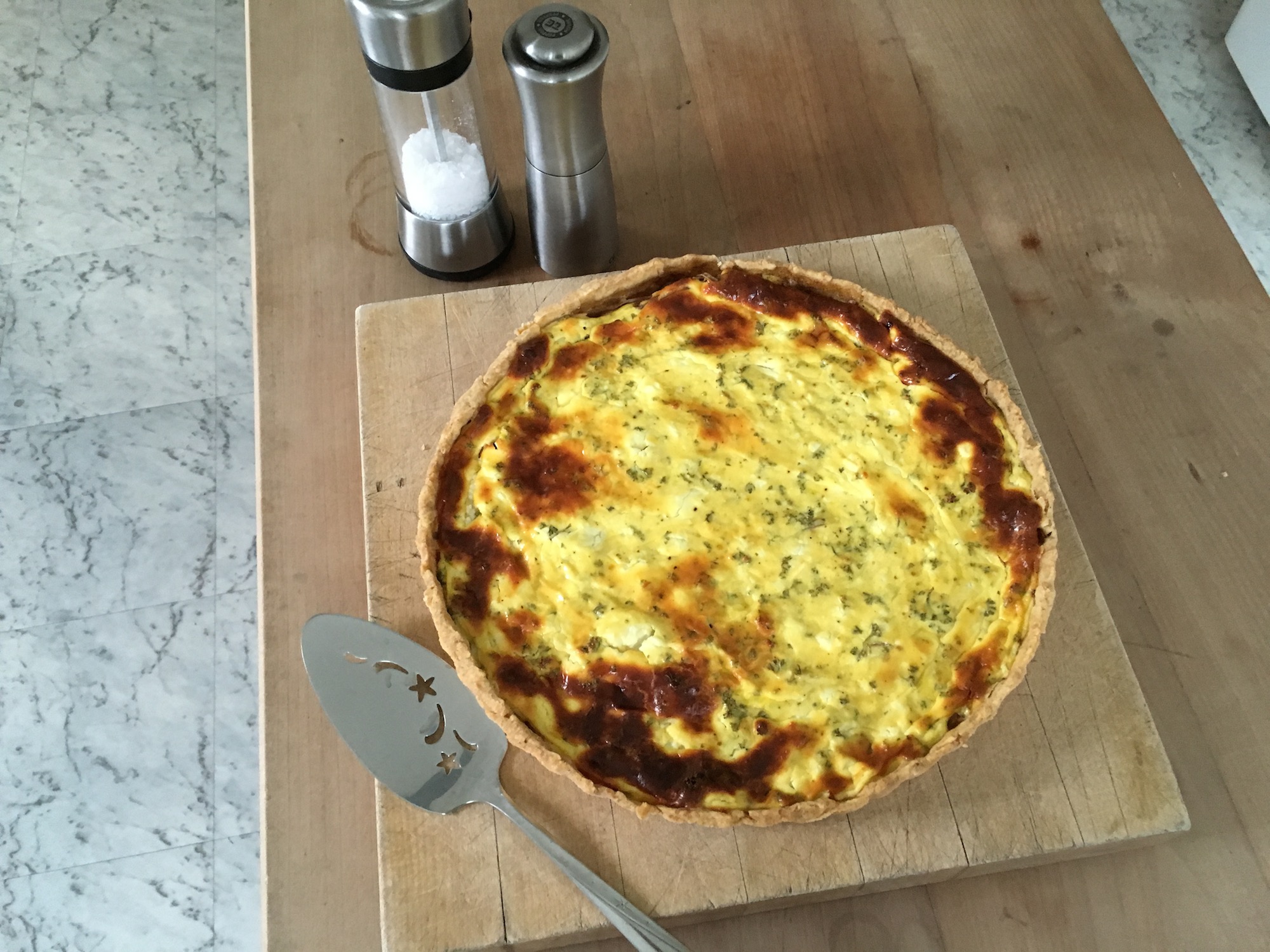
2016-01-23 17.44.36 smThere are dozens of variations on this tart available on the Internet. Here’s my version. This is best served at room temperature, outdoors on a hot day with a glass of white wine.

2 medium to large red onions

2 Tbsp olive oil

2 Tbsp balsamic vinegar

1 tsp brown sugar

500 g chevre or other soft goat cheese

3 eggs

¼ – ½ c chopped fresh parsley

salt and pepper to taste

pastry for a single crust 10-inch tart (I use my favourite pie dough recipe for this)


Line the tart pan with pastry and allow to chill in the refrigerator as you prepare the filling.

Cut the onions into strips, and sauté on medium-low heat until they are well cooked and beginning to turn golden. Add the vinegar and brown sugar and continue to cook until most of the liquid has evaporated. Set aside to cool.

Beat the eggs in a large bowl. Add the cheese, parsley, salt and pepper and mix thoroughly.

Spread onions in the bottom of the tart and top with the cheese mixture.

Bake at 200˚C (400˚F) for about 40 minutes until firm and browning on top.

Cool on a rack and serve at room temperature.

Apricot Upside Down Cake

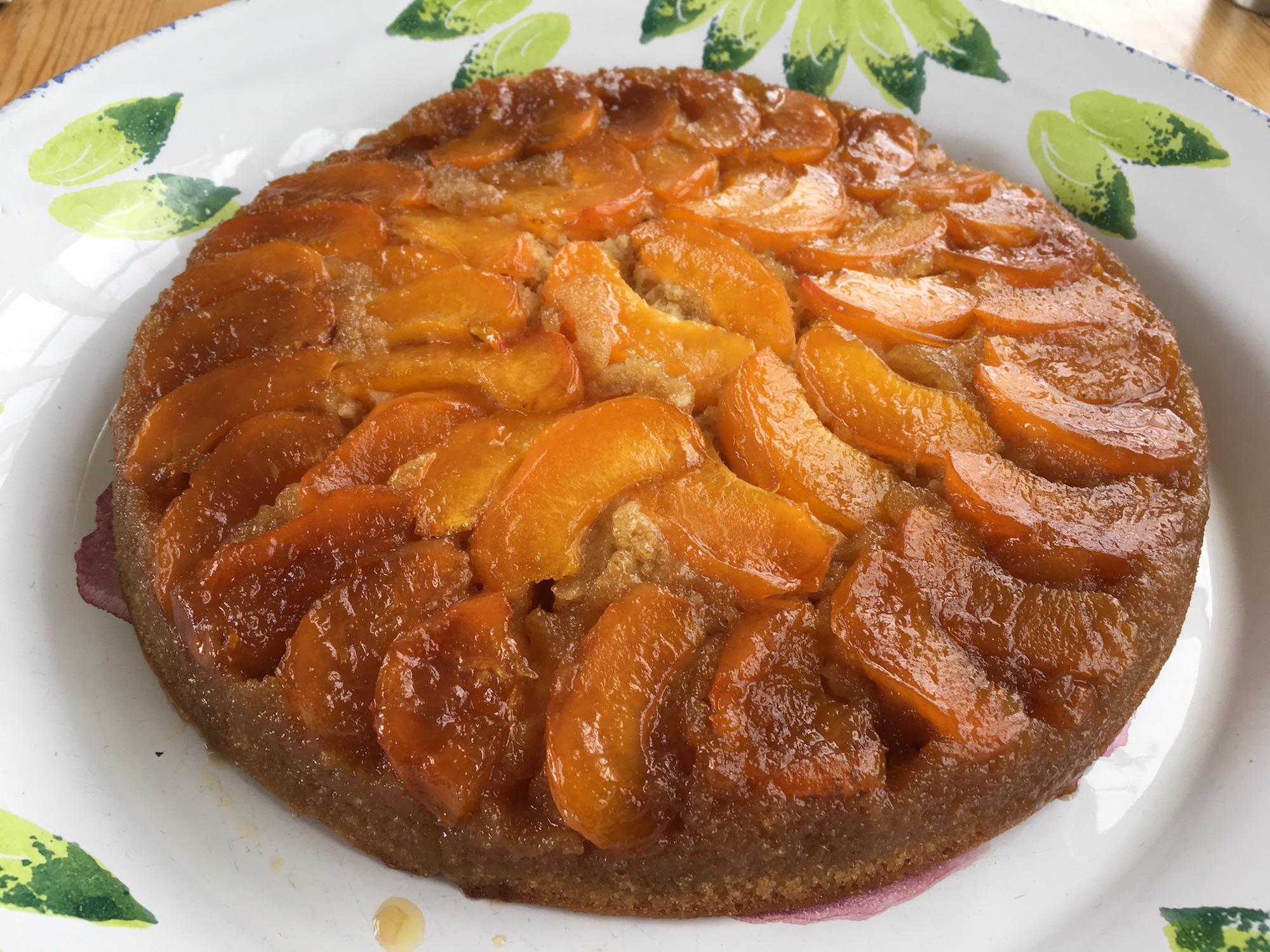
2016-01-19 18.48.49 smIt’s apricot season, and though our tree isn’t giving yet, we’ve been buying lots of them. They began to mould today. There was only one thing to do–make apricot upside down cake!

The original upside down cake was made with canned pineapple rings, and was developed as a way to get people to buy canned pineapple. But I think it’s better made with fresh apricot slices.

Now, if only I had some whipped cream to go with this…

Solanaceae

Tomatillo

Tomatillo

Solanaceae—one of my favourite families of plants.

There are more than a few members of this family in the vegetable garden:

Tomatoes, potatoes, eggplants, cape gooseberries, capsicum (peppers), and tomatillos are all solanaceous plants.

Nicotiana

Nicotiana

But they don’t end there. In the flower garden there are petunias and nicotiana, among the perennial fruits are gogi berries, and in the native garden there is poro poro.

And, of course, growing as weeds everywhere are black and hairy nightshade (these don’t get my favourite plant vote).

This diverse and sometimes tasty group of plants also includes many containing medicinal, poisonous or psychoactive chemicals (tobacco, mandrake, and deadly nightshade among them). Indeed, it’s best to be careful with the Solanaceae—even the edible ones contain poisons in the non-edible portions of the plants, or, as in the case of green potatoes, even in the edible parts. Solanine is the culprit in green potatoes—it causes diarrhoea, vomiting and hallucinations, and its bitter taste prevents herbivores from eating the potatoes. Other chemicals in the Solanaceae can have the opposite effect—reducing nausea in chemotherapy patients, and reversing the effects of poisoning by certain pesticides and chemical warfare agents.

And we’re still discovering more uses for these pharmacologically rich plants.

What’s not to like?

Gardener Overboard!

2016-01-16 17.22.14 HDR smIt’s that time of year, I can’t seem to get out of the garden. The recent, much needed rain has made everything grow—I swear the plants are twice the size they were last week.

Which, of course, means that the tiny zucchini (courgettes) we were scrounging for three days ago have turned into monsters. We’ve gone from not quite having enough to overwhelmed overnight.

That’s usually the case, (see last year’s zucchini post) and you would think I’d learn…

But, of course, when you’re a Problem Gardener like I am, you just can’t resist. You can’t have just one variety of summer squash. Once you have one, you need to have another, and another…

I have five this year—Gold Rush, Costata Romanesco, Black Coral, Ambassador, Pink Banana Jumbo, Flying Saucers, and Sunbeam…Okay, that’s seven, but Black Coral and Ambassador are for all practical purposes the same, and I didn’t plant any more plants just because I planted two yellow patty pan type squash (who could resist a vegetable named Flying Saucers?).

And once again we will eat zucchini until we’re sick of it, and I’ll swear that I will only plant one (or maybe two?) varieties next year.

And once again, I’m sure I’ll come up with half a dozen excellent reasons why I need to plant five (er…seven) varieties.