Jack-o-lanterns

2016-04-17 11.17.03 smWhile you folks in the Northern Hemisphere are cleaning out your pools, dusting off the barbecues and planting seeds, we in the South are enjoying all that autumn has to offer.

And something we always look forward to is carving pumpkins. Growing up in the US, it was one of my favourite Halloween activities. Here pumpkin season falls inappropriately near Easter.

That doesn’t stop us from celebrating the season with jack-o-lanterns.

All my pumpkins are grown for food, but the edible part of the Austrian oilseed pumpkin is its seeds—the flesh is only suitable for goat food (and even the goats aren’t excited by it). So once I scoop out the delicious seeds, I have no problem using the shells for artistic purposes.

A nice crop of Austrian oilseeds this year means there is plenty of raw material for our artwork.

Corn

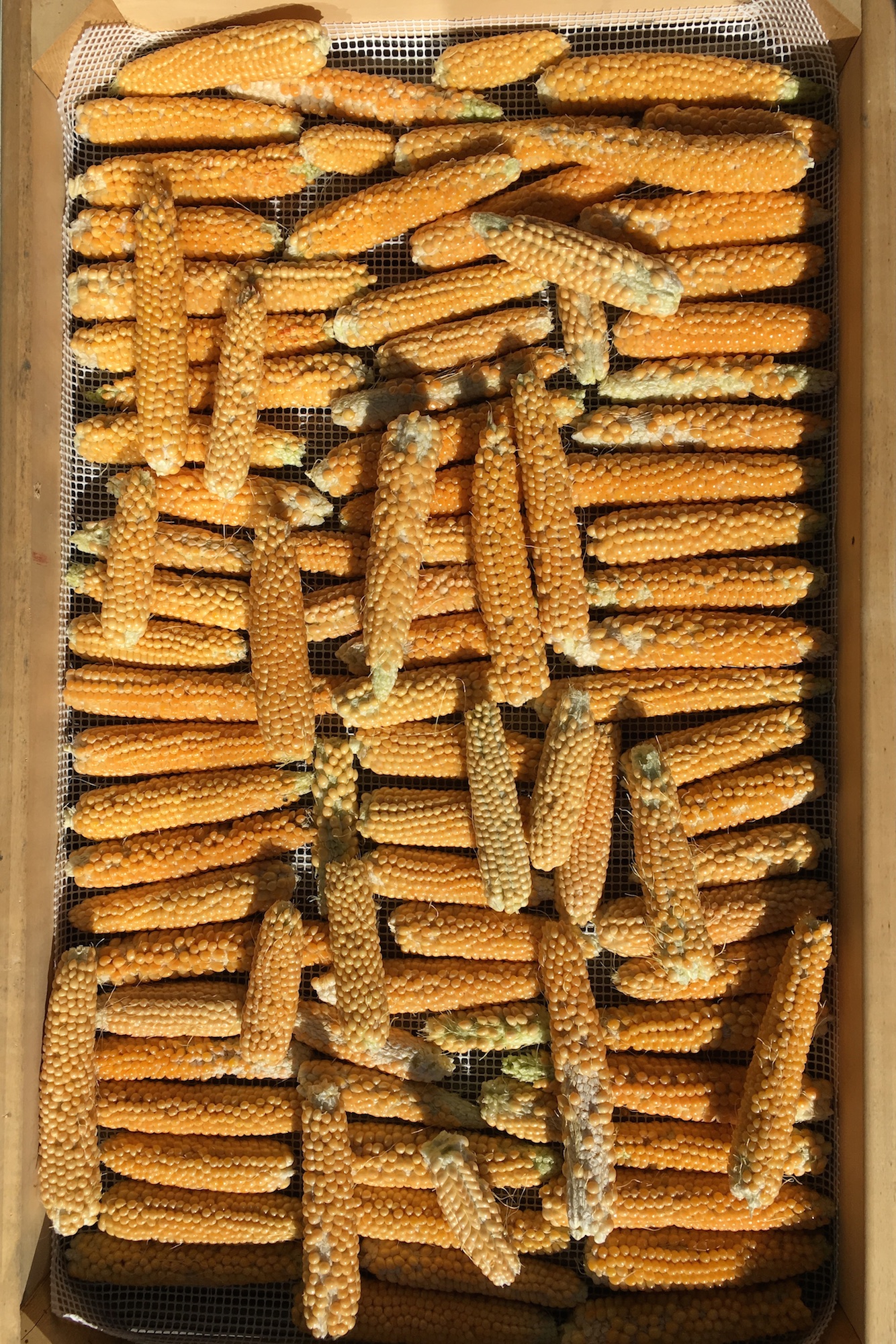
This year's popcorn harvest.

This year’s popcorn harvest.

What would life be without it?

Even ignoring the highly processed corn oil and corn sugars found in so many products, what would a movie be without a big bowl of butter-laden popcorn?

What would chilli be without a slab of corn bread to go with it?

What would summer be without corn on the cob?

And how dull life would be without polenta, corn dodgers, corn chowder, corn and pea succotash, roast corn, caramel corn, tacos and tortillas, nachos…

And then, there’s chicha fuerte…

Um…well…we can just forget chicha fuerte. It’s a corn alcohol brewed in Panama. Tastes a bit like vomit, and even a sip leaves you with a hangover the next day.

But hurrah for all the other forms of corn!

Many thanks to the people in what is now Mexico who bred corn from its ancestor, teosinte, about 9000 years ago! I doubt they had any idea how ubiquitous corn would become, but they hit on a winner.

Small Town Celebration

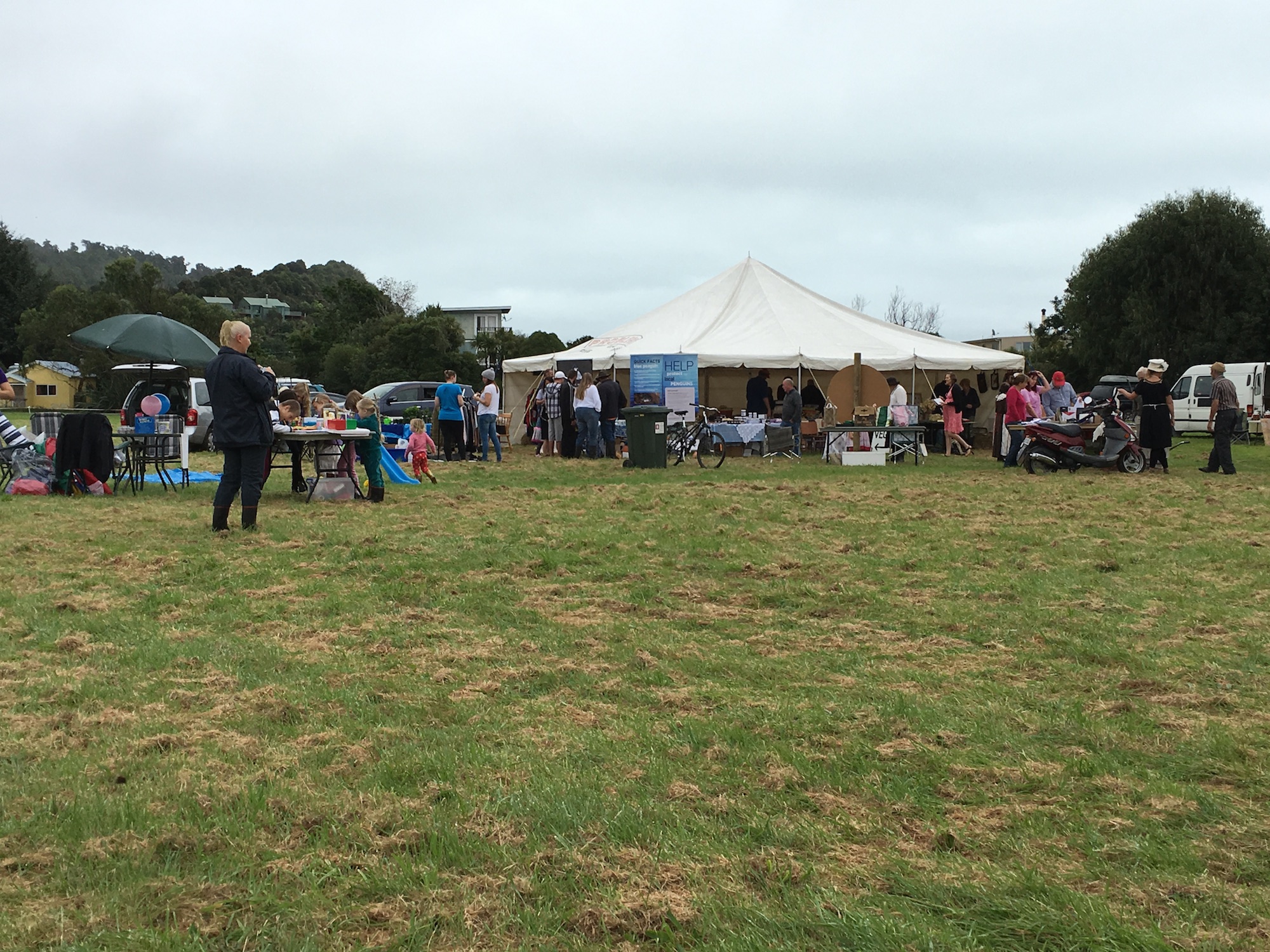
2016-03-26 10.31.51 smWe spent Friday and Saturday nights last week at the Okarito campground. As it happened, Saturday was Okarito’s 150th anniversary celebration. Okarito used to be a town of about 4000 people, back in the late 1800s when the West Coast gold fields were booming. The town sported a 25 hotels, 3 theatres, two banks, several general stores, and a public swimming pool, Today it has a year-round population of about 30. Most of what was once bustling streets has been reclaimed by the rainforest. There are no hotels (though many of the baches are rented as holiday homes), no banks, no pool, and the only remaining general store serves as a tiny museum and event venue seating 40. You can buy a coffee and insect repellent at the local kayak rental company.

Okarito is 30 minutes drive from the township of Franz Josef Glacier, and 3 hours from Hokitika. In the middle of nowhere, I was curious to see how many people would actually show up to the town’s 150th celebration.

It started off slow…

The festivities were scheduled to start at 9 am and run through to 10 pm on Saturday. At 9.00, there were a few people setting up in the marquis…

About 10.30, the bouncy castle was inflated, and half a dozen kids tumbled around on it. We bought a coffee from a food truck that had parked on the edge of the commons and some baked goods from some girls who had set up a table on the lawn. There was a woodworker, the local scout troupe, a few Department of Conservation staff, some locals selling second-hand goods, a knitter selling baby sweaters, a woman selling jam and goat cheese…And very few customers.

By the time the auction started, there might have been 50 visitors, most locals. A good proportion of the items up for auction were purchased by the auctioneer.

A couple of dozen people enjoyed the barbecue dinner.

When the band started playing at 7pm, there were maybe 30 people in attendance. But the music brought out a surprising number, and within half an hour, there was an audience of 125.

Most of that 125 knew one another. They were local farmers, residents, bach owners, regular visitors, and young people working the local tourism industry. Everyone knew each others’ dogs by name, and the dogs chased each other around the crowd like young cousins at the annual Labour Day get-together. It was a lovely atmosphere—more like a family reunion than a public event.

I don’t know whether the Community Association had hoped for a larger crowd, or if it exceeded their expectations. I don’t know if they made back the cost of the marquis rental. But I do know that those who were there smiled, laughed, and enjoyed the day.

Throwback Thursday—visiting friends, Panama style

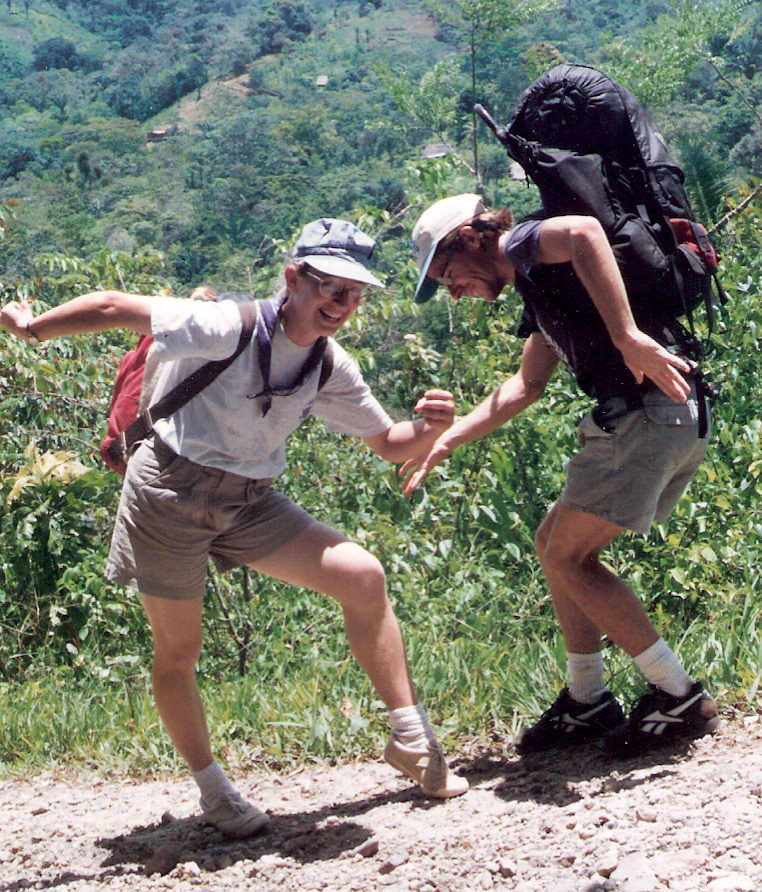
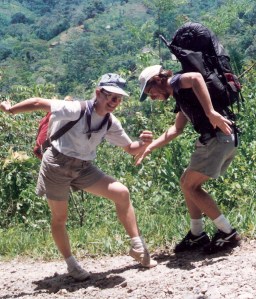
Paul and me, hamming it up for the camera on our trek.

Paul and me, hamming it up for the camera on our trek.

In Peace Corps in Panama, we lived in a village that was on the edge of what was accessible by vehicle. The lower part of our village was reliably accessible, but the upper part, where we lived, was only accessible in the dry season, and even then it was rough.

Walking was the main mode of travel there.

We walked everywhere. To all the farmers we worked with, to all the forestry groups we worked with. To the tienda, to the bus stop. Up and down (because there was no flat land in our village, or anywhere nearby, for that matter). We grew what we called “campo calves”—massive calf muscles that would have made an Elizabethan swoon.

Walking was such a natural mode of transport, that when we decided to visit a friend, Gareth, who lived on the other side of the mountains (hills, really, the continental divide is very low in Panama), we decided to walk.

First stop was our friend, Paul’s house, an hour up the mountain from our place. Paul went with us. Paul, Gareth, my husband, and I regularly met up for late-night Dungeons and Dragons sessions—a modified version that used only the two ordinary dice we had with us. This was to be an epic journey to play D&D.

After picking up Paul, we climbed further, to El Valle, where we spent the night with one of Paul’s friends there. We found ourselves without breakfast in the morning, so we shouldered our packs and set off with nothing but a cup of coffee in our stomachs.

Not to worry, we soon came across a campesino willing to sell us some bananas, and we ate as we walked.

We had only a vague notion of how to get where we were going, but all paths lead somewhere in the Panamanian countryside, and with regular stops along the way to ask directions, we managed a good pace.

Along the way we talked and laughed, we met campesinos, we enjoyed beautiful views. When we finally trudged into Gareth’s yard late in the afternoon, we felt we’d seen the world.

I have visited many friends since then, but that trip stands out as the best journey ever.

Pilando

PilandocoffeeJulian smThrowback Thursday was so fun last week, I thought I’d do another one this week.

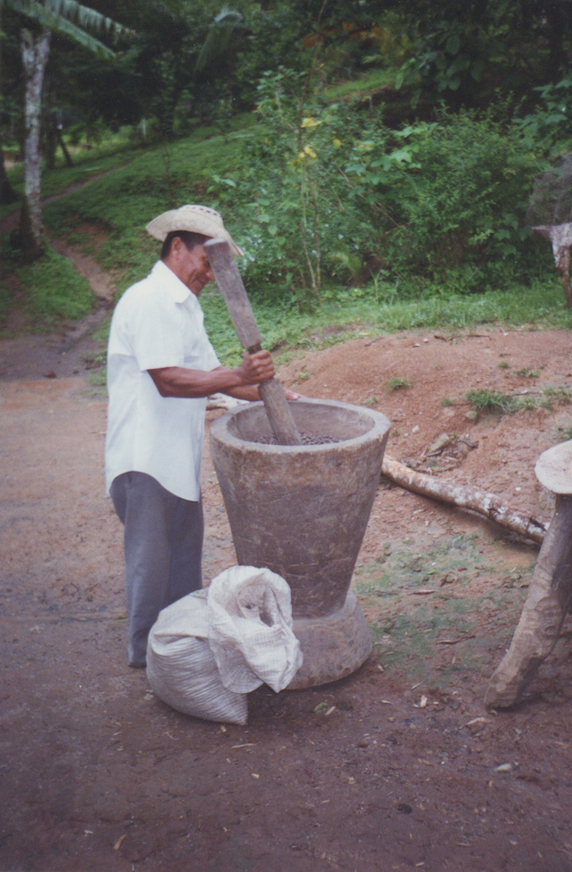
This week I dredged up a photograph of Julián, our landlord and next door neighbour in Panama. He was tickled to pose for this photo—he always enjoyed sharing cultural differences.

In this photo, Julián was grinding coffee in a massive mortar and pestle called a pilón. These tools get near-constant use—grinding coffee, pounding rice to remove the hulls, grinding corn—and I loved to hear the deep, rhythmic thud, thud, thud of the neighbours at work.

And I was always grateful to buy my coffee already ground…

A pilón is carved from the trunk of a tree, and when it’s not in use as a grinder, often serves, tipped on its side, as a bench in the kitchen. Every family we knew had one, but they must last forever, because I never saw a new one. They were all beaten and dinged, and I imagine they must be able to tell some great stories.

Throwback Thursday—Amas de Casa

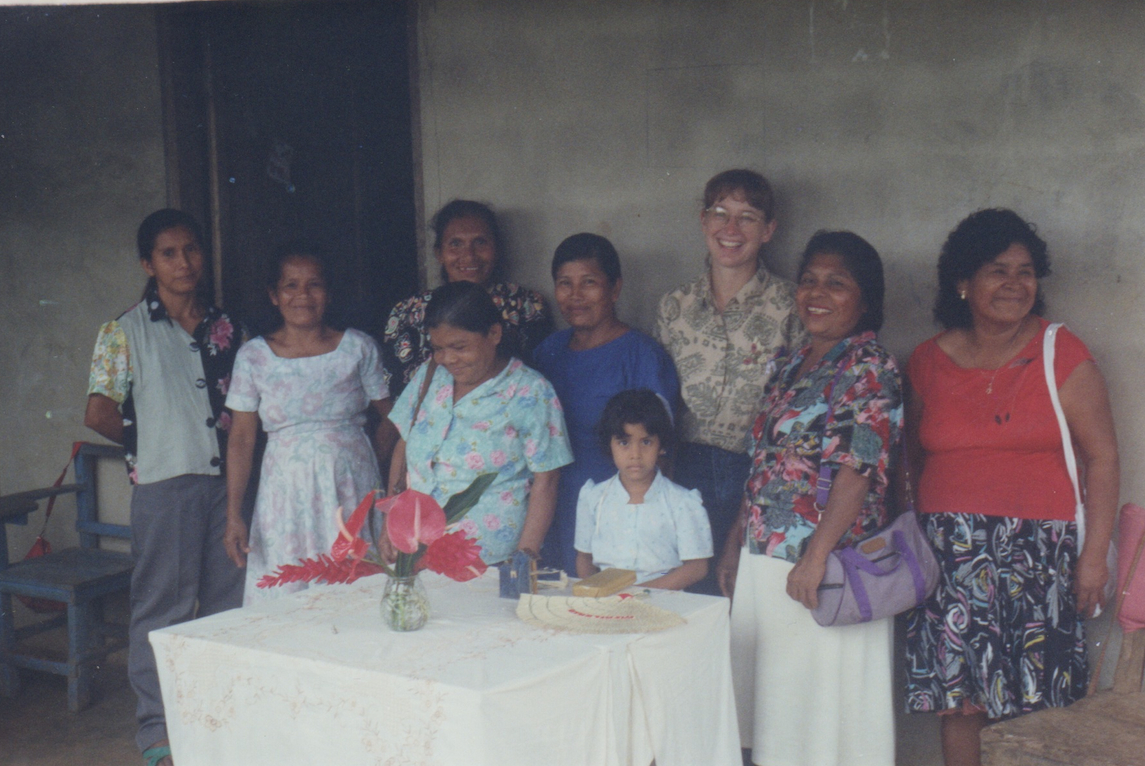
AmasdeCasasmI thought I’d take a trip down memory lane today and share this photo of some of the women I worked with as a Peace Corps Volunteer in Panama.

I regularly joke that this is my favourite photo ever, because it’s the only one in which I look tall (at 5-foot 2, I towered over most everyone in my village). But that isn’t really why I love this photo. I love it because of who is in it.

These women were all part of the Membrillo Amas de Casa (housewives) group. These women welcomed me into their group, and taught me so much. Together we created a tree and medicinal plant nursery. We created a demonstration garden using soil conservation techniques. We made bollo for Carnival. We laughed, we drank coffee, we shared our lives.

Two of the women were particularly special to me.

Onofre Gonzalez, the woman to my right, taught me that when it comes to using a machete, it’s attitude that matters, not size. Onofre could take down a tree in seconds with her little, wickedly sharp blade. She once snicked a palm viper’s head off right in front of me with her machete before I even saw the snake. She carried loads on her head, feeling the path with her bare feet like a cat.

To my left is Francisca Chirú. She and her husband, Cándido, adopted me and my husband into their family, though we did not live with them. They embraced us as though we were long lost friends, and we became a regular fixture at their house. They taught us to weed, included us in their family celebrations, and shared their lives with us.

All these women were incredibly strong, creative, and loving. Even 22 years later, I am still honoured and humbled by their acceptance of the tall white stranger among them.


Sandcastles

2015-12-28 13.49.30 smMy kids inherited their father’s obsession with making sandcastles. No beach trip is complete without a major construction project. We take a full-size garden shovel when we go to the beach—that’s how serious they are about it.

Their creations can reach well over a metre tall and cover twenty square metres of beach.

Last week, there were some families with preschoolers on the beach with us. When castle construction halted for lunch, the kids came over to investigate. They splashed in the pools and admired the turrets and bridges. They spent ages enjoying my family’s creations.

Later, as people walked past, many stopped, or walked around the castle complex to get a better look. Some stopped to chat or comment. All of them smiled.

This is what art does.

Not that sandcastles on the beach are Art with a capital A, but they are a form of creative expression like all art. And art is meant to be appreciated and enjoyed.

Art can make people smile. It can encourage strangers to talk to one another. At its best, it encourages interaction—with the art, with each other. It inspires. It provokes.

Too often, we step out our doors and put on our uniform—our “normal” face and behaviour. This is good, to an extent (norms of behaviour are generally there to help us all live together without excess friction). But all that uniformity is cold and sterile. Uniformity doesn’t encourage us to smile and talk to one another. I think that if more people expressed their creativity openly in public for everyone to enjoy, the world would be a better place.


365 Days of Food

100_3831 smHere I am at the end of my 365 Days of Food blog challenge. Reflecting on the year, I am pleased–and a little surprised–I’ve managed to blog every day. Yes, some days were…um…half-hearted at best, and some posts were written in advance, to be posted automatically on days when I had no internet access. So there was a little fudging, but only a little.

And what did I learn from this exercise?

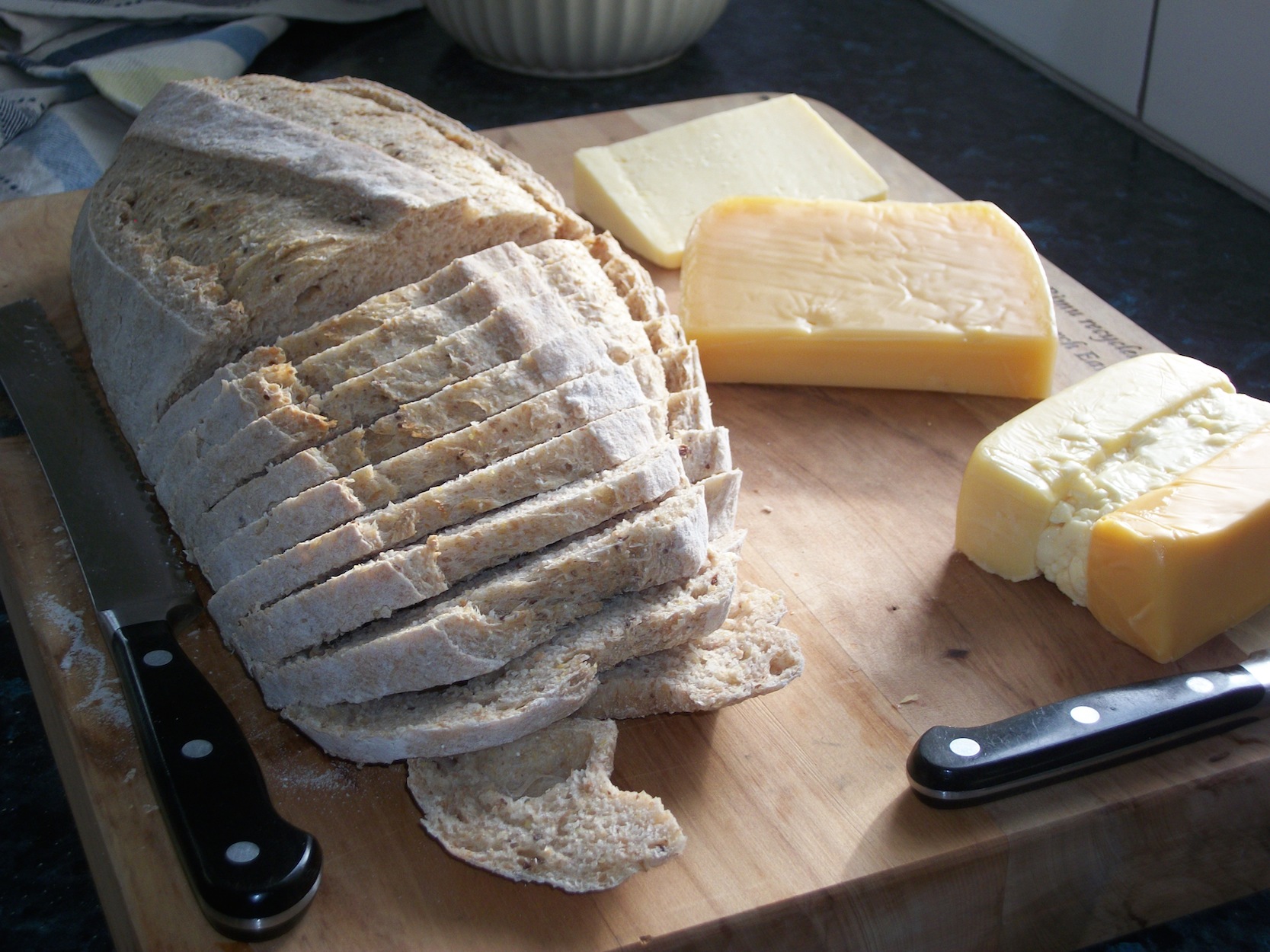
DSC_0009 smI gained a heightened appreciation for how much of my daily life revolves around food—planting, caring for, harvesting, preserving, preparing, eating…and cleaning up from all of the above. There were times during the year when I felt that dealing with food was the only thing I was doing, and I wondered if I needed to get a life.

But what is more basic to life than food? What is more fundamental to human cultures than sharing food with friends and family? On the last day of the year, I come full-circle—back to my first blog post of the year:

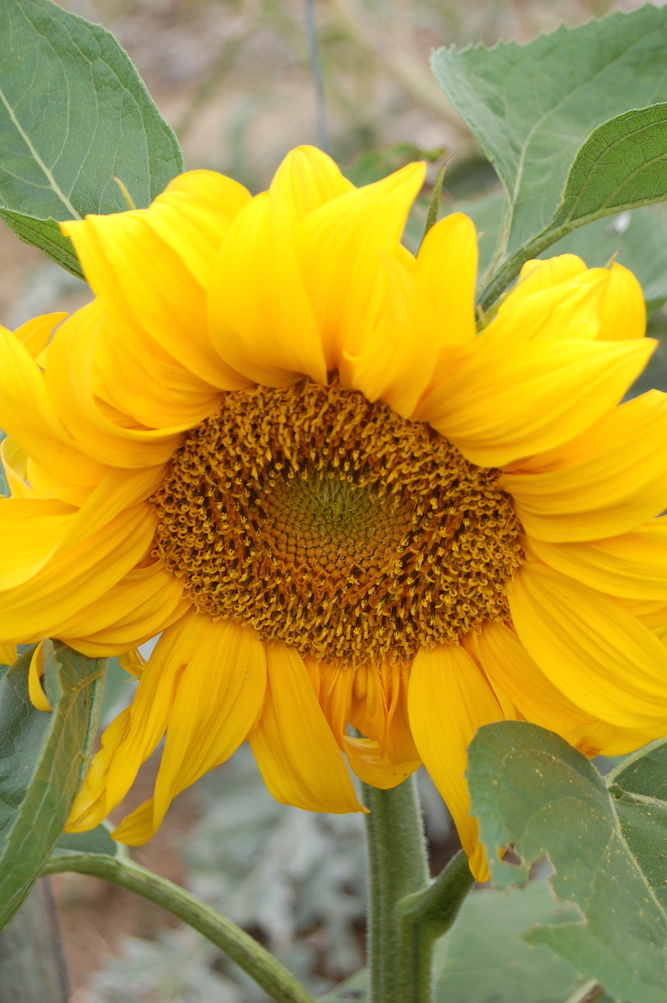
DSC_0016 copy“[Food] feeds us physically and emotionally. It is an integral part of our celebrations, and is the scaffold on which our days are built.”

After a year of blogging about food, I would add that it underpins our economy, is woven into the fabric of human history, impacts the health of the planet, reflects our personal values, and is an inseparable part of our identity.

DSC_0015 copyThank you for reading and commenting all through the past year. Though it is the end of my 365 Days of Food challenge, it is not the end of my blogging. There will be more…maybe even a new challenge for next year.

Stay tuned!


Eating Together

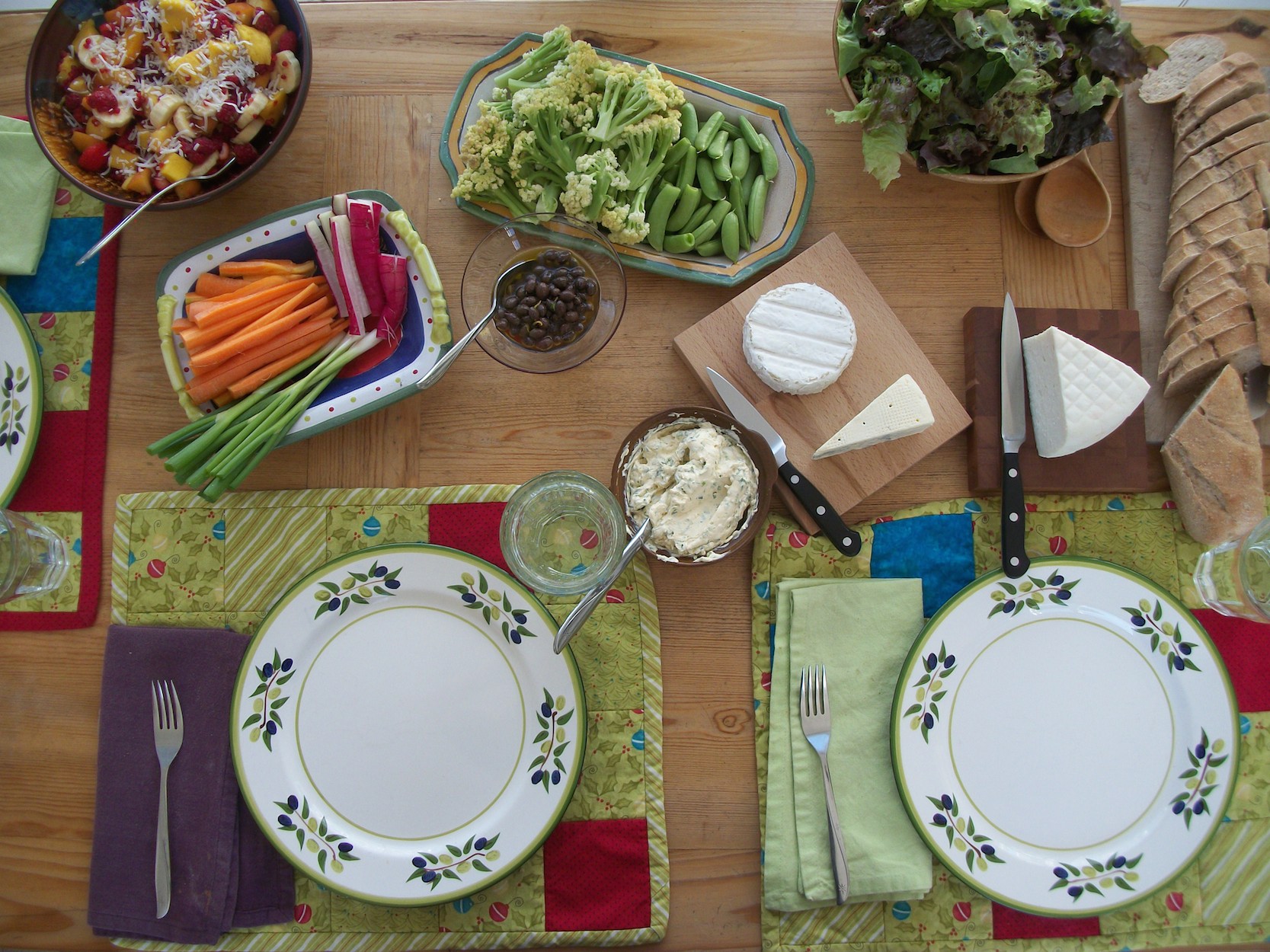
100_4263 smAt the festive time of year, it seems right to blog about family meals.

There has been a great deal of hoopla over the past ten years or so about family meals. Some researchers have claimed they reduce childhood obesity, raise GPAs, reduce depression, reduce delinquency, and a host of other benefits.

The truth isn’t quite so amazing. When factors such as socioeconomics, family structure and other demographics are controlled for, it appears that family meals slightly reduce childhood depression, and that’s it. All the other ‘benefits’ are simply correlated with the other features that contribute to a family that sits down together for a daily meal.

But I like to think that, just as smiling makes you happier, sitting down to a family meal every day makes the family better. It makes it more likely the family will have the other characteristics that lead to higher GPAs, lower obesity, etc.

A family meal is a time to talk to each other, to discuss current events, ideas, and feelings. It’s a time to teach children manners and respect for one another. It’s a chance for quality time with the people we love—why not take advantage of it? You’ve all got to eat—make the most of it.

We eat dinner as a family every day, and on weekends, we eat lunch together. Sunday, we even sit down together for breakfast. Sometimes I’m reluctant to take the time for a family meal, particularly lunch, when I’m in the middle of the day’s work, and would prefer just to grab a quick bite and be on my way. But a family meal forces me to slow down. It forces me to check in with my family and see how their day is going. A family meal reminds me that my work is less important than my family, and I regularly change my day’s plans based on what I see the family needs when we sit down to eat.

Because we eat together, I not only talk to my family more, but I play more games with the kids, I do more projects with them, I go to the beach more often, and I stress less about life.

So pull up a chair. Fill your plate. Sit down, and tell me about your day.


Homemade and Home grown

100_4265 smMy family loves food. We eat well. We eat a lot. But what I’ve come to realise is that we don’t just love food for its own sake. We don’t go out to restaurants, and we don’t wax lyrical about our favourite products from the grocery store.

For us, food is as much about how it gets to our table as it is about what it tastes like there. Food is a labour of love, a creative endeavour, a team effort. Food is inseparable from its origin.

Years ago, my son asked, “If we didn’t grow the ingredients ourselves, is it really homemade?” That is how deep our relationship to our food is.

I sometimes wonder if this is healthy—this obsession with food. But it really isn’t so much about the food as it is about the process and all the corollary benefits.

Producing our own food, we stay fit without paying for gym memberships, we have food security in the face of natural disasters, we learn to work together as a family, the children gain a sense of worth from helping to feed us all, we eat better, we reduce our impact on the earth…the list goes on and on.

Producing our own food is a way to nurture the family, a way to acknowledge our place in the natural world, a way to celebrate each day of the year and the gifts it brings.