Cilantro Security

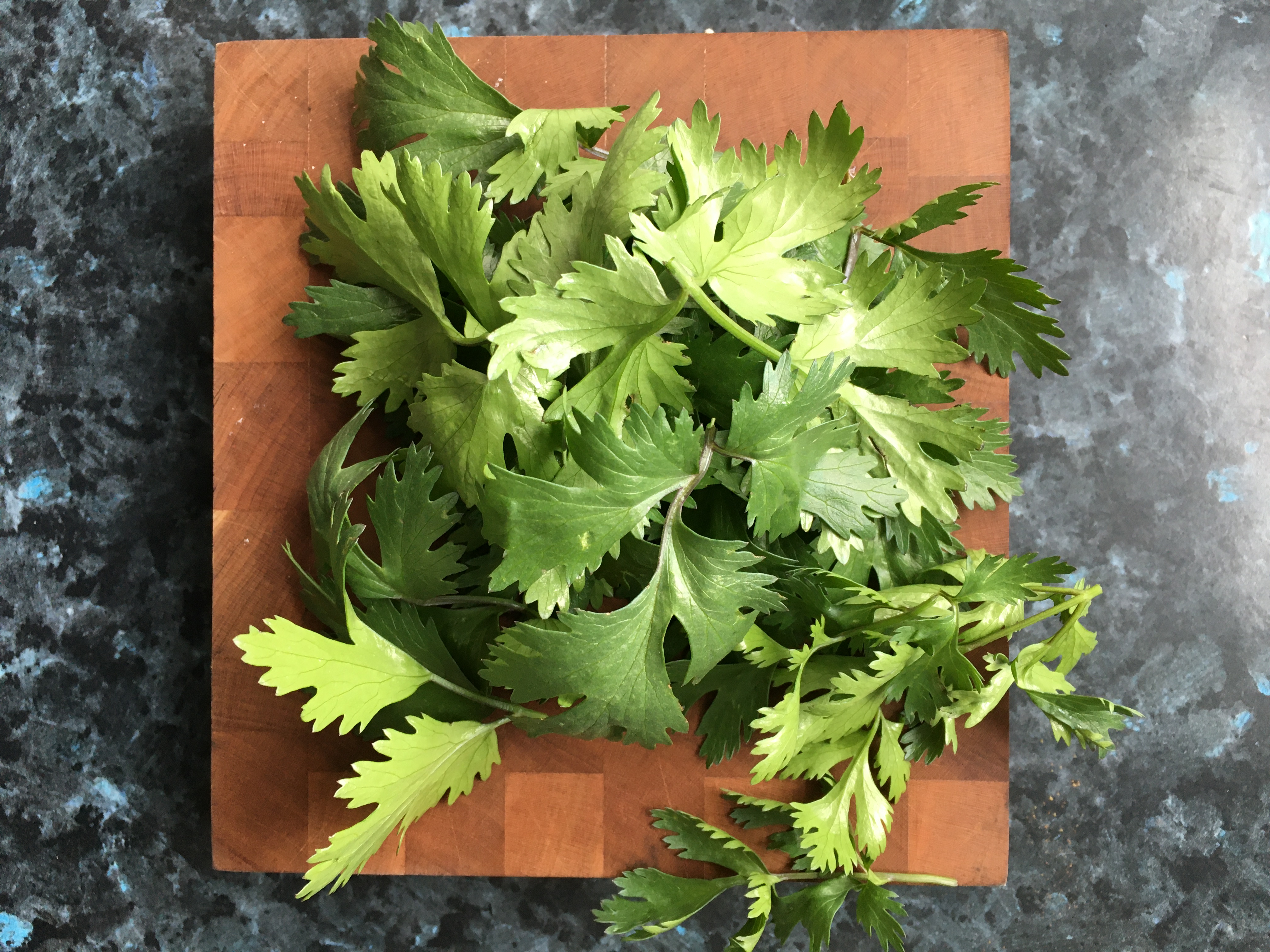
Cilantro (aka coriander) is an acquired taste. When I first had it, I thought it tasted like soap. Now I love it. Which makes this year’s crop all the more welcome, because we’ve been without it for several months.

Cilantro will grow year-round here, although during our dry summers, it bolts quickly. Usually I plant a spring crop and let it bolt and re-seed itself for a fall/winter crop of volunteer plants. Unfortunately, last spring’s crop was badly stunted by aphids and a hot dry spell, and it didn’t set seed. 

So we went all winter without cilantro—a sad state, when winter is the time for chilis and bean dishes that we normally flavour with cilantro.

It’s hot and dry again, but I’ve taken precautions against another cilantro failure. I planted two crops several weeks apart, and I’m watering them well. Hopefully we’ll be back to a continuous cilantro supply this year.

Lazy Sunday Baked Oatmeal

I make a cooked breakfast every Sunday. It’s a luxury—a gift I give myself as much as to the family. So it doesn’t feel like a chore to get up early and cook once a week.

At least, most of the time it doesn’t. Once in a while I’m uninspired on a Sunday morning, particularly if I spent Saturday in the kitchen.

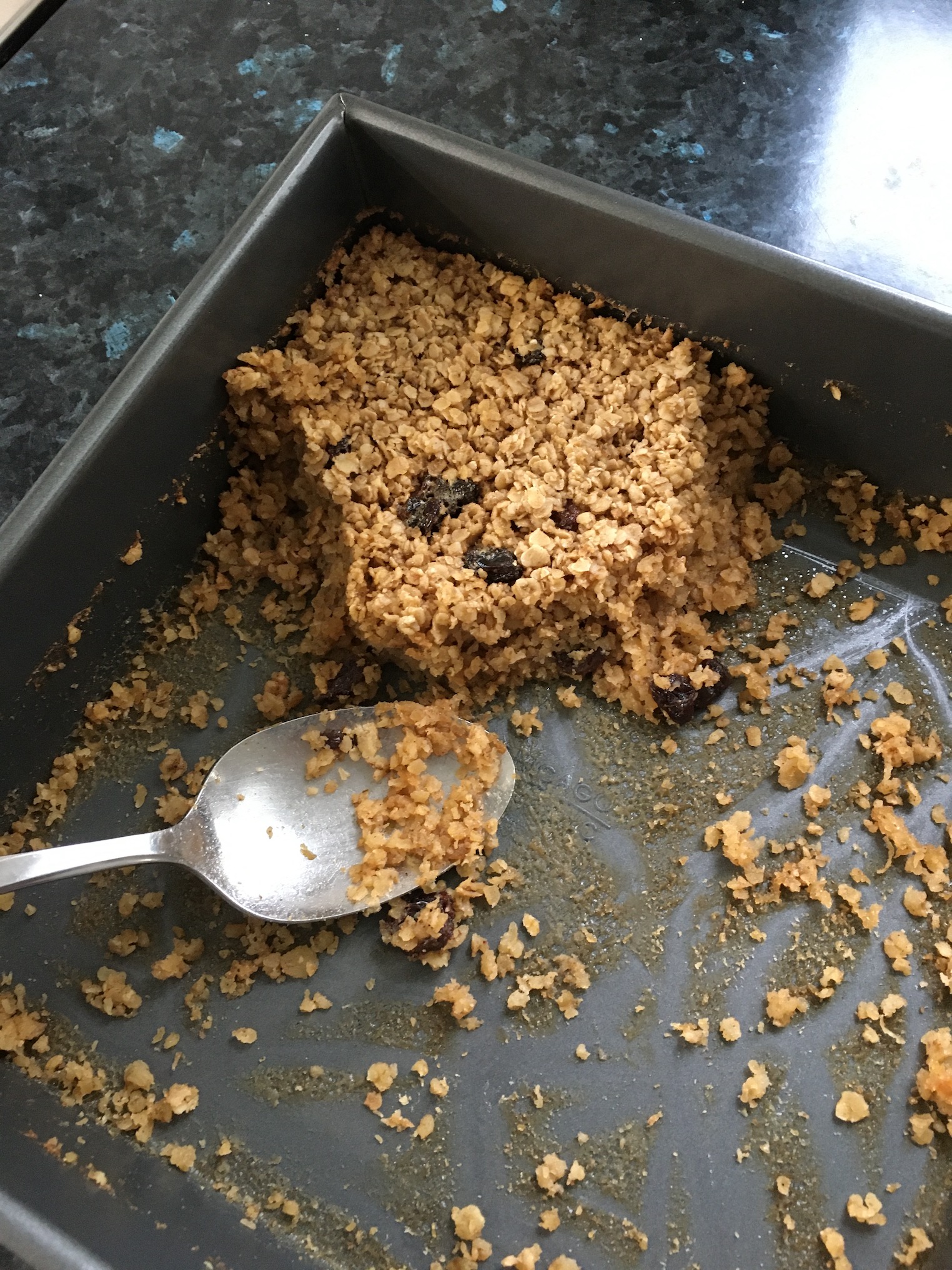
Last week was one of those Sundays. I couldn’t be bothered making scones or pancakes or muffins. So I pulled out a recipe my mother gave me years ago. One I don’t recall ever having made, but it was a simple, stir-together baked oatmeal that struck me as just the thing for a Sunday I didn’t feel like cooking. Best of all, the bread oven was still hot from the previous day, so I didn’t even have to use the electric oven. 

I modified the recipe a bit (because I can’t seem to ever make a recipe exactly as it calls for).

here’s my version of baked oatmeal—delicious with a generous dollop of unsweetened yogurt or a splash of milk.

125 g (1/2 cup) melted butter
1/2 cup brown sugar
2 eggs, beaten
3 cups quick cooking oats
2 tsp baking powder
1 tsp cinnamon
1 tsp salt
1 cup milk
1/2 cup raisins

Mix all ingredients in a bowl. Pour into a 23 cm (9-inch) square baking pan. Bake at 180ºC (350ºF) for 30-35 minutes. 

Marinated Artichokes

The online recipes for marinated artichoke hearts tend to be for small quantities—enough to make a small jar. So when I decided to make marinated artichoke hearts with eight large artichokes left over from dinner, I took those recipes as a general guide, and made it up as I went.

Into the bowl with the cooked artichokes went equal quantities of cider vinegar and water until the vegetables were mostly covered. Then I added a sprinkling of red pepper flakes, some ground dried garlic (because I had none fresh), and a handful of chopped fresh oregano. I poured olive oil over the whole thing until the artichokes were completely covered by liquid, and then I stirred to mix it all.

The result was a beautiful vat of marinated artichoke hearts so good, they need a fancy dinner party to go with them.

We’ll Never be Royal … Except During Artichoke Season

Just a few of the artichokes…

It’s artichoke season again, and we are officially overwhelmed. It’s no longer a question of whether we’ll have artichokes for dinner, but what we’ll have with them. I seem to have permanent spines in my fingertips from preparing them, and my fingernails are stained an unattractive grey from the purple ones. 

But the spines and the stains are worth it. Having this many artichokes makes me feel like a queen—who else could indulge in such a luxury? (Never mind that a queen wouldn’t have to prepare her own artichokes.)

This weekend, if I can manage it around open homes, I’ll bottle (can) a year’s worth of artichokes. It’s nearly a full day’s work. Picking and prepping 60 to 70 artichokes in one go is daunting, but then we’ll have riches year-round, and all we’ll have to do is open a jar to get them. Not too hard to take.

Inspired Cooking

A few days ago, after a busy day, I couldn’t be bothered to cook. I decided to throw together a quick pasta, so I headed to the garden to pick a few vegetables.

But when I arrived in the garden, the sight of the winter spinach, growing like a weed and thinking about bolting, inspired me.

All that spinach would make an excellent spinach quiche. I even had some feta in the fridge, and there’s nothing better than spinach with feta.

Of course, a quiche is a whole lot more work than pasta …

And it really would need dill, too …

I scoured the weedy parts of the garden for volunteer dill, because my seedlings weren’t ready to pick yet. The weedy dill plants clinched it.

No longer tired, but inspired, I set about cooking. The result was worth the effort (as I knew it would be).

And that’s what I most enjoy about gardening—when the daily grind gets me down and I just want to order takeaways, it provides the inspiration to instead make a glorious meal.

Chilli and Chips

Sometimes, I work long and hard to create a fancy meal. I worry about taste and presentation, and fuss with every detail. Other times, a meal just comes together, and ends up as beautiful in the dish as in the mouth, with very little work.

I made a simple chilli the other day to go with a pair of ripe avocados. There was nothing to the chilli—kidney beans, grated carrot, chopped tomatoes, onion, and a whole lot of herbs and spices. My husband made guacamole and grated some cheddar cheese. While the chilli simmered, I made up my fabulous corn chips (so tasty and so easy to make). 

Suddenly, we had a glorious meal—beautiful colours, textures and flavours—and I felt like I’d hardly worked for it. Nice when it all works out that way.

Too Good Not to Share

A few of the two dozen or so loaves from Saturday.

Saturday was a bread day, so while I headed to the garden in the morning, my husband began making up the dough and getting the fire lit in the oven. As I worked, the familiar scent of wood smoke wafted across the yard. The bread oven smell is different from the smell of the wood burner or a brush fire—from the first wisp of smoke, it declares itself a cooking fire. The smell always gives me a sense of well-being. It tells me that soon there will be a bounty of baked goods, and we will eat well for days on the delicious things we’ll bake.

Bread days are always busy—baking is done on top of the gardening, mowing, and cleaning on the weekend’s to-do list. By mid-day Saturday, I had planted out my peas and hauled a dozen loads of compost to the garden, and the kitchen was full of rising loaves in a variety of shapes and sizes. It was time for me to join the baking. While my husband managed the bread, I chopped vegetables for what would become dinner. 

It was an especially hot oven Saturday. Pitas baked in seconds, kaiser rolls in a handful of minutes, the vegetables came out beautifully caramelised in no time, and focaccia bubbled up quickly and came out sizzling. While the larger loaves baked, I mixed up pound cake and hazelnut biscotti to slip into the oven after the bread was through. 

Dinner was a feast of roast vegetables and salad greens stuffed into fresh pita breads followed by pound cake and biscotti—a celebration of good food after a day of intense work. The only problem with it was there was no one besides us to share it with.

(For those of you who missed it a few years ago, you can check out our kitchen during a bread day in this time lapse video.)

Orange Coconut Scones

Sunday morning breakfasts aren’t always the best planned meals. Sometimes I start baking before I really know what I want to make. Sometimes I decide to make something, only to discover half way through that we’re missing an ingredient.

Both of those happened this morning. I grabbed a recipe for oat scones, not really wanting them, but not having any better ideas. On my way to the flour bin, I passed the fruit bowl, spilling over with oranges. I could make orange oat scones! I grabbed an orange and started considering how the recipe would change with the addition of grated orange peel. By the time my consideration was over, the new recipe bore little resemblance to the one I was technically following.

I was cutting the butter into the flour mixture when I remembered there were no eggs in the house. Well, I’d have to make my scones without an egg. No problem—scones are just biscuits fancied up with egg and sugar anyway. They’d be fine.

They were more than fine.

They were downright delicious.

So next time you think you want to make oat scones, but decide not to at the last minute, and then find you have no eggs in the house, try these lovely, light and tasty orange coconut scones!

1 1/2 cups wholemeal flour
1 cup old-fashioned rolled oats
3 Tbs sugar
2 tsp baking powder
1/2 tsp baking soda
1/2 tsp salt
110 g (7 Tbs) cold butter
grated rind of 1 orange
1/2 cup shredded coconut
1/2 cup + 2 Tbs orange juice
1/2 tsp vanilla

Combine the flour, oats, sugar, baking powder, baking soda and salt in a mixing bowl. Cut in the butter until the mixture resembles coarse crumbs. Add the orange rind and coconut. Combine orange juice and vanilla in a measuring cup or small bowl, and then add to the flour mixture. Stir just until moistened (you may need to add a touch more orange juice). Knead briefly to bring the mixture into a ball. Pat the dough out on a floured countertop into a round about 1.5 cm thick (a generous half-inch). Cut into 12 wedges. Place wedges on a greased baking sheet and bake at 210ºC (425ºF) for 13-15 minutes until golden brown.

Inspired Red Currant Cobbler

Sometimes you have an idea that simply works.

We have a large quantity of red currants in the freezer from last summer, so we regularly enjoy red currant desserts. Usually, we make crisp with them, but tonight we wanted something different.

I decided to make a cobbler, but I wanted something different from a plain biscuit on top—something sweeter, and with a bit more flavour to complement the intense sour of the currants.

In a stroke of inspiration, I remembered a biscuit recipe in King Arthur Flour’s Whole Grain Baking book. I’ve never made the recipe, but I’ve often looked at it. It pairs cornmeal and maple syrup, and I was pretty sure those were the perfect flavours to go with red currants.

I was right.

The result was perfectly balanced, cake-like, and absolutely delicious (and would probably be excellent with frozen cranberries, if you don’t have red currants).

Combine in a shallow baking dish:
3/8 cup sugar
3 cups frozen red currants

Set aside while you make the biscuit.

Combine in a medium mixing bowl:
1 cup cornmeal
1 cup wholemeal flour
1 Tbsp baking powder
1/2 tsp salt

Cut into the dry ingredients until the consistency of coarse crumbs:
80 g (5 Tbsp) cold butter

Combine in a small bowl or measuring cup:
1/2 cup milk
1/4 cup maple syrup

Add the liquid to the dry ingredients, mixing until evenly moistened. Pat out the dough into a shape to fit neatly over the fruit in your baking dish. Poke steam vents into the dough. Bake 30-40 minutes at 190ºC (375ºF). 

*Like any baked fruit dessert, this gets quite bubbly. Mine boiled over onto the bottom of the oven—you may want to set the dish on top of a baking sheet to avoid a mess in the oven.

Reprise: Summer Soup

I usually blog about summer soup when we make it. It’s a major point in the garden calendar and deserves a mention at that time.

I’ve never said a word about it during the winter, but this is when it is most appreciated.

Yesterday we all got home late from work and school. It was dark and cold. We were tired and hungry. I was crashing into a miserable head cold I’d kept at bay all day by sheer force of will.

And there was the summer soup, waiting to welcome us home and usher us into summer, if only for a brief time. I heated up a jar of edible summer, and we sat down to eat within minutes of arriving home.

I took a spoonful and shut my eyes. Tomato, zucchini, green beans, corn and soy … all the flavours of summer soothed my raw throat and pounding head. The heat of sun-ripened jalapeños and Thai chilis warmed my sinuses and eased my congestion. For a short time my winter cold was forgotten in the glory of a summer’s day.

I harbour no illusions—summer soup won’t cure my cold, nor will it lessen its severity and duration. But it certainly can make my illness more bearable.

And so again I sing the praises of summer soup, and am thankful for the family effort that makes it possible to ease a cold and enjoy the summer sun in the heart of winter.