See! Three Pea! Oh!

100_4187 smI couldn’t help myself, what with Star Wars release date coming up…

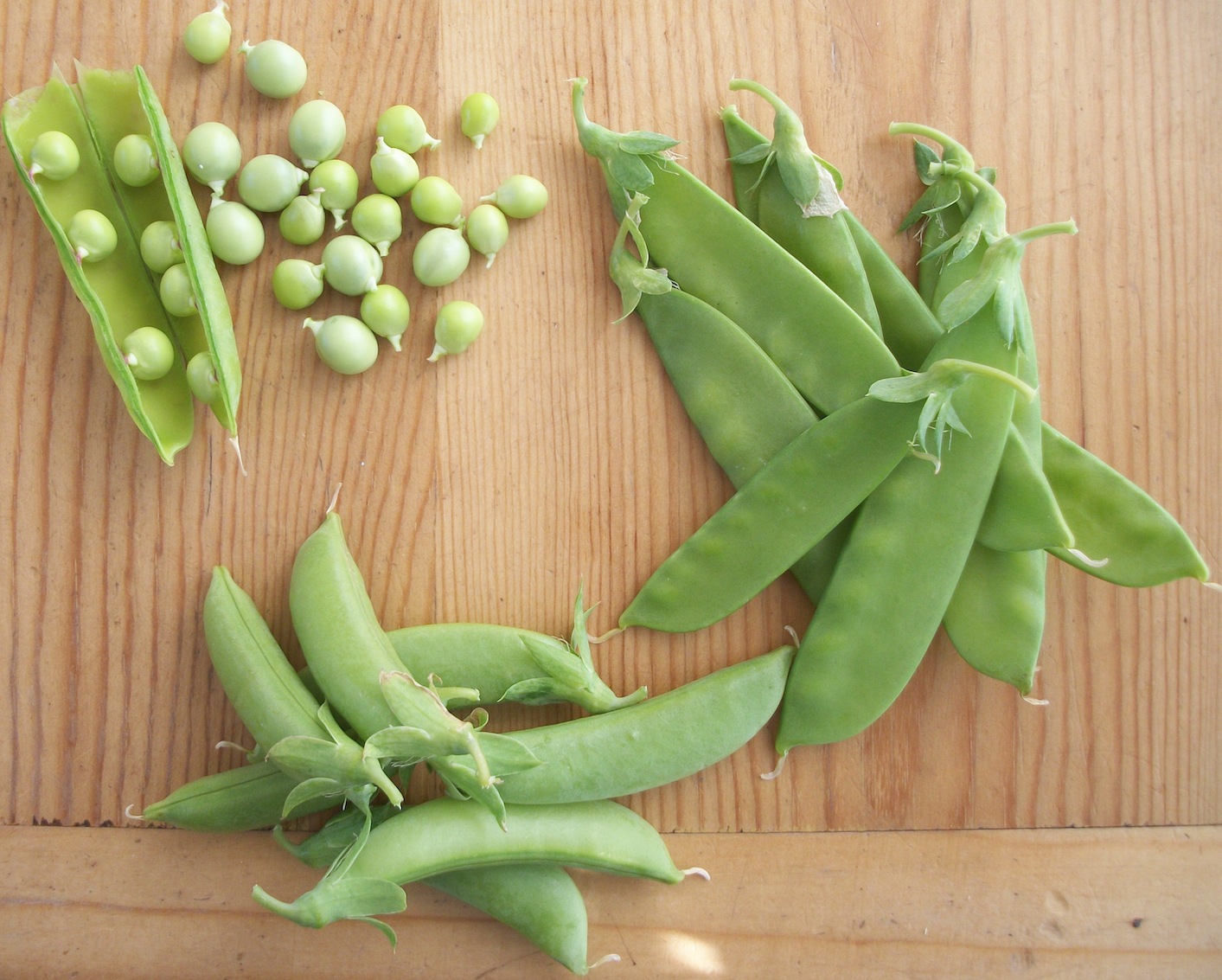
In truth, it’s four pea varieties. I just can’t seem to stop myself from planting them. And it’s still not enough to get us through the year—peas are so good in just about everything!

I plant snow peas, sugar snap peas, and two varieties of shelling pea each year. My favourites have become the purple shelling peas. The plants are tall and vigorous, they have gorgeous purple flowers and pods, and they just keep on giving through the heat of summer, even after all the other peas have given up. The only problem is that the peas themselves are grey when cooked—delicious, but not so attractive.

My favourite way to eat peas is standing up in the garden as a pick-me-up while weeding—juicy, crunchy and sweet. The kids take them in their lunch boxes, and a big bowl of them vanishes faster than cookies at Christmas parties.

And Santa’s reindeer will eat as many as we put out for them!

Chevre Ravioli

ravioli1 smI love chevre. Not only is it easy to make, it’s delicious in so many ways—on bread with jam, on crostini with olivade, covered with herbs or black pepper and spread on crackers. It’s a fine stand-in for cream cheese in cheesecake, too. It takes on sweet or savoury flavours and lends them a creamy tartness.

This week, I used chevre for a super-easy ravioli filling—I mixed about a cup of finely chopped herbs (oregano, thyme, rosemary and cracked pepper) into about two cups of chevre.

My husband made a lovely spicy sauce full of spring vegetables to go on top.

The result was marvellous! Full of intense, fresh flavours!


Oyster Mushrooms

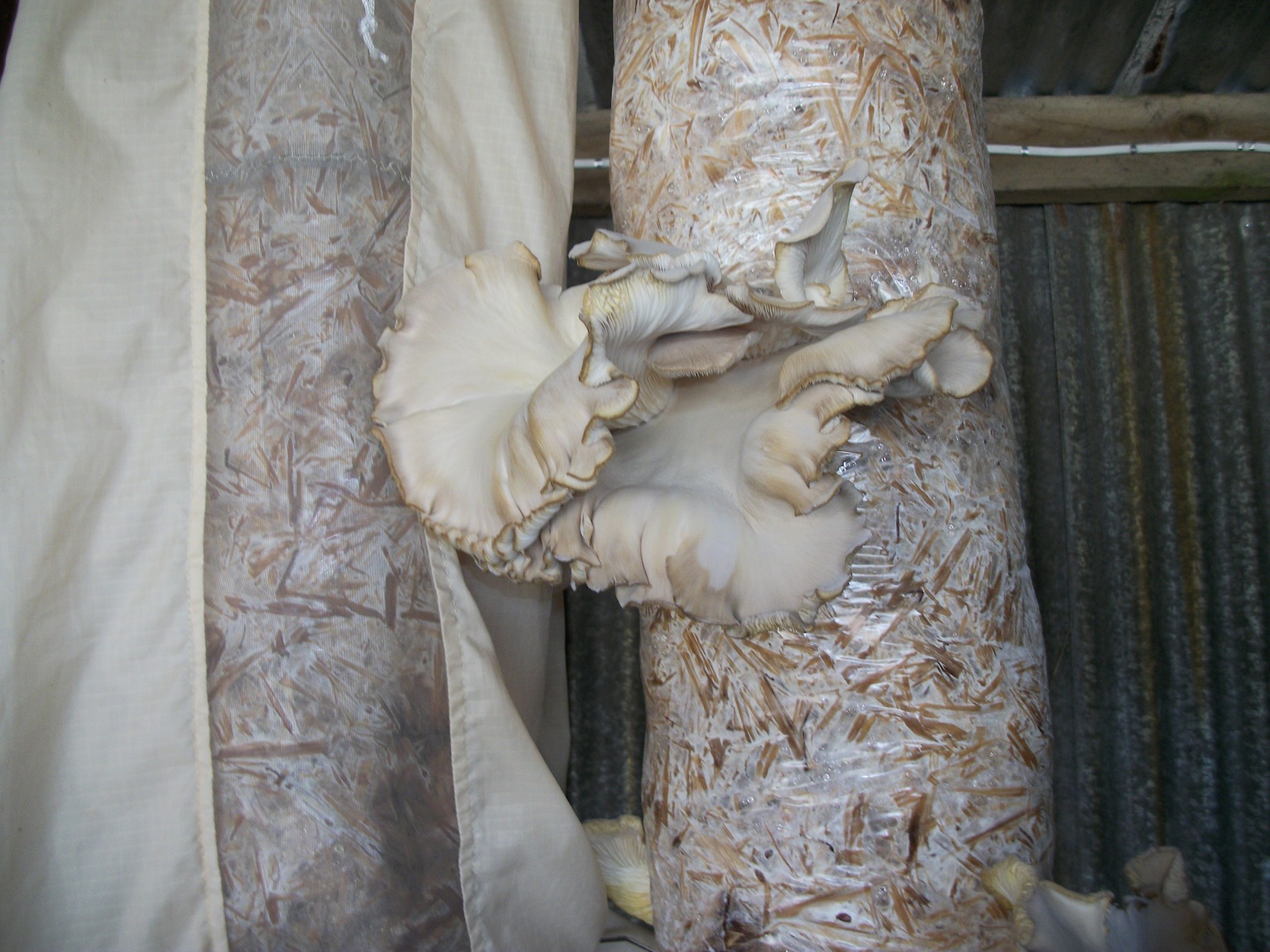
100_4082 smWay back in June I blogged about the mushroom growing bags I made from a repurposed tent. About a month ago, my husband and daughter started a batch of oyster mushrooms, and the bags were finally put to the test.

Today, we had our first harvest from them—mushrooms as big as my hand! And not a single fungus gnat larva in them (which was the purpose of the bags—to keep the fungus gnats from eating them before we did).

I can taste tonight’s mushroom stir-fry already!

Girls’ Night In

100_4041 smMy son is at school camp and my husband is at a workshop, so it was just me and my daughter for dinner tonight.

We indulged in biscuits—eaten first with egg, cheese, lettuce, and all manner of toppings as dinner, then later filled with strawberries and whipped cream for dessert.

MMMMMMM…

A game of washers in the late evening sun, and it was a perfect Girls’ Night In!


Parsley

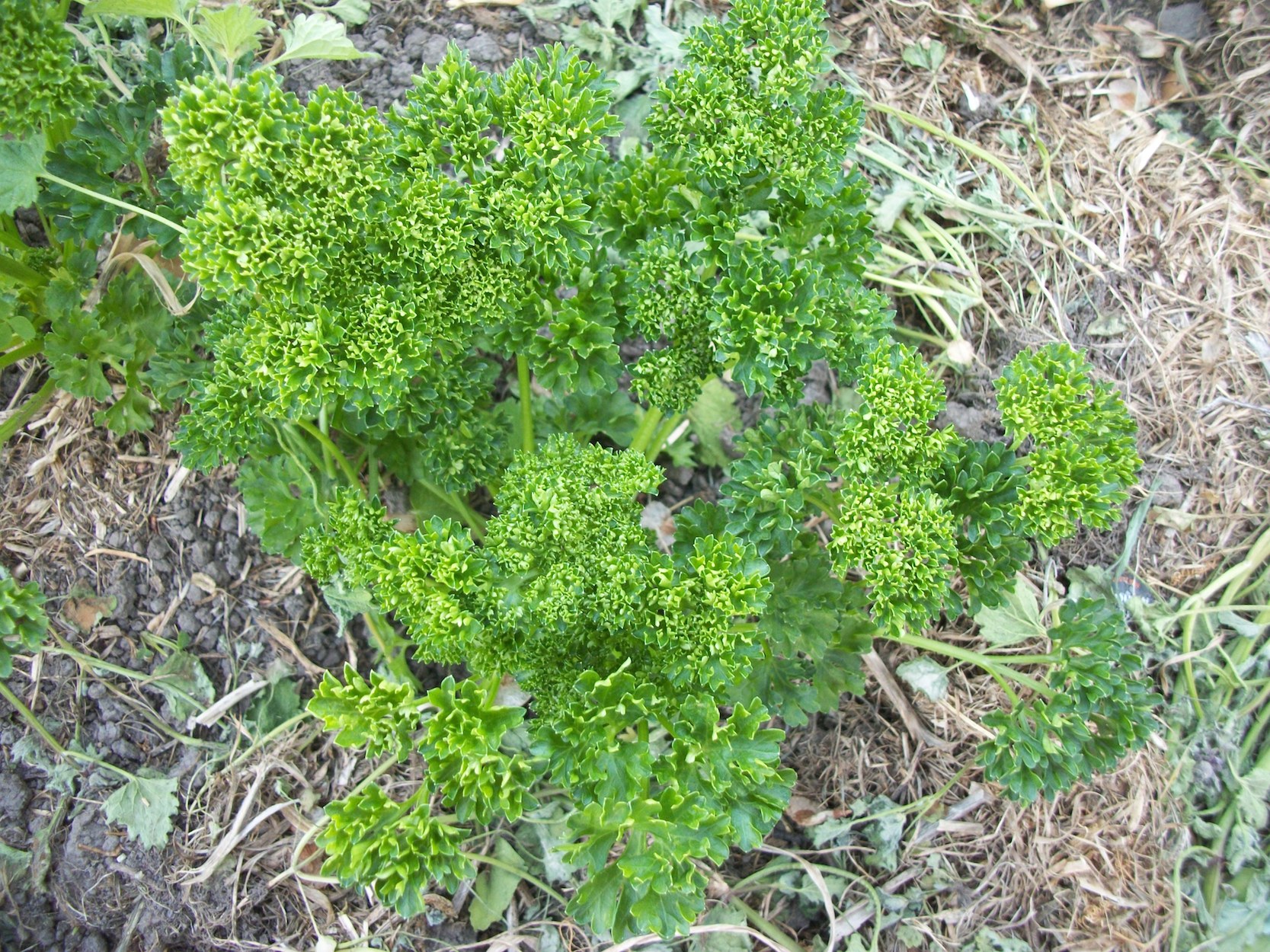
100_4036 smParsley is a ubiquitous herb, easy to overlook, easy to undervalue.

It is said its seeds must go to the devil and back seven times before germinating. I don’t think it takes quite that long, but parsley is slow to germinate.

Once up, though, parsley is tough and long-lasting. The plants I start in August will survive spring frosts to flourish through the heat and drought of summer, and continue flourishing through the cold wet winter, to be finally pulled out in October of the following year, when they begin to bolt, to make room for new plants.

We eat parsley by the handful (none of this Tablespoon stuff), and love it in risi e bisi, soup, potatoes, and gratins.

We grow both the Italian flat-leaf and the curly varieties (because, why not?), and enjoy the flat-leaf parsley fresh in salads (or just standing up in the garden as we pass by). We also enjoy parsley mixed with other fresh herbs to make a non-basil pesto that is lovely on pasta or as a topping for polenta crostini.

Of course, the best reason to grow parsley in much of the world is to attract the beautiful swallowtail butterflies, whose caterpillars specialise on parsley and related plants, incorporating the toxins from the plants into their exoskeletons to serve as defence. Unfortunately, we have no swallowtails in New Zealand, but the flowers of parsley attract bees, flies, and our native butterflies in large numbers.

Waffles

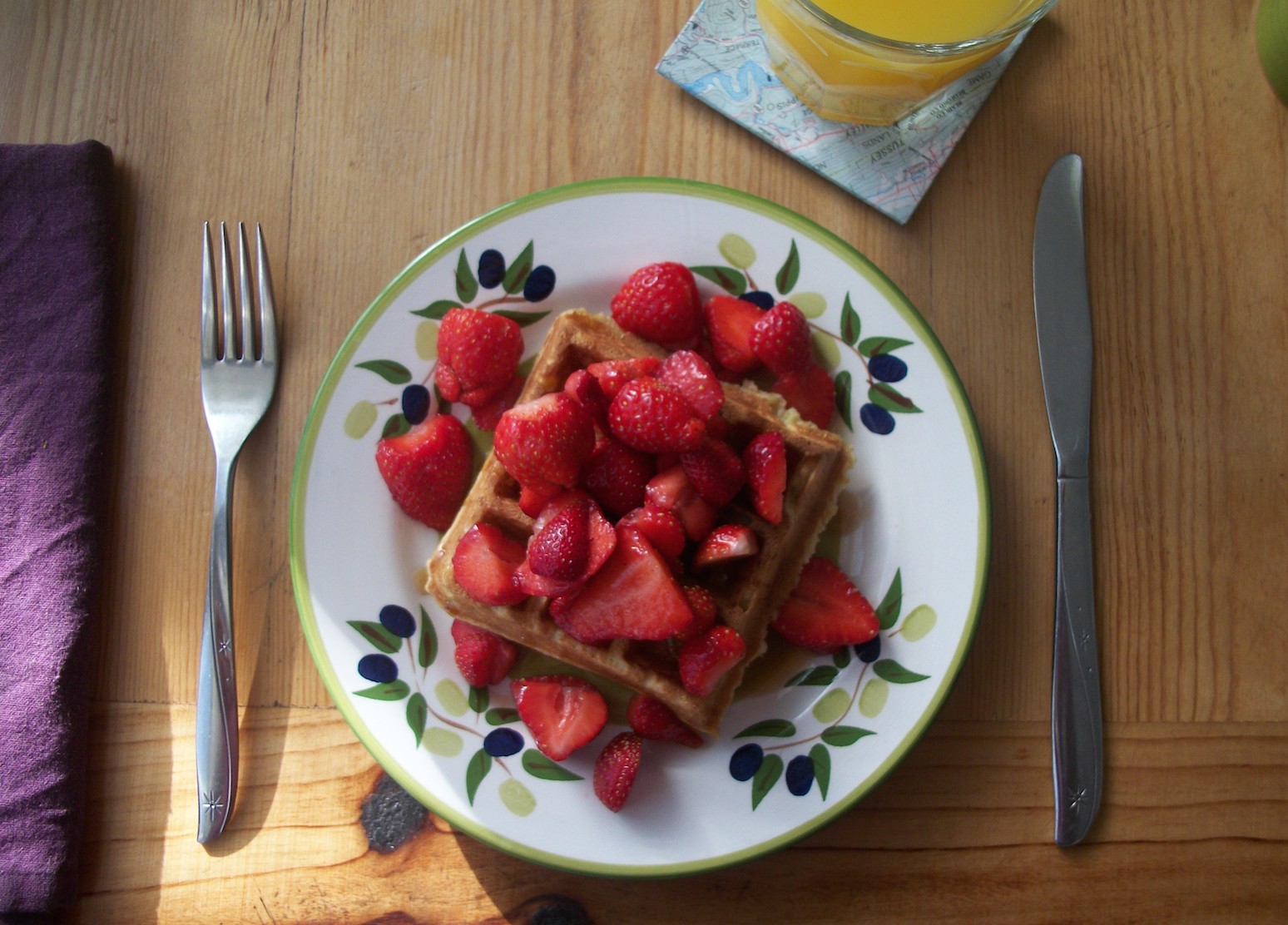
100_4022 smWhenever I ask what folks want for Sunday breakfast, my son’s response is waffles. He always wants waffles, and only gets them a handful of times a year. I find waffle making tedious—I never get to sit down with the rest of the family, as they’re usually done eating by the time the last waffle comes off the iron.

But I love waffles, too, especially with strawberries.

So when I came in with almost four quarts of strawberries yesterday afternoon, I knew what breakfast would be today.

This recipe is adapted from the Basic Waffle recipe in Joy of Cooking. I double it—leftover waffles toast beautifully the next morning!

1 cup all purpose flour

¾ cup whole wheat flour

1 Tbsp baking powder

1 Tbsp sugar

¼ tsp salt

3 eggs

6 Tbsp butter, melted

¾ cup milk

Mix dry ingredients in a large bowl. In a separate bowl, beat eggs and whisk in milk and melted butter. Combine wet and dry ingredients, stirring only until it is smooth. Cook according to the instructions for your waffle iron.

Gather Ye Rosebuds…

100_3978 smRunning late

After a hard day,

Back aching,

Dinner to be made,

Laundry to be folded.


I stood at the kitchen sink

Washing the dishes that I didn’t have time to wash

After lunch.


Outside the window

A bloom danced in the breeze.

A rose

Frothy pink.

Another

Burgundy

Like wine I wished I had time to enjoy.

There were more, I knew

Out of sight.


I left the dishes,

Dried my hands.


Dinner would have to wait.


Scissors in hand, I abandoned my work

To gather roses.


DIY pot handles

100_4014 smA good stainless steel pot can last pretty much forever.

Problem is, the bits that aren’t stainless steel don’t.

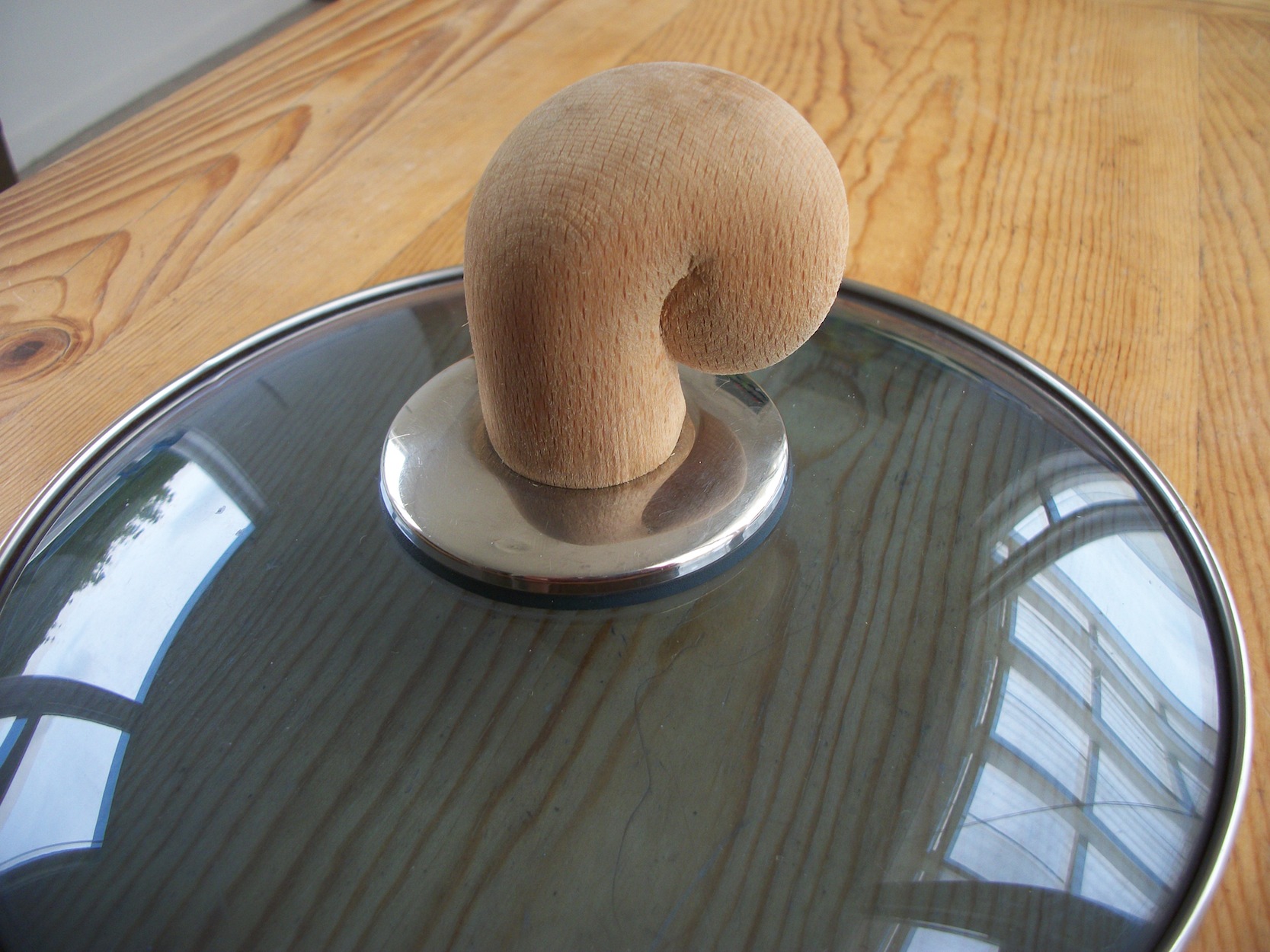
We inherited two glass-lidded pots when we bought our house. They’re not the greatest pots, but they do get used a lot, as they’re very convenient sizes. Unfortunately, the lid handles have broken off both of them.

Enter my ever-resourceful, creative husband, who carved new handles for them.

These delightful knobs are far more interesting than the ones they replaced. In fact, they’re so nice, I’m thinking about breaking some of the other pot handles…

Strangest Kitchen Tool Ever

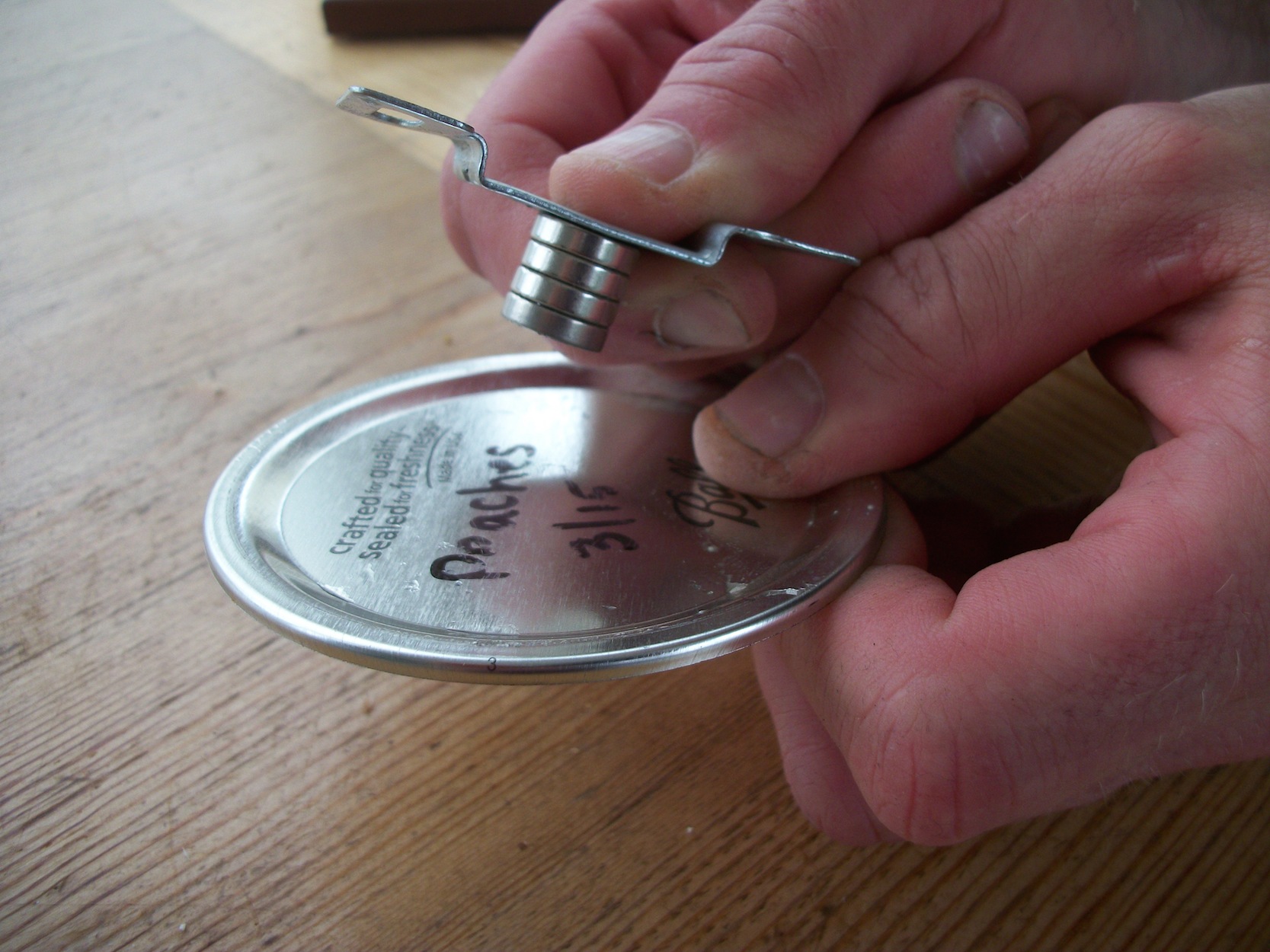
100_4012 smStuck to a screw head in the bottom kitchen cupboard where mouse traps nestle alongside the water heater is the strangest kitchen tool. It’s a DIY affair made of a discarded cabinet latch plate and four small rare-earth magnets. It is seldom used, but absolutely critical when it’s needed.

It’s the Canning Lid Extraction Device.

For some reason known only to the gods (who are laughing uproariously about it, I’m sure), the drain of our kitchen sink is exactly the same diameter as a wide mouth canning lid. Exactly. And, you know, when you’re washing a jar, you just toss the lid into the wash water, not thinking. It floats innocently down, guided inexorably to the lowest point of the sink—the drain—where it gently settles in, just as you think, “No! I dropped a lid in!”

And once one settles into the drain, there is absolutely no way to get even the thinnest tip of a knife in there to pry it out. It’s stuck. Forever.

Or, it would be without the handy dandy Canning Lid Extraction Device.

Where would we be without magnetism! The powerful magnets latch onto the lid and pull it right out. The old latch plate acts as a convenient handle for wet, soapy hands. The perfect tool!

Broad Beans

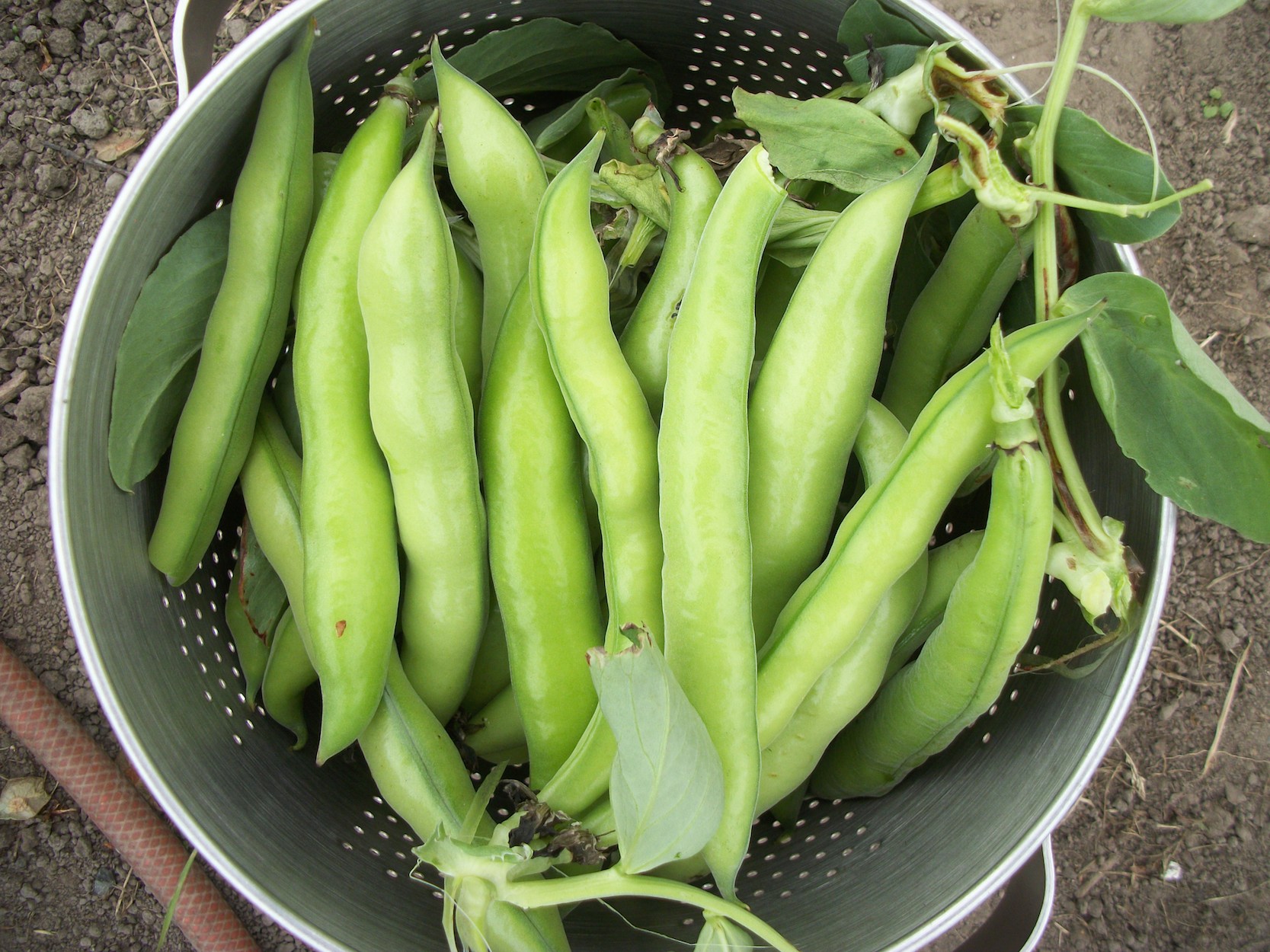
100_4007 smI had never eaten broad beans (aka fava beans) before moving to New Zealand, but now I can’t imagine early summer without them. They’re uncommon in the U.S., and even here where they’re grown by the hectare, they’re often considered “old people’s food”. During my brief stint selling vegetables at the Leeston market, I never sold broad beans to anyone under the age of 80.

But his attitude is unfair. Broad beans are more versatile than that. They have a bold, almost floral flavour that needs no embellishment. When young, the beans are sweet like peas, and they grow starchier as they mature. Somewhere between sweet and starch, they are at their best.

The “usual” way to eat broad beans is to blanch them, peel the skin off each bean, then serve them or cook them into a dish. Nothing wrong with that, unless you’re the cook, who has to shell and peel all those beans.

We prefer to make the consumers do half the work. We blanch the beans and serve them as finger food. They make a lovely appetizer—pop them out of their skins right into your mouth. Paired with a nice Sauvignon Blanc and eaten outdoors on a summer evening, they are no longer “old people’s food”. They become urbane and sophisticated. Something to be savoured with intelligent conversation.

And if you’re more the beer and burgers type, broad beans will oblige. They make a mean green burger that goes well with cheese, mushrooms and ketchup. Light enough for a lager, strong enough for a stout, broad bean burgers go with just about anything.

Broad beans—a versatile legume that’s not just for old people.