The Art of Food (or Beauty and the Beets)

img_2953-smTwenty-seven years ago, when I became a vegetarian, I had no idea that doing so would be an artistic adventure, as well as a culinary one.

The dietary change came easily and quickly. Because I was actually thinking about my food, I ate much better than I had before–a lot less pre-packaged swill, and a lot more fresh ingredients. I never missed the meat.

The artistic change has come more slowly and has only really blossomed in the past two years of blogging about food. In the past, I concerned myself with the look of food only on special occasions. Most of the time, I didn’t pay much attention to the aesthetics of my meals.

Now, even meal preparation has become an artistic experience. I notice how water beads on the surface of a tomato or how yellow carrots contrast beautifully with the dark kitchen benchtop, I choose vegetables for their colour as well as their flavour, I appreciate the vision of my ingredients lined up in little bowls waiting to be cooked. Sometimes, I’ll pick the vegetables for dinner a little earlier than I have to, simply so I can enjoy seeing them heaped in colander in the kitchen.

Being a gardener makes the aesthetics all the more rewarding to me–when the fruits of my labour are as beautiful as they are delicious, how can I help but be pleased? And, of course, I’m thinking about colours when I plant my vegetables too.

I say the aesthetics are part of the vegetarianism because I can’t imagine a raw chicken leg looking nice sitting on the kitchen bench. There’s something about the vegetables that’s pleasing, whether raw or cooked. Maybe it’s the colours. The vegetable palette is more varied and bright than the meat palette–snow white cauliflower, dark green spinach, deep magenta beets, bright green peas, sunny yellow squashes, scarlet tomatoes…Cooking with those vegetables is like dipping a paintbrush into the colours and creating a work of art.

 

Inspiration for Dinner

2017-01-03-16-33-01“What’s for dinner?”

The daily question I ask my self, and am asked by my kids.

Sometimes I know the answer ahead of time.

Sometimes I have no idea. Maybe I’ve eaten an afternoon snack and am not hungry enough to think about dinner. Maybe I’ve been running around all day and haven’t had a chance to consider what I’m going to make. Maybe I simply don’t feel like cooking. The afternoon wears on, and still I don’t know what’s for dinner.

I don’t panic. At five o’clock, I take a colander and a knife to the garden. I stroll among the plants. What looks good? What needs to be picked? What’s newly ready to harvest?

By the time I return to the kitchen, the colander is stuffed with vegetables, and my mind is full of inspiration.

What’s for dinner?

I don’t know. Let’s cook up some fresh inspiration from the garden!

Cabbage Overload

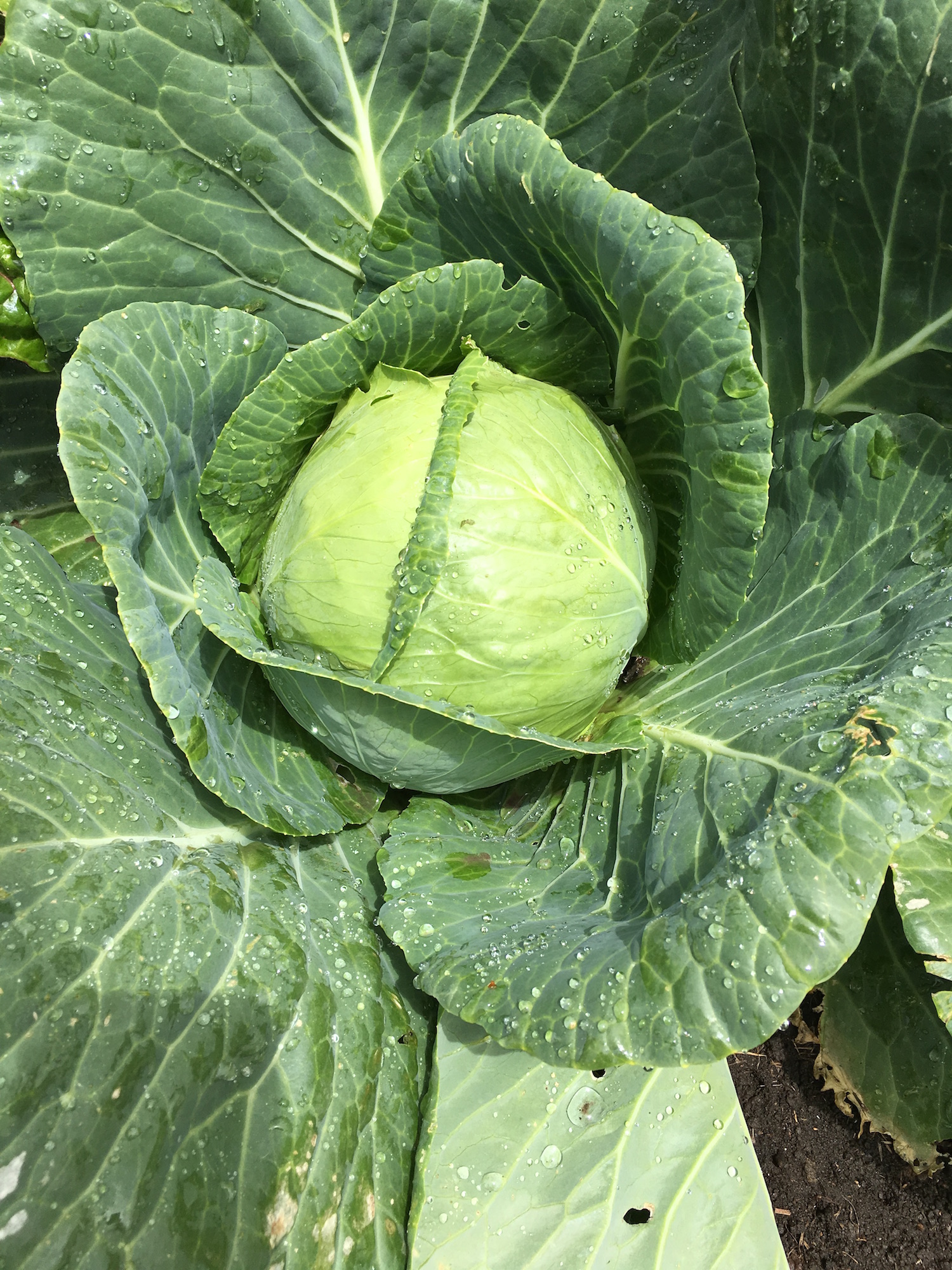
img_2762When my husband and I lived in Panama, we made the trek to the provincial capital, PenonomĂ©, every week or two. The trip involved half an hour of walking to the closest bus stop, then a bumpy forty-five minute ride down the mountain in the back of a pick-up truck. It wasn’t something to do daily.

In town, we would pick up our mail, phone home, and do some shopping. In our village, we could buy rice, beans, and a few other necessities in small quantities from the little tiendas, but we could only get vegetables from town (we were nowhere close to self-sufficient in vegetables there).

With no refrigeration, and tropical heat, fresh vegetables didn’t last long. We ate well for a few days after a shopping run, but by the end of the week, we were usually down to plain rice.

The most long-lasting vegetable we had was cabbage. A cabbage might last an entire week before it was too wilted or rotted to eat. So every trip to town, we bought a cabbage, and for at least two meals a week, we ate cabbage and rice.

At that rate, in our two years of Peace Corps service, we ate about a hundred cabbages. By the time we left, we couldn’t bear to even look at a cabbage. It was several years before we considered eating one again.

Today, we enjoy about a dozen cabbages a year, most in the form of sauerkraut or coleslaw. The idea of cooking up a pot of cabbage and rice is still repulsive, but with cabbage being a year-round crop here, it’s good to be able to make use of it.

Christmas Sticky Buns

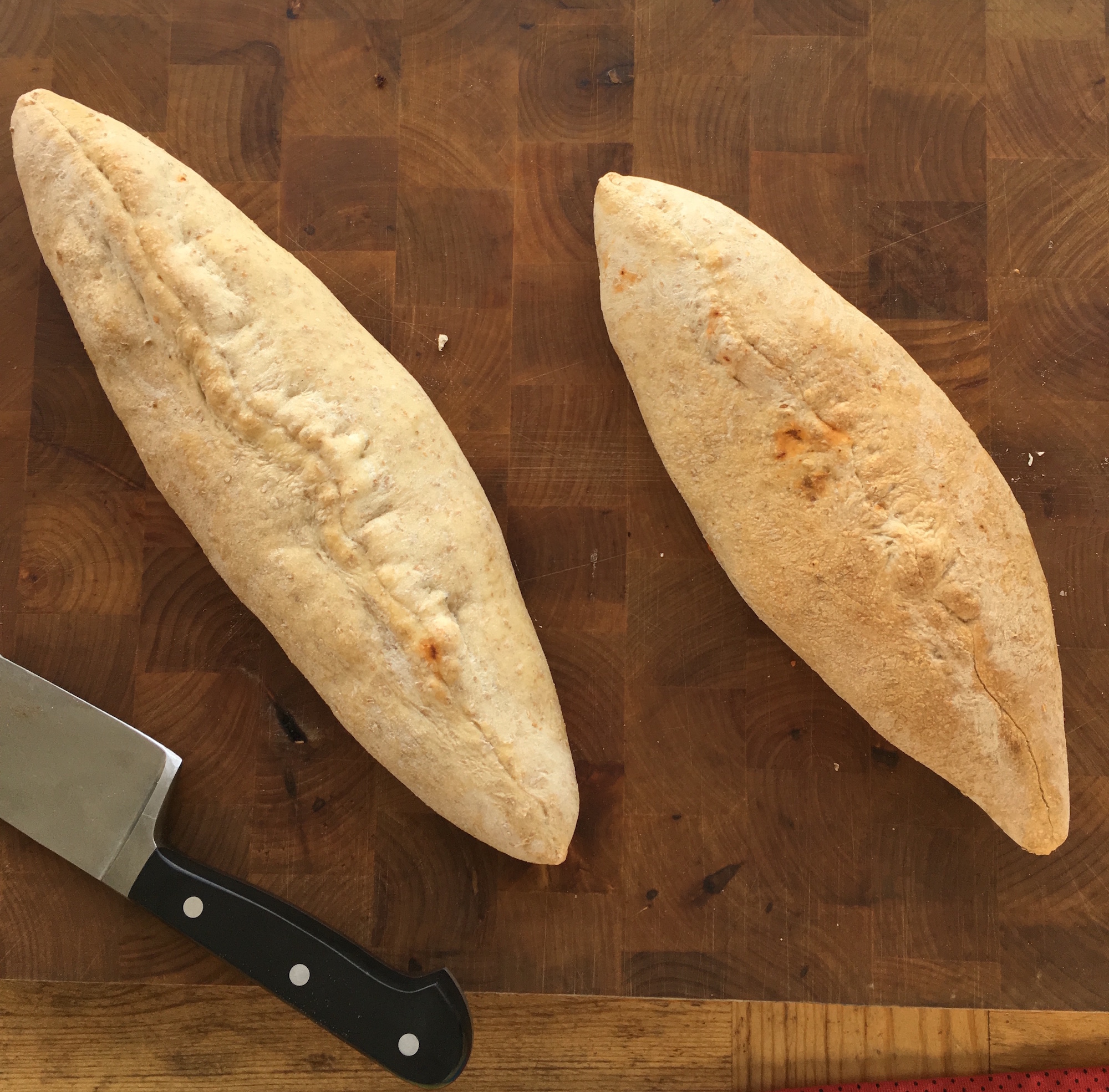
2016-12-25-07-06-02These buns are a Christmas morning tradition at our house. I would love to give you a recipe, but there isn’t one, and I’m not the one who makes them anyway. Christmas is the one breakfast each year that my husband makes. On Christmas eve, he rolls his sourdough bread dough around a festive mix of brown sugar, walnuts, currants, citron, and cinnamon. He slices the resulting log into rounds and nestles them into a baking pan. The buns rise overnight in the refrigerator, and I put them into the oven in the morning. By the time everyone else is out of bed, the whole house smells like cinnamon and burnt sugar.

My only real contribution to them is the icing—a simple mix of powdered sugar, vanilla and milk, drizzled on after they come out of the oven.

Mmmm…best Christmas breakfast ever.

The Christmas Calzone

2016-12-24-19-21-34-smGrowing up, Christmas eating was strictly traditional stuff—lots of cookies, turkey, mashed potatoes, cranberry sauce, a token vegetable, and lots of gravy. I remember Christmas day as being a frenzy of cooking, starting with my mother putting the turkey in the oven in the wee hours of the morning, so that by 10 am the whole house smelled like turkey. It truly was glorious from a kid’s perspective.

At Crazy Corner Farm, Christmas eating is about as far from traditional as it gets. Except that it has become our Christmas tradition, and as such, it is traditional.

Our big holiday meal is on Christmas eve. With all the wonderful vegetables from the garden, we make calzones. We enjoy them with a fresh salad, or fruit from the garden.

In the evening, my husband makes up sticky buns and puts them in the refrigerator to rise overnight. I pop them into the oven in the morning before I go out to feed the animals, and they’re ready for breakfast by the time everyone else is awake.

We feast on sticky buns throughout the morning, then have leftover calzones for lunch. We hardly need an evening meal Christmas day, so our tradition is a big salad, broad beans, and the first of the season’s new potatoes.

All very low-key and relaxing, yet wonderfully decadent.

Perfection

2016-12-13-18-36-33-cropAfter decades of work, I finally did it.

I made a perfect pie crust.

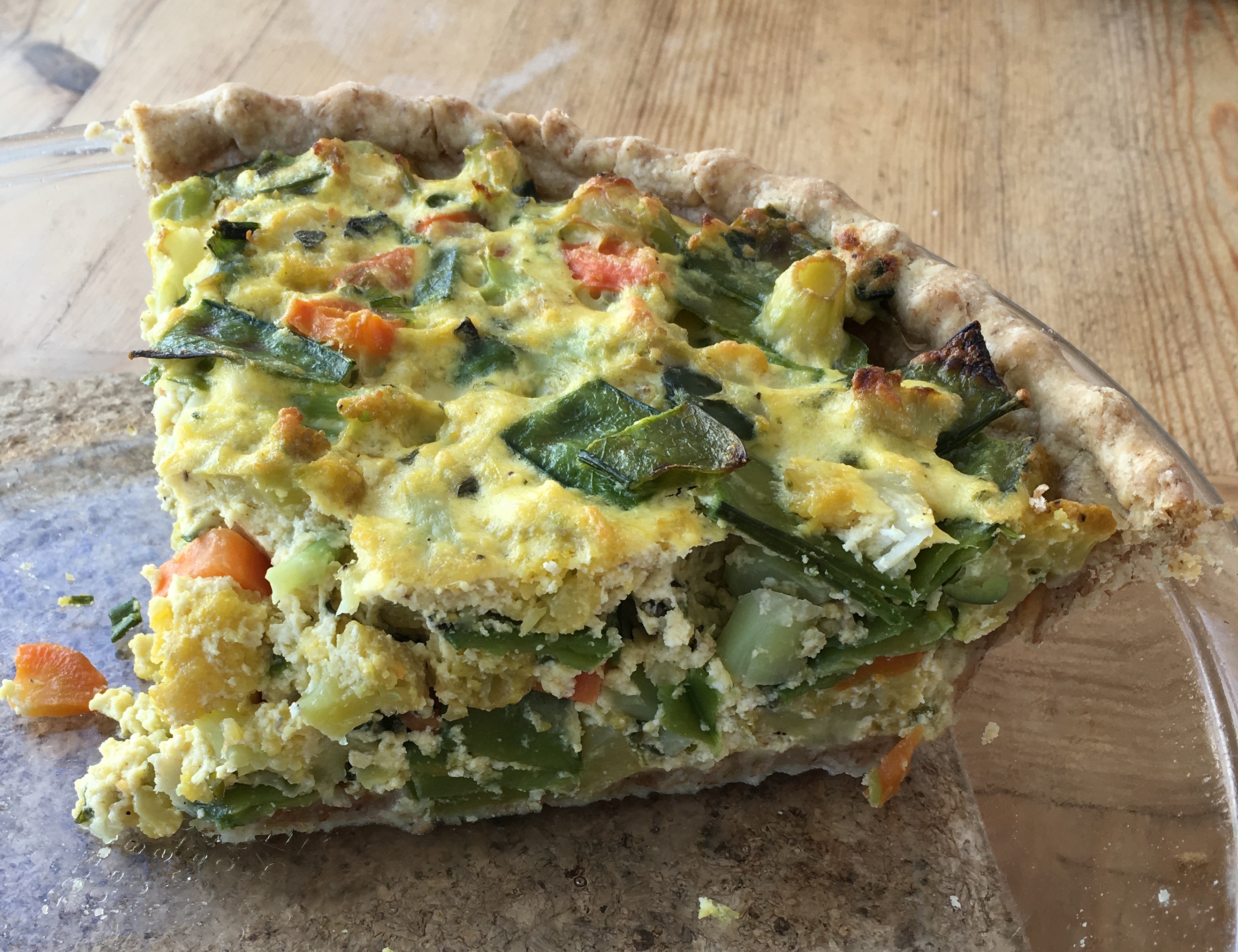
A flaky melt-in-your-mouth crust that made this excellent ricotta and vegetable pie seem like just a prelude to the crust. Not a hint of toughness, not a moment over-baked or under-baked. Even the bottom, that tends toward sogginess, was perfect.

That’s it, now—I’ve accomplished that and can tick it off my list. I never need to make another. I’ve done it right, and that’s that. My last pie crust.

Well, okay, I like pie…a lot. I probably will make another crust. And another. And another.

And, if I’m being honest, this perfect crust came about in part because I was being a bit lazy.

My pie crust recipe (designed to create an American pie crust with NZ ingredients), is supposed to be made with 125 grams each of butter and Olivani. But today there was a 150 gram chunk of butter in the fridge. I didn’t feel like cutting off a 25 gram sliver, so I just used it, and reduced the Olivani to 100 grams.

The other part of the perfection of this crust was a 45-minute chill in the fridge after rolling it out and putting it in the pan. That chill was necessary, simply because I was cooking alone today, and it took 45 minutes to pick, prepare and cook the vegetables after I finished the crust.

I really wasn’t aiming for perfection (my usual crust is actually pretty good, so I tend not to mess with the recipe much), I just stumbled upon it by accident.

I have, however, made a note on my recipe to increase the butter to 150 grams and chill for 45 minutes…

A Cauliflower Calamity

2016-11-29-16-41-47We’re about to be inundated with cauliflower. I’m afraid it’s all my fault.

As I looked through the seed catalogue way back in July, I saw ‘Cauliflower Orange Bouquet F1’.

The photo showed a warm orange head of cauliflower, and I thought, “Oooo! That would be pretty!”

I ordered it, of course. Never mind that I already had half a packet of ‘Snowball’ left from last year, and we don’t eat all that much cauliflower.

And then, because I can’t help myself, I planted both types this spring. After all, if orange cauliflower would look good, then orange and white cauliflower would look better, right?

Now I’m looking at 20 cauliflower plants all coming ready at the same time. That wouldn’t be too bad, if I had my beautiful orange and white colour combination.

Unfortunately, Orange Bouquet has turned out to be a sort of weak yellowish colour. If you didn’t have the two side by side, you’d be hard-pressed to tell the orange from the white.

The orange is every bit as delicious as the white, and the heads are big and compact. There’s nothing at all wrong with it. But it is a bit disappointing.

And now I’m wondering what to do with all this cauliflower…

Hmm…

I see in the catalogue there’s another variety—’Violet Sicilian’—now, that would be something! Think how all three colours would look together!

(Please, somebody stop me now, before it’s too late!)

A Christmassy Dinner

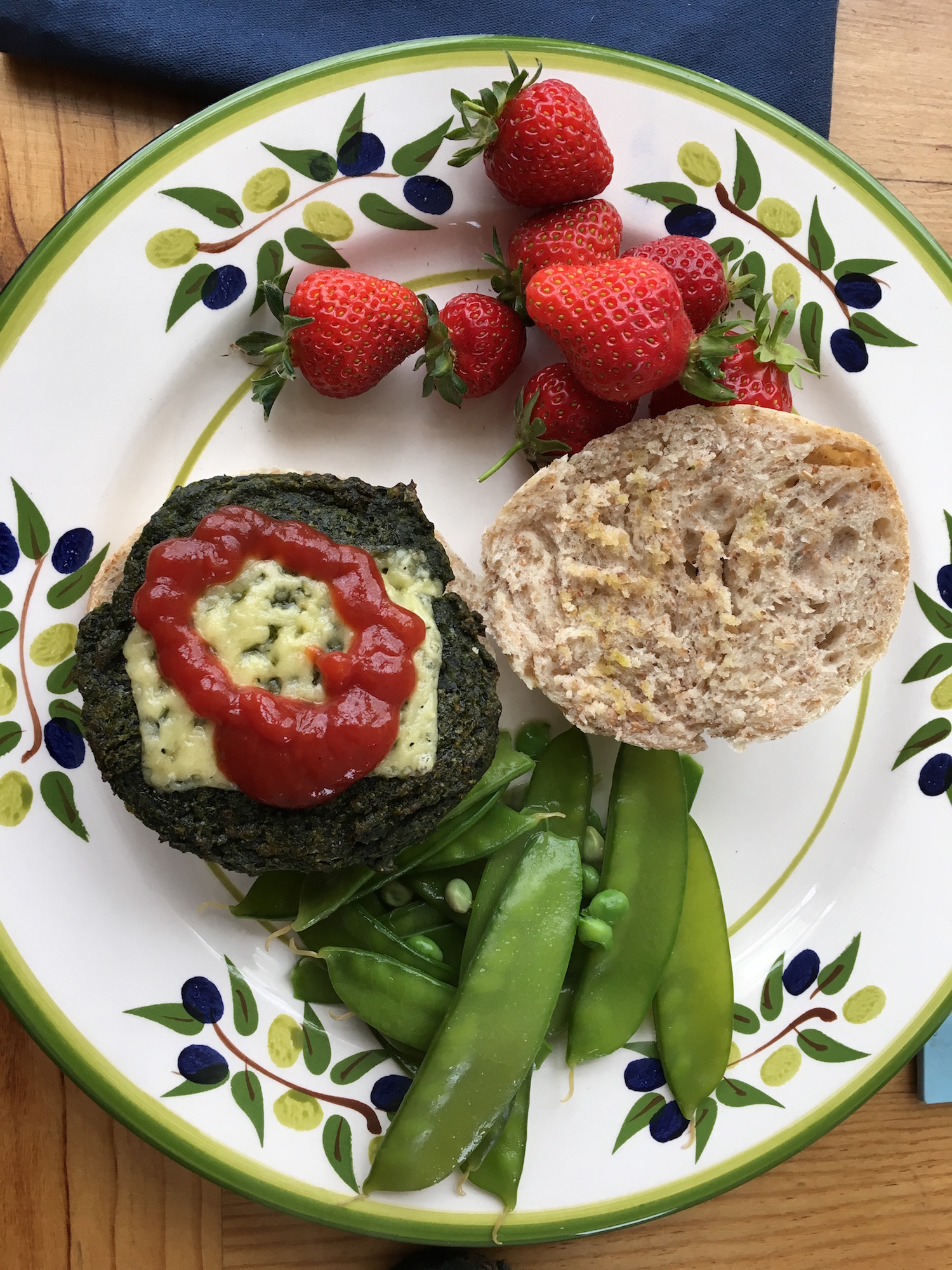
2016-11-30-18-07-51-smOnce a year, I make broad bean burgers. They’re a mission to make, because you have to shell them, cook them, then peel of the skins, then turn them into burgers. So once a year is enough.

As I mixed up the bright green burger mix, I thought about what I was going to serve with the burgers.

Well…

It’s the start of the holiday season…

A red and green meal was in order—green burgers with ketchup, peas, and strawberries!

Not exactly a Northern Hemisphere holiday meal, but perfect here.

Counting your Quinces

2016-11-28-16-39-54-smYou know what they say—don’t count your quinces before they ripen…okay, maybe they don’t say that, but they probably should.

I’m pleased to count the little quinces forming this year, though. I know we won’t get to eat all of them, but it’s the most fruit the little quince tree has ever set.

I can almost taste the quince paste now…

I had never encountered quince before coming to New Zealand. It’s an odd fruit. It’s sort of what I imagine pears must have been like before hundreds of years of plant breeding—astringent, hard, and gritty. They’re not a fruit you eat fresh.

But cook them, and all their glorious floral flavours come out. Turned into quince paste, they are one of my favourite foods.

Quince paste is delightfully versatile—pair it with cheese on a cracker for a salty snack or hors d’oeuvres, or spread it on toast for a sweet breakfast treat.

Making quince paste is a lesson in patience. First, you have to wait for the quinces to grow and ripen—they won’t be mature until autumn, and they’re not a fruit you find in the store, even in season. You just have to wait for them.

Then you have to simmer those rock-hard quinces for half an hour until they’re soft enough to mash.

Then you add sugar and cook oh-so-slowly for up to 3 hours, until the mixture turns red.

You pour the hot paste into jars and wait another few hours for it to set.

Finally, you can enjoy your quinces.

So, yeah, don’t count your quinces before they’re paste.

Celebrating Spinach

2016-11-09-17-53-08-smThe garden is bursting with spinach right now, and we are loving every minute of it. Most meals have spinach in them at this time of year, and some are mostly spinach with a few other things added.

This dish was one of those mostly spinach meals—soft polenta topped with garlic and spinach, cooked just until the spinach begins to give up its moisture. The dish is supposed to also have lots of onion in it, but last year’s onions have all sprouted, and this year’s aren’t ready yet, so I used a handful of chives, instead. And just because I felt like it, I sprinkled some purple chive blossoms over the top, just for the colour.

The result was pretty, and quite tasty!