Appreciating the Small Things

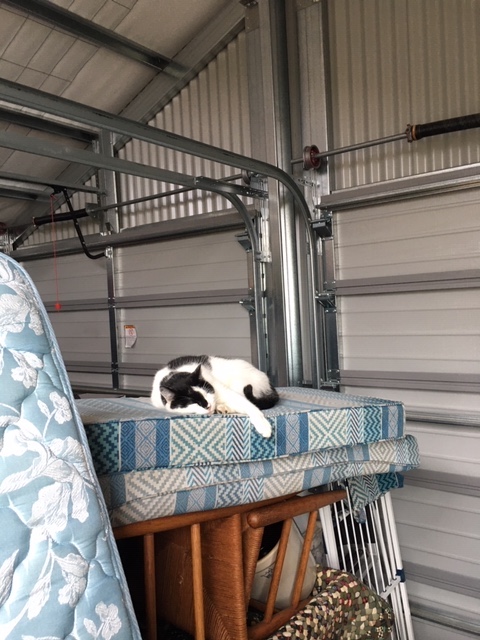
The cat has settled in and seems to enjoy the stacks of furniture.

So far I have ignored the elephant in the room in my blog posts. I’ve focused on the little joys—canning vegetable soup, baking cakes, making pasta. It has been a struggle to do so, some weeks, and today, hours from New Zealand’s total lockdown, it is impossible.

Today our house sale was finalised. Today we officially moved to our new home. Except our new home sits unfinished in the midst of a muddy, rubbish-strewn construction site. It will likely remain so for some time. We have crammed ourselves and all our possessions into the shed we built on the property last winter (when we foolishly believed we might have a new house by February). 

As you can imagine, it is cramped, a bit smelly, and very cold (last night was down to 4ºC). We had hoped to alleviate our stay in the shed by going out for dinner a lot, traveling a lot, spending time visiting fun places. That won’t be happening now. I had planned on doing my laundry once a week at the laundromat not far from work. That won’t be happening either. Today I hauled the washing machine to the back yard and hooked it up to the garden hose and an extension cord in order to wash a load. Every meal will be cooked on a camp stove outside.

We will spend the entirety of our lockdown essentially camping as we edge towards winter.

Much of the time it will not be fun.

And yet …

Nearly thirty years ago, my husband and I lived in rural Panama with no running water, no electricity. To get to the nearest phone took a half hour of walking and an hour’s bus ride. Our roof leaked, and and the cockroaches and rats living with us in our one-room mud house were legendary in size and number. I washed clothes in a 20-litre bucket, and used the same vessel to carry water to a small palm-leaf-and-stick stall for bathing. We cooked our meals in one pot over a three-rock fire. We dug our own latrine. The weekly shopping run took an entire day. By the end of each week, we were down to eating nothing but rice and whatever vegetables were coming out of the garden. In the evenings, I would write letters to family back home. Sometimes the letters didn’t make it to their destination, sometimes they were delayed by weeks. If I was lucky, the letters took a week to arrive, once I’d managed to post them. A full conversation could take months, and was usually irrelevant by the time the first letter arrived.

All of which makes months living in an unheated shed during a global pandemic seem like glamping, rather than a real hardship. Rather than thinking about what I don’t have, I’m enjoying what I do have—a vermin-free home with a concrete floor and sound roof, electricity (even if it is limited by what we can do with an extension cord), instant communication with loved ones far away, nearby grocery stores for when the rice and vegetables run out, and a mobile bathroom with a real shower and flush toilet.

And that is how I intend to pass every day as I navigate through the chaos of the next 12 months or so—thinking of what I have, counting my blessings, being thankful for those little things.

Summer Soup 2020

No pandemic hoarding here, just the usual late season batch of Summer Soup. I’ve written about Summer Soup on numerous occasions (2015, 2016, 2018, and twice in 2019). We’ve been making it annually for at least a decade, and it has always been a family affair. In the early years, the children’s vegetable chopping efforts were more symbolic than helpful, but as their skills improved, their input became critical to the relatively rapid production of vast quantities of soup. 

This year, with our upcoming move, the garden output is less than in many years, and there’s so much to do, I wasn’t sure we would have a chance to make Summer Soup. In the end, I did it alone. Starting at 7.30 am, with many interruptions to help move furniture and tools, I began picking and processing vegetables. I pulled the final jars out of the canner shortly before 11 pm.

I listened to music and podcasts while I worked, and I got some brief help from my husband, but it wasn’t the same without the rest of the family there. Neither was the output—13 quarts of soup and 4 quarts of stock. 

I’m not disappointed—thirteen meals plus flavouring for four more will be lovely in the coming weeks and months—but I look forward to getting back to the family production of Summer Soup next year. It’s not just soup; it’s a celebration, and not nearly so much fun alone.

Problem or Inspiration?

The other day I planned on making roast potatoes for dinner. I brought in a colander full of spuds from the garden—more than enough for dinner.

Unfortunately, when I started cutting them I found many of them infected with zebra chip (caused by the bacterium Candidatus Liberibacter solanacearum), which turns the flesh brown. My planned dish of potatoes was looking pretty empty.

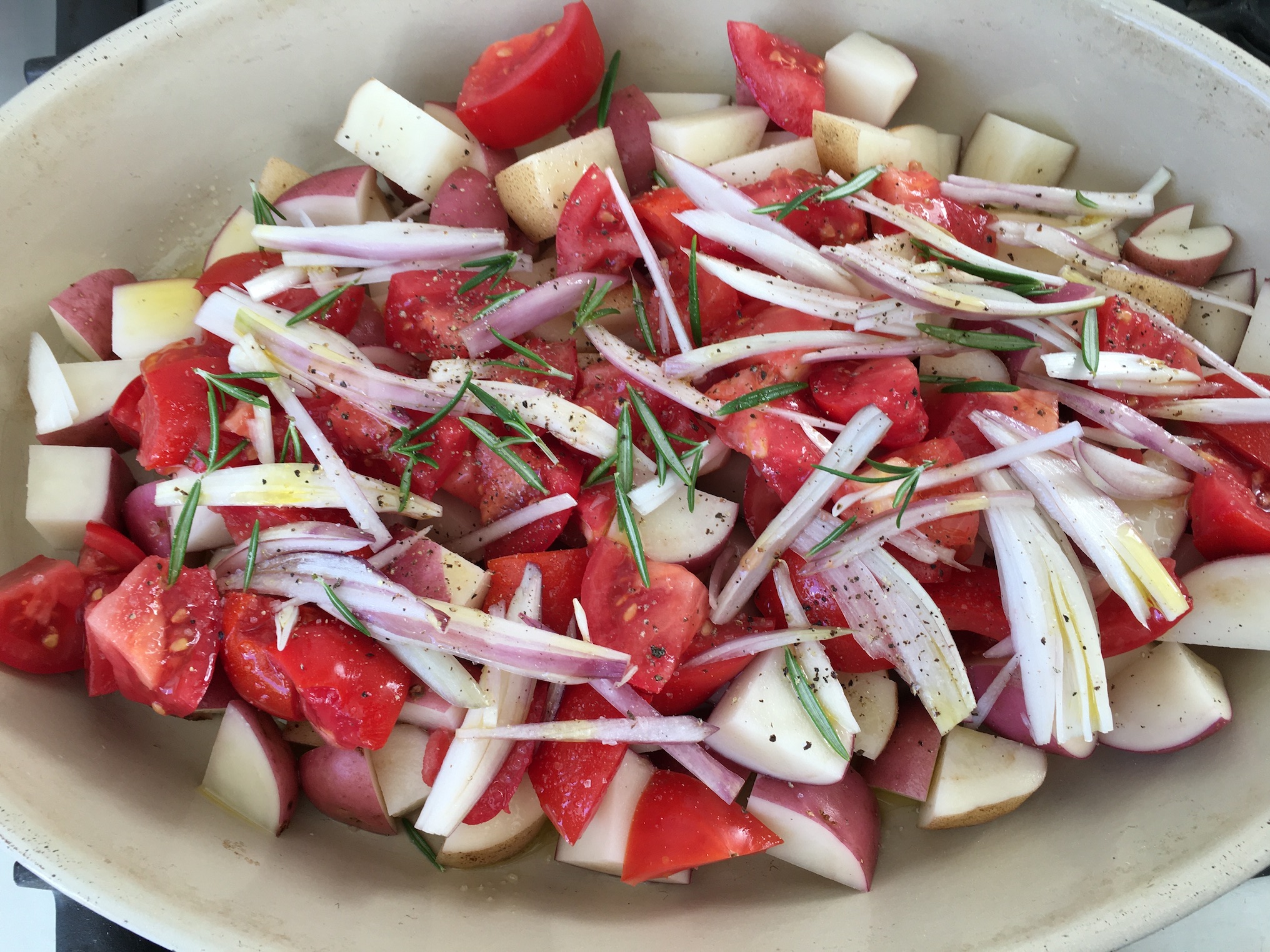
I could have gone out for more potatoes, but instead I took advantage of the resources on hand in the kitchen. I added a shallot and a few chopped tomatoes, sprinkled it with salt, pepper and rosemary, and popped it into the oven (at 210ºC for about 40 minutes for anyone interested).

The result was utterly satisfying and arguably better than the plain roast potatoes I’d originally planned. Instead of a problem, the rampant zebra chip became delicious inspiration.

Now, if I can only remember that for all the other problems in life …

The Apricots of Wrath

I should have listened to Fate. 

“Don’t can apricots today!” it told me the other day. “You have no sugar in the house.”

But I looked at the vast quantities of quickly ripening apricots in the kitchen and knew they wouldn’t wait.

I drove to the store to pick up sugar.

Back home, I made my sugar syrup, washed and heated my jars, got my canning water to a boil, and prepared seven kilos of apricots.

All was going well until I was packing the fruit into jars. I kept an ear on my canner, making sure it stayed at a boil while I worked. When the bubbling hiss faded and died, I knew the gas bottle was empty. Not now!

I left off my jar filling and raced outside to switch gas bottles.

Back inside, water, jars, and sugar syrup were cooling, but I finished packing the apricots in and poured sugar syrup over them …

Only to find I was about a cup short of syrup. Gah! I quickly made up a small batch to finish off the jars.

Into the canner went the jars, and I heaved a sigh of relief. It took longer than usual to bring it all back to a boil, but I shrugged it off. It’s always that way for a cold-packed fruit. 

Then a few minutes into the boil, the canner started boiling over—orange, chunky, foamy water spilled onto the stove. Darn! A jar had broken. It’s rare, but after 30 years of use, sometimes the bottom of a jar will pop off during canning.

So for 25 minutes, I fought the sticky water boiling over on the stove. When I finally pulled the jars out, they were all coated in slimy chunks of overcooked apricot from the broken jar, and the stove was an gooey mess.

The six remaining jars all sealed, though, which was good. Pity about the stove. Took forever to clean.

Later, once the water had cooled, I tackled the job of emptying broken glass and gunk from the canner. And the first thing I did was drop the remainder of the slippery broken jar onto the floor, where it smashed to pieces.

Then, just to add insult to injury, when I dumped the chunky sticky canning water onto the compost pile, it somehow funnelled through the pile directly onto my foot. 

Cleaning up the mess took almost as long as the rest of the process, and I questioned whether it was worth it, or if I should have simply thrown away a couple of kilos of fruit and called it a day before I started.

Then my daughter pointed out that we had the makings of six fruit desserts there, ready to pull out on a winter evening. She had a point—we’ll enjoy that fruit, and by winter, I’ll have forgotten the frustration of preserving it.

But, still, I keep thinking I could have sat on the porch with a good book instead …

Seeing is Believing

The Canterbury tree wētā (Hemideina femorata) is endemic to the lowland forests of Canterbury. Like other tree wētā, it is a sizeable insect and an opportunist when it comes to food, eating mostly leaves, but taking advantage of the protein in other insects it encounters.

Here in rural Canterbury, it’s rare to find tree wētā. Old timers talk about how you used to see wētā every time you trimmed the hedge, but in 15 years of trimming, I have seen no wētā. I’ve even put wētā houses (like bird houses, but designed to appeal to wētā) in the hedge, but have never found anything but spiders in them. 

Though I’ve never seen a study of their population changes, anecdotal evidence indicates Canterbury tree wētā numbers have dwindled with the intensification of agriculture and the increased use of chemical pesticides.

I have been fortunate to raise quite a few wētā in captivity, and in doing so, I’ve become familiar with the insects’ strong smell. This smell has been their downfall when faced with introduced mammalian predators—strong enough for even a human’s nose to perceive, it acts as a beacon to hungry rats, and stoats.

But it’s not just in my insect tanks I’ve smelled tree wētā. With some regularity in the early morning I can smell them in the hedge when I pass on my way to feed the chooks.

We humans have a poor sense of smell, as mammals go. We rely much more heavily on our sense of sight for identifying things. So for years now, I’ve doubted my nose, because I’ve never seen a wētā on the property or anywhere nearby.

But not long ago, on an evening walk with my husband, we found an adult tree wētā dead on the road.

Yes! I knew my nose couldn’t be deceiving me, though I was never confident enough to declare their presence based on smell alone. Now I am. I may not have seen them in my hedge, but if there are wētā being hit on the road a hundred metres from my house, I am willing to believe my wētā-scented hedge harbours them too.

No Vampires Here!

Mid-winter, when it was time to plant the garlic, I had no idea where we were going to be living at harvest time. 

So I covered all my bases and planted a full complement of garlic at the old house and at the new house.

Last week I harvested the garlic from both properties. As I expected, the garlic at the new house grew poorly in the clay and rock, but it did grow and is perfectly acceptable. The garlic at the old house had a spectacular growing year—nearly every head is large and plump.

So, knowing we struggle to finish off a normal year’s garlic harvest before it sprouts and gets nasty, I made an effort to preserve a few heads. Well, thirty-two heads, to be exact.

First, I filled the dehydrator with thinly sliced garlic and dried 20 heads. I’ve dried garlic before, and we appreciate the ease of tossing a few flakes into the mortar and pestle and grinding them up. Twenty heads of garlic dries down to less than a pint jar full of flakes—uninspiring until you think about how concentrated the garlic flavour is in that jar!

Then I tried something new—I pickled 12 heads. According to the recipe I used, the cloves can be used just like fresh garlic, and when you finish off a jar, the pickling liquid makes a great flavoured vinegar for things like salad dressings. They’re quite pretty in their little jars, and I look forward to trying them long about August when the fresh garlic is sprouting. Again, twelve heads looks like nothing when peeled and packed into jars, but with 32 heads preserved and another three dozen hanging braided in the kitchen, I still have a whole bunch to give away. 

So if you’re looking for vampires, go somewhere else. They’ll be staying far away from my house for a long time.

Fixing Mistakes

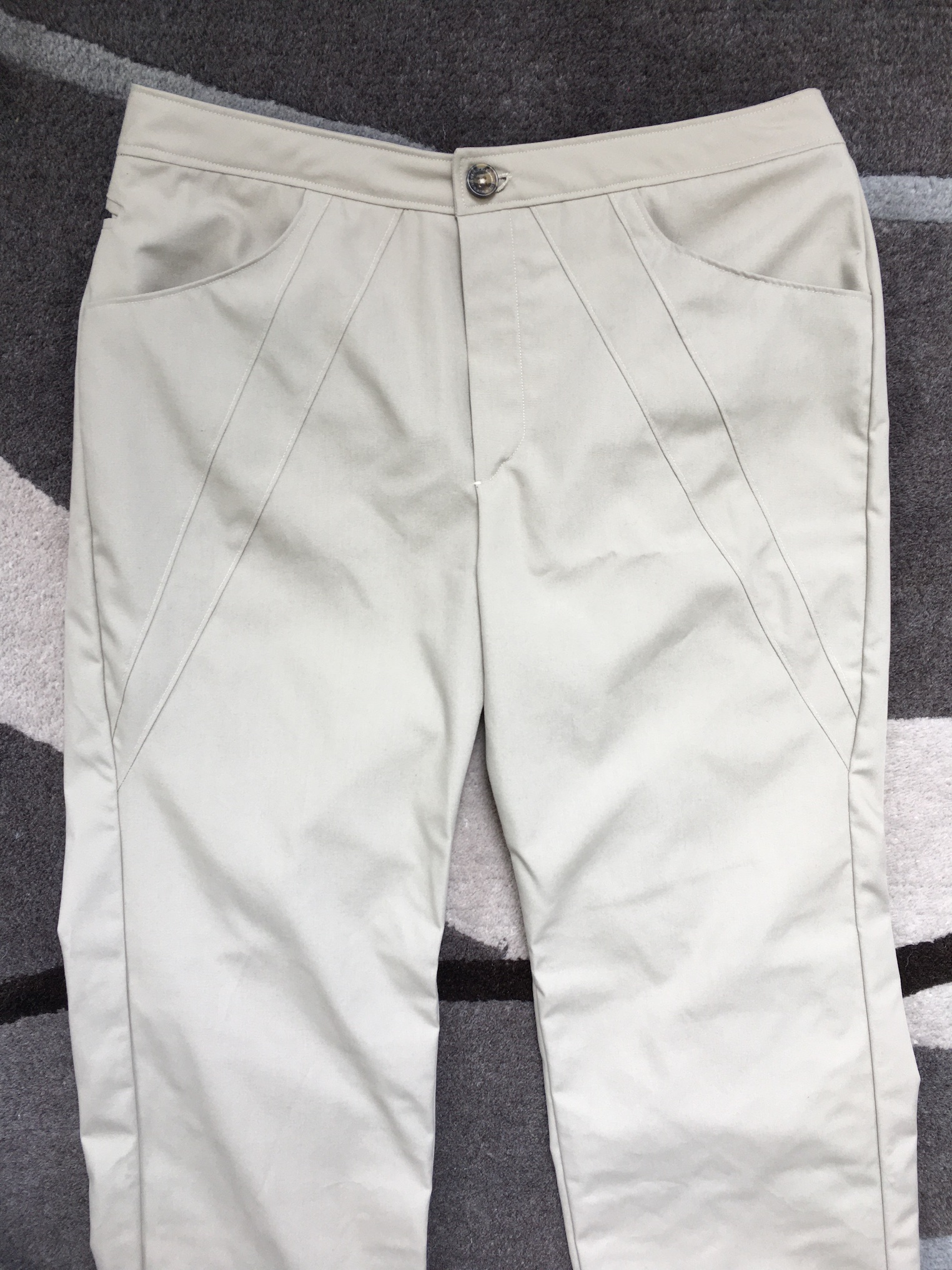
Last week I started making a new pair of trousers. Because I used a tried and true pattern, I didn’t test the fit until near the end.

That was a mistake.

I couldn’t zip them up, they were so small around the hips. 

That can’t be, I thought. I’m still wearing the last two pairs of trousers I made with that pattern. What have I done wrong? They needed extra fabric in the side seams. But I’d installed a welt pocket over one of the seams, and I’d trimmed all the seam allowances—there wasn’t enough fabric there to let out the seams.

I thought about all the hours I’d put into them—how carefully I’d set the fly zip, how beautifully the welt pocket had gone in, how I’d only bought just enough fabric, how much I really needed a new pair of pants.

Thoroughly discouraged, I nearly chucked the garment into the bin. 

But I didn’t.

I put everything away and made myself a t-shirt instead. Then I made a lovely button-down tunic with slightly quirky buttons. Then I sewed a new laundry bag. 

Finally, I was ready to face the trousers again. There had to be a way to salvage them, if only I was creative enough.

I remembered my first pair of zip-off pants, in which I didn’t allow enough ease for energetic hiking. They’d had pockets over the side seams too. I’d split the legs right up the front and back from waist to knee and put in long triangular gussets that ended up looking quite sporty.

Maybe I could do something similar with these trousers. I drafted several inserts of various shapes. I didn’t like any of them, because they all destroyed the look I wanted. But the alternative was to throw the garment away.

With nothing to lose, I carefully sliced my beautiful trousers into pieces. I tried not to worry about why I’d made such a bad mistake in the first place, but to focus on making the fix as perfect as possible.

To my relief, the adjusted trousers fit. To my surprise, the inserts don’t look bad at all. 

It reminds me of how far I have come since my youth—an easily frustrated 20-year-old me would probably have tossed those trousers in anger (in fact, I can recall doing just that to more than one garment). But I’ve learned that most mistakes can be fixed once I let go of the frustration and move on to the problem-solving. It’s probably a good lesson for the rest of life too.

Colourful Carrots

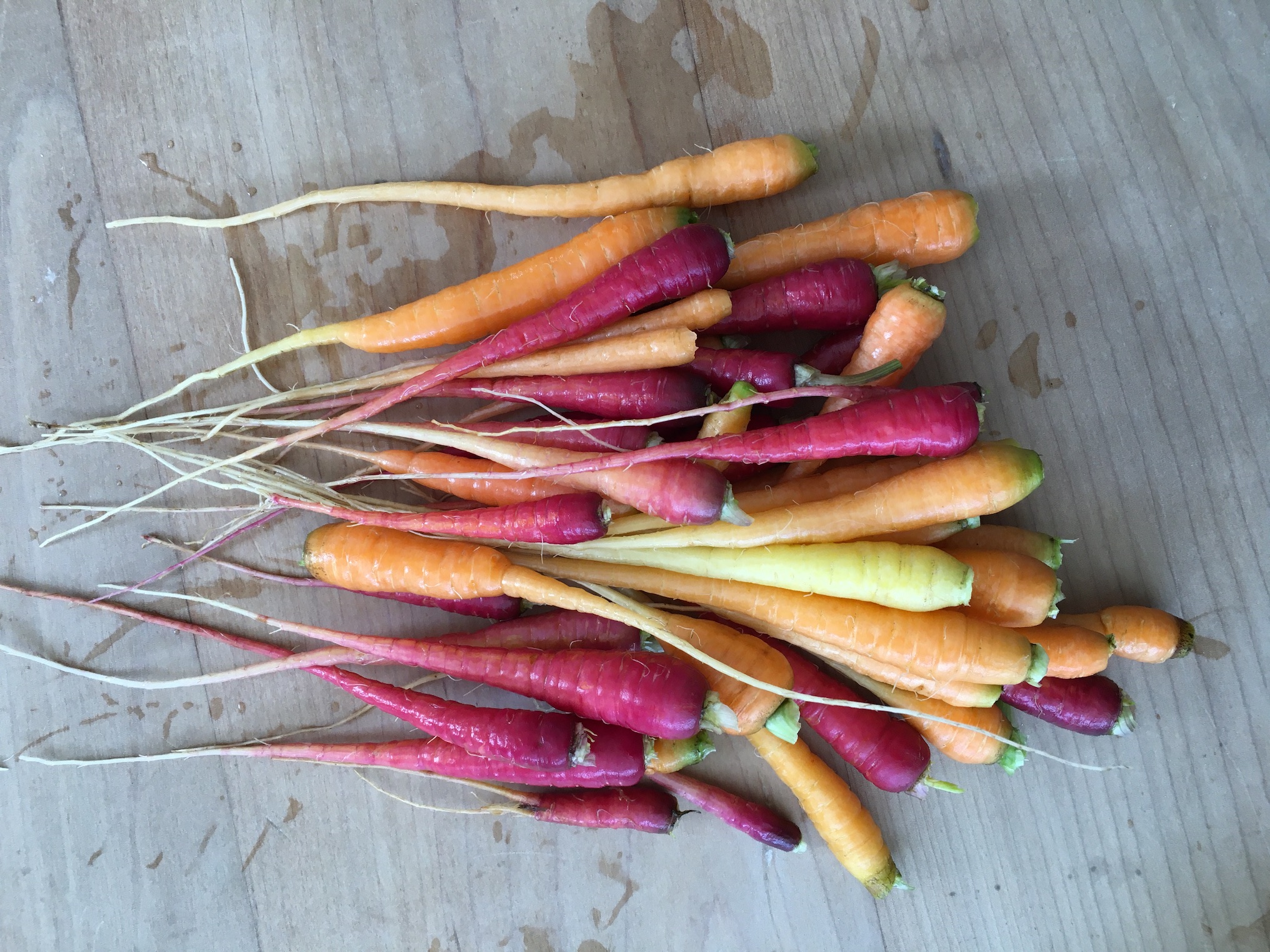
The carrots are just at the thinning stage right now. I’m embarrassed to admit it took years for me to figure out that if I pulled the largest carrots at thinning time, we could eat them, and the ‘runts’ (which I used to pull out) would grow to a fine size.

But I’ve learned, and so at thinning time, we enjoy handfuls of pretty little baby carrots.

I planted six varieties of carrot this year. And despite my talent for over-planting, I’ve never yet grown enough carrots to satisfy the family’s annual consumption. The range of varieties encourages me to plant more, and they make for beautiful kaleidoscope dishes, cheerful with colour. 

Obsessive Gardening Strikes Again

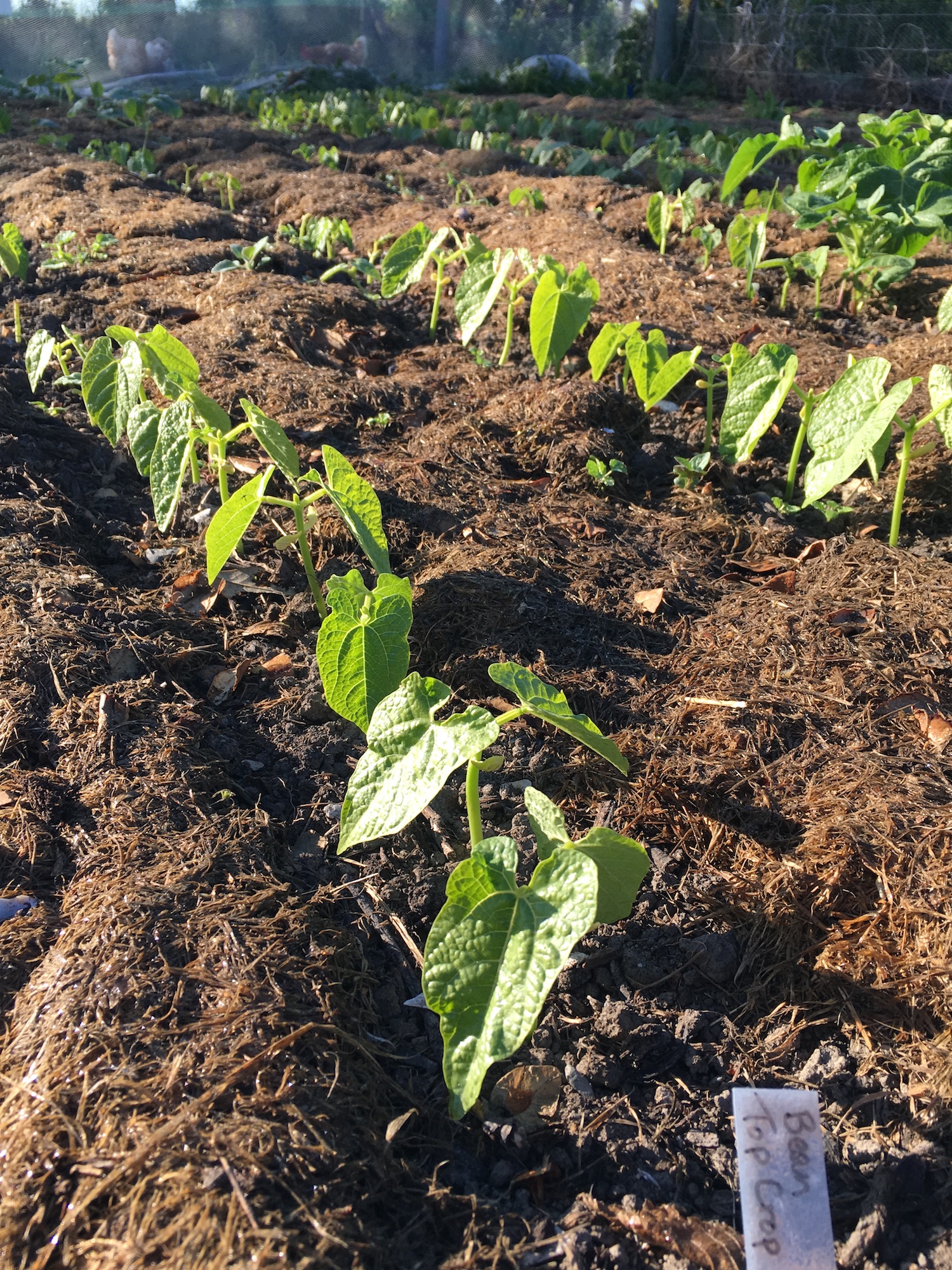
It’s done! I finally finished planting out vegetables this past weekend. At both houses. And though I said I wasn’t going to, I ended up with nearly full gardens on both properties (never mind how I managed to start so many seeds in the first place…). 

Of course, I justified it with the observation that plants won’t grow well in the new garden—neither the weeds nor the vegetables—so it’s not like that garden will be too much work (yeah, right). 

And it would be a shame not to plant in the old garden one last time and reap the harvest from fifteen years of work on that patch of land (even if I won’t get to harvest it all). It was only logical to plant two full gardens, right?

Logical only if you’re a problem gardener like me. Once again, I’ve proven I have no self-control when it comes to plants. I can already hear my justifications for excessive gardening next year … The soil is so bad at the new place, I’ll have to over plant just to get enough vegetables to eat. I’ll just plant green manures and till them in to improve the soil. I don’t know which varieties will do well in the new garden, so I’ll have to plant lots of different ones … I’m sure I’ll come up with plenty of other justifications, too. It’s hopeless, really. If you put me in an apartment on the twenty-third floor, I’d find some way to grow excessive plants.

At least I know I’m not alone. Just look at the number of gardening blogs out there. And the number of people I see in the garden centres loading up their cars with bags of potting mix and potted plants. And in a few months, the multitude of gate sales of excess vegetables. And the number of people who post proud pictures of their first tomatoes or strawberries of the season on social media. There’s a whole community of obsessive gardeners out there. Come on, pick up your hoe, spading fork, or trowel and join us. We’re always partying in the garden, and there’s usually great food afterwards.

Sorry, Can’t Stop …

I sat down to write the other day, but all I managed to put on paper for the first fifteen minutes was my to-do list. The combination of late spring/early summer garden work (on two properties), end of the school year madness, and the insane schedule of housework associated with selling our house has me enslaved to multiple to-do lists. Most of the items should have been done yesterday …

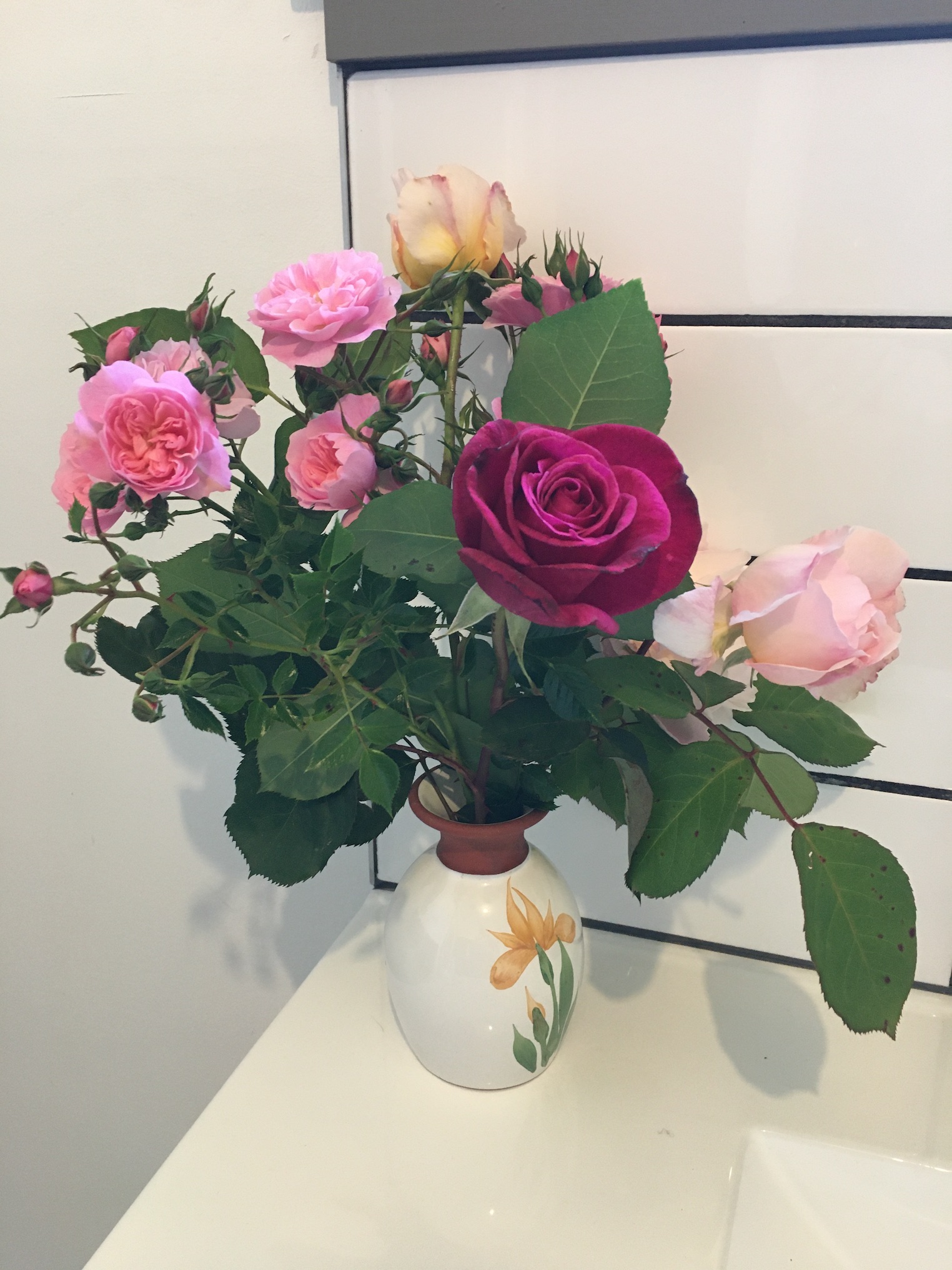
The irony, of course, is that the house and gardens have probably never looked better. It would be delightful to sit back with a cool drink and enjoy the quiet ambiance. There’s never been a better time to stop and smell the roses (which are blooming in profusion).

Knowing I wouldn’t actually sit down and enjoy a rest, or walk through the garden without pulling weeds, I brought some of the flowers inside where I’d be forced to enjoy them. Maybe I’m only stopping to smell the roses as I brush my teeth in the morning, but I’m enjoying them nonetheless.