Restaurant Review: Crazy Corner Cuisine

“I e-mailed you a picture. I want a blog.”

I find it difficult to blog about a meal I haven’t cooked myself. I can’t give you a recipe or even a detailed ingredient list.

So I’ll have to blog as though I went to a restaurant for a fine meal…

I walked into Sedgemere’s finest vegetarian restaurant, Crazy Corner Cuisine, early–my reservation wasn’t until six–but I was ushered into the lounge and encouraged to relax with a book while I waited. As I reclined in a delightful window seat overlooking the restaurant’s herb gardens, the wonderful aroma of my meal wafted through the restaurant.

Crazy Corner isn’t your usual restaurant, where the meal is prepared behind closed doors. At Crazy Corner, the chef consults with the patrons, tweaking the meal to suit their tastes. In fact, on this visit to Crazy Corner, I was given a colander and allowed to enter the restaurant’s garden to pick my own salad.

Crazy Corner Cuisine grows nearly all the vegetables used in the restaurant, so you can be sure that whatever you eat, only the freshest ingredients are used.

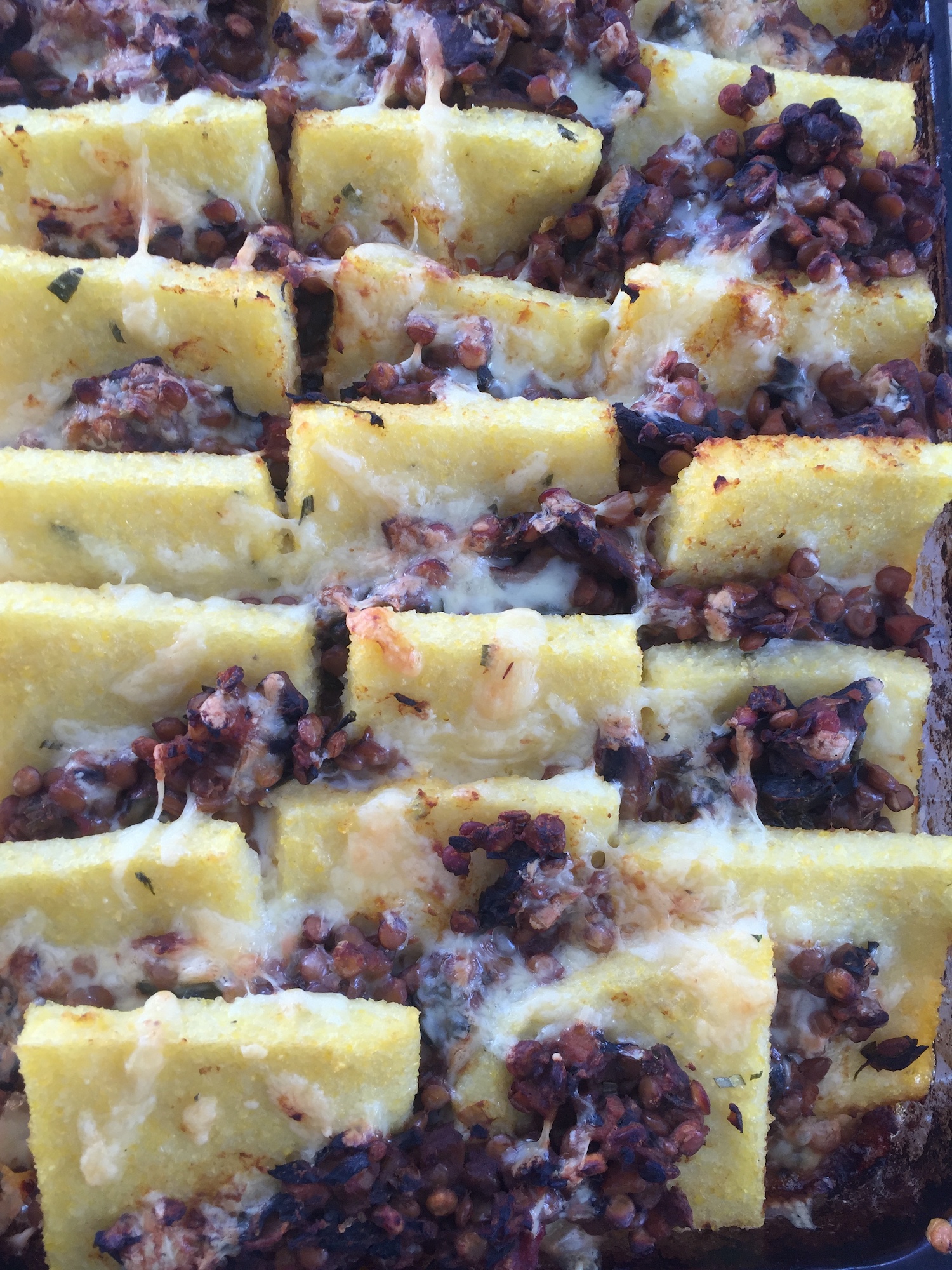
On this visit, dinner included a beautiful polenta ‘lasagna’–layers of herb-filled polenta and thick lentil stew rich in mushrooms and spinach generously topped with cheese and baked to perfection. The portions were generous, and the side salad was the perfect foil to the hearty lasagna. The meal was accompanied by an excellent New Zealand Merlot.

I have to put in a good word for the kitchen staff, too. Though quite young, they cleared the table efficiently and I heard them industriously washing dishes as I left.

The whole experience was delightful and relaxing. I highly recommend a visit to Crazy Corner Cuisine the next time you’re in Sedgemere.
An Egg-cellent Harvest

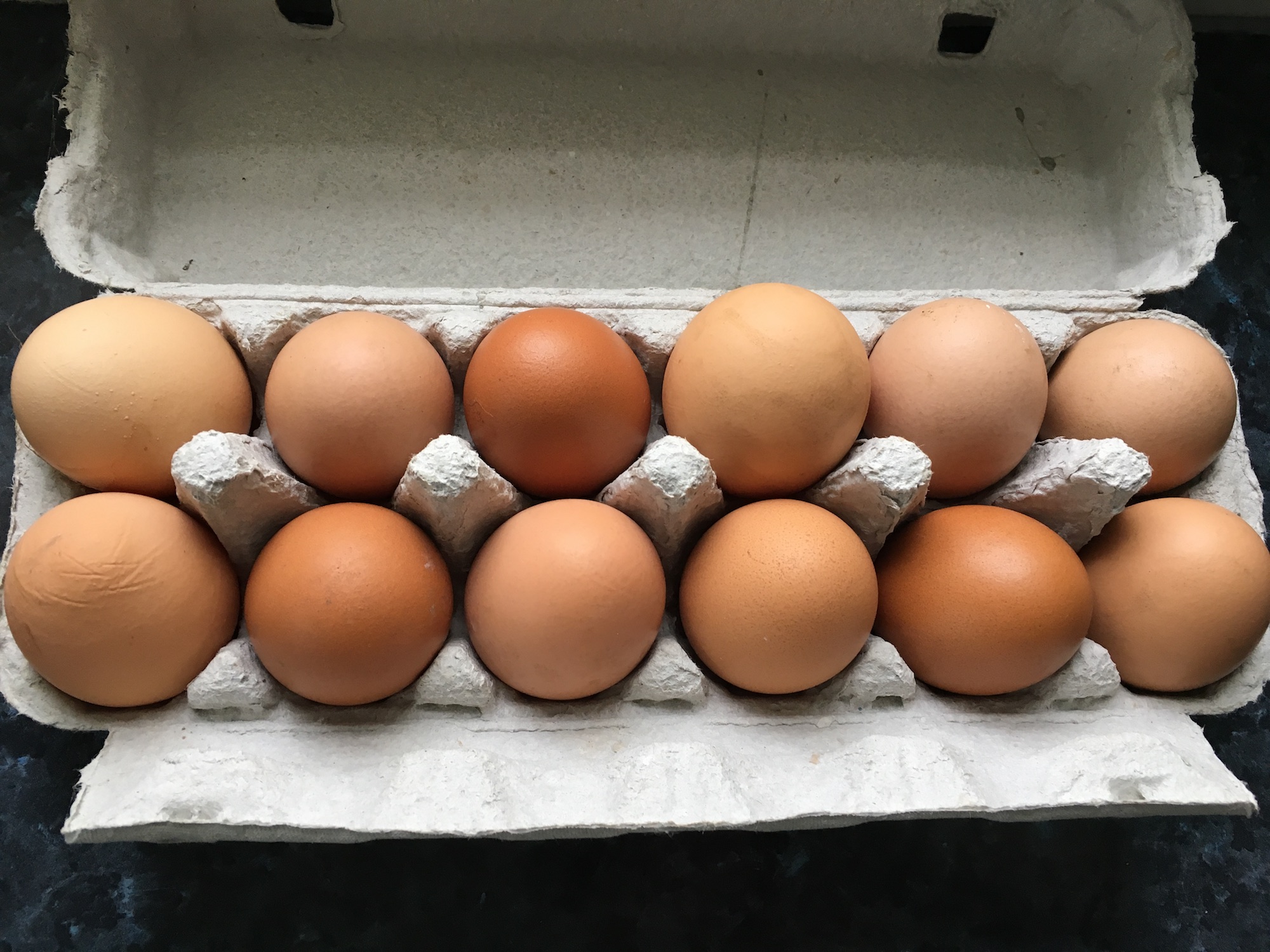
A few months ago I bought three new chickens because my old girls were no longer laying. I was convinced it wasn’t just a winter slump, because they really were getting on in years (for chooks), and they’d stopped laying long before winter.

But I think they’re trying to one-up the new chickens, because now that all three new ones are laying daily, the two remaining old ones have started laying again.

So now I’m getting five eggs a day–way more than we’re used to eating.

And that’s just fine by me. It’s a sparse time of year in the garden, so a few extra eggs are welcome in our diet. And if we can’t eat them all, eggs make great gifts. One of the things that makes rural life seem like such a luxury is seasonal abundance. There may be little left in the veggie garden beyond a few old beetroots, but we can still spread around our rich harvest of eggs.

Nettle Season

It’s stinging nettle season and, as I’ve mentioned before, my garden is host to an irritating quantity of nettle—quite literally.

But though it is a stinging weed, I’ll admit to a certain fascination with nettle. Look at the stinging hairs (trichomes) under the microscope, and you’ll find beautifully wicked structures like fine hypodermic needles. Those syringes are full of an irritating mix of acetylcholine, histamine, serotonin, moroidin, leukotrienes, and formic acid to irritate your skin.

But the triggering mechanism for the trichomes depends upon turgor (water pressure), so once a nettle wilts, it can’t sting.

And once it wilts, nettle is an incredibly useful plant. It is edible and quite nutritious for both humans and livestock. The cooked greens are used in traditional dishes throughout the Northern Hemisphere where it is native.

It can be used to make a vegetarian rennet for cheesemaking, and is used to flavour and decorate some cheeses. I’ve made nettle rennet myself as a substitute for commercial rennet when I’ve run out.

Nettles can be used to make tea, cordial and beer.

The fibrous stems can be used to make linen-like textiles. The roots can be used to make a yellow dye.

Fed to chickens, nettle is an effective egg colourant, which may explain the deep orange colour of my chickens’ egg yolks at this time of year.

All in all, stinging nettles don’t deserve their bad reputation. Like many of our weeds, they’re useful plants that we’ve forgotten how to use.

Who’s Debbie?

We pulled a jar of chutney from the cabinet a few days ago, and it inspired hours of speculation.

Who is Debbie? My husband made the chutney, and he labeled it, but no one can remember why it’s called Debbie’s chutney. Did someone named Debbie give us some fruit that was used in the chutney? Is Debbie an acronym for something? Delicious black boy [peach] interesting experiment? Is it a description of what’s in it? December berries?

The truth is, no one remembers. Which is a shame—I’m sure it’s a good story.

Many of our preserves and homemade products have names that tell a story, or describe what went into them. Just a few memorable ones:

Strawgooberry Jam—strawberry and gooseberry jam

Brewcurgooberry Jam—black currant, strawberry, red currant, and gooseberry jam.

Windfall Chutney—made from not-quite-ripe apples that blew down in a storm.

Black Daze of May—a dark beer brewed during a May several years ago when it rained continuously.

Baby Butt Bitter—a beer brewed many years ago during the potty training phase of one of the children.

Non-Dillicious Pickles—a batch of dill pickles that I forgot to put dill into (they were actually quite good)

Ginpricot Jam—apricot and ginger jam

Taumutu Squeak—mozzarella cheese that hasn’t quite worked properly and can’t be stretched, but squeaks when you bite into it

And, of course, Summer Soup—soup made of all the late summer vegetables.

So…

Who the hell is Debbie?

Lemon Meringue Pie

I had extra pie dough from making a quiche earlier in the week, a bunch of lemons that needed to be used, and tons of eggs. What could I do but make lemon meringue pie?

I don’t think I’ve ever actually made lemon meringue pie before. It seems a gross oversight on my part, though not entirely surprising—I’m not fond of meringue, so it wouldn’t be the first thing I’d ever think of doing with lemons.

But, hey there’s a first time for everything, and the rest of the family loves meringue. So lemon meringue pie it was.

And it was very good—a study in textures and colours, with wobbly bright yellow custard underneath and foamy egg whites on top, nestled in a crunchy crust.

Would I make it again? Maybe occasionally, but it will never be one of my regular desserts. Even with the pie dough already made, it was nearly an hour from the start of the process to putting the pie in the oven. I don’t mind spending that sort of time on a dessert now and again, but every week? I can get my sweet fix much more easily than that.

And so, now I’m dreaming of a nice, whip-it-together in-a-few-minutes pan of brownies…

Tastes Like Christmas

I know, I know, you’re wondering why I’m posting about Christmas in mid-August. Bear with me here…

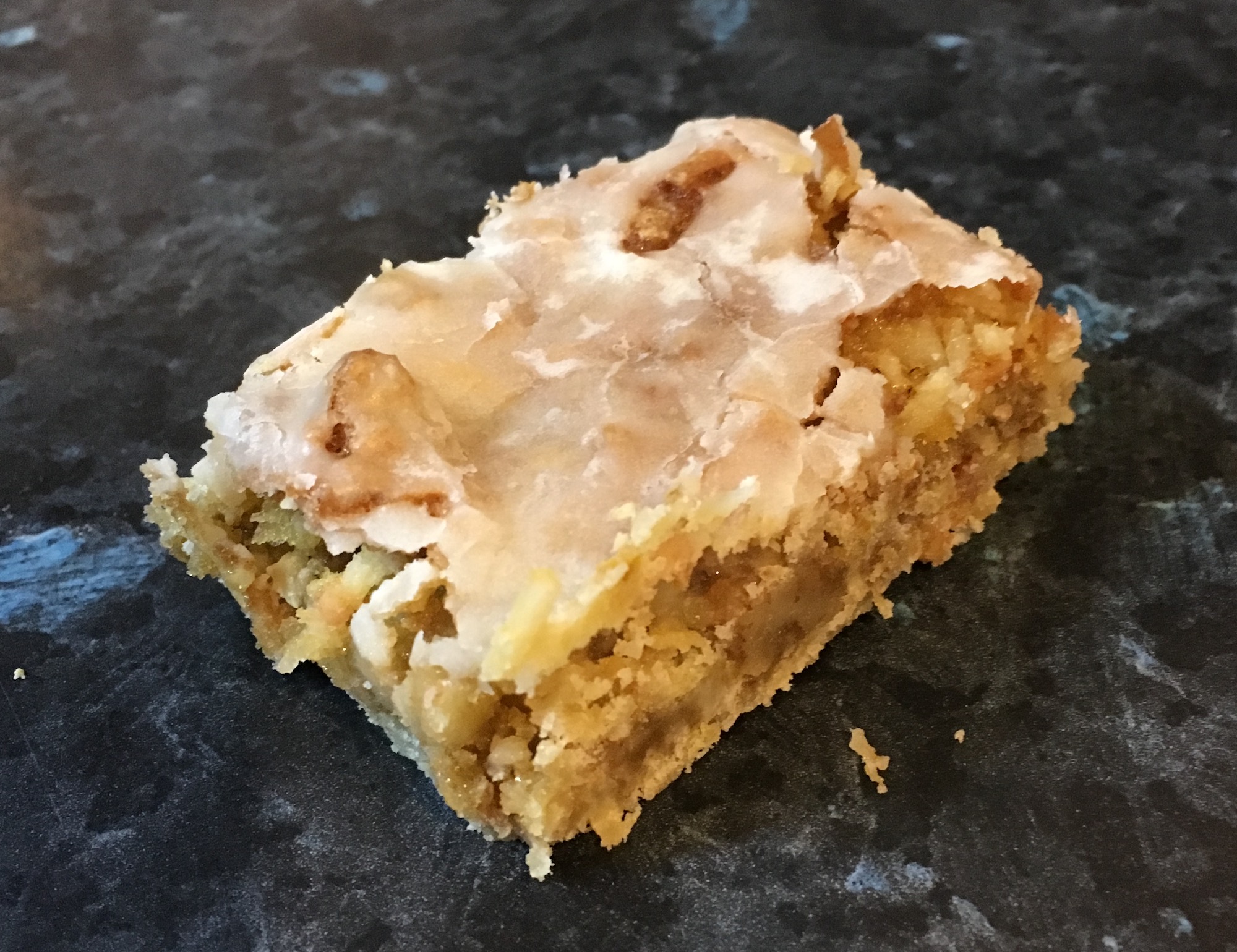
I made lemon coconut bars yesterday–a super easy recipe that I chose out of sheer laziness (and the fact I’d written ‘excellent’ beside it in the cookbook).

As I bit into one of them today, I was struck that they taste like Christmas.

Now, if you had asked me what Christmas tastes like, I would have said cinnamon, cloves and black walnuts.

My Christmassy lemon coconut bars contain none of these ingredients. As you would imagine, lemon and coconut are the primary flavours.

But these bars are loaded with brown sugar, and the more I considered it, the more I thought that must be the true flavour of Christmas. It shows up in most Christmas cookies, and even makes an appearance in some of the traditional savoury dishes, like mashed sweet potatoes.

I use brown sugar in many of the baked goods I make, so theoretically, they should taste like Christmas, too. So, why don’t they?

I think it has to do with the concentration of brown sugar. We tend to prefer baked goods that aren’t pure sugar bombs. For my everyday baking, I usually stick to less sweet items. Not so at Christmastime. Then, I throw all caution to the wind and make the most decadent sweets possible.

The lemon coconut bars fall into that decadent category, containing more sugar than flour. They taste like the decadence of Christmas.

And, perhaps that is the true taste of Christmas–the taste of decadence.


Mango Memories

I have bought mangoes here in New Zealand only a few times in the twelve-plus years we’ve lived here. As you’d expect, they’re incredibly expensive and usually disappointing. Add to that the fact they couldn’t have more food miles on them unless you grew them on the moon, and it’s hard to justify buying them. There’s so much lovely fruit grown here, it seems silly to buy imported fruit that is little more than a shadow of what it should be.

But once in a while I can’t help myself. Last week, when I saw them for sale at four for $5, I simply had to buy some.

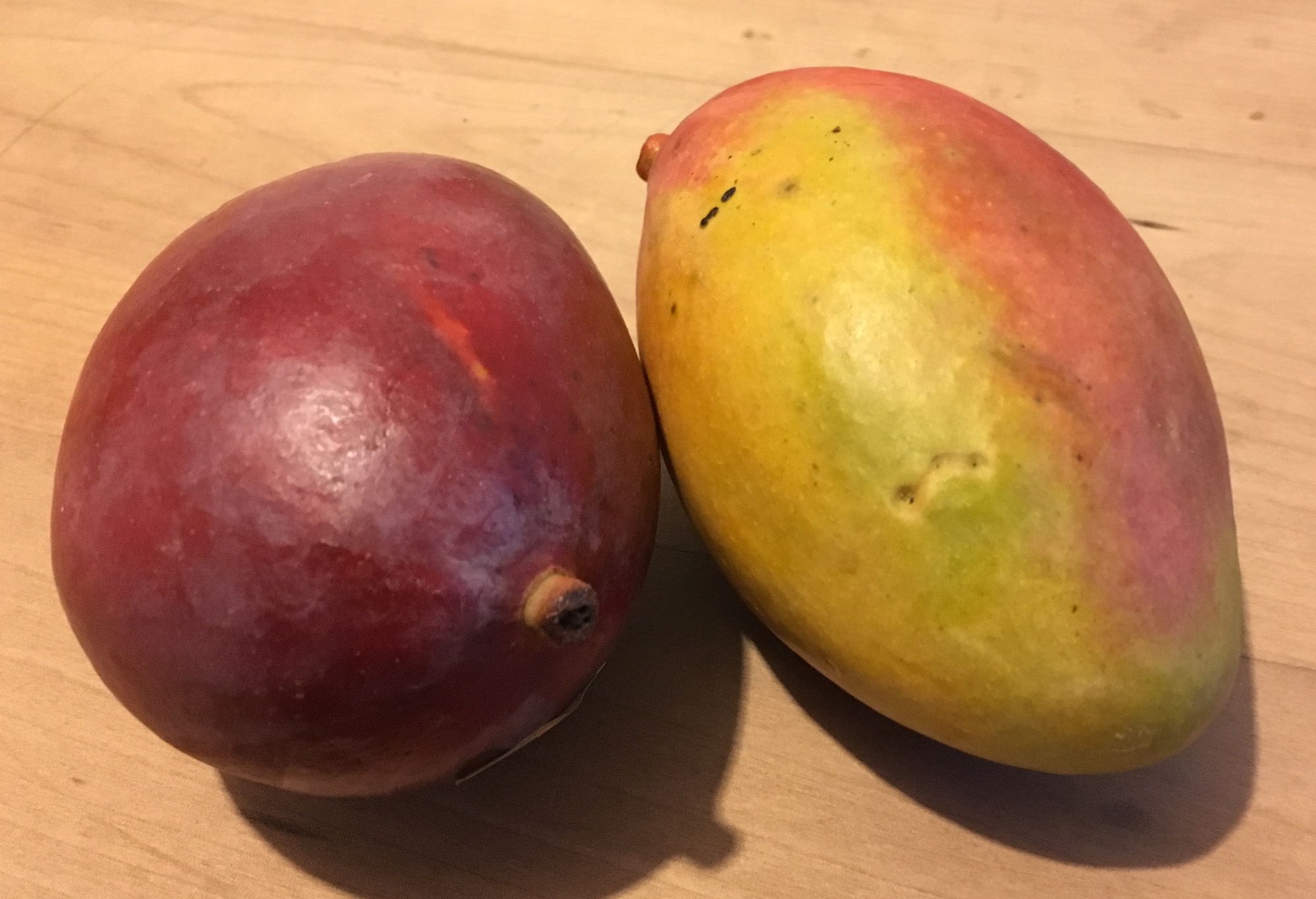
And for once, I wasn’t disappointed. It took a week and a half before they were ripe, and by then one of them was beginning to rot. But from the first cut of the knife, I knew they were going to be good.

From the first whiff of that pine-sap-and-peaches aroma, I was transported. Transported to Panama: to the tree-stump that served as a chair on our porch; to the bustling, smoky comfort of our friend Francisca’s kitchen; to a hot hillside knee-high in corn or beans; to the crowded dance hall wherever Sammy and Sandra Sandoval were playing, to evenings spent laughing with unexpected visitors who always showed up at dinnertime and stayed the night.

I cut up three mangoes and put them out with dinner. Each bite was a memory. A memory of warmth and light, of ant bites and muddy shoes, of hummingbirds and viudas, laughter and tears. I wanted to gobble it all down in an instant, and savour it for forever.

They were not the best mangoes I’ve ever eaten. Not by a long shot. But the memories were delicious.

Eggsplaining the Difference

A standard egg at the supermarket weighs 53 grams, large eggs are 62 grams and jumbo eggs are a massive 68 grams.

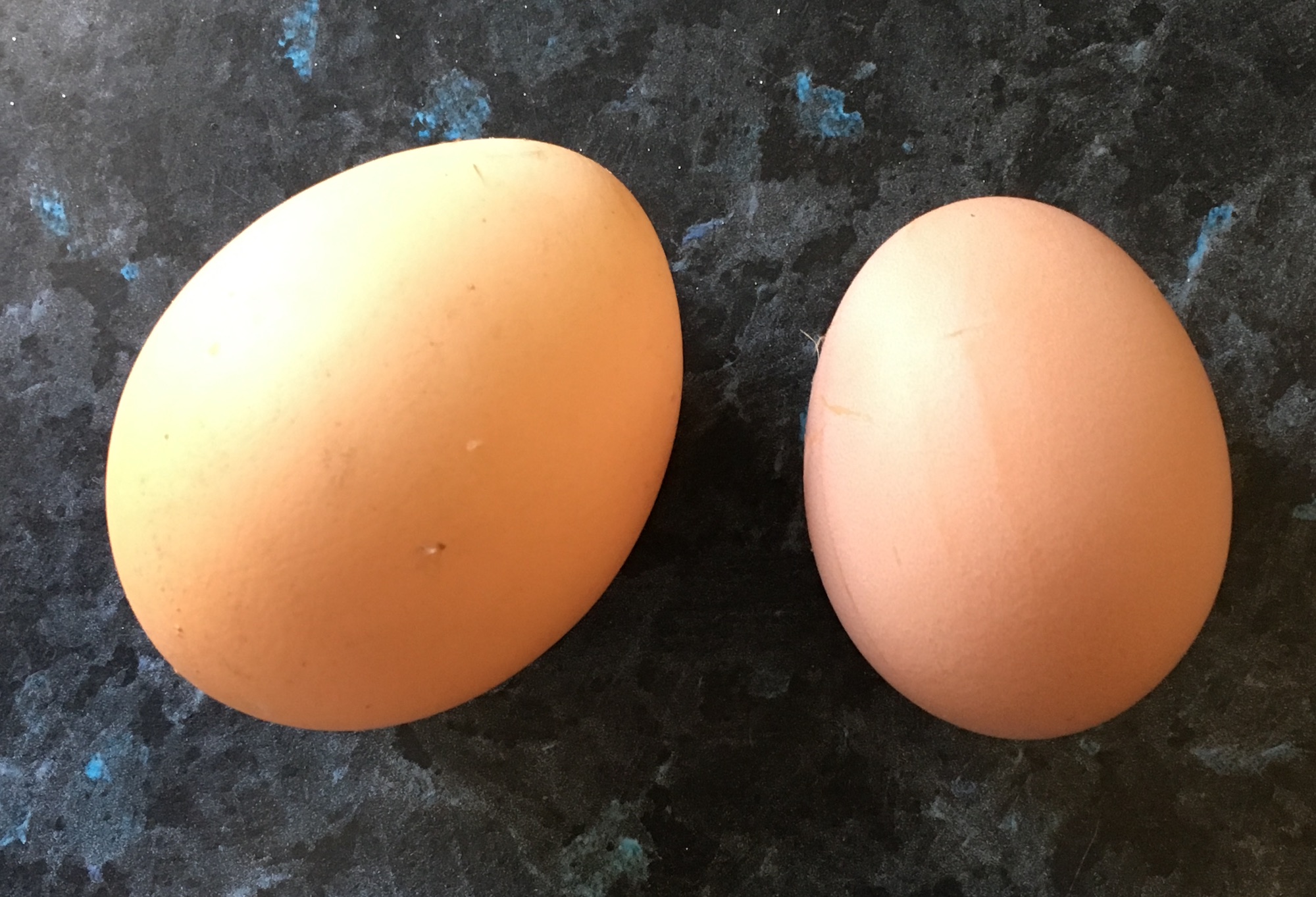
My new chickens just started laying yesterday, and I smiled at the tiny eggs they laid.

Then I weighed them—far from being tiny, they weigh as much as a standard egg.

Turns out the ‘normal’ egg from my chickens weighs 80 grams or more (I had a 92 gram one last week—I know because it looked big, even to me, so I weighed it).

I’ve known this for some time. My eggs are bigger than the eggs called for in your average recipe. I can usually skimp on the number of eggs I use, with no repercussions. It comes in handy in wintertime, when egg production is down, and I’m often rationing eggs.

But I hadn’t really quantified it before. So, doing the maths, if a recipe calls for four large eggs, that’s 248 grams of egg. Just three of my 80+ gram eggs will do, in that case. That matches my experience with skimping on eggs in a 4-egg cake. In recipes that call for three eggs, I can probably get away with two. Start looking at a genoise cake that may call for 7 eggs, and I should really be using closer to 5.

I can’t tell you why my chickens lay such enormous eggs. I assume it’s a combination of genetics and diet. Coming from the same breeder, I expect my new ones to eventually lay 80 gram eggs, like the older ones do. But if they don’t, that’s just fine. Truth is, those super jumbo eggs don’t fit very well in the egg holder on the fridge door. Sometimes, when I open the fridge, an egg flies out to splat on the kitchen floor. I wouldn’t mind non-ballistic eggs.

Funny Fruit

Some days you just have to be silly.

Half way through cooking yesterday’s dinner, I felt it was incomplete. It need a little something extra. Something light and fresh. By the time I thought this, it was already dark outside. I didn’t feel like picking a salad in the dark, so I thought I might make a fruit salad.

But neither the bananas, nor the pears in the fruit bowl were ripe yet, and that left just apples and mandarines. Pretty boring fruit salad.

How could I make plain old apples exciting?

Turn them into swans, of course!

I found instructions for these fun little fruit birds on the Curious Little Kid blog. Hers are much prettier than mine, but mine got a laugh at the table all the same. They turned boring apples into an exciting side dish.