Favourite Garden Tool–Machete

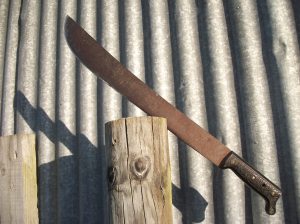
100_4045 smI learned to use a machete in Panama, where it became an extension of my arm. I learned my macheteing technique from greats such as Julián Valdéz and Onofre Gonzales. Not having been born with a machete in my hand as they were, I could never match their skill, but by the end of my two years, I could at least keep pace with a crew clearing brush for a new crop. Of course I could only do this because I’m ambidextrous, and when my left arm gave out, I could switch to the right. But, hey, that meant I was at least half as good as the farmers around me!

In rural Panama, a machete may be the only tool a farmer owns. It’s used for everything from taking down trees three feet in diameter to paring one’s toenails. Machetes are kept razor sharp, and if a farmer isn’t using her machete, she’s probably sharpening it. All that use wears them down. As a machete grows smaller and smaller, its use changes—from land clearing, to weeding tool, to kitchen knife. The smallest ones are given to little children, who proudly toddle around with machete in hand—able to help around the farm now they have a tool.

When I left Peace Corps, I sadly had to leave my “Collins”* behind—it was Peace Corps issued, and went to the next volunteer in my village. But I couldn’t live long without a machete, and soon had another upon my return to the United States. Actually, we had three…size is critical, and you have to get just the right one, so my husband has a long one, and I have a shorter one, and we have an even shorter one that fits neither of us well, but is useful for edge-destroying activities.

Those machetes came to New Zealand with us when we moved, and they are as useful here as they were every other place we’ve lived, though they get odd looks from the neighbours.

Here in the developed world, the machete is an anachronism of sorts. Its jobs are done by petrol-powered weed whips, chainsaws, saws and secateurs.

But there is something satisfying about a tool that can do just about anything. A tool that never breaks down, doesn’t need fuel, and requires only simple maintenance—sharpening—easily done with a file or even a chunk of concrete.

And of course, as the forerunner of the sword, a machete comes in handy if you happen to come across a dragon in the garden…

*Collins is a favoured brand of machete in Panama.

Girls’ Night In

100_4041 smMy son is at school camp and my husband is at a workshop, so it was just me and my daughter for dinner tonight.

We indulged in biscuits—eaten first with egg, cheese, lettuce, and all manner of toppings as dinner, then later filled with strawberries and whipped cream for dessert.

MMMMMMM…

A game of washers in the late evening sun, and it was a perfect Girls’ Night In!


Parsley

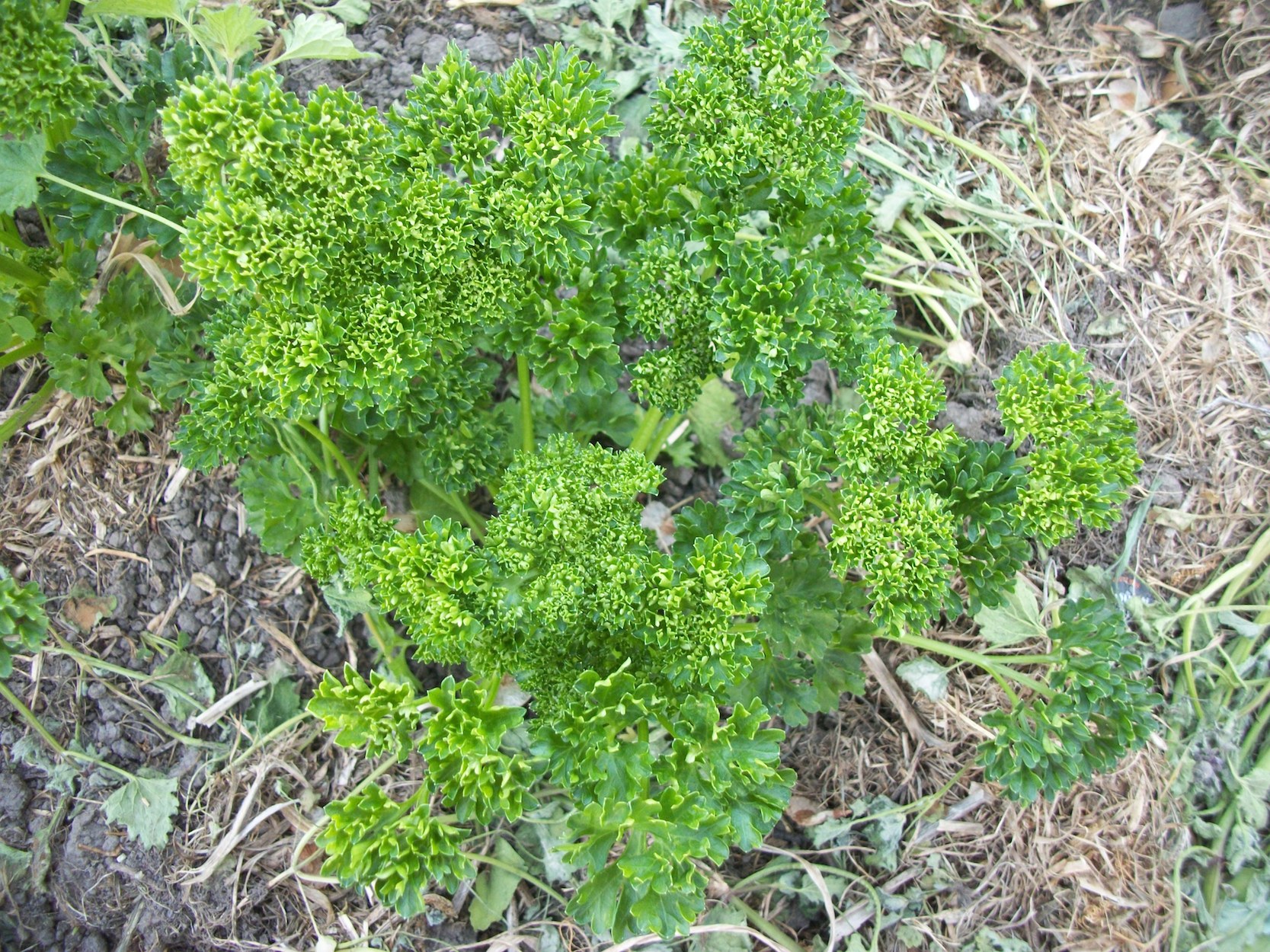
100_4036 smParsley is a ubiquitous herb, easy to overlook, easy to undervalue.

It is said its seeds must go to the devil and back seven times before germinating. I don’t think it takes quite that long, but parsley is slow to germinate.

Once up, though, parsley is tough and long-lasting. The plants I start in August will survive spring frosts to flourish through the heat and drought of summer, and continue flourishing through the cold wet winter, to be finally pulled out in October of the following year, when they begin to bolt, to make room for new plants.

We eat parsley by the handful (none of this Tablespoon stuff), and love it in risi e bisi, soup, potatoes, and gratins.

We grow both the Italian flat-leaf and the curly varieties (because, why not?), and enjoy the flat-leaf parsley fresh in salads (or just standing up in the garden as we pass by). We also enjoy parsley mixed with other fresh herbs to make a non-basil pesto that is lovely on pasta or as a topping for polenta crostini.

Of course, the best reason to grow parsley in much of the world is to attract the beautiful swallowtail butterflies, whose caterpillars specialise on parsley and related plants, incorporating the toxins from the plants into their exoskeletons to serve as defence. Unfortunately, we have no swallowtails in New Zealand, but the flowers of parsley attract bees, flies, and our native butterflies in large numbers.

Waffles

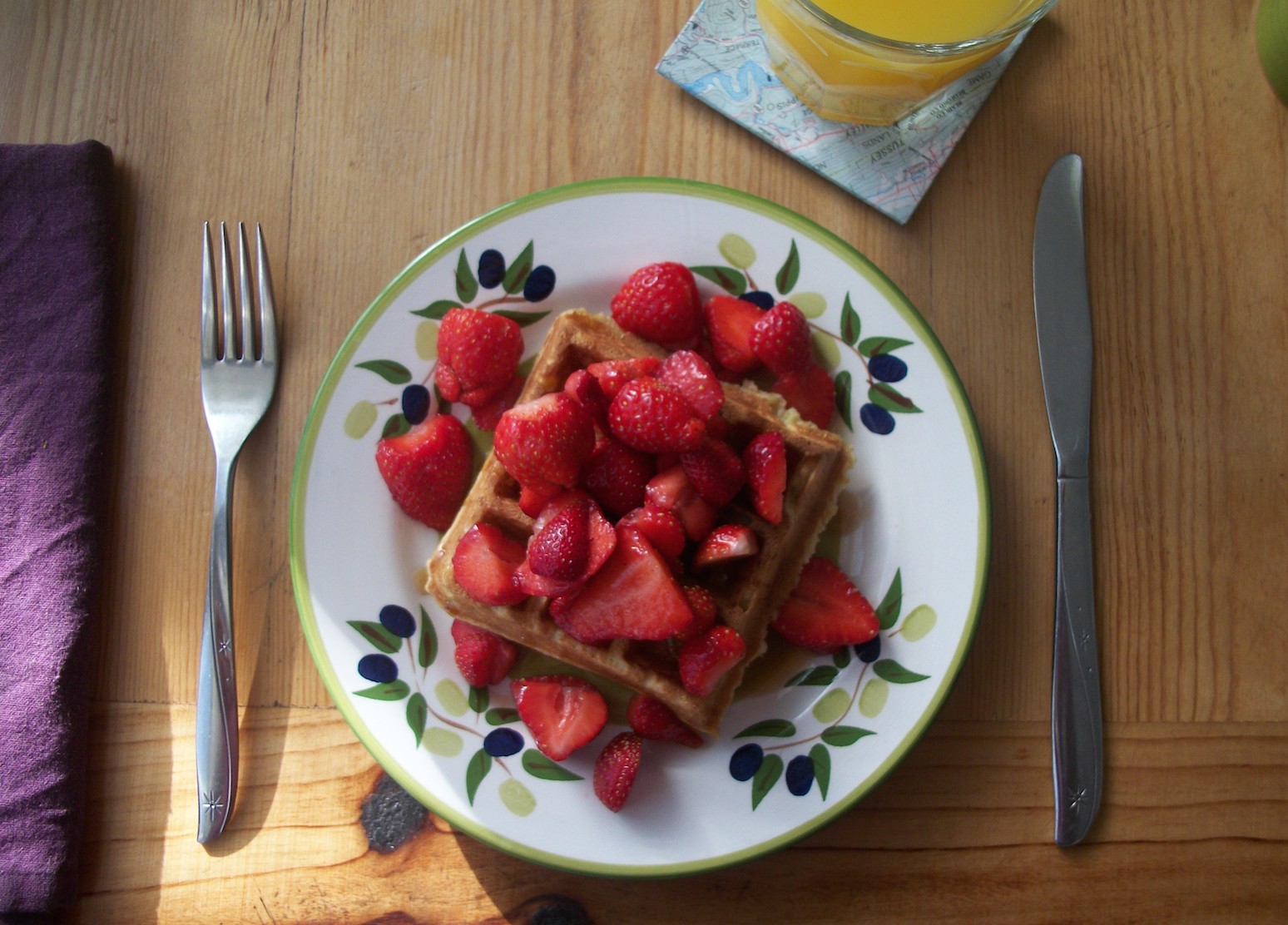
100_4022 smWhenever I ask what folks want for Sunday breakfast, my son’s response is waffles. He always wants waffles, and only gets them a handful of times a year. I find waffle making tedious—I never get to sit down with the rest of the family, as they’re usually done eating by the time the last waffle comes off the iron.

But I love waffles, too, especially with strawberries.

So when I came in with almost four quarts of strawberries yesterday afternoon, I knew what breakfast would be today.

This recipe is adapted from the Basic Waffle recipe in Joy of Cooking. I double it—leftover waffles toast beautifully the next morning!

1 cup all purpose flour

¾ cup whole wheat flour

1 Tbsp baking powder

1 Tbsp sugar

¼ tsp salt

3 eggs

6 Tbsp butter, melted

¾ cup milk

Mix dry ingredients in a large bowl. In a separate bowl, beat eggs and whisk in milk and melted butter. Combine wet and dry ingredients, stirring only until it is smooth. Cook according to the instructions for your waffle iron.

Waxing Lyrical

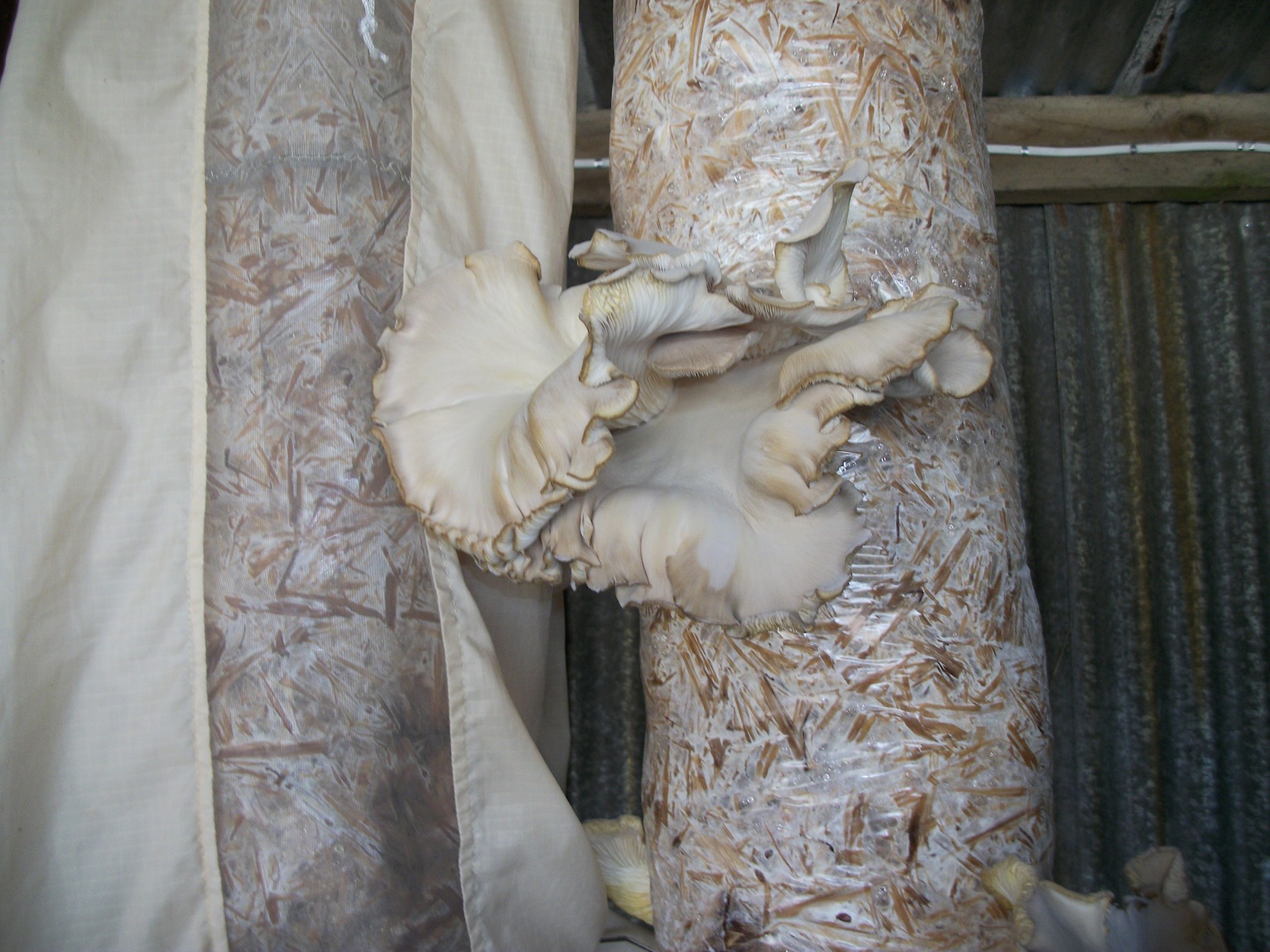
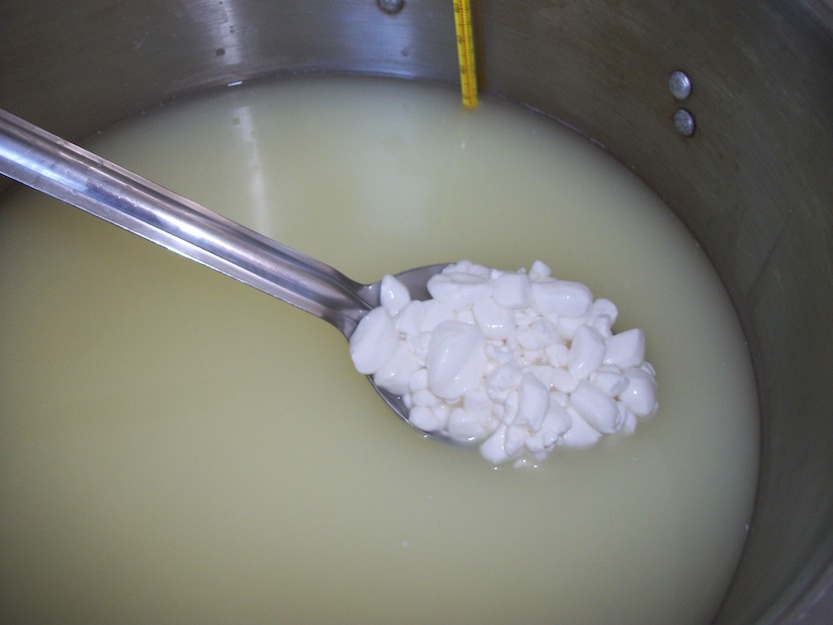
100_4015 smWhen I say I’m going to do some waxing, chances are it’s not the sort of waxing you think of. Instead of depilatory waxing, I’m doing cheese waxing.

I used to hate to wax cheeses. The “instructions” for cheese wax say you should brush it on. I used to try to brush my wax on, but very quickly realized that the wax hardens in the bristles before you’ve even got half a cheese covered, and then you’re trying to brush wax onto your cheese with what amounts to a block of wood. Meanwhile, half the wax ends up on your fingers, and you end up with a lumpy cheese, burnt fingers, and a stove covered in wax drips.

So I started dipping my cheese. This worked much better…until I accidentally dipped my fingers one day and dropped the cheese into the wax. I thought drips of wax on the stove were bad, but the tsunami of hot wax resulting from the dropped cheese took weeks to remove.

I still dip my cheeses, but now waxing is quick, clean and painless. Instead of holding the cheese, I create a sling for it out of cotton string. With my fingers hooked into the string and safely above the wax, I can dip an entire cheese all at once. I get a beautiful finish, no drips on the stove, and no burns. I also get a perfect place to attach a label, so I know which cheese is which after months of maturing in the fridge.


Gather Ye Rosebuds…

100_3978 smRunning late

After a hard day,

Back aching,

Dinner to be made,

Laundry to be folded.


I stood at the kitchen sink

Washing the dishes that I didn’t have time to wash

After lunch.


Outside the window

A bloom danced in the breeze.

A rose

Frothy pink.

Another

Burgundy

Like wine I wished I had time to enjoy.

There were more, I knew

Out of sight.


I left the dishes,

Dried my hands.


Dinner would have to wait.


Scissors in hand, I abandoned my work

To gather roses.


An Apartment in Town

100_4017Some days make me want to live in an apartment in the city.

Today was one of them.

As I mentioned in a previous post, I planted out all the frost-tender plants last weekend.

Earlier this week, it frosted. In spite of my efforts to save them, I lost nearly 200 plants. I saved hundreds more, so I tried to make the best of it. I replanted what I could.

When it looked like it was going to frost again last night, I covered everything I could.

But it didn’t just frost last night. It froze.

When I tried to spray the plants down in the morning to save what was left, my hoses were frozen. I managed to get a sprinkler going eventually, but when I came back half an hour later, the water it had sprayed had frozen solid.

I won’t know until tomorrow, but I expect I have now lost all of my frost-tender crops, except the few plants that fit in the greenhouse.

After the plant disaster, I headed to the goat paddock to do the milking and noticed that one of my yearlings was scouring badly. The result of worms, no doubt (she was the one goat I didn’t manage to dose the last time I drenched them). Treatable, but in a goat so small, I worry—they can go down fast once they start scouring. I gave her an injection of Dectomax, but like the plants, I won’t know until tomorrow what the outcome is.

So I rushed around trying to save lives this morning before driving an hour into the city to take the kids to school…makes that apartment in town look really attractive.

DIY pot handles

100_4014 smA good stainless steel pot can last pretty much forever.

Problem is, the bits that aren’t stainless steel don’t.

We inherited two glass-lidded pots when we bought our house. They’re not the greatest pots, but they do get used a lot, as they’re very convenient sizes. Unfortunately, the lid handles have broken off both of them.

Enter my ever-resourceful, creative husband, who carved new handles for them.

These delightful knobs are far more interesting than the ones they replaced. In fact, they’re so nice, I’m thinking about breaking some of the other pot handles…

Strangest Kitchen Tool Ever

100_4012 smStuck to a screw head in the bottom kitchen cupboard where mouse traps nestle alongside the water heater is the strangest kitchen tool. It’s a DIY affair made of a discarded cabinet latch plate and four small rare-earth magnets. It is seldom used, but absolutely critical when it’s needed.

It’s the Canning Lid Extraction Device.

For some reason known only to the gods (who are laughing uproariously about it, I’m sure), the drain of our kitchen sink is exactly the same diameter as a wide mouth canning lid. Exactly. And, you know, when you’re washing a jar, you just toss the lid into the wash water, not thinking. It floats innocently down, guided inexorably to the lowest point of the sink—the drain—where it gently settles in, just as you think, “No! I dropped a lid in!”

And once one settles into the drain, there is absolutely no way to get even the thinnest tip of a knife in there to pry it out. It’s stuck. Forever.

Or, it would be without the handy dandy Canning Lid Extraction Device.

Where would we be without magnetism! The powerful magnets latch onto the lid and pull it right out. The old latch plate acts as a convenient handle for wet, soapy hands. The perfect tool!

Overspray

100_4002Planting out, I scrutinise each plant for health. I discard damaged or poorly growing plants. I pick off pests.

But there are some problems I can’t do anything about.

The neighbour’s 2,4-D overspray is one of those.

2,4-D is a broadleaf herbicide that has become increasingly popular with our neighbours over the past five years. Unfortunately, it is extremely volatile, so if the wind is blowing our direction when they spray, we are enveloped in a cloud of herbicide.

It usually doesn’t kill our plants outright, but it has long-lasting effects on them. Grapes are particularly susceptible, but we’ve had damage to nearly every vegetable crop in some years. Some plants, like the green beans, seem to be able to ‘grow out’ of the damage. Others never do, and the effects of an early spring spray can still be seen at harvest time in late summer.

This year, the first overspray hit us in mid-October. Though the frost-tender crops weren’t in the garden yet, they were in the greenhouse, and didn’t escape damage.

I’d surveyed the damage in general as the plants were massed in the greenhouse, but as I inspected each plant at plant out time, I saw the full extent of the damage.

The most obvious early sign of 2,4-D damage is deformation of the leaves—they elongate and curl, and develop odd-looking venation. They can also bleach, sometimes looking nearly white. This year, the tomatoes were particularly hard-hit, with almost all the young leaves deformed. Eggplants, too. Thankfully, the peppers seem to have escaped, and many plants weren’t even up yet, so they made it, too.

I accept that my neighbours aren’t organic farmers, and that they have little control over when the contractor comes to do their spraying, but still it is discouraging to face the same overspray problems year after year.