 What does it take to become a Kiwi? An appreciation for the uses of number 8 wire? The ability to pronounce Whangaparaoa without stumbling? Knowing the culturally acceptable way to pass a mob of sheep on the road? Understanding that a statement like “I wonder if you should move your car out of the way?” actually means “MOVE YOUR F#*&%^ CAR OUT OF THE WAY!” An ability to converse coherently about rugby?
All these things are certainly important. Equally important is an understanding of New Zealand food icons.
Food is central to cultural identity. Apple pie and hot dogs are quintessentially American, a Panamanian festival wouldn’t be complete without ojaldre, and Costa Ricans would lose their sense of self without black beans.
Wherever I’ve travelled, I’ve tried to experience the local, iconic foods so as to fully experience the culture. I try not to let my own dietary choices prevent me from these experiences, so among other things, I’ve eaten spicy chicken salteñas from a street vendor in Bolivia, and titi (muttonbird) traditionally caught and preserved by local Maori. These experiences haven’t always been positive—the spicy salteña tasted a lot worse coming back up an hour later in a public park—but they’ve always taught me something.
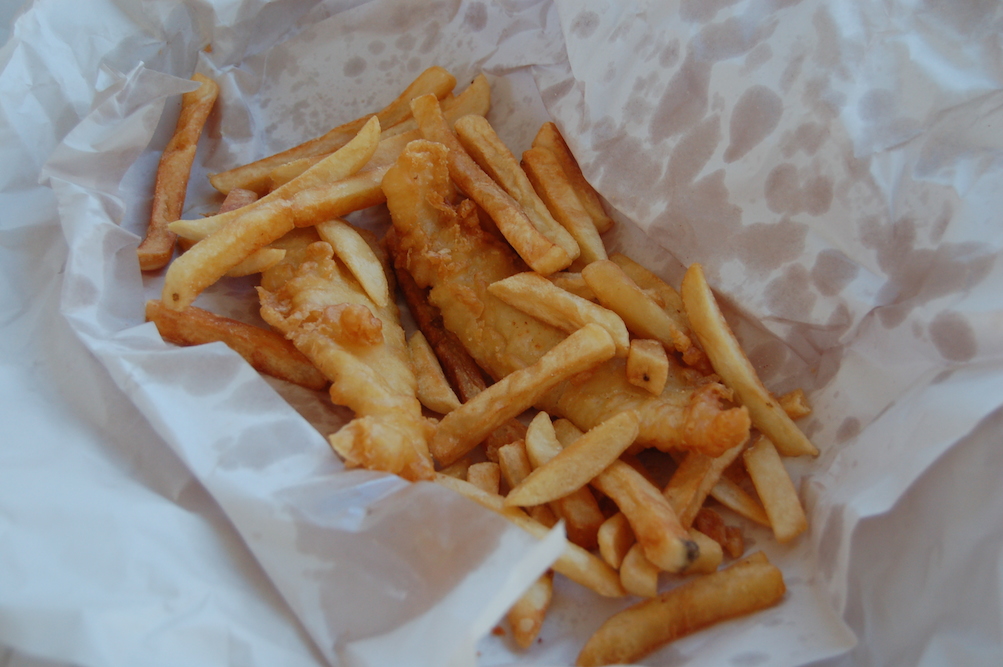
Modern Kiwi culture is culinarily represented by pavlova (a meringue topped with fresh fruit), kiwi fruit, and fish and chips. Determined that our kids not be culturally and socially handicapped by vegetarianism, we’ve made a point of occasionally picking up fish and chips at our local shop. We don’t do it often—maybe 3 times a year—so it’s a rare treat for the kids (as greasy, salty fried food probably should be), but it has worked. Though they still speak with an American accent, and have no interest in rugby, they can connect with their peers over the cultural icon of fish and chips. And I can think of no better way to fit in than around the dinner table.
Discover more from Robinne Weiss
Subscribe to get the latest posts sent to your email.
 Robinne Weiss