Entogeeks Anonymous

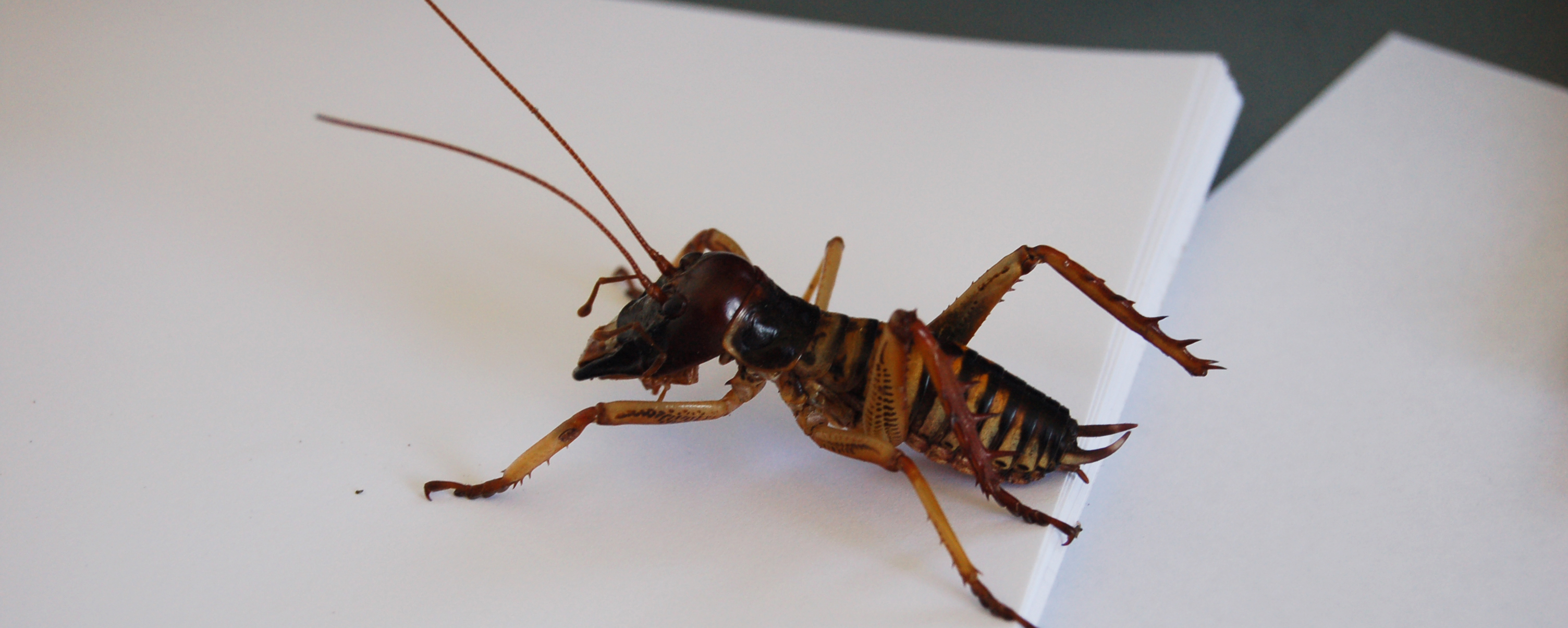
wellingtontreeweta3cropYou know you’re an entomologist when…

You find aphids on your lettuce, and eat it anyway.

You apologise to the grass grubs before squishing them.

You rescue the earwigs and lacewing larvae floating in the sink after washing vegetables.

You drop everything when you hear someone say, “Wow, look at that bug.”

You waste hours at work watching the spider on the window.

You keep a hand lens and a microscope within arms reach at all times, just in case.

The glove box of your car contains a folding insect net and several jars.

You sit down to write the day’s blog (a nice poem, you think), and get sidetracked for an hour trying to determine whether Mantophasmatodea is still considered a separate order or whether it is now grouped with the Grylloblattodea in the new order Notoptera.

*sigh*

Fantasy Gardener

2016-11-20-19-24-32What if gardening magazines were written like fantasy novels?

The day was hot. Sun glared from a bleached sky, and heat shimmered off the soil.

Robinne squinted into the sun, eyeing her enemies, calculating the risks. They were arrayed in their thousands—rank upon rank of weeds as far as the eye could see. Their green shoots groped for the sky, smothering her unwary crops. She knew their roots ran deep.

This would be no mere skirmish, no quick-strike street fight. This would be a war beyond reckoning.

Sweat beaded on Robinne’s brow as she considered her strategy. She pulled on her gloves and patted the secateurs hanging at her side for reassurance. She could do this. She had to do this. She was the garden’s only hope.

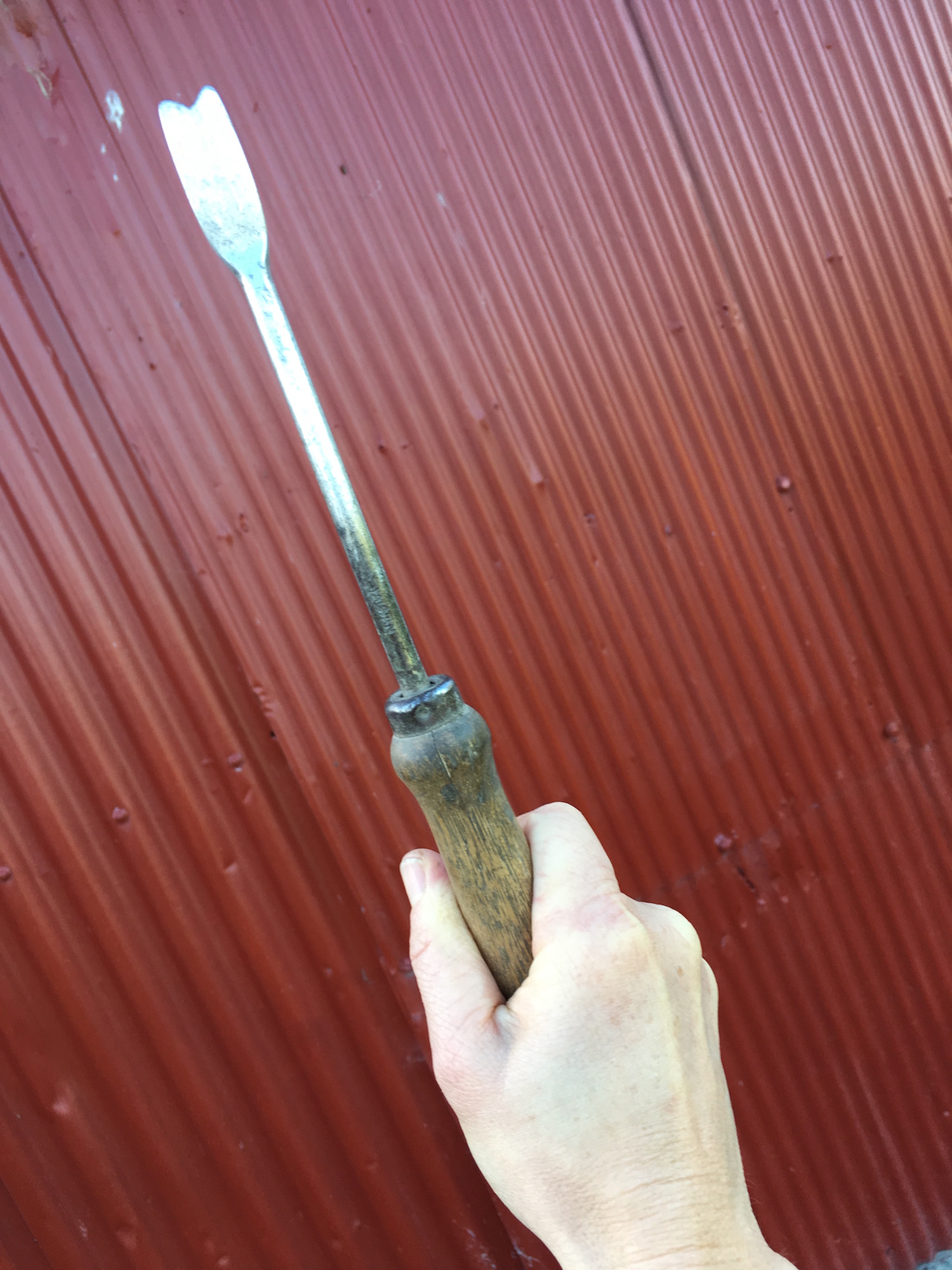
Robinne drew out her weeding tool, Weedlebuzzer—an ancient weapon, handed down through generations of warrior gardeners. The weeding tool thrummed in her hand, eager to get to work. Robinne smiled grimly, opened the gate, and stepped into the garden.

Literary Transitions

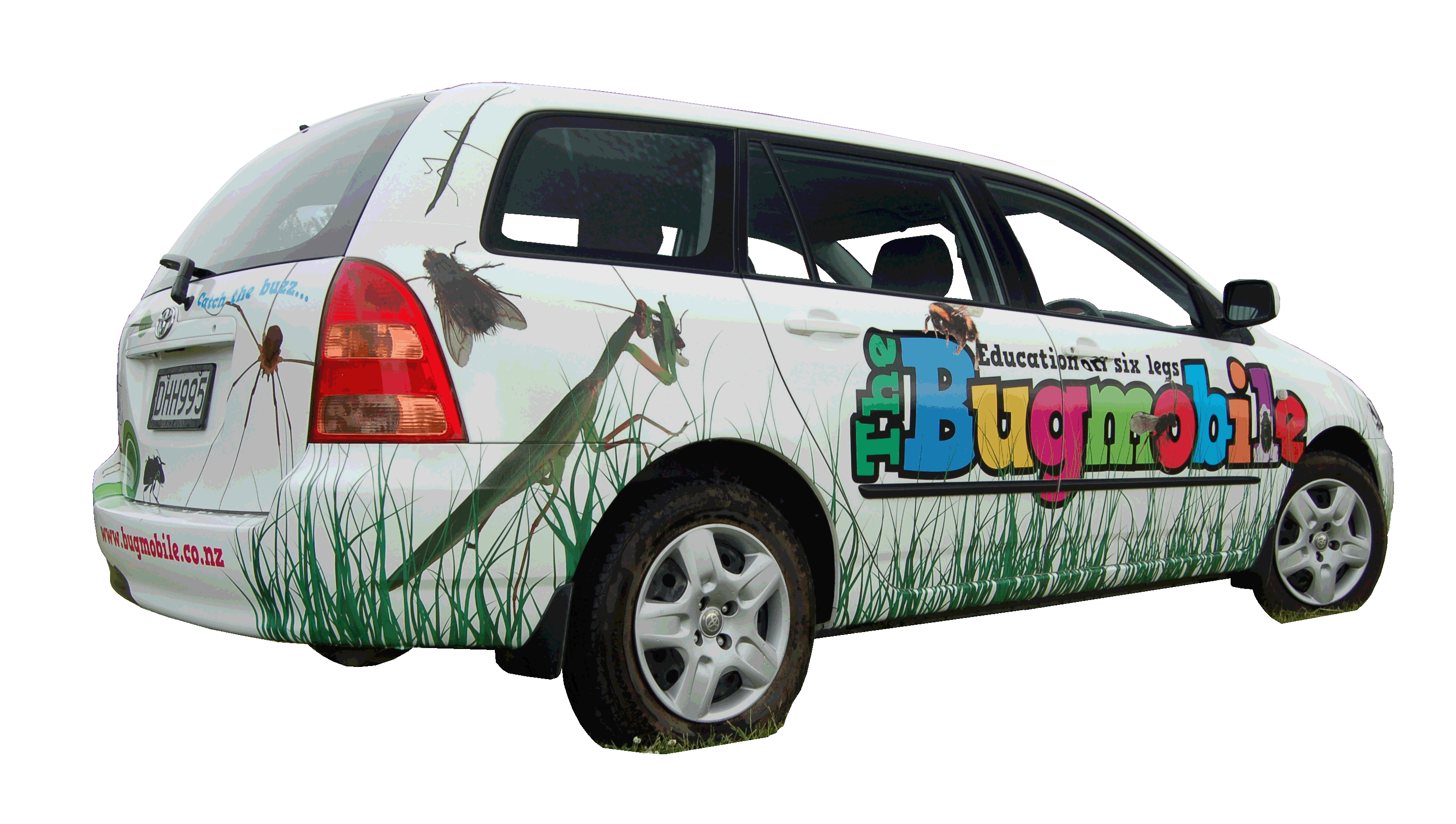
The Bugmobile, before being turned into the Boringmobile.

The Bugmobile, before being turned into the Boringmobile.

When I took the sign writing off the Bugmobile, the kids dubbed it the “Boringmobile”. A plain white station wagon, like every other plain white station wagon in this land of millions of plain white station wagons.

I promised to do something to try to reclaim a little of the Bugmobile’s former glory, and decided that insect poems meandering around the edges of the windows would be easy and fun to do, and would be a sort of bridge between the Bug Lady who was, and the writer who is.

It has been a year and a half, but I’m finally getting around to the job. Here is the first of the poems for the new, literary Bugmobile.

Butterfly and dragonfly,
Honey bee on clover.
Thrips upon the flower heads,
And syrphid flies that hover.

Mantids hunting in the grass.
Crickets in the garden.
Caterpillars’ silk cocoons,
And beetle wings that harden.

Sparkle, glitter, flutter wing.
Bugs that hop, and bugs that sing.

All these wonders
Here to see.
A gift for you.
A gift for me.

White Noise

robinneheadfuzzSit down to write
Nothing comes out but a hiss
Can’t think of anything
Thinking of everything
All at once.

Sentence fragments
The smell of lemons
A stubbed toe
What should I make for dinner?

The grass needs mowing
Pizza
Warm sun on bare feet
Itchy back
My desk is a mess

The cat wants in
The cat wants out
Words on paper
Spell check.

Freckles
Clean the house
Wet paint
Elephants

Meteor showers
Drifts of flowers
Girls and boys
White noise.

Literary Peanut Butter

2016-09-20-07-22-52I don’t normally get into endorsing products, but I feel compelled to comment on this one.

Pic’s Peanut Butter has recently started showing up in our local supermarkets. Shopping for a family for whom peanut butter is a major food group, I was immediately attracted to the large jars Pic’s came in. Glancing at the label, I found it was made with Australian peanuts by a small company in Nelson. That appealed to my social and environmental conscience, and I thought I had to try it.

It wasn’t until we had the first jar sitting on the kitchen table that one of the kids noticed the nutrition information. After the usual list of energy, protein, fat, carbohydrates, fibre, and sodium was…

Poems: quantity per 100 g—1.

And, sure enough, on the inside of the label was a poem. It wasn’t about peanuts; it was just a poem. There purely for our enjoyment.

2016-09-20-07-21-25And not all jars have the same poem, we have discovered. It’s a mystery until you’ve used enough peanut butter to be able to read the inside of the label (because we’re not nearly patient enough to wait until the jar is empty and soak the label off).

The poem is reason enough to spend a little extra for this peanut butter (though it is delicious peanut butter, too, and worth the money).

It is the sort of creativity I like about small businesses—the sort of creativity that is all too rare in this day of giant multi-national corporations that stamp out cookie-cutter products for the lowest cost possible in order to maximise profit to shareholders. It recognises that peanut butter is not just peanut butter, and consumers aren’t just units sold. It recognises the humanity of those making the peanut butter, and those eating it. It recognises that whimsy and wonder are critical parts of what it means to be human.

Okay, maybe the folks at Pic’s didn’t think all that when they were trying to work out how to make their peanut butter stand out among the cheaper products on the shelf. Maybe they just wanted to sell more peanut butter. Maybe they just have a desperate poet on staff who can’t publish otherwise. Either way, they’ve created something joyful from an ordinary food, and I, for one, am happy to support that.

Still Life with Poems

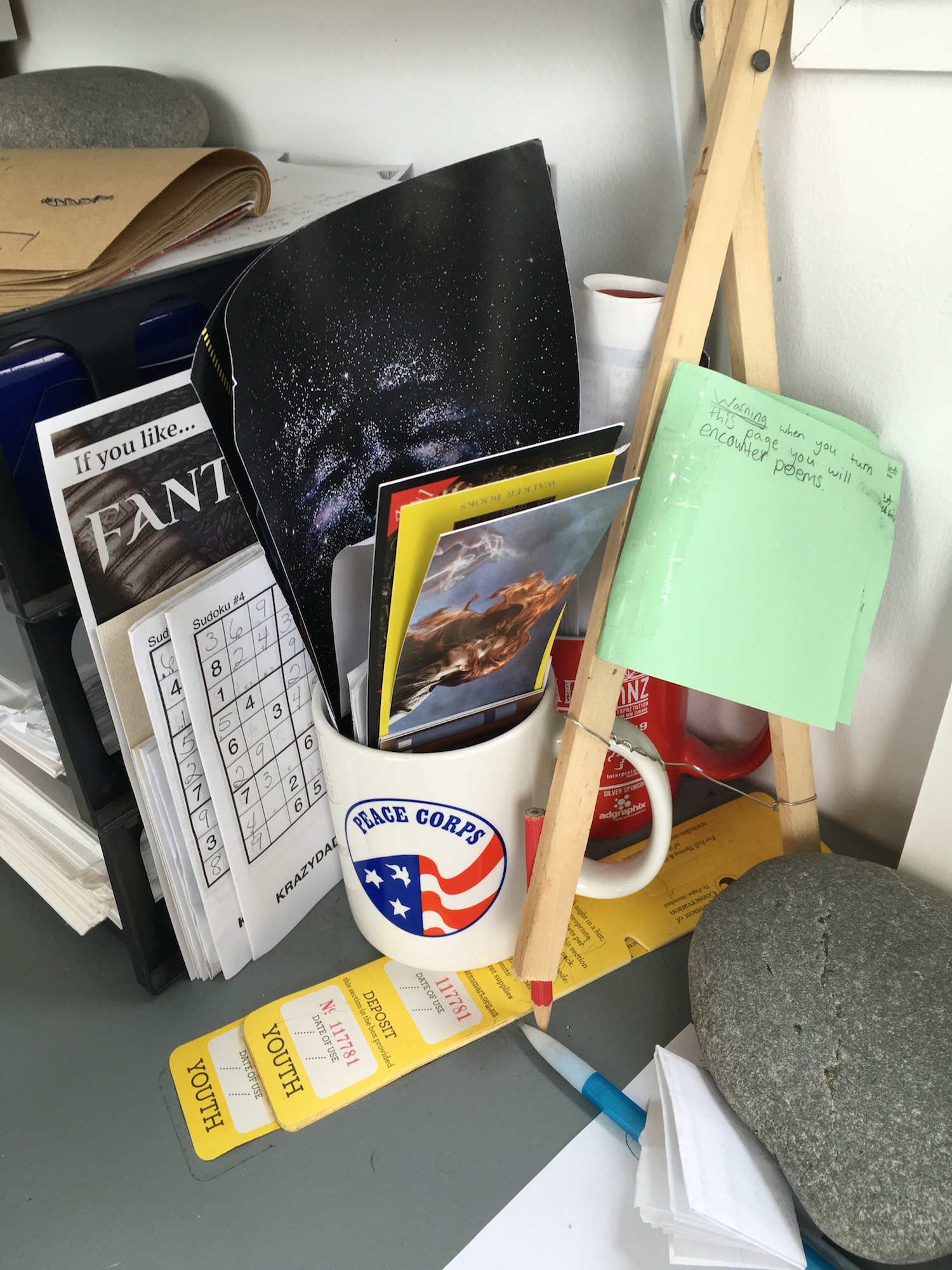
2016-09-19-09-52-35I picked up my phone today, and it automatically opened the camera, which I had used last. This is the picture it framed—a corner of my desk—and it struck me as a curious slice of my life and personality. In the picture are:

  • A flier from the library with a list of fantasy authors they recommend.
  • A couple of half-finished Sudokus—lunchtime brain breaks.
  • A Peace Corps mug—still flying those colours after 21 years. It’s a rare day I don’t think about our time in Panama. That mug is filled with more fliers for books I’d like to read.
  • A mug from the Some Like it Hot Conference—from another past life when I was Secretary of Interpretation Network New Zealand. That mug is stuffed with notes to myself—names and addresses I want to remember, ideas for birthday and Christmas gifts, web sites of interest, the odd poem.
  • A gift from my daughter—a hand-made compass, complete with a book of poetry attached.
  • A rock from our beach—part paper weight, part touchstone, grounding me in this place.
  • A pencil—my favourite writing tool.
  • A folded wad of paper to stabilise my computer stand, which wobbles on uneven legs.
  • A stack of Department of Conservation hut tickets from a trip that I intended to take my ecology students on, but which was cancelled due to weather.
  • A scrap of paper awaiting the day’s to-do list.

There you have it. The messy corner of my brain, where poems vie with the day’s to-do list, and numbers and words mix, and good intentions meet reality, and maybe
today’s to-do list
becomes
tomorrow’s poetry.

Saturday Stories: Girl on the Plane/Boy on the Plane

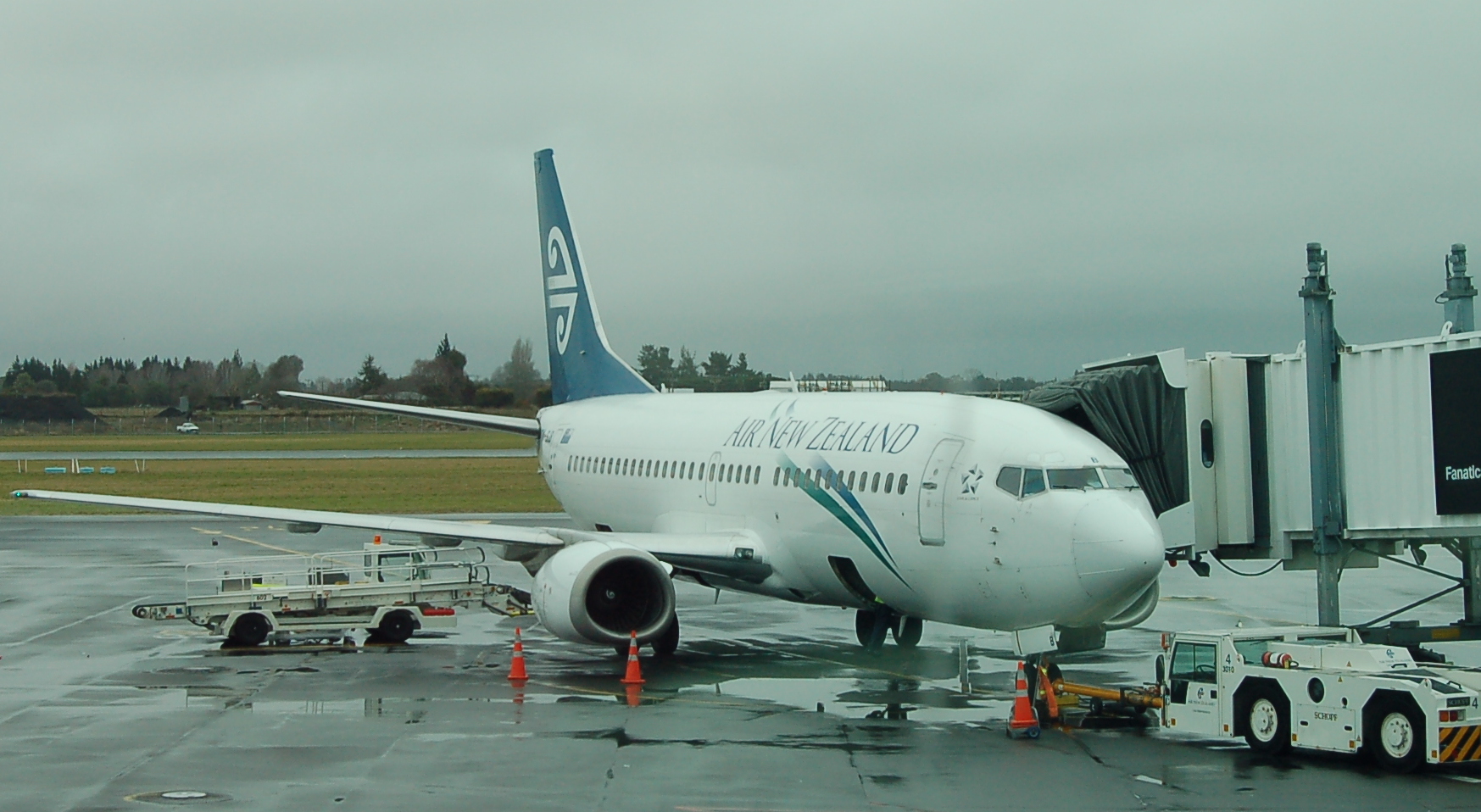
dsc_0010-cropBelinda took her seat on the plane—12A—a window seat. She had just finished her Masters degree in aerospace engineering. Graduating top of her class, she’d had her pick of jobs. In the end, she’d chosen Lockheed Martin, not just because of the job, but also because it was located in Colorado.

A man sat down next to her. She smiled, and they shared a greeting as he buckled himself in.

Belinda grinned as the plane accelerated down the runway. For the first time in her life, she was leaving the Midwest. She was finally pursuing her dreams for real. Her first real job! She was already envisioning the trajectory of her career—as carefully calculated as the trajectory of the space craft she intended to design and launch some day.

Belinda had always been obsessed with space. She had asked for a star chart for her sixth birthday, and created a scale model of the solar system as a science project in first grade. She excelled in math and physics in high school. She had been accepted at MIT, but her parents couldn’t afford the tuition. Instead, she had attended Iowa State University, where she had earned a full scholarship for both her undergraduate and graduate degrees.

As the plane reached cruising altitude, Belinda relaxed into her seat and watched the patchwork of Iowa farmland pass below. She couldn’t wait to see the mountains of Colorado. She would learn to ski, and maybe rock climb, too.

Her thoughts were interrupted by the man next to her. He was older than she—in her eyes, ancient, though he was probably only in his mid-fifties. He was well-dressed and unexceptional-looking.

“You headed to the ski fields?” he asked.

“No. Well, eventually I hope. I’m moving to Colorado.”

“Ah! Is there a special someone waiting for you there?”

“Um…No. I’m starting a new job there.”

“Don’t tell me…Elementary school teacher. I know they’re always short of teachers. I’m sure you’ll do great.”

“Actually, aeronautical engineer at Lockheed Martin.”

“Oh!” The man frowned. “Well, what made you choose that?”

The way he said that, it sounded like he was asking why she’d bought fried cricket clusters at the Iowa State Fair instead of French fries.

“I’ve always been interested in space. I used to make space ships out of Legos and calculate their trajectories to Mars.”

The man laughed. “And what does your boyfriend think of that?”

“Um…I don’t have one.”

“Oh. Married, then?”

“No.” Was he hitting on her? Surely he was way too old for that. “I’m not particularly interested in having a boyfriend or getting married.”

“Really? Now, that can’t possibly be true—a pretty girl like you? What makes you say you’re not interested in marriage? What about kids? Surely you want kids!”

“No husband, no kids. I’ve got other plans for my life—a career that doesn’t really fit in with a family.”

He laughed and Belinda realised he didn’t believe her. He was probably some crazy religious guy, like the one who had accosted her mother once in the mall, praising her for producing children because “God has called mankind to go forth and multiply.” He probably had a poor, harried wife at home with a dozen kids underfoot.

“And you? Are you married?” she asked to turn the conversation away from herself.

“Aw, me? Nah. Married to my business.”


_____________________


Jeff took his seat on the plane—12A—a window seat. He had just finished his Masters degree in aerospace engineering. Graduating top of his class, he’d had his pick of jobs. In the end, he’d chosen Lockheed Martin, not just because of the job, but also because it was located in Colorado.

A man sat down next to him. He smiled, and they shared a greeting as he buckled himself in.

Jeff grinned as the plane accelerated down the runway. For the first time in his life, he was leaving the Midwest. He was finally pursuing his dreams for real. His first real job! He was already envisioning the trajectory of his career—as carefully calculated as the trajectory of the space craft he intended to design and launch some day.

Jeff had always been obsessed with space. He had asked for a star chart for his sixth birthday, and created a scale model of the solar system as a science project in first grade. He excelled in math and physics in high school. He had been accepted at MIT, but his parents couldn’t afford the tuition. Instead, he had attended Iowa State University, where he had earned a full scholarship for both his undergraduate and graduate degrees.

As the plane reached cruising altitude, Jeff relaxed into his seat and watched the patchwork of Iowa farmland pass below. He couldn’t wait to see the mountains of Colorado. He would learn to ski, and maybe rock climb, too.

His thoughts were interrupted by the man next to him. He was older than Jeff—in Jeff’s eyes, ancient, though he was probably only in his mid-fifties. He was well-dressed and unexceptional-looking.

“You headed to the ski fields?” the man asked.

“No. Well, eventually I hope. I’m moving to Colorado.”

“Ah! Is there a special someone waiting for you there?”

“Um…No. I’m starting a new job there.”

“Don’t tell me…Elementary school teacher. I know they’re always short of teachers. I’m sure you’ll do great.”

“Actually, aeronautical engineer at Lockheed Martin.”

“Oh!” The man frowned. “Well, what made you choose that?”

The way he said that, it sounded like he was asking why Jeff had bought fried cricket clusters at the Iowa State Fair instead of French fries.

“I’ve always been interested in space. I used to make space ships out of Legos and calculate their trajectories to Mars.”

The man laughed. “And what does your girlfriend think of that?”

“Um…I don’t have one.”

“Oh. Married, then?”

“No.” Was he hitting on him? Surely he was way too old for that. “I’m not particularly interested in having a girlfriend or getting married.”

“Really? Now, that can’t possibly be true—a handsome guy like you? What makes you say you’re not interested in marriage? What about kids? Surely you want kids!”

“No wife, no kids. I’ve got other plans for my life—a career that doesn’t really fit in with a family.”

He laughed and Jeff realised he didn’t believe him. He was probably some crazy religious guy, like the one who had accosted his mother once in the mall, praising her for producing children because “God has called mankind to go forth and multiply.” He probably had a poor, harried wife at home with a dozen kids underfoot.

“And you? Are you married?” Jeff asked to turn the conversation away from himself.

“Aw, me? Nah. Married to my business.”
 

Walk Away

2016-09-14-07-08-19Working for yourself, you have to develop discipline. You’ve got to be able to knuckle down and do what needs to be done, as though there were a boss standing over your shoulder. You’ve got to clock in at work, and spend the day there.

But sometimes the best way to get something done is to walk away from it.

I spent the first three days of this week on the West Coast, doing some educational programmes for schools. The programmes took up the mornings, but by early afternoon, I was done.

Each afternoon, I thought to myself, “Right. I need to get some writing done now. I need to make use of my time.” And each afternoon, I sat at the computer for a few minutes, then went outside for a long walk.

I hardly wrote a word, and yet…

Those long walks were perhaps a more productive use of my time. I was in places I don’t get to go to very frequently, enjoying an environment wildly different from my office. A different part of my brain was being stimulated on those walks—a part that was more thoughtful, perhaps. More open to emotion and suggestion.

That part of my mind started churning with thoughts and ideas about a novel I wrote last year. I hadn’t thought about the story for months. Though I liked the book, its sequel wasn’t going well, and I had set it aside while I wrote something entirely different. Every time I considered working on it, I felt I was up against a wall. Something wasn’t quite right about my main character. I had missed something, and wasn’t sure what it was.

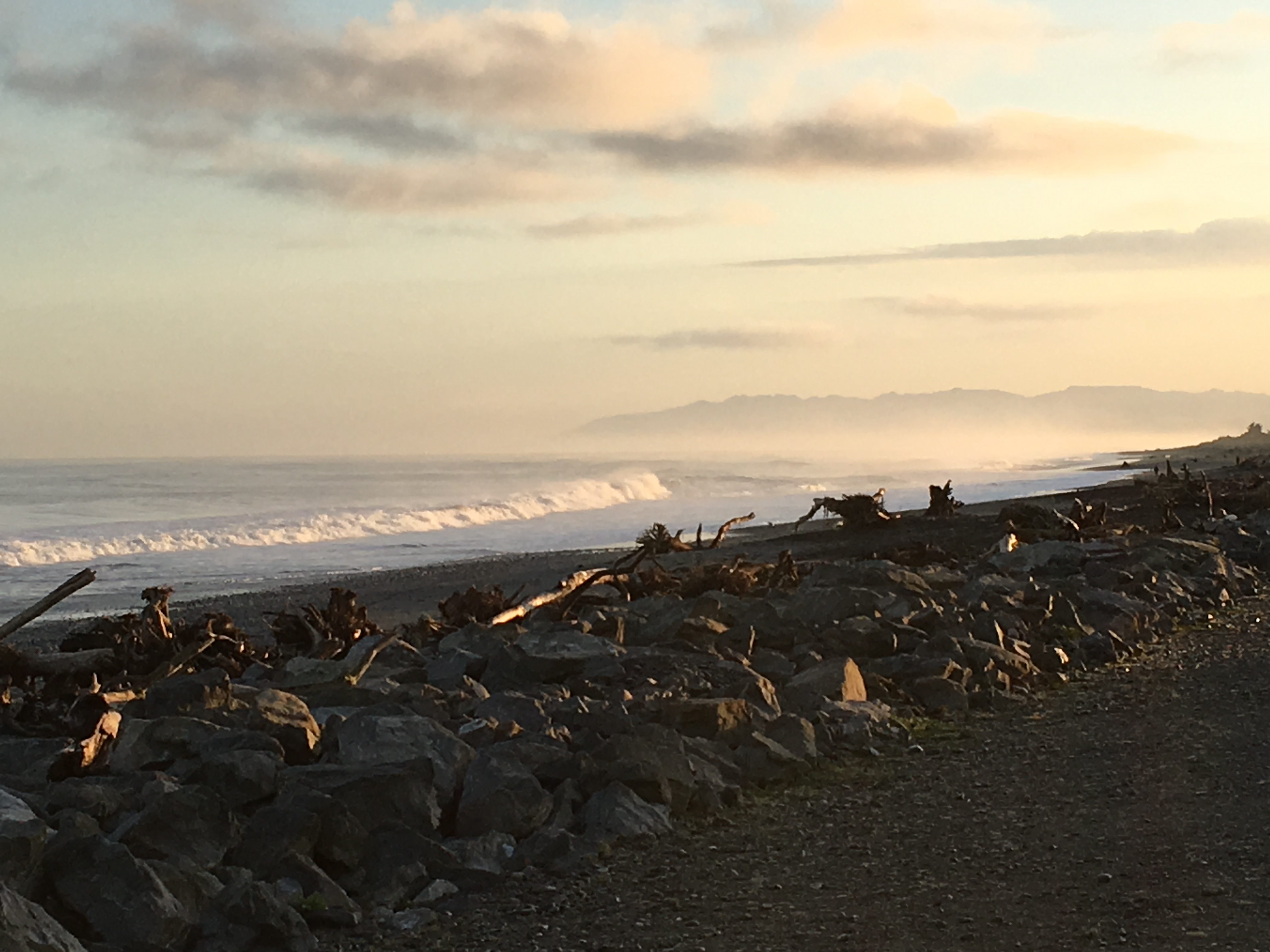
But as I walked the beach, my character walked with me. She told me about her dreams and aspirations. She told me about her childhood, and about what made her become the person she is. She explained to me why she can’t do what I’ve asked her to do in the second book, and why and how she will rebel against my expectations.

I scribbled pages of notes from our ‘conversation’, and I’m looking forward to getting back to her story and finishing it the way it should be finished.

So my ‘wasted’ time was not wasted after all. Had I sat in my hotel room and forced myself to put words on the page, I would never have found the right words for the page.

Sometimes the best thing you can do is walk away.

Crocuses to the Rescue

2016-08-29 18.00.55It was a long day. I was working in town. At the library. Trying to focus sitting next to a man who spent the day ripping pungent farts, then next to a pair having a loud business meeting. It was a spectacularly unproductive day. I went for groceries, and the store smelled of rotting fish. I sat in the hot car waiting for the kids, who were late getting out of their after-school activity.

With a splitting headache, I drove home, an hour later than I expected, and two hours later than I’d hoped. I took the route with fewer intersections, knowing my exhaustion and pounding head would throw my judgement off.

I got home (thankfully to find my husband was making dinner) and raced to do the afternoon chores before the light was gone. I was ready for some good rural silence, but the neighbour was ploughing next door, and the rumble of the tractor rattled my brain. Last thing I had to do was go collect the mail.

On the way to the mailbox, I saw the crocuses—the first of the year. They were as limp and spent as I was, but they made me smile. The rest of the unpleasant, frustrating day didn’t matter—the crocuses were enough.


Literary Fog

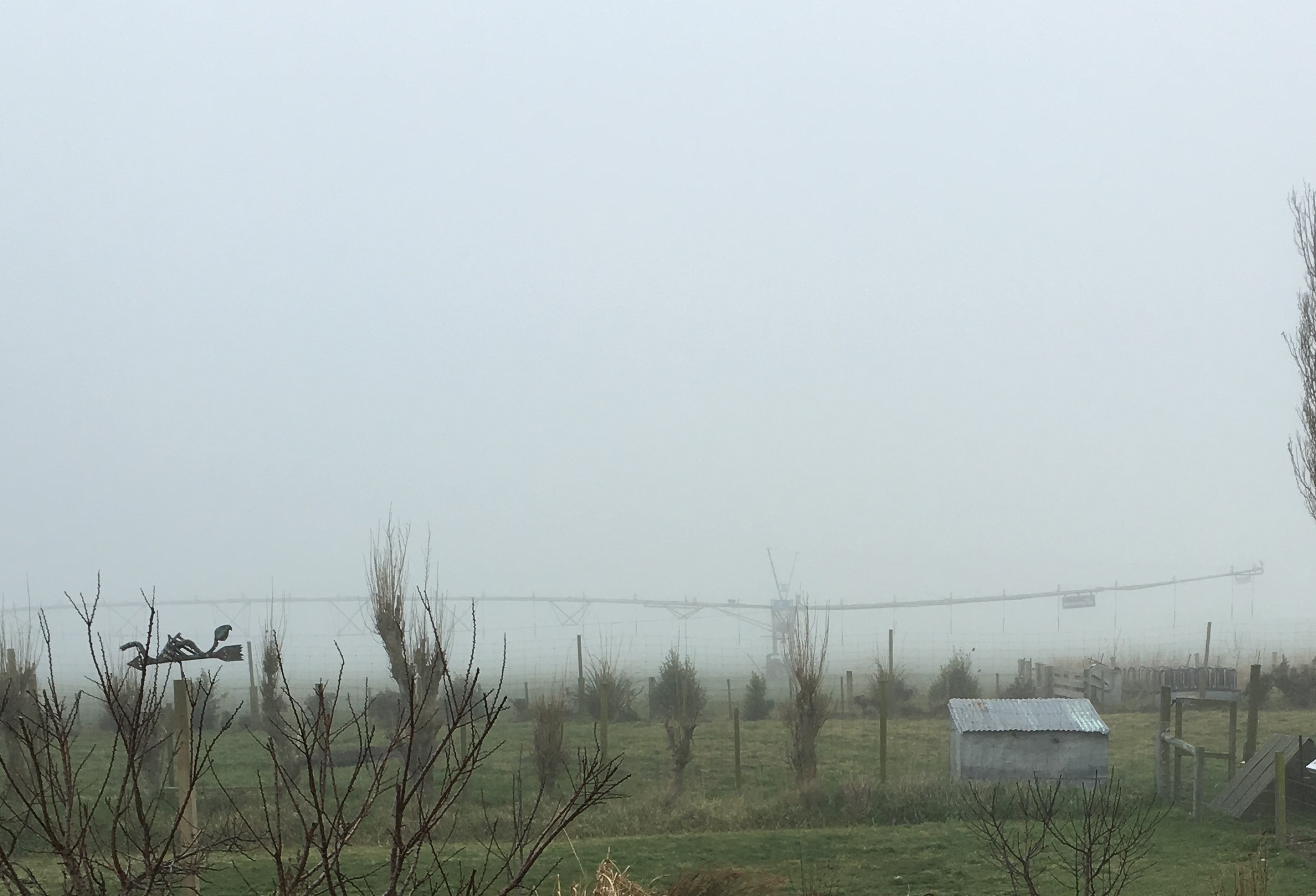
The view extended no farther than the neighbour's irrigator.

The view extended no farther than the neighbour’s irrigator.

“The fog came pouring in at every chink and keyhole, and was so dense without, that although the court was of the narrowest, the houses opposite were mere phantoms. To see the dingy cloud come drooping down, obscuring everything, one might have thought that Nature lived hard by, and was brewing on a large scale.”
–Charles Dickens, A Christmas Carol

This is one of my favourite quotes about fog. It’s actually quite a bit longer than this (Dickens certainly couldn’t dispense with such an atmosphere in just two sentences.)—I’ve just transcribed the second half of it here.

Today put me in mind of this quote. We were in the grip of a chilly sea fog most of the day. Heavy, wet and cold. I’m sure that a mere kilometre away, it was a warm and sunny day—that was the forecast, at least. But this close to the sea, our weather sometimes defies the land-based predictions.

I worked in hat and fingerless gloves most of the day, even indoors. When I went outdoors to care for the animals or get the mail, the trees dripped sullenly, and I came back in with my hair frosted with water droplets.

For about an hour—between 11 am and noon—the fog retreated. The sun shone warm on paddocks sparkling with water. I threw open the windows and took off my hat and gloves.

But soon the dull grey blanket came rolling back. I saw it coming, while the sun still shone, and closed the windows. And then we were plunged into the chill darkness again.

I would have liked the sun today—my laundry, hung on the line in the morning, ended up being thrown into the dryer in the afternoon, wetter than it had started. But there is something so delicious and…Dickens…about fog, that I can’t resist spending time out in it. There is mystery in fog. There is introspection and contemplation. Who knows, but the Hound of the Baskervilles could be out in that fog. Fog is literary. Fog is visceral, tangible like a sunny day can never be.

I do hope we see the sun tomorrow, but if it is fog, well, I’ll sharpen my pencil and keep an eye out for strange door knockers and large black dogs.