There’s No Place Like Home

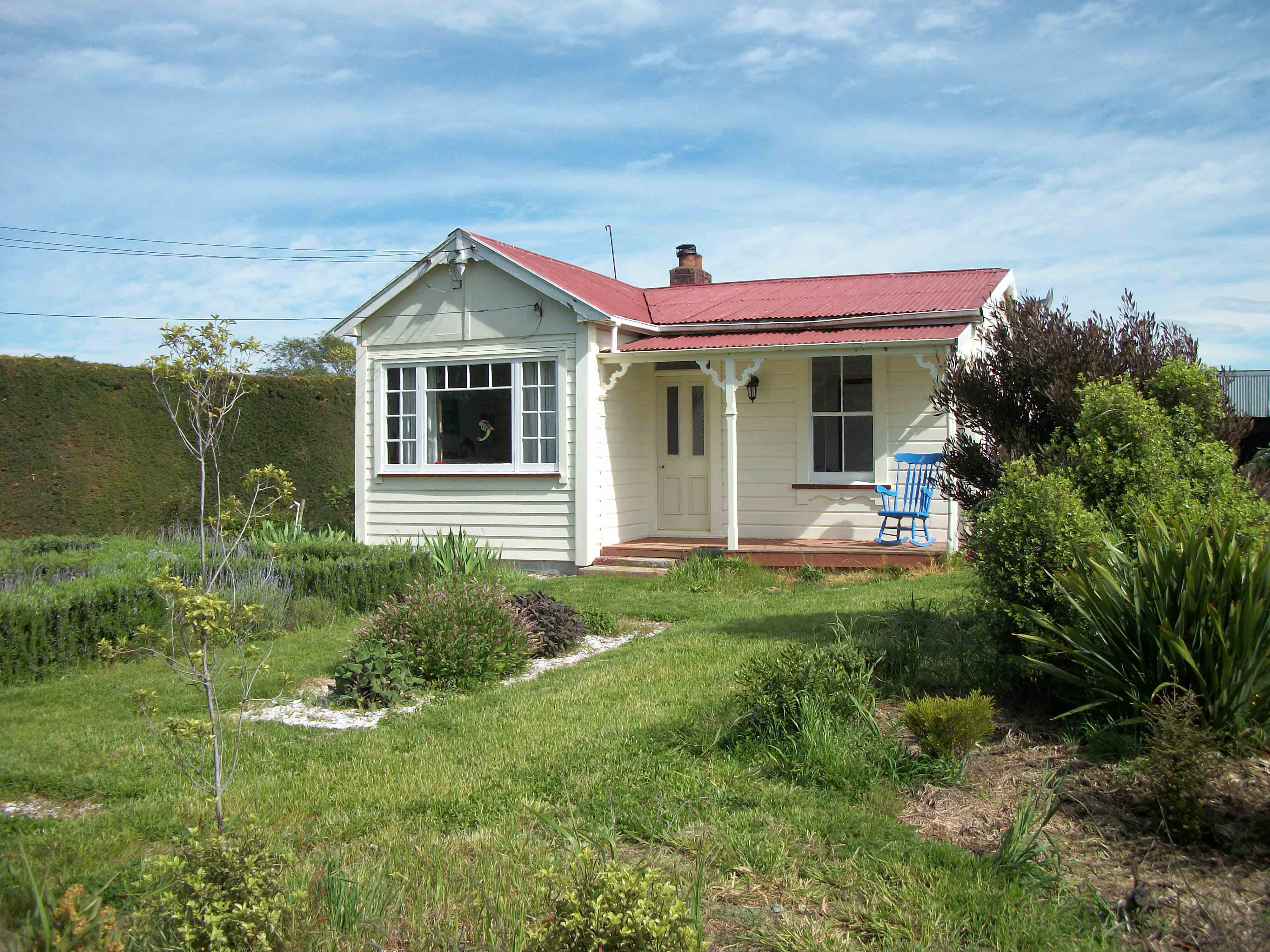
100_0785smThe best part of going away is coming back home.

The kids and I had a great time visiting friends and family in the US the past two weeks. We got a chance to do many things that aren’t possible here—picking wild blueberries; riding roller coasters; seeing deer, wolves and eagles; hearing whippoorwills pour their hearts out into the dark. We visited some of my favourite people in the whole world.

But as Dorothy so succinctly put it, there’s no place like home.

Returning home, the house feels small, the garden shabby. The car looks decrepit and filthy. Wind blows in through the windows and cracks in the floor.

But returning home, the wind also feels fresher. The fire is cosy. I know where everything belongs in the kitchen. The things around me are familiar and comforting.

At home I have responsibilities. Things to do. I am needed.

Though I didn’t feel uncomfortable away from home, now that I am back, I can feel the tension draining away. I feel like I am on vacation, moving through my daily chores with pleasure.

So, like Dorothy, I am glad to be home, regardless of how small and shabby that home might be.

There’s no place like home.

Throwback Thursday: Tramping the Abel Tasman

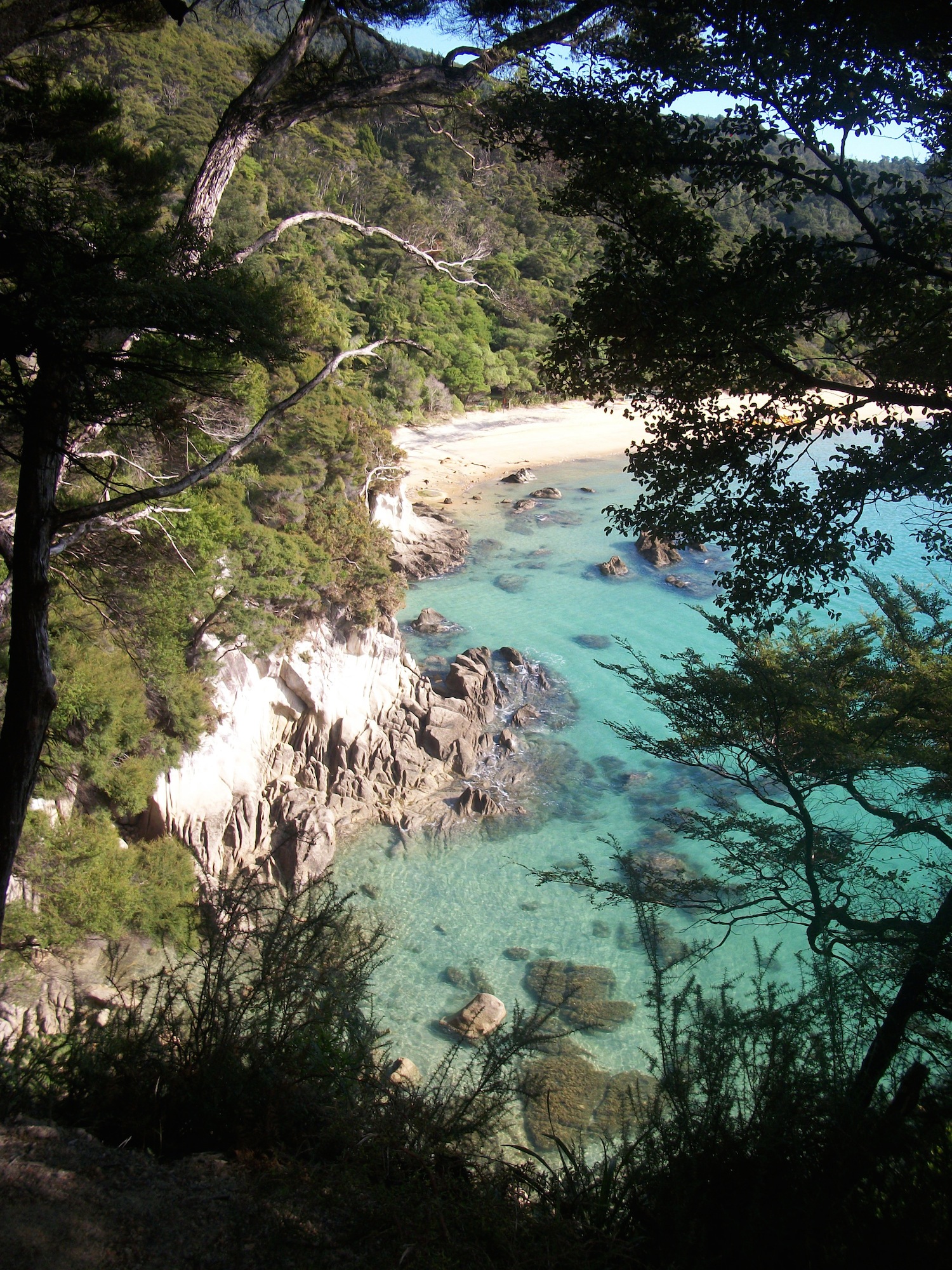
100_1198 smThe Abel Tasman was our first Great Walk as a family. It was also our first family tramp longer than two nights—the kids were still at the stage where they sometimes needed a prod to get to the top of a hill (or more accurately, the promise of chocolate at the top).

The Abel Tasman was the perfect trip—long enough to give the kids a ‘real’ adventure, and easy enough that they didn’t struggle with it. The distances between huts were short enough that the kids could spend hours playing on the beaches along the way and still get to the hut by mid-afternoon.

I’ve heard that the track is miserable in bad weather—all those exposed beaches can’t be fun in the wind and rain—but we were blessed with perfect sunny days. Though it was April, the weather was warm enough for lots of swimming along the way, and the whole experience felt more like a frolic than a tramp.

For me, the best part about the trip was gaining a greater appreciation for tides. The surges of water, so different from the normal waves, that fill the estuaries, bringing schools of fish and rays with them. The rippled and exposed mud flats of low tide. The twice-daily rhythm of inundation and exposure of the coast.

It wasn’t a wilderness experience—the huts were filled to capacity, and boats stopped at most of the beaches—but it was a beautiful chance to explore a rich and dynamic coastline.


Fungal Forest

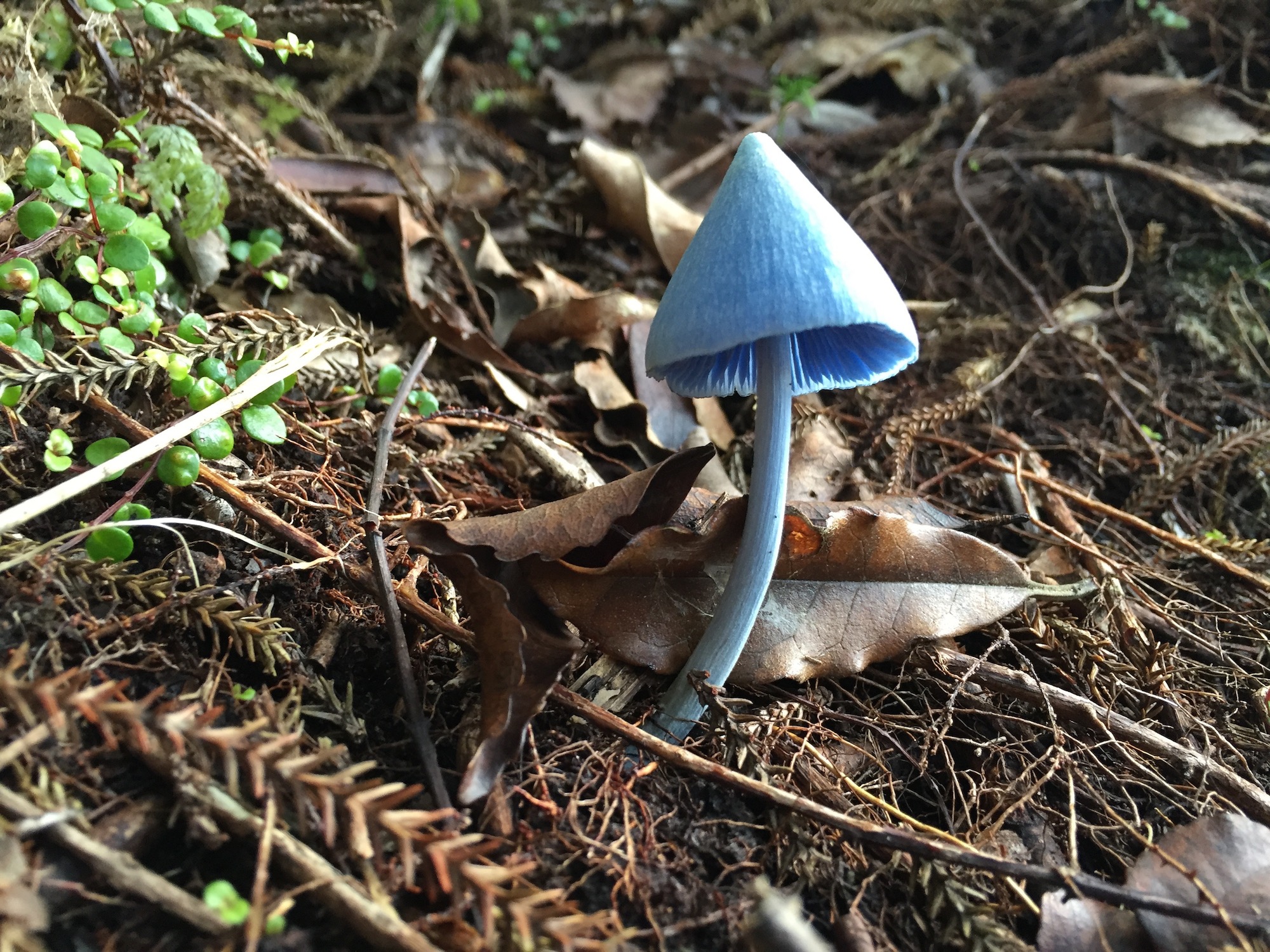
Entoloma hoschstetteri--the only fungus that appears on a nation's currency.

Entoloma hoschstetteri–the only fungus that appears on a nation’s currency.

Over the weekend, we went on a lovely hike from Okarito, through the bush up the hill behind the town, over to the next lagoon, and back via the beach.

The beach part was, naturally, lovely, with huge waves, trickling waterfalls down the cliffs, and a lazy seal who watched us pass.

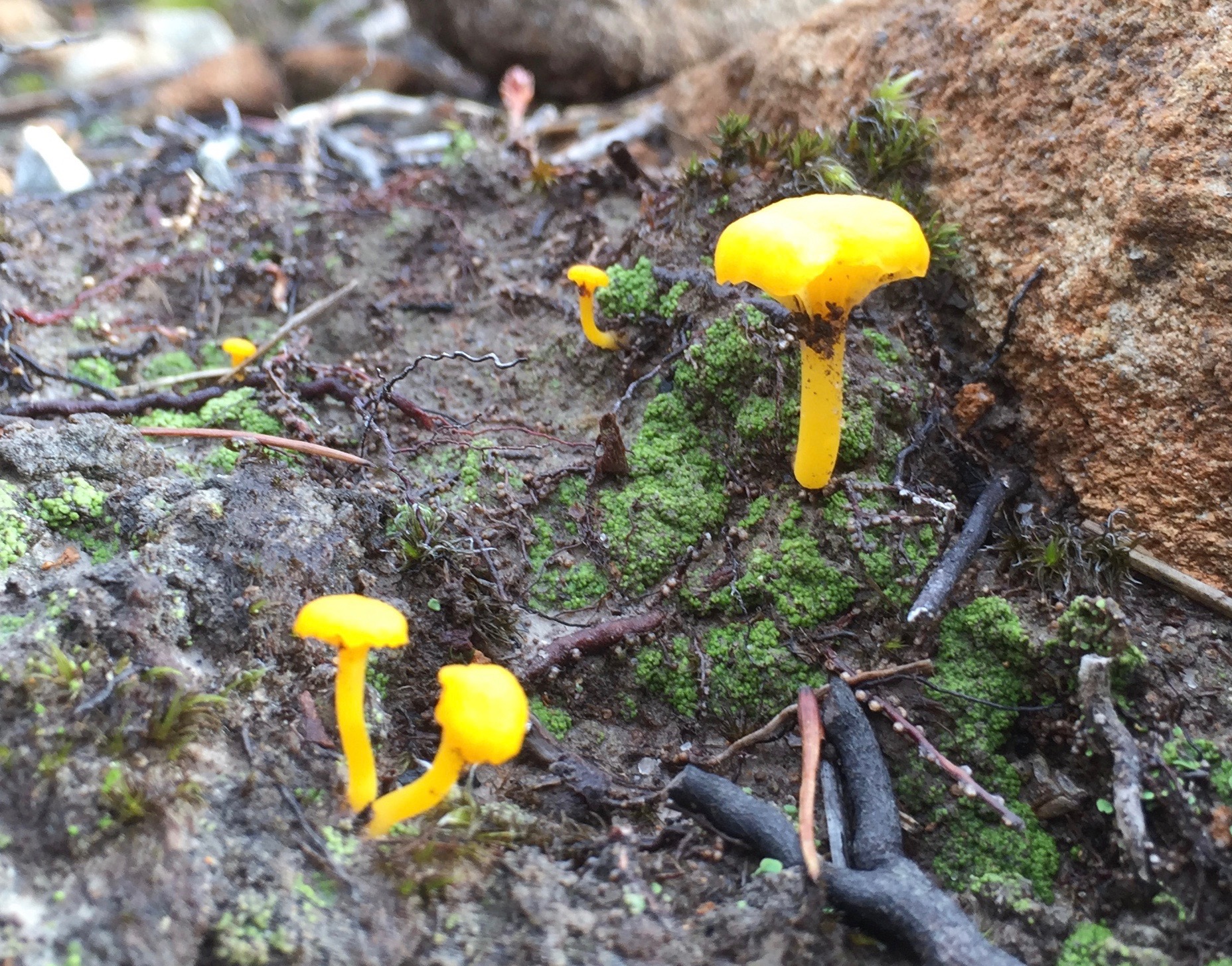
Hygrocybe spp.--known as waxcaps--the Crayola of the fungi

Hygrocybe sp.–known as waxcaps–the Crayola of the fungi

But the real beauty lay on the forest floor. The track was like a Disney storybook forest, with colourful mushrooms everywhere. It just needed a few gnomes or fairies to be complete.

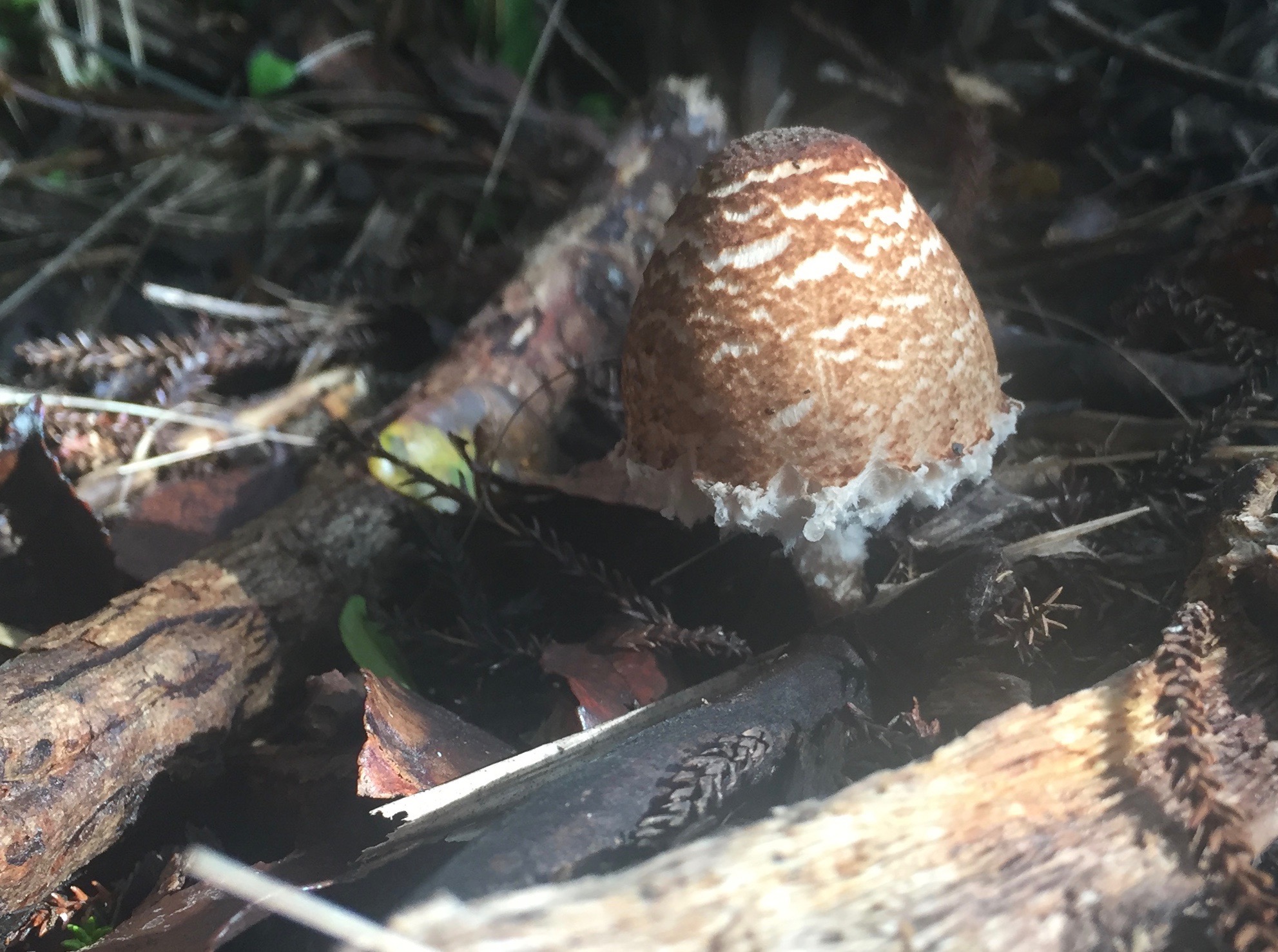
This unknown mushroom had a lovely lace petticoat.

This unknown mushroom had a lovely lace petticoat.

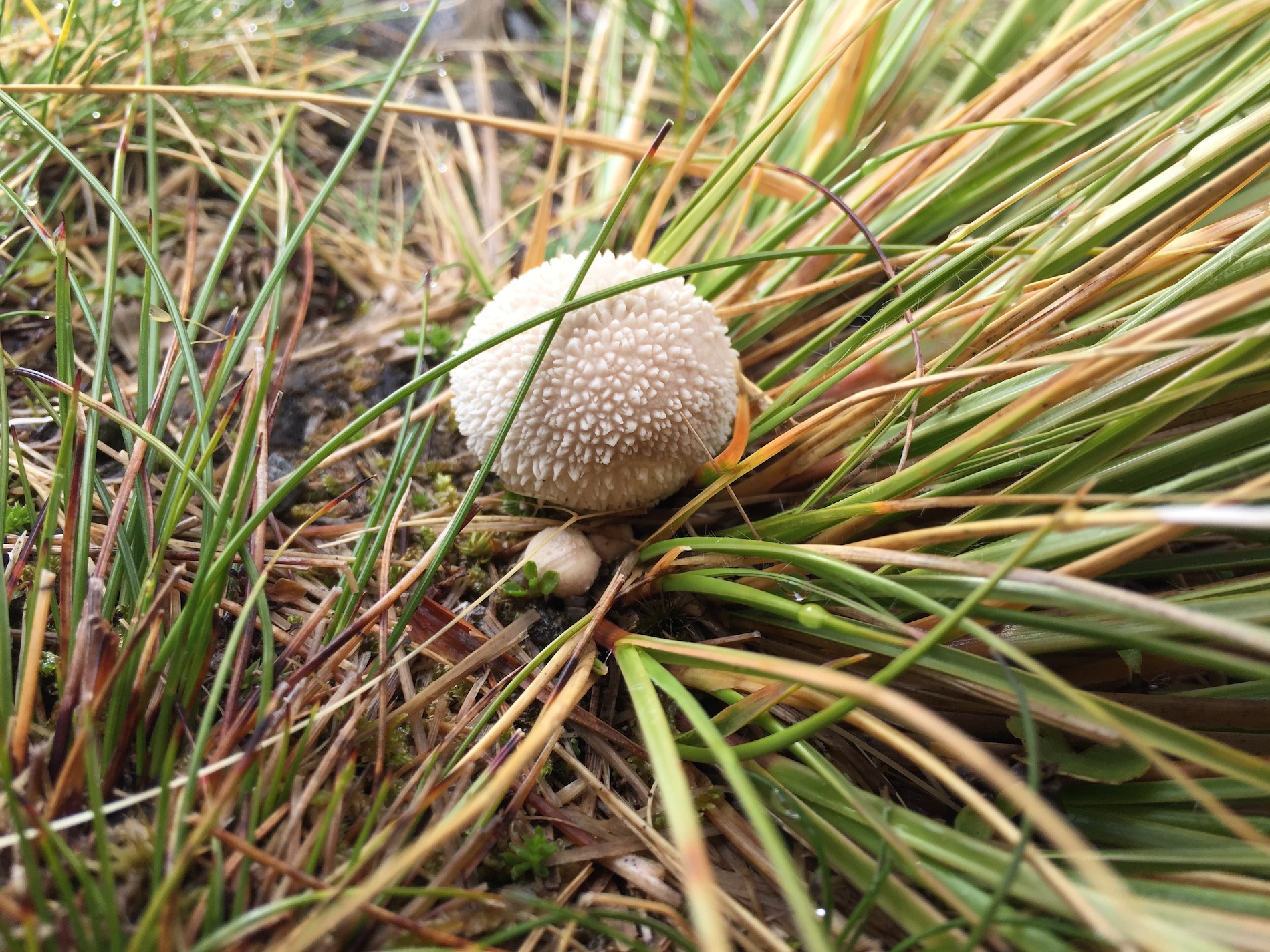
Lycoperdon spp--a puffball. The genus name means "wolf fart"

Lycoperdon sp.–a puffball. The genus name means “wolf fart”

Another member of the genus Hygrocybe

Another member of the genus Hygrocybe

Small Town Celebration

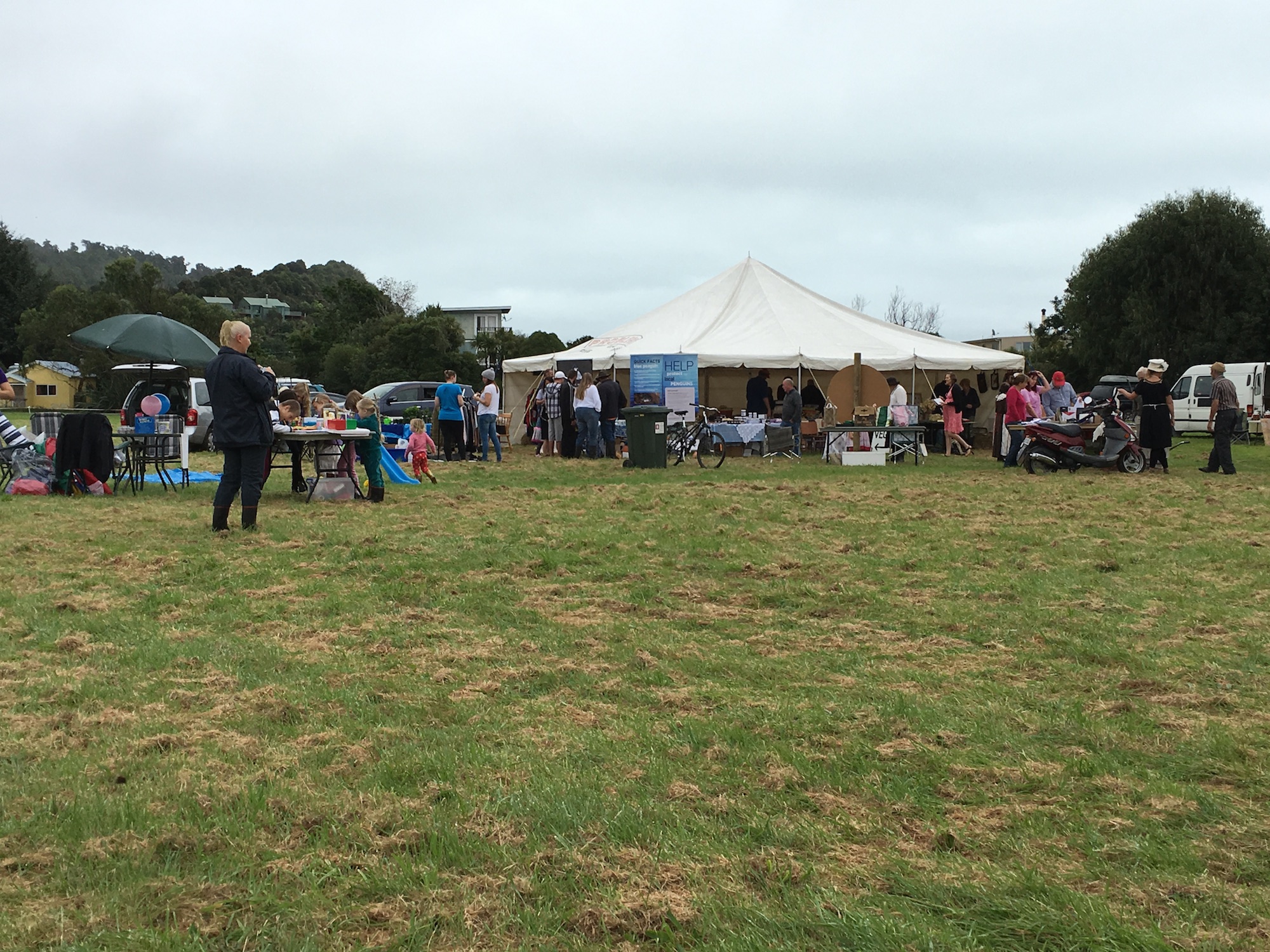
2016-03-26 10.31.51 smWe spent Friday and Saturday nights last week at the Okarito campground. As it happened, Saturday was Okarito’s 150th anniversary celebration. Okarito used to be a town of about 4000 people, back in the late 1800s when the West Coast gold fields were booming. The town sported a 25 hotels, 3 theatres, two banks, several general stores, and a public swimming pool, Today it has a year-round population of about 30. Most of what was once bustling streets has been reclaimed by the rainforest. There are no hotels (though many of the baches are rented as holiday homes), no banks, no pool, and the only remaining general store serves as a tiny museum and event venue seating 40. You can buy a coffee and insect repellent at the local kayak rental company.

Okarito is 30 minutes drive from the township of Franz Josef Glacier, and 3 hours from Hokitika. In the middle of nowhere, I was curious to see how many people would actually show up to the town’s 150th celebration.

It started off slow…

The festivities were scheduled to start at 9 am and run through to 10 pm on Saturday. At 9.00, there were a few people setting up in the marquis…

About 10.30, the bouncy castle was inflated, and half a dozen kids tumbled around on it. We bought a coffee from a food truck that had parked on the edge of the commons and some baked goods from some girls who had set up a table on the lawn. There was a woodworker, the local scout troupe, a few Department of Conservation staff, some locals selling second-hand goods, a knitter selling baby sweaters, a woman selling jam and goat cheese…And very few customers.

By the time the auction started, there might have been 50 visitors, most locals. A good proportion of the items up for auction were purchased by the auctioneer.

A couple of dozen people enjoyed the barbecue dinner.

When the band started playing at 7pm, there were maybe 30 people in attendance. But the music brought out a surprising number, and within half an hour, there was an audience of 125.

Most of that 125 knew one another. They were local farmers, residents, bach owners, regular visitors, and young people working the local tourism industry. Everyone knew each others’ dogs by name, and the dogs chased each other around the crowd like young cousins at the annual Labour Day get-together. It was a lovely atmosphere—more like a family reunion than a public event.

I don’t know whether the Community Association had hoped for a larger crowd, or if it exceeded their expectations. I don’t know if they made back the cost of the marquis rental. But I do know that those who were there smiled, laughed, and enjoyed the day.
Extra meals, extra time

Stop and smell the roses...or at least weed them.

Stop and smell the roses…or at least weed them.

My husband is away for two weeks. Before he left, we made sure there were meals ready-made in the freezer, so that my job as sole parent would be easier, particularly on those nights when extracurricular activities meant we didn’t get home until late. I also made sure that, over the weekend, I made extra burgers, so we had another quick meal in the fridge.

As I considered the meals available and our schedule for this week, I realised that I don’t need to cook at all this week.

Which, of course, begs the question, what do I do with that extra hour of my day?

The weather has been lovely, so I’ve been spending those pre-dinner hours outside—washing the car, weeding the flower beds, tidying downed branches in the yard…

It almost feels like cheating, and I have to remind myself that I did put in the hours to make the meals we’re eating this week—I just did it ahead of time.

Though I enjoy cooking, and have no problem spending an hour or more preparing our evening meal each day, the break is nice. The car and the yard are looking much nicer for it!

Travel survival

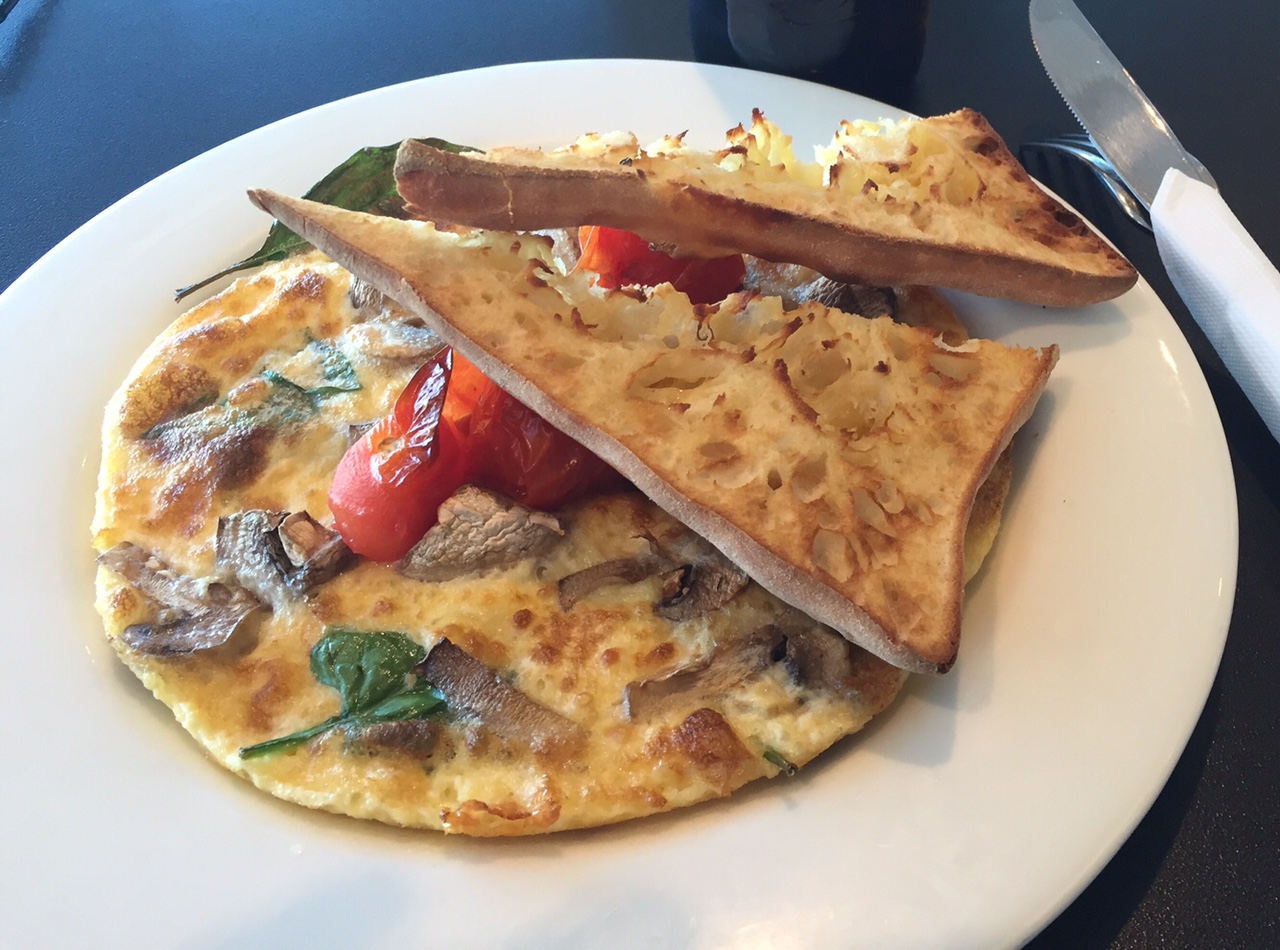
airportfoodMy husband recently travelled to the United States, a trip that usually takes about 30 hours. Unfortunately, flight delays meant that his journey took about 44 hours instead. That’s nearly two days of airport and airplane food. Ugh!

It got me thinking about the ways we manage to eat well on those long-haul trips. Here are a few tips from our own experience and others:

  1. Whether you are vegetarian or not, consider choosing the vegetarian option when booking your flight—it’s often a more flavourful meal, and because it is brought to you individually, it’s always hot. (or you can choose another of the special options if you prefer)
  2. Resist the ease of junk food snacks. A package of cookies or a candy bar might be easy and quick, but in the end it will just make you feel bad. If you have the time, find the shop selling fresh fruit and salads, or bring healthy snacks with you (but make sure you declare any leftover food or dispose of it as required when you arrive, if you’re headed overseas).
  3. If you’re stuck in the airport for a meal, don’t be tempted to buy cheap, premade sandwiches which are invariably old and nasty. It’s worth the time and expense to sit down for a meal at an airport restaurant. Not only is the freshly prepared food better, the more civilized atmosphere of the restaurant helps dispel airport fatigue.
  4. Judiciously employ alcohol. You certainly don’t want to drink a lot when you travel, but when you’re stuck waiting for a delayed flight, or your layover seems interminable, a beer or glass of wine can make the wait more pleasant. I also find that a glass of wine on a long-haul flight helps me sleep on the plane.
  5. Drink plenty of water. Airports and airplanes are dry environments. Keep well hydrated or you’ll wilt like a potted plant, and end up cranky and with a headache.
  6. Avoid the dependable mediocrity of chain restaurants, and enjoy the local cuisine, even in the airport.
  7. A small package of mints is a life saver when you need a little pick-me-up or can’t brush your teeth.

Fresh Eyes

Endangered dolphins? Nothing unusual to see...

Endangered dolphins? Nothing unusual to see…

Travelling around this week with friends from the U.S., I am seeing things with fresh eyes. The strange pronunciations, the shockingly changeable weather, the casual acceptance of road closures, spotting endangered species from the roadside…all those things I now just accept as normal. I’m reminded of how foreign they were to me once.

Coming from the land of restaurant chains, they were surprised by the abundance and quality of local cafés. Coming from a place of certainty, they remarked on the number of times I said, “This has changed completely since I was last here.” Coming from a land of freezing winters, they marvelled at fresh vegetables from the garden at the winter solstice.

It has highlighted for me just how much I have ‘gone native’. How much I have accepted, adapted to, and embraced this place. It has become me, and I have become it. There are many times when I still feel foreign, even after ten years here, but having visitors here helps me realise just how much I have come to belong.

Westland

100_3393 smI’ve been on the West Coast with friends this weekend. The South Island’s west coast always reminds me of Panama. Though one is a temperate zone in a modern, developed country and the other is a tropical, developing country, there are striking similarities in the landscape.

Both are landscapes in which agriculture struggles to hold its own against encroaching rainforest (or the other way around, depending on your point of view).

Giant trees in the middle of paddocks clearly grew up in the middle of the forest and were left for stock shelter. Stumps dotting the farmland attest to the recent clearing of the forest. Drainage ditches rush with water, and the lush vegetation defies a climate harsh in its abundance.

Towns and villages cling precariously to the wet slopes. Lichens and moss encrust rotting weatherboards. Sheds are engulfed by vines. Human sounds are drowned out by a cacophony of raucous birds. Nature dominates the human world. One good storm, one bad decision, and nature will reclaim what people have temporarily usurped.

Of course, this is where the similarities end. Panama’s sweltering heat, its humped Brahman cattle, and volcanic clay soils are nothing like the West Coast, where glaciers reach the rainforest, and black and white Holstein-Friesians graze the paddocks.

I love visiting the West Coast, with its unkempt abundance. It is a sparsely populated frontier, where only the hardiest survive. Lush and lovely and harsh.

Travelling

100_3358 copyA couple of friends are visiting from the U.S. this week. Poor ladies, coming from summer to record cold weather here!

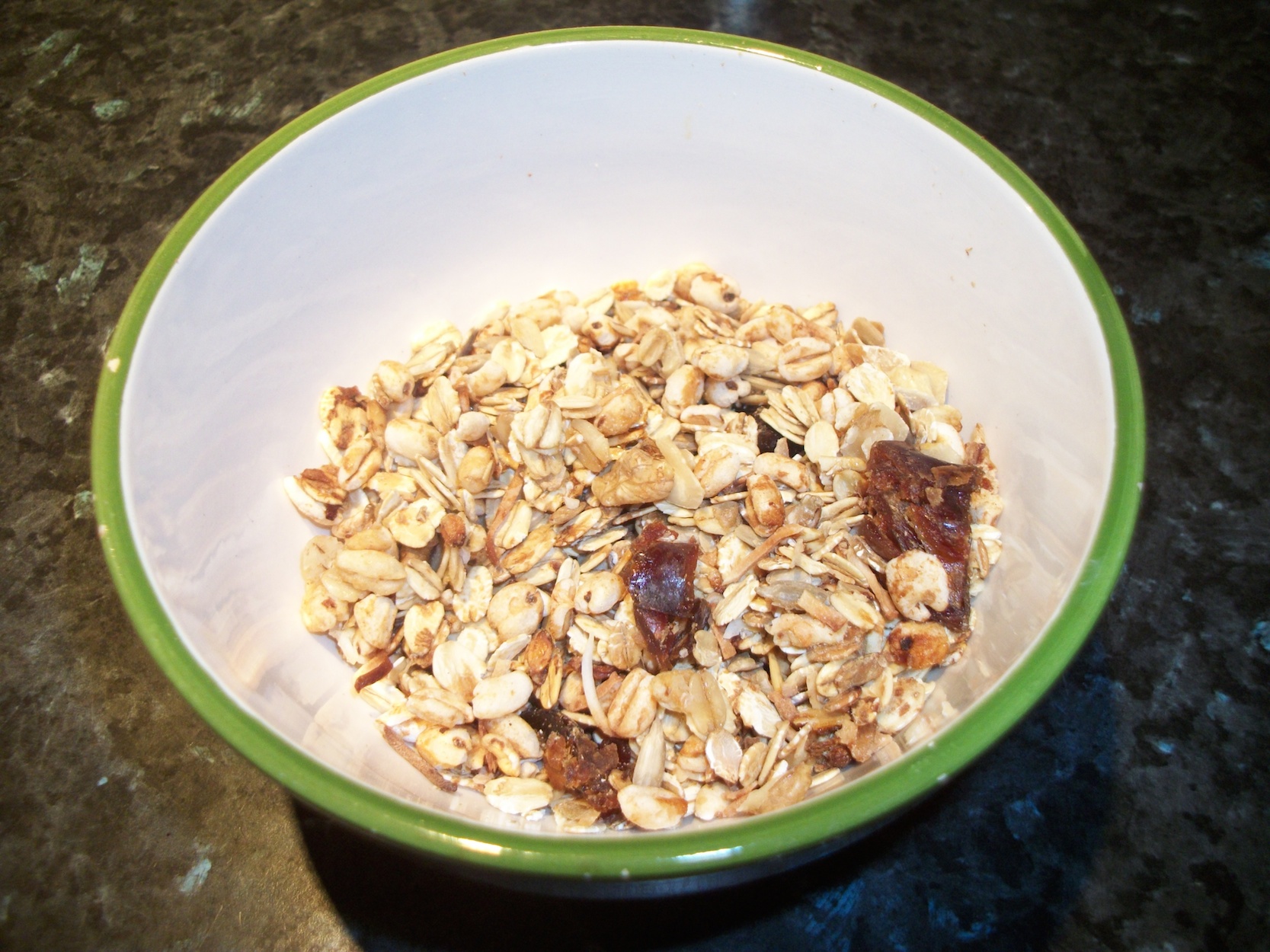
We’ve done our fair share of travelling, so one of the things I asked them was, “What do you normally eat for breakfast?” Breakfast is such a fundamental meal. It sets up your whole day, and when you don’t get the breakfast your body wants, it can throw off everything. When I travel within New Zealand, I always bring my breakfasts with me. If I can have my usual bowl of homemade granola in the morning (and have it at 5.30 am, like I’m used to), I can handle any amount of lousy, erratic meals the rest of the day. When visitors come, I try to provide them a breakfast as close as possible to what they’re used to, so they can enjoy more fully the wonders of New Zealand.

Try it next time you travel. Take breakfast with you and see how the right start perks up your whole vacation!

Brought to you by the letter P and the colour Purple

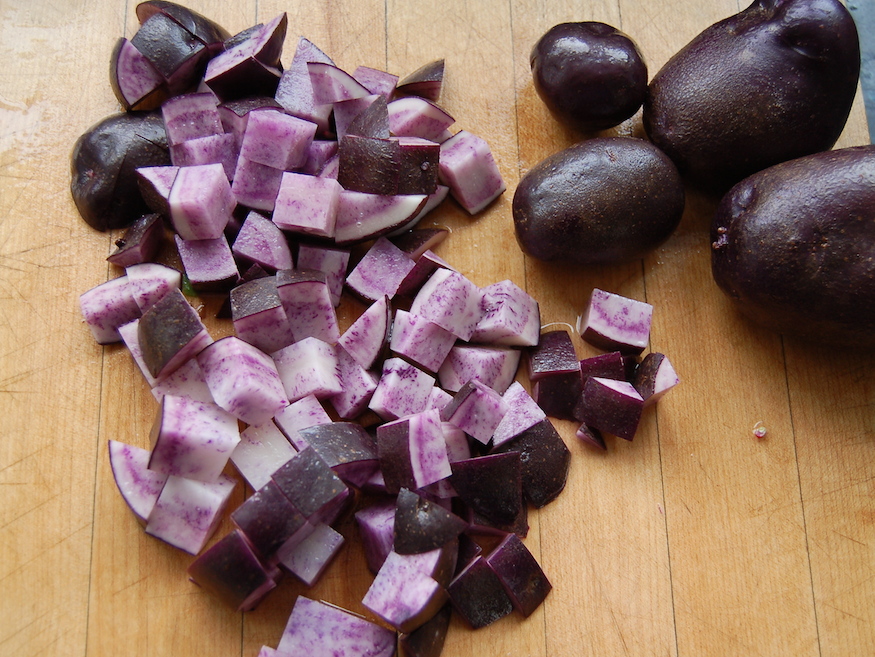
DSC_0004 copyPotatoes are one of my favourite foods. They go with just about everything. They can be baked, fried, boiled, steamed, and grilled. They can become a cool potato salad for a hot summer day, or a thick steaming soup for a cold winter night.

When we visited Bolivia and Peru years ago, I got to see and taste a wide range of potatoes I’d never experienced before. One of my most vivid memories is sitting in a boat travelling across lake Titicaca watching a group of local men pull out their lunches—handfuls of small, colourful potatoes that they ate like apples. Most of those potato varieties never make it out of South America, and our cuisine is poorer for it.

Roast veggies3sm

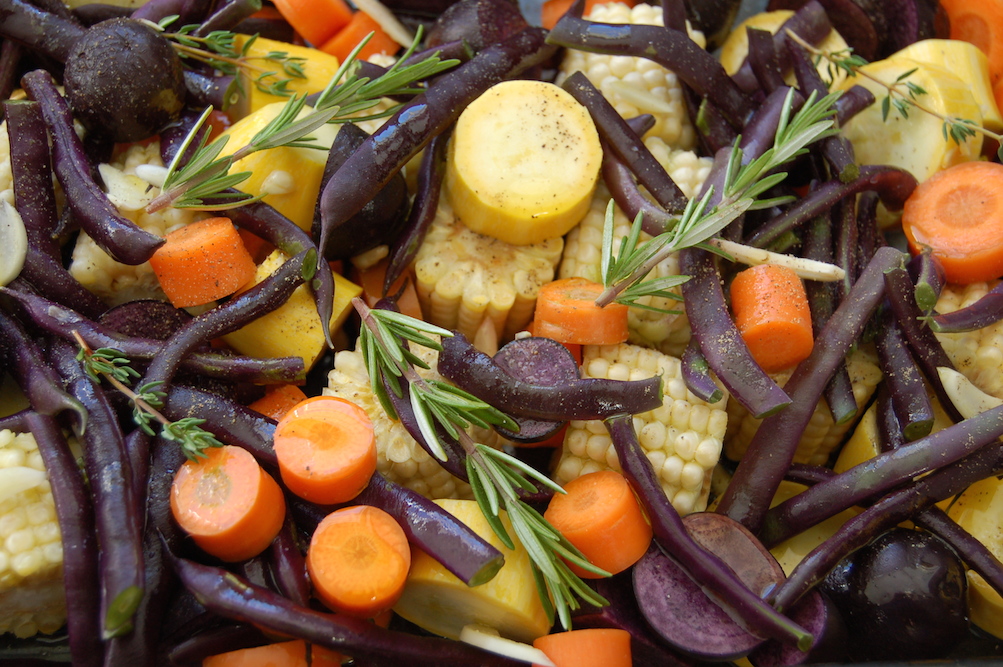
Purple potatoes (and purple beans, too) add a lovely colour contrast to other vegetables.

Supermarket potatoes are a rather uniform lot, but a greater variety can be had in seed potatoes. My all time favourite potato is Purple Heart. Even if it weren’t delicious (which it is), its purple colour would win me over. The colour remains during cooking, and adds a splash of whimsy to a plate. Purple mashed potatoes, anyone?