The Grumbling Gardener

Like every serious gardener I know, I complain a lot.

The weather’s too hot and dry. It’s too cold and wet.

The winter was too cold. The winter was too mild.

The frost came too early, it came too late.

Aphids have killed this, a fungus has stunted that.

Poor germination, poor pollination, nitrogen deficiency, weed growth, pest birds … I can always find something about the garden that’s not right. Because there is so much that’s out of my control, it can’t possibly all go right.

And like all good gardeners, I hedge my bets.

Sixteen varieties of tomato, nine types of beans, six varieties of pumpkin, four different kinds of broccoli, and three different eggplants is betting on at least one or more of those varieties not surviving, not producing anything. Twelve zucchini plants, twenty-one peppers, and fifty-nine tomato plants is betting that some will die, fruits will be eaten by the birds, and many will underproduce for one reason or another.

So today, after grumbling about dry soil, nutrient-deprived plants and destructive blackbirds, I returned from the garden with more than we could eat, as I did yesterday and the day before, and the day before that. I’m awash in garden largess, in spite of the birds, the aphids, the weather.

I’ve largely ignored rising food costs and the current egg shortage crisis. I don’t worry about what we’ll eat the next time we contract Covid and have to isolate. I plan my main picking for weekdays, when excess can be given away at work. I bottle, dry and freeze as much as I can, squirreling away the extra for the winter (hedging my bets that the winter crops won’t germinate, will be eaten by birds, will be flooded out …).

It is the precarious wealth of the garden, and January is the time when my grumbling is often silenced by the next mouthful of delicious vegetables. I can occasionally walk through the garden in January and be overwhelmed by the abundance.

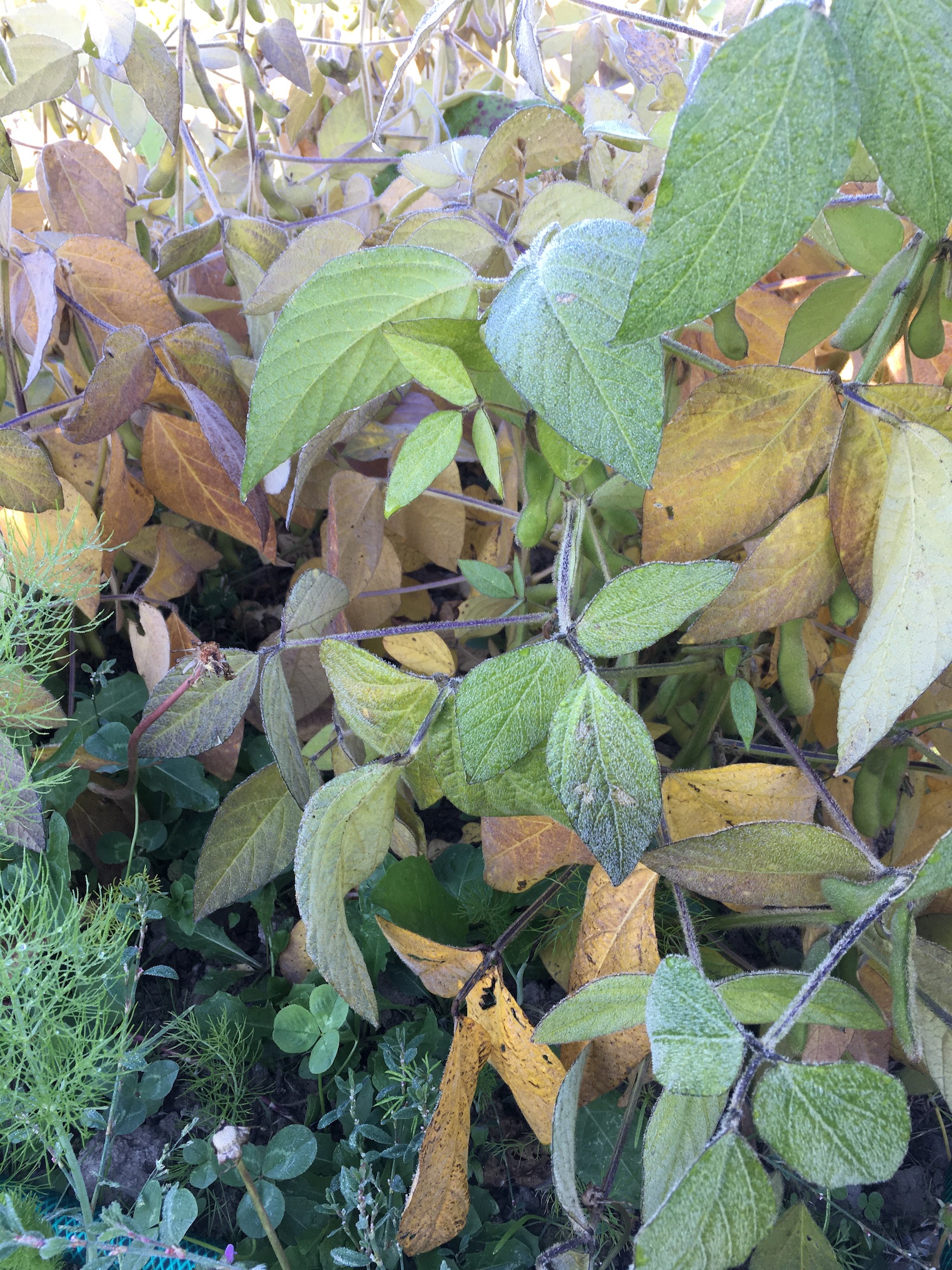
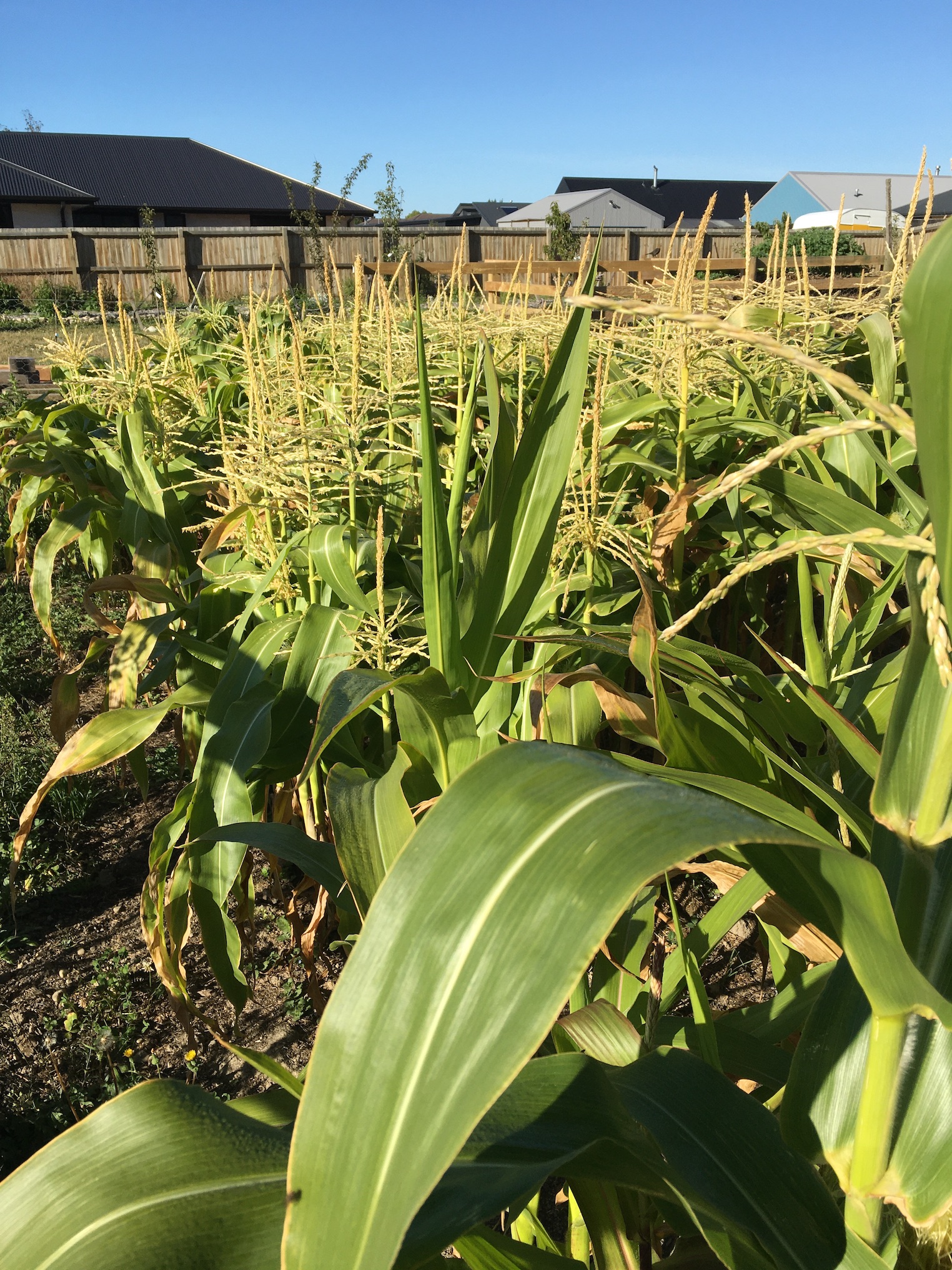
Of course, once I get over that, I’m back to my grumbling. I mean, just look at this photo—the yellowed corn, the stunted pumpkins, the prematurely senescing potatoes …

Black Currant Icing

bowl of black currant icing

I made chocolate cupcakes yesterday and wanted to make use of some of the last of the fresh back currants in them. Instead of tossing a handful of black currants into the batter (which would have been lovely), I used the fruit to make a black currant icing—tart, sweet, and shockingly pink! 

You could do this with frozen currants, too, and it’s not difficult. The result is worth the bit of extra work.

100 g softened butter
3/4 cup fresh black currants
1 cup icing sugar

Place the black currants in a sauce pan and cook until soft—3-5 minutes. Press them through a sieve to remove seeds and skins. Set the puree aside to cool to room temperature.

Beat the butter until fluffy. Add 3 tablespoons of the black currant puree and beat until uniformly mixed. Sift the sugar over the butter mixture and beat until smooth. Adjust by adding more sugar or puree until the icing is spreading consistency.

Salad Trifecta

Holiday cooking is always special. And with the holidays falling during the summer here, it’s easy to create stunning meals without a trip to the grocery store.

For Christmas Day, I made homemade linguini, and my husband topped it with a delicious selection of garden vegetables—a fabulous, festive meal.

But Boxing Day’s dinner sort of blew Christmas Day out of the water.

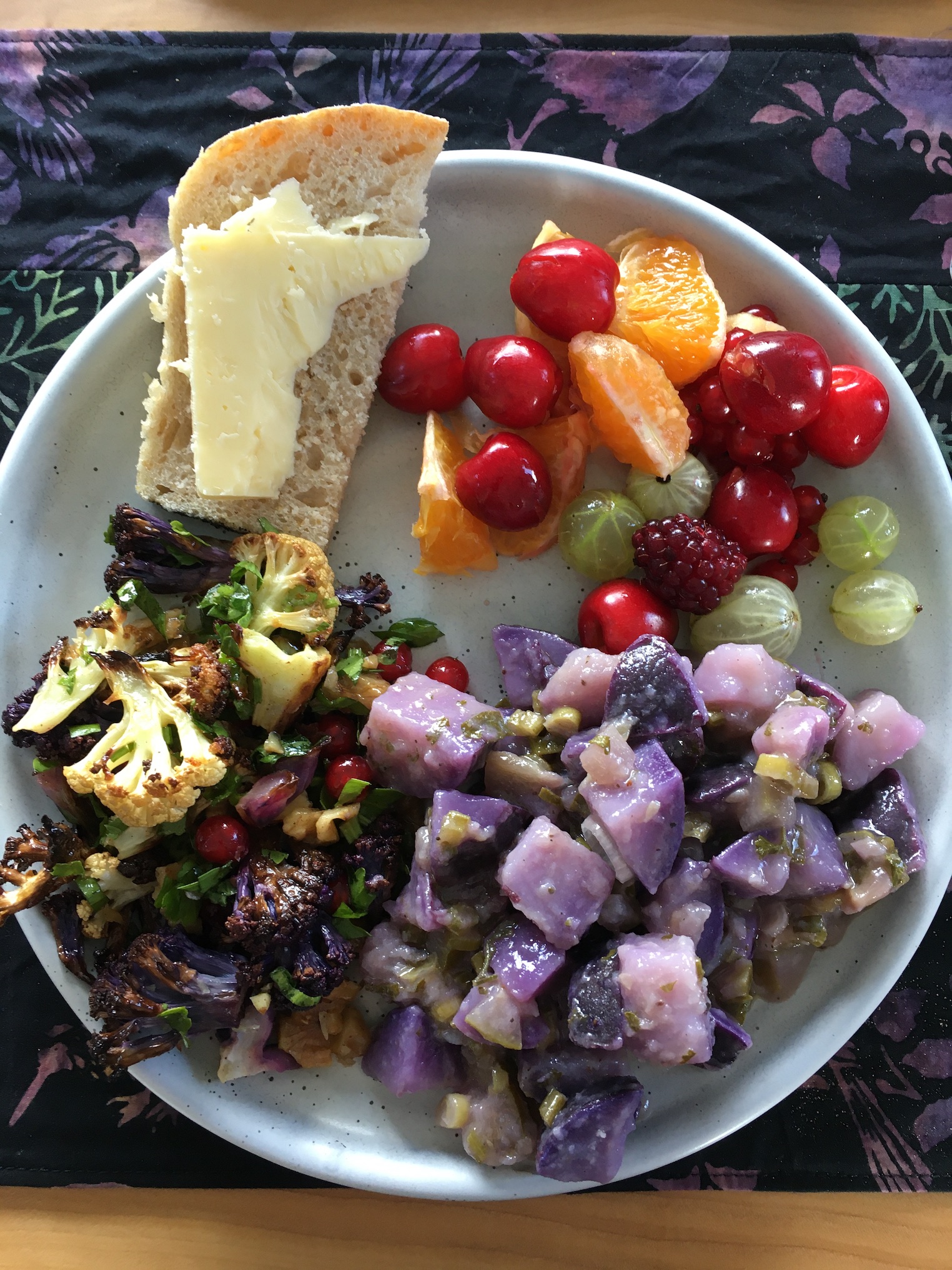
It was a simple meal. Just three salads.

A potato salad made with purple potatoes, sparked up with celery, spring onion, parsley, and homemade pickles.

An Ottolenghi-inspired roasted cauliflower salad made with purple and white cauliflower and toasted walnuts. A dressing of vinegar, oil, maple syrup, cinnamon and allspice added complexity to the flavours, and fresh red currants added crunch and zing.

A fruit salad made with the many fruits gushing from the garden these days.

The overall effect was a riot of colour and flavour. Best of all, nearly everything came from the garden. Holiday meals don’t get much better than that.

The Holiday Season Down Under

blackcurrant bushes

It’s been too long since my last post. I have illness to thank again. And simple early summer busyness. The strawberries, gooseberries, raspberries, black currants and red currants are all coming in now, and I’m wondering how on Earth I’m going to pick and process them all!

The big garden excitement here at the moment is the new greenhouse that my husband and I gave to each other for Christmas. Yes, we know it was a rather early Christmas gift, but by the time we get the thing set up and ready to go, it’ll be Christmas Day. I’m looking forward to having more garden space under cover for some tender perennial crops and better winter growing.

I’m off to pick berries now and consider what different jams I’m going to be making this weekend! I’ll leave you with a little bit of Christmas doggerel (because I can’t help myself–bad holiday poetry just spills out of my brain at this time of year).

Down here where kiwi birds roam
Santa trades snowy rooftops for foam
Of the incoming tide
As the reindeer all ride
A Sea-Doo till it’s time to go home.

Down here while the barbies heat up
Santa sips pinos gris from a cup.
With sand in his shorts
He’ll play summertime sports
Till the elves tell him it’s time to sup.

Down here where pavlova is king
Santa enjoys his annual fling
Wiggling tired bare feet
In the summertime heat
While we wait for the gifts that he’ll bring.

The base of the new greenhouse. Raised beds to lift plants above winter flooding and provide decent soil for growing. Hopefully we’ll get the top put together this weekend.

Autumn Stocktake

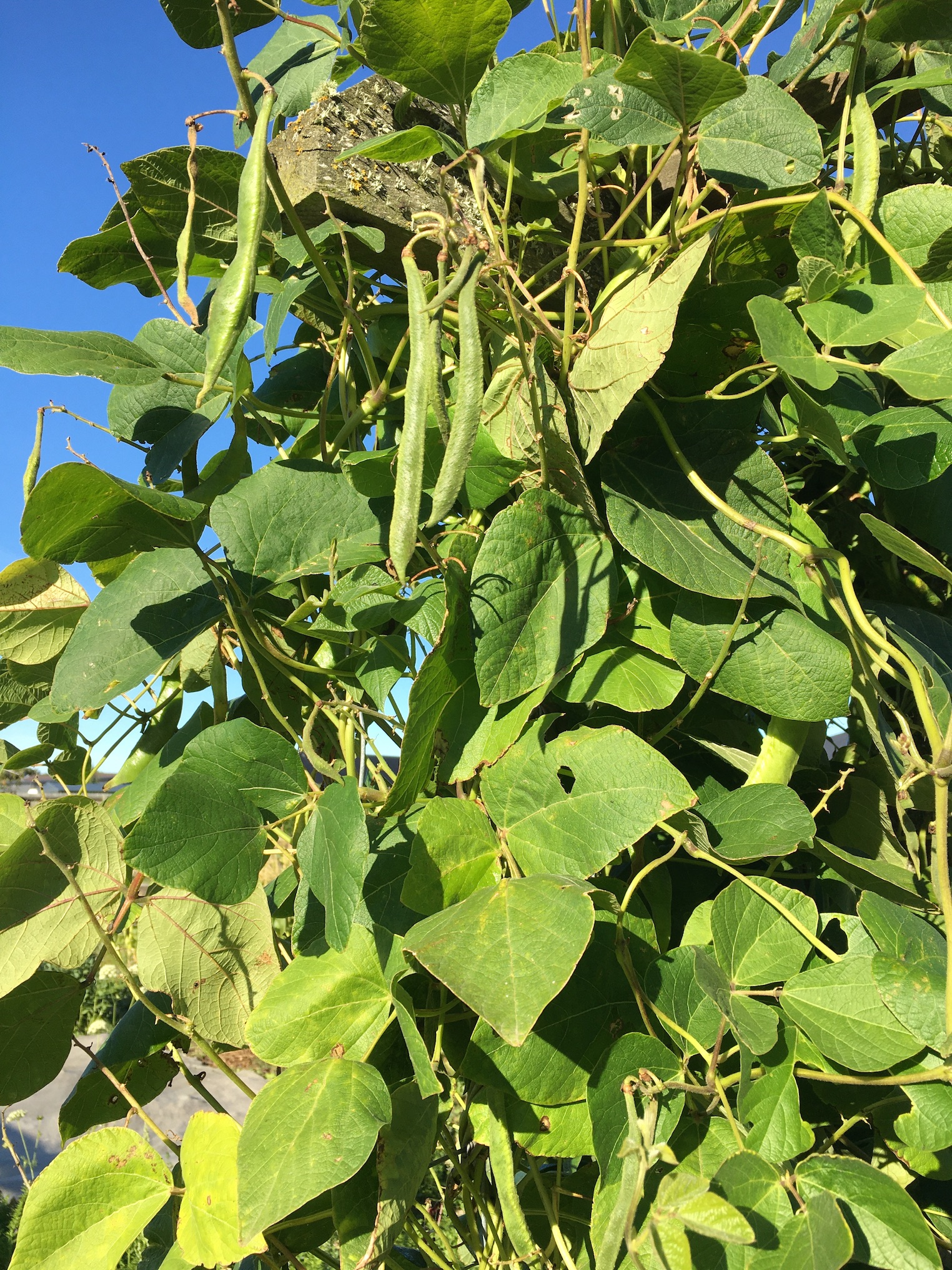
Green beans were one of the winners this past summer.

We haven’t had a frost yet, and there are still lots of carrots to harvest, and a few tomatoes and peppers in the tunnel houses, but the summer garden is done, for all practical purposes. Next weekend, I’ll let the chickens loose among the weeds to enjoy the summer’s buildup of insect pests. 

Now’s the time for taking stock of the summer’s endeavours. 

What went well?

More than I expected to! I was thrilled with the glass gem corn—the plants were gorgeous and tall, and the yield was spectacular. I won’t know for several months whether the corn pops well, but so far it looks like a winner. 

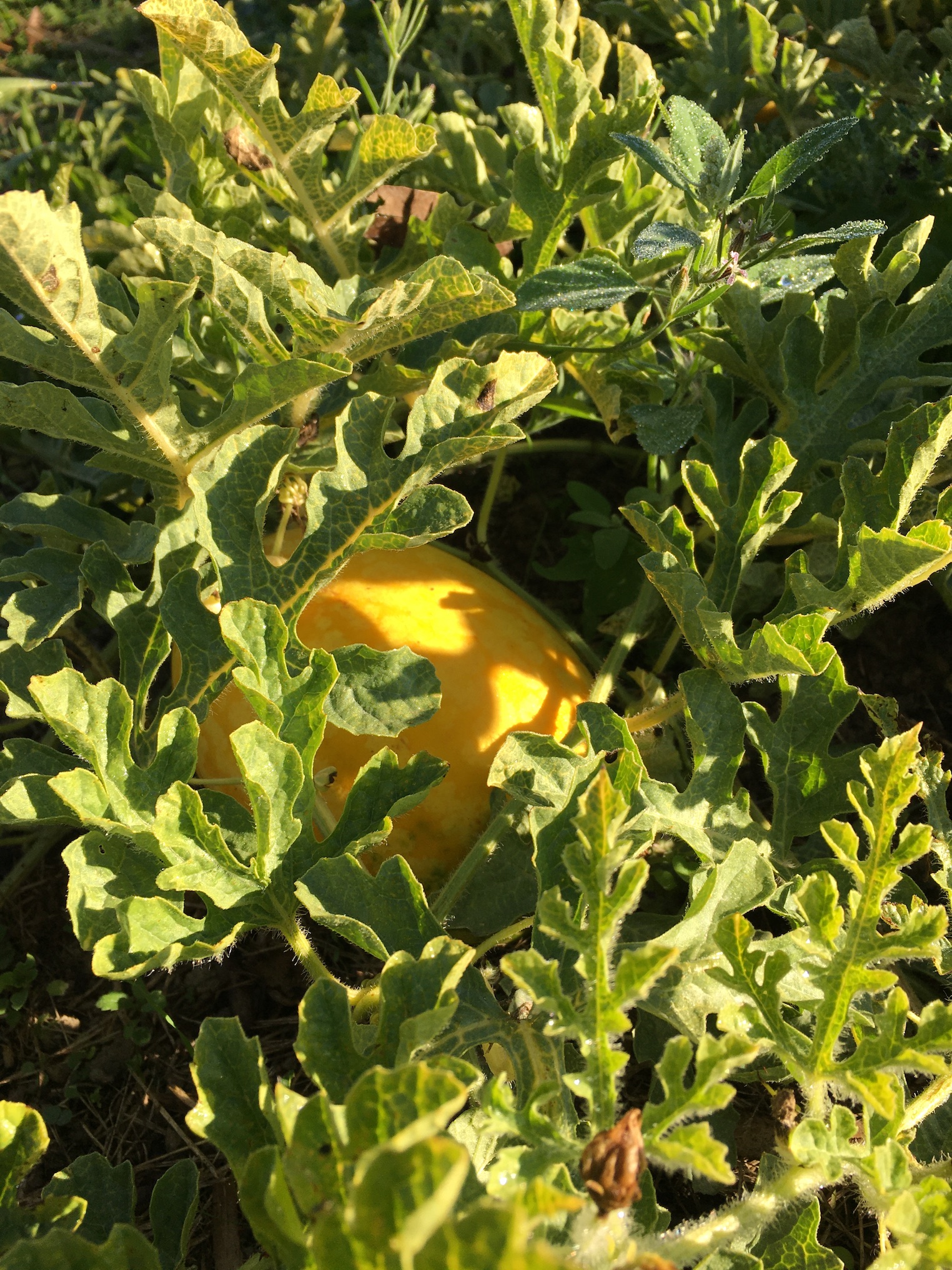
I was also pleased with my watermelons. they got off to a slow start, but once they took off, they really took off. And my patience paid off—every melon I picked was ripe and delicious. It was fun to have both red and yellow varieties this year, and both provided lots of small and yummy fruits.

Once again, my carrots have done spectacularly well. The reason there are still lots to harvest is because the fridge and freezer are both crammed with carrots, and I have nowhere to go with the rest. After last year’s carrot success, I thought it could be a fluke—I had the occasional good carrot year at the old house, too—but two years in a row makes me think I can probably plant half as many carrots next summer, leaving more space for something else! I’m already scheming …

The pumpkins were another winner—I picked 54, which is way more than we can possibly eat (though we’re doing our best—yum!).

What didn’t go well?

The sweet corn was disappointing, but I’m not surprised by that—it was in one of the beds that didn’t get manure last winter, so it was pretty nutrient stressed. We had plenty to eat and some to freeze, but I would have liked to have more for the freezer. Next summer, I’ll be sure to give it a well-fertilised bed. 

Tomatoes were also disappointing—they were clearly nutrient stressed too, in spite of being in manured beds. Add to that the fact the birds managed to eat more of the fruit than we did, and the harvest was less than hoped. I’m considering fewer plants next year, but netted. And, of course, more manure!

The basil was also strangely disappointing—in spite of a nice wet summer, it bolted early and remained fairly small. I blame lack of nutrients.

Peppers and eggplants struggled this year, too. I blame the overhead sprayers I switched to this year after my drip irrigation finally gave up after 17 years. Combined with wet weather, I think the sprayers provided too much moisture to the leaves and too little to the roots—plants were small, and the fruit tended to rot before ripening. I’ll be making a new drip irrigation system for them next year. 

Though the watermelons thrived, the rock melons were pathetic. They set almost no fruit, and most of those set rotted before ripening (or at least before I noticed them, because they were small). 

The jalapeños were beautiful—big fruits and plenty of them—but had absolutely no heat. I still don’t understand why some years they do this. Fortunately, the serranos I planted were nice and hot, but they struggled to ripen before the end of summer—I’ve been picking them as soon as they begin to blush red, rather than waiting for them to turn fully.

Overall, I was quite pleased with this summer’s garden. By all objective measures, it was pretty pathetic, but given the point I started at just two years ago, it’s improved dramatically. I just need to keep pumping in the organic material—manure, compost, pea straw. I’m thrilled with how much good it’s done already.

Late Summer Garden

March first is considered the start of autumn here in New Zealand. As far as the garden is concerned, it’s still late summer. It’s been a cool, wet February, which has delayed crops like tomatoes, peppers, and eggplants. The extra moisture has meant bigger watermelons, though they’re ripening slowly. Sweet corn is coming on, and we’ve had some lovely meals of it, along with the first of the melons. I’ve harvested the potatoes, dry beans, and most of the soy. The pumpkins are looking gorgeous, and I’m sure we’ll have more than we can eat this winter. 

Overall, I’ve been pleasantly surprised with the garden this year. Plants are showing nutrient deficiency, for sure, but they’ve done remarkably well, considering where I started two years ago. It’s clear my applications of manure and compost are having a positive effect. And it’s just as clear it will take quite a few years to build this soil up to full productivity. 

I thought I’d treat you to a selection of images from around the garden on a beautiful crisp early autumn day. It may not be as productive as I’d like, but it’s still glorious.

The Gift of Rain

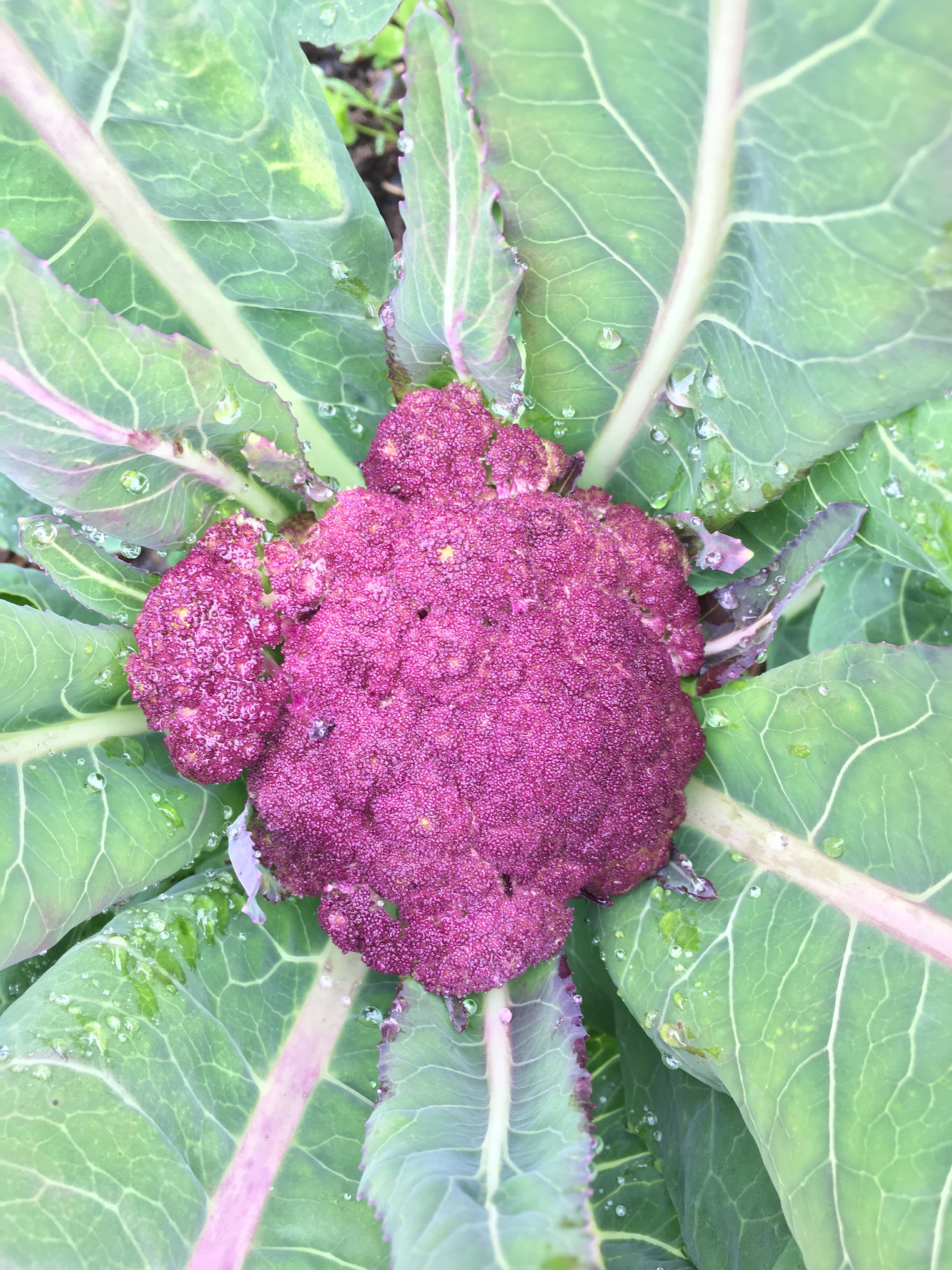
purple cauliflower
Purple cauliflower enjoying the rain

It’s unusual to have three days of rain in December. Usually, I’m desperately trying to keep the garden watered while the vegetables are in their early summer growth phase. Usually, I’m doing a pre-Christmas weeding of vegetables and perennials that will carry me into January with minimal weeds.

Not this year. It has been raining steadily for three days, after a week or so of showery weather. Every inch of the garden is thick with weeds, and continued rain means I’m not out there pulling them as they grow in size by the hour. I’ve braved the rain to pick vegetables for dinner and berries, which are rotting in the wet weather, but otherwise I’ve stayed indoors for three days.

I’m restless to get outside.

But I’m also thrilled with the excuse not to. Usually in December, I don’t manage to do much beyond garden work. So three days to make Christmas gifts, write, and get some nagging indoor chores done has been a gift.

It’s also been a gift to the garden. Much as I try, I can’t duplicate in watering the effect of a good rainstorm. The vegetables are growing as quickly as the weeds. Broccoli, cauliflower and cabbage  are all ready to eat. The pumpkin and zucchini plants seem to double in size every few hours. The beans have completely filled in their beds, beating out the weeds entirely. And the peas and lettuce have gotten a new lease on life, and will likely last a few more weeks than they would have otherwise.

So while I’d still rather be out in the garden, both me and the garden are taking full advantage of the gift we’ve been given.

cat at a window
The cat is a master of rainy day activity.

Fruits of the Season

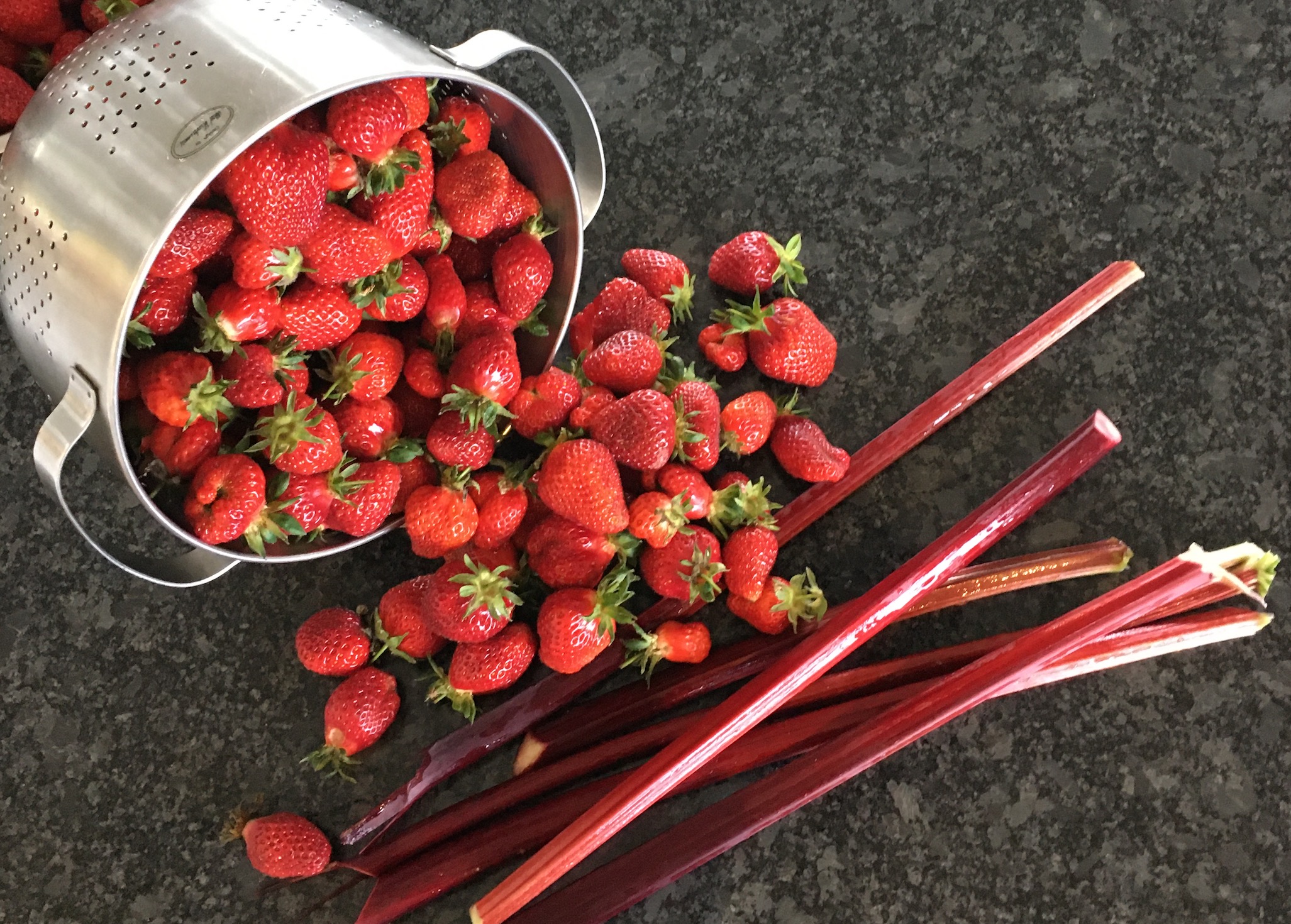
strawberries and rhubarb

I made strawberry rhubarb jam last weekend, marking the beginning of the Christmas season. Currants, raspberries, blackberries, boysenberries, gooseberries, and blueberries are also beginning to colour up.

The peas are filling out so fast it’s hard to keep up with them, and every broccoli plant is sporting a ready-to-eat flower head. Carrots and onions are just hitting picking size, adding crunch and colour to meals.

The cabbages are bulking up, promising to be ready for sauerkraut making on Christmas eve (our ‘traditional’ sauerkraut making day). And the broad beans are all ready to eat, and coming to their glorious end.

In short, the summer cornucopia is filling up and spilling over.

We will host fourteen people for dinner tomorrow, and I hardly have to hit the grocery store to feed everyone. Some alcohol and cheese is all I need to supplement what’s in the garden (need being a loosely applied term here, of course). It’s what I love most about a summertime Christmas—the sense of abundance that accompanies the celebrations.

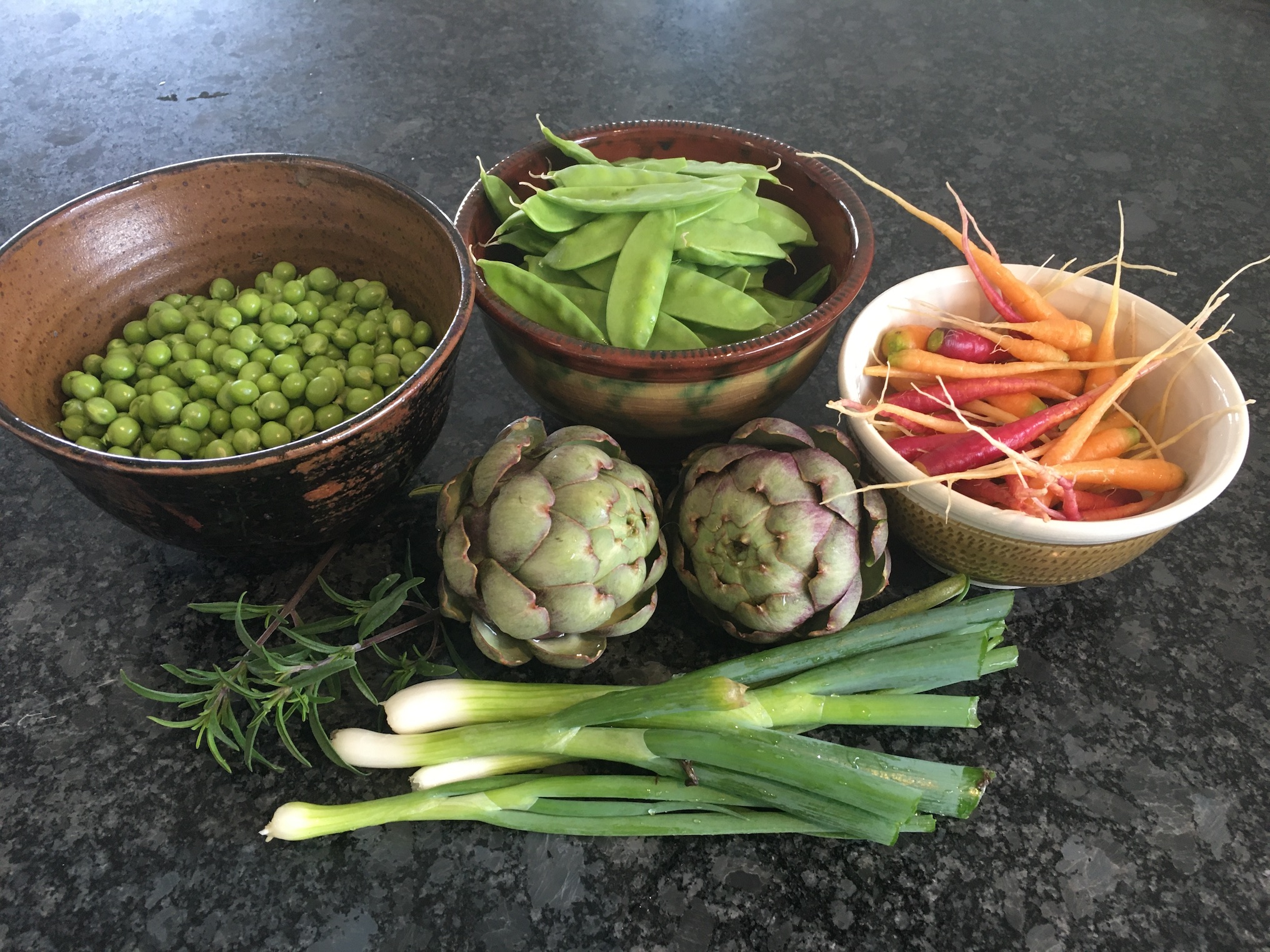
vegetables from the garden

Of course, the garden’s abundance also means there’s an extra pile of holiday work picking and preserving, weeding and watering all that produce. But there’s something festive about the work when you can hum Christmas carols while you’re at it. The piles of fresh vegetables and summer fruit in the kitchen are the reward for every tired muscle and late-evening preserving session. And thankfully, we’ve got long summer days in which to get all the work done.

When Everything is a Gift

My stunted yellow corn.

I never expected much from this year’s vegetable garden. The soil test revealed a virtually sterile substrate, nutrient-free, stripped by decades of conventional agriculture and then scraped by the developer’s bulldozers. It will take years to improve the soil to the levels of my old garden. In the first year, I figured I’d be lucky to coax a few meals out of the garden.

There’s no question the vegetables I planted are suffering. The plants are half the size they should be, and many are yellow and senescing early for lack of nutrients.

But the compost, manure, and other organic fertiliser I’ve incorporated into the soil have done some good. We have plenty of onions, cucumbers, carrots, herbs and green beans. We are overwhelmed with zucchini. The soy beans and dry beans will all give harvests. Pumpkins swell on their vines. We’ve even eaten a few melons.

Every fruit feels like a gift.

I could be dismayed at the state of the garden—corn only waist high, tomatoes ripening at golf ball size, potatoes decimated by disease … but I know what the plants are up against. I know how hard they’re working to produce anything. I admire their effort and determination.

So, in spite of how pathetic the garden is, I am pleased. I feel blessed at every meal, and I look forward to an even better year next year.

It’s Okay to Wilt

Last week, the temperature hit 38ºC (100ºF) two days in a row. Working at home those days, I sat on the polished concrete floor, because it remained a few degrees cooler than the air, which was blowing hot and dry from the northwest. My phone and computer kept overheating, and eventually I shut them down and switched to pen and paper.

At some point, I commented to my husband about the sad state of the vegetables in the garden. Every leaf was wilted, and the plants looked like they were only barely alive, in spite of the watering I’d done the previous day.

“Yes,” he remarked. “But remember, they’re supposed to do that.”

He’s right—wilting is part of a plant’s way of coping with heat. Wilted leaves expose less surface directly to the sun, conserving water and keeping temperatures within the leaf cooler. A wilted plant can’t grow or photosynthesise—permanent wilting is fatal—but it can allow the plant to survive while conditions are harsh so it can continue to thrive when conditions improve.

It strikes me that wilting is a lesson we could all learn from plants: ease up when times are tough.

How many of us have expected to keep going at our usual pace through all of life’s struggles—illness, children, death of loved ones, earthquakes, pandemic … I know I’ve been irritated with myself, pushed harder, forced myself through difficulties at full pace, only to find I didn’t actually move at the speed I wanted, or I messed things up and had to do them a second time, or I simply made my eventual collapse worse.

How much better would I have done if I’d allowed myself to wilt before the point of collapse? Maybe I could have asked for help, or lowered my standards, or simply given myself permission to relax for fifteen minutes, an hour, an afternoon.

I’ve gotten better at wilting—the wisdom of 50 years of life—but I could still improve. I just need to remember the garden during a summer heat wave.