When Summer Meets Winter

2016-08-21 10.36.07Early spring is an awkward time in my office. The office is used, not just for work, but also for sewing, crafts, and as a heated greenhouse.

In springtime, it can get awfully crowded in there.

I do a lot of sewing over winter, when the garden doesn’t demand so much of my time, and it’s not particularly pleasant outside. In summer, I do almost none—I have little free time, and my hands are so garden-rough that working with fabric is a lesson in frustration.

But in springtime, the two often overlap. My winter sewing list is always longer than I have time for, and I try to squeeze as many projects in as possible before I run out of time. That means I’m usually still frantically trying to finish the last project when it’s time to start vegetable seeds. The plant shelves go into the office and are filled with seedling trays while the sewing machine and iron are still set up.

It’s crowded, fabric invariably gets dirty, pins and scissors end up getting dropped on fragile seedlings.

Some day, maybe I’ll have a dedicated, heated greenhouse so that sewing and gardening can be separate. Until then, winter will rub shoulders with summer for a few weeks every year.

Some Things Never Change

001C

Photo: Peter Weiss

Summer. The beach. Sisters.

These photos were taken forty years apart. My sister and I at Barnegat in 1976, and my nieces at the same beach in 2016.

They could practically be the same girls.

Photo: Peter Weiss

Photo: Peter Weiss

Playing in the waves with your sister. Perhaps you didn’t spend much time together at other times. Perhaps your sister was the younger, irritating type. Or perhaps she was the older, bossy type. But you went to the beach, and there, with the waves rolling in, and the sand stretching on forever, you were kindred spirits. You laughed and played stupid games with the waves and sand. You collected shells together. You built sand castles.

And maybe you went back home and ignored one another, or maybe you yelled at each other, or maybe you enjoyed each other’s company at home, too. But the beach was a special bond. A place where your irritations with one another were set aside, and you were sisters—real sisters—braving the ocean together.


Any day now…

DSC_0060smOkay, it’s allowed to rain now.

Any day would be fine.

Just a little?

And maybe something a bit cooler than t-shirt and shorts weather to go with it?

Please?

Six years ago, the beginning of May looked like the picture above—we called it the black days of May. That was a bit too much rain, but normally we’ve had some good rain by the beginning of May.

Not so, this year. This year, it’ll be the brown days of May. We had plans to do a lot of landscaping this fall, but the soil is still bone dry—new plants wouldn’t stand a chance, even if we could water them. Almost every bit of promised rain has failed to materialise. The little that has fallen has evaporated within a day under summer-like heat.

2016-05-03 10.26.14It feels like summer will never end.

I’m still watering the garden, though the summer crops have mostly given up out of drought and exhaustion. The winter crops are likely to bolt in this weather, even with watering.

And who knows how long I’ll be able to water. It hardly rained last winter, and last summer was particularly dry, too. Canterbury water is over-allocated. The water table is dropping, and some people have already had to deepen their wells. How long before we run out?

Water is still being managed for short-term profit here—to ensure maximum output of dairy and crops. Environmental concerns and future supply are given lip service. That will come back to bite us. Climate change models predict less rain for Canterbury. If we keep on like this, at some point, we will run out.

Do we have the will to change before that happens? Experience in other parts of the world says no.

I do my best to conserve water here—using greywater to water plants, watering sparingly, mulching heavily, planting shrubs that can handle the dry—but I’m a tiny player, surrounded by farms hundreds of times the size of my property. The water I conserve is just a drop in the bucket.

A drop in the bucket would be nice about now. But the meteorologists are predicting no rain at all for the month of May in Canterbury.


Managing Water

2016-04-22 15.51.16 smMake hay while the sun shines, they say.

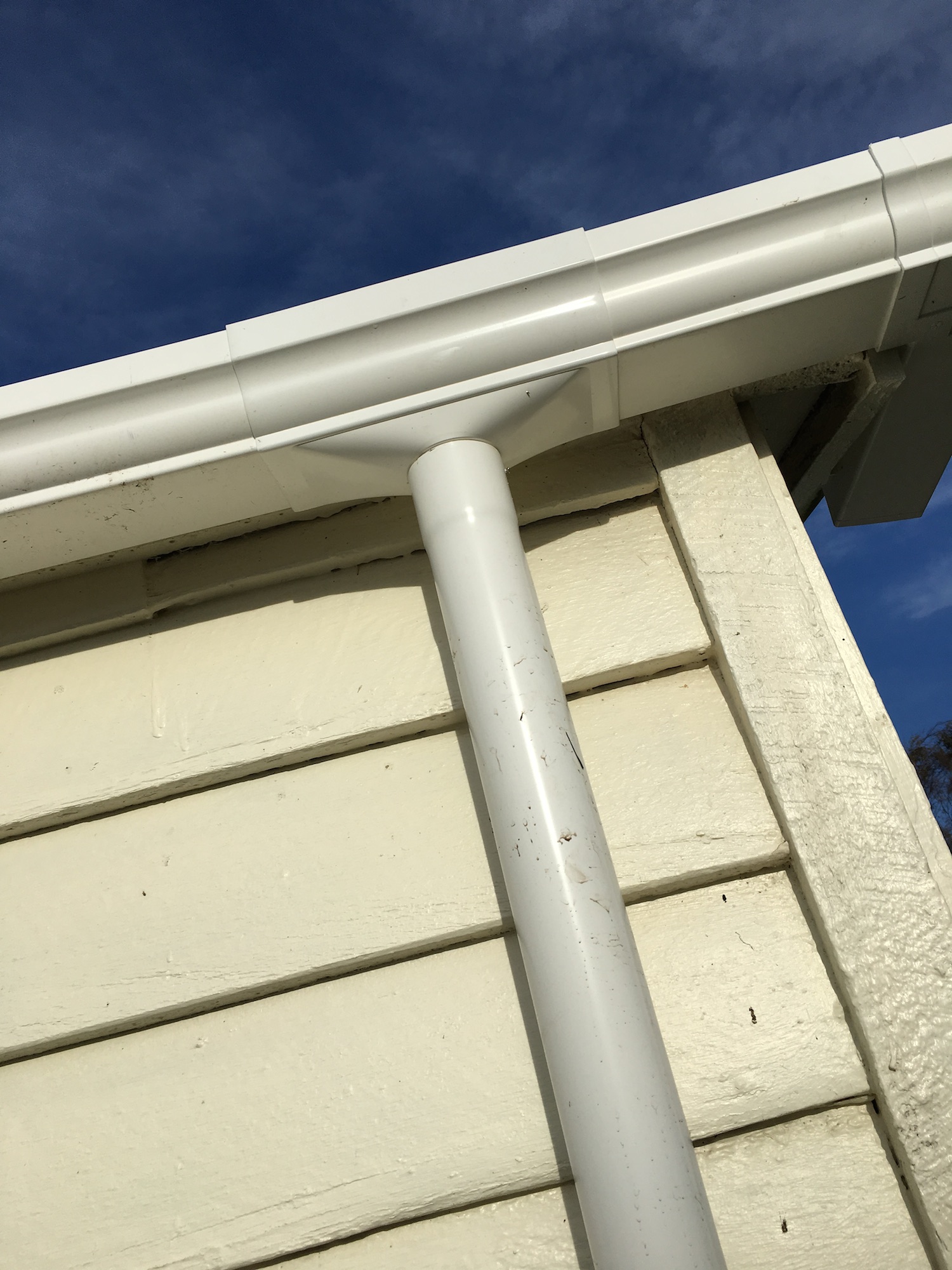
They could also say fix your roof while the sun shines.

The sun shone so much over the summer (and now well into autumn), that it would have been easy to forget the leaky roof and broken gutters. And we did manage to ignore them both all summer, but one of these days (hopefully very soon) it’s going to start raining again. It was time to get the work done.

I enjoy being on the roof. But roof work is never fun—wrestling sheets of corrugated iron roofing around in the wind, pulling rusty lead-topped nails, dealing with rotting roof beams, and doing it all on an angle four metres above the ground.

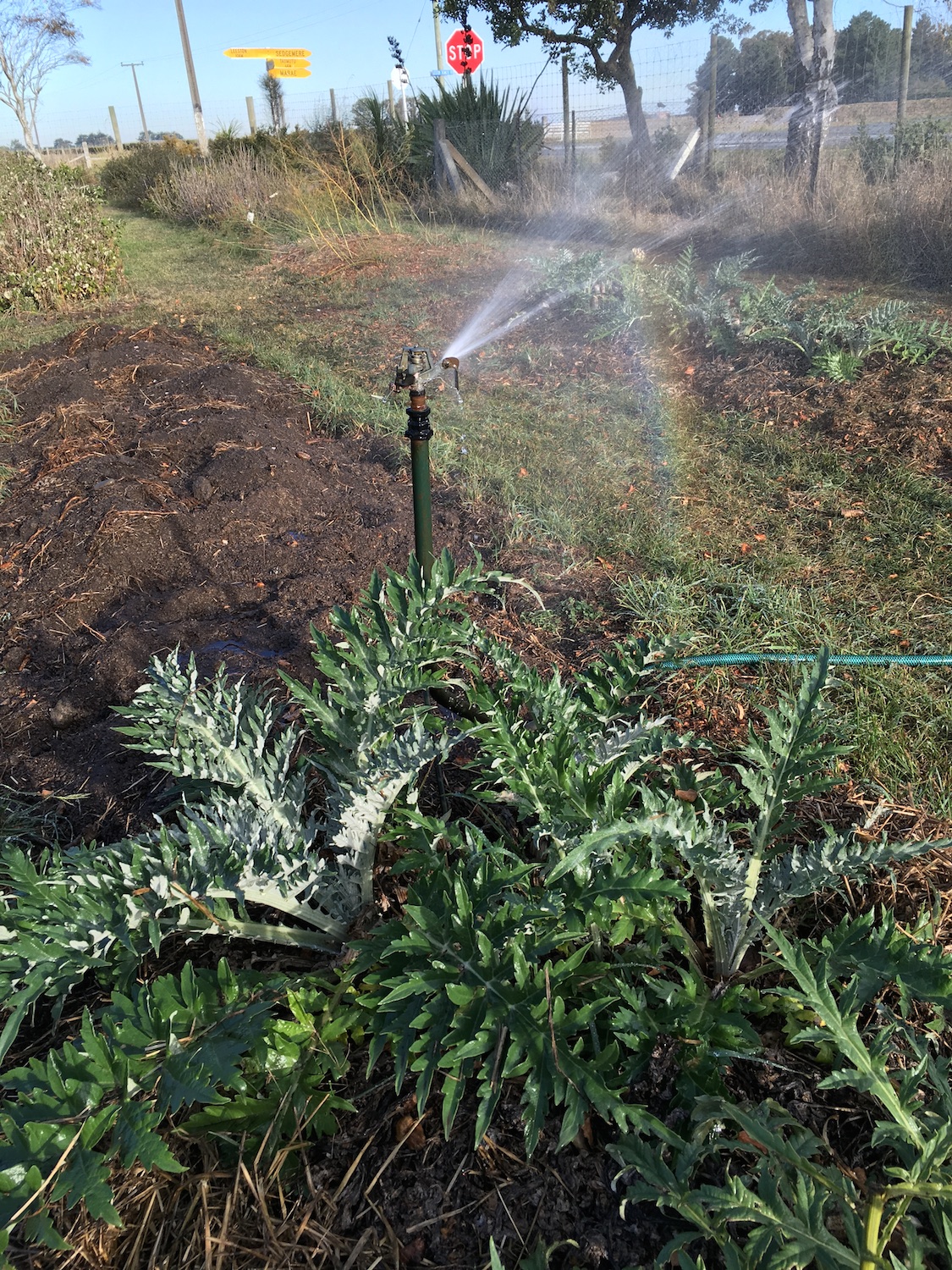
Still, it is good to have roof and gutters repaired. And after we prepared for rain, I weeded the artichokes.

2016-04-22 15.50.14 HDR smIt was a lesson in dry—the ground was dust, and the poor water-loving artichokes were suffering. So I turned the sprinkler on them, dealing with an extreme lack of water after preparing for an overabundance of it.

Some day I do hope it begins raining again. It would be good to know if the roof and gutters are properly fixed, and it would be nice if we didn’t have to water the garden all winter. Either way, we’ll be managing water—either too much or too little of it.

When it rains, it pours, as they say.

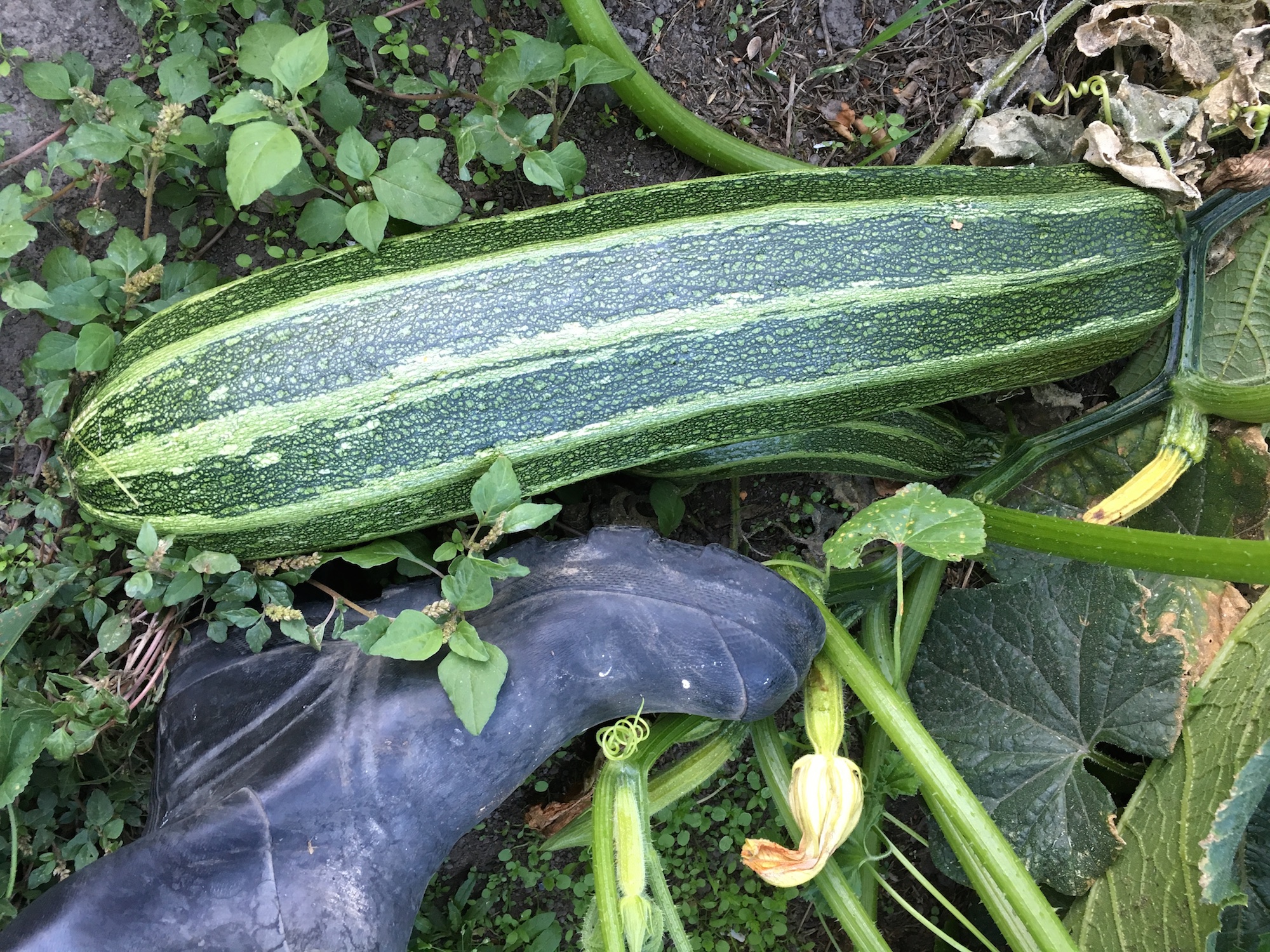
What do you do with a giant zucchini?

2016-04-02 18.47.15 smTo the tune What do you do with a drunken sailor?


What do you do with a giant zucchini?

What do you do with a giant zucchini?

What do you do with a giant zucchini,

Early in the morning?


Hey, they just get bigger.

Hey, they just get bigger.

Hey, they just get bigger.

You can’t eat them all.


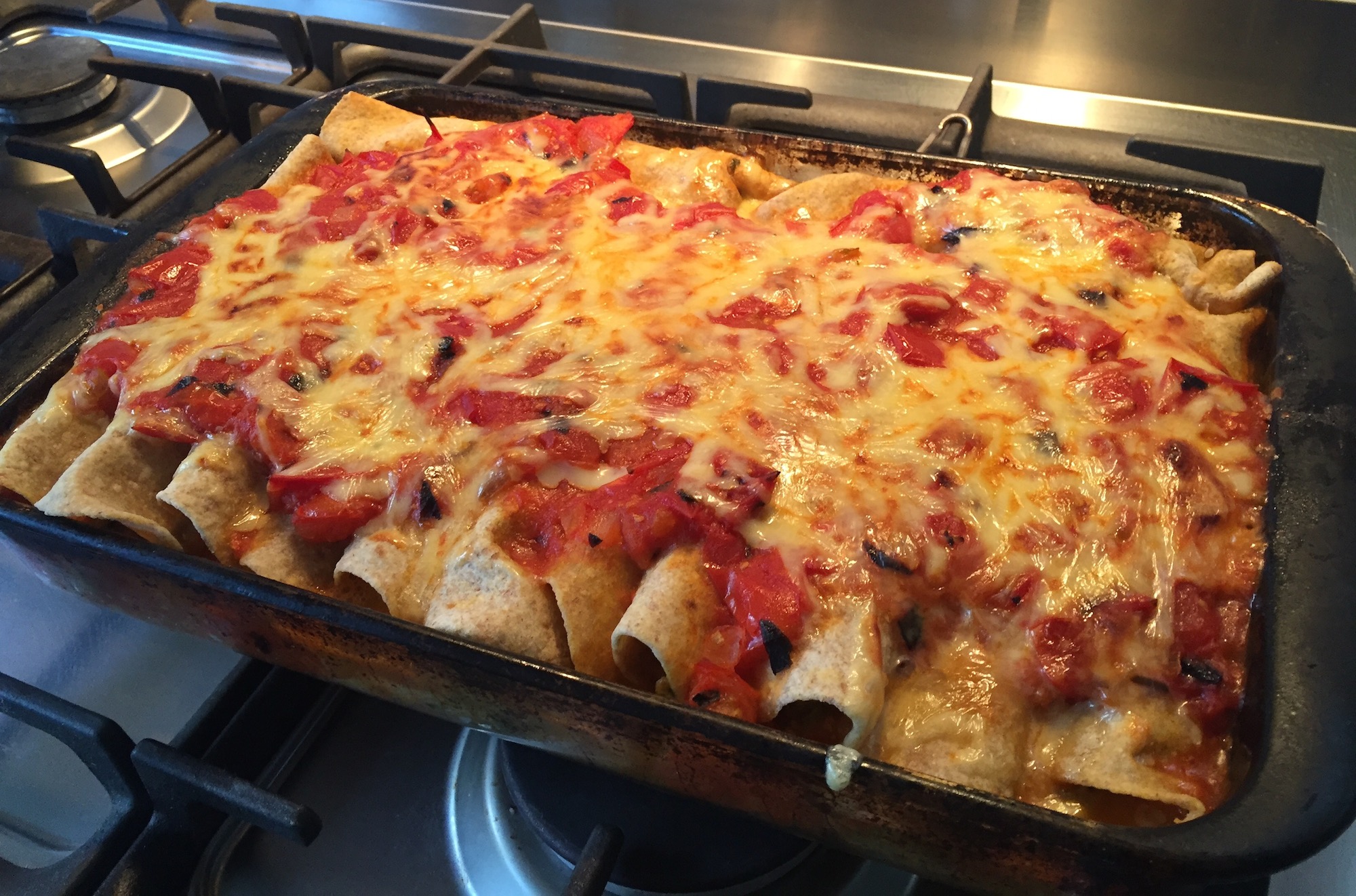
zucchinienchiladassmCook ’em in a sauce and make enchiladas,

Cook ’em in a sauce and make enchiladas,

Cook ’em in a sauce and make enchiladas,

Early in the morning!


Hey, they just get bigger.

Hey, they just get bigger.

Hey, they just get bigger.

You can’t eat them all.


chocolatezucchinicakesmBake ’em in a cake and add chocolate chips,

Bake ’em in a cake and add chocolate chips,

Bake ’em in a cake and add chocolate chips,

Early in the morning!


Hey, they just get bigger.

Hey, they just get bigger.

Hey, they just get bigger.

You can’t eat them all.

Doing Nothing

2016-03-19 18.36.29 HDR smMy husband says I don’t spend enough time doing nothing.

He’s probably right—I rarely sit down, and even when I do, I like to keep my hands busy.

But if there was ever an afternoon made for doing nothing, today was it.

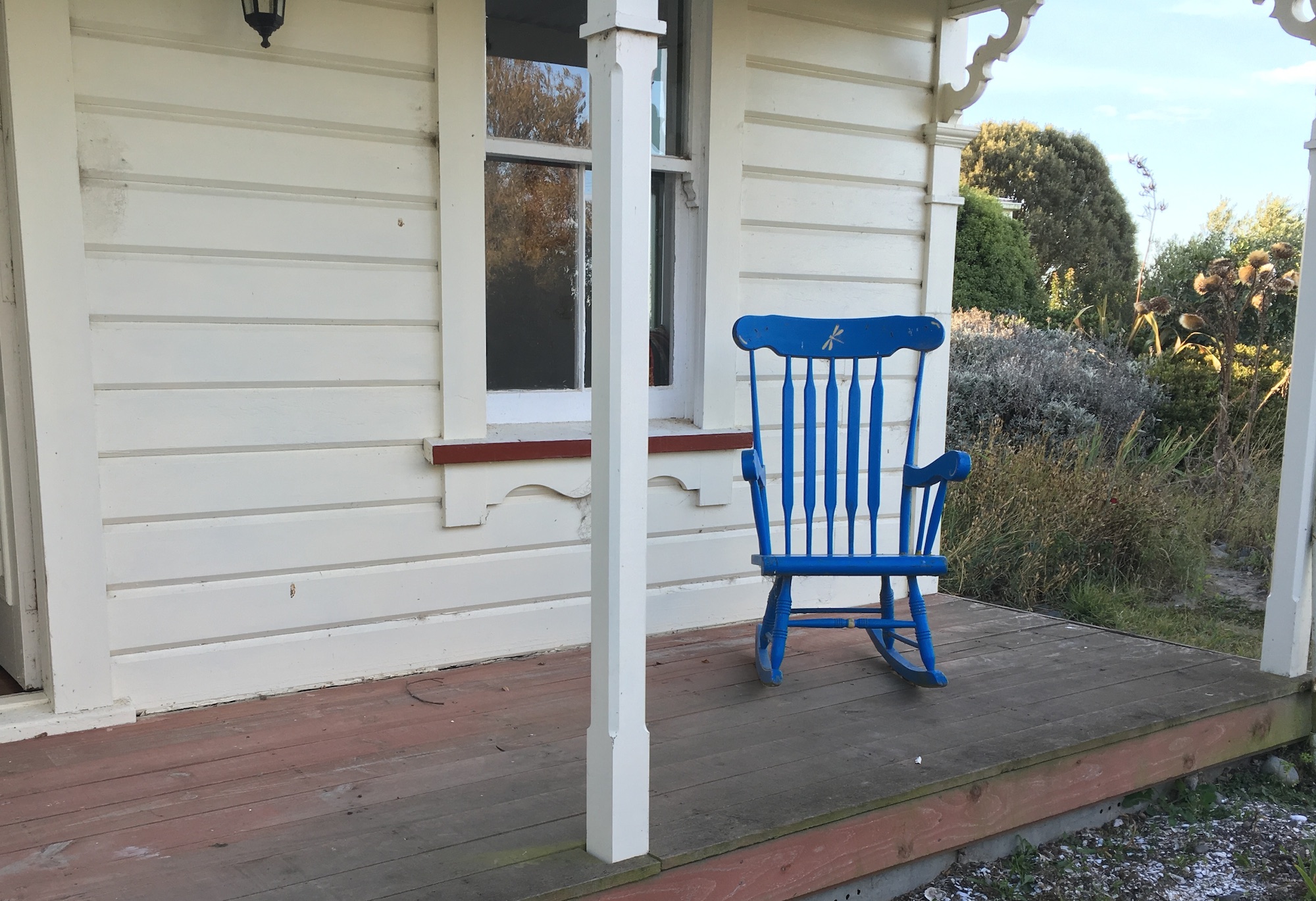
It was hot and windy, and the shady front porch offered a cool and calm refuge after a day canning applesauce.

And so I sat.

I chatted with my husband.

I enjoyed a cold beer.

I watched the wind bend the trees in the front yard, and idly noted that the herb garden looked much better for the rain on Thursday.

For nearly twenty minutes, I did nothing.

I reckon that’s not bad, for a novice. With practice and training, someday I might make it to an hour or more!

Ant Swarm

2016-03-18 12.59.05 smI walked out the brick path to my office after lunch today, my mind focused on how I was going to write my main character out of the mess I’d written her into in the morning.

Then something in my peripheral vision made me leap over a few bricks. I turned to inspect what I’d thought I’d seen.

Sure enough, there were three growing ant swarms on the path. And as I expected, when I looked more closely at them, I found winged ants among them.

Among the eusocial ants, only the reproductive individuals have wings. Throughout most of the year, the colony produces wingless worker ants—females who don’t ever reproduce, but instead care for their younger sisters, and feed and defend the colony. In late summer, in response to some environmental signal (often rain), all the colonies in an area simultaneously produce winged ants—both males and females.

Entomology textbooks dryly say the winged ants fly off in search of mates, but from my perspective, having watched winged ants emerge for over 45 years now, the colony throws a huge party for the winged ants before they go.

On “Emergence Day”, an ant nest swarms with activity—not just inside, where it’s always busy—but also out on the surface. Winged and wingless ants pour out of the nest and mingle in the sunshine, sometimes for hours before the winged ants finally take flight. I like to think they’re having a little bachelor/bachelorette party for the potential brides and grooms.

When the winged ants take off, the wingless ones retreat to the nest. Their brothers and sisters will never return. If they are lucky, they’ll find a mate. The males, once they’ve mated, won’t live long. Their job is done, and they are easy prey for birds, spiders, and other predators.

The mated females, if they escape predators themselves, will fly to a favourable nest spot, break off their own wings (they’re not needed anymore), and begin to dig. The small nest each excavates will be home to her first offspring, who will enlarge the nest and care for the next batch of eggs the new queen lays.

A queen ant will mate only once. From this mating, she will parcel out sperm for her entire life (up to 30 years for some species!) to fertilize the eggs she lays.

So the ant swarms you see on the sidewalk are serious business. Step carefully, please!


Fruit overload

2016-03-15 19.20.44 smCan you have too much fruit? I’m not certain, but if you can, I think we’re approaching it.

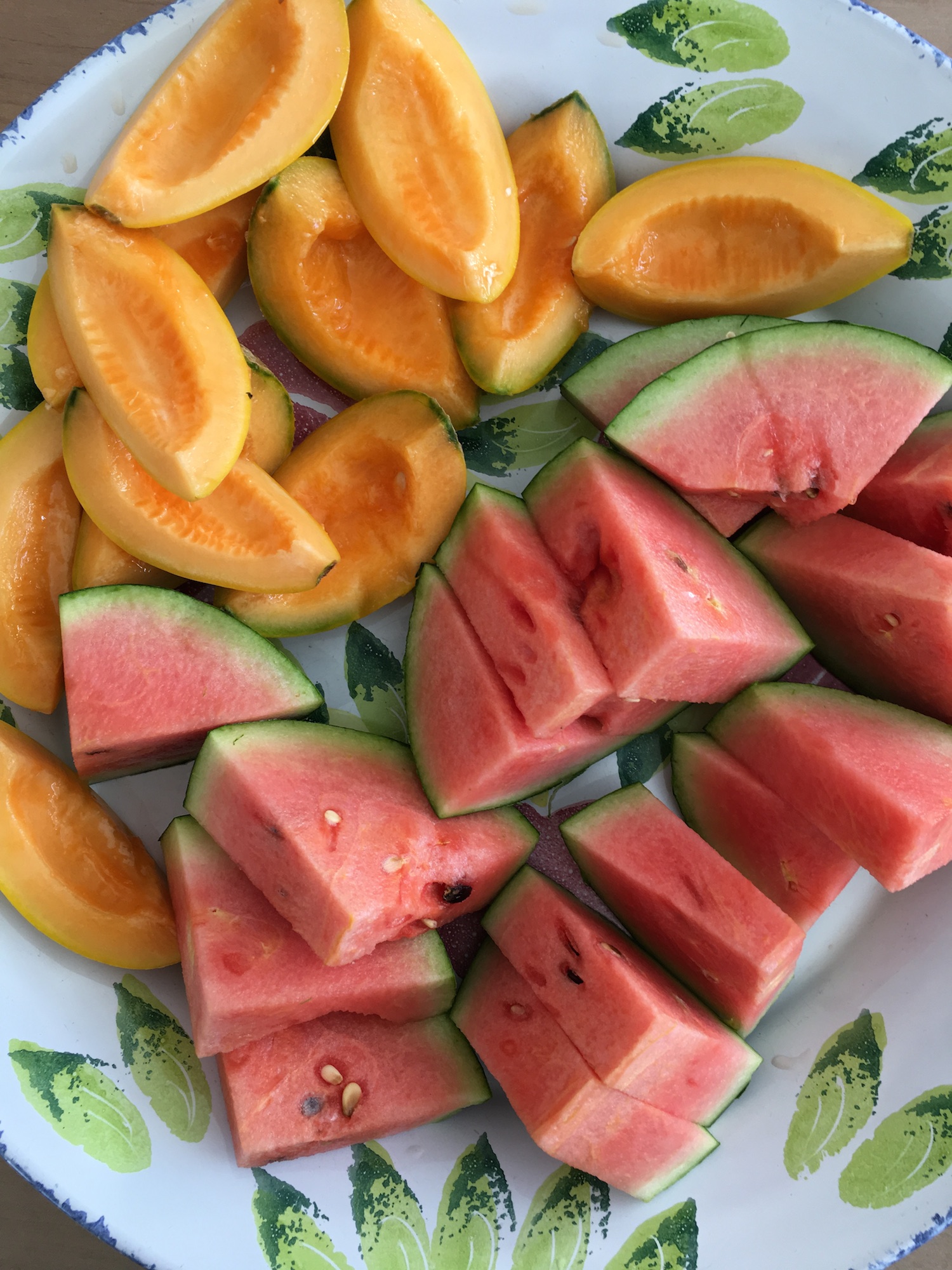
I mentioned the apples the other day—there’s still a 20 litre bucket and a large bowl full of them in the kitchen. Then there are the melons I mentioned yesterday—a great heaping platter of them, and more to come in the next few days.

And a houseguest brought us a box of apricots as a gift.

And the grapes have started coming in, so there’s a colander full of them in the kitchen.

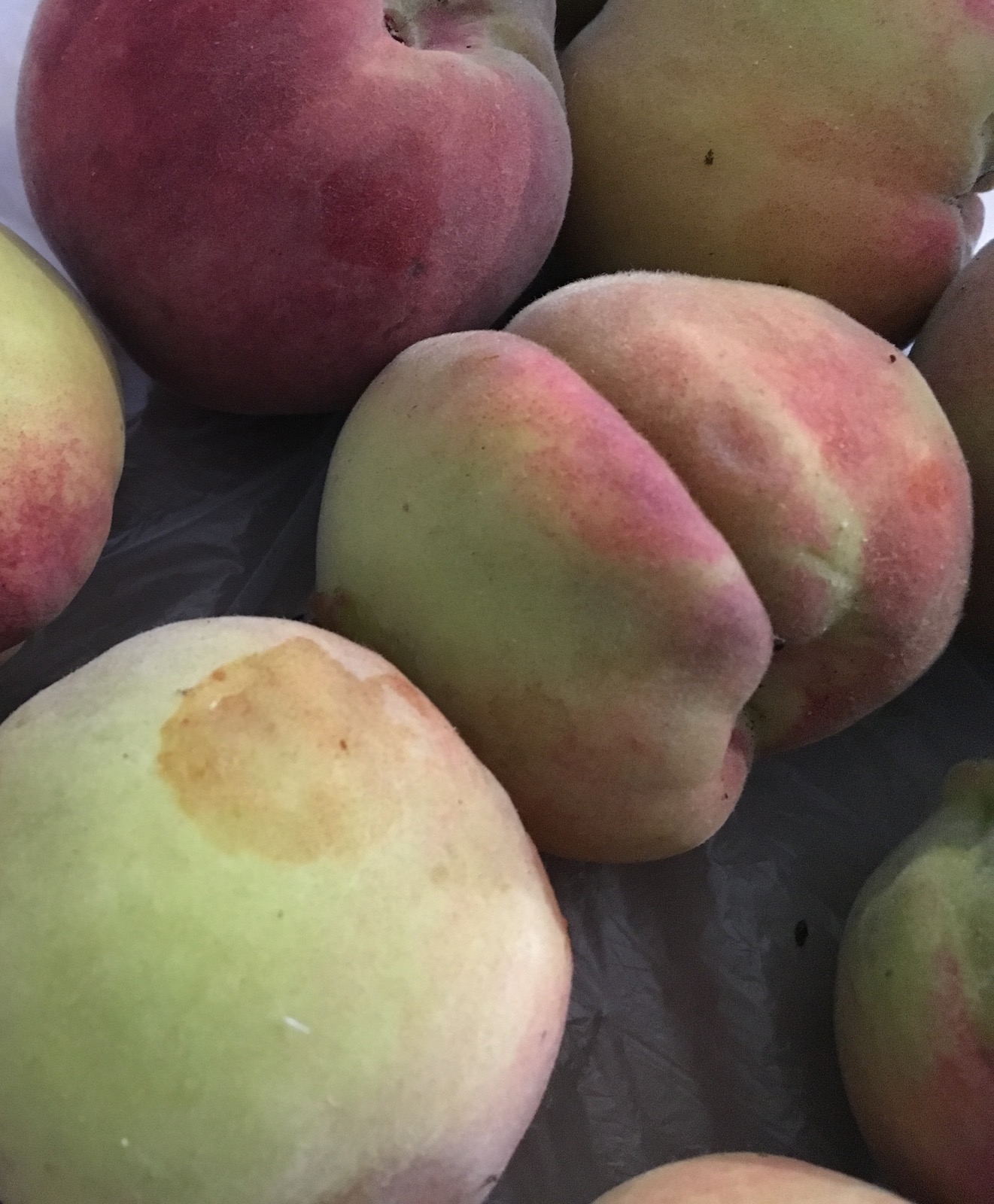
And today I went to pick up 200 daffodil bulbs I ordered, and it turns out that the woman selling the bulbs was the first person I ever sold goat kids to—she’s still got one of them. Anyway, so we got to talking (as you do), and next thing I know, she’s filling a bag with peaches for me—dead ripe and luscious.

So sitting in the kitchen right now are probably 10 kilos of fruit for every person in the family.

So I wonder, can you have too much fruit?


Melon time

2016-03-14 17.47.43 smThey only just squeak into summer here, screaming in at the last minute, if they come at all.

Melons usually hate Canterbury summers—cool and dry just isn’t melon weather. I plant them every year anyway, because sometimes they manage.

This year has been a good year for melons. They would have liked more water, but they at least had the heat they wanted. Most of the melons are grapefruit-sized, but they’re delicious, and because they’re so small, they make fabulous lunchbox fruits—cut them in half, scoop out the seeds, then put the halves back together with a rubber band, and they travel beautifully.

And though they come in only after summer is officially over, they are still the ultimate flavour of summer.

German Wasps

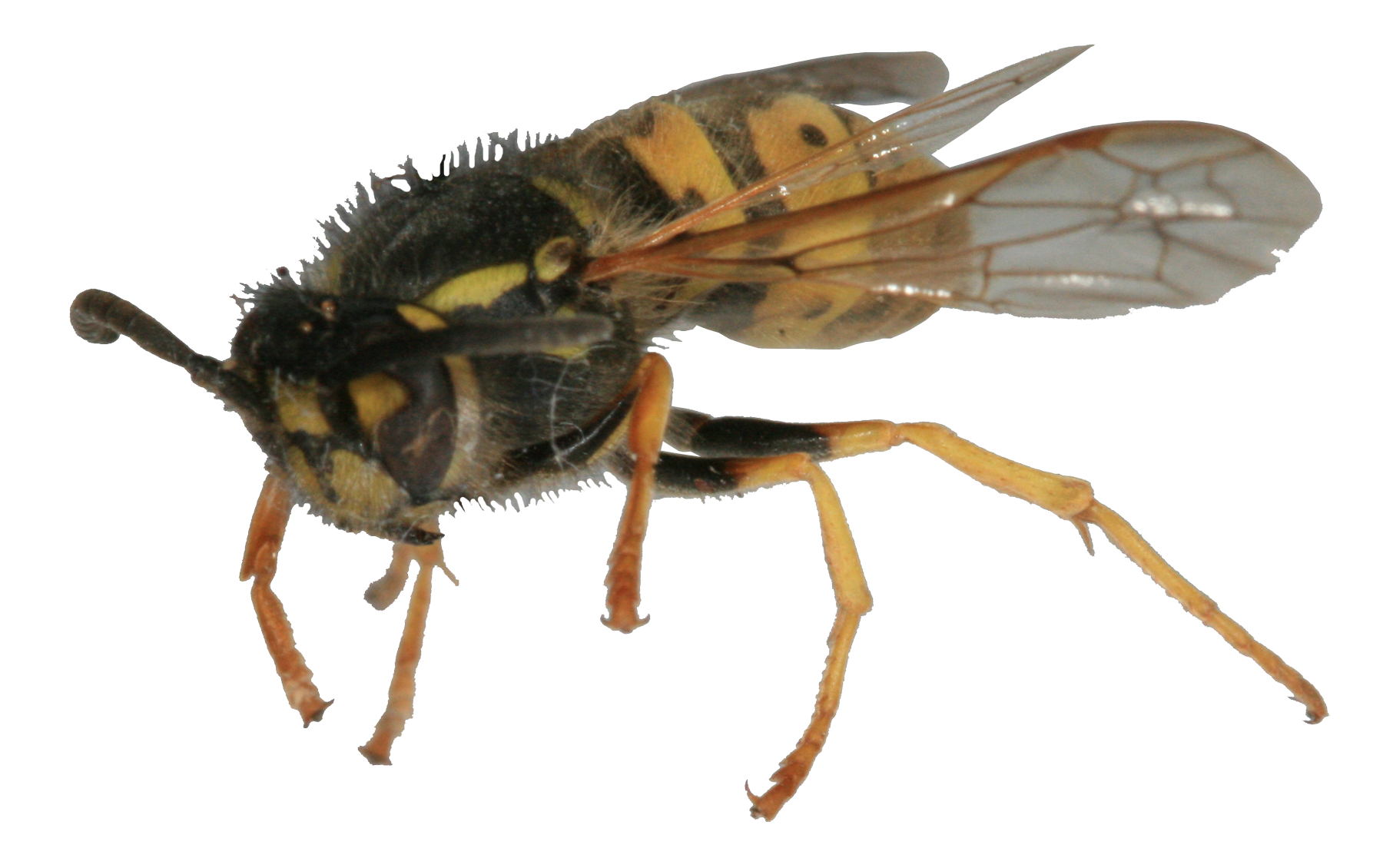
GermanWaspCanning fruit or tomatoes always brings them around—the German wasps can’t resist the sweet/tart smell of chutney, tomato sauce, or apples. And of course, their numbers are highest in late summer/early autumn when we’re doing lots of canning.

Today, they flitted around the kitchen most of the afternoon, licking up applesauce from the benchtops, and generally being a nuisance.

German wasps are opportunistic feeders—they’ll eat most anything, from fruit, to dead animals, to live insects. In the house, they not only go for whatever’s cooking on the stove, but they catch houseflies in mid-air, chomping them messily on the windowsills and leaving cast off fly legs and wings all over the place.

Though they are a nuisance indoors, and can prove deadly to people like me, with allergies to their stings, they do their worst damage in our native forests where they rampage like a pack of hungry teenage boys.

As flexible scavengers whose numbers can grow to an estimated 10,000 wasps per hectare in beech forest, their impact can be devastating. They compete for food with native birds, lizards, and bats. They also eat native insects and even baby birds.

Almost every year, we have a wasp nest somewhere on the property. I haven’t found this year’s yet, though by the number of wasps enjoying my applesauce today, I know there’s a nest somewhere nearby. When I find it, I’ll destroy it—from an environmental perspective, and from a personal safety perspective it needs to be done.

But I admit I will do so with a twinge of guilt. Troublesome as they are, I have great respect for wasps. These beautiful animals are the ultimate efficient eating machine. They are no-nonsense foragers who go out and get the job done so well that they’ve been able to invade diverse habitats throughout the world. I may not like the consequences of that, but I can admire an animal flexible enough to thrive almost anywhere.