Aphids

20151127_125023710It’s aphid season here. Lettuce, strawberries, dill, parsley, and roses are covered in the little green girls.

I used to fret about aphids—they can certainly cause a great deal of damage, particularly to young plants. But I’ve learned to live with them. Here are a few of my aphid strategies:

  1. When I plant out, I check every plant carefully, and squish any aphids—knocking back these early individuals goes a long way to limiting damage.
  2. If a plant is heavily infested, I turn my hose on jet and blast the aphids off. This technique doesn’t get them all, but it does knock the population back to manageable levels.
  3. I allow some plants to get covered. In my garden, my early dill always gets nailed by aphids. I accept this. I don’t kill the aphids, either. The aphids on the dill attract ladybugs, lacewings, and parasitic wasps that eat aphids. Lots of aphids on the dill means lots of predators later in the season.
  4. I plant purple varieties of crops, which are usually less attractive to aphids.
  5. I accept aphids as a source of extra protein and vitamin B in our diets. We eat aphids. They’re good for us.
  6. I have patience. By midsummer, the aphids have all but vanished, decimated by the predators I cultivated in springtime.
  7. I admire aphids’ abilities and beauty—parthenogenic reproduction (that is, the females clone themselves—no need for males), dainty legs and antennae, and a remarkable ability to survive.
Dreaming Big

100_3861 cropDon’t count your chickens before they’re hatched.

And don’t count your apples before they’re in the basket.

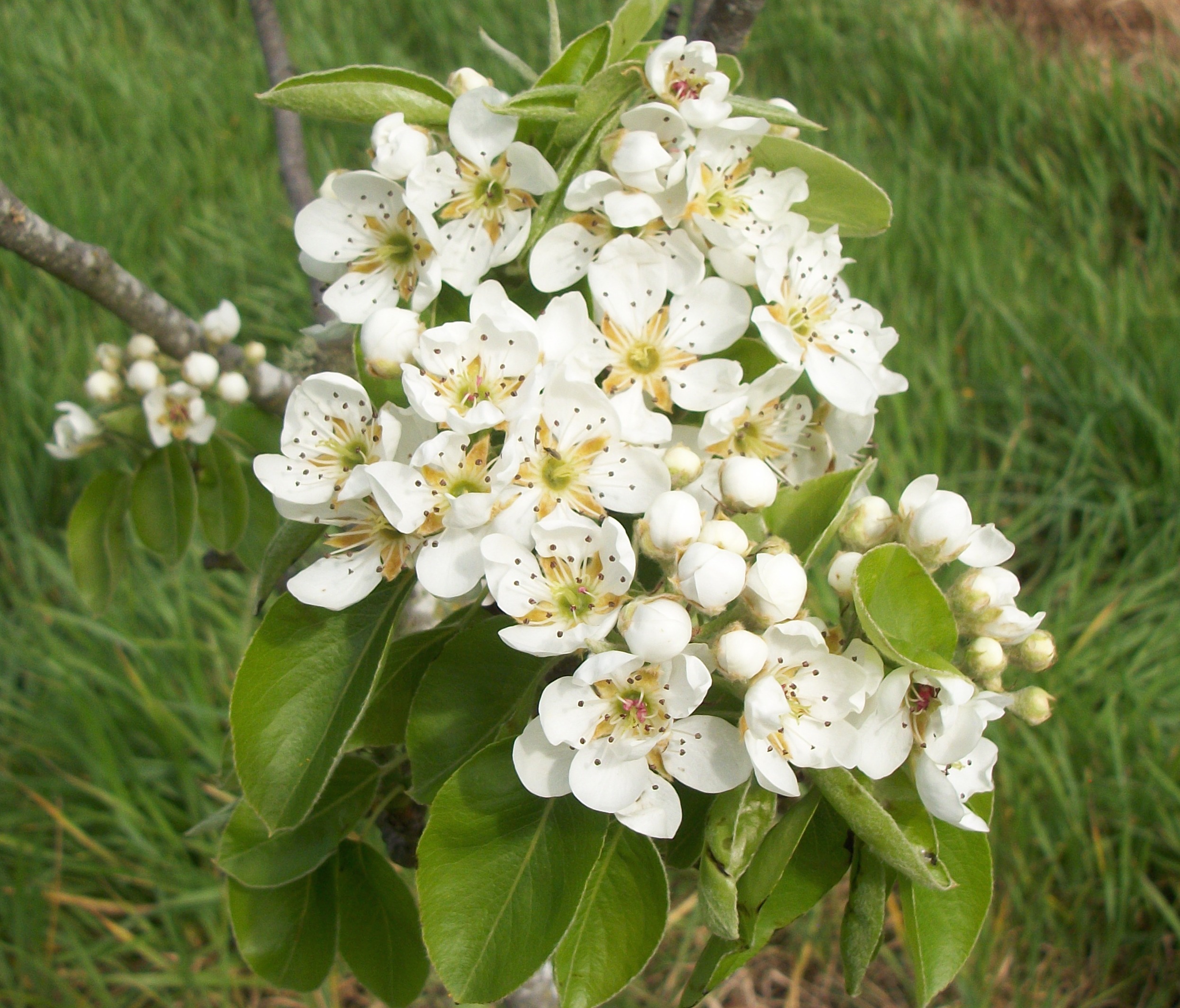
But it’s lovely this time of year to think what you’re going to do with that fruit if ALL the flowers end up producing a fruit. All the fruit trees were flush with flowers this spring—apples, pears, peaches, cherries…

But it’s a long time between October and April. Anything could happen, and it usually does.

Some of those flowers won’t get pollinated and will drop from the tree once they’re done blooming.

A storm will blow some of the pollinated flowers off the tree.

The tree will naturally prune some of its own fruit, because it simply cannot support so many.

Birds will snatch the small fruits as they ripen, and possums will eat the larger fruits.

A hail storm will damage or destroy more fruit.

Before you know it, there will be, not bushels of apples, but maybe a few. Enough for a couple of pies, some apple crisp. Not the larder-filling bounty that spring promised.

That’s okay. I’ll still count my apples by the flowers each spring. I’ll imagine the applesauce and the pies, the crisp bites of tart flesh, and it will be just as if they were actually here.

Pak Choi

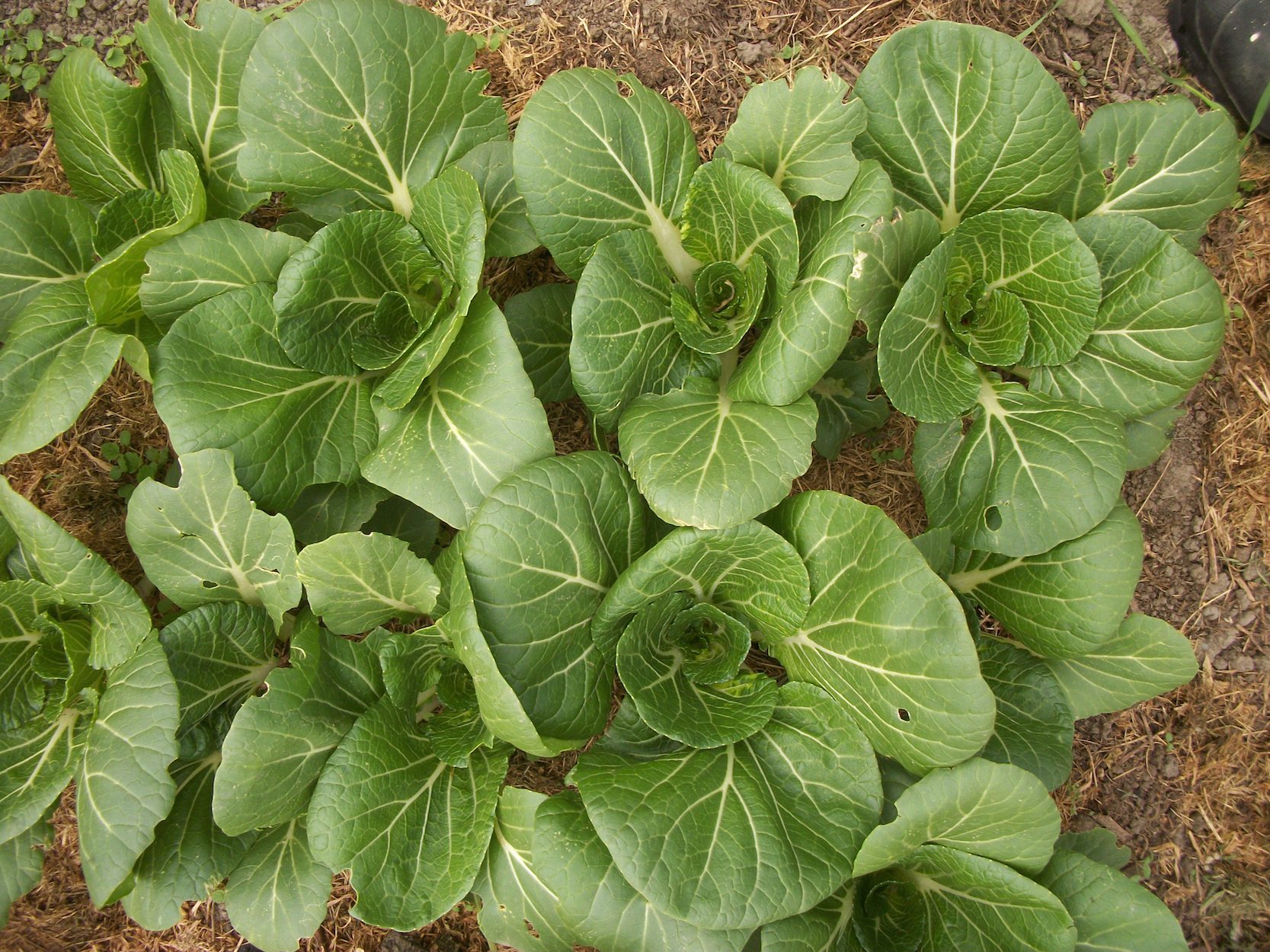
100_3943 smPak Choi, also known as Bok Choi or Chinese cabbage, is another of the early brassicas we enjoy in springtime.

Pak choi is best as an ingredient in stir fries. Lighly fried, it is crunchy and nutty, a bit like cabbage. It also imparts a glossy sheen to all the vegetables in a stir fry.

Pak choi’s origins go back at least 2000 years in China, and it is usually used with oriental spices. But pak choi is versatile. We also use it in pasta and even on pizza (where it is odd, but not bad).

Like most brassicas, pak choi doesn’t like heat or drought, and bolts once things heat up in summer. So we enjoy it while it lasts!

Broccoli raab

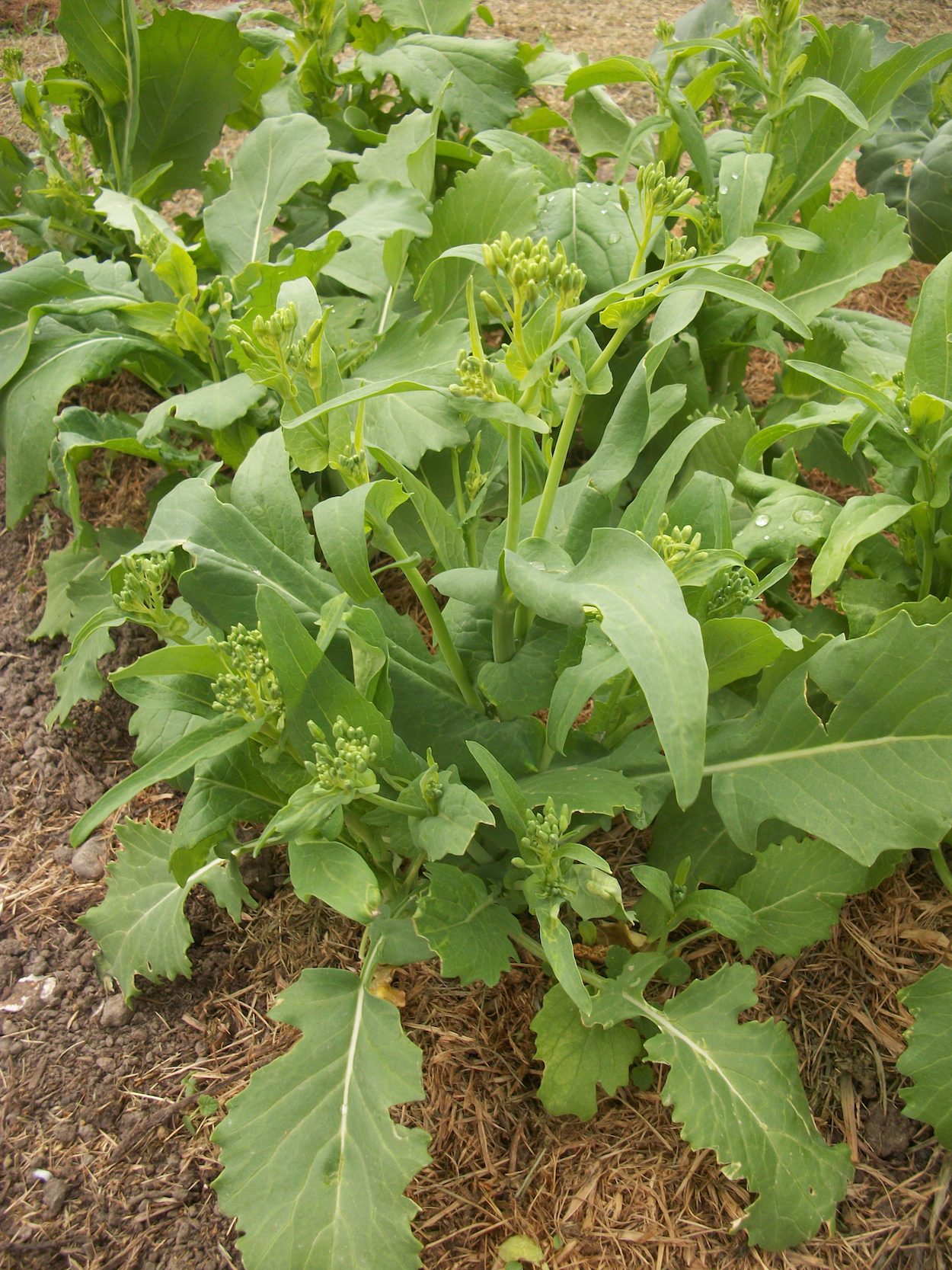
100_3940 smOne of my favourite spring vegetables is broccoli raab. Not so much because it is the best vegetable, but because it produces so early, before any of the other brassicas are ready.

Broccoli raab looks like mini-broccoli, though it is more closely related to turnip than to broccoli. Broccoli raab is eaten “lock, stock and barrel”—leaves, stem and flower buds. As one of the earliest spring vegetables at our house, it gets used in everything from stir fry to pasta to pizza to gratins.

It is more bitter and pungent than broccoli (more like turnip greens), and a little goes a long way in a dish. I plant just a small amount of broccoli raab, and by the time the other brassicas are producing, it has bolted and is ready to pull out. A perfect little filler crop that adds kick to springtime meals!

Artichokes

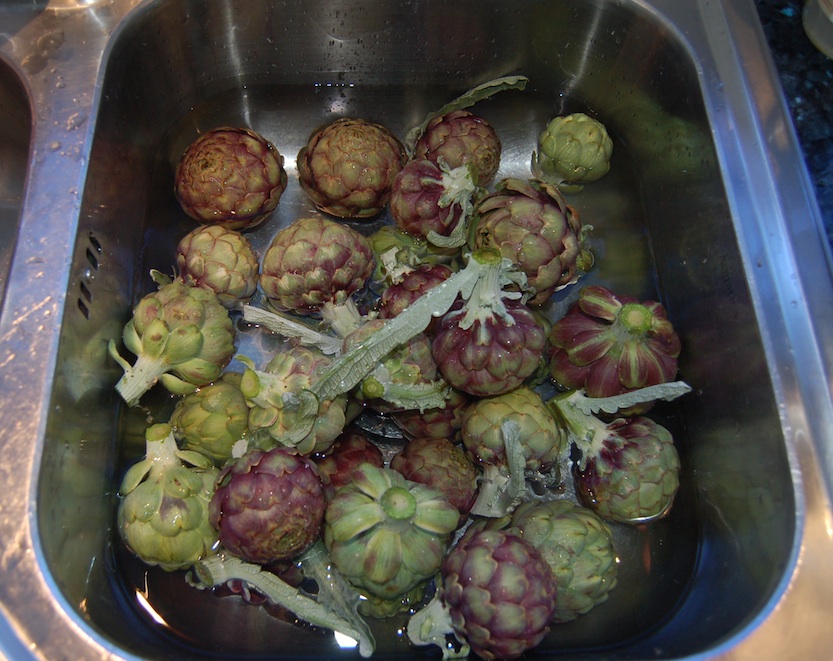
artichokes2cropsmI don’t think I ever ate an artichoke until I was an adult. They just weren’t a part of the diet in eastern Pennsylvania in the 1970s and 80s.

I probably could have counted on one hand the number of artichokes I’d eaten until I started growing them. And I had no idea how incredible and prolific they could be until I lived in a place where artichokes were perennial.

Now I can hardly imagine springtime without them.

The globe artichoke is a thistle (not to be confused with the very different Jerusalem artichoke, which is a sunflower). It grows as a large rosette of leaves and can reach over 1.5 metres tall. The edible part is the unopened flower bud. If you let the buds mature, they open into giant purple flowers that bumblebees can’t resist.

Artichokes are the same species (different variety) as cardoon which is more commonly planted as an ornamental. Cardoon flowers are smaller, and it is generally the leaf stems that are eaten. I grew cardoon for food briefly, before realising that blanching the leaves (by wrapping the plants in straw and cardboard as they grow) is time-consuming, and the final product—the cooked leaf stems—tastes a lot like artichoke, only more bitter and less rich. (Then, of course, I tried to get them out of the garden—it took four years—they are thistles after all) Now I keep just one in the flower garden as a stunning centrepiece plant.

The first records of artichokes come from ancient Greece, where wild varieties were selected and bred into the large-flowered plants we grow today.

Today Egypt and Italy produce about half the world’s artichokes, but with new cultivars that can tolerate cold winters, they can be grown just about anywhere. Put them in the perennial part of your garden, and even if you don’t like to eat them, you can enjoy their beauty!

Salad Burnet

100_3894 smSanguisorba minor, salad burnet, began primarily as a medicinal herb. Sanguisorba means “blood absorber”, and it was thought to stanch the flow of blood. Later, it was also used as a cure for diarrhoea, digestive disorders, rheumatism and gout. It was also thought to protect against plague.

Sadly, salad burnet’s real virtues are more modest and culinary in nature. Its toothy, slightly bitter, cucumber-flavoured leaves make a delicious addition to salads, herbed butters, and cheeses. We use salad burnet heavily in the spring, when the fresh new growth is less bitter, and before the cucumbers are in—a springtime taste of summer in our salads.

But it’s virtues aren’t confined to the kitchen. Perennial, drought tolerant, and pretty, too, salad burnet is a perfect addition to your landscaping.

Dust bowl

hay5 sm

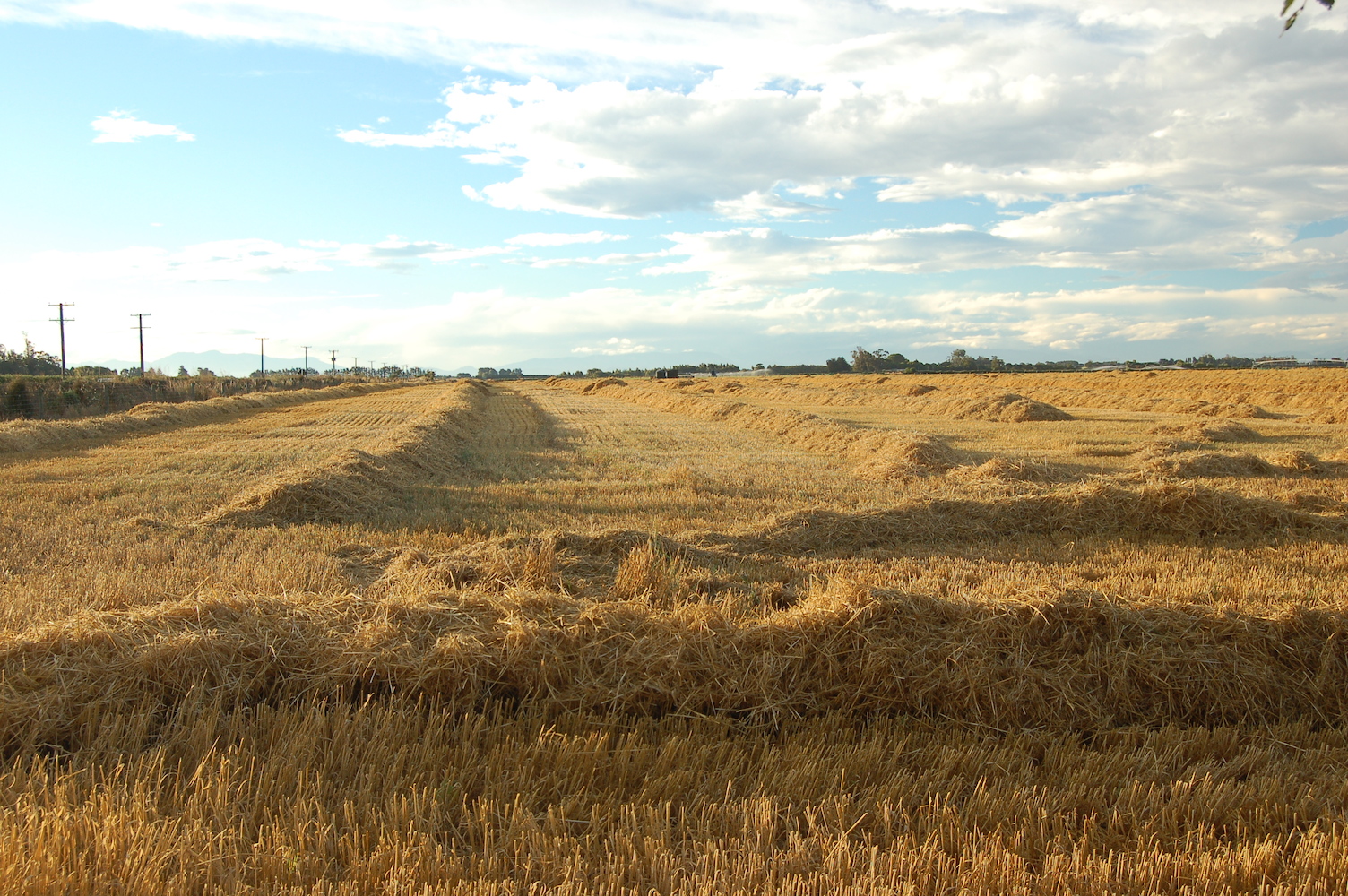
On a relatively clear day, we can see the Southern Alps.

Sustained winds of 63 kph (39 mph) today, with gusts to 150 kph (93 mph). That’s not unheard of here, but it is severe. Though it is warm and sunny, we are largely spending the day indoors—it’s just not very pleasant out there!

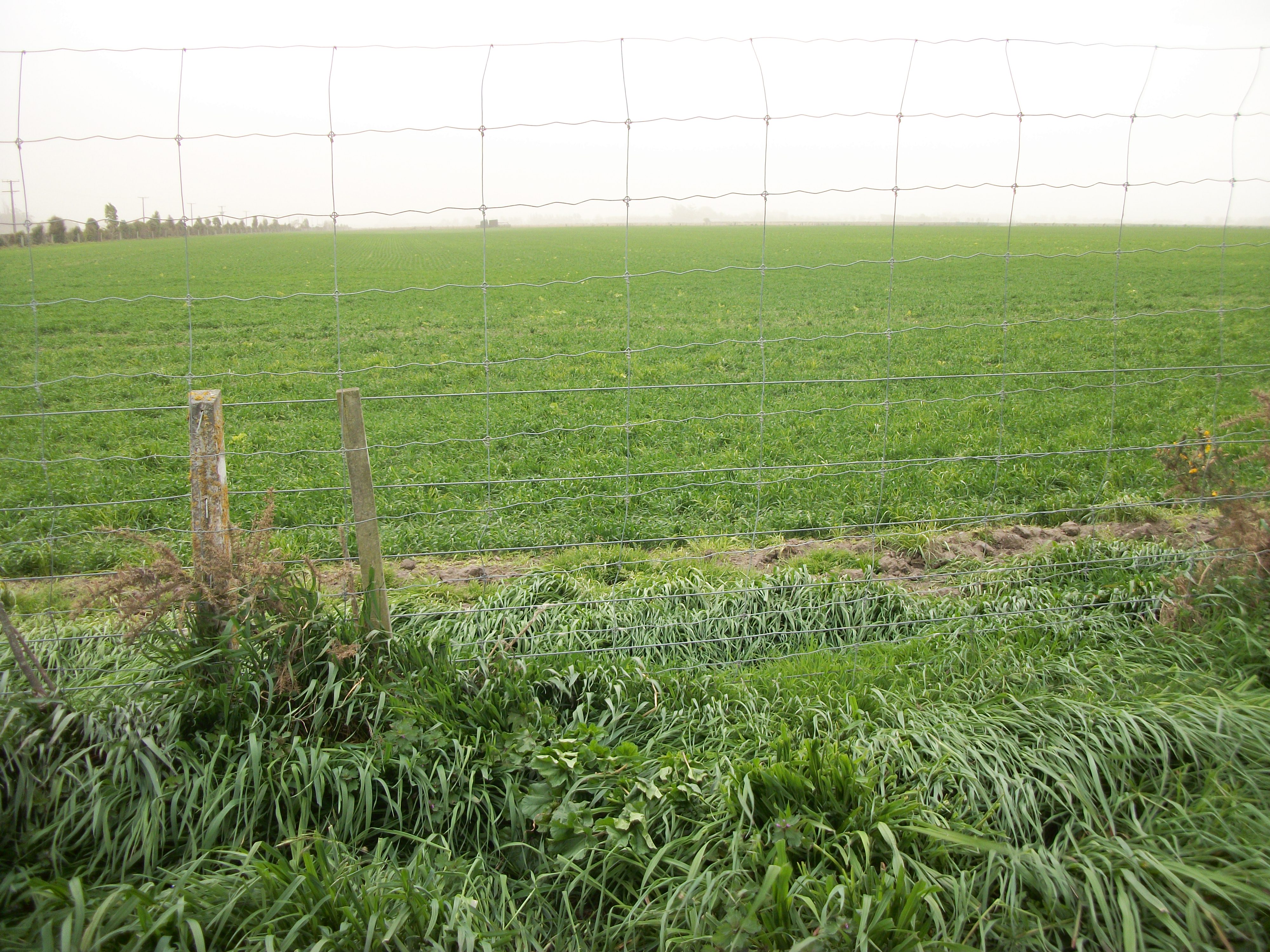
Today, we can barely make out the neighbour's hedge.

Today, we can barely make out the neighbour’s hedge.

I watered the garden well before the wind picked up, to give it the best possible chance to survive the day, and I added an extra tether to the greenhouse, lest it blow away entirely. So far, most everything seems to be holding up.

It’s really the dust that’s most bothersome. Visibility is poor—even the neighbour’s house looks vague and hazy. Indoors, a fine grit settles on everything. My mouth feels gritty, and I find myself wiping off the computer keyboard every few minutes. It’s nothing like the dust storm we had late last summer—the ground is relatively moist still—but it’s an impressive show, nonetheless.

Garden Gloves

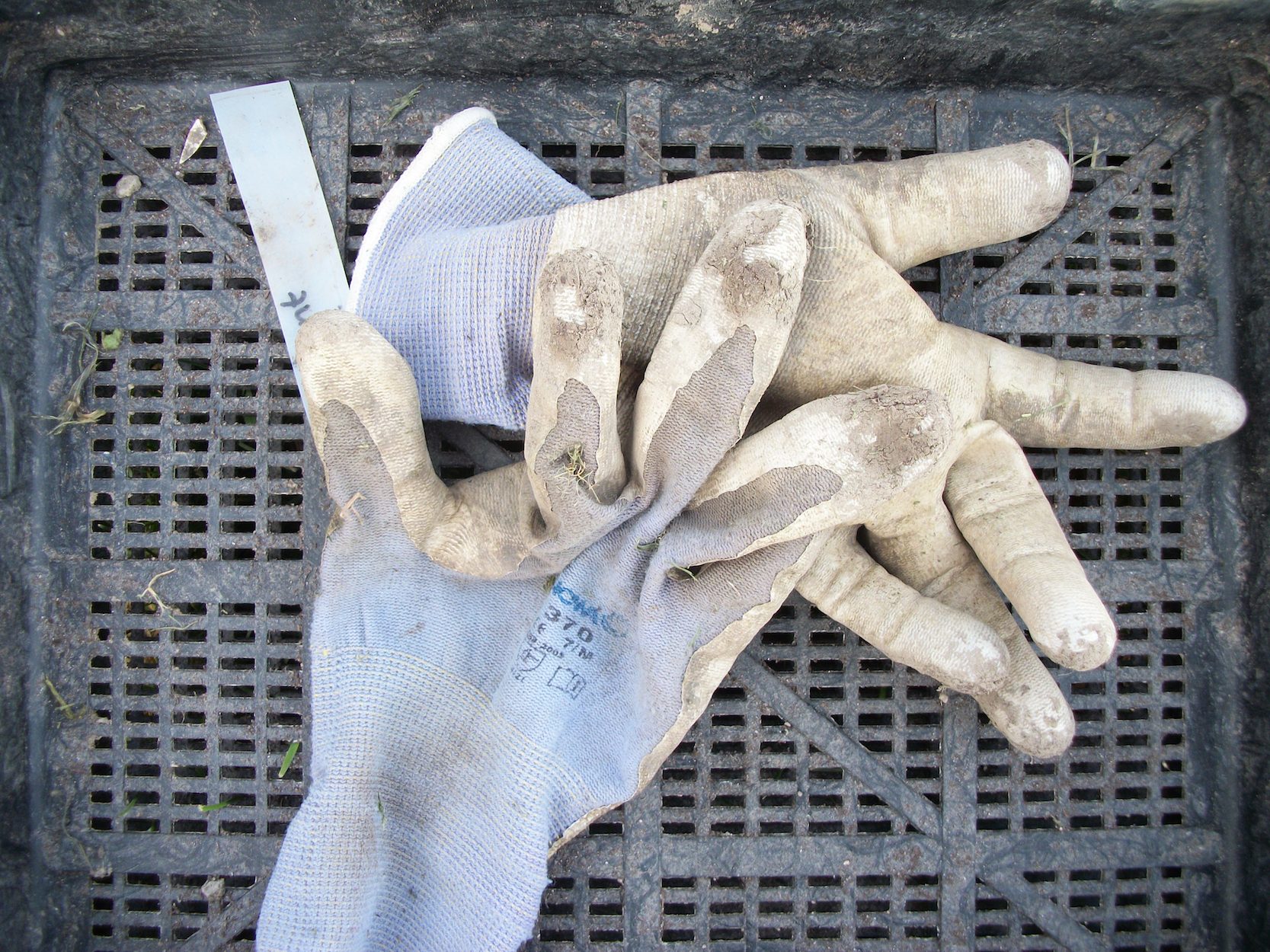
100_3697 smLess than two months.

That’s how long a pair of garden gloves lasts me in the warmer half of the year. I wear through the tips of the fingers. Once the finger tips are gone, they don’t do much good. I buy a new pair almost every time I’m in the gardening section at Bunnings, just because I know I’ll need one sooner rather than later.

I used to garden without gloves. When my kids were born, my mom bought me a pair, “So that you can garden, and just take the gloves off when you need clean hands to deal with the baby.”

Made sense, so I started wearing them.

I can’t remember if they helped at all with the baby, but they did help with my hands. Until I had gloves, I never realised that the itchy welts I seemed to always have on my fingers were a form of eczema caused by contact with plants (any plants, not just poison ivy; tomatoes are one of the worst). Once I started wearing gloves, those itchy welts all but disappeared.

Now I’ll hardly go into the garden without my gloves.

And since I wear through them so quickly, it’s probably a good thing. Think if I were wearing through my skin that fast!

Vernal equinox

100_3776 smToday is one of my favourite days of the year—the day my side of the planet tips over into the sunshine!

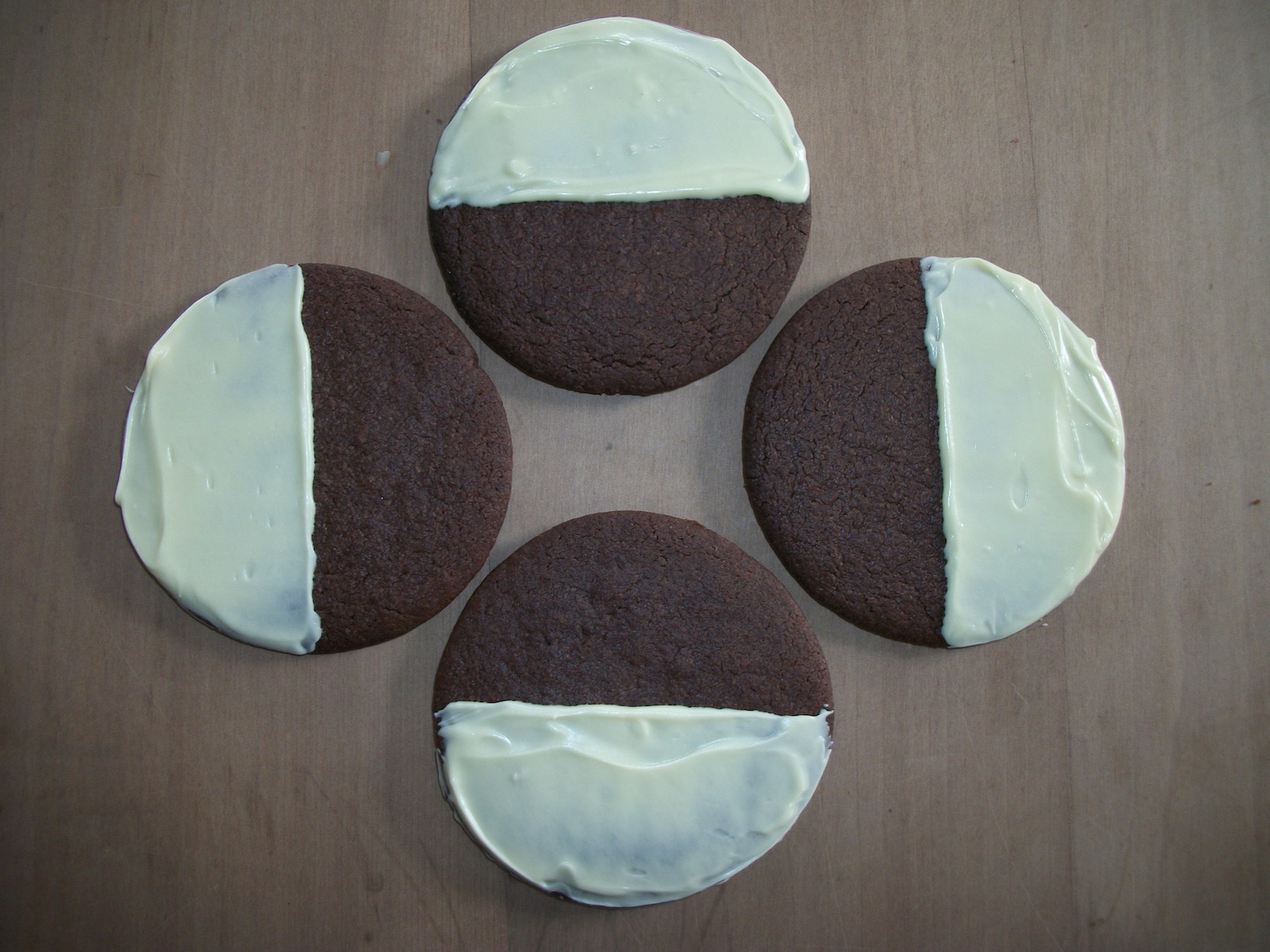
I always try to mark the day with a little something special. It might be a cake decorated as a sun, or cupcakes covered in flowers. This year, it was big chocolate cookies half spread with white chocolate to represent the equal night and day of the equinox.

From now until the solstice always seems like such a rush, with planting, kidding, milking, and harvesting. But today I will simply enjoy the sunlight.

So regardless of whether you are experiencing the vernal or the autumnal equinox today, make it a great one, and enjoy whatever the season offers!

Spring

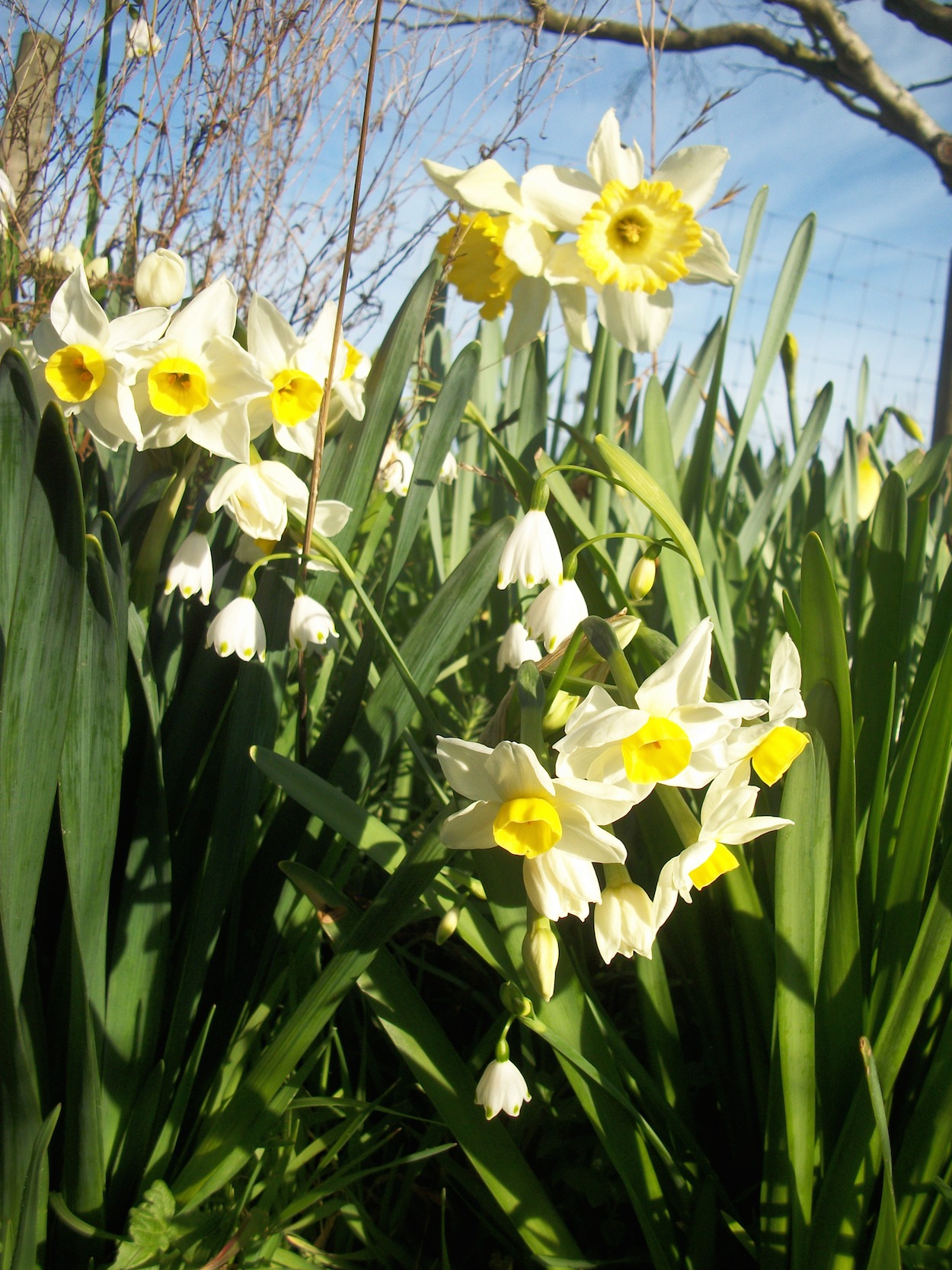
100_3654 smYesterday was the official start of spring, though the plants have known it for weeks. The crocuses are all but over. The daffodils and snowdrops are blooming. The willow trees flushed green last Thursday. The grass needs mowing.

So, naturally, it’s been cold and rainy for five days.

But cold and rainy at the beginning of September is fundamentally different from cold and rainy in July.

It may be twelve degrees in the house in the morning, but I don’t feel the need to light the fire—it feels warmer than it is.

The sky is light at 6 am.

The sky is still light at 6 pm.

The magpies tussle on the lawn and sing in the early morning darkness.

The plovers run in fits and starts across the paddocks.

We are all restless to be outside, regardless of the weather.

Weeds seem to spring up overnight in the garden.

Yes, it is spring.