Standard Time

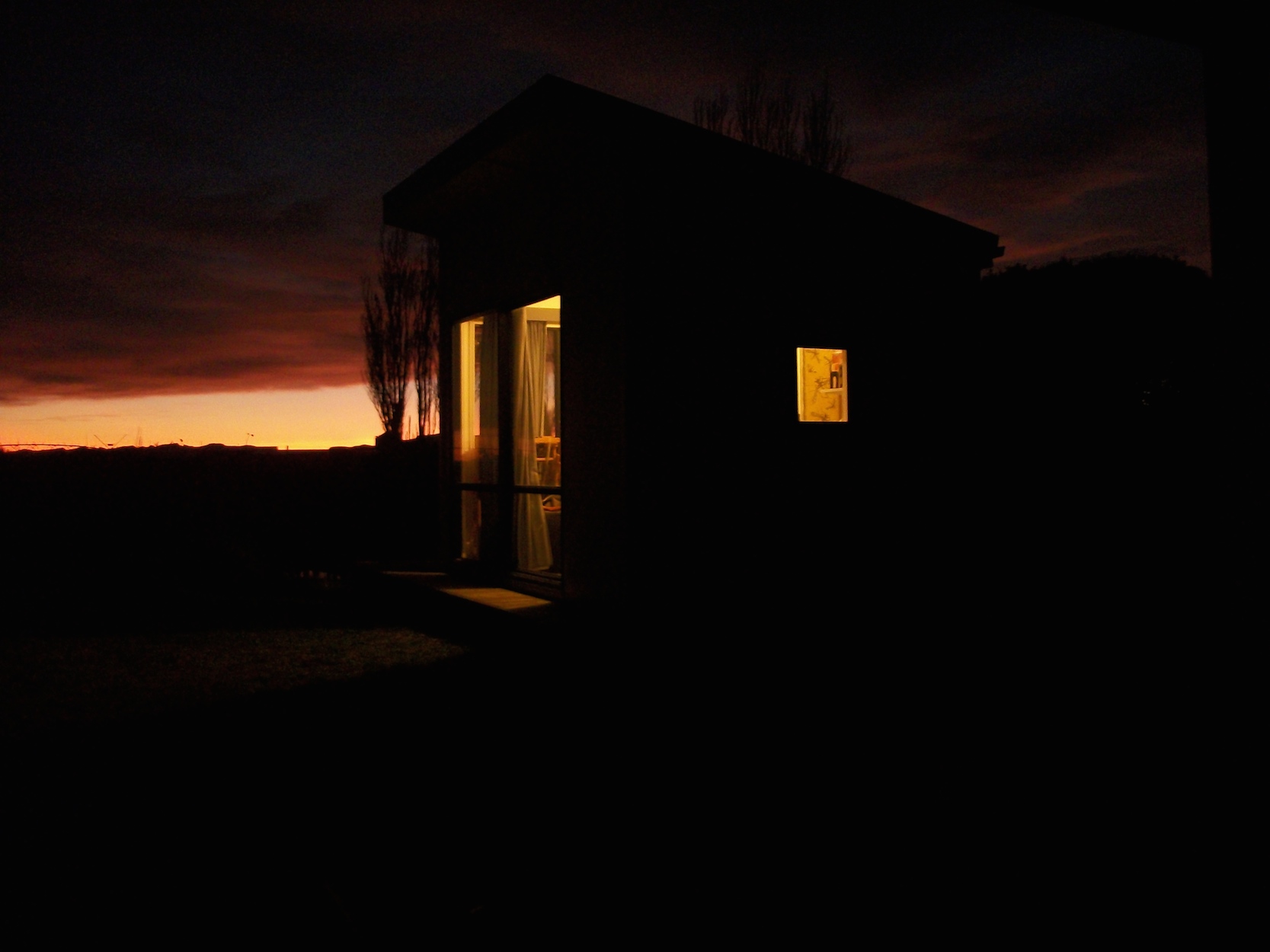
2016-02-04 07.21.17We came off Daylight Savings Time last Sunday. And though it doesn’t change the actual day length, it does seem to shorten the days.

I’m still milking in the dark—an hour doesn’t change that. But now, it is all but dark by the time we’re doing the dinner dishes. There is no time to potter in the garden in the evening. The dinner leftovers destined for the chickens have to be saved until morning, because the chickens are already roosting for the night by the time we’re done eating.

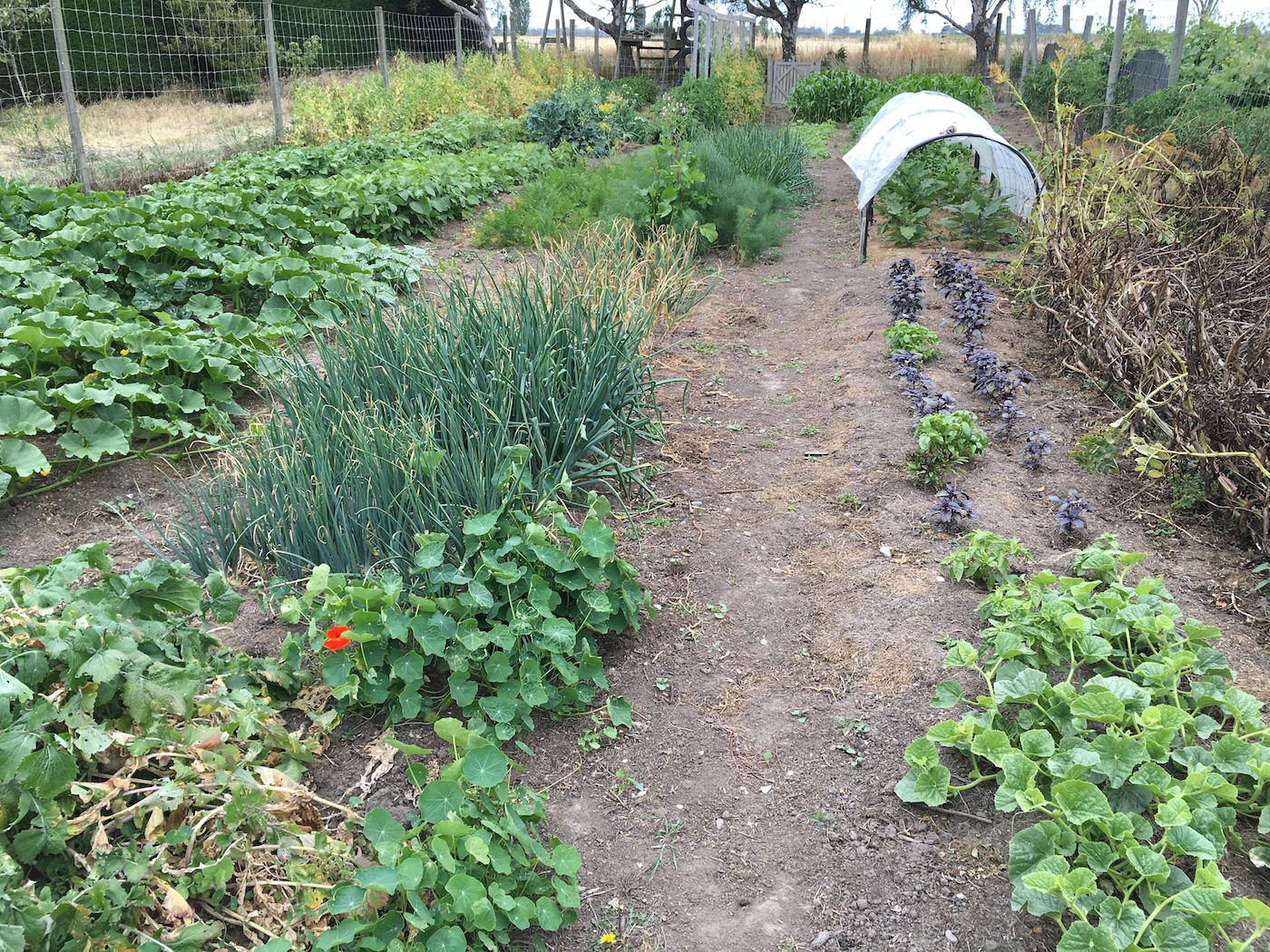
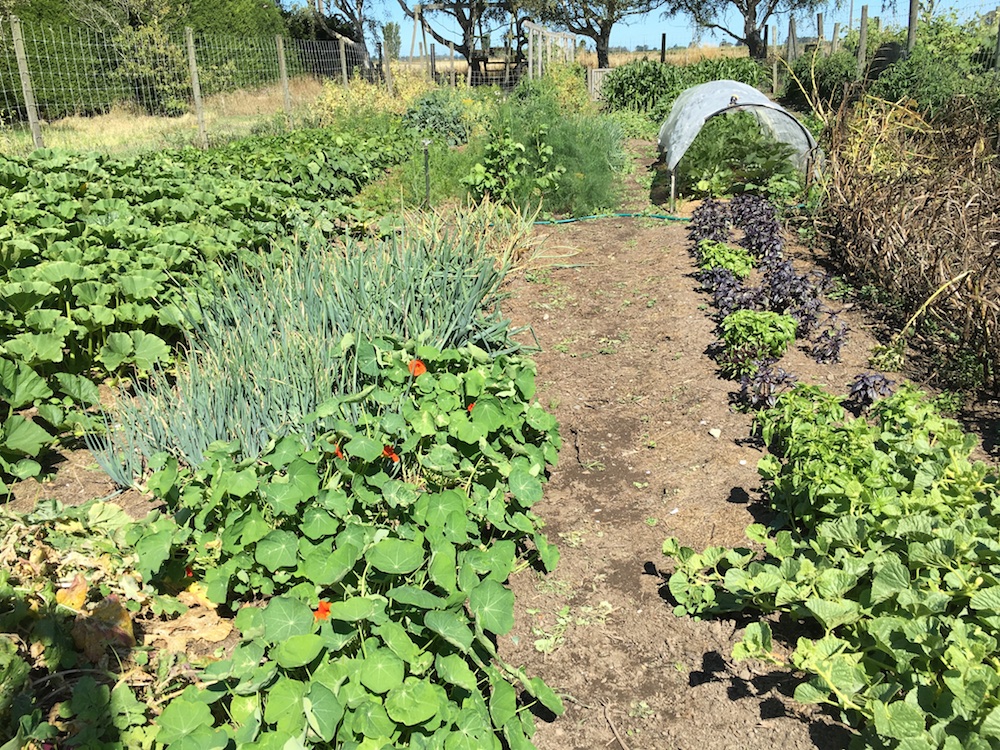
But the truth is, there isn’t much still to be done in the garden. Oh, there are pumpkins and popcorn to harvest, and at some point I need to bring in the remaining carrots, but all those tasks can be done on the weekend. Large swaths of the garden don’t need to be weeded anymore—the crops there are done, and the chickens will appreciate the weeds when I turn them out into the garden for the winter.

So instead, I have time to read a book after dinner, which is a luxury I don’t have during Daylight Savings Time. I’m actually quite excited by it this year, as we have a new book nook my husband built along with some beautiful cabinetry for the bedroom. The perfect place to curl up with a book.
 

Puddles of Crickets

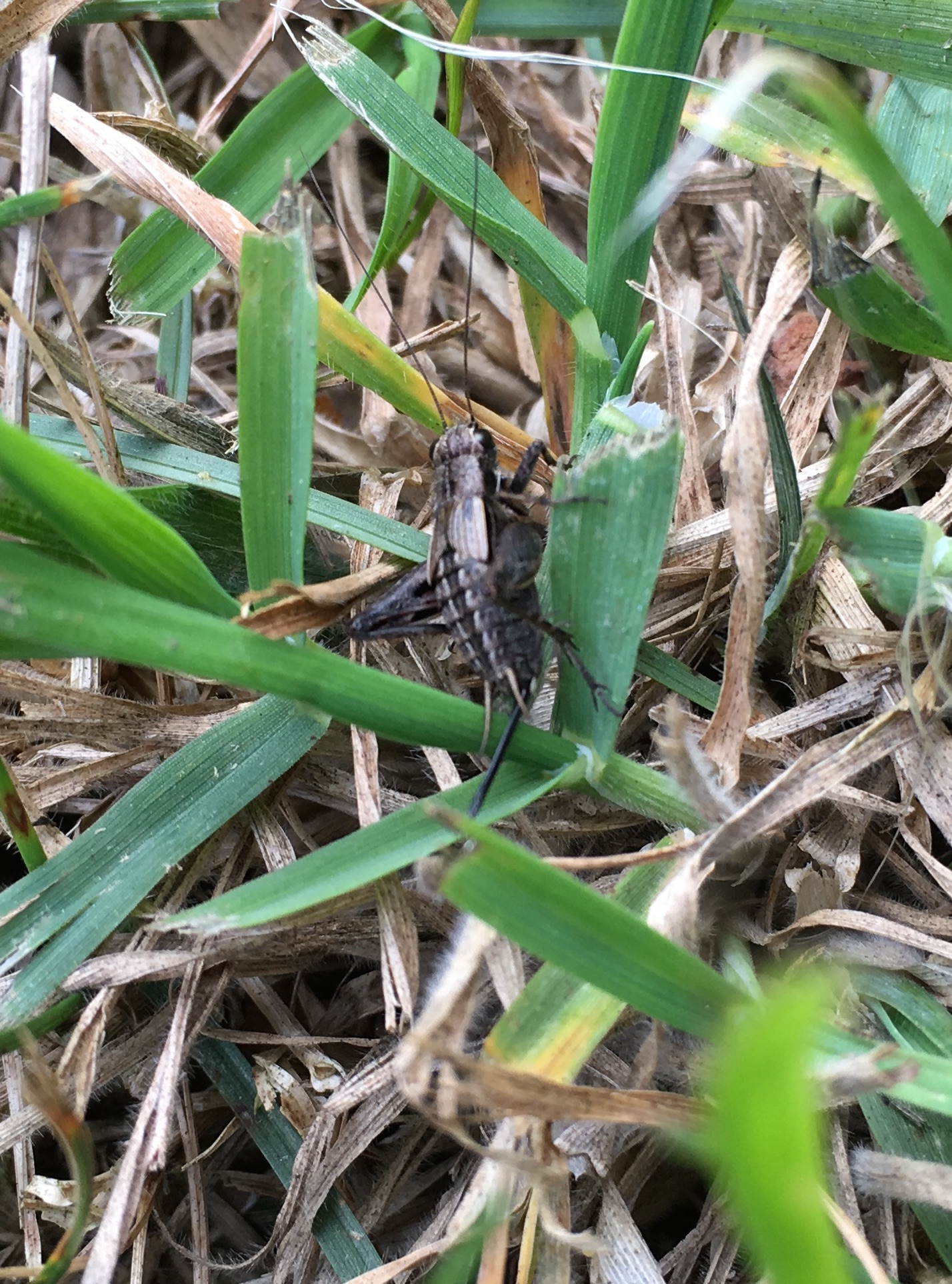
A female small field cricket--the long ovipositor (egg laying tube) at the rear tells you she's a girl.

A female small field cricket–the long ovipositor (egg laying tube) at the rear tells you she’s a girl.

It was like walking through puddles, my daughter said.

There had been no rain.

But the grass was so alive with crickets, they rippled away from every step like splashes of water.

By the time I got there, she had splashed all the crickets away, but I could still hear them. Their little bell-like songs have been a constant background noise all summer, and are particularly loud now, in autumn, when most are adults.

It’s only the males who sing, and they do it by rubbing their short, leathery wings together. The song is fiendishly difficult to locate—it sounds like it’s coming from a dozen places at once, and finding a calling male is all but impossible for a predator. The other crickets are able to do it, though. Males’ calls stake out their territories and attract females.

When I ran the Bugmobile, I used to take crickets to schools, and I always wanted to have a couple of males so the kids could hear them singing. Catching males was a challenge. Not only are they difficult to locate by sound, but if you do stumble across one, it will drop immediately to the ground and scurry underneath the leaf litter like a cockroach. Females, on the other hand, take great bounding leaps to get away, making them easy to catch in a sweep net. I could collect a dozen females in one sweep of the net, but it might take me half an hour to search out as many males.

It was the same story when I went to photograph them for today’s blog post. Males singing all around me, and not one available for the camera. The girls were more obliging. It wasn’t quite like walking in puddles, but there were an awful lot of them hopping around in the grass.

Hedge trimming

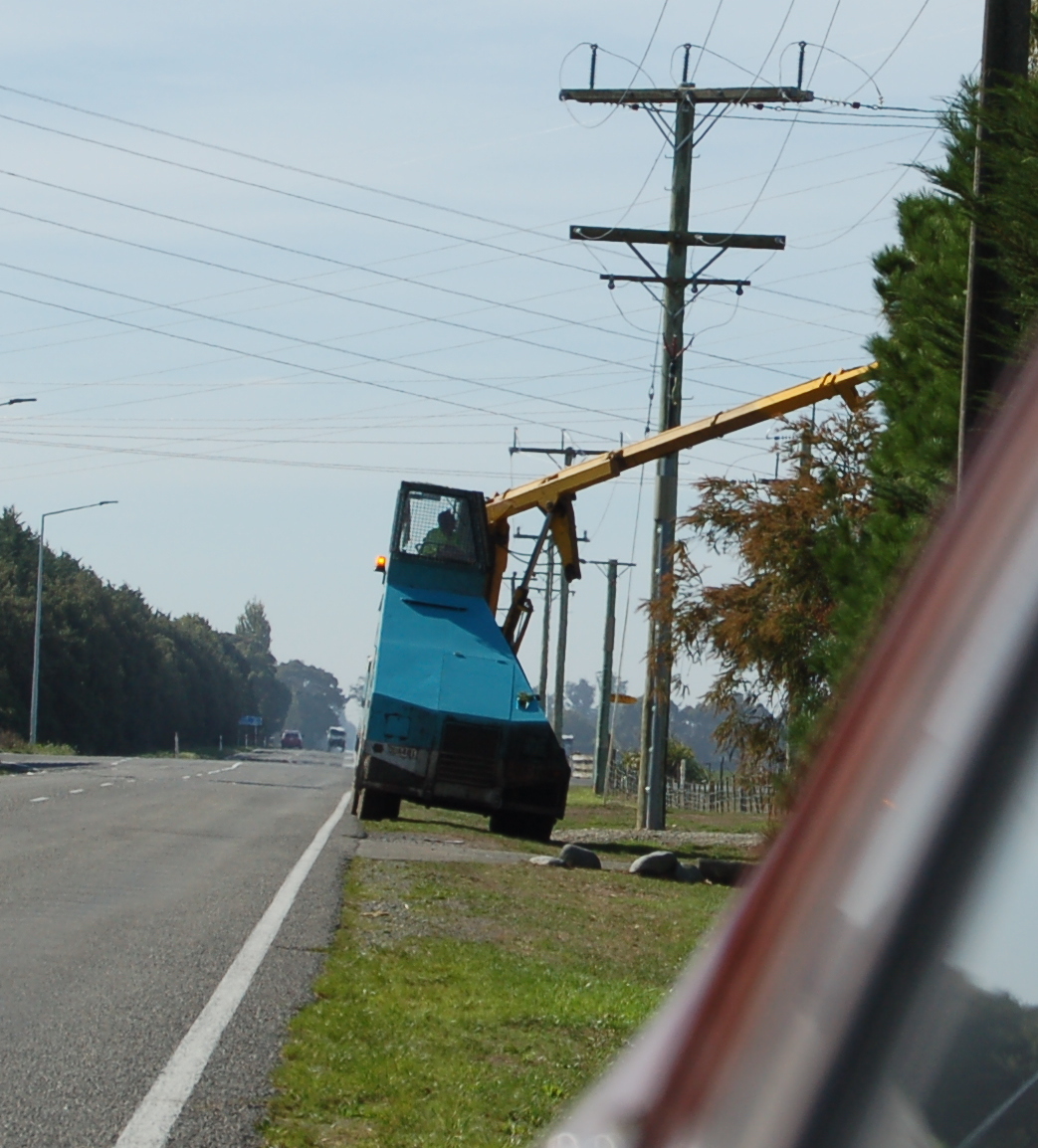
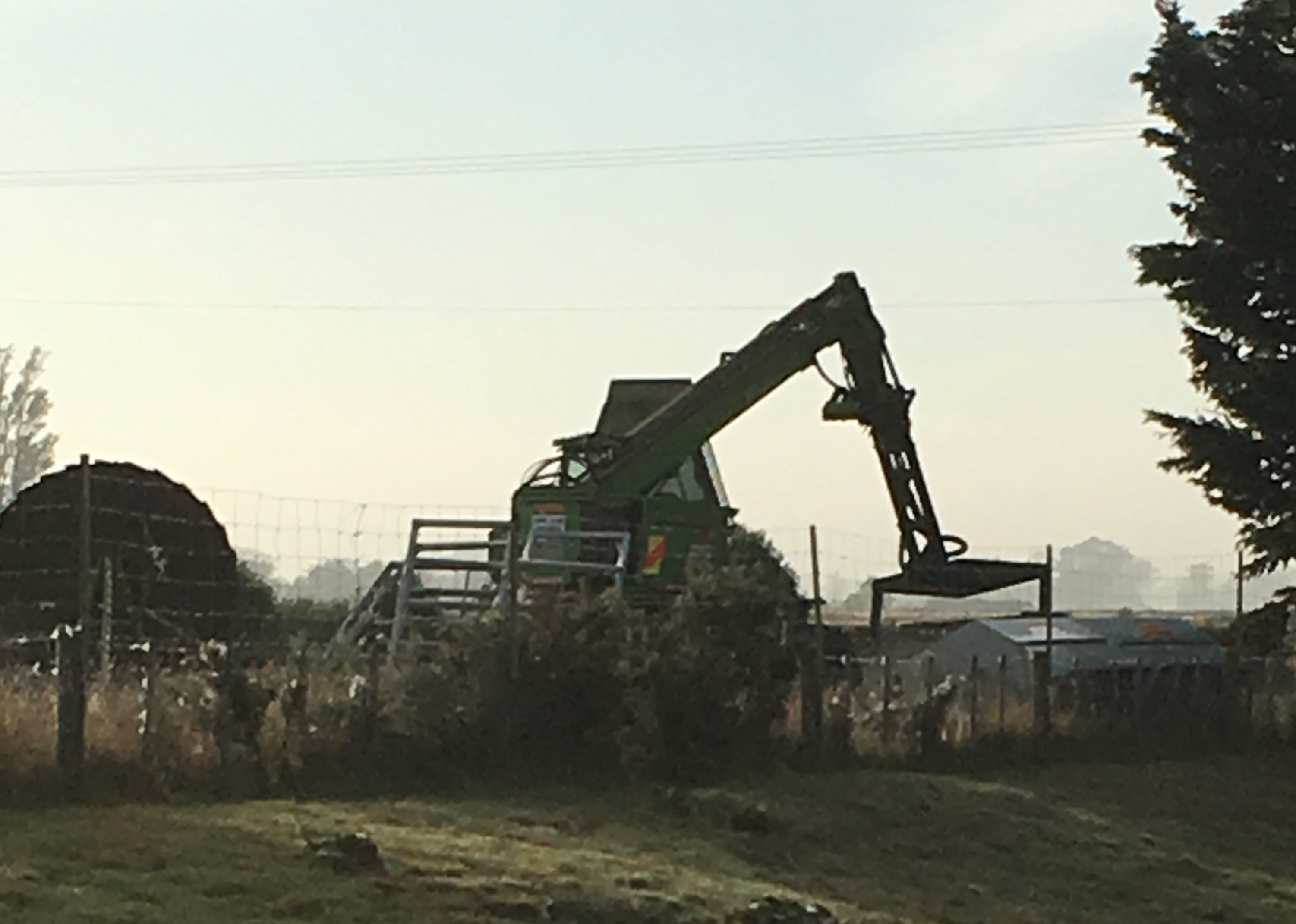
Trimmer looming out of the early morning fog. Note the circular blade to the left--he switched to that later.

Trimmer looming out of the early morning fog next door. Note the circular blade to the left–he switched to that later.

THWACK! THWACK! THWACK! THWACK! THWACK! THWACK!

The sound, like a helicopter crashing into a stand of trees, is unmistakable, though the first time I heard it, I had no idea what it was—a giant hedge trimmer.

Hedges are a necessity here on the windswept Canterbury Plains, and autumn is hedge trimming season.

Our hedge, hemmed in by fruit trees and the septic system, has to be trimmed by hand—a full-day job for my husband and me, and one we put off as long as we can every year.

Here's another, snapped along the roadside on the way to town.

Here’s another, snapped along the roadside on the way to town.

Our neighbours, however, have their hedges trimmed by professional hedging contractors. The hedge trimming machines they use are terrifying—giant, armoured vehicles with a long crane arm bearing any one of a number of wicked-looking cutting devices.

There are circular saw blades the size of a man, two-metre wide lawn mower blades, heavy chains that just beat the branches off the hedge. The machines must be Occupational Safety and Health’s worst nightmare. Some have an 18 metre reach, and the result is perfectly trimmed hedges the size of castle battlements.


Baking Bellybuttons

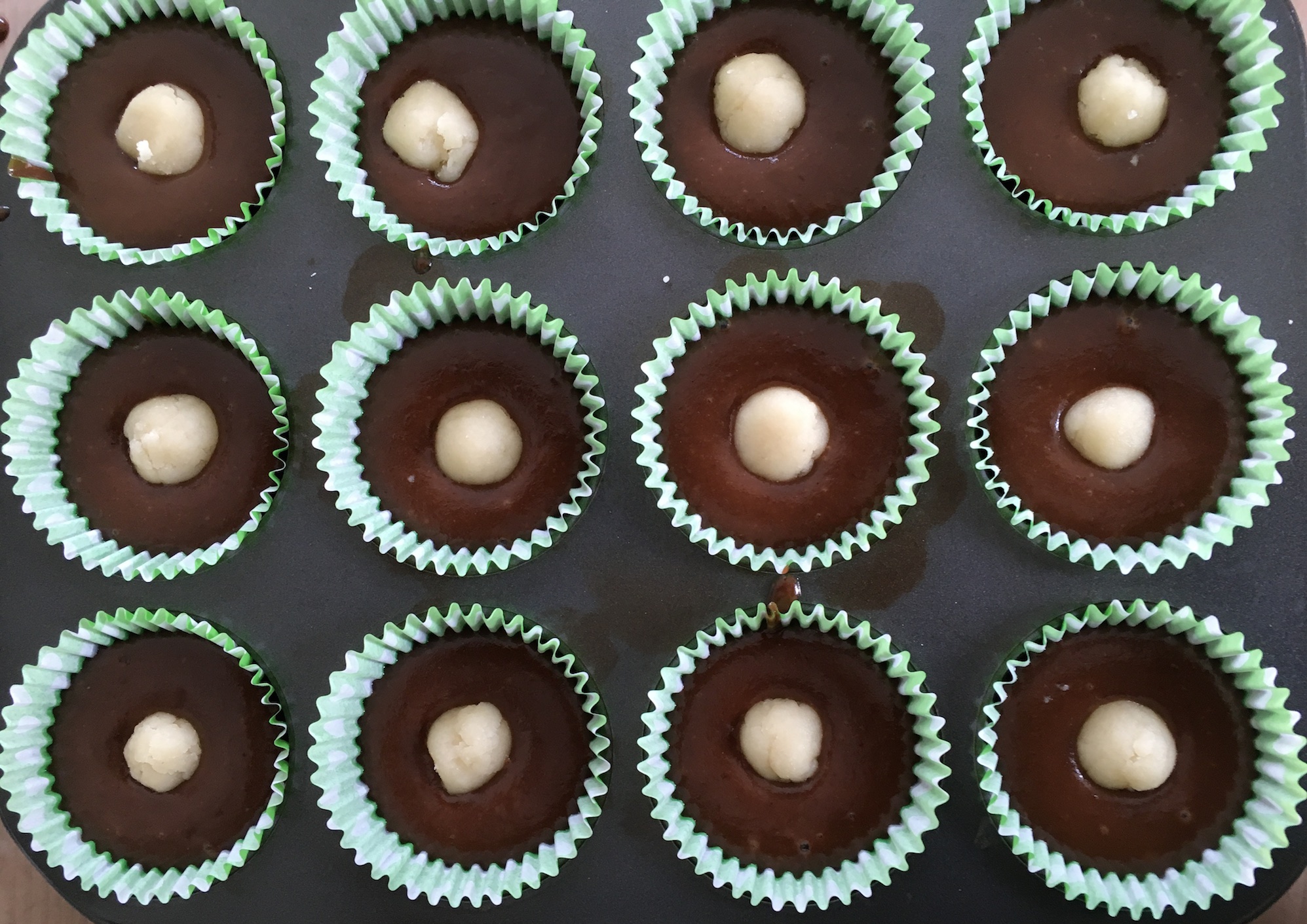
Before baking--moons in the night sky. How romantic!

Before baking–moons in the night sky. How romantic!

I had to bake on the equinox. Something to celebrate the season, and the coming long nights.

I had some marzipan left over from recent birthday cakes, so I made chocolate cupcakes, each with a little ball of marzipan dropped into the batter–you know, a moon in the night sky.

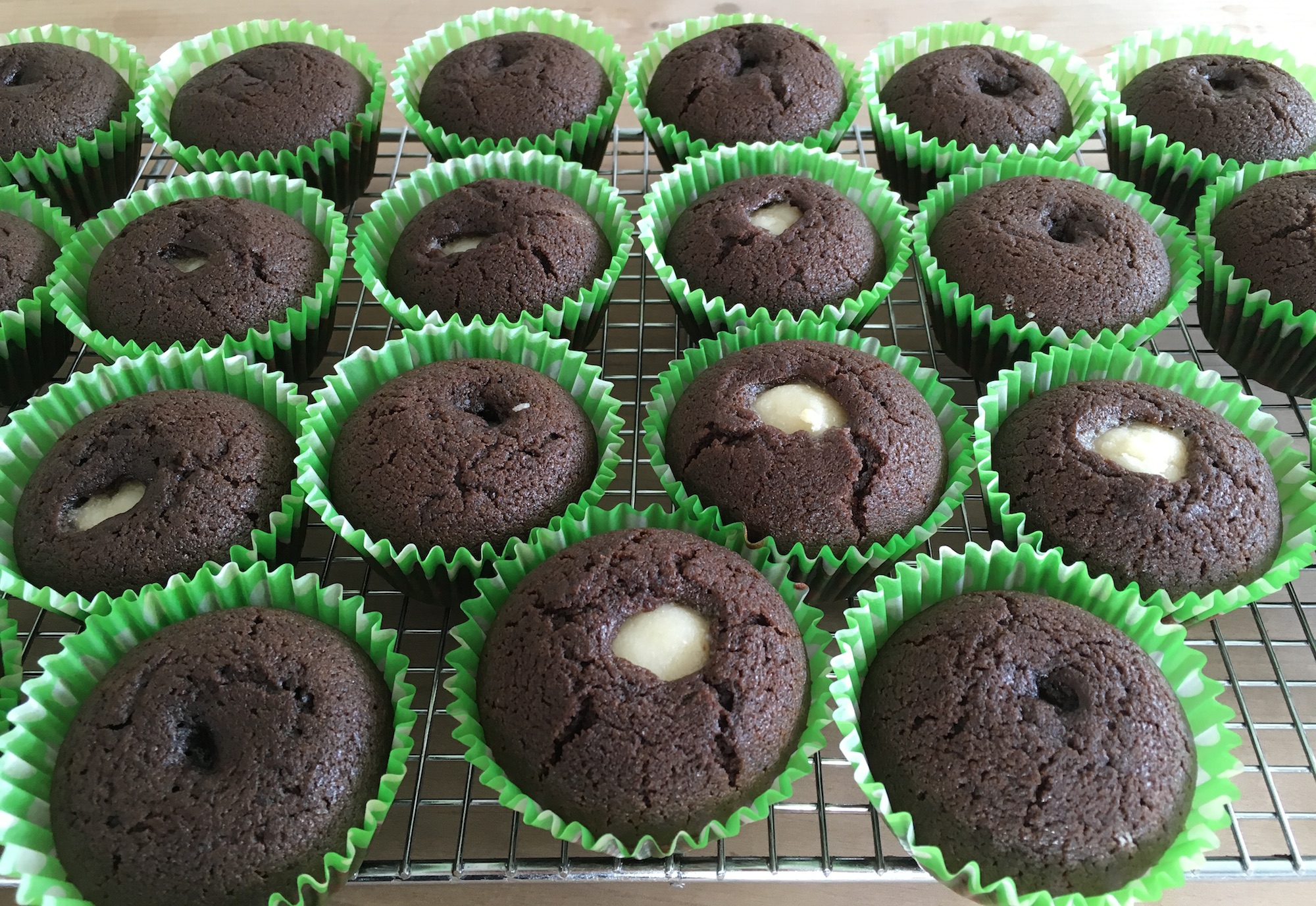
After baking--bellybuttons. How...um...something.

After baking–bellybuttons. How…um…something.

But the marzipan moons sank, leaving the cupcakes looking a bit like bellybuttons.

Delicious bellybuttons, I might add…


The Dark Side

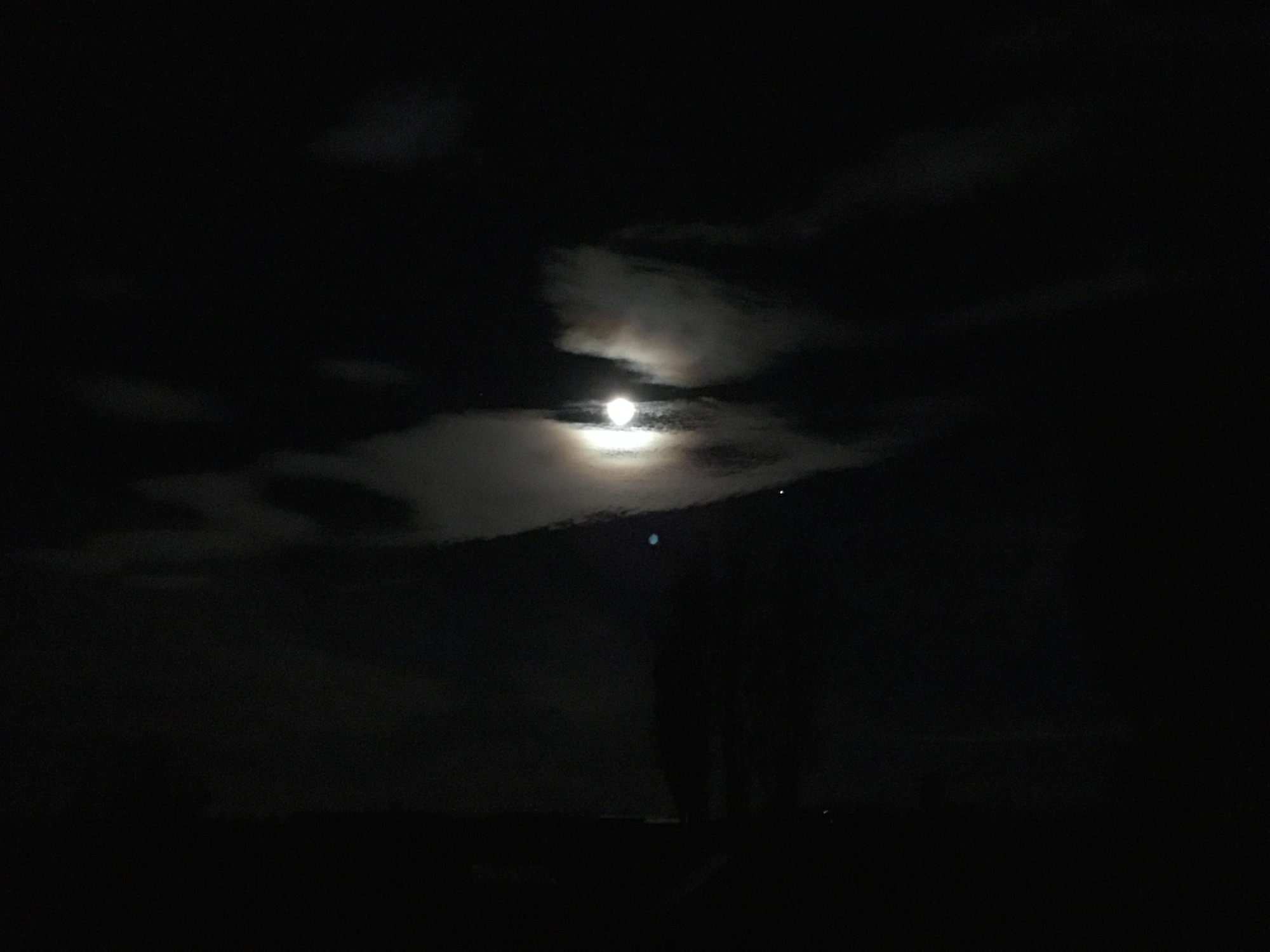
Near-full moon means bright evenings, but dark mornings.

Near-full moon means bright evenings, but dark mornings.

Today we tip to the dark side. Tomorrow, night will outstrip day for the first time in six months.

It seems the equinox should be momentous. Autumn should sweep in, chilly and dark, leaving summer behind.

But yesterday, the temperature reached 33 degrees (91F). Today is on track to be even warmer, and tomorrow, the same. Though darkness creeps up on us, the sun has not abandoned us yet.

Still, it is time to remember to appreciate the dark.

This morning, I milked and fed the animals in the dark, as I’ve done for the past month. But before I went back inside and turned on the lights, I paused to appreciate the night sky. The milky way slashed from northern to southern horizon, southern cross glinting in its midst. Pavo, Scorpius, and Lupus were there too—a veritable menagerie of constellations, though truth be told, I can identify only a handful of them without a star chart.

But in the still of early morning, it didn’t matter whether I could find the peacock’s tail in the sky. It was enough to look up and appreciate the vast universe, accessible to us only in the dark.

Invasion of the Cabbage Whites

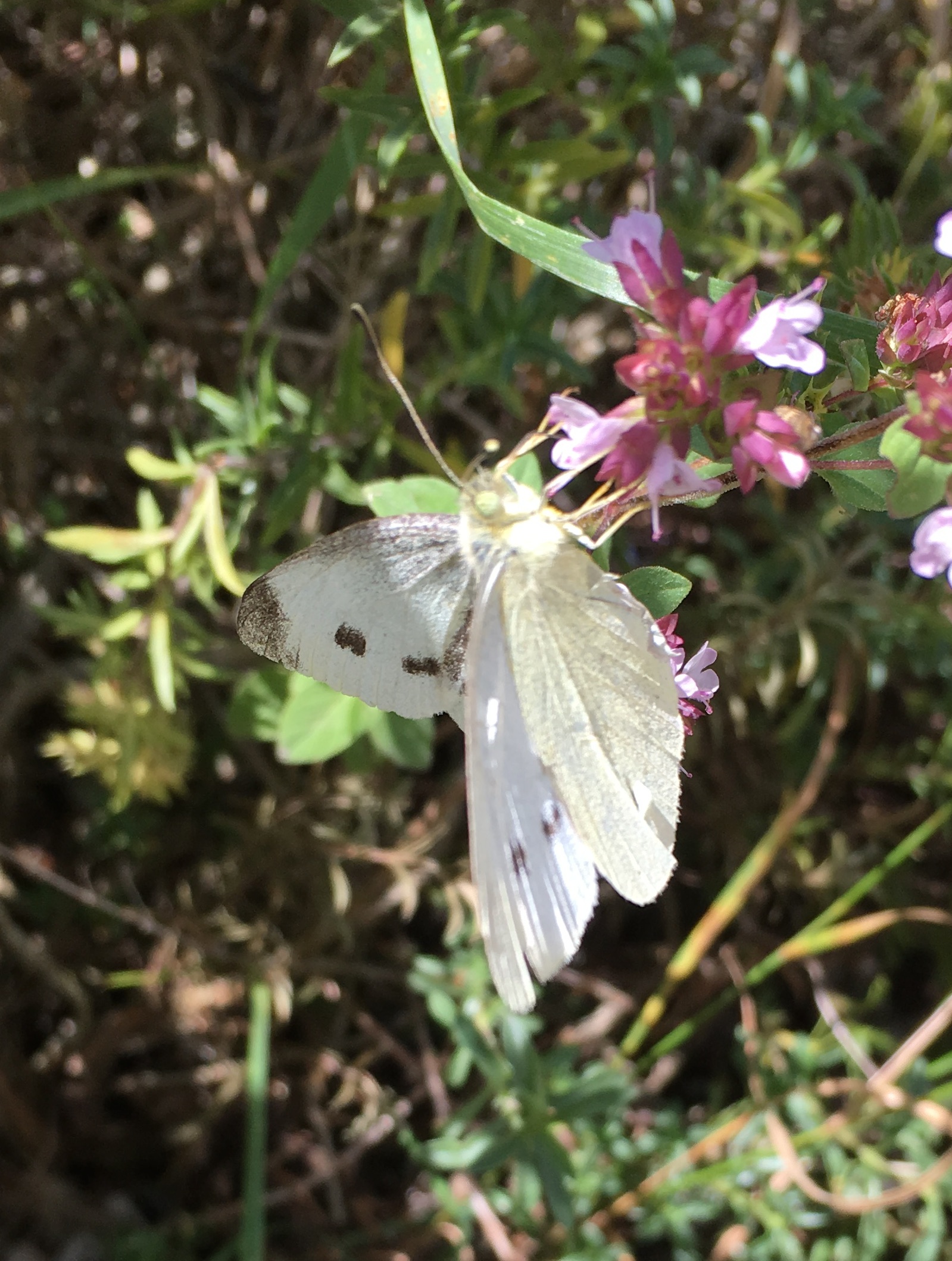
2016-03-02 14.24.23The small cabbage white butterfly (Pieris rapae) is the bane of gardeners’ existence all over the world. Native to Europe, Asia and North Africa, the butterfly is now found throughout most of North America, Hawaii, Australia and New Zealand.

In my little corner of New Zealand, the butterfly is especially common, presumably because of the huge numbers of commercial brassica crops grown here. In late summer, the roadsides shimmer with the butterflies, and their tattered wings flutter like flags in my car’s grille.

These butterflies are the reason broccoli is a seasonal crop for us. Broccoli can be grown year-round here, but mid- to late-summer broccoli becomes infested with caterpillars. For a few years, I dutifully treated my broccoli with Bt (an organic bacterial toxin that selectively kills caterpillars), but I eventually stopped bothering.

By mid-summer, there is so much other food coming out of the garden that, truth is, we don’t need the broccoli. And having a broccoli-free part of the year helps bring variety to our diets, and makes broccoli more special when it is available in winter and spring.

Sour grapes? Not at all! Just learning to work with the local wildlife instead of against it. Makes life easier for everyone!

The Beginning of the End

Pumpkins are filling out and beginning to harden off.

Pumpkins are filling out and beginning to harden off.

March 1—first day of autumn here. It is appropriately autumnal today, with a grey sky and brisk, cool wind.

But it didn’t take a cool day, or the calendar to tell me summer was coming to a close. I have been milking in the dark for weeks—a sure sign the equinox is coming. Last week, the first of the elm leaves crunched brown and crisp underfoot. The poplar trees are looking sparse. The dry beans have started to senesce—pods bleaching, yellow leaves plopping to the ground.

The coming weekend will be full of harvest activities—no time for the beach, regardless of how hot it is. Soy beans, dry beans, and corn will all need harvesting. We’ll make the year’s summer soup. I’ll make another batch of pesto for the freezer before the basil is finished. I’ll dry some tomatoes.

There will be plenty more hot days, and likely a few trips to the beach. There will be many more tomatoes, eggplants, beans, and melons. Summer’s not really over. But it’s beginning to pack its bags and get rid of whatever it can’t take with it when it leaves for the Northern Hemisphere.

Respite

Before the rain...

Before the rain…

A week ago, I was looking at a garden struggling to stay alive, even with my regular watering and mulching. Relentless days of hot sun and no rain to speak of since early spring—things were grim.

Then, last Friday night it rained. Saturday was cloudy and rainy. Sunday, Monday and Tuesday were cloudy and misty. Four days of relief.

After the rain.

After the rain.

The garden responded. Many plants doubled in size in the past week. Zucchinis matured, pumpkin runners snaked into neighbouring beds, peas began a second flowering.

It will dry out again. The rain wasn’t nearly enough to make up for the drought. Already this afternoon, the temperature is back in the low 30s (nearly 90˚F).

But I’m thankful for the respite. It made all the difference to this week’s garden, and it will continue making a difference for weeks.

Sometimes that’s all we need—a vacation, a respite, a little time for recuperation, time to grow and fortify ourselves before we are plunged back into a struggle.

And now that it’s rained, my respite from weeding is over. The weeds responded as much as the crops did, and it’s back to the grindstone for me.

But I will do so with more cheer, knowing that the plants have had a break, too.

Sunrise, Sunset

100_3310 smThe days are getting shorter.

You might not notice unless you push the daylight as hard as I do. Because I get up so early, I can feel the shrinking days by early January.

It starts with me oversleeping. I don’t use an alarm, so as the days get shorter, I find myself sleeping longer. Just by a few minutes at first, but by now I don’t open my eyes until 5.15 am, and don’t bother getting up until 5.30—the animals tell time by the sun and won’t look for me until then anyway.

At some point, I’ll have to switch to getting up in the dark. At some point, the days won’t be long enough.

But for now, I’ll enjoy the extra sleep.