A Bite of Summer for the (winter) Solstice

I’ve been celebrating the winter solstice in little ways all week–candles at dinner, an extra log on the fire, sunny-coloured food on dark plates…Yesterday I pulled out the last of the blackcurrants to make blackcurrant tarts for dessert.

I’d been saving them for a special occasion, and I thought the solstice was an appropriate one, since the blackcurrants were picked and frozen around the summer solstice.

Biting into one was like biting into a piece of summer–bright and sharp.

In case you missed my blackcurrant pie recipe from 2015, check it out here. It is incredibly simple, and oh-so good! In summer, it goes particularly well with a dollop of vanilla ice cream. In winter, I recommend a cup of strong coffee, some whipped cream, and a crackling fire.


 

Winter Solstice

The shortest day of the year dawned as it should,
Slowly.
Night wrapped its cold wet embrace
over Earth,
reluctant to let go.

Mine

Cloud and Fog conspired
with Night,
spread out
between Sun and Earth,
a blindfold to Sun’s brilliance.

What will you give us, Sun?
What will you give us to go away?

Sun lit Fog to blinding yellow.

I will give you Fire

Fog swirled and churned.
Wisps curled into eddies,
turned pink and gold.

I am beautiful!

Enraptured, Fog did not see
He was being consumed.
Sun turned her eyes to cloud.

The same for you?

Cloud bowed and parted.
Day began at last.

Darkness Rises

Photo: Egres73, Wikimedia Commons

Darkness does not fall.
Instead, rises
from shadows grown long
in the evening sun.
Landscape darkens
before sky.
Dark fills up the hollows,
the valleys,
the chook house,
(where birds rustle their feathers
to let the dark settle in close).
Finally, deep night
Rises.
Not too deep–
I can still see the stars.

The Season for Food Porn

A spread of summer vegetables ready for grilling.

I roasted the last of the summer’s potatoes last week, and finished off the carrots over the weekend. The corn I froze in March and April is already a memory, as are the cherries, apples and blackcurrants.

We’re getting to the boring time of year, when our vegetable options are limited, and we eat a lot of beans. It’s not a problem, but it means it’s a great time to enjoy food porn. Here are just a few of my favourites.

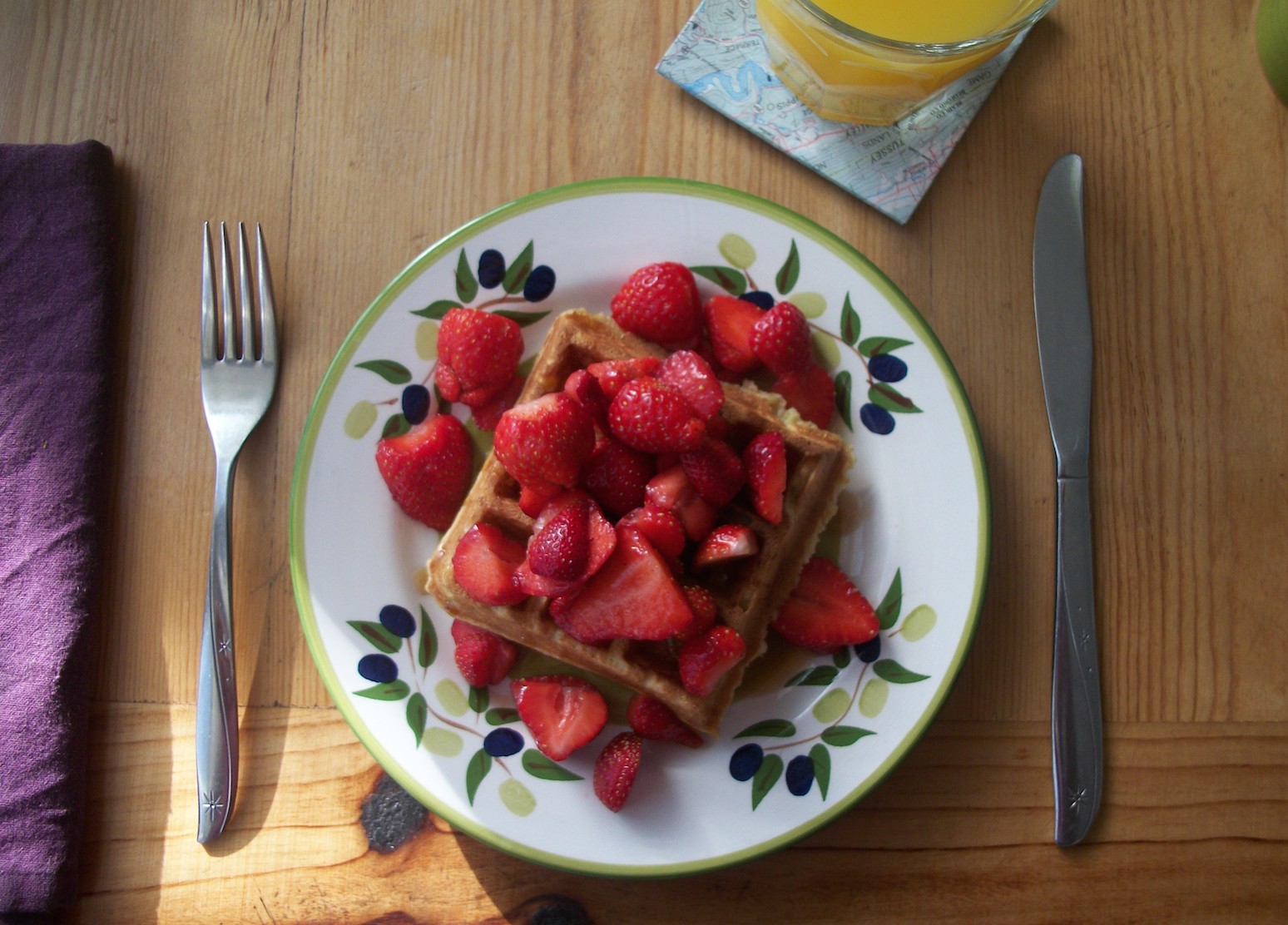
Waffles smothered in strawberries

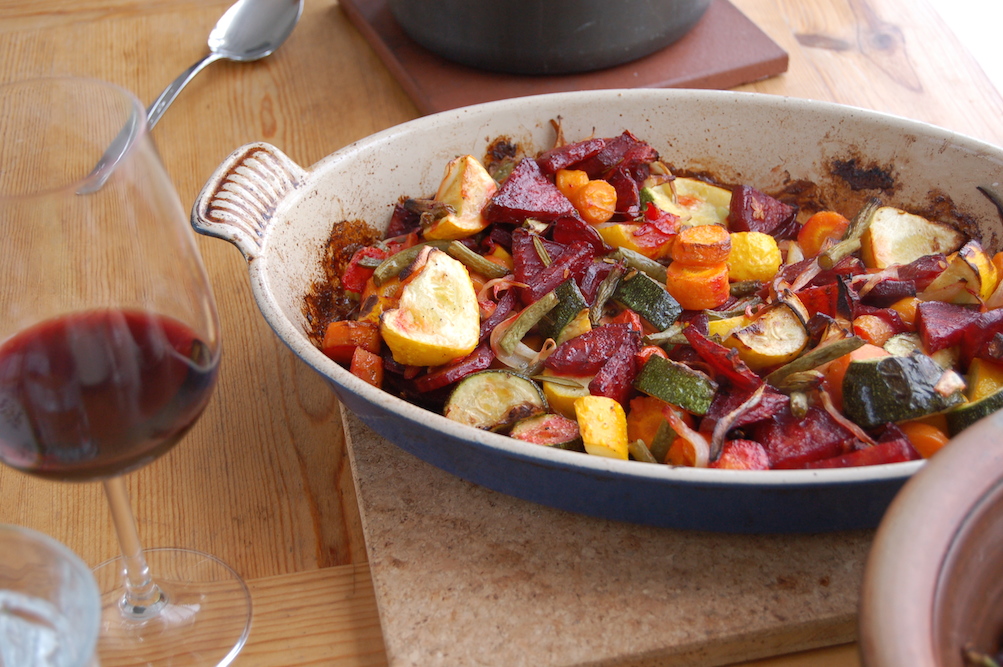
Roast summer veggies

Soy, parmesan-crusted zucchini sticks, watermelon, and breadsticks dipped in a rich tomato sauce.

Tomatoes ripe and flavourful

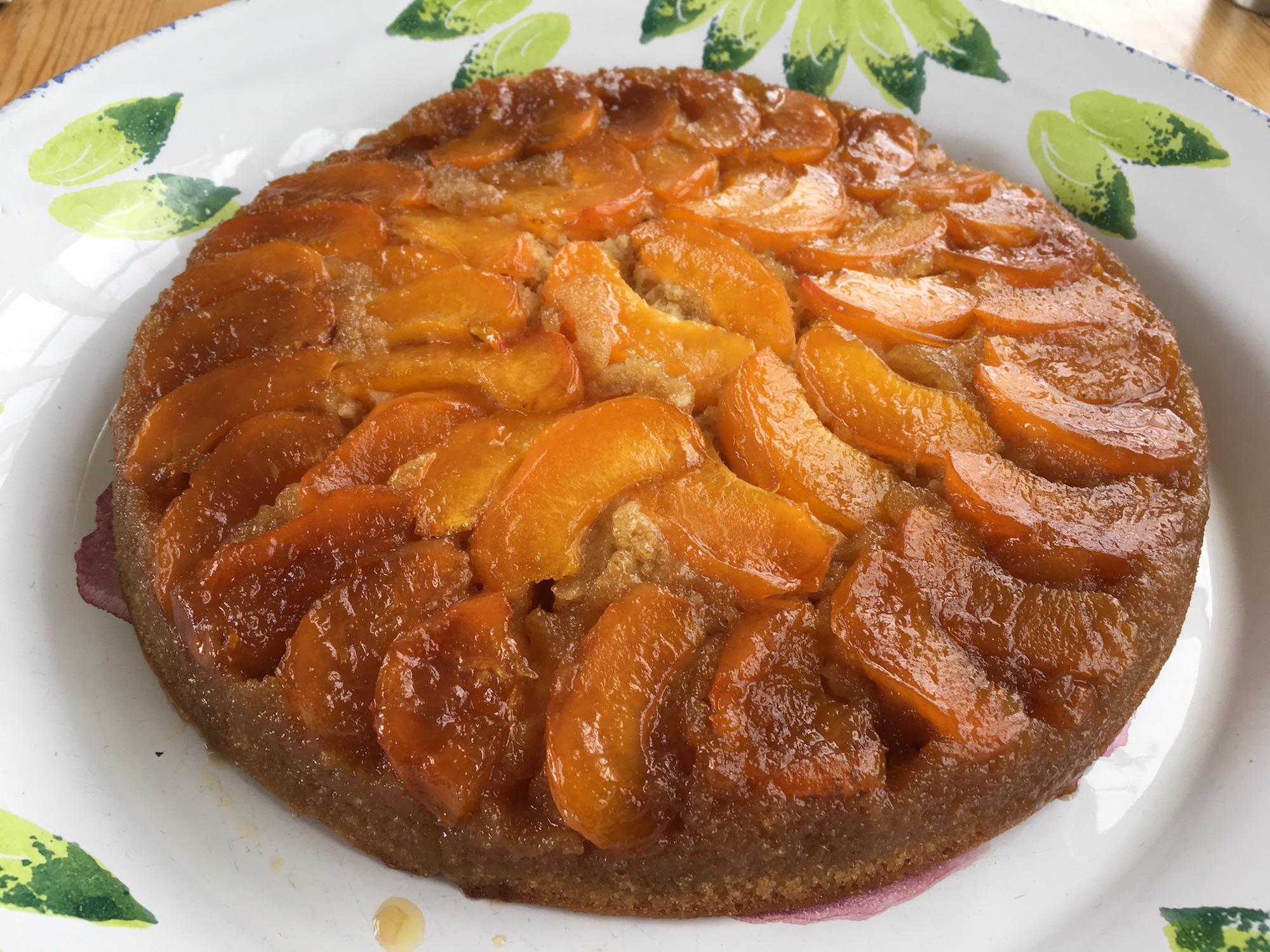
Apricot upside down cake

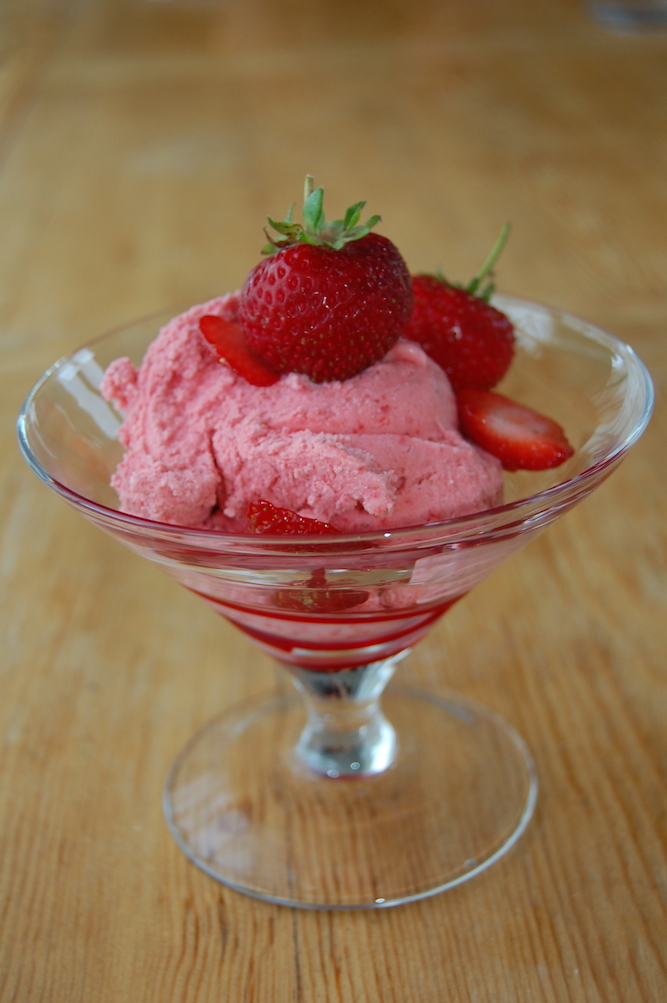
Homemade strawberry ice cream

Beauty Smacks You Upside the Head

Today was an ordinary Monday. The weather was unsettled–clear before dawn, then overcast, drizzly, clearing somewhat late afternoon. Nothing special at all about it.

Except.

Except I couldn’t help but notice today the way the sunlight on the Port Hills highlighted every ridge and valley in bas relief.

I couldn’t help but see the lush green growth of the grass that showed off the lingering oranges and russets of autumn leaves.

I couldn’t avoid seeing that the clouds billowed across the sky in purple, peach, glowing white, and five shades of blue.

I couldn’t help but see the brush fires, flickering yellow, their powder blue smoke rising to form a xanthic smudge across the sky.

Like it or not, the absurd beauty of this place smacked me in the face today. I grinned like an idiot and nearly drove off the road.

Of course, I didn’t get any photos of it. It wouldn’t have done the day justice, anyway.

Not bad, for an ordinary Monday.

Geeky Pruning

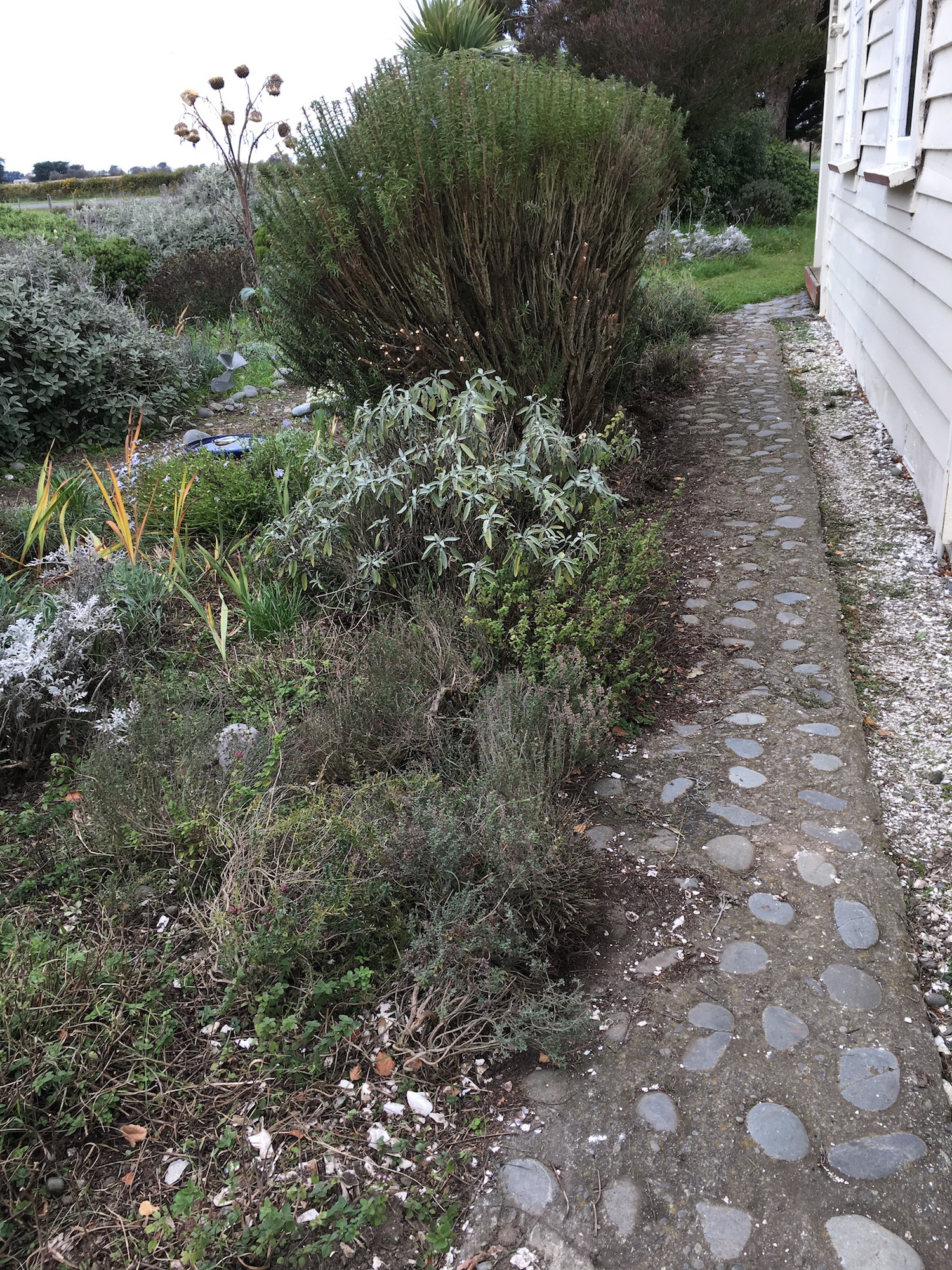
The newly cleared path and scalped rosemary.

The job had been hanging over me for two years. Every time I went to trim the rosemary bushes by the side of the house, I found them being heavily used by insects and couldn’t bring myself to disturb them. I finally had to admit that there was never going to be a good time to prune them.

So this weekend, when I found I could no longer use the path between rosemary bushes and house, and the bushes were nearing two and a half metres tall, I decided it was time to prune.

Pruning the rosemary is never a fun job—the wood is hard as nails, and every branch seems to need a different size pruning tool than the last one. To make it worse, this time the job took twice as long as it might have, because I checked every branch for preying mantids and mantid egg cases.

I shifted six adult mantids to other plants and collected eleven egg cases by the time I was done. I’m sure I missed some, but I’ve tucked the egg cases into a cage to protect them over winter, and when they hatch out in springtime, I’ll release them back to the rosemary.

A bit geeky? Yeah, I suppose it is. But there was never any question about me being an entogeek. This way, I get my path back, and I get to keep my bugs. Everyone’s happy.

Lemongrass

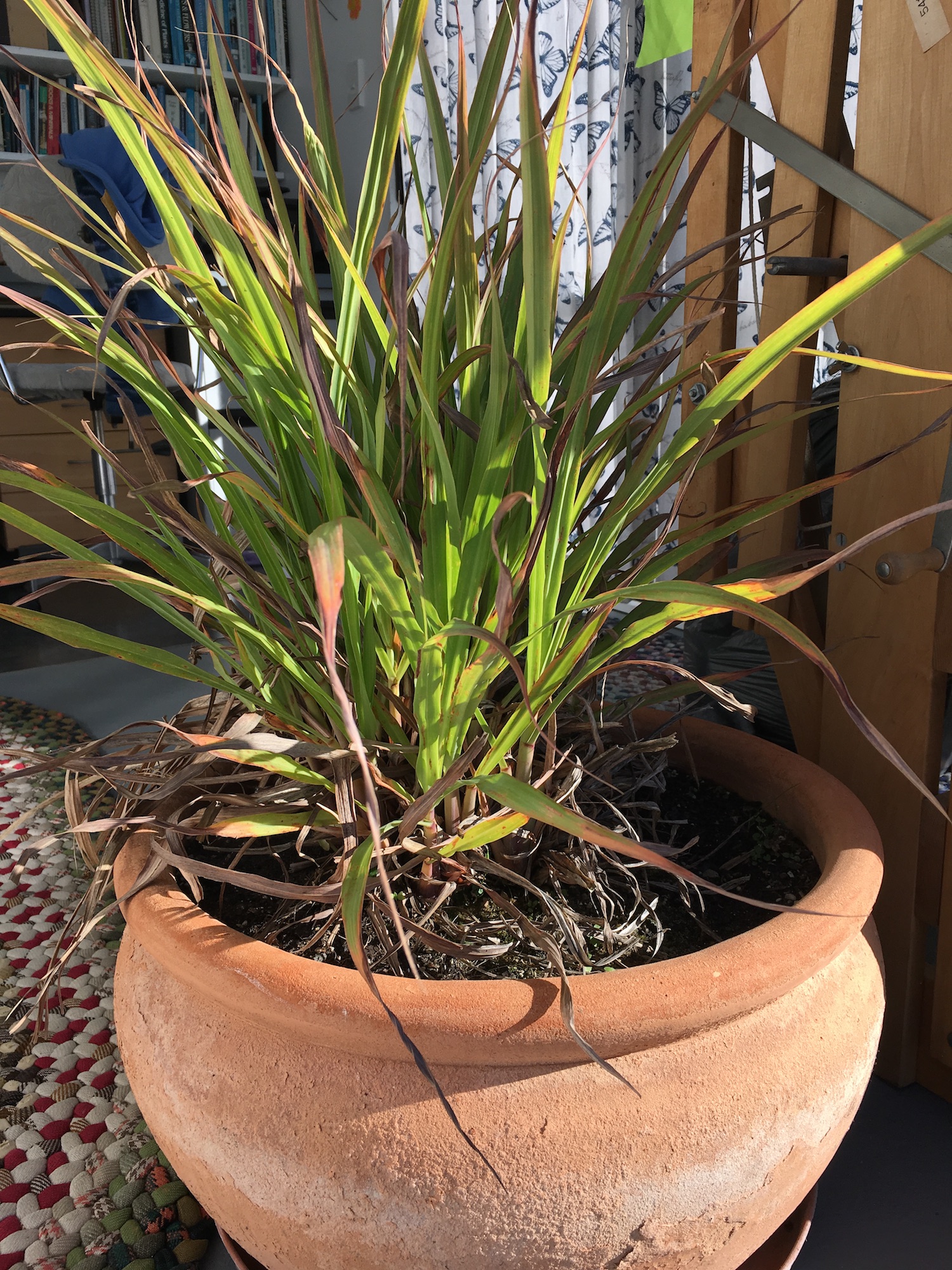
I brought the lemongrass (Cymbopogon citratus) indoors last weekend. It’s not supposed to be able to handle freezing temperatures. It does, but it doesn’t like them. The one winter I left it outside, it died back to just a few well-protected shoots in the centre of the plant.

Thankfully, it doesn’t need much protection. My office is unheated at night, but it provides enough protection to keep the lemongrass alive.

We don’t use much lemongrass. Though its lemony flavour is nice, it doesn’t have the sourness of real lemon, so I find lemongrass tea too sweet.

However, we do occasionally use it in stir fries, marinades and salad dressings, where it imparts its lemony flavour alongside other, more sour ingredients. We were first introduced to its use in salad dressings by Yotam Ottolenghi’s wonderful cookbook Plenty (which I’ve mentioned before). His sweet winter slaw recipe calls for the following dressing:

100ml lime juice
1 lemongrass stalk, chopped
3 Tbsp maple syrup
2 Tbsp toasted sesame oil
1 tsp soy sauce
1/4 tsp chilli flakes
4 tbsp light olive oil or sunflower oil

Place all ingredients except the oil in a saucepan and boil for 5-10 minutes until thick and syrupy. Allow to cool, then strain. Whisk in the oil and toss with your salad.

It’s an excellent way to use lemongrass, pairing with salty, oily, and sour ingredients that enhance its flavour. It’s worth giving up office space to the plant, just for this dressing.

Colours of Autumn

Growing up in eastern North America, autumn meant colourful leaves, fading to brown, bare branches. Green fields gave way to gold, then brown.

So it was a lovely surprise to find when we first moved here that in Canterbury, the opposite is true. Summer has its green bits, but because there is little summer rainfall, the summer landscape is predominantly brown.

But with autumn come cooler temperatures and more rain. Grass begins to grow again. Plants that were dormant through summer sprout new leaves. Autumn is a time of lush green—a time of life, not death.

For certain, the days are shortening, and the growth won’t last. Soon there won’t be enough sunlight hours to fuel plant growth. But winters are mild, and the green will remain all the way through until spring.

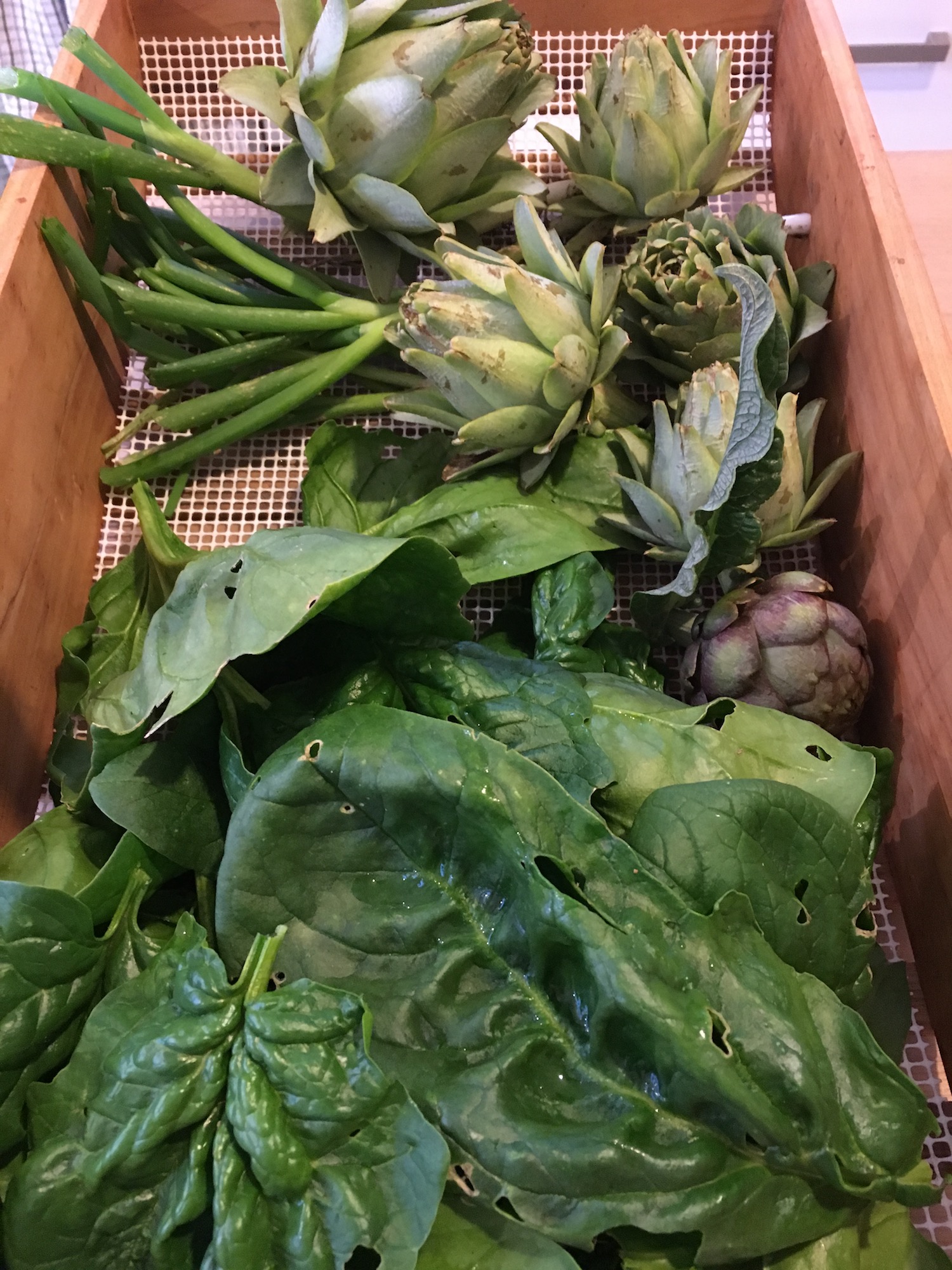
Today I picked a basket of autumn crops for dinner—all in shades of green.

Garden Rescue Mission

A southerly storm blew through yesterday, and the clouds cleared around midday today. The sun was warm this afternoon, but the wind remained chilly. This evening was clear and still. Perfect conditions for a frost.

There are few summer vegetables left at this point. The tomatoes outside the greenhouse are all dead. The peppers and eggplants are ripening their final fruits, the zucchinis and cucumbers are maturing at a tiny size. The corn has all been eaten, and the runner beans are giving just a handful every few days.

A frost will kill everything left in the summer garden, so I went on a rescue mission this evening. I gathered in everything that was still decent, whether it was fully ripe yet or not, assuming that anything left in the garden will be dead by morning.

It felt oddly good.

It’s not that I won’t miss the fresh tomatoes and eggplants of summer, but I also look forward to the pumpkins, potatoes, and beans of winter. As they say, variety is the spice of life. I would say that seasonality is the spice of life. Food marks the course of the year, and each crop has its own time. It gives the year variety and interest. It gives us things to look forward to with each season.

So, while I mount my summer vegetable rescue mission, I don’t worry about the loss of those summer crops. There are other delights to come.

Traditional Easter Jack-o-lantern

The traditional Northern Hemisphere holidays make absolutely no sense here. Easter falls at the Northern Hemisphere seasonal equivalent of mid-October. So a celebration of spring flowers, new-season’s growth, resurrection, etc. just doesn’t work.

We’ve just brought in the last of the harvest–pumpkins, apples, popcorn. The only summer crops left are those in the greenhouse, and they won’t be around much longer, either. Trees are losing their leaves. We’ve brought out the candles, and dream of sitting by a crackling fire in the coming months. Clearly, painted eggs, bunnies, and spring flowers are inappropriate.

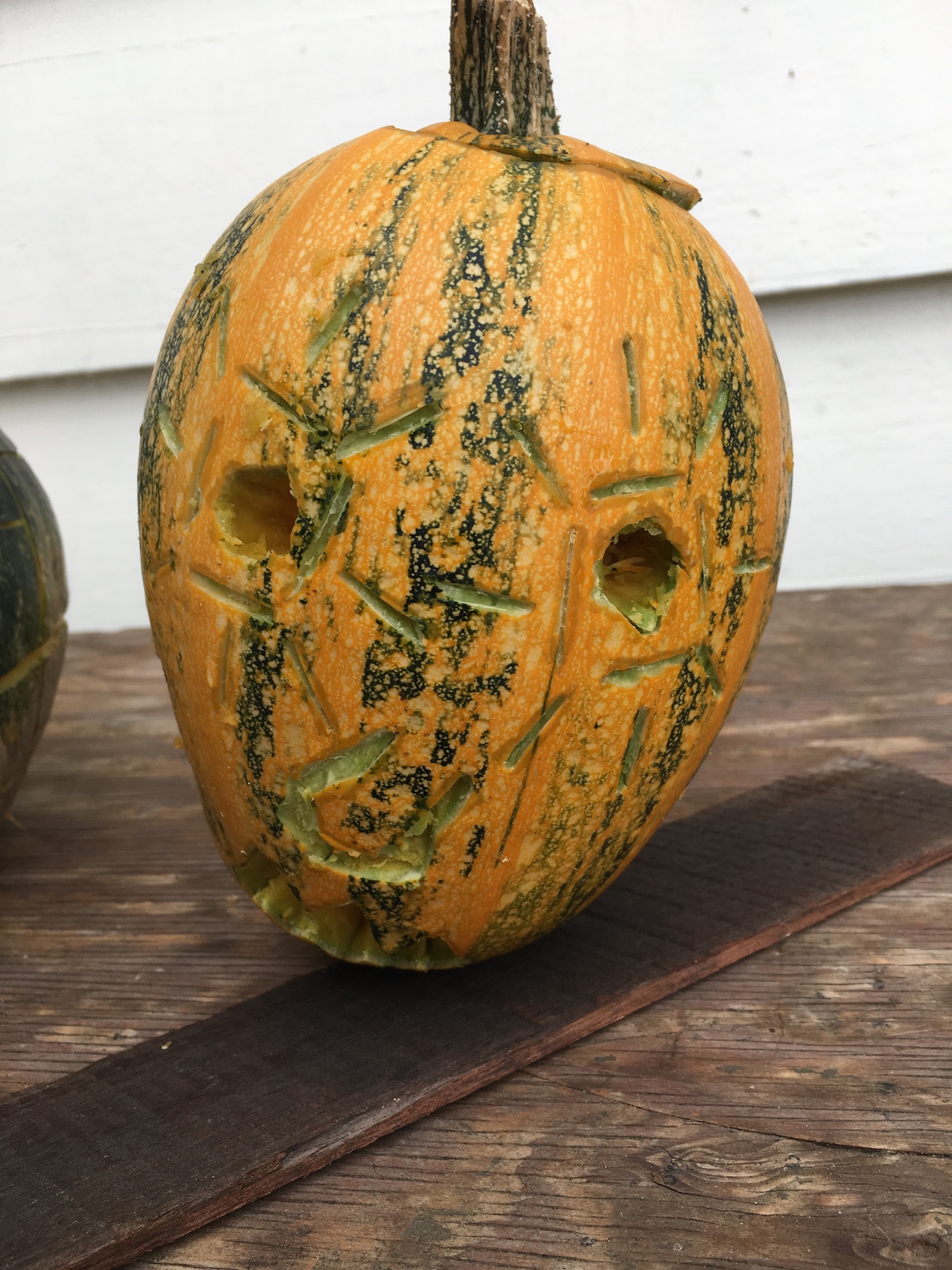
So I introduce the traditional Easter Jack-o-lantern. Carved while snacking on roasted pumpkin seeds.

Great fun for the kids, and better for them than chocolate bunnies!