Springtime in the Office

And so it begins…

It’s been nearly a week since my last blog post, but I have a good excuse—I’ve been working very hard, and have just finished the first draft of The Dragon Defence League, book 3 in my Dragon Slayer series.

Spring has crept into my office, though, in spite of my focus on writing. Over the weekend, I started my first seeds for the season: peppers, eggplants, herbs, brassicas, onions, lettuce and spinach. I’ve been writing in a greenhouse the past two days, with the smell of moist potting mix mixing with the smell of my morning coffee.

Next week I’ll add another batch of seeds to the office, and before long I’ll be hauling newly-sprouted seedlings out to the greenhouse. And not long after that, those seedlings will be ready to set out in the garden.

So much excitement in spring! And now a new book to nurture along with the plants!

Appreciate the season

Drizzle-soaked hebe.

It’s another grey, damp day in a string of grey damp days. We’ve had little rain, but almost no sun, either. Though my last blog was about spring, this weather reminds me it’s still winter.

I’m itching to get out into the garden, to plant seeds, to get on with the business of springtime. The weather hasn’t been cooperating.

In a way, that’s good. It is too early to plant, to early to turn the soil. The weather reminds me to appreciate what winter has to offer—the excuse to stay indoors and sew, the opportunity to play board games and read books, a reason for a mid-afternoon cup of tea. I forget to value these things when I have them, instead looking forward to the next season of frenetic activity. Sometimes I need a week of fog and drizzle to remind me.

Smells Like Spring

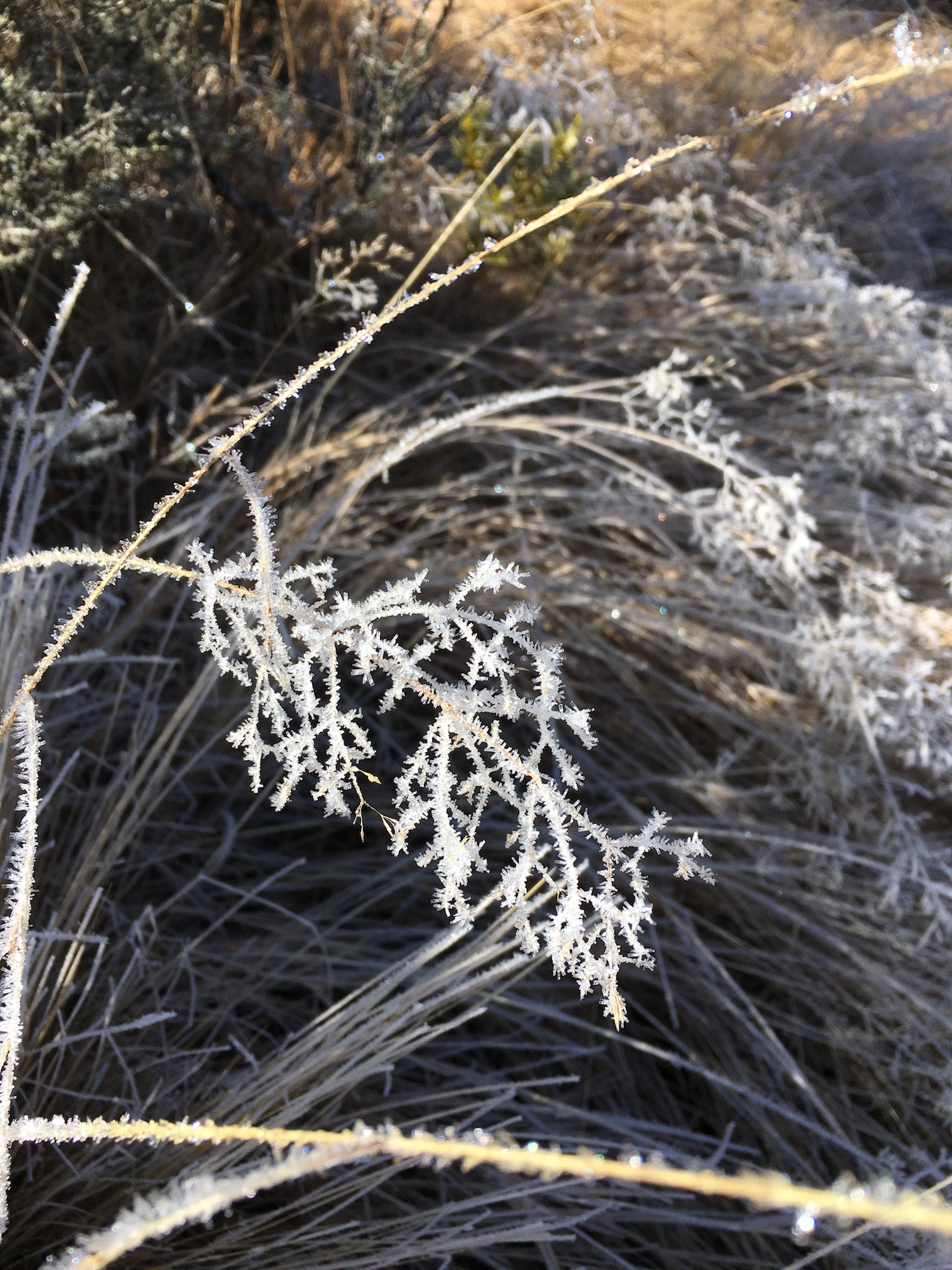
I know, technically it’s still winter. We’re still likely to have icky, cold, wet weather. There will be ice on the water troughs, and frost on the grass in the mornings. There are still plenty of weeks left in the skiing season. And I won’t even think about planting anything out in the garden for at least six weeks.

But yesterday smelled like spring.

That heady combination of lanolin, damp soil, and cut grass.

It sounded like spring, too, with magpies warbling in the trees, swallows chittering overhead, and lambs bawling in the paddocks.

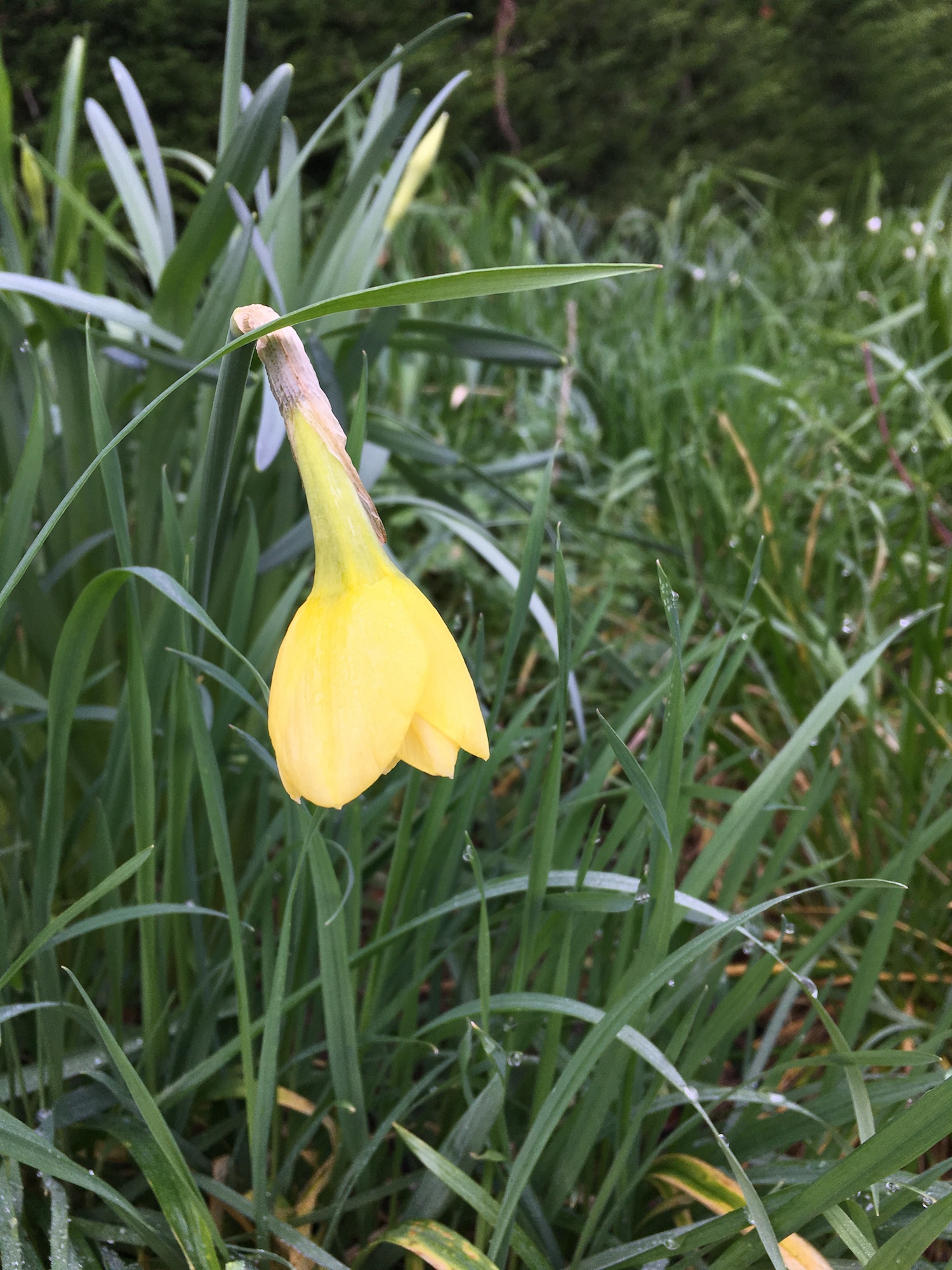
It is not spring. Not yet. But the days are lengthening and the first daffodils are beginning to bloom. It’s time to finish all those indoor winter projects. Spring is on its way.

Happy New (Garden) Year!

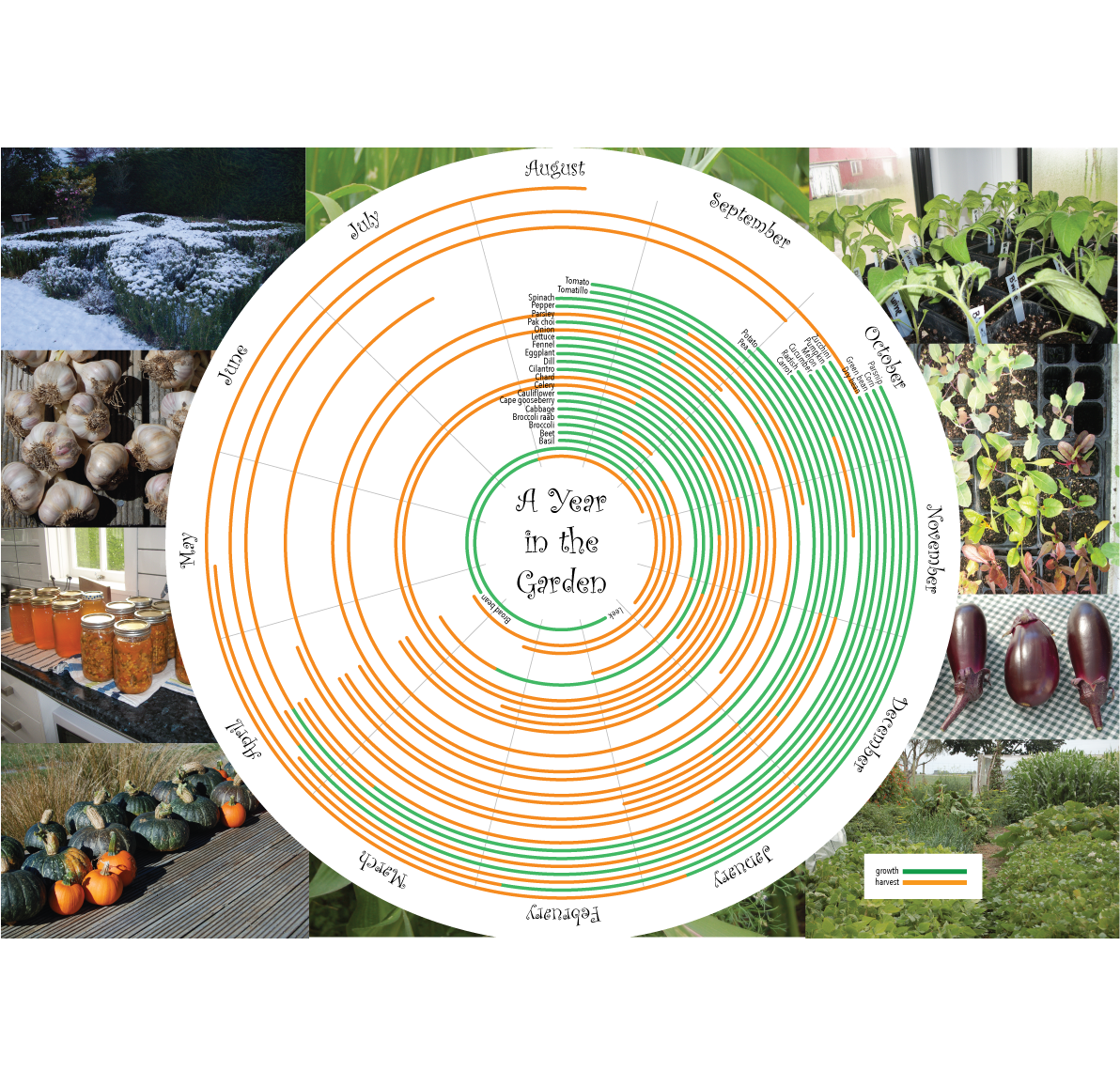
I love the month of July; it’s the beginning of the garden year in my mind, because it’s the month I plan the garden and order my seeds. It’s been a few years since I blogged about my garden year, so I figured it was time to do it again. I unearthed this little graphic my husband helped me create a few years back, showing my annual planting and harvesting schedule. It has changed a little since then, and I notice some crops, like garlic, are missing from it, but it’s still a fairly good indication of my year in the garden.

I struggled the first few years here. Coming from the Northern Hemisphere, I had no idea when I should plant things. And the idea of growing vegetables over winter was foreign to me, too.; gardening in Minnesota and Pennsylvania is sharply seasonal. It’s seasonal here, too, but much less dramatically so.

Instead of growing a ton of spinach over the summer and freezing it for winter, I learned to simply plant small quantities regularly throughout the year, for a perpetual supply of fresh greens. Same with lettuce, chard, broccoli, cabbage, and cauliflower.

Today my garden year ebbs and flows, but there is never a down time in the garden. There is always something to plant, weed or pick. The end of last year overlaps with the beginning of this year, so while I plan my seed order, I’m harvesting the lettuces, broccoli, leeks and other late crops planted in the autumn, and I’m weeding the garlic and broad beans that will be harvested in the coming spring and summer.

Sometimes I miss the complete downtime of gardening in Minnesota—the winter lull when there’s no need to go out and weed in the cold. But only sometimes. The never-ending garden year here has its perks in garden-fresh vegetables year-round.

To the Beach

While all you folks in the Northern Hemisphere are flocking to be beach for a swim and some sun and sand, we are shivering down here in the dark days of winter. But that doesn’t mean we don’t go to the beach.

Research from England has found that people living by the coast have better physical and mental health than those living inland. I can certainly understand that.

Growing up three hours’ drive from the beach, I visited the ocean about once a year. My husband, raised in the midwestern US, doesn’t remember seeing the ocean until age twelve or thirteen.

Today, we live a mere four kilometres from the beach. When the wind is calm, we can hear the surf. When the wind is high, we can smell the sea. Even without research to back us up, we’ve learned to head to the beach when we’re stressed.

Our beach isn’t a white-sand swimming beach—it’s made of cobbles, and the waves pound viciously on the shore. It’s not a place to swim, nor really a place to sit for very long (those rocks get uncomfortable fast). It’s a place to walk. A place to search for wave-polished rocks in glittering colours. A place to watch sea birds, dolphins, and the occasional seal. A place to leave all the stress of daily life behind (I challenge anyone to remain stressed while watching dolphins cavorting in the waves).

Researchers point to the calming blue colour, the hypnotic sound of waves, and the cultural context of the beach to explain its calming effect. But for me its influence is more profound. Our beach is usually free of other people—on a busy day you might see four others. From the beach, it is difficult to see any sign of humans at all—the odd bit of flotsam, but not even much of that. On our beach, the world is reduced to sky, water, and rock, shared only with wildlife. It’s easy to imagine the world is in better shape than it is. It’s easy to believe the vast ocean will endure, in spite of human stupidity. It’s easy to think those rare Hector’s dolphins, which we see nearly every time we visit the beach, are actually common. For the space of time we inhabit the beach, all is right in the world.

It doesn’t last, of course, but it’s good to have that escape so close at hand.

Here Comes the Sun

After weeks of grey, unending drizzle, we’re finally seeing a bit of sun. Mushrooms abound in the yard, revelling in the dank mist we’ve been swimming through for a fortnight. We are all eagerly awaiting passing of the solstice and the lengthening of the days.

Though it is still pretty dark and drear, and the days will still be short for some time, there are signs of the spring to come.

Lambing has started. This is the time of year when the neighbours grow noisy, with lambs and ewes calling to one another day and night.

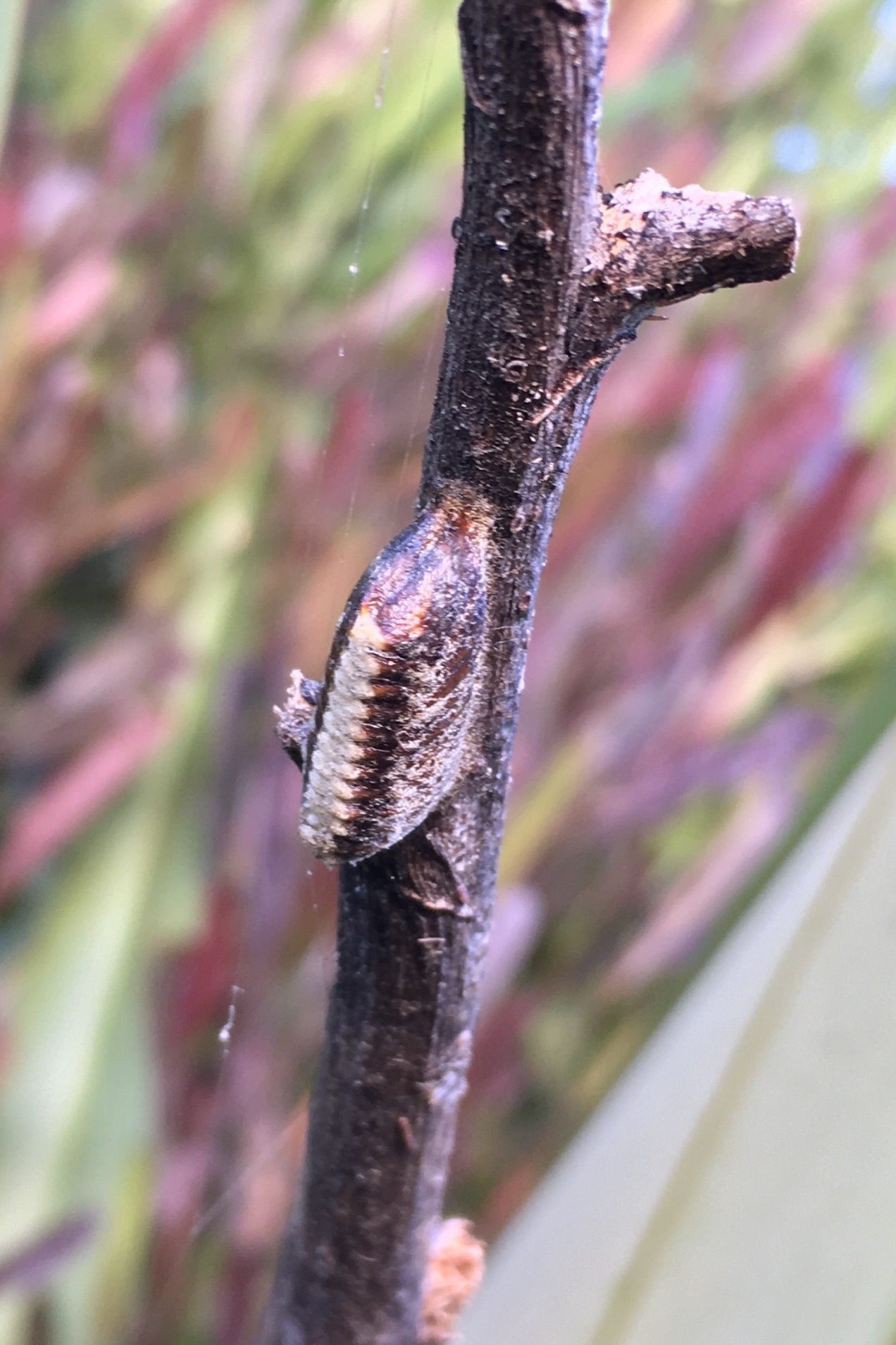
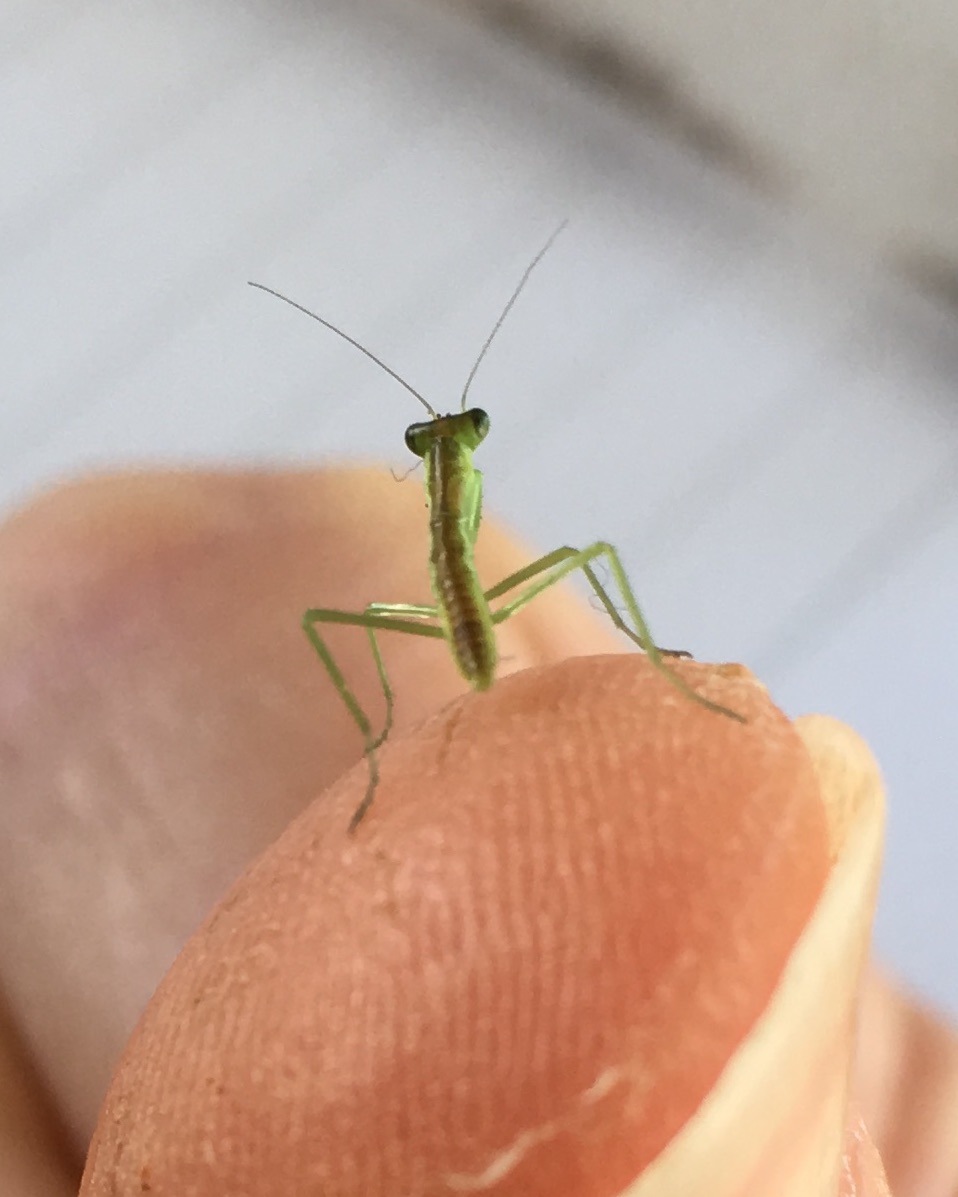
The preying mantids are gone, but their egg cases are dotted around the yard, promising a healthy population of my favourite predators come spring.

The daffodils and snowdrops are coming up, and I’ve even seen them blooming in other people’s yards.

And tomorrow is the solstice. Friday, the sun will remain above the horizon fractionally longer than it did the previous day. We’ll be on the upswing.

Pumpkin Pancakes

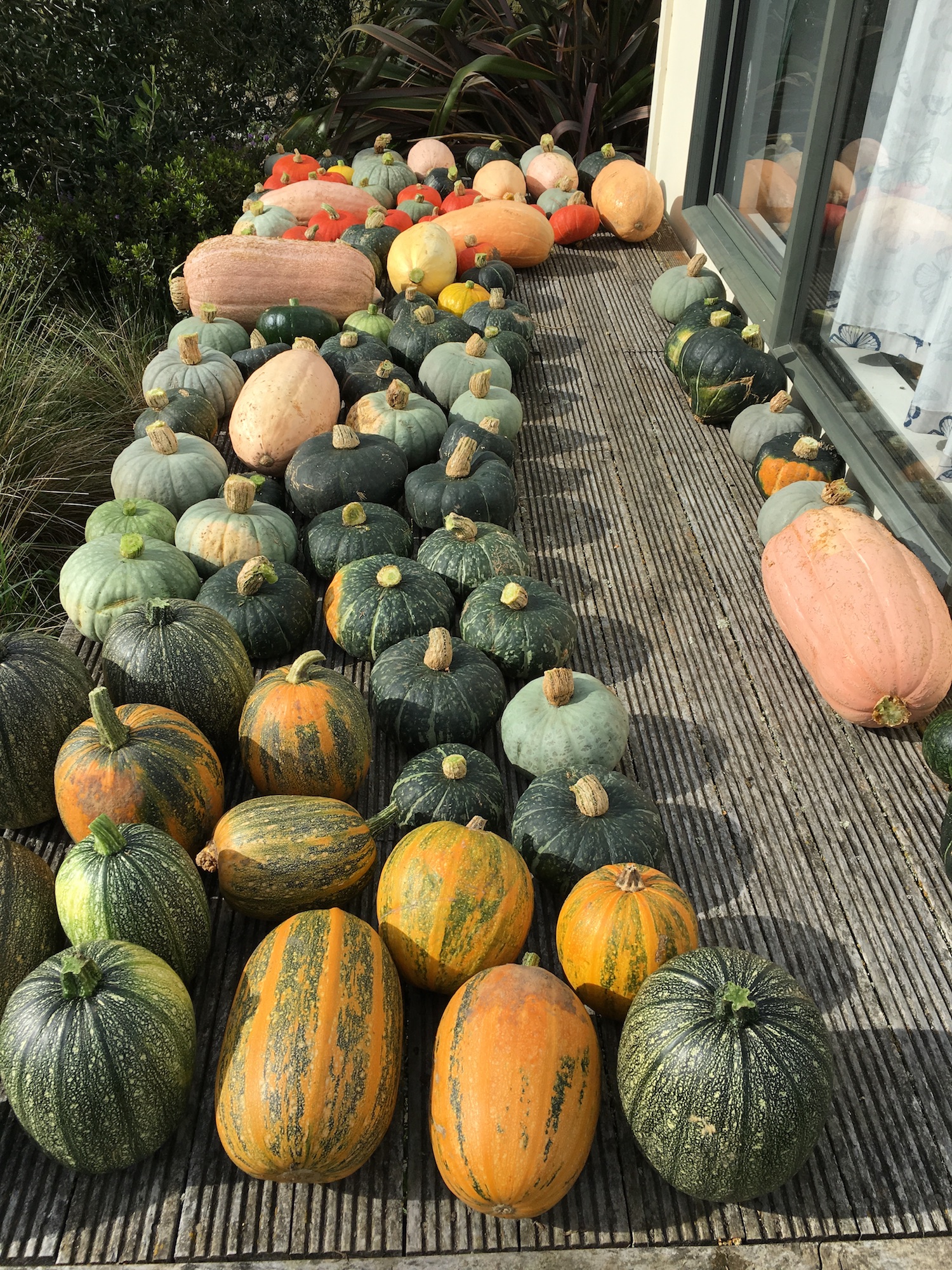
Now that winter has set in, we’ve turned our culinary sights from eggplant and courgettes to pumpkin, pumpkin, and pumpkin. I blogged about our excellent pumpkin harvest earlier this year. That post was written mid-way through the harvest–ultimately we picked nearly 200 pumpkins and other winter squash.

So w’re eating a lot of pumpkin. That’s not a problem.

Yesterday I made lovely pumpkin pancakes for breakfast. They were moist, dense, and spicy—excellent with maple syrup or redcurrant jam.

To make these delicious pancakes, start with a double batch of my World Famous Pancake Recipe. Add 2 tsp cinnamon and 1/2 tsp cloves to the dry ingredients. Add 1 1/2 cups pureed pumpkin (or other winter squash—I used kabocha squash) to the wet ingredients.

If your pumpkin is dry, you may need to increase the milk to achieve the right batter consistency.

We found these pancakes didn’t store/reheat as well as regular pancakes—they became quite fragile upon reheating (though they were still delicious).

Beautiful Basket Fungus

Mature fruiting body

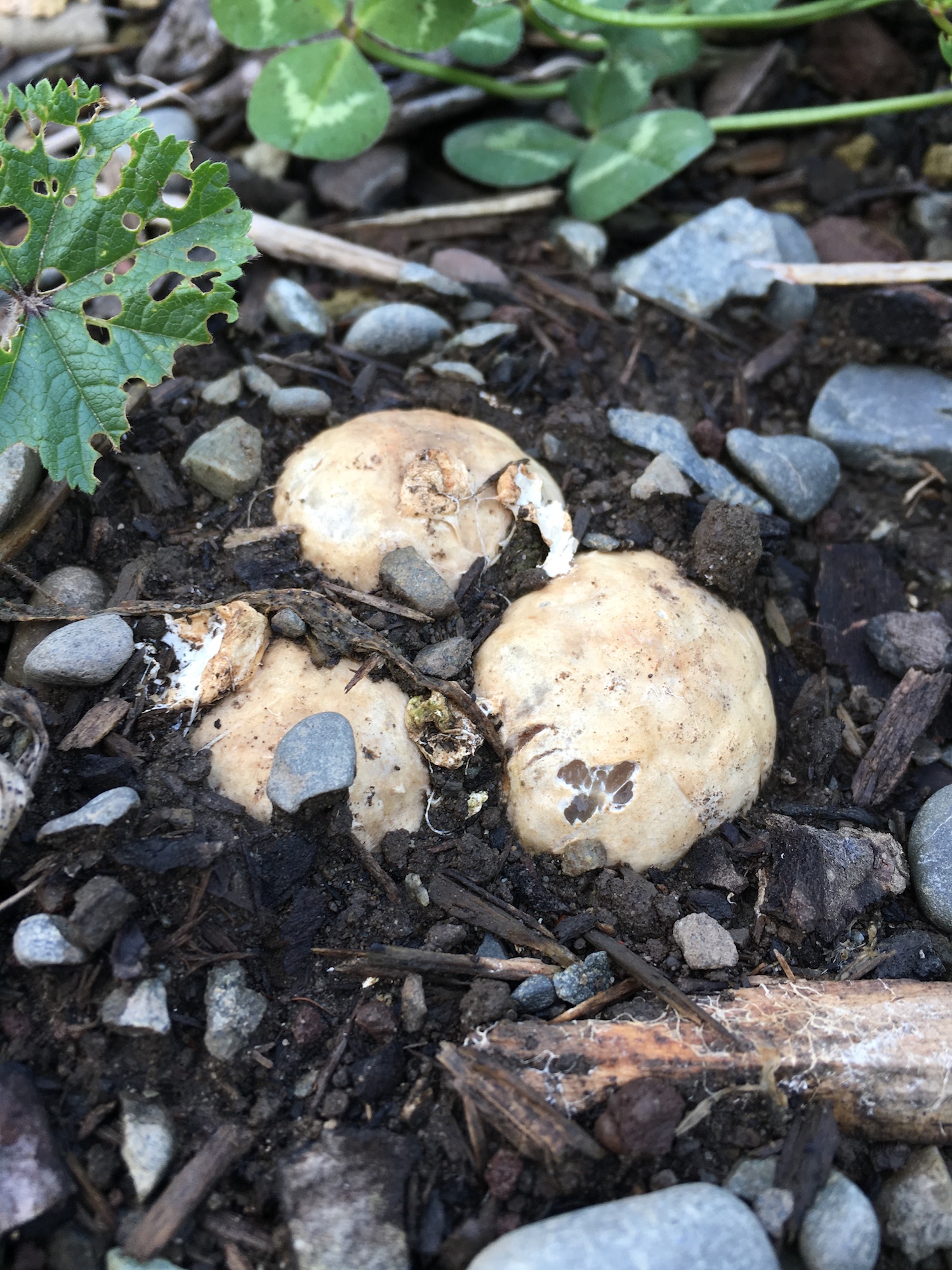
One of my favourite fungi is Ileodictyon cibarium, the basket fungus, native to Australia, New Zealand and Chile. We have been treated this year to an amazing display of these fungi in our recently wood-chipped pond garden. Usually we don’t notice them until the fruiting bodies are fully formed, but because there are so many this year, we’ve been able to watch their whole emergence, from egg-like volva to lacy soccer ball.

Aside from their striking look, there’s nothing particularly lovely about these fungi. The basket fungus is in the family Phallaceae, also known as the stinkhorn fungi. Members of this family—you guessed it—have a foul odour (and many are phallus-shaped). The carrion or dung-smelling fruiting bodies attract flies to disperse the spores. Supposedly, the young fruiting bodies are edible … but not very tasty, as you can imagine.

Immature volvae

In spite of their smell, basket fungi have a certain celebrity status, owing to their remarkable structure. In fact, in Hagley Park in Christchurch there used to be a play structure in the shape of a giant basket fungus. I’m not sure if it’s still there—my kids don’t frequent playgrounds anymore—but it was always a favourite with my kids.

Pigeon Bay Walkway

View from the head toward Christchurch.

Yesterday was a beautiful autumnal day. We headed out to the Banks Peninsula and did the Pigeon Bay Walkway.

It has been over a decade since we’ve been to Pigeon Bay. Last time we went, the kids were preschoolers. Then, we’d hoped for some sort of beach where the kids could play in the water, but Pigeon Bay is rocky. The shoreline is covered in cobble-sized rocks teeming with life. Lift any rock and a dozen crabs scuttle away. A decade ago, the pursuit of crabs delighted the kids. Still does. Yesterday, we also noted starfish, chitons, limpets and snails under the rocks.

But the main activity for yesterday was the walkway. It’s rated as a five hour return walk, but is mostly on a well-graded farm track. It’s easy going, and we did it in four hours, including a lunch break.

The track runs all the way to the head of the bay. It’s not exactly a wilderness experience—the land is a beef and sheep farm—but the views are spectacular. It’s one of the few places on the Banks Peninsula where you can get right out to the tip of the headland.

Out on the head, the cliffs are quite spectacular, and you can see the layers of volcanic deposits, well-spattered with poo from the shag colonies there. In the clear air yesterday, we could see all the way to the Kaikoura ranges.

The best part of the walk for me was looking down on a small pod of Hector’s dolphins feeding in the bay below. The dolphins were clearly circling and corralling fish, and there was a trio of gulls shadowing them in the air, picking off the fish the dolphins missed.

A lovely walk. Hard to believe it took us this long to get around to doing it.

Autumnal Haiku

Yesterday was a gorgeous autumn day. It inspired a few haiku:

Rats tap out poems
On the ceiling at night while
Cats dream of sparrows.

***

Summer slips off to
Warmer climes, leaving autumn
To face winter’s scorn.

***

Summer cashes in,
Trades green for gold to spend on
Ice blocks and snow cones.