Capturing water

100_3635 smSummers are dry here. Nor’west winds whip hot and dry across the plains, sucking moisture from the plants and soil. Though I protect my garden as best I can, with mulch and shelter, there is no escaping the need to water, at least once in a while.

That’s in a good year, when it rains occasionally during the summer.

Last year, we got almost no rain from October to February, and our autumn and winter have been unusually dry as well. The prediction with climate change is for more of our years to be like that.

Which naturally leads me to worry about water. For now, there is plenty of water in our well to keep the vegetable garden green in a dry year. But if we have more and more dry years, who knows what might happen to the water table.

So this year, when we needed to address some aging guttering on our sheds anyway, we tried to arrange things so we could make better use of the rain that does fall on the property.

We had a rain barrel before—a rusty old 55 gallon drum of unknown origin, from which we were able to draw rust-flecked orange water in an emergency. It was great for flushing the toilet after the earthquakes, but it wasn’t particularly pleasant, and it wasn’t enough water to make much difference if we needed to use it on the garden.

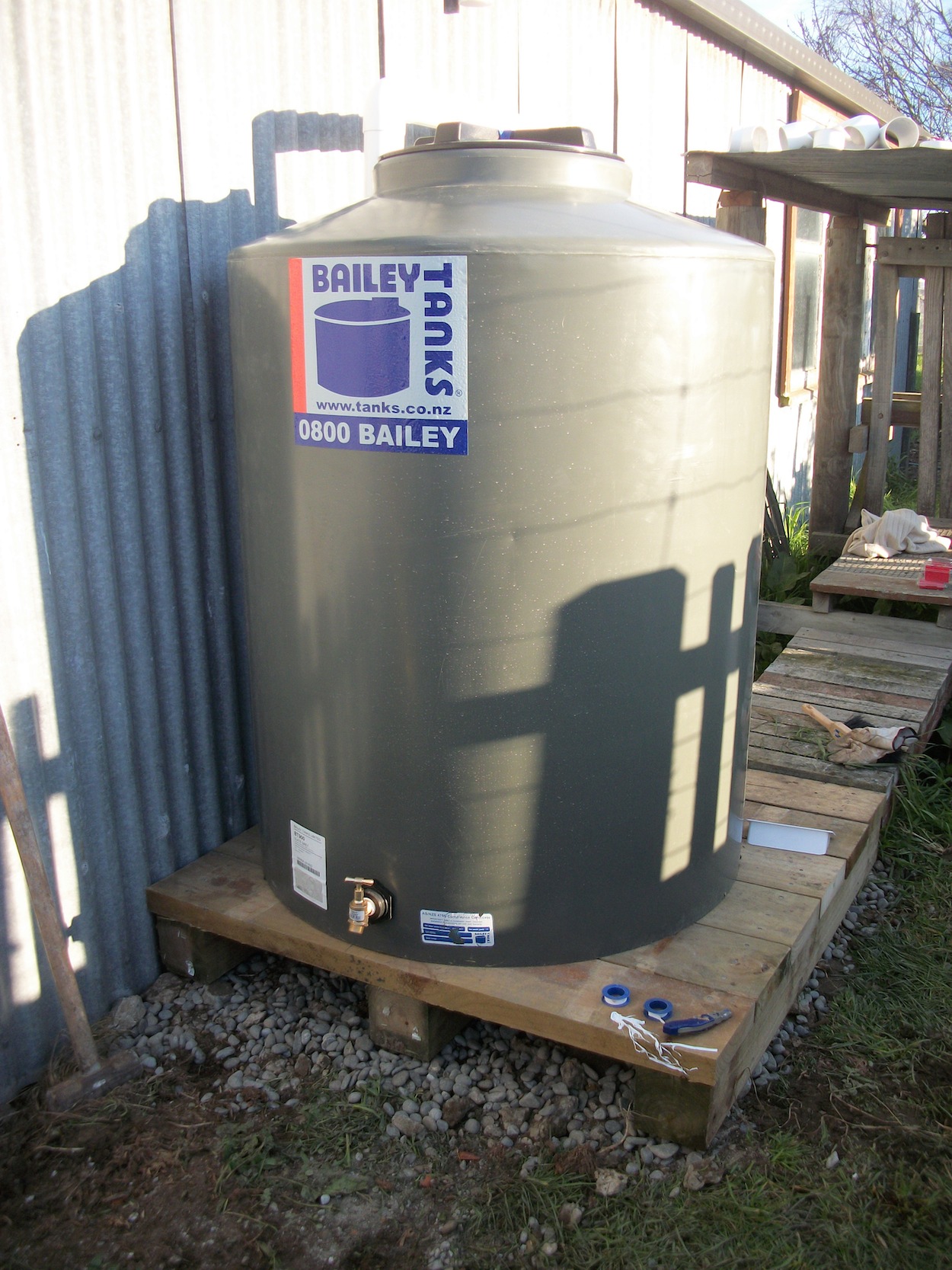
Now we have a 900 litre tank collecting water off our large shed roof, set up so I can easily attach a hose and draw off the water when I need it. And the water from the small shed’s roof is being directed into the pond, so that, hopefully we won’t need to refill it with water from the well when summer evaporation threatens to dry it up. Any overflow will water the garden around the pond.

There is still a lot of water we don’t capture, but the rain off the house roof currently runs out into perennial garden areas, including some of our fruit trees, so it’s reasonably well used.

Waste not, want not. At least, we hope so.
Garden Update–24 August

100_3612The greenhouse and the first of the garden beds have been cleared of weeds and prepared to receive plants!

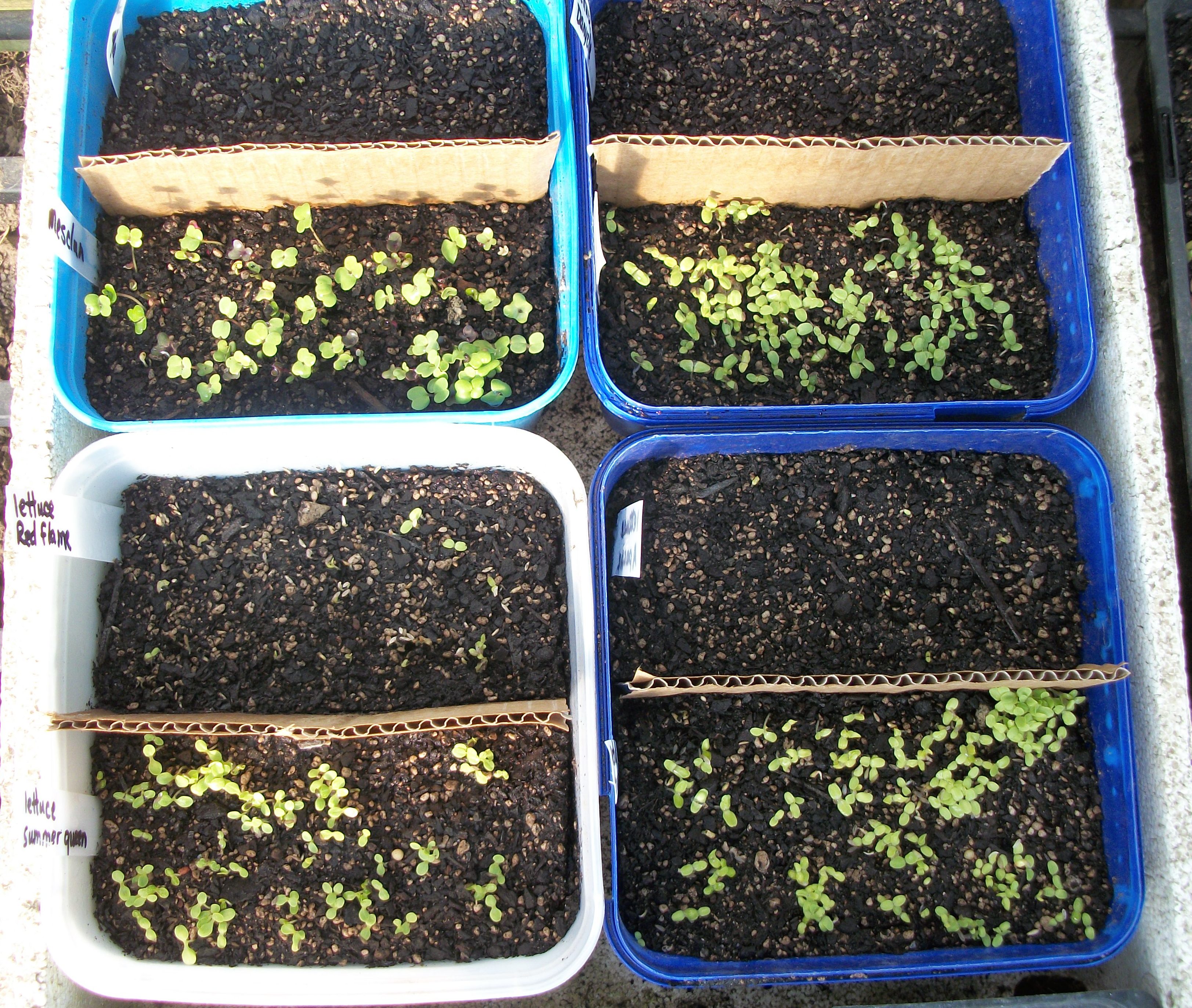
The first plants to go into the greenhouse won’t stay there long. They are the early crops that need just a little extra warmth now, but will be planted out into the garden in just a few weeks. These plants have spent the past week in my office, with a little overnight heat to help the seeds germinate. Now they’ve moved to the greenhouse, making way for the late season crops in the office.

I start the vast majority of my vegetables indoors, because I get much better and more even germination there, and it protects the seeds and very young seedlings from the voracious birds and slugs that prowl the garden.

Over the past two weekends, I’ve planted the following in seed trays:


Broccoli (de Cicco)

Cabbage (Puma)

Pak Choi (Joi Choi)

Broccoli Raab (Spring rapini)

Cauliflower (Snowball)

Pepper (Jalapeño Early)

Pepper (Marconi Red)

Pepper (Thai Super Chilli)

Pepper (Mini-Stuffer)

Pepper (Muscato)

Pepper (Cabernet)

Eggplant (Tsatsoniki)

Eggplant (Tokyo Black)

Eggplant (Eclipse)

Snow Pea (Goliath)

Sugar snap pea tall

Blue Shelling Pea

Lettuce (Danyelle)

Lettuce (Merveille de quatre saisons)

Lettuce (mesclun mix)

Lettuce (Red Flame)

Lettuce (Summer Queen)

Lettuce (Drunken Woman Fringed Head)

Lettuce (Apache)

Arugula

Spinach (Santana)

Spinach (Bloomsdale)

Spinach (Red Stem)

Onion (Stuttgart Long Keeper)

Onion (Red Amposta)

Spring onion (Ishikura)

Shallot

Cilantro (slow bolt)

Celeriac

Gogi berry

Dill (bouquet)

Cape gooseberry

Fennel (Florence)

Fennel (Sweet Leaf)

Celery (Elne)

Celery for cutting

Parsley (Gigante Italiano)

Parsley (Green Pearl)

Tomato (Amish Paste)

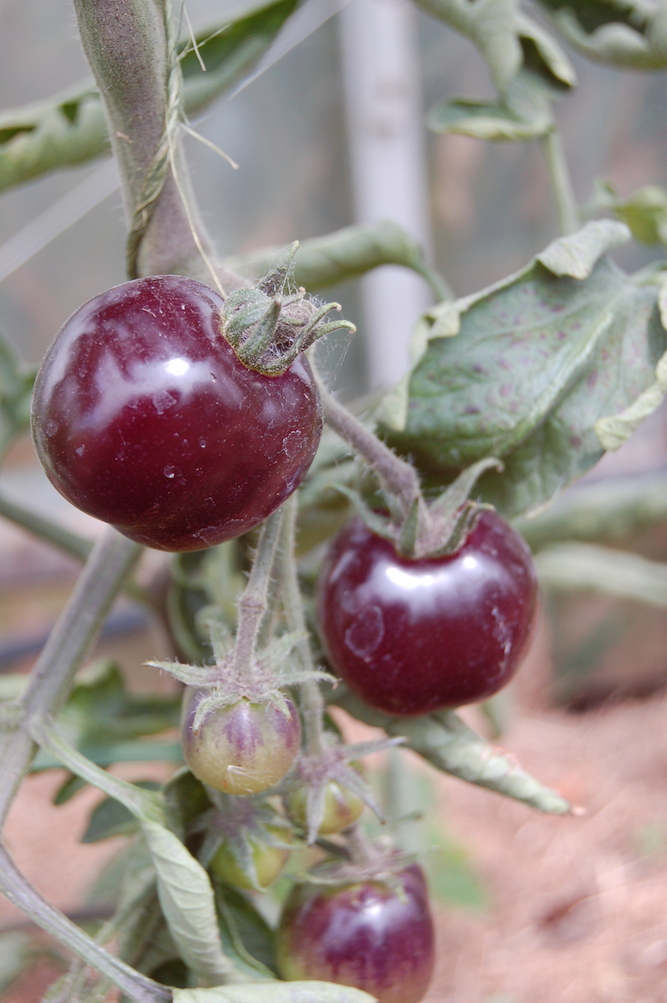
Tomato (Indigo Rose)

Tomato (Window box red)

Tomato (Bloody Butcher)

Tomato (Beefsteak)

Tomato (Brandywine pink)

Tomato (Russian Red)

Tomato (Pear Blend)

Tomato (Delicious)

Beet (Detroit Dark Red)

Turnip

Chard (Cardinal)

Basil (Amethyst)

Basil (Sweet Genovese)

Basil (Thai Siam Queen)

Tomatillo

And a bunch of flowers I won’t list…

For a total of about 1300 plants.

Many more to come…

Where the sidewalk ends

100_2204 cropFriday afternoons, my daughter and I have two hours to kill in the city between band practices. We usually pass the time by going for a walk. But neither of us likes walking on busy city streets, so we usually drive somewhere close enough that we can walk out of town.

There is a wealth of these magical spots, particularly around the hills, where the city is patchy and interspersed with steep valleys.

Today, we walked from a tidy little neighbourhood of small houses built sometime in the 1960s on the broad flat at the mouth of a valley. We climbed out of the neighbourhood toward the head of the valley, passing houses of decreasing age and increasing size, until we were walking past brand new houses of immense proportions, with wide expanses of plate glass overlooking the valley. Then a few skeletal houses, surrounded by scaffolding, and then no more.

At some point along the way, the road narrowed and the sidewalk petered out. Paddocks full of beef cattle spread out below us, and bush-covered slopes rose above. Bellbirds sang in the afternoon light.

The road narrowed to one lane, and a sign warned motorists that there were no further turning spots and no exit. We walked on until we reached the farm at the end of the road, a vineyard spread out below on the valley floor.

The sound of traffic was just a distant hiss, and I contemplated what it must be like to be the last farmer in this valley, holding out at the end of this long road, with no way in or out, save through the city.

It must be terribly isolating—as much as being on a remote station. None of this farmer’s neighbours share his or her interests, concerns, or outlook on life—they are all townies on their lock-it-and-leave-it properties. They know nothing of calving, fencing, or weed control. They don’t notice when there has been too much or too little rain. Their only concern with a late frost is whether it means the ski fields will be able to stay open another week.

It can’t be easy to stay in that sort of situation, and I admire the farmer that can hold on in the face of the encroaching city. Too soon, I fear they will be gone.

Garden Planning

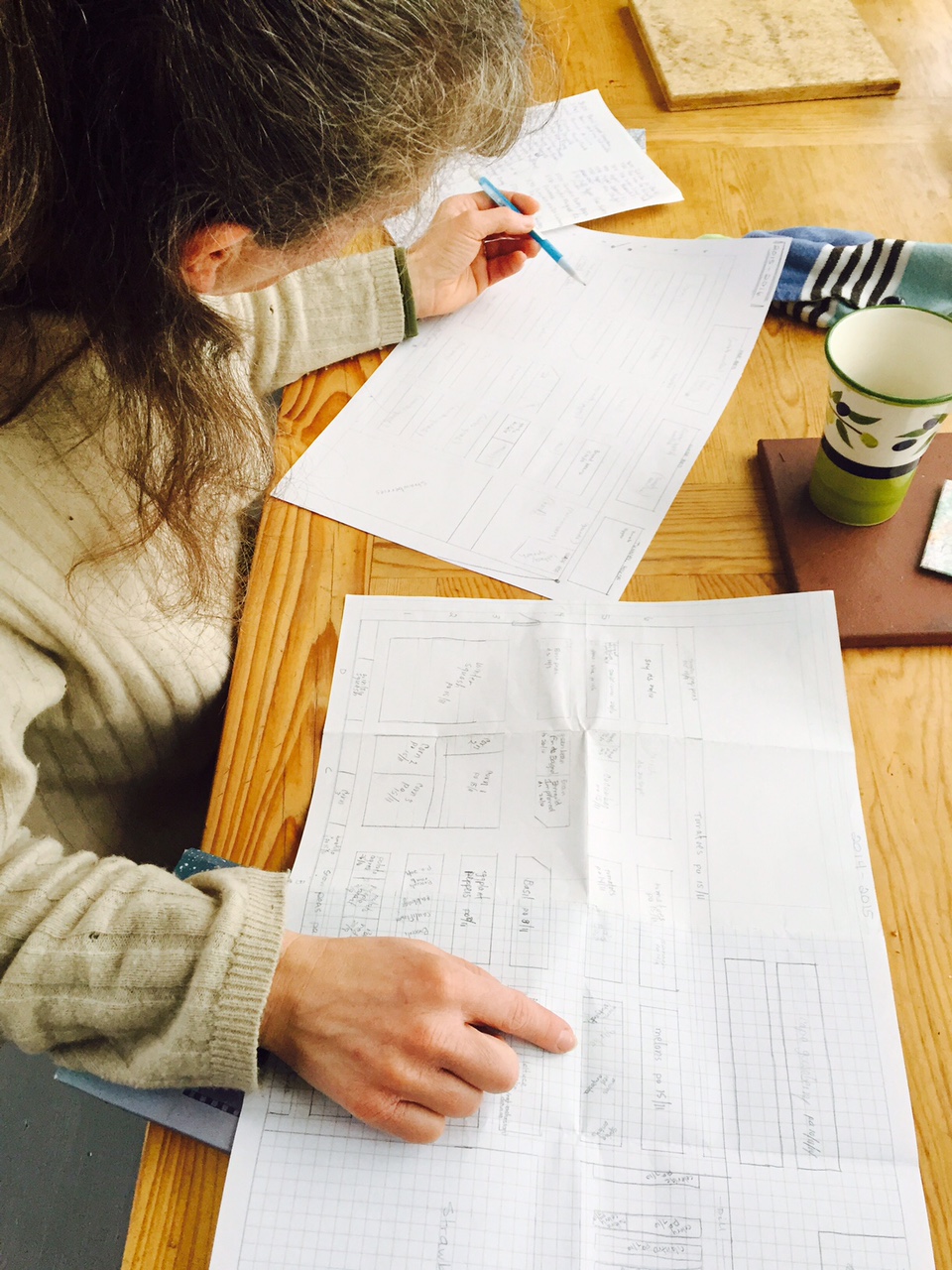
gardenplanning1Part of my late-winter garden work is planning the coming summer’s vegetable garden. It’s a job I take seriously, because it affects my work for the entire year.

The vegetable garden (minus the greenhouse) covers about 410 square metres (4400 sq ft). It is divided into 28 beds, separated by narrow paths, with a broad path running up the middle between the gates on either end.

During the winter, the chickens run in about two thirds of the garden, controlling weeds and pests, and the remaining third is devoted to winter crops.

In planning the new crops, I need to take into account when the winter crops will be over, when I’ll have to remove the chickens from the garden for the year, and what was in each bed the year before.

I also need to take into account wind, irrigation patterns, available support structures, and growth patterns. For example, corn always goes near the edges, because the irrigator can’t throw water over the mature stalks—anything on the other side of the corn dries up. Corn is also a great wind block, and I can use it to protect more delicate plants from the vicious nor’west winds. Peas and tomatoes usually go on the edges of the garden, which are bounded by deer fencing they can be tied to for support. Melons like tall plants on their south side to block any cool southerly winds.

My goal is to have every inch of the garden covered with food plants for the entirety of the growing season. For example, the early spinach will be bolting by the time the tomatoes are ready to plant out, so they will share a bed. Chopped spinach stalks will form the mulch for the newly planted tomatoes. The garlic will be harvested before the pumpkins get large, so they can be planted in adjacent beds, and the pumpkins trained into the garlic bed once it is empty. Plants with a single harvest date, like dry beans, are planted in adjacent beds, and packed in so that the plants can spill into the paths, because I won’t need to walk down them frequently for picking.

It takes several hours (and usually a cup of coffee, and a scone if I can get it) to plan the garden to my satisfaction. There are often small changes as I go, but once the plan is in place, it guides my entire spring.

I can’t prepare 410 square metres of garden all at once, but with the plan in hand, I can prepare the beds in the right order so that each one is ready when the crop is ready to go in it. The plan allows me to ignore waist-high weeds in one bed while I focus on another, knowing that all the beds will eventually be prepared and planted. It makes my springtime as stress free as possible, and gives me time to stress about the weather instead!

It Ain’t Over ‘Til the Magpie Sings

Photo: Eric Weiss

Photo: Eric Weiss

We’ve had more than our fair share of beautiful warm winter days this year. Though we’ve had some very cold nights, the days have been sunny, and we’ve gotten only a fraction of the rain we normally do over winter.

So you could have been forgiven for thinking, back in July, that winter was over. In fact, my daughter argued that it was spring a month ago.

I knew better. Winter would assert itself again.

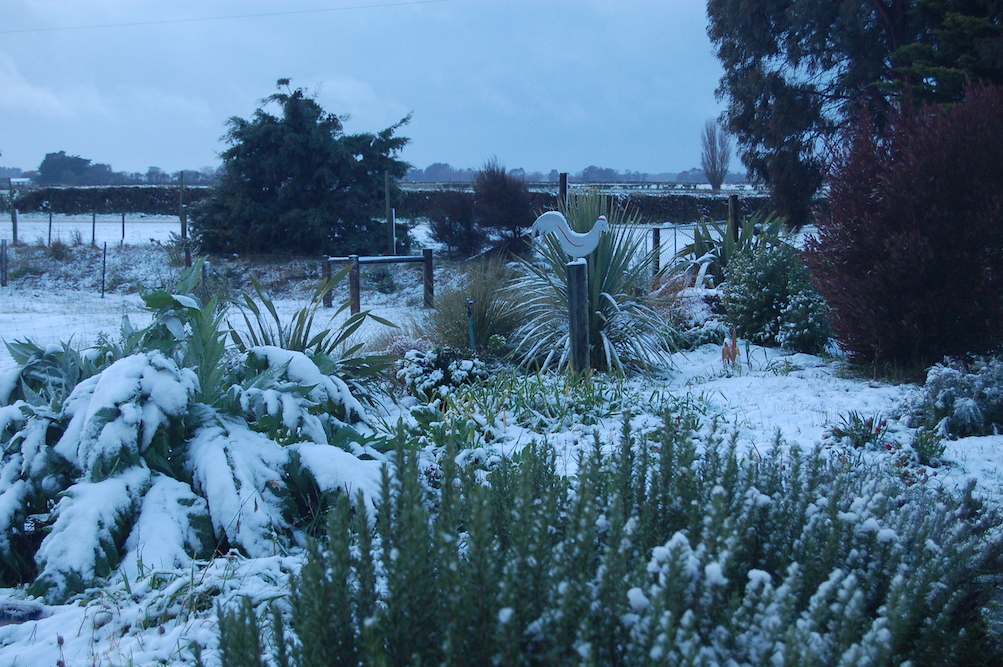
It did so this past weekend, with icy winds bringing sleet, snow and rain. We huddled by the fire, venturing outdoors only to take extra food to the animals and split more firewood.

But in between icy squalls, at 4:00 am two days ago, I heard it—the certain sign that winter is on its way out.

A magpie.

Magpies are noisy all year long, but when spring is almost upon us, their noise changes. They start their wardle-oodle-ardling at four in the morning, and carry on until the sun rises. They feel what we know only because of the calendar—spring is just around the corner.

When the magpies start calling, I get restless. I wake when they do, and their call urges me out of bed.

Wardle-oodle-ardle!

Get up! Get up! Get ready!

            But it’s dark and raining!

Wardle-oodle-ardle!

Get up! Get up! Get ready!

            But it’s cold! Can’t I stay in bed?

Wardle-oodle-ardle!

Get up! Get up! Get ready!

Wardle-oodle-ardle!

Get up! Get up! Get ready!

Spring is coming!

Promise

DSC_0046 smThere comes a day every year. A day when winter loses its grip.

A day when the wind vane lazily turns around and the breeze no longer cuts sharply into our cheeks, but gently caresses our faces and tucks the hair behind our ears.

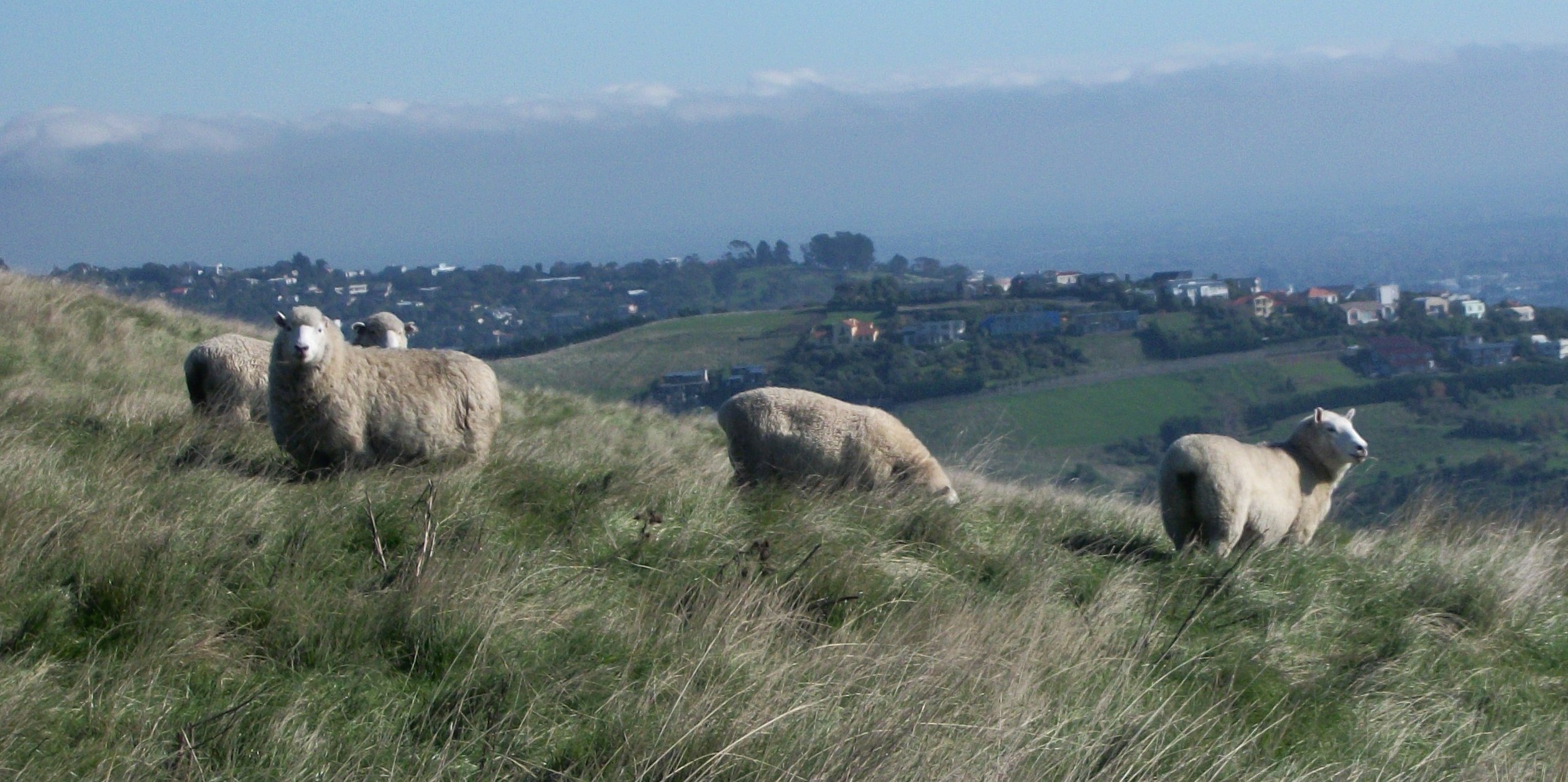
It is a day when the lanolin of four hundred Romney lambs next door warms and mixes with the smell of freshly turned earth and the exhalations of the grass.

It is a day when we throw open the windows, though it is only fourteen degrees outside.

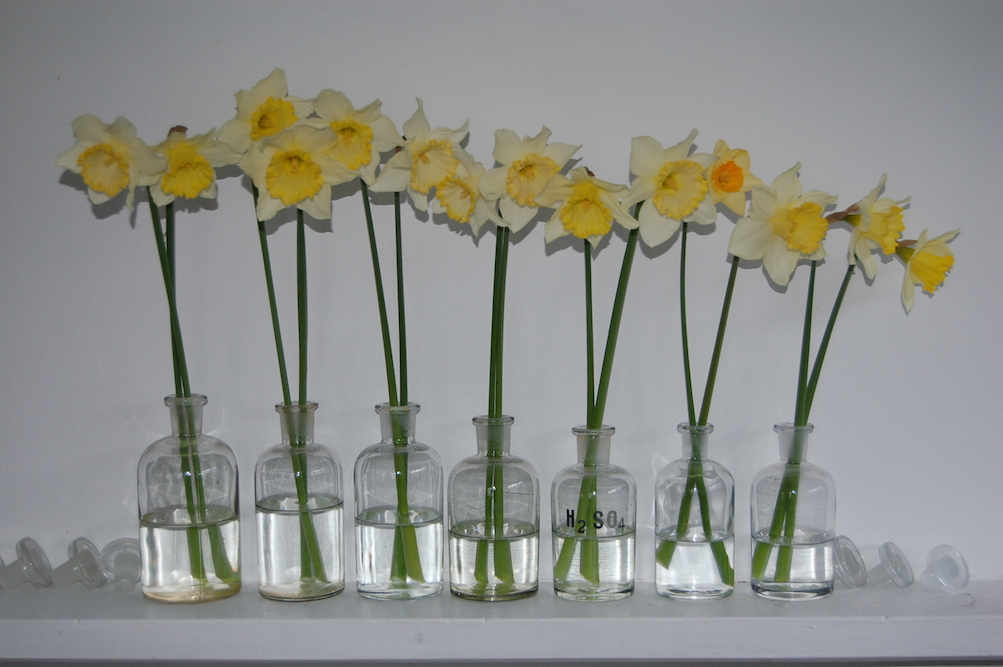
daffodils2 smIt is a day when we don’t worry that the firewood is scarce, when we can imagine a day that doesn’t start and end with a fire in the grate.

It is not spring. That day will come, but not yet. There are still weeks of kindling to split, and ice to break off the water troughs.

But it is the promise of spring.

And it is enough.

Food Security

A post-quake community garden in Christchurch

A post-quake community garden in Christchurch

After the recent earthquake in Nepal, I wrote a blog post about food security in the face of natural disasters, but I never actually posted it.

But this piece about using vacant red-zoned land to produce food in Christchurch, in the news today, made me come back to that post and decide it was worth posting.

After the February 2011 quake in Christchurch, I saw firsthand how much more devastating natural disasters could be in the city verses in rural areas. Responding to a request for help on Trade Me, my husband and I, along with a couple of neighbours, loaded the car with shovels, wheelbarrows, tools and food, and ventured into the hard-hit eastern suburbs.

We spent a day clearing houses and yards of liquefaction, tearing out buckled and destroyed linoleum, and sharing out the vegetables, bread, and milk we brought from our farms. The people we met were amazingly strong in the face of the destruction around them—not one house in the neighbourhood was still straight and level, and the street was nearly impassable, buckled and cracked.

But they had no tools to tackle the devastation. The carload of tools we brought with us for the day was more than the entire neighbourhood could muster. City living doesn’t require heavy duty wheelbarrows and large shovels, and there were more willing hands than tools to go around.

Then there was the lack of gardens in the city. With stores closed and power out for many days, getting and preparing food was difficult. While meals were airlifted into the city, in the country we simply lived on food from the garden.

So, how do we build resilience and food security into our cities? How do we create cities that can feed themselves, at least for a short time, after a natural disaster? Part of the answer lies in community gardens that can provide food and positive community support, as they did in Christchurch after the 2011 quake. Part of the answer lies in taking a long-term approach to city planning—planting fruit trees in public parks, preserving green space with good soil within the city instead of covering it all with buildings and roads.

I would love to see Christchurch, and all cities, bring food production back within the city limits. No, a city cannot produce all its food, but having community gardens and food-producing commons makes a city a more humane place, even when there isn’t a natural disaster to weather.

The Last of the Cheese

cheeseandcracker smWe marked another milestone in the food year yesterday—we ate the last of the goat cheese. We managed to finish off the Parmesan and Bishop’s Corner* on the same day.

It’s true, you only know what you’ve got when it’s gone. The goat cheese is that way for me. During the height of milking season, when rounds of cheese crowd out other food from the refrigerator, I can forget what a gourmet delight it is. I can forget that our ‘everyday’ cheese would cost us about $100/kg if we had to buy it. But when I’m staring at the last tiny sliver of perfection, knowing that my next bite of cheese is going to have to be run-of-the-mill commercial cow cheese, I recognise the value of what we produce.

So we savoured our last bites, and look forward to spring, when the milk will again be flowing, and the rounds of cheese will start stacking up.


*Bishop’s Corner is a cheese of my own creation—a happy mistake that turned out better than what I meant to make. I make that mistake over and over again now, and have named the cheese after a local crossroads.

Vegetable Poetry

Painted Mountain,

Long White Wonder,

Indigo Rose

Indigo Rose

Full Moon,

Flying Saucers,

Pink Banana Jumbo,

Bloody Butcher,

Collective Farm Woman,

Drunken Woman Fringed Head,

King of the Blues,

Peppermint Stick.

I love the poetry of vegetable names! I’ll be planting many of these vegetables this spring. Can you identify what each is?

July = Seed Catalogue!

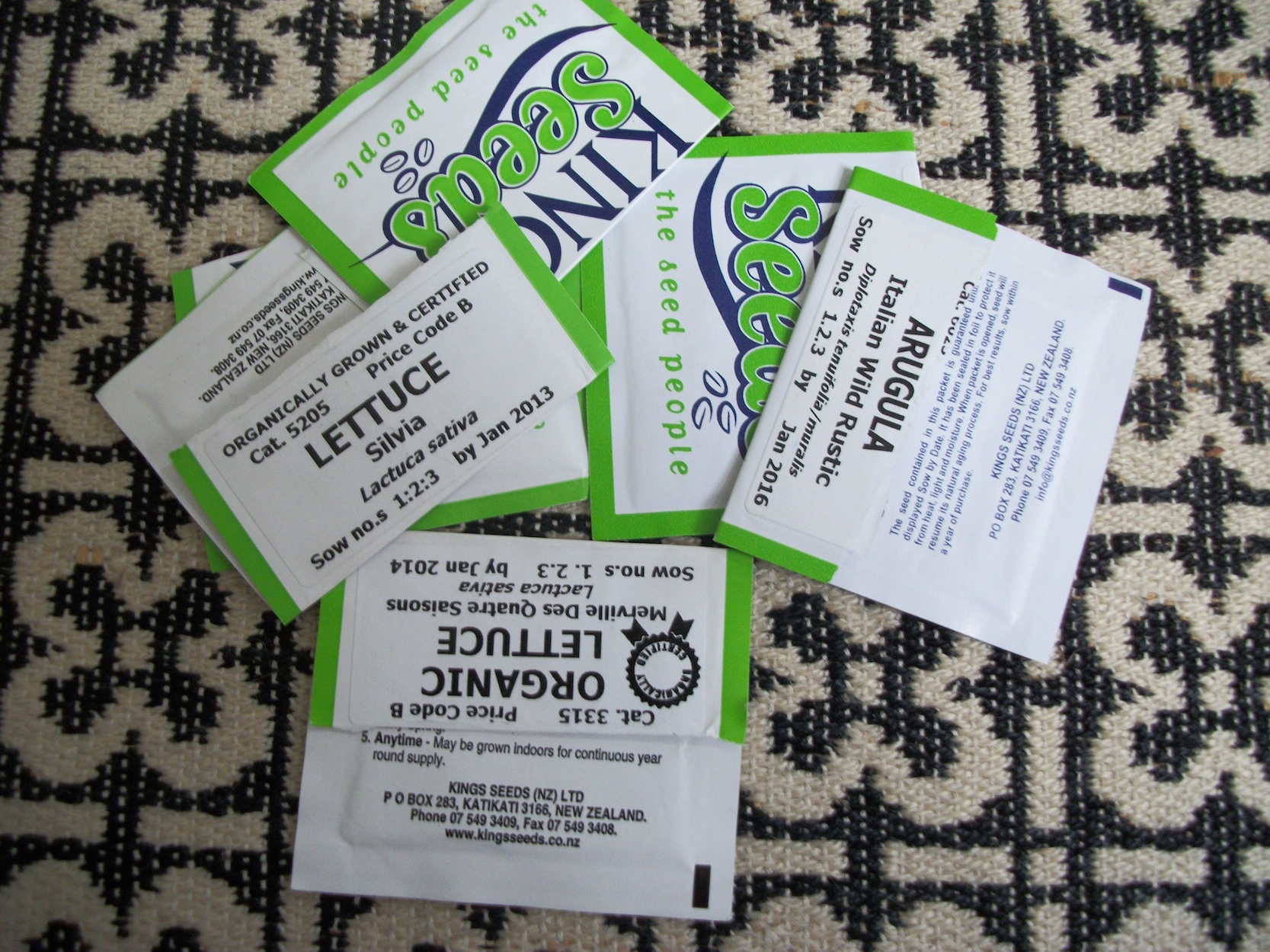
100_3404 copyKings Seed announced yesterday that the new year’s catalogue is shipping this week. I can’t wait! I’ve also got my work cut out for me, now.

Before the catalogue arrives, I need to assess my current seed situation and make a list of what I need. If I don’t, I tend to buy EVERYTHING, and end up with too many seeds. As it is, I have a hard time limiting myself to what I need, plus a few “special” things.

It’s slightly easier here than it is in the US. Before we moved here, I used to get half a dozen seed catalogues every winter, and choosing among such a huge range of options was incredibly difficult. Here, with only one decent mail-order seed supplier, I at least have only one catalogue to pore over.

So tonight I’ll pull out the seed packets and the computer (where I maintain a spreadsheet of all the seeds I have), and update my records so I can purchase sensibly when the catalogue arrives…well…if not sensibly, at least I’ll know I’m buying too many seeds! 😉