Looking Forward, Looking Back

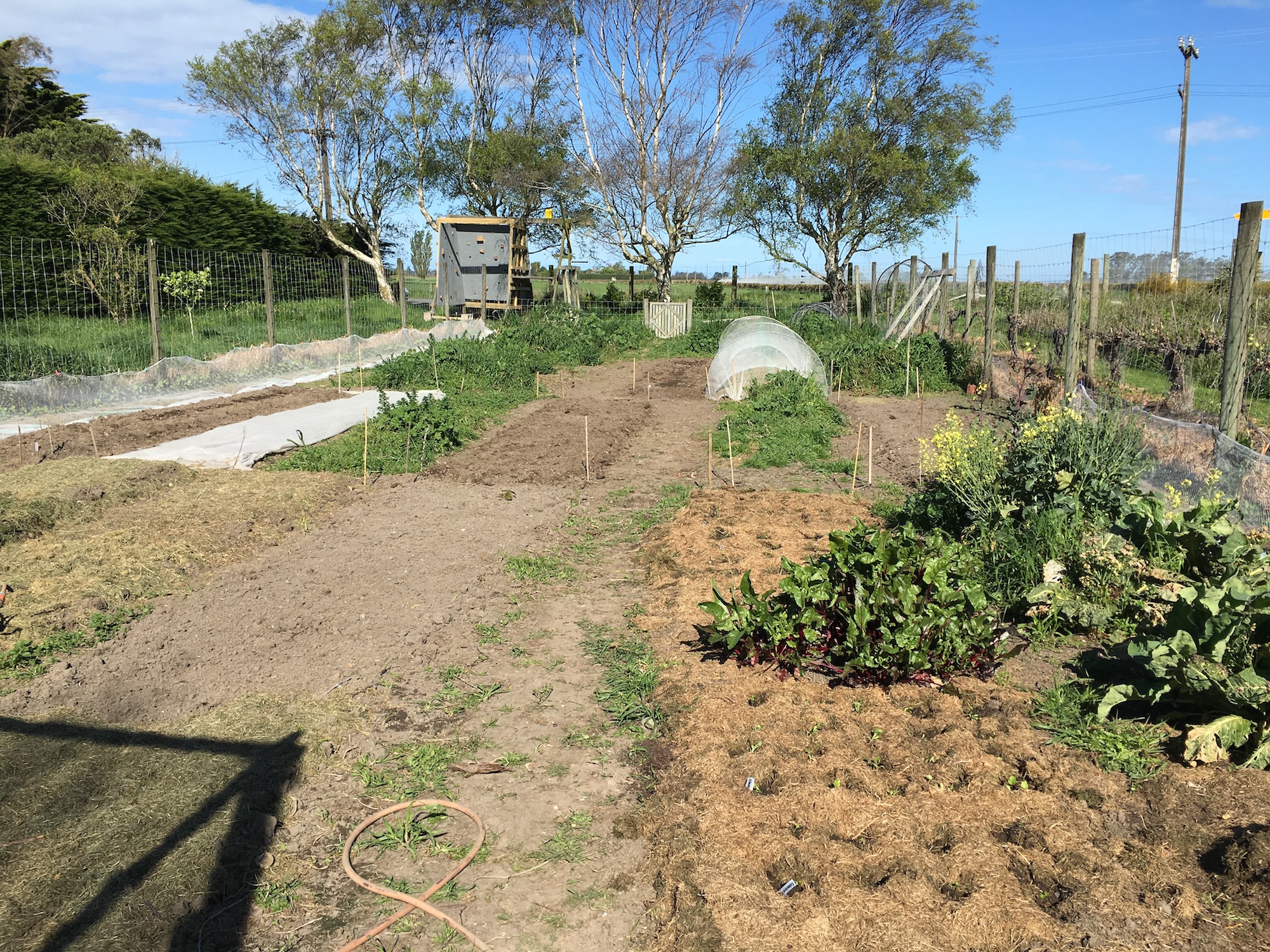
Lots of weeds, but plenty of progress too.

I have a tendency to look forward most of the time. I do a lot of planning. I plan the garden—what needs to be done each week during spring so I can get everything planted at the right times. I write detailed quarterly plans for my writing—focusing on what tasks I need to accomplish to get the next book out and increase my audience. I’m so focused sometimes on looking ahead at what I need to do next, that I can forget to look back.

Looking ahead, I see endless to-do lists, huge tasks to accomplish, and challenges to overcome. It is unrelenting, because there is always something more on the horizon. The jobs are never complete, the list is never empty. It can be overwhelming.

From time to time, it’s worth looking back. Never mind that over half the garden is still rank with weeds—look at the beds I’ve already prepared, the seedlings already growing in many of them. Forget the unfinished manuscripts, the editing that needs to be done—look at the four books I’ve already published, the four other novel drafts completed, the dozens of short stories I’ve written.

I don’t like to dwell in the past, but occasionally it’s nice to look back and see that all my work has actually gotten me somewhere.
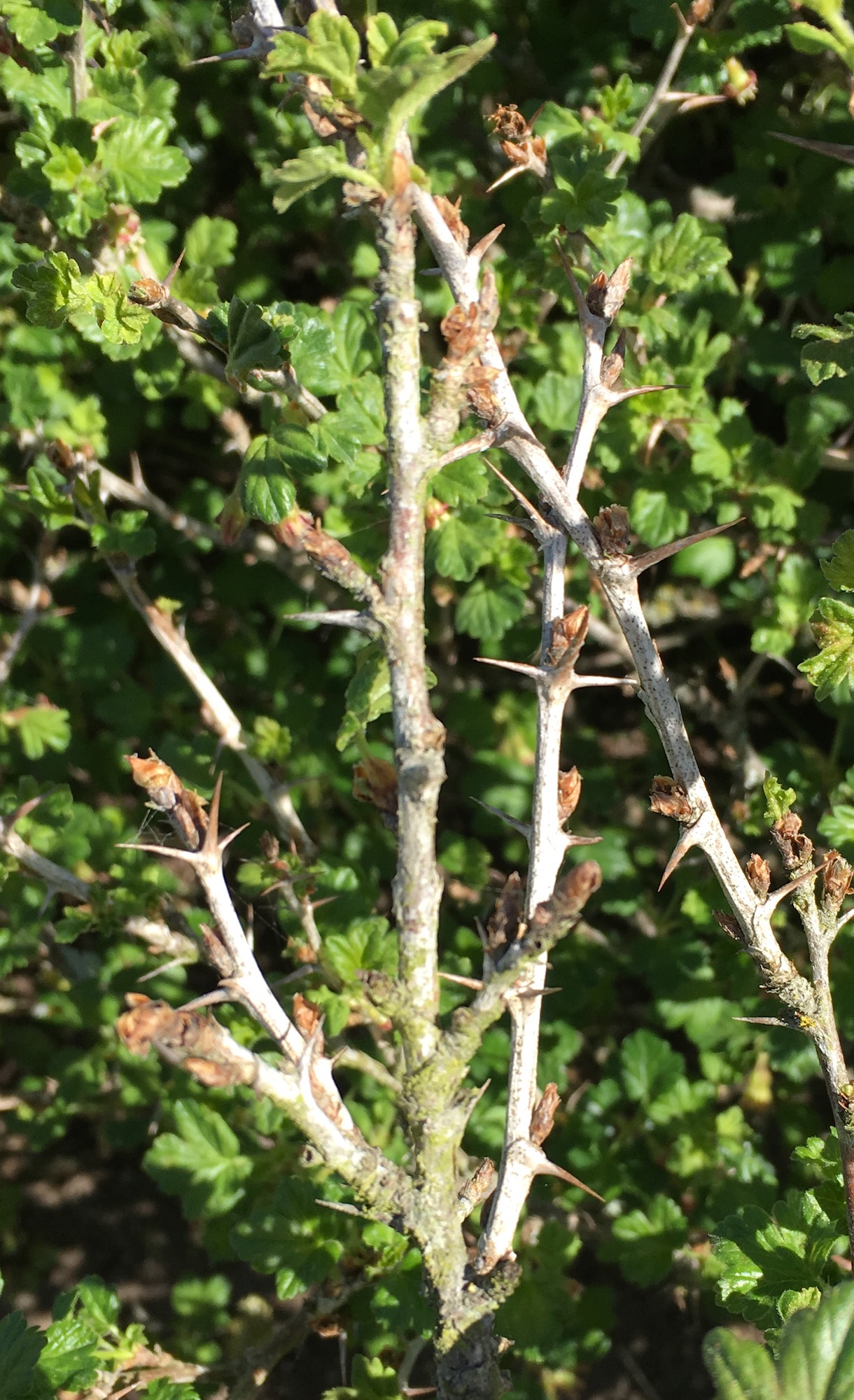
Don’t bite the hand

I was working on the bi-annual weeding of the gooseberries today. It’s not that the gooseberries wouldn’t benefit from weeding more than once every six months, but there’s simply a limit to my tolerance.

It’s bad enough that nettles zing me and thistle spines lodge in my gloves as I pull them out. I don’t begrudge them their attempts to stay rooted in the ground and avoid the compost pile.

But the gooseberries have no excuse for aggression. I’m weeding around them, freeing them from competition, making sure they have plenty of space, light and air.

And what do I get for my efforts?

Stab wounds, scratches, spines broken off in my hands…ungrateful plants. Haven’t they heard the saying, Don’t bite the hand that weeds you?

Springtime Sensory Overload

We often think of springtime as an explosion of colour–white, yellow, purple, and pink flowers blooming, green grass growing. But spring is more than eye candy. Springtime is a sensory feast.

Springtime is the smell of lanolin and freshly turned earth. It is the cloying scents of blooming broad beans and daffodils. It is the smell of line-dried clothes. It is cut-grass and petrol mowers.

Springtime is the sound of lambs calling to their mothers, and the mothers’ deep, chuckling replies. It is the warbling of magpies before dawn, and the harsh call of spur-winged plovers at night. It is the throbbing rumble of tractors and the barking of sheep dogs.

Springtime is the feel of thick grass between the toes, the sting of nettles on bare legs. It is gritty dirt under fingernails, and sweaty hat brims. It is the buffeting of winds and the snarl of tangled hair afterwards. It is warm sun and cool shade.

Springtime is the bitter cucumber flavour of salad burnet. It is the rich umami of artichokes. It is the earthy taste of asparagus.

And springtime doesn’t end at our physical senses. Spring is the sense of well-being, the sense that all is not yet lost. That magic still lingers, in the rhythm of the honey bee’s wingbeats and the rustle of flight feathers, in the rain of apple blossoms and the quiet feeding of a caterpillar.

Gate Sales

I picked up a kilo of honey and a lovely variegated sage plant while I waited for my son at piano lessons today. And I didn’t step into a grocery store or a nursery.

One of my favourite aspects of New Zealand life is the practice of ‘gate sales’–selling your produce at the farm gate. Gate sale setups can be elaborate, like the beautiful flower cart one of the local daffodil farms uses, or they can be simply a table or box by the side of the road. They operate on an honour system–there’s no one there to make sure you pay–you simply drop your money into a box. Theft does happen–I know from my own experience–but most people are honest.

I’ve seen all sorts of things for sale on the roadside–all manner of vegetables, eggs, walnuts, plants, honey, in-season fruits, flowers–whatever the grower has in abundance. And it’s not just commercial growers–did your lemon tree produce a spectacular crop? Sell the excess at the gate. Zucchinis out of control? Sell the them at the gate. I used to pay my entire year’s garden expenses from gate sales of whatever was extra. I’ve gotten better at planning in recent years and have two teenagers in the house now, so I don’t have the same problem with excess produce anymore.

While I don’t sell much anymore, I take full advantage of those who do. I’ll even go out of my way to buy something (like honey) directly from the farm, rather than picking it up at the grocery store. Other times, the farm is much closer than the store. If we’ve run out of potatoes or eggs, all I have to do is walk to the neighbour’s place to get more. I like the idea that my money is going to the producer, and not to all the middlemen. I like fact that whatever I’ve bought has been locally produced. I like the feel of the trust inherent in the transaction. It feels good, neighbourly, and personal.

As we move into spring and summer, gate sales will be increasing. I’ll be ready, with my ’emergency’ stash of loose change in the car so I can stop and pick up whatever is fresh and at the gate today.

Equinox Excitement

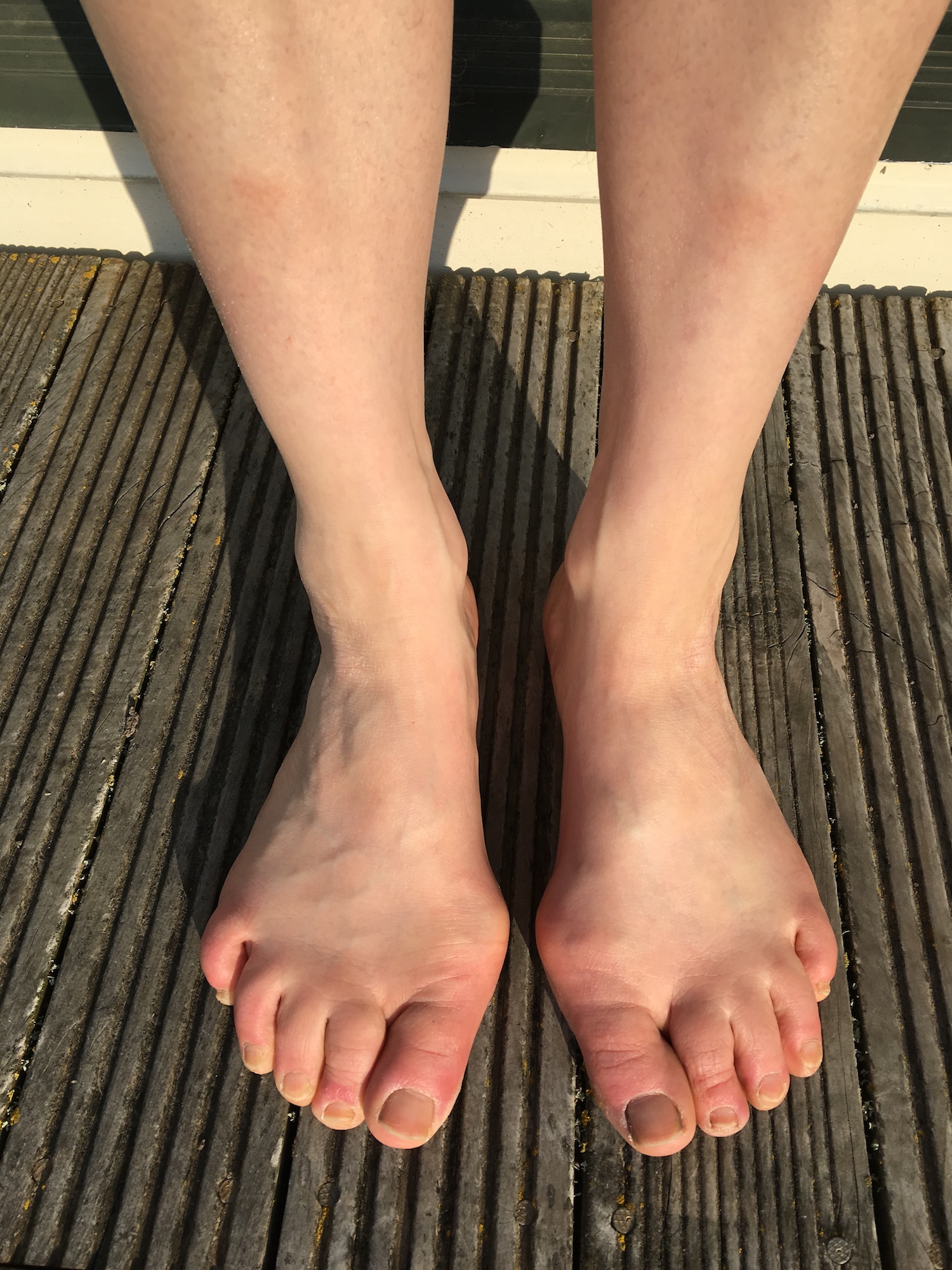
Time to liberate the feet! The temperature hit 28ºC today. Hard to believe it’s that warm just two days past the equinox. I can’t complain, though—it was lovely in the garden this weekend. The only problem was that I’m still clearing the winter nettles away, so it was gumboots and jeans out there. Long about three this afternoon I called it quits and shed the protective gear for shorts bare feet—pure bliss!

I’m sure there will still be cold and wet days, there will be frost, but there’s something exciting about the changing weather at this time of year.

So a happy equinox to you all. We’ve enjoyed a taste of what’s to come here this weekend. Perhaps you’ve had summer’s last hurrah, or the first bite of autumn. Wherever you are, and whatever your weather, I hope you got out to enjoy the changes around you.

Living With Earth

Coes Ford–open…just.

Nature is bigger than we are.

That’s been clear from world events the past few weeks—flooding in Indonesia, earthquake in Mexico, multiple hurricanes in the Atlantic.

We can pretend the natural world doesn’t affect us. We can do our best to engineer human structures and our daily lives so that, most of the time, we forget we are an integral part of Earth. But I think this is a terrible mistake.

On my way to and from town every day, I cross the Selwyn River. Normally, I do this at a spot called Coes Ford.

The Selwyn River floods. It’s simply part of the hydrology and ecology of the river. The low bridge over the Selwyn at Coes Ford acknowledges flooding. The bridge was never meant to allow passage over the river during a flood. It was meant to survive floods intact, and provide passage during low water.

The ford has been closed for several weeks, but reopened yesterday. The bridge itself is still underwater, but it’s passable.

To me, there is something right and good about an infrastructure that acknowledges the forces of nature and doesn’t try to control them. It is good for us to accept that, while we have great influence, we are not masters of the planet. At Coes Ford, we will be inconvenienced by floods. This is part of the natural order. It is part of what it means to live here. And if we are inconvenienced by floods, we will notice when the pattern of flooding changes. We will feel that something is amiss. Hopefully, we will do something about it. It’s not a coincidence that when the Selwyn stopped flooding and dried up last summer, the focus of the worry was at Coes Ford—that’s where the locals understand the river’s pulse the best.

If we are separated from the rhythms of the planet, we won’t notice when something is wrong, locally or globally. When we are separated from the rhythms of the planet, we may not notice problems with our life-support system until it is too late. Separated from, and ignorant of the rhythms of the planet, it’s easy to deny that there are any problems.

And so, I embrace the inconvenience of Coes Ford. I thank the engineers who chose to accept the Selwyn River for what it is. I hope that, as human technology advances, we continue to remember our interdependence on the natural systems of Earth. We must live with the earth, not on it.

An Egg-cellent Harvest

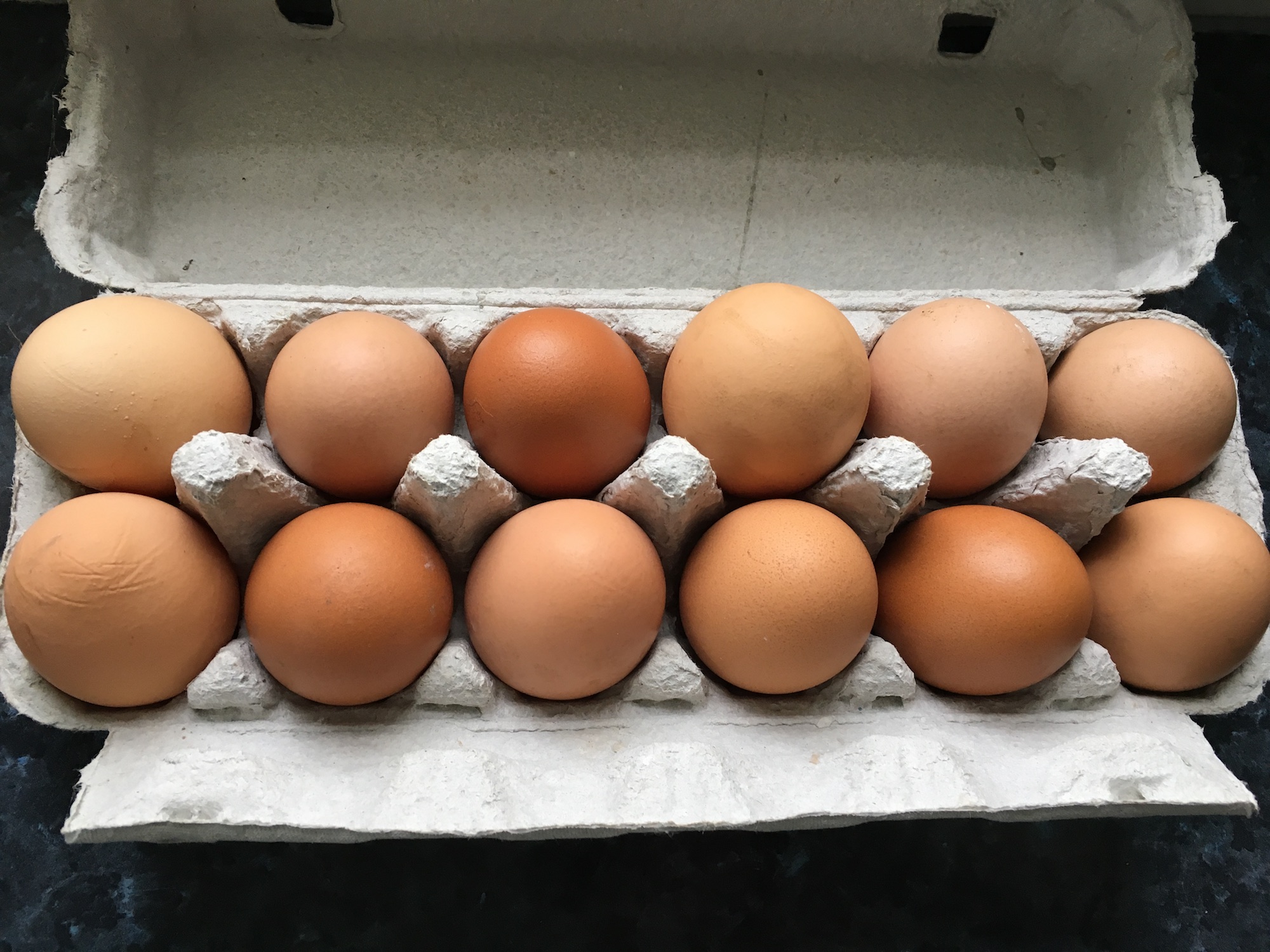
A few months ago I bought three new chickens because my old girls were no longer laying. I was convinced it wasn’t just a winter slump, because they really were getting on in years (for chooks), and they’d stopped laying long before winter.

But I think they’re trying to one-up the new chickens, because now that all three new ones are laying daily, the two remaining old ones have started laying again.

So now I’m getting five eggs a day–way more than we’re used to eating.

And that’s just fine by me. It’s a sparse time of year in the garden, so a few extra eggs are welcome in our diet. And if we can’t eat them all, eggs make great gifts. One of the things that makes rural life seem like such a luxury is seasonal abundance. There may be little left in the veggie garden beyond a few old beetroots, but we can still spread around our rich harvest of eggs.

Stay Sharp

It’s the time of year when I have too much to do in the garden. It’s a race to get the garden beds prepared before the vegetables are ready to go out into them. It’s a race to keep ahead of the weeds in the perennial beds. It’s a race to get the finished compost out of the bin before I need the space for fresh material.

I hate to waste my garden time. I hate to take breaks, because every minute I’m not out there is a minute for the weeds to get ahead of me.

But I’ve learned that some breaks are not a waste of time. Sharpening the hoe is one of those breaks that pays for itself. When I’m using the hoe a lot, I stop every couple of hours to sharpen it. It takes just a few minutes, and it makes the job much easier and faster.

A nicely sharpened and well-maintained tool can make all the difference between back-breaking drudgery and a job efficiently completed.

It pays to stay sharp.

Nettle Season

It’s stinging nettle season and, as I’ve mentioned before, my garden is host to an irritating quantity of nettle—quite literally.

But though it is a stinging weed, I’ll admit to a certain fascination with nettle. Look at the stinging hairs (trichomes) under the microscope, and you’ll find beautifully wicked structures like fine hypodermic needles. Those syringes are full of an irritating mix of acetylcholine, histamine, serotonin, moroidin, leukotrienes, and formic acid to irritate your skin.

But the triggering mechanism for the trichomes depends upon turgor (water pressure), so once a nettle wilts, it can’t sting.

And once it wilts, nettle is an incredibly useful plant. It is edible and quite nutritious for both humans and livestock. The cooked greens are used in traditional dishes throughout the Northern Hemisphere where it is native.

It can be used to make a vegetarian rennet for cheesemaking, and is used to flavour and decorate some cheeses. I’ve made nettle rennet myself as a substitute for commercial rennet when I’ve run out.

Nettles can be used to make tea, cordial and beer.

The fibrous stems can be used to make linen-like textiles. The roots can be used to make a yellow dye.

Fed to chickens, nettle is an effective egg colourant, which may explain the deep orange colour of my chickens’ egg yolks at this time of year.

All in all, stinging nettles don’t deserve their bad reputation. Like many of our weeds, they’re useful plants that we’ve forgotten how to use.

Aggravation or Aurora

I was frustrated all day with the internet, or rather, the lack of it. Being on rural broadband, we’re used to lousy internet speeds, and frequent outages. But today was particularly frustrating. I’d load a page with no problem, then be unable to load the next. Five minutes later, all would be well again. All day this went on, and I was tearing my hair out.

Then this evening, my son mentioned we’re supposed to have a spectacular aurora tonight.

Ah. That explains the internet, then.

And now I’m terribly excited that I had dodgy internet today. I can’t wait for daylight to fade fully so I can enjoy the aurora.

Funny how understanding the why makes all the difference…