The price of the beach

img_3170We spent yesterday at the beach–sun, sand, and surf!

It was glorious.

Today I paid for it.

Not in sunburn or sand in my shorts, but in work. It was time to make our annual vat of summer soup, I was milking for the neighbour this weekend, and I had a weekend of cleaning and animal care to do–all in one day.

While I milked the neighbour’s goats, the rest of the family started picking and chopping vegetables. When I got home with a pot of milk, I made cheese around the vegetable prepping, then I joined in.

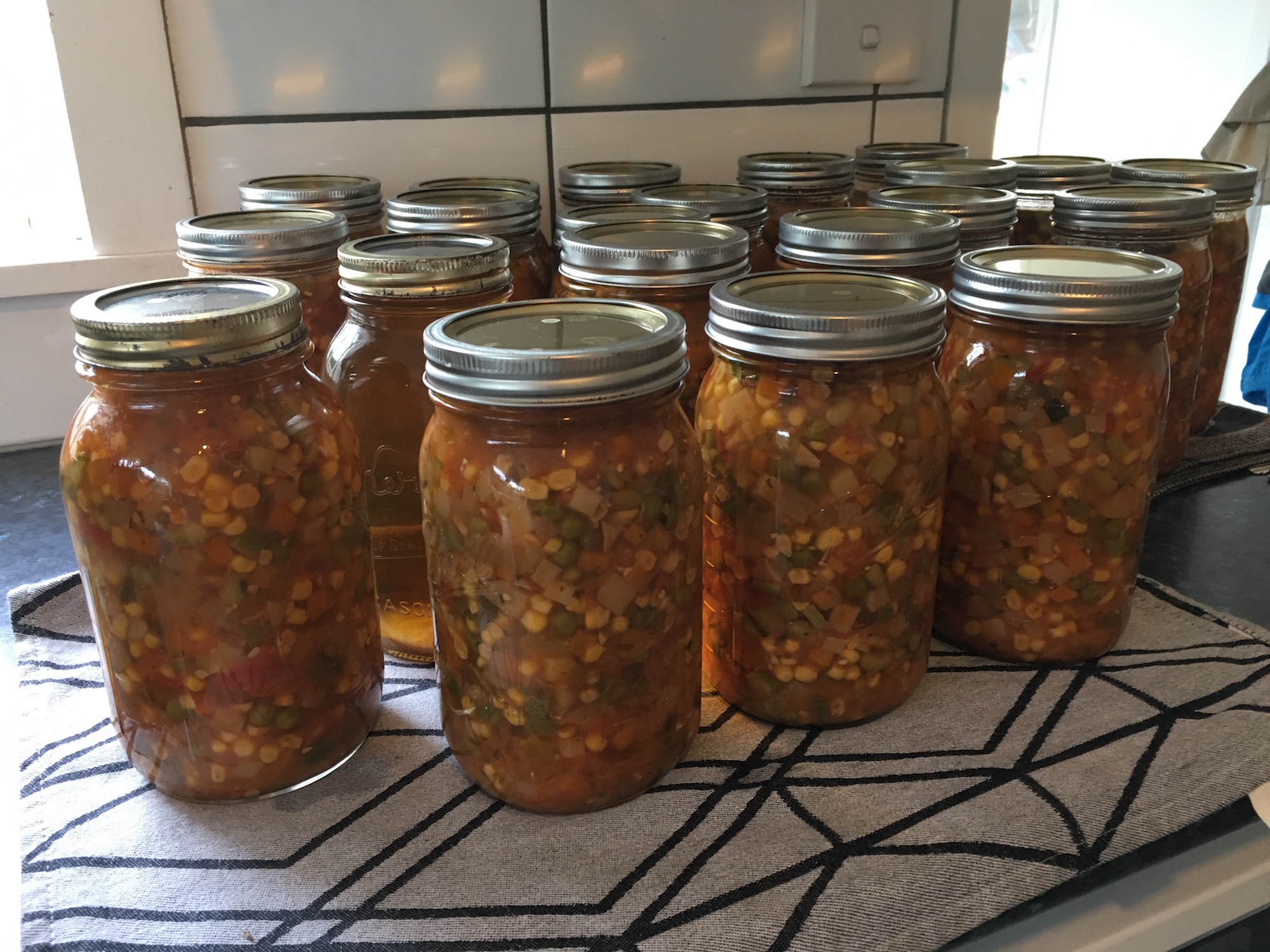
As the pot of soup came together, we started calculating how many jars we needed to hold it all. It was several more than we had empty.

So I made apple crisp, freeing up two jars (which still held last year’s apples). I baked that while the first load of jars was in the canner.

I had also planned on baking lunchbox desserts this weekend, so after putting the second load of jars in the canner, I made cookies.

I also took down and folded the laundry (and patched a hole in my daughter’s shirt), and washed a ton of dishes.

While the third load of jars was in the canner, I cleaned the house (mostly), and milked my own goat. Before that batch of jars was finished, it was dinnertime. I sat down for the first time since breakfast.

Whew!

The final tally for the day was 23 quarts of soup, 6 quarts of vegetable stock, 6 dozen cookies, one beautiful apple crisp, and a batch of chevre (and a clean house and laundry).

Unfortunately, the chicken house hasn’t gotten cleaned yet, nor has the bathroom. I could probably manage them yet today.

Or I could pour myself a glass of wine and worry about them tomorrow…
Failure

2017-01-21-09-23-03smI’ve been in a veritable frenzy of pickling the past couple of weeks. Before that, there was a good stint of jam-making. I’ve had a brilliant run. I’ve been able to run a full canner-load almost every time, every jar has sealed, and the jam has been the perfect consistency.

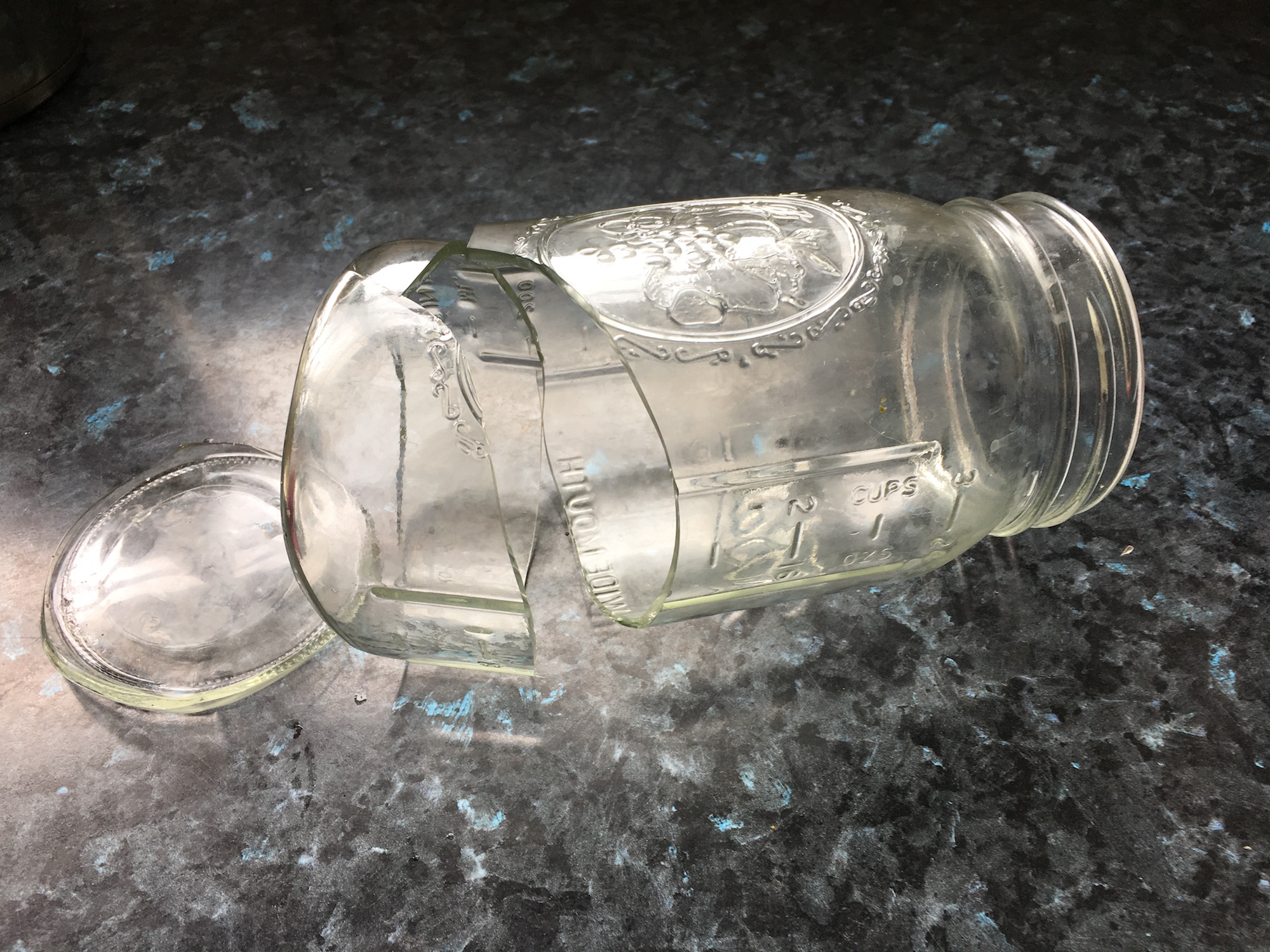
Until two days ago, when a jar of dill pickles exploded when it was lowered into the canner. Then yesterday, I ran fifteen jars through the canner, and FIVE of them didn’t seal. What? FIVE? I never have that sort of failure rate. I did what I always do though, upon reflection, maybe my lids or jars weren’t quite as hot as they should have been, because I was doing two batches at once, and my attention was divided.

Today I reran the five unsealed jars, making sure they were nice and hot, and they all dutifully sealed.

But it made me think about failure and my response to it.

I fail a lot. I have hundreds of rejections of my writing from agents and publishers. I’ve thrown away entire rounds of cheese that just didn’t work properly. I’ve made loaves of bread that could be deadly projectiles. I’ve made birthday cakes that didn’t look anything like what they were meant to be. I’ve taught lessons that have flopped completely. I’ve made clothes that have gone immediately into the rubbish upon completion. The list of my failures goes on and on.

When we fail, we have a number of options.

Option 1: We can pout, blaming our failure on the weather, the phase of the moon, the person next to us, the wrong tools, millions of illegal immigrants, or whatever. This might make us feel good, because it allows us to pretend our failure was not our own fault. But it doesn’t make us likely to succeed next time.

Option 2: We can get angry, blaming our failure on our own stupidity, clumsiness, incompetence, or lack of innate ability. We can believe that, because we failed, we are a failure. This is an easy response, because it allows us to justify not trying again. “I’ve tried that, and I can’t do it.”

Option 3: We can critically analyse what went wrong. Maybe it was poor tools–I’ve had cheese fail when a thermometer was inaccurate. Maybe we got sloppy–I’ve ruined garments by rushing to finish them. Maybe we didn’t understand enough about what we were doing–the first time I taught preschoolers, they chewed me up and spit me out, because I had no idea how they related to the world. Analysing our failures takes time. It requires a willingness to critique ourselves in an honest and constructive manner. It requires us learn new things. It requires us to get back on that bicycle and try again.

It’s hard.

But it’s the only option that leads to success.

Celebrate January

2017-01-24-15-13-32-smThe golden month is nearly over. January is the sweet spot of the year.

The Christmas frenzy is over. The kids are o vacation. much of the rest of the population goes on holiday too.

Even I get a break. By January, the plants in the garden are large enough to suppress weeds, so there’s little weeding to be done. Te early crops are winding down and the summer crops are ramping up. Full-scale bottling (canning) and dehydrating will come later. January is mostly a time to enjoy the garden’s summer bounty.

There is work to do, of course. Peas, pickling cucumbers, and green beans all peak in January, and they need to be processed. But they are relatively quick and easy crops to preserve.

Along with the garden respite usually comes sunny summer weather. We can go camping and backpacking, and take trips to the beach. January is a month of sand, sun and effortless meals.

February will come, with school, work, and a mountain of vegetables to process. The nationwide party mindset will end, and we’ll all settle in for another year at the grindstone.

But there’s still a week left. Enough time for a bit more fun…

End of the Pickle Drought

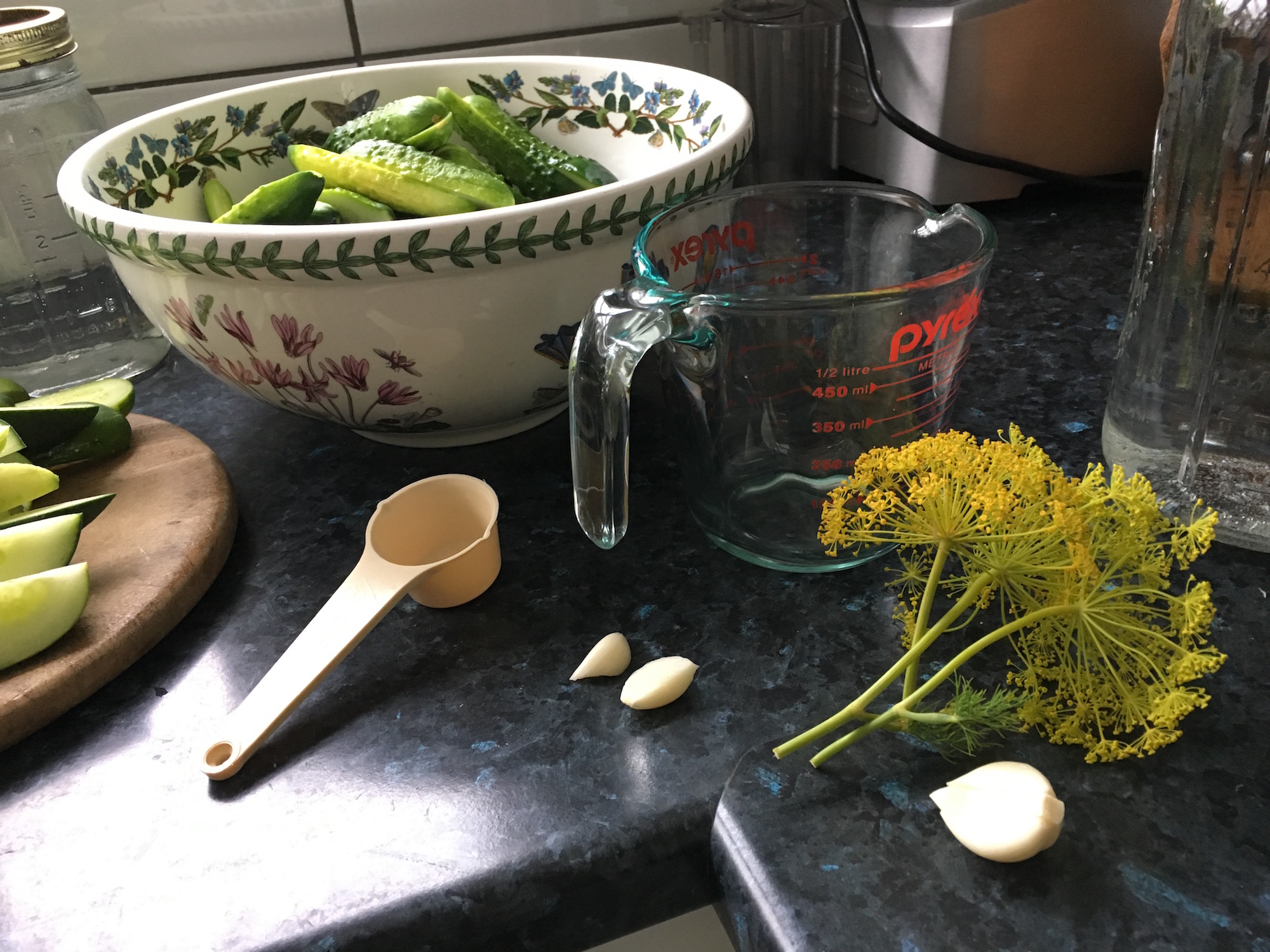
2017-01-02-08-03-25-smI grow pickling cucumbers every other year, in order to avoid becoming the Pickle Lady. Last year’s crop, however, was killed by frost, and we’ve been out of pickles for some time.

This year, the stars have aligned, and I have a beautiful crop of cucumbers coming on. As a bonus, the dill didn’t get completely wiped out by aphids (as it often does), so it’s perfectly timed with the cucumbers. There will be plenty of dill seed heads to flavour the pickles this year.

So it was with joy that I picked the first cucumbers yesterday. There weren’t enough to make a proper batch of pickles—there’s no point in heating up the canner unless I can fill it at least once—but I was fine with that. In fact, I was quite pleased there weren’t more. It meant I could make a batch of fresh pickles to put in the fridge and eat right away. After a long pickle drought, they’re going to taste fabulous!

Counting your Quinces

2016-11-28-16-39-54-smYou know what they say—don’t count your quinces before they ripen…okay, maybe they don’t say that, but they probably should.

I’m pleased to count the little quinces forming this year, though. I know we won’t get to eat all of them, but it’s the most fruit the little quince tree has ever set.

I can almost taste the quince paste now…

I had never encountered quince before coming to New Zealand. It’s an odd fruit. It’s sort of what I imagine pears must have been like before hundreds of years of plant breeding—astringent, hard, and gritty. They’re not a fruit you eat fresh.

But cook them, and all their glorious floral flavours come out. Turned into quince paste, they are one of my favourite foods.

Quince paste is delightfully versatile—pair it with cheese on a cracker for a salty snack or hors d’oeuvres, or spread it on toast for a sweet breakfast treat.

Making quince paste is a lesson in patience. First, you have to wait for the quinces to grow and ripen—they won’t be mature until autumn, and they’re not a fruit you find in the store, even in season. You just have to wait for them.

Then you have to simmer those rock-hard quinces for half an hour until they’re soft enough to mash.

Then you add sugar and cook oh-so-slowly for up to 3 hours, until the mixture turns red.

You pour the hot paste into jars and wait another few hours for it to set.

Finally, you can enjoy your quinces.

So, yeah, don’t count your quinces before they’re paste.

Berries Bought with Blood

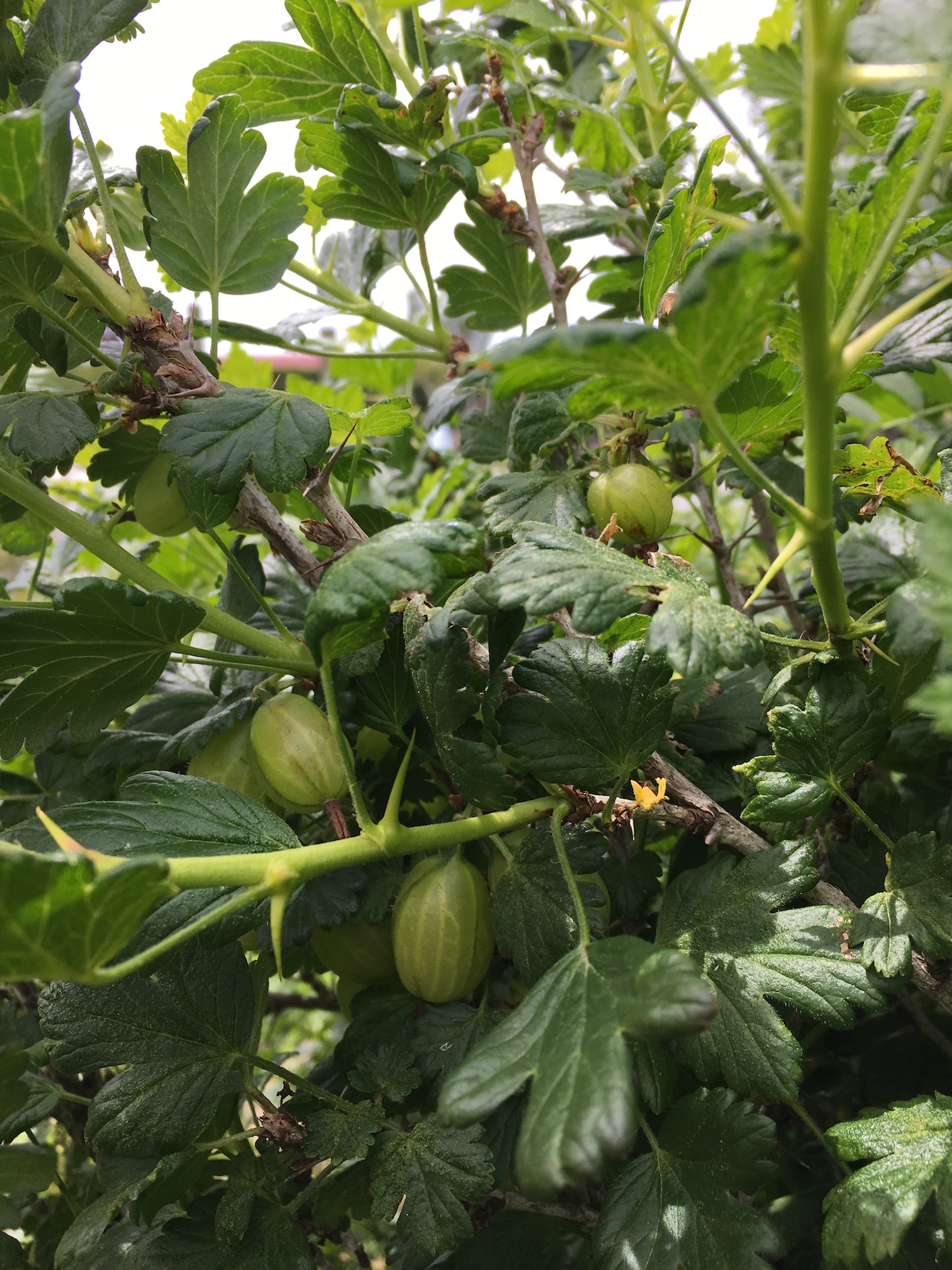
2016-11-18-13-33-56-smGooseberries are one of my favourite fruits for jam—high in pectin, a beautiful colour, and wonderfully tart.

I just wish the plants weren’t so vindictive…

I watch the fruits swell with a mix of excitement and trepidation. There will be lots of fruit soon, but the price of picking it will be scratched and bloody hands.

I should probably prune the plants, so there’s more space to get in there and pick. But pruning brings its own blood price, and one of the things I like most about gooseberries is that they pretty much take care of themselves. They do well in dry conditions, and they compete well with the weeds. That they give us fruit without the fuss of pruning is a huge bonus.

All in all, I suppose I can’t complain about the trade-off. A little blood for a harvest of delicious fruit is a good deal.

Strawberry Secrets

2016-11-16-14-50-36-smShhh!!

Don’t tell my family.

I ate the first strawberry of the season!

It was delicious!

I’m usually quite generous with my garden produce—everyone gets a fair share of the goodies. But when it comes to the first strawberry of the year, I turn selfish.

I always get the first strawberry.

I get it, because I plant, and weed, and water, and weed again. Because in two weeks, I’ll be spending an hour a day just picking berries, then countless hours processing them into jam and other yummy treats for everyone to enjoy.

It’s my sweet reward for a year of work.

The secret will out in a day or two. When I come in with three berries, and give one to everyone else in the family, saving none for myself, they’ll know. They’ll know I ate the first one already.

But by then it won’t matter. I will have gotten the first one.


North African Salted Lemons

Salty lemons and sweet lemon curd...mmmmm.

Salty lemons and sweet lemon curd…mmmmm.

My husband brought home a grocery bag full of lemons yesterday—a gift from a colleague with a prolific lemon tree.

When life gives you this many lemons, you have to be more creative than lemonade.

The first thing I did was make lemon curd, which is one of my favourite uses of lemon.

But when I was done with that, you couldn’t tell I’d taken any lemons out of the bag.

So I searched around and found a few recipes for salt-preserved lemons.

I was intrigued. We’ve been using more and more lemon in our savoury cooking, and salted lemons should be perfect for that.

It is perhaps the most bizarre recipe I’ve ever made.

Cut the lemons lengthwise into quarters, but not all the way through, so they fan out like a flower. Sprinkle salt on the fanned quarters, then juice them before stuffing the juiced lemon into a jar and pouring the salty lemon juice over it. Repeat with as many lemons as will fit in the jar. Let sit in a warm place for a month, then store in the fridge for up to a year, pulling out lemons as needed.

I’m very curious how they taste, and how we will end up using them.

And now I’m on to baking lemon cake and lemon scones, because I still have half a bag of lemons left…

A List of Garden Don’ts

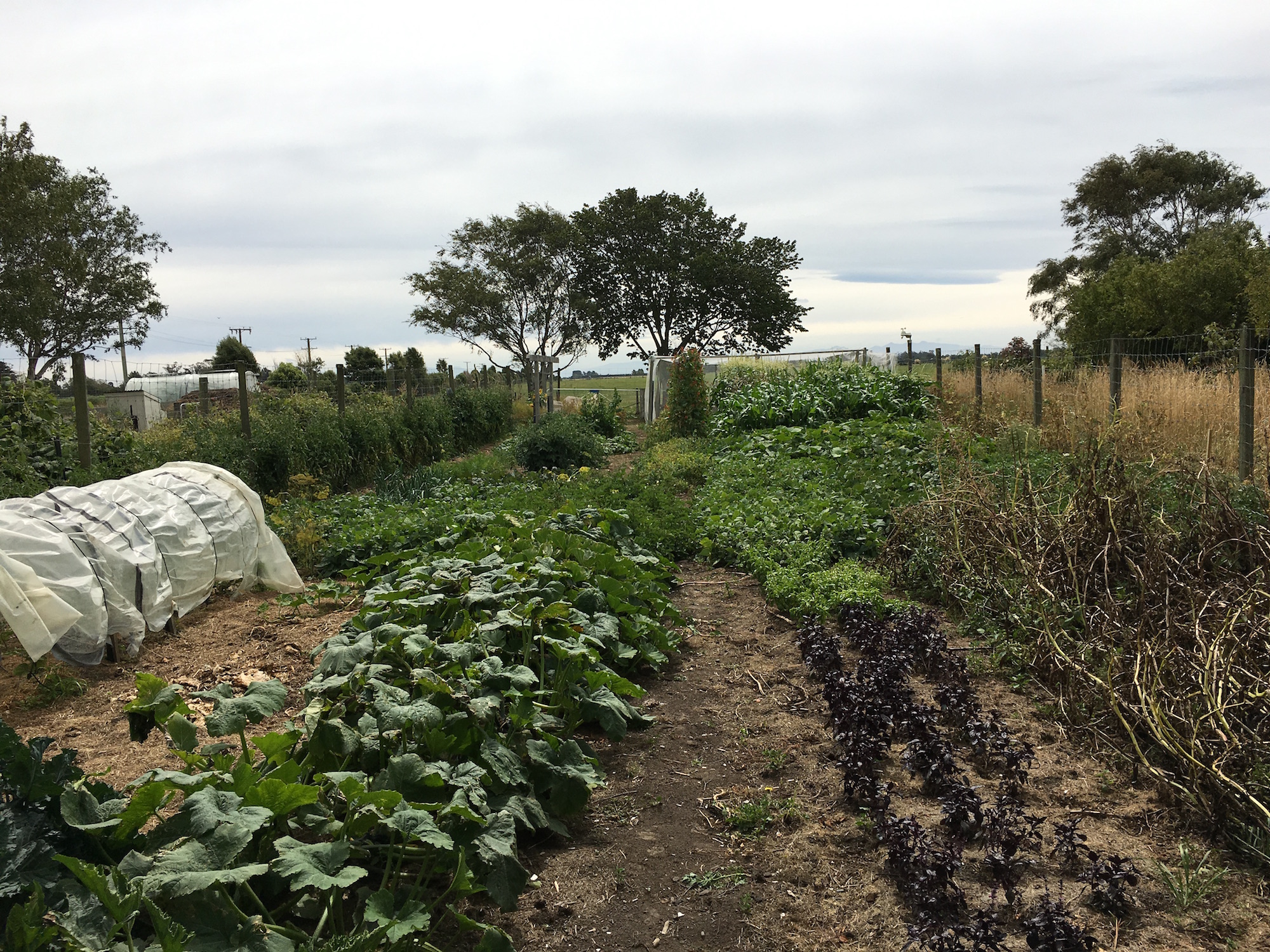
2016-01-16 17.22.14 HDR smAs I head into spring, I always try to bear in mind my list of garden don’ts…

  1. Don’t put the compost pile next to the greenhouse. The rats and mice go straight from the compost to the greenhouse, where they devour everything in sight.
  2. Don’t plant so many zucchinis. No. I mean it. One zucchini plant can feed a small village. Just don’t do it.
  3. Don’t put the pumpkins near a path. You don’t need to do anything to them until long after all the other crops are finished, so tuck them away from heavy traffic areas. Otherwise, they’ll take over your paths. Same goes for potatoes, melons, and broad beans.
  4. Don’t take zucchini to every social function you attend. See point number 2. Even your friends can’t eat all that zucchini.
  5. Don’t plant corn where it will shade the tomatoes.
  6. Don’t freeze your extra zucchini. See point number 2. If you must freeze zucchini, grate it first, and don’t freeze more than what you can use in two batches of zucchini bread.
  7. Don’t plant horseradish. Anywhere. For any reason. It’s fine if you love horseradish. But don’t plant it. Get it from a friend who made the mistake of planting horseradish once ten years ago.
  8. Don’t save extra zucchini in the fridge. See point number 2. There will be more tomorrow, and you won’t eat the ones in the fridge. Get a pig or goat instead and feed the zucchini to it.
  9. Don’t water before you weed. It makes for unpleasant working conditions.
  10. Don’t worry. Your local food bank probably accepts zucchini.

When Life Gives You Grapefruits…

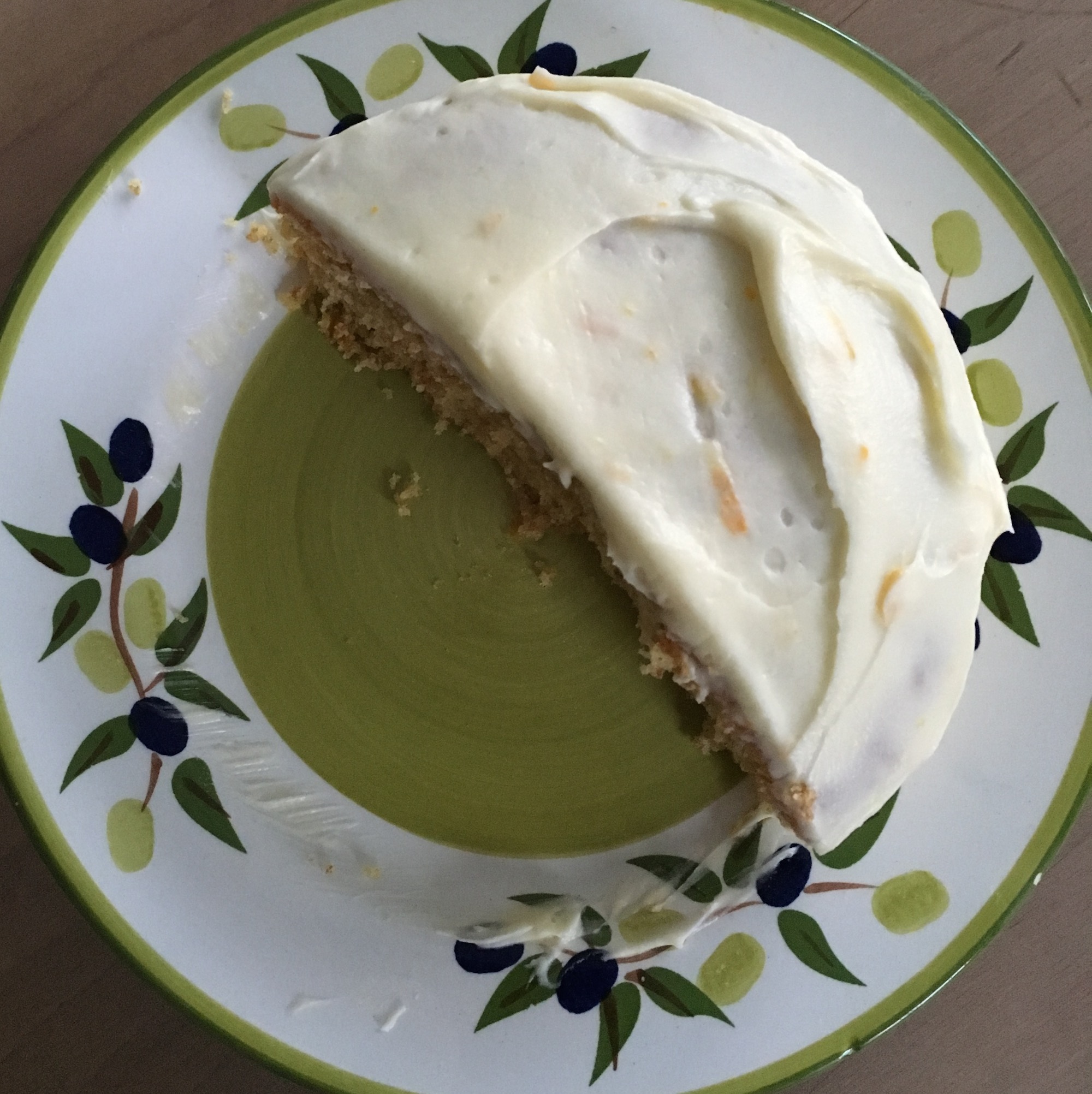
2016-08-02 08.06.47Make cake, of course! I wrote a post last year about this grapefruit cake, and it’s worth another. Maybe it is the short winter days, but I’ve been thinking about grapefruit cake lately. So I was thrilled when the neighbour dropped of a box of grapefruits over the weekend.

His wife apparently doesn’t like them, so we luck out each year when the grapefruits ripen on his tree. We made grapefruit marmalade two years ago…and we’re still working our way through it. It’s good, but we just don’t eat that much of it.

But the cake…that doesn’t sit around. The grapefruit flavour goes so well with the nutty whole wheat flour in the recipe. And it absolutely rocks a cream cheese frosting.

And it has me thinking of other creative ways to use grapefruit. They’re sour and bitter, like limes, so could you make a pie like a key lime pie with them? What about pudding, like orange pudding? Or grapefruit cheesecake? Grapefruit curd? The possibilities are endless…Stay tuned.