Wool Sower Gall

Visiting America is always a rewarding experience from a naturalist’s point of view. Though New Zealand has some spectacular wildlife, it simply doesn’t have the sort of diversity one finds in North America.

This visit’s best find so far has been the wool sower gall.

This spectacular fuzzy ball, found on the twigs of white oak trees, is caused by the tiny wasp, Callirhytis seminator. The structure of the gall is reminiscent of a fluffy seed head of a plant. Small ‘seeds’ inside the fluffy exterior house wasp larvae.

Galls are fascinating structures. They are made by the plant in response to chemicals produced by an insect or mite. Galls are incredibly diverse in structure and location on the plant, but all provide food and protection to the insects or mites as they grow and develop. Essentially, the insect has hijacked the plant’s biology to create a perfect home with a built-in food source.

Gall-making evolved several times in different groups of insects and mites; it’s clearly a successful survival strategy.

But the plants aren’t entirely defenceless. In response to the gall insects, many plants produce chemicals that attract predators to eat the damaging insects.

In turn, some gall-inducing insects can turn off these chemical defences in their host plants. Host and insect are constantly evolving, each trying to get the better of the other. The galls are a spectacular result of their arms race.
Rich in Mushrooms

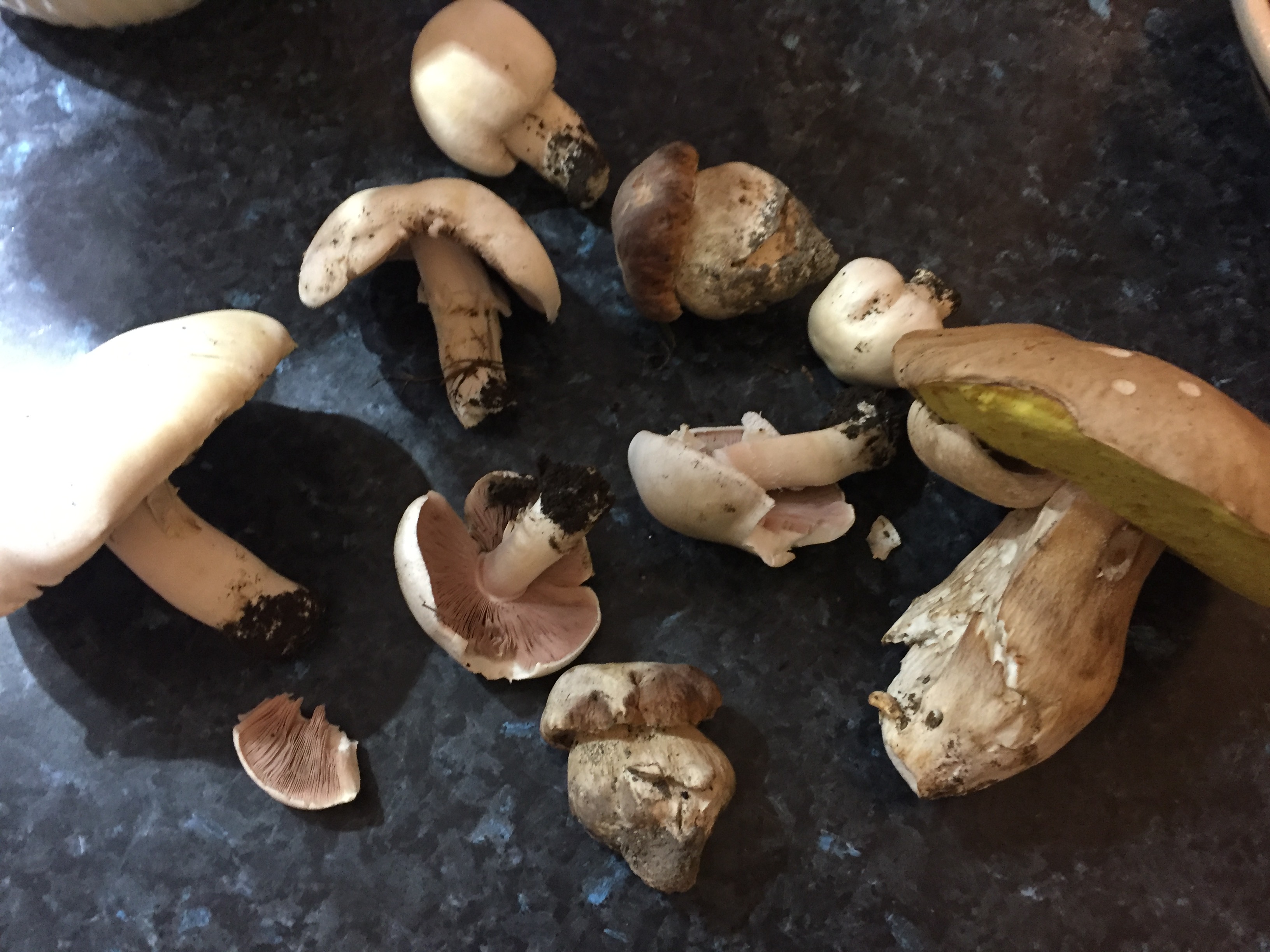
I come to the computer under the delightful glow of my third meal of wild mushrooms in the past two days. As I mentioned a few days ago, the recent deluge has brought all the fungi out to play.

Agaricus arvensis and Boletus edulis are this week’s two wild additions to our meals. Their rich, earthy flavours have topped burgers and adorned home made pasta (because how can you possibly serve such wonderful mushrooms on store-bought pasta?)

There’s no doubt I love these wild mushrooms for their flavours, but I also appreciate them for their provenance. There’s something satisfying and primal about foraging for dinner. And it becomes even more satisfying when you consider these mushrooms can retail for $40/lb ($88/kg) in the US, if you can get them at all.

I smile to think that the dinner we’ve just eaten might have easily cost $30 to $40 a plate in a restaurant. But with wild-picked mushrooms, vegetables from the garden, and home made pasta (made with eggs from our own chickens), we spent well under $1 per person (and we all had seconds, and there are leftovers for tomorrow’s lunch). It’s no wonder we feel far wealthier than we actually are.

Indeed, you’d be hard-pressed to buy such a meal at any price, with vegetables just minutes out of the garden, eggs laid today, and obscene quantities of gourmet mushrooms. I almost feel sorry for rich people. All they have is money.


Mushroom Season

With the arrival of rain and cooler temperatures, the mushrooms have come out. Many fungi fruit in autumn, but this year seems particularly spectacular on our property. I can only guess that, after three years of drought, the fungi are taking advantage of weather that’s finally moist.

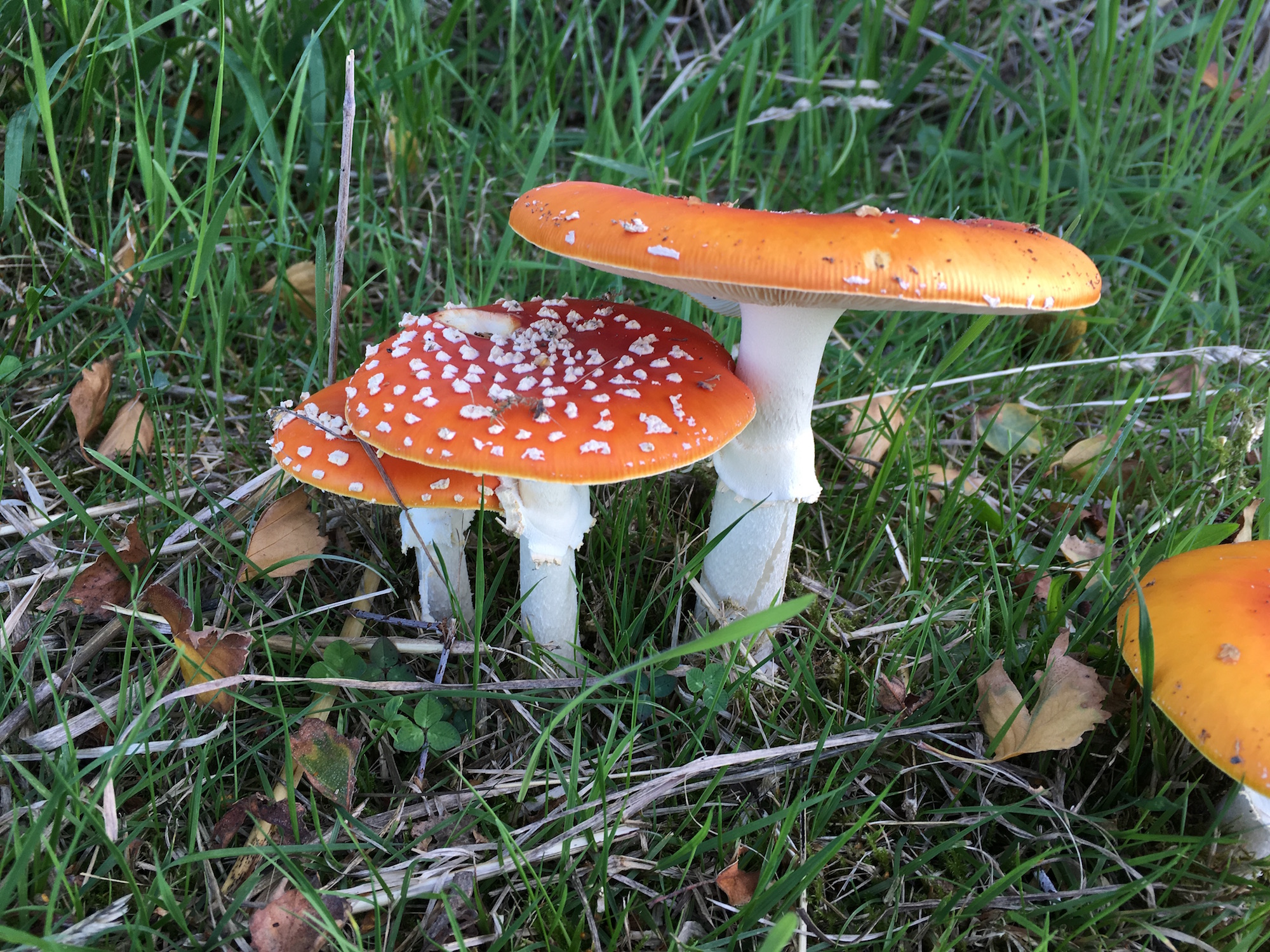
The most visually striking ones are naturally the Amanita muscaria–their bright red caps have reached epic sizes this year, and they’ve sprung up in profusion under the birch trees. They’re accompanied this year by three other species of mushroom with large brown caps (Paxillus involutus, Leccinum scabrum and a Russula).

Puffballs dot the lawn, and an assortment of smaller mushrooms have joined them.

The best find so far has been the presence of seven Noddy’s flycaps in the vegetable garden. I blogged about this mysterious fungus several months ago when the first sporocarp popped up. To find this many all at once is quite unusual.

There is another full week of rain in the forecast, and I’m looking forward to what new gems might spring up. There is also the exciting possibility of slime moulds in this weather.

So forgive me if I walk around with my eyes on the ground this week. I’d hate to miss the show.

Mysteries of the Pomegranate

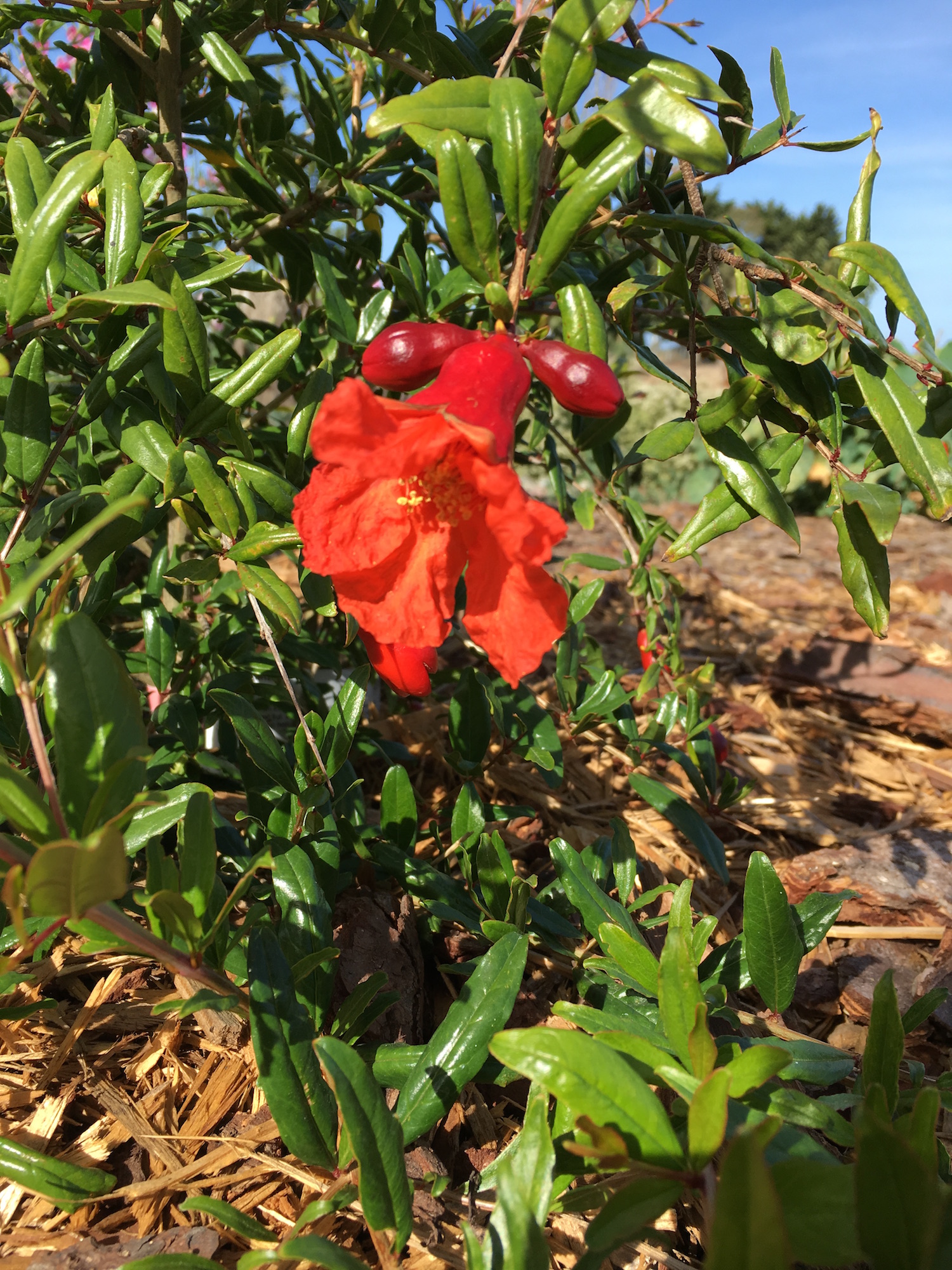
img_3242I know nothing about pomegranates. Sometimes my husband gives me one for Christmas, and I like them, especially in fruit salad. Beyond that, I’m completely ignorant.

So last year, when I saw a pomegranate tree for sale in a local nursery, I naturally bought it.

To be fair, I did do a little research first, just to make sure we had any chance of actually getting it to grow on our property. By the time I brought it home, I knew it had no less of a chance of surviving here than any other fruit tree (all of which prefer more water and less wind than they get here).

So we planted a pomegranate, and a couple of months later it lost all its leaves.

Are pomegranates deciduous, or is it dead? We didn’t even know this much. Turns out, yes, they are. Ours dutifully leafed out again in spring.

Once we knew it was alive, we promptly ignored it again, until a few weeks ago when we noticed little red bulbs on it.

Hey! Fruit! Though we had seen no flowers, we could easily have missed them. For all we knew, pomegranates had small, plain flowers.

Then today, one of those little red bulbs burst, unfurling this stunning big red bloom.

Wow! We had no idea. I’d grow this tree for the flowers alone. They have all the tropical exuberance of a hibiscus (but on a more cold-hardy plant).

I still have no idea when or if those flowers might become fruit (it seems the wrong time of year for any tree to be flowering) but, hey, we know a lot more about pomegranates than we did a year ago. Reason enough to grow something new.

Bittersweet Sweet Corn

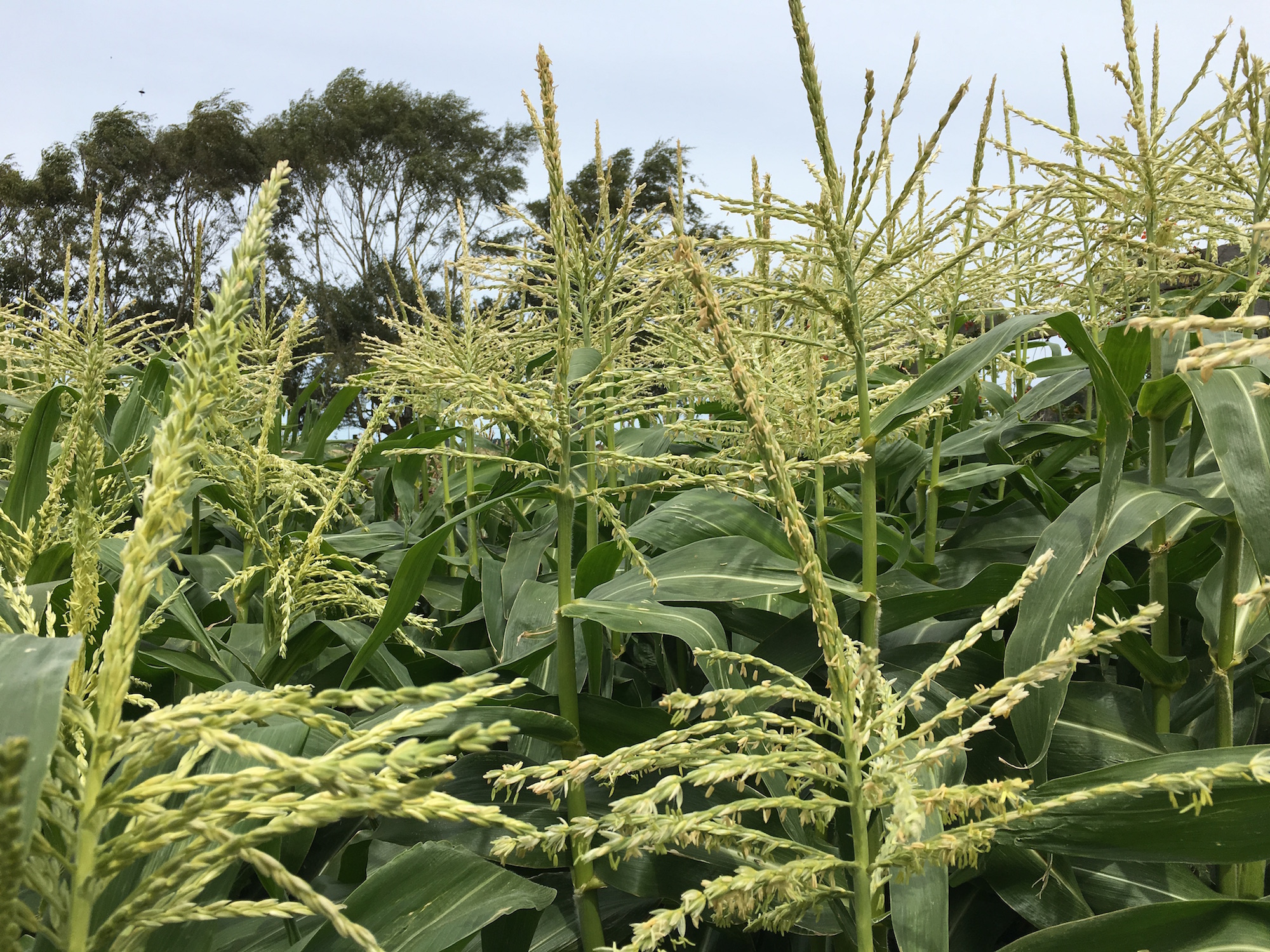
2017-01-24-15-16-41-smYou wait for it all summer. You watch it grow taller and taller. You marvel when it overtops your head. You cheer when it starts to flower, and you impatiently poke the ears as they grow and fatten.

Then one day–finally–the first ears of sweet corn are ready to pick. Always eaten as corn-on-the-cob, the first ears are celebrated and savoured. They cry out Summer!

They are the beginning of the end, of course.

Once the sweet corn is coming on, the green beans will start to slow down. The peas, already on their last hurrah, will give up. February’s heat and dry will begin to take its toll on all the plants.

There is still plenty of time to enjoy summer’s bounty–the deluge of vegetables won’t be over until mid-April. There is still ketchup to make, and summer soup to bottle. And lots and lots of corn-on-the-cob to eat.

But once the corn is ripe, the clock is ticking. From here on out, the garden will look a little worse each day. I’ll start pulling plants out, clearing beds, harvesting storage crops.

And in a shady corner of the yard are two trays of seedlings, sheltering from the heat and harsh sun. Waiting for the end of the sweet corn. Winter crops.

Because every season’s end is another’s beginning.

Celebrate January

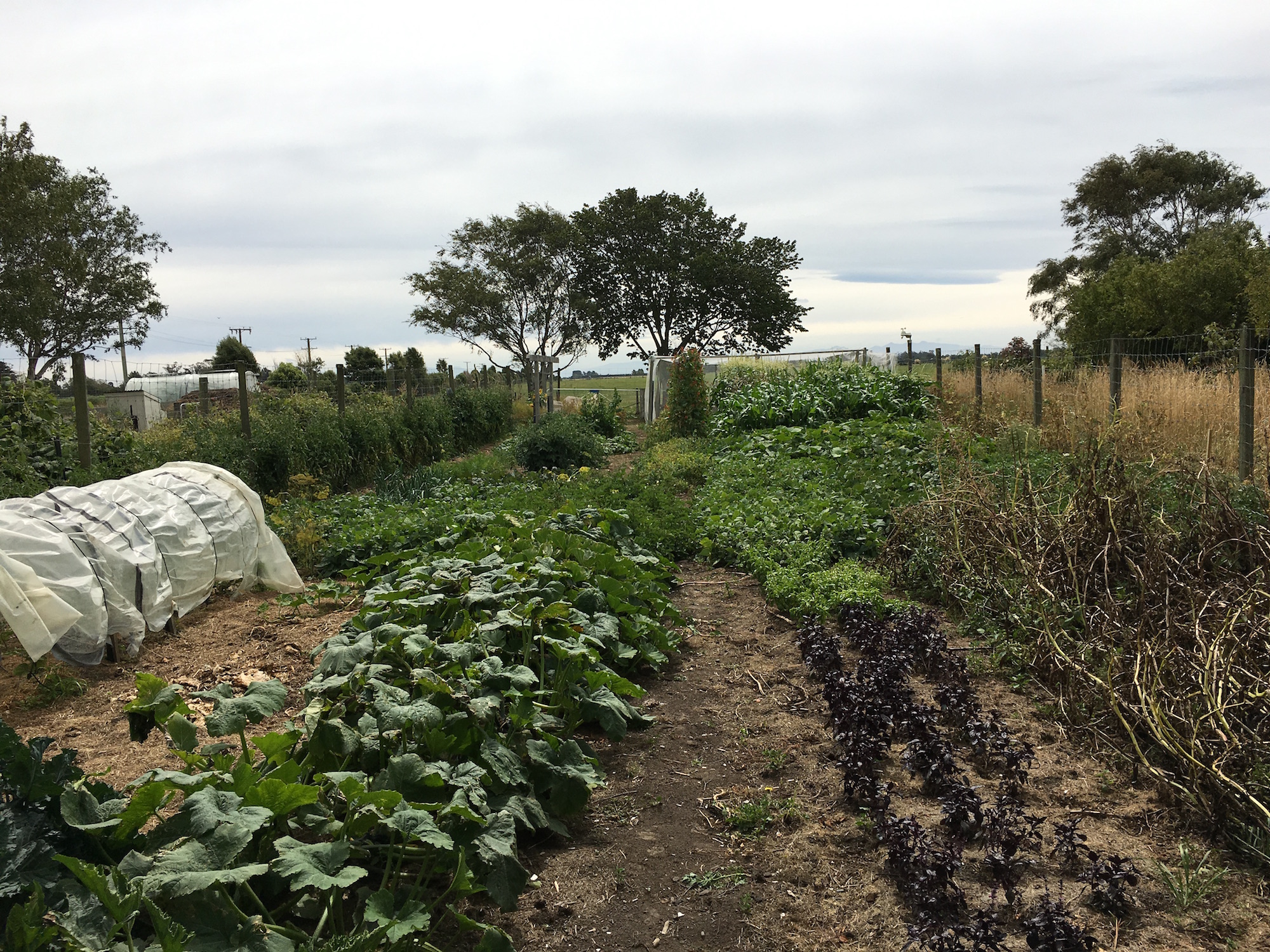
2017-01-24-15-13-32-smThe golden month is nearly over. January is the sweet spot of the year.

The Christmas frenzy is over. The kids are o vacation. much of the rest of the population goes on holiday too.

Even I get a break. By January, the plants in the garden are large enough to suppress weeds, so there’s little weeding to be done. Te early crops are winding down and the summer crops are ramping up. Full-scale bottling (canning) and dehydrating will come later. January is mostly a time to enjoy the garden’s summer bounty.

There is work to do, of course. Peas, pickling cucumbers, and green beans all peak in January, and they need to be processed. But they are relatively quick and easy crops to preserve.

Along with the garden respite usually comes sunny summer weather. We can go camping and backpacking, and take trips to the beach. January is a month of sand, sun and effortless meals.

February will come, with school, work, and a mountain of vegetables to process. The nationwide party mindset will end, and we’ll all settle in for another year at the grindstone.

But there’s still a week left. Enough time for a bit more fun…

Mountain neinei

2016-12-28-11-03-04-smMountain neinei (Dracophyllum traversii) is a tree Dr. Seuss would have been proud to call his own. Sparsely branched, with the leaves concentrated in tufts on the ends of the branches and bright red flower spikes on top, it would look right at home in Yertle the Turtle or The Cat in the Hat.

Aside from its goofy look, mountain neinei is an interesting plant. It is endemic to New Zealand (found nowhere else in the world), and inhabits ridgelines from about Arthur’s Pass north. We saw this one (and many others) on the way up Avalanche Peak near Arthur’s Pass last week. Though it is small (no more than 10 metres tall), it can live for up to 600 years, making it New Zealand’s longest-lived small tree.

It’s a useful plant, too. The leaves are used in weaving, the stems have been used to make walking sticks, and there is even an example of a flute made from mountain neinei.

It’s such a neat plant, it makes you want to speak in rhyme.

The ridge was quite steep,
And the day was too hot,
But the neinei were flowering.
We saw quite a lot.

Up rocks we scrambled.
The forest got smaller,
It looked like the top,
But the mountain was taller.

2016-12-28-13-24-57-smHigher and higher
We climbed and we huffed.
Till we reached the peak,
We really were puffed.

Spectacular views
And black jagged rock
Were our reward
For this strenuous walk.

You have got to be kidding me…

2016-12-16-15-35-55It frosted Saturday morning. Yeah. It was 30C Friday afternoon, and by Saturday morning it was 2C. It was back up to 30 degrees by Saturday afternoon, and today we went to the pool.

I didn’t even think to check the garden Saturday morning. It never frosts this late in the year. That’s the seasonal equivalent of frost on June 16th, for those of you in the Northern Hemisphere. Even in St. Paul, Minnesota, it never frosted that late. It was a rude surprise when I went out to the garden in the afternoon to pick some vegetables and found the pumpkins and beans blackened.

The plants will survive—it was a light frost and the growing tips of the plants weren’t hit—but it will knock the pumpkins back significantly. They were already behind, because the first planting didn’t germinate, and these plants were my second try at them this year. A frost this late might be the difference between mature pumpkins when the first autumn frost hits or pumpkins that still need a few weeks of growth to reach the right stage for storage.

Unfortunately, the only thing to do at this point is shrug and be thankful the other frost-tender crops weren’t damaged…after the obligatory grumpy farmer complaints are through.

Poroporo

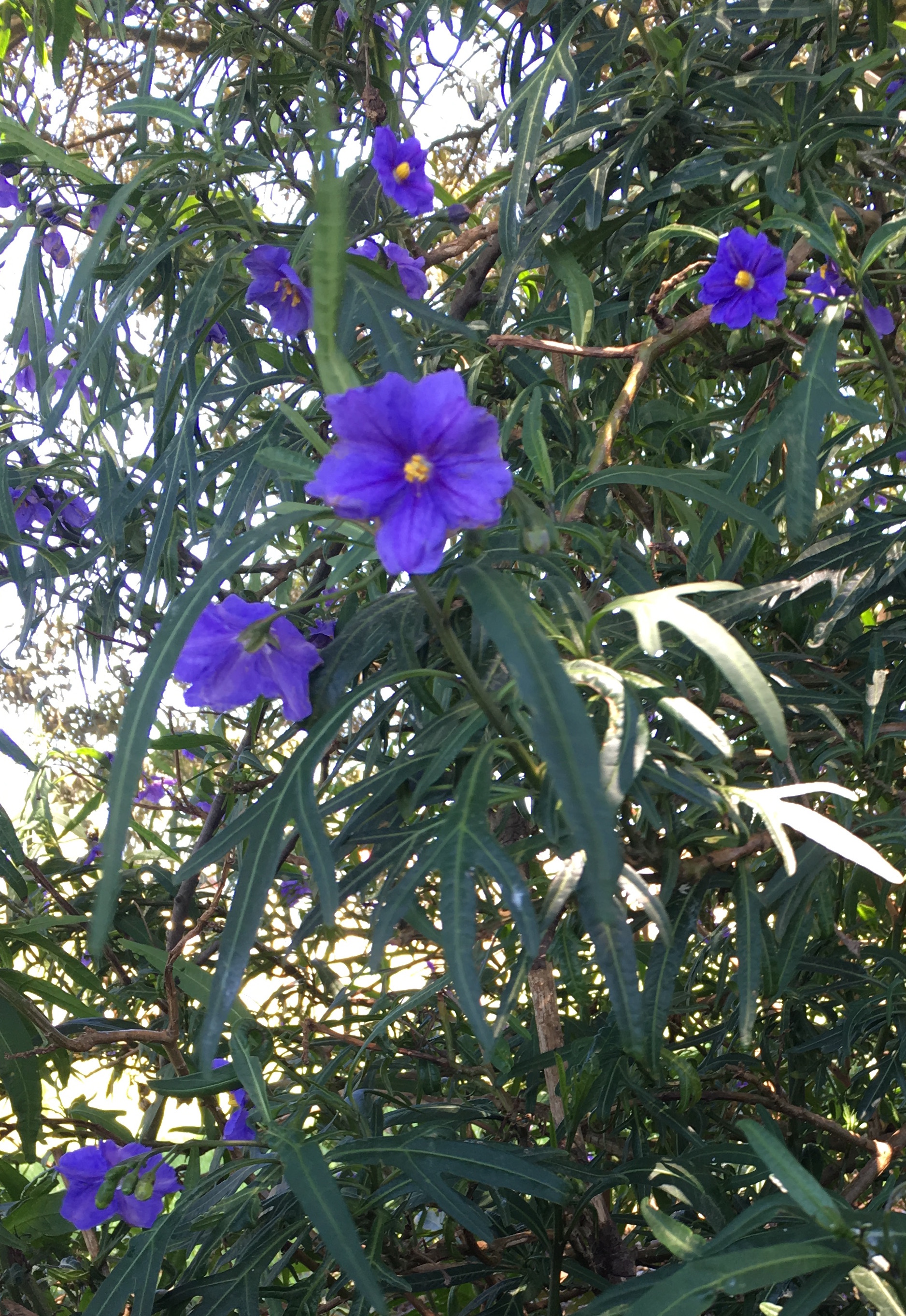
2016-11-22-13-39-04Poroporo (Solanum laciniatum) is a native shrub, and one of our few native plants typically classified as a weed. A few years ago, I noticed a tiny poroporo seedling sprouting under our oak trees—planted, no doubt by some bird roosting (and poohing) in the branches above.

At the time, the chickens were quartered under the trees, so I fenced it with a ring of chicken wire to keep it safe from their scratching.

It has now grown into a huge sprawling bush easily three metres in diameter and as tall as me. It is currently covered in gorgeous purple blooms. Later in the summer, it will drip with teardrop shaped yellow fruits. Weed or not, the plant is eye candy.

Eye candy only—not to be taken internally. Like many of the Solanums, poroporo is poisonous (though apparently the fully ripe fruit is edible…sort of). Fever, sweating, nausea, and abdominal pain are the unfortunate effects of poroporo poisoning.

In spite of its poisonous nature (well, actually because of it), poroporo is grown commercially as a source of steroidal alkaloids used medicinally to make cortico-steroid drugs like birth control and eczema treatments.

A pretty and useful weed!

Berries Bought with Blood

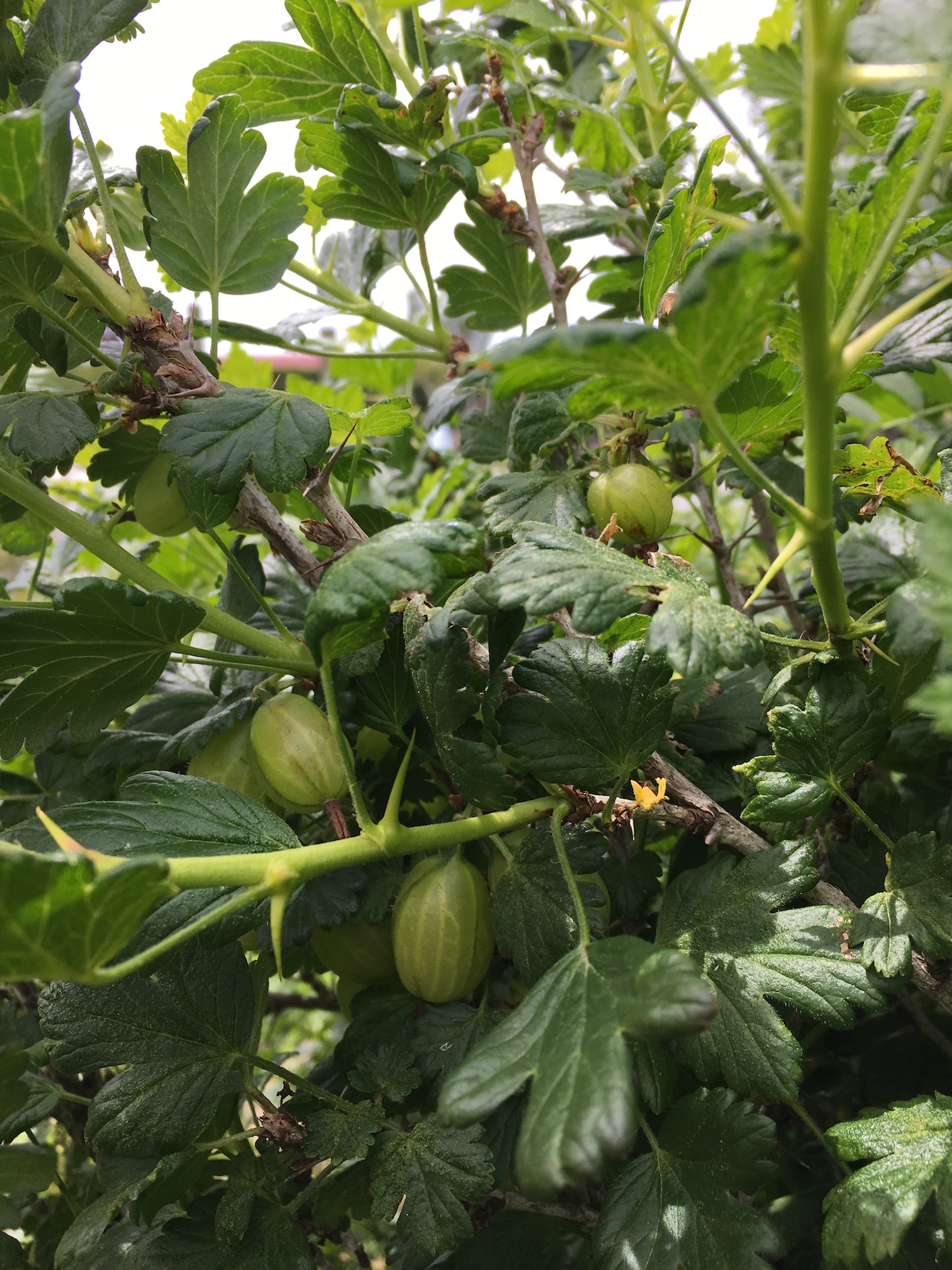
2016-11-18-13-33-56-smGooseberries are one of my favourite fruits for jam—high in pectin, a beautiful colour, and wonderfully tart.

I just wish the plants weren’t so vindictive…

I watch the fruits swell with a mix of excitement and trepidation. There will be lots of fruit soon, but the price of picking it will be scratched and bloody hands.

I should probably prune the plants, so there’s more space to get in there and pick. But pruning brings its own blood price, and one of the things I like most about gooseberries is that they pretty much take care of themselves. They do well in dry conditions, and they compete well with the weeds. That they give us fruit without the fuss of pruning is a huge bonus.

All in all, I suppose I can’t complain about the trade-off. A little blood for a harvest of delicious fruit is a good deal.