Beech Forest Hiking

I’m particularly fond of hiking in early spring. It’s not for the spring weather, which is often raw and windy, or for spring flowers, which aren’t particularly abundant in the bush. No, it’s for the lack of German wasps.

Much of the forest we hike through is dominated by beech (not the northern beech, but several species of Nothofagus). Beech is host to a fascinating ecosystem which has been invaded by non-native wasps.

Throughout much of its range, beech is infested by scale insects. The scales live in the bark of the trees, feeding on sap. Because sap is low in nutrients and high in sugar, the insects need to excrete the extra sugar. Each insect has a long anal tube through which it ‘pees’ concentrated sugar water called honeydew.

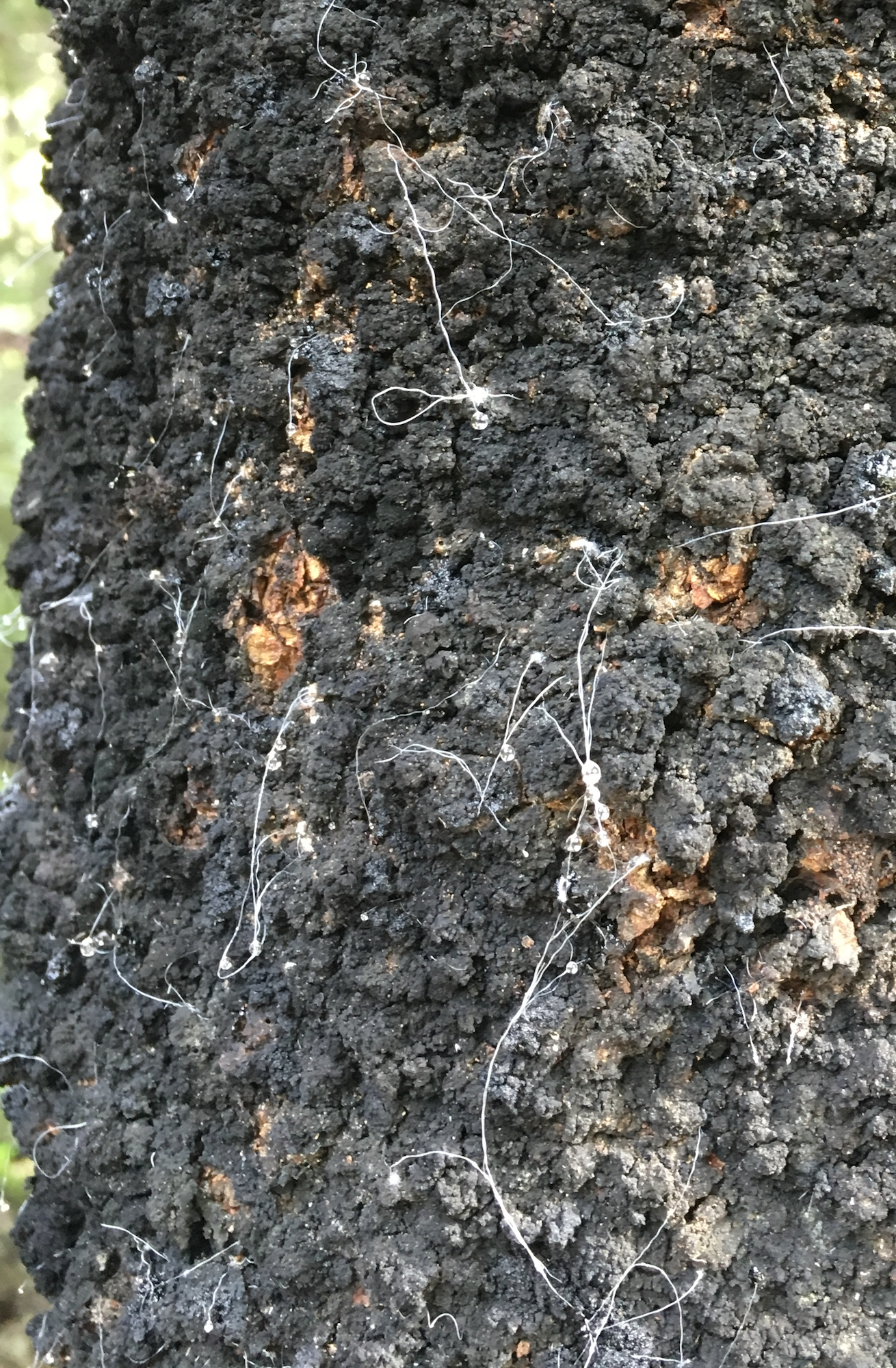
Drops of honeydew form on the tips of the anal tubes and fall to the ground, tree, trunk, and branches around the insects. The entire area ends up coated in sticky sugar.

Sooty mould grows on the sugar coated surfaces, turning trees and forest floor black, and giving the beech forest a distinctive smell. The sooty mould is eaten by a variety of insects, including moths and beetles.

But not all of the honeydew simply drops to the ground. Native birds and insects (and hikers) drink the drops of water on the tips of the scales’ anal tubes. For wildlife, honeydew is an important winter food, when flower nectar is scarce.

German wasps enjoy honeydew, too, but only in the summer.

By mid-summer, the beech forest hums with the sound of millions of wasps collecting honeydew. For me—allergic to wasp stings—it means a hike requires constant vigilance lest I grab a tree trunk for balance and end up in anaphylactic shock. But in springtime, the wasps aren’t yet out and about, and I can enjoy the sticky smell of the beech ecosystem without worry.

Spur-winged Plovers

Almost every year, a pair of spur-winged plovers (Vanellus miles, known as the masked lapwing in Australia) establishes a territory in the goat paddock. A few days ago, I was taking food to the goats, and noted where the plovers were making a ruckus at the other end of the paddock.

This afternoon, I took a walk out there. The plovers were nowhere to be seen, and I was worried–they’re not always successful nesters here. There are simply too many predators around our property.

I nearly turned around, but I decided to take a look anyway.

I was rewarded with the perfect plover nest. Two eggs, a little dried grass, and some rocks.

The spur-winged plover self-introduced from Australia in 1932. Since then, its population has grown dramatically. No surprise when you consider it likes open habitat, and is quite happy to set up house in paddocks, parks, and road verges (we once had a pair nesting in the middle of an intersection nearby).

It has done so well since it arrived in New Zealand that its protections as a native bird were removed in 2010 due largely to the problems it was causing for aircraft (airports are lovely habitat for it). It is one of only two native birds to not be protected under the Wildlife Act (the other is the black backed gull).

I enjoy the plovers. I love their harsh night-time cry, and their indignant posturing while defending territory and nest. I love the fact they cheekily nest wherever they want and expect everyone else to stay out of their way.

I’ll be watching these eggs closely. Fluffy plover chicks are even more fun to see than plover eggs.

Missing My Mix

I planted my first vegetable seeds this weekend. I had planned on planting them last weekend, but when I looked at my garden notebook from previous years, I decided it was a few days too early. So I was doubly eager to get my hands dirty this weekend.

But when I opened one of the bags of growing mix I bought this week, I discovered it was thick with fungal hyphae. They’re saprophytic fungi, to be sure—not technically interested in eating live plants—but in that kind of quantity, they could easily overwhelm my seeds and seedlings. When I opened the second bag of mix, I found it was the same.

I looked at the mountain of seeds I intended to plant, then at the small quantity of growing mix I had left from last year. There was no way I had enough to plant everything. It was already past 1 PM on Saturday—the nearby stores would be closed for the weekend. To get more soil would require a 45 minute drive to the city. Yuck.

So I did triage. Some of the plants I start in August are summer crops that need a long time indoors to get growing (eggplants, peppers, cape gooseberries). These I planted today. Others are spring crops that can go out to the garden as soon as they’re big enough to survive the slugs, birds, and drying winds. Every year I’m in a race with those early crops. They’re always ready before I’ve prepared the garden beds for them. I left many of these for next week.

In the end, the lack of planting mix will probably mean a more pleasant, less stressful spring planting season for me. And if it goes well, I might look back at my garden notebook next August and learn a thing or two about pacing my planting.

Ecological Weeding

A parasitised aphid (the bloated brown one), and an unparasitised one (the green)

A parasitised aphid (the bloated brown one), and an unparasitised one (the green)

As much as I enjoy weeding, I can’t possibly keep up with them all. There are always weeds on the property.

In truth, I don’t try to eliminate all the weeds. I take a ‘live and let live’ approach with many of them. I also recognise the utility of many of the weeds on the property–or at least their utility to other organisms.

Except in the vegetable garden where they are, literally, a pain, I allow nettles to reside in the yard. They provide food for our native yellow admiral butterflies and, in a pinch, can be used to make rennet for cheese making. Even in the vegetable garden, I don’t mind seeing them–they hate dry soil, so they’re a good indicator that I’m watering the garden enough for the vegetables.

Weeds like yarrow, clover, and dandelions are good food sources for beneficial insects, so they, too, are allowed to grow wherever they’re not in direct competition with crops.

Weeds are also sometimes good ‘trap crops’, attracting pests to plants (themselves) I don’t mind pulling out and destroying to get rid of the pest.

Sometimes, though, the ‘trap crop’ idea backfires on me. Today I noticed that a sow thistle I’d allowed to grow was covered in aphids–it was a great opportunity to destroy thousands of pests. Except that as I bent to pull the weed, I noticed that a large number of the aphids were parasitised by wasps. I depend upon these wasps to deal with my springtime aphid problems. Short of painstakingly picking off every parasitised aphid and caring for them until the wasps hatch, killing the aphids on the weed is going to kill the wasps, too. What to do?

So the weed has gotten a temporary stay of execution. I’ll keep an eye on it. When the wasps have emerged from the parasitised aphids, I’ll pull it and kill the remaining aphids.

End of the Pickle Drought

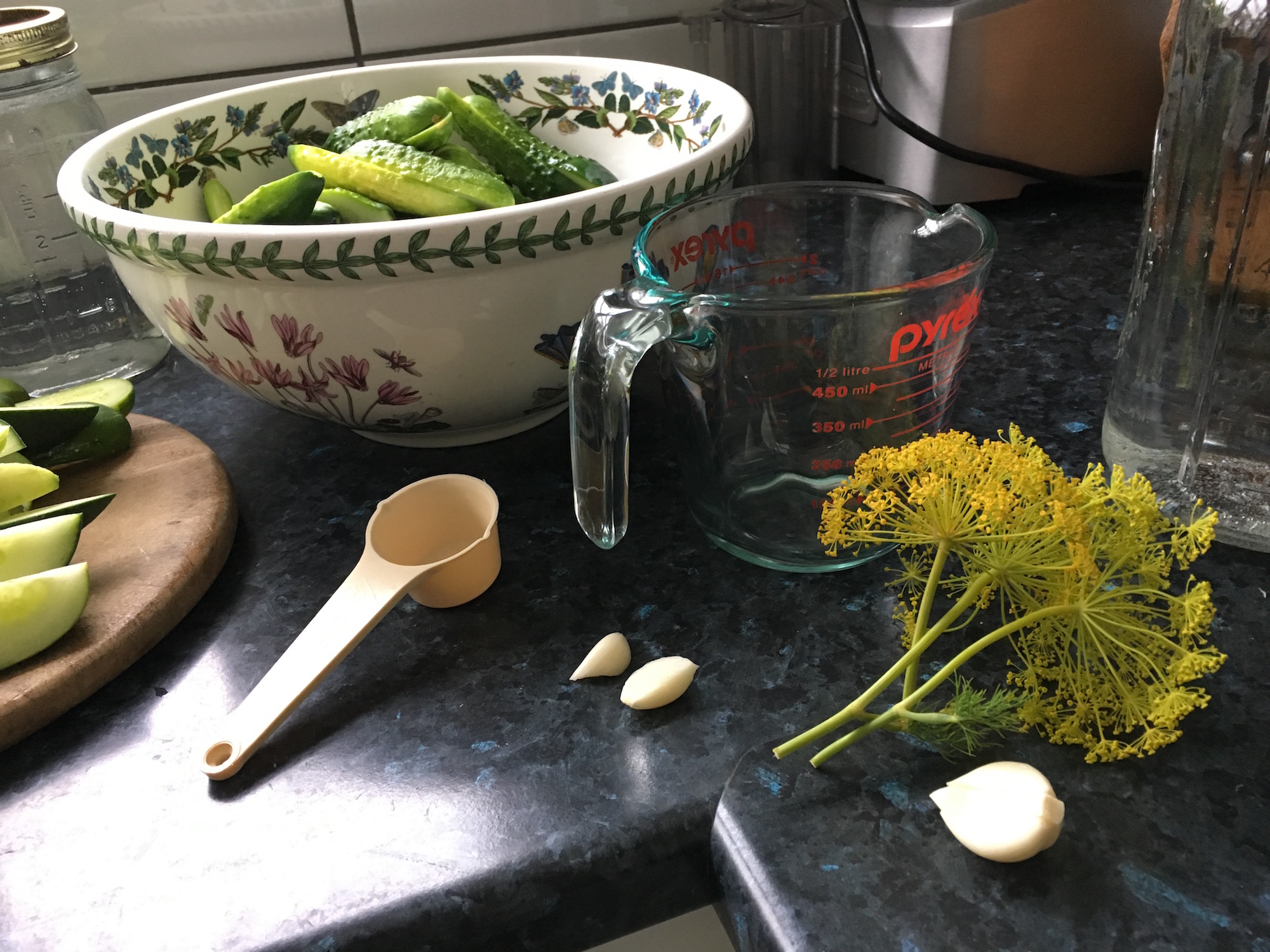
2017-01-02-08-03-25-smI grow pickling cucumbers every other year, in order to avoid becoming the Pickle Lady. Last year’s crop, however, was killed by frost, and we’ve been out of pickles for some time.

This year, the stars have aligned, and I have a beautiful crop of cucumbers coming on. As a bonus, the dill didn’t get completely wiped out by aphids (as it often does), so it’s perfectly timed with the cucumbers. There will be plenty of dill seed heads to flavour the pickles this year.

So it was with joy that I picked the first cucumbers yesterday. There weren’t enough to make a proper batch of pickles—there’s no point in heating up the canner unless I can fill it at least once—but I was fine with that. In fact, I was quite pleased there weren’t more. It meant I could make a batch of fresh pickles to put in the fridge and eat right away. After a long pickle drought, they’re going to taste fabulous!

When the pests are cute

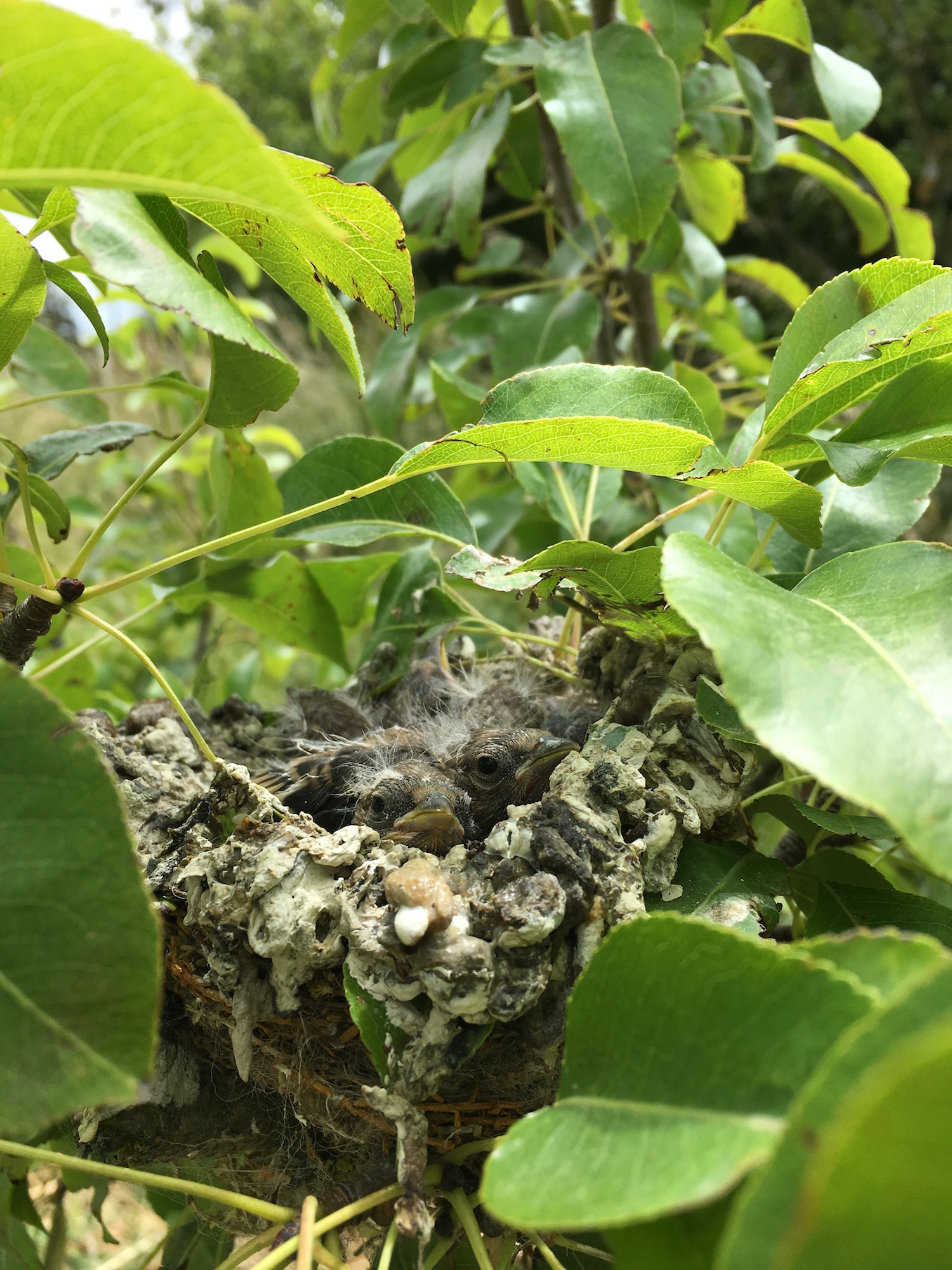
img_2765A month ago, I saw a perfect little bird nest in one of the fruit trees—incredibly tidy, and woven from grass and lichen. It was so pretty, I couldn’t bear to remove it, though I knew it must be the nest of a non-native bird (that’s about all we have here). Starling and house sparrow nests get the heave-ho as soon as I find them. This one…well, I couldn’t possibly disturb something so cute.

I forgot about the nest for several weeks, but today my husband noticed it was chock-full of chicks. Five grey fluffy European goldfinches (Carduelis carduelis)—so ugly they were adorable.

We don’t really need any more goldfinches, but since we don’t grow grain, they’re not much of a pest to us. These five chicks, though, will likely join the flock that descends on the neighbours’ fields in late summer. Sorry, guys. If you’d seen this cute nest of chicks, you’d understand.

A Rose

R Weiss roses Christchuch Botanic Gardens

R Weiss
roses
Christchuch Botanic Gardens

A rose, by any other name
Would still have thorns and be a pain.

Black spot, chafers, aphids, too,
Spider mites and powdery mildew.

Japanese beetles, leafcutter bees
It’s rife with pests and disease.

So go ahead, forget the rose
Plant a flower with fewer foes.

Sunflower, Daisy, there’s really a passel
Of flowers easy to grow without hassle.

No pruning, no spraying, no disease or thorns
For none of these things a gardener mourns.

Or better yet, just live with the weeds
They grow by themselves, and spread their own seeds.

Dandelion, yarrow, catsear and cress
All grow on their own and let the gardener rest.

A Little Too Much Indoor/Outdoor Flow?

Fine in the paddock, not welcome indoors.

Fine in the paddock, not welcome indoors.

I always assumed, growing up, that window screens and screen doors were there to keep insects out of the house. It never occurred to me that other wildlife would want to get in, too.

Two nights ago, we woke at 2 am to the sound of the rocking chair on the porch thumping back and forth and claws raking the bedroom window. At first, I cursed the cat—who often sits on the rocking chair meowing in the middle of the night—and rolled over. But the raking claws didn’t stop. The cat never claws at the window. I opened my eyes, then had to get up for a closer look, because I couldn’t believe what I saw. An Australian possum was sitting on the back of the rocking chair, leaning out to scratch the window.

What the heck? Was it trying to get in?

It got me thinking about all the non-insect wildlife we’ve had in the house over the years.

In Panama, there were numerous mice, rats, scorpions, whipscorpions, windscorpions, and tailless whipscorpions…naturally. But there also were a few geckoes, and a skink who spent weeks living with us. We started leaving out water for him on the table, and named him Smaug.

There were the bats. Mostly they were small ones, but occasionally we’d get a massive one, with the wingspan of a pterodactyl. They’d swoop in between the top of the wall and the roof, wheel around the house, then swoop out again.

There were regular chicken incursions, even after we evicted the one brooding a clutch of eggs there when we moved in, and there was a cat who came inside and had kittens on our bookshelf.

The largest visitor was probably the dog, who came into the house chasing a rat, then regularly trotted in after that to see if we had more rats for her.

Here in New Zealand, we’ve had mice and rats, including one bold rat who sauntered into the kitchen through the front door while I was washing dishes one day. Sparrows and the odd starling are regular visitors in the summer—they come in, poo a few times, and leave. Chickens and feral cats are occasionally pop in for a visit, too.

For one magical season, we had a piwakawaka, who would flit into the house every day. He would zip around inside, eating flies, then land on a bird mobile hanging from the kids’ bedroom, bobbing up and down like just another wooden bird.

I can only imagine what mayhem that possum would have caused if it had gotten in last night. Earthquakes would probably seem tame to the havoc of a possum indoors. You can bet I’ll be making sure the windows are all closed tonight—I think I’d like to keep that one outdoors.


The Best Laid Plans…

2016-11-05-16-46-35-smBack in mid-August, I blogged about the to-do lists that get me through spring. I make a list and stick to it. That way, everything gets done.

But what if the plants don’t pay attention to the list?

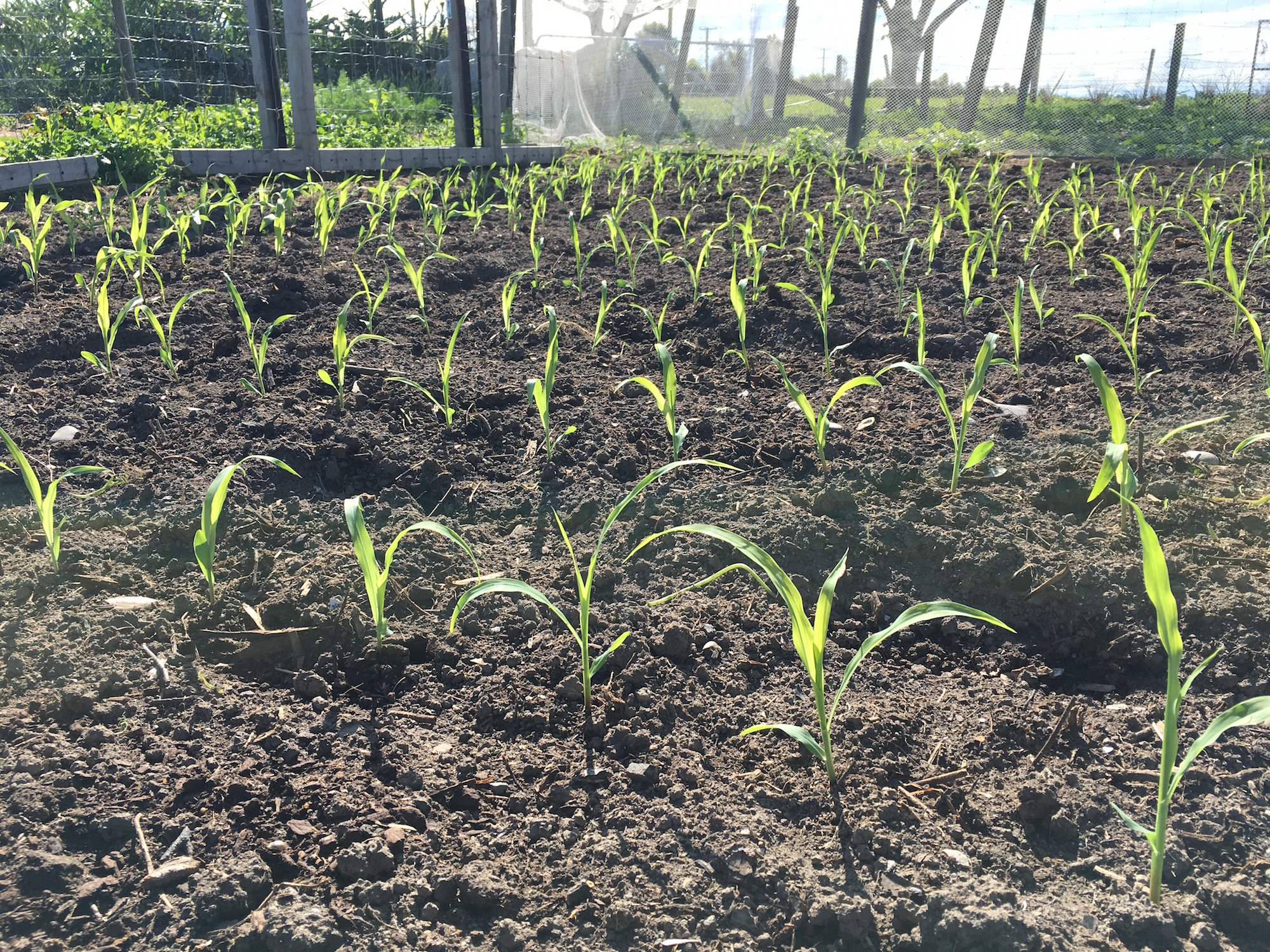
I try to maintain consistency from year to year, and I document planting dates, plant-out dates, potting-up dates. So I know that if I plant my first batch of corn in trays on the 15th of October, it will be just ready to plant out on Canterbury weekend (around the 15th of November).

But this year, the corn was ready to plant out by the 30th of October.

The corn bed wasn’t ready yet. It’s always the last one I prepare, because it’s usually the last one to be planted out. I took the trays of corn seedlings out of my office, so they would have chilly nights to slow down their growth.

It didn’t help. The corn kept growing at a ridiculous rate.

I considered planting the corn in the beds designated for pumpkins, because they were ready. But that would have meant planting pumpkins in the same beds they were in last year. I had a lot of pest problems in those beds last year—I’d be foolish to plant the same crop there again this year.

Last weekend I got frantic. If I didn’t get the corn out to the garden in the next week, it would die in those trays.

Wednesday, I quit work at 2 pm and started preparing the beds. I got them weeded, and the soil turned. Then I realised I was going to need to turn the compost pile in order to get compost for those beds.

Turning the compost pile usually takes at least two weekends of back-breaking work.

This morning, I started on the compost pile around 6.30 am. By the time I’d turned a third of it into the empty compost bay, I was completely exhausted. And I’d only managed to get five wheelbarrow loads of compost for the corn (I really wanted nine).

So I compromised. Five loads of compost would have to be enough. I turned it in, raked the soil smooth and called the beds done. The corn was all in the ground before lunch. Whew!

Of course, it’s a week early. I have learned the hard way not to plant out too early here. My garden sits in a frost pocket. Chances are, the corn will get nipped by frost, but it was either that or watch them die in trays. Crossing my fingers and hoping for warm weather!

A New Gardening Lexicon

A nice tidy rolag.

A nice tidy rolag.

I’ve noticed that the world of extreme gardening doesn’t have a very good vocabulary. There just aren’t the words to express the particular situations, actions, and states one experiences.

So I’ve developed my own gardening lexicon, to try to fill that gap in the English language. Here are a few of my words:

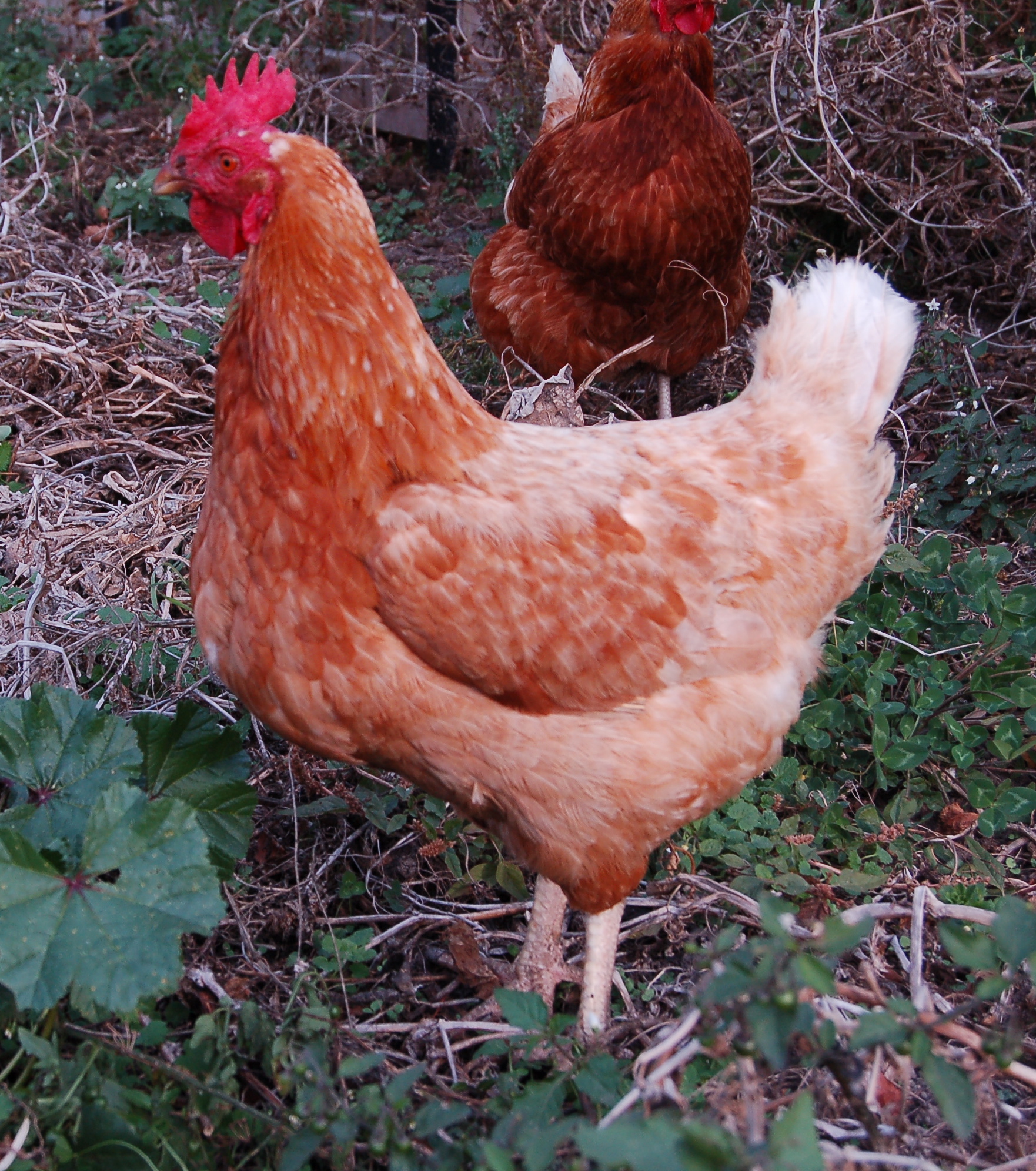
Chook—verb. To toss something to the chickens. E.g.: Just chook those weeds—they like them.

Chookable—adjective. Suitable for the chickens to eat. E.g.: Those weeds are chookable.

Dinger—noun. A rock in the soil, accidentally struck by a gardening tool.

Goat—verb. To toss something to the goats. E.g.: Goat these branches—they like them.

Goatable—adjective. Suitable for the goats to eat. E.g.: Those branches are goatable.

Grunter—noun. A weed that requires significant effort (and usually a tool) to pull.

Hum-dinger—noun. A particularly large rock in the soil, accidentally struck by a gardening tool.

Pop bead—noun. Insect pest. Name comes from the sound it makes when squished between the fingers.

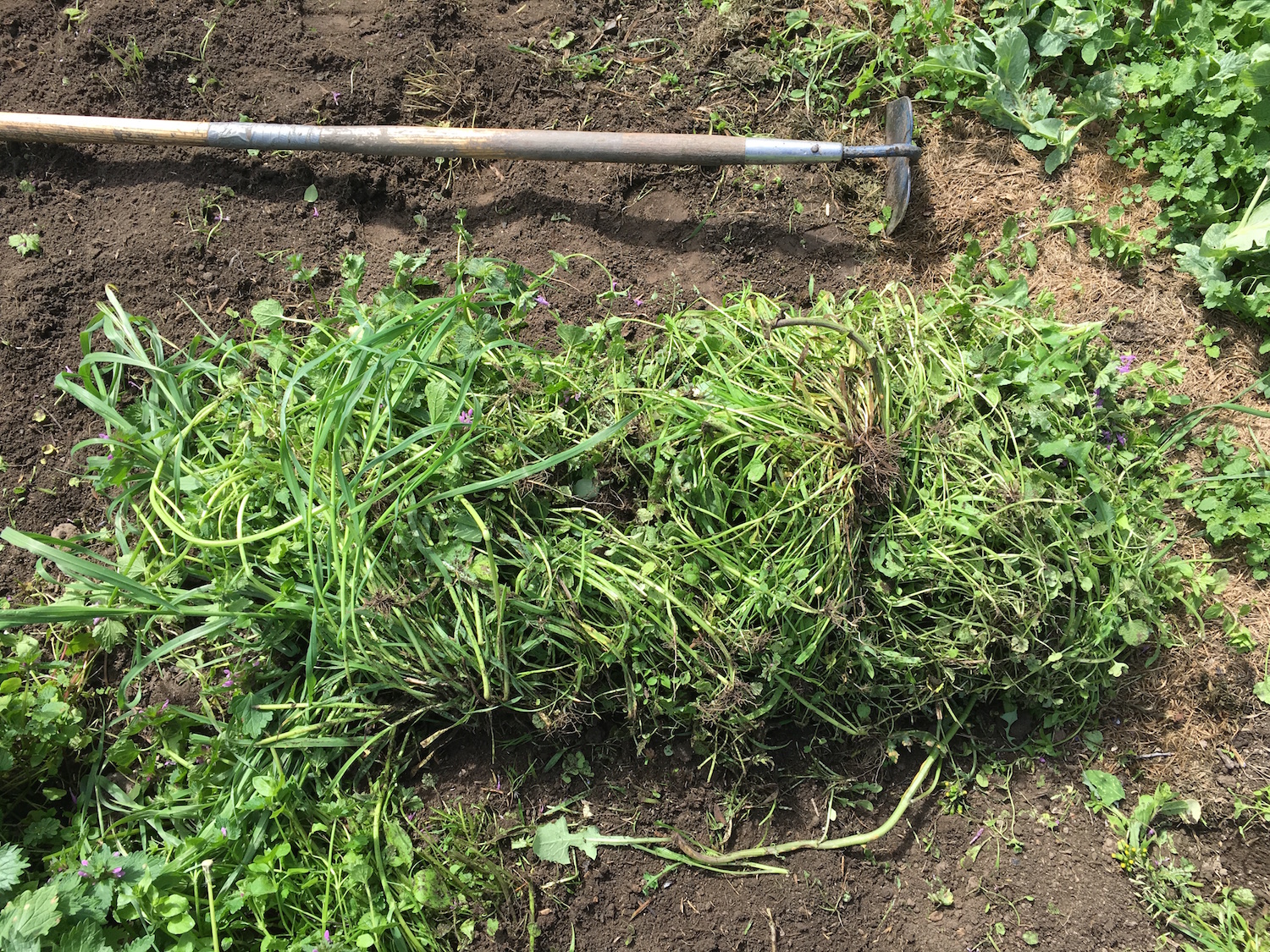
Rolag—noun. A term borrowed from weaving. Weeds that have been hoed into a tidy roll, ready to be lifted into the wheelbarrow or thrown on the compost heap.

Squeaker—noun. A nest of mice, when overturned accidentally by a shovel or spading fork.

Superman tree—noun. A tree or shrub that looks difficult to cut, but is actually easy to cut, making the cutter feel like Superman. (See also Wonder Woman weed)

Twitch light—noun. Couch grass with unusually fine runners.

Twitch-on-steroids—noun. Couch grass with unusually thick runners.

Twitch-headed—adjective. Having weeded so much that you see weeds when you close your eyes.

Wonder Woman weed—noun. A weed that looks like a grunter, but is actually easy to pull out, and makes the weeder feel like Wonder Woman. (See also Superman tree)