 When my husband and I lived in Panama, we made the trek to the provincial capital, Penonomé, every week or two. The trip involved half an hour of walking to the closest bus stop, then a bumpy forty-five minute ride down the mountain in the back of a pick-up truck. It wasn’t something to do daily.
In town, we would pick up our mail, phone home, and do some shopping. In our village, we could buy rice, beans, and a few other necessities in small quantities from the little tiendas, but we could only get vegetables from town (we were nowhere close to self-sufficient in vegetables there).
With no refrigeration, and tropical heat, fresh vegetables didn’t last long. We ate well for a few days after a shopping run, but by the end of the week, we were usually down to plain rice.
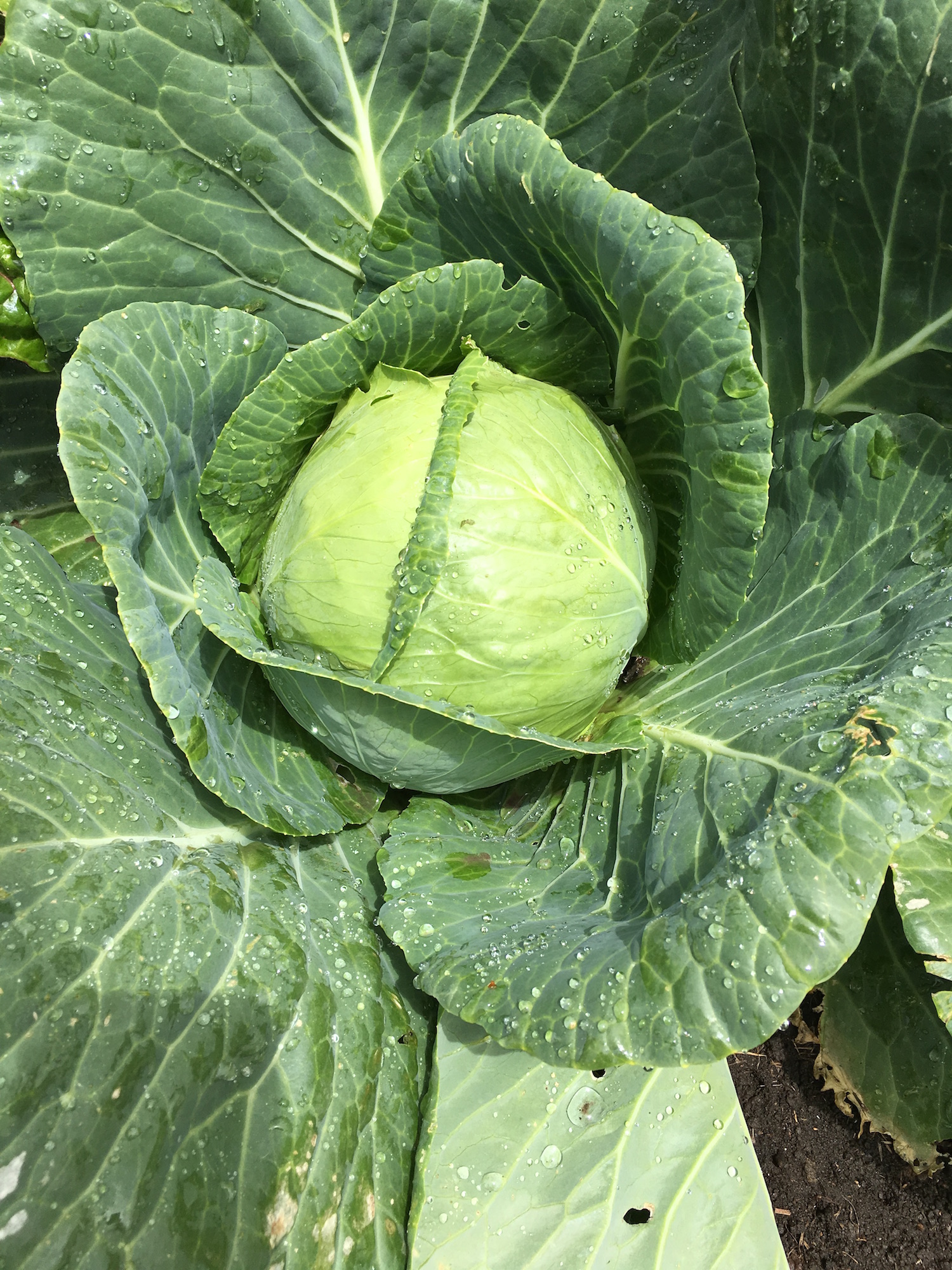
The most long-lasting vegetable we had was cabbage. A cabbage might last an entire week before it was too wilted or rotted to eat. So every trip to town, we bought a cabbage, and for at least two meals a week, we ate cabbage and rice.
At that rate, in our two years of Peace Corps service, we ate about a hundred cabbages. By the time we left, we couldn’t bear to even look at a cabbage. It was several years before we considered eating one again.
Today, we enjoy about a dozen cabbages a year, most in the form of sauerkraut or coleslaw. The idea of cooking up a pot of cabbage and rice is still repulsive, but with cabbage being a year-round crop here, it’s good to be able to make use of it.


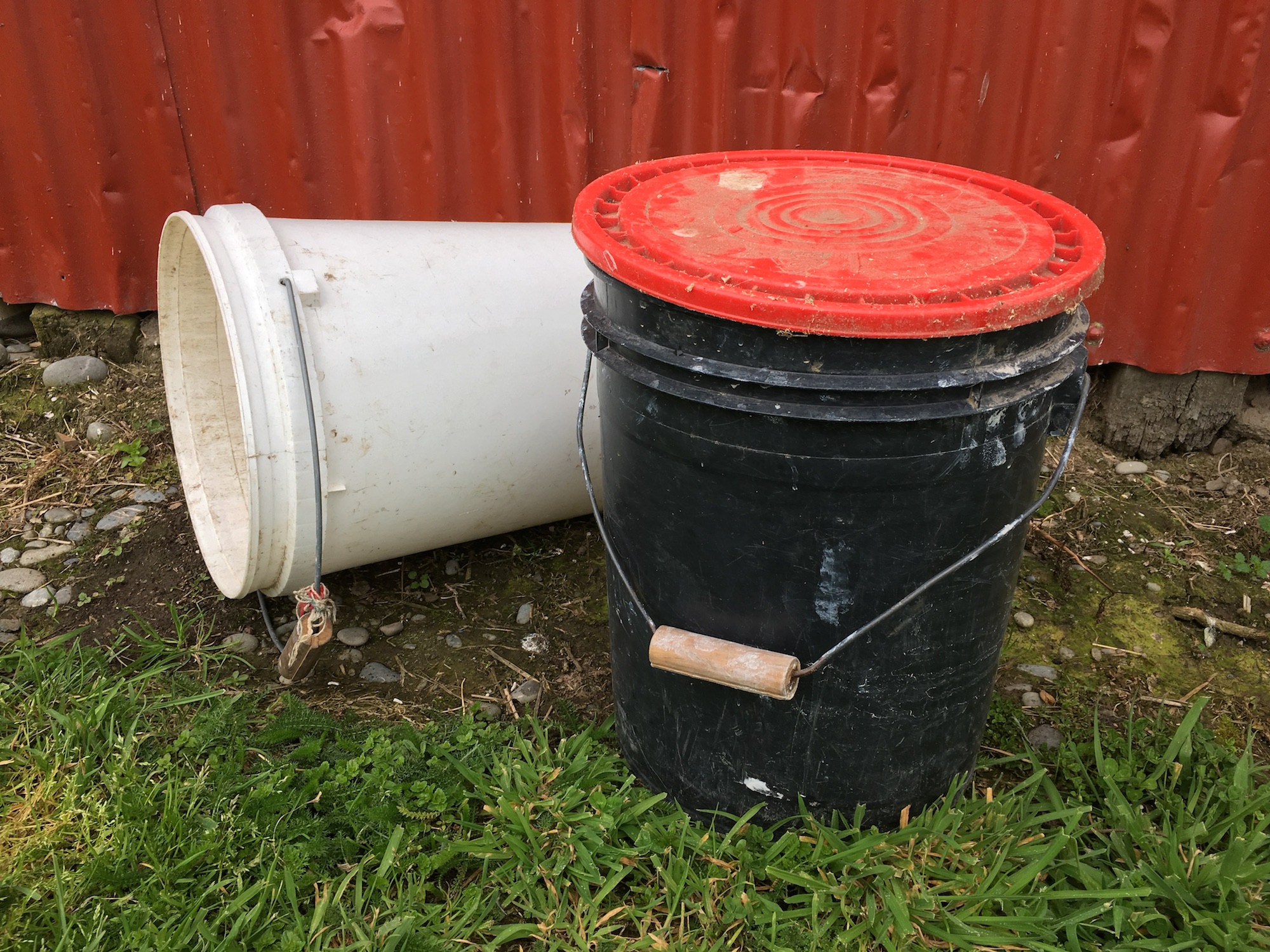
 Shower—The bucket was also our shower in Panama. We would fill it with water and haul it out to our “shower” enclosure. Half a coconut shell made a scoop for pouring out the water for washing.


 Robinne Weiss