Carrot Surprise

I’m expecting the worst from this year’s vegetable garden. Loosening the heavy clay soil as I prepare beds can feel like chipping at concrete. I fill a bucket with rocks every two square metres. At best, I’m able to loosen the top seven centimetres. And with the soil test having revealed shockingly low levels of NPK, there’s little hope for a bumper crop.

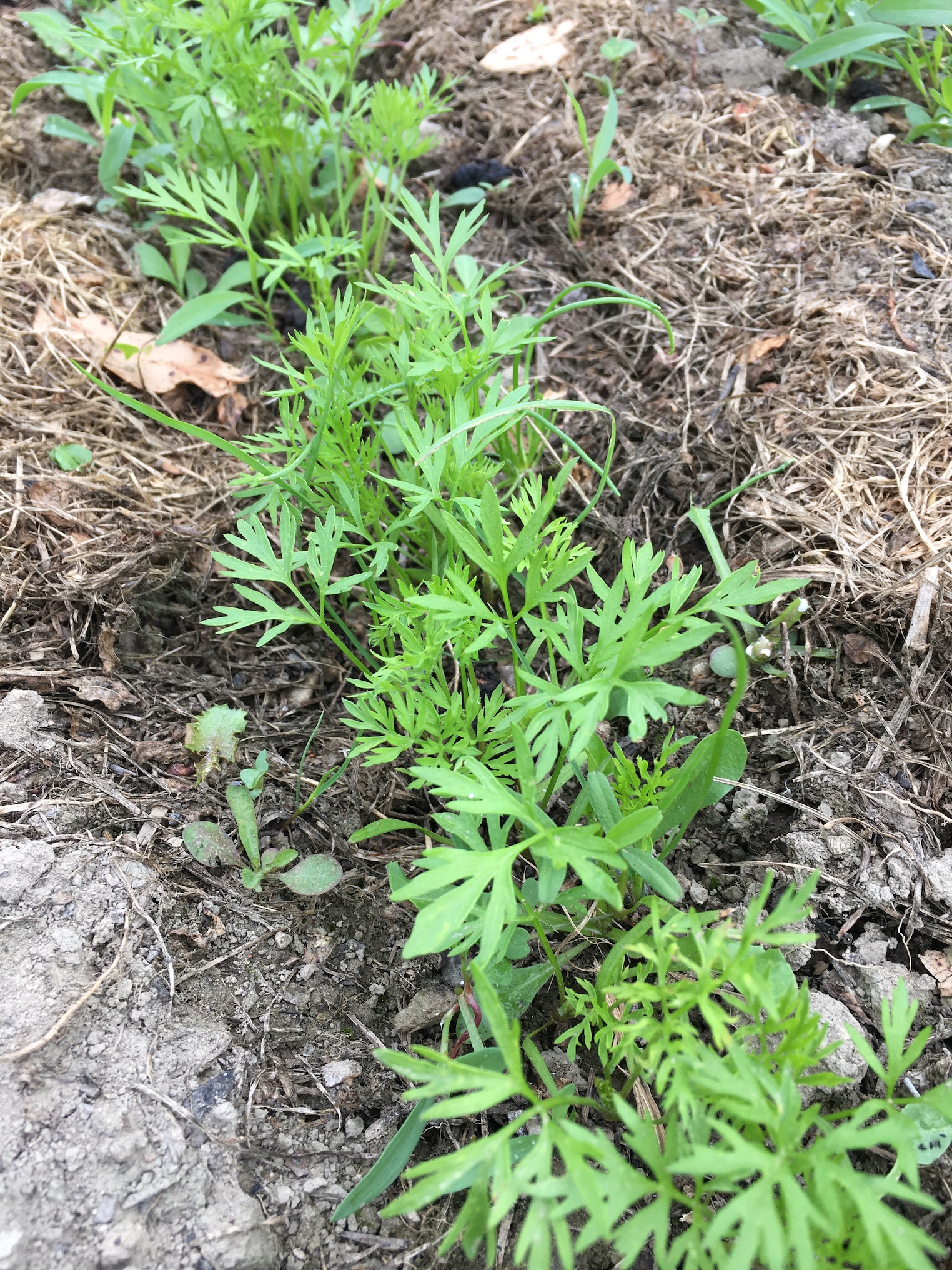
So it was a huge surprise to lift the frost cloth from my carrot plantings to find the best germination I’ve ever had. At the old house, I sometimes had to plant twice because carrot germination was so patchy. Some varieties barely germinated at all.

Now it looks like I’ve grossly over-planted—I swear every seed germinated—all five varieties.

I planted on the same date, with the same care afterwards as I have in the past. The weather wasn’t much different from weather at the old place. The only real difference was the soil. Go figure.

Maybe it was a fluke; I had occasional good years at the old house. And who knows how the carrots will grow now they’ve sprouted.

But it’s nice to have something go better than expected in this sad soil.

Part-Time Ducks

Ordinarily, I’d be annoyed if the neighbour’s livestock made a habit of hanging out in my garden. At the old house, a mob of sheep would occasionally take a detour into the yard while being driven past. And I remember a bunch of cows grazing their way through the vegetable garden once when I was a kid. Those experiences were always destructive.

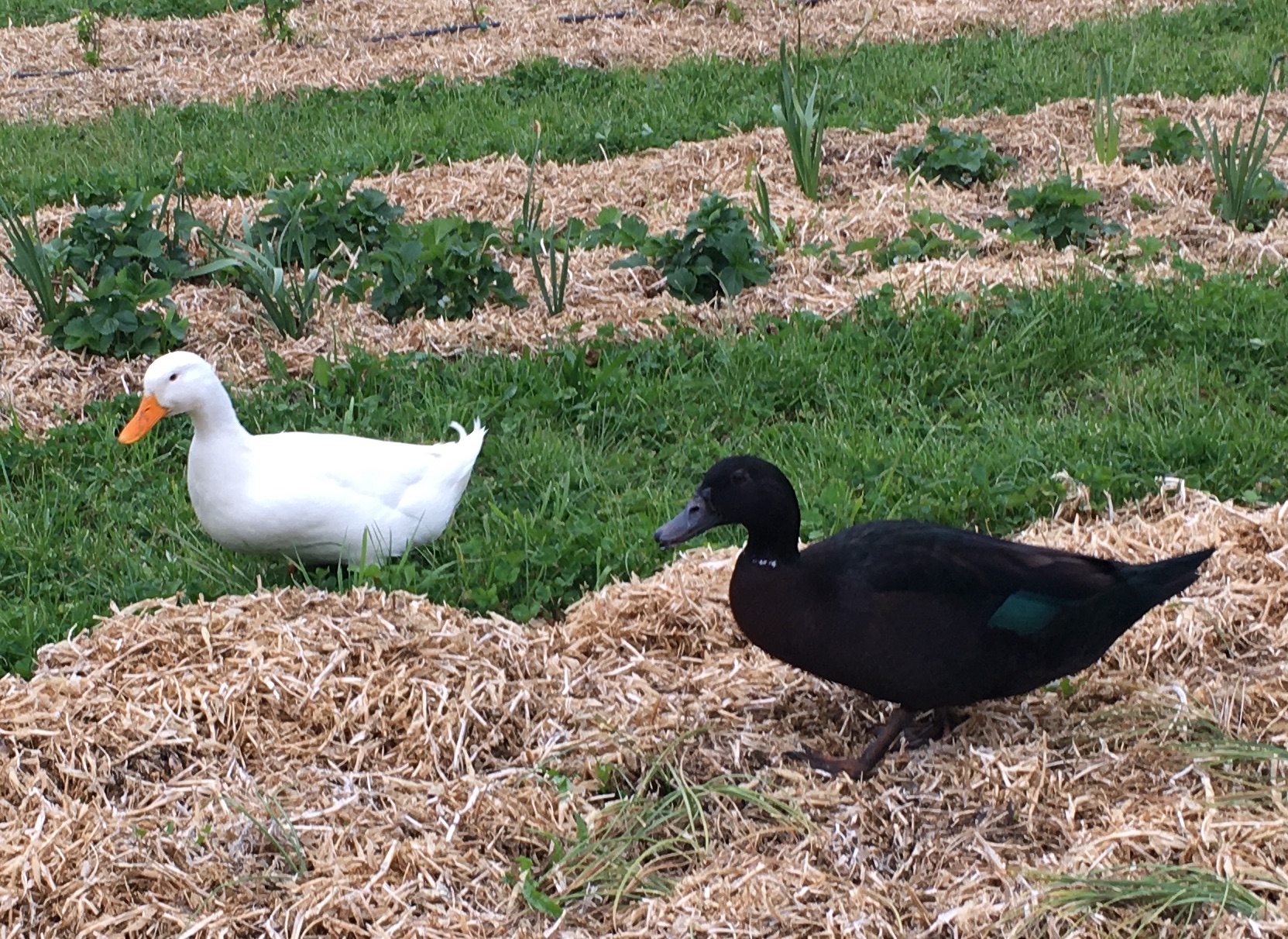
But one of the neighbours at our new place lets her livestock roam the neighbourhood, and I find it quite pleasing. They are a perfect pair of ducks—one all white, one all black (I’ve dubbed them Ebony and Ivory, of course). Watching them cruising the neighbourhood somehow makes me happy. Their owner occasionally comes out to the road to shoo them back home, but most of the time, they roam freely. 

For a long time, they avoided our place, waddling around next door, across the street, down the road … But this week, they discovered the wealth of slugs in our garden. They’ve been spending a few hours every day waddling up and down the rows of perennial crops, probing the mulch and quacking contentedly to one another.

I appreciate their gentle pest control operations in our garden, particularly since they come with no obligations on my part. I’ve seriously considered getting ducks in the past, primarily for slug control, but I never followed through. In the end they were always just more animals to have to care for. So part-time ducks are exactly my sort of livestock. They show up for work, put in a few hours, then head off to someone else’s yard. 

I hope they’re giving their owner lots of eggs.

The Beautiful Banks Peninsula

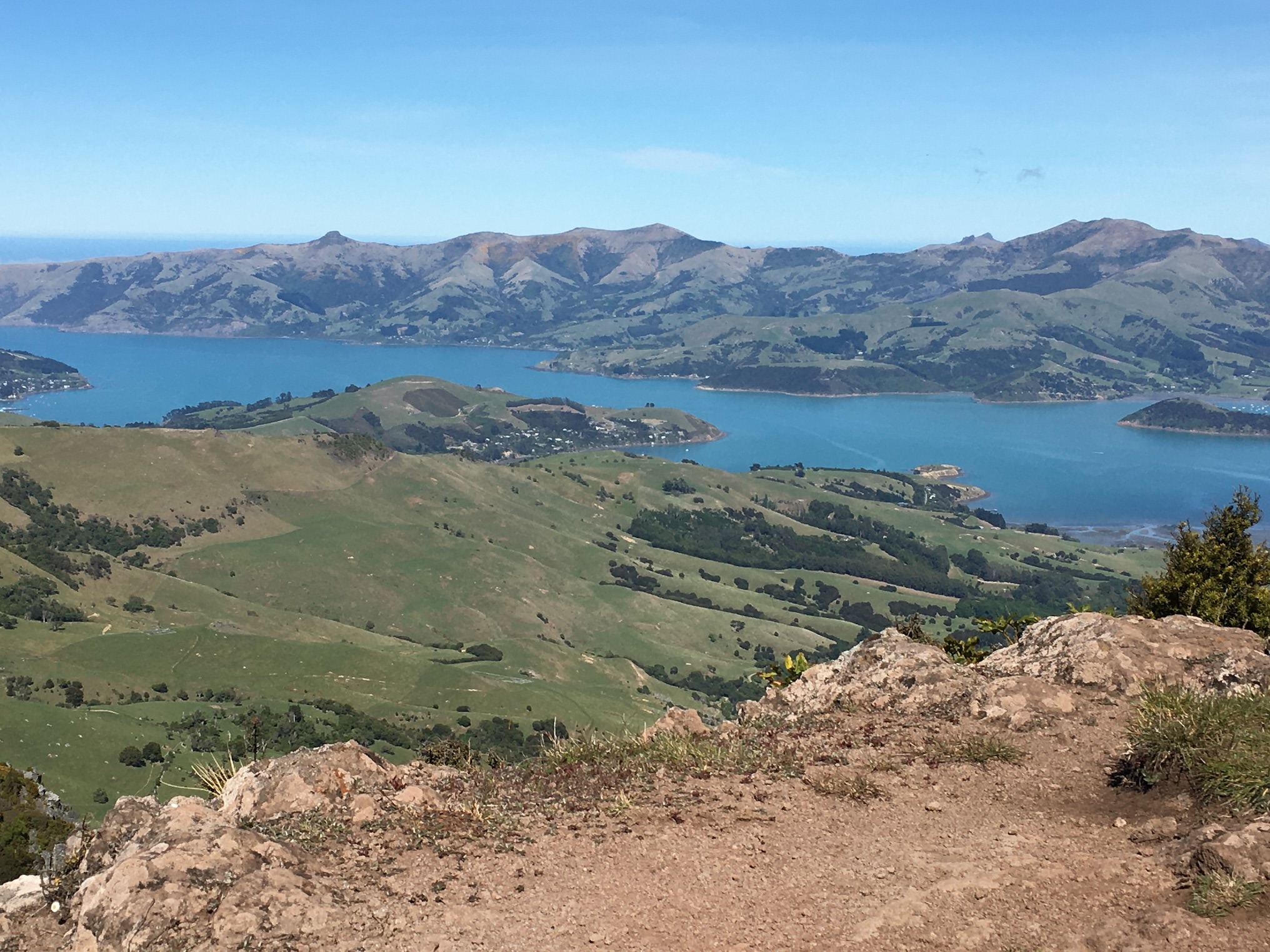
View from the top of Lavericks Peak Loop Track.

I still remember my first trip to the Banks Peninsula. It was probably less than 48 hours after we’d arrived in New Zealand and the only part of the country I’d seen was Hagley Park in central Christchurch.

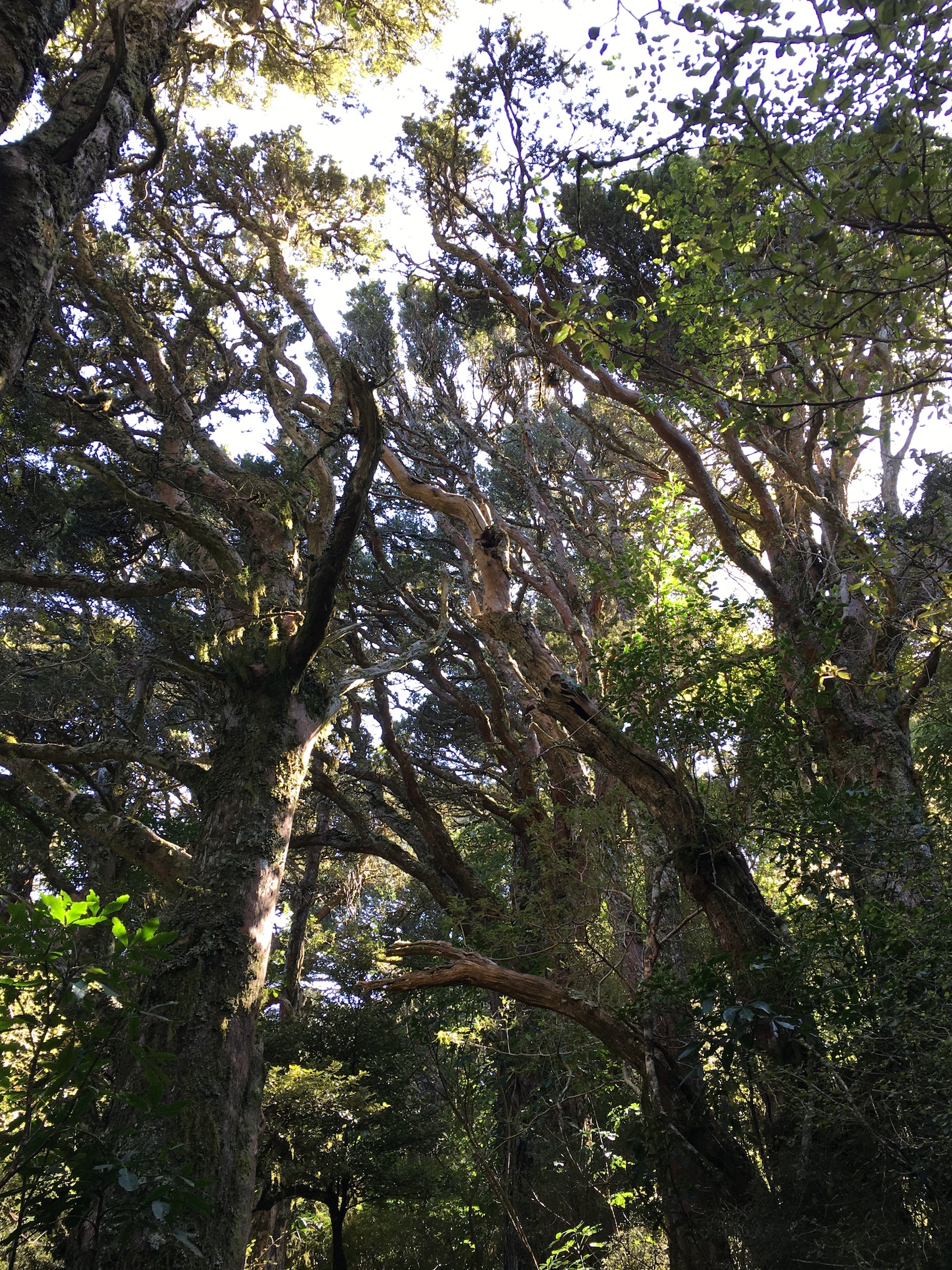
The bush at Otepatotu Reserve

When we rounded the bend and the road sidled up to Wairewa/Lake Forsyth, my face split in a grin. I craned my neck to look up the steep slopes on the left while black swans cruised the sparkling lake on the right.

We stopped in Little River for a toilet break (we had toddlers then—we stopped at every toilet), and I fell in love with the Little River Cafe and the attached Little River Art Gallery.

Carrying on toward Akaroa, we crested Hilltop, and Akaroa Harbour glittered tropical blue down below. Onawe Peninsula jutted like a bead pendant into the harbour and the road wound down through a patchwork of forest and paddock toward the sea.

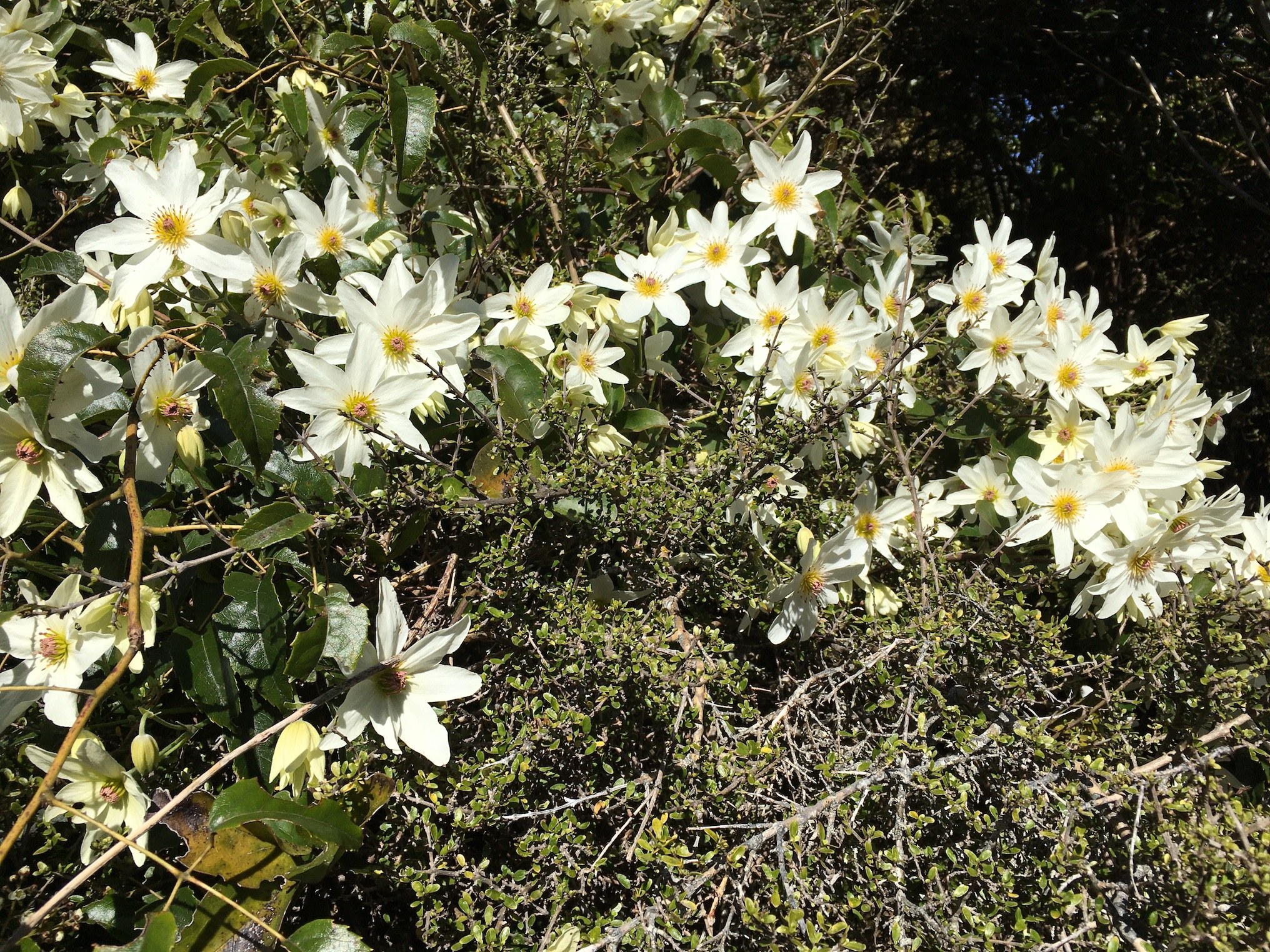
Native clematis in bloom.

I have made that drive countless times in the nearly sixteen years since the first trip. I still get that silly grin on my face. Every. Single. Time. Since that first visit I’ve scaled taller mountains, seen glaciers, stood at the base of Tane Mahuta, cruised Milford Sound … By comparison, the Banks Peninsula is positively dull.

But for me it defines summer in New Zealand. Even in winter, I feel like I’m on summer holiday when I’m out on the Banks Peninsula. I forget the to-do list. I turn off the cell phone. the daily stresses vanish.

Cushion star in a tidepool at Okains Bay

We hadn’t been to the Banks Peninsula since March, before lockdown confined us to home. But last Sunday we ventured out to sample everything we’ve been missing: morning tea in Little River, a lovely little hike through old totara and tree fuchsia in Otepatotu Scenic Reserve, a very chilly dip in the sea at Okains Bay and rock hopping along the coast to Little Okains Bay, and finally beer and chips in Akaroa and a stroll through the Garden of Tane.

We arrived home tired, crusted with salt and sand, and thoroughly satisfied with the day.

This weekend is supposed to be warm and sunny … we might just go and do it all again.

A Shaky Decade

Today marks 10 years since we were shaken out of bed at 4.35 am by the M7.1 earthquake that started the Canterbury earthquake series. Those quakes ultimately took 185 lives and changed downtown Christchurch forever.

A decade on, the scars remain—half-crumbled buildings, hastily repaired roads, a generation of anxious children …

At the time of the first quake, I knew my relationship with the earth below my feet had changed, but I couldn’t know how lasting that change would be.

Ten years later, I’m still primed for earthquakes, sensitive to every vibration. If a big truck rumbles down the road, I have to pause until I’m sure it’s not a quake. Every distant train is a quake until proven otherwise. And large construction works set me on edge.

I have no trust in buildings any more, especially multi-storey ones. Just three days ago I was in Christchurch’s new central library, Tūranga, when I felt a tremor through my feet. Tūranga was constructed post-quake and includes the latest technology for earthquake resistance. Any vibrations I was feeling were likely coming from inside the building, not outside—someone running down the stairs, probably. I knew this, but it didn’t prevent the spike of adrenaline that zipped through my body.

I don’t trust my new house, either. The old one proved itself through quake after quake, riding the waves like a sturdy ship, coming through every quake virtually unscathed. The new house, though certainly scoring higher on any quake-worthiness measure than our 135 year-old villa did—is untested. Its foundation may crack, its bricks will almost certainly tumble in any large shake. Until I know for certain how it fares, I cannot trust it.

Any building I enter, I scan for earthquake hazards, safe places, and exits. Every track we hike, I consider rocks that could be shaken loose, hillsides likely to collapse. Anywhere I drive, I take note of power poles that could fall across my route home and waterways whose banks might slump, taking the road with them.

I wouldn’t say I’m afraid of another large quake—I know one will happen, and I’m okay with that—but I am still more on edge than I was ten years ago. I’m more aware of the earth underfoot, more wary of the danger of living on the Pacific Ring of Fire where Earth flexes her joints, more observant, more in-tune with the planet.

That’s not a bad thing.

So today I’ll listen for the pulse of the planet, double check I am prepared for another quake, and simply enjoy life in this beautiful place.

Kia kaha, Christchurch. 
Welcome Spring!

It’s the first day of spring.

So, naturally, it’s snowing.

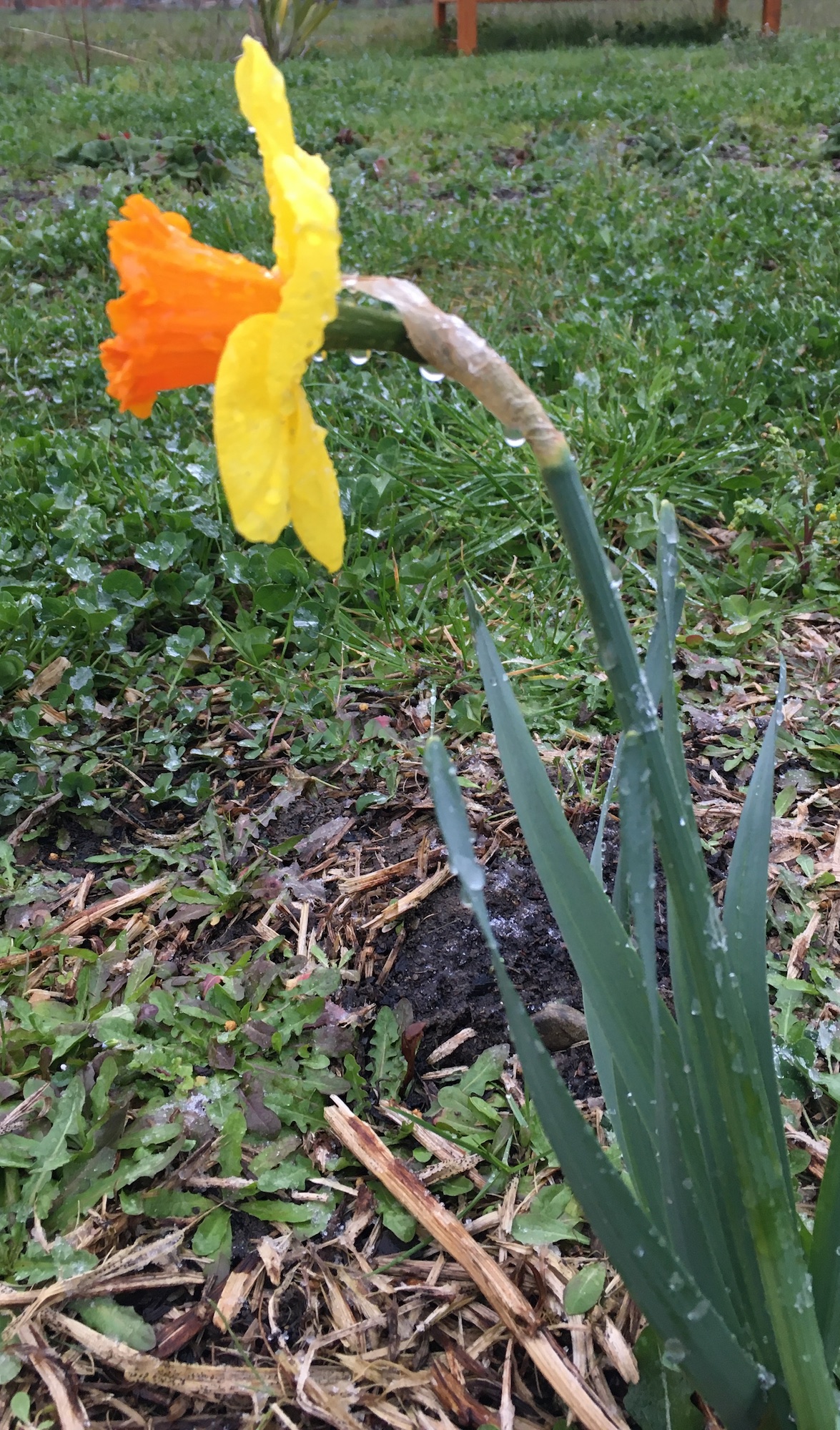
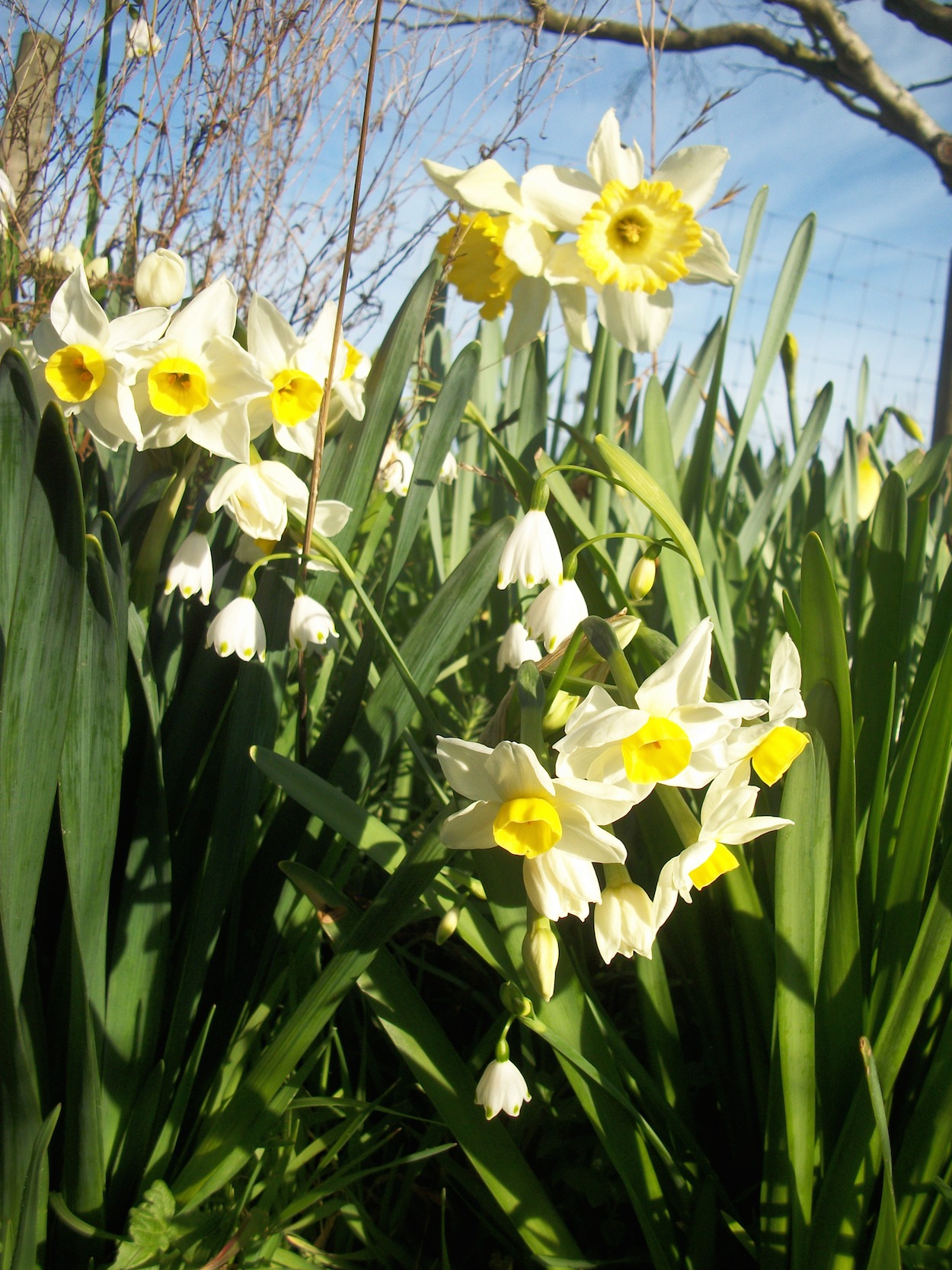
But the daffodils are flowering, the willows are greening up, and pine pollen billows from the neighbour’s trees. Regardless of what the sky is dropping on us, spring is here.

And not a moment too soon. Like most people around the world, we feel like the past six or seven months have dragged on for decades. Can I even remember the TBC (Time Before Covid)?

For us, lockdown began during a glorious Indian summer. Warm sunny days begged for last-chance trips to the beach. Trips we couldn’t take, trapped in our bubbles and stuck on foot.

By the time we were released from lockdown, summer had given way to chill autumn rain and frosty days.

Living in our shed through lockdown, then beyond and well into winter, we felt the season’s bite early and hard. We lived in the cold shed forever, and we would live there always … at least that’s how it felt. Every icy day was a year long.

Finally, we moved into our new house. It was (and still is) glorious—a warm dry refuge from the weather.

But winter was still grinding away outside. With landscaping only partly finished, the yard was a mire of wet clay and puddles. We were still trapped indoors. Even the novelty of a warm dry house wasn’t enough to speed the days along. Time dragged its feet. Winter moved at a toddler’s pace. I couldn’t go yet—it had to get its coat and shoes. Then it lost a glove and spent a month looking for it among a drift of discarded outdoor gear.

So it was a spectacular feeling to boot winter out the door—gloveless still—when I planted the season’s first vegetable seeds last weekend. It was an act of defiance to turn garden beds, and ready the greenhouse for newly-sprouted seedlings.

I look forward to the growing season ahead. Welcome spring!

Alpine Therapy

Last week was a difficult one for all of New Zealand. On Tuesday, four cases of Covid-19 cropped up outside of managed isolation facilities at the border. The virus was circulating in the community again.

Auckland, where the cases occurred, was placed into alert level 3, with schools closed, and movement and business activity restricted. The rest of the country moved to alert level 2—not as strict, but in some ways more stressful, because we weren’t confined to the safety of our home and personal ‘bubble’. Once again, we navigated work and the rest of daily life knowing the virus could be lurking among us. Once again, we looked on every sniffle and cough with suspicion.

I’m proud to report that New Zealanders once again have stepped up to the challenge and are doing their part to stamp this new outbreak out so we can all return as quickly as possible to alert level 1. Still, stress levels were high in our household all week. So Saturday we took in some alpine therapy.

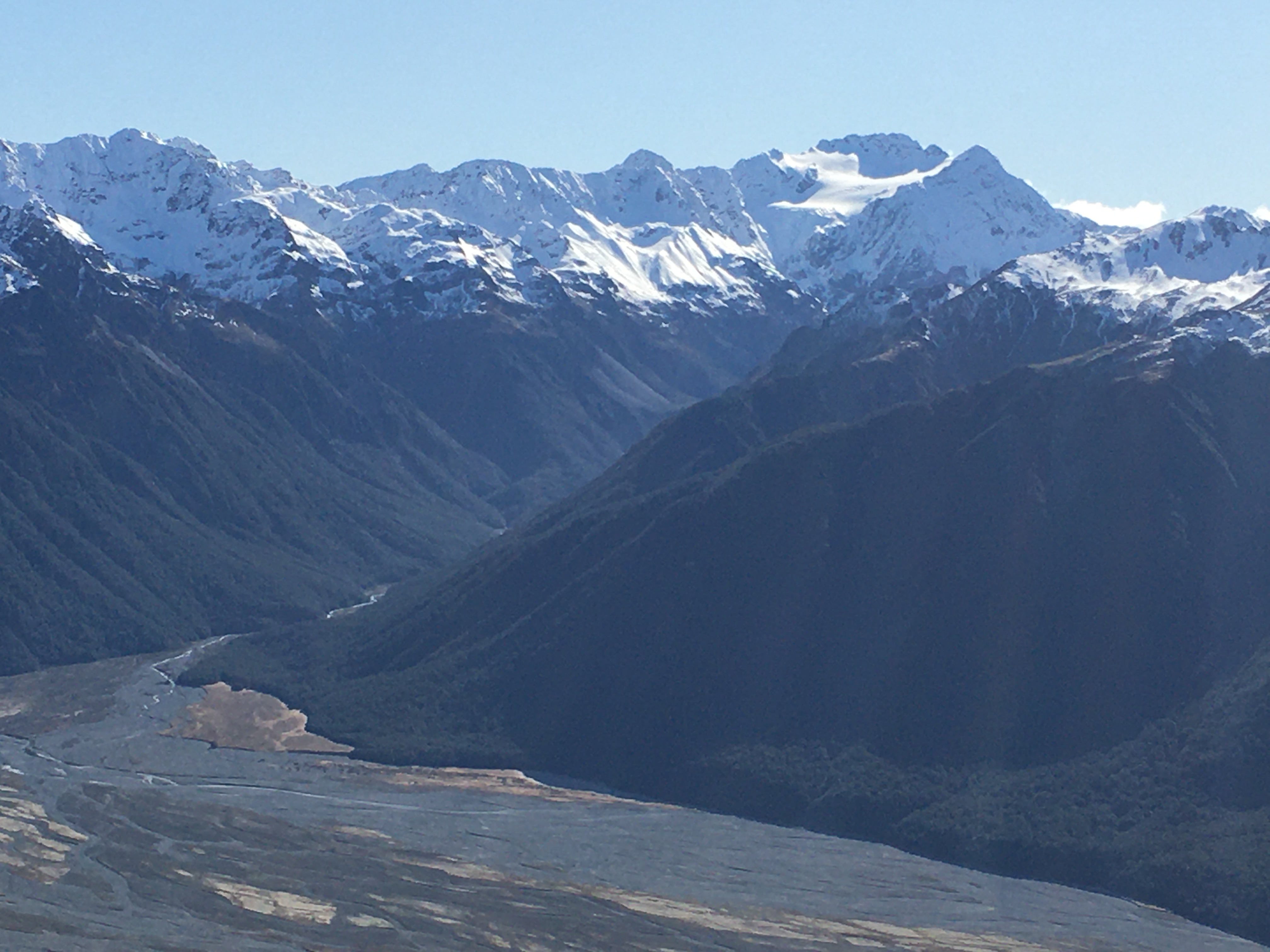
It was a shivery -3 degrees when we started up the Bealey Spur Track. We’d hiked the track many times when the kids were young, but never got far. On Saturday, we set a rapid, stress-relieving pace, reaching the Bealey Spur Hut (and the official end of the track) in just two hours. The peaks above called, so we carried on past the hut along Hut Spur, enjoying stunning views of the Waimakariri River below, and Mount Rolleston and Crow Glacier above. 

We relived memories of past hikes, tracing their routes along the ridges and through the valleys around us. We watched cars snake across the wide bed of the Waimakariri River, noting how easily the river could wipe out the road. We examined plants and fungi and slime moulds. We contemplated the uncertain future of Crow Glacier. 

And, yes, occasionally we discussed Covid-19, particularly as we descended, meeting dozens of people heading upward for their own alpine therapy. But somehow it was all easier to manage with tired legs and lungs filled with icy alpine air. 

Weeding Magpies

Photo: Eric Weiss

We’re still getting to know the local wildlife at the new house. The marauding sparrows are pretty much the same—devouring young lettuce and chicken feed in large flocks. The black-backed gull’s evening flights to their nightly roos on the gravel banks of the Waimakariri River are also familiar—though at the old house, the birds were headed to the sea.

The magpies are also familiar, but I’ve noticed some intriguing behaviour here that was absent at the old house.

The magpies here are weeding my garden.

Well okay, not really. Not on purpose. But they’re doing a nice job of it, regardless.

Our yard and garden here are cursed with wire weed. This aggressive plant’s long tough branches sprawl up to a metre or more from a strong central tap root. They tangle in the lawnmower and garden tools, and can trip the unwary. Their only saving grace is that, at least in our lousy soil, their foliage is small and sparse—they may tangle all through my crops, but at least they don’t smother other plants entirely.

And apparently, they make superior magpie nesting material. For weeks, the local magpies have been avidly stripping wire weed from the garden and hauling it to the tops of the pine trees across the road. They started with the easily obtained dead plants that I’d pulled out and left lying about. But now they’re ripping up live plants and taking them away by the beakful.

All the more reason to love these feisty feathered thugs.

Caroll Hut, Arthur’s Pass National Park

Impressive old southern rātā along the track.

Just beyond Otira, the main highway snakes along, with the Otira River on one side and impossibly steep slopes on the other. A track takes off from Kelly Creek and shoots straight up. My husband said he’d often looked up at those slopes thinking, “Glad I’m not going up there.”

But that’s exactly where we went Friday. Eight hundred twenty-five vertical metres over a mere 2700 metres horizontal distance, if the topo map is to be believed. That’s an average slope of 17 degrees, which doesn’t seem like much, except that parts of the track are flat or go down, so many sections are practically ladders, and require hands and feet.

In spite of the steep grade, it’s not a difficult climb—tree roots and rocks provide plenty of hand and foot holds. And the slow climb upward affords plenty of time to gaze back up the valley towards Otira, watch a train rumble down the tracks below, enjoy a waterfall, examine the flora, and listen to the bellbirds. The forest is full of gems like southern rātā and mountain neinei (a tree that could only have come from Dr. Seuss’ imagination).

View towards the west coast from above Caroll Hut

You emerge above tree line to a gentle climb to Caroll Hut. A little further uphill, cresting Kelly’s Saddle, the view opens to the west coast, and you can see all the way to the Tasman Sea. 

It’s not a hike you’d want to do in bad weather, but Friday’s calm clear air was perfect. A lovely day out.