Mysterious Lights

2016-06-17 13.12.38Ordinarily, I stick to the natural world here, but I learned something today that I thought was pretty cool.

Months ago, I began seeing strange flashing lights when I was feeding the animals in the morning. They seemed to be coming from a copse of trees about 500 metres down the road. The red and amber lights flashed sometimes with a pattern, and sometimes just once, and they weren’t always there.

For the life of me, I couldn’t figure out what would be up in those trees flashing away (the sci-fi writer in me had all sorts of fun ideas, though!).

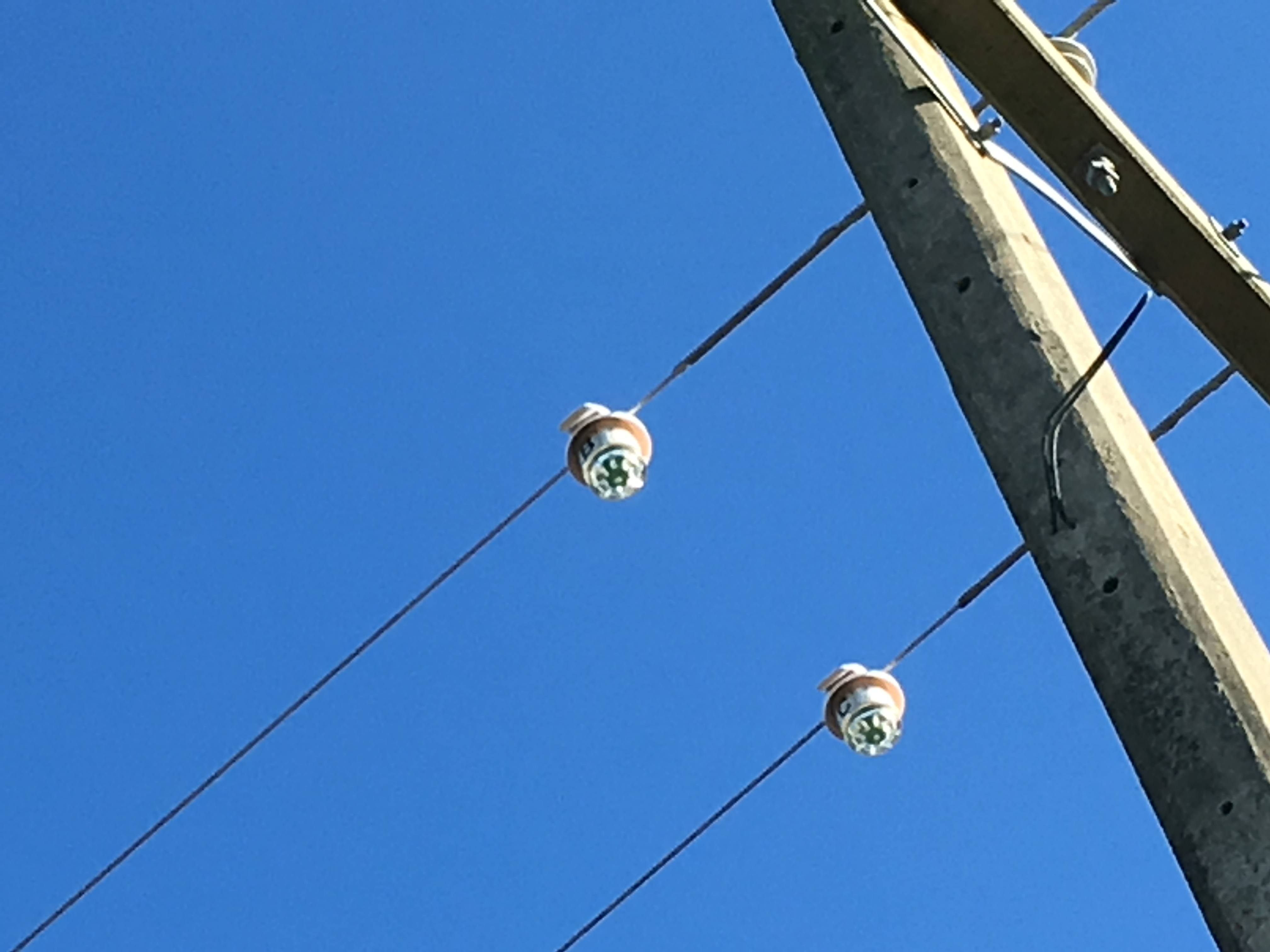
I’ve seen them off and on for the better part of a year, but it wasn’t until a few days ago, while walking the road at night, that I discovered that the lights aren’t coming from the trees at all, but from strobe lights mounted on the powerlines between our house and that copse of trees.

Of course, that didn’t solve the mystery of what the heck those lights were, but it did give me something to google. I’m not the first one to have wondered about those things.

It only took a moment to discover that they are fault indicators, and the pattern and colour of flashes indicates the type and magnitude of the fault.

Thinking back on it now, I realise that the first time I noticed them (when they were flashing constantly for a long time), the power was out.

What is surprising, now that I know what I’m seeing, is how frequently they flash. Though perhaps I shouldn’t be so surprised, given how frequently our power goes out. But even when the power is on, the fault indicators flash remarkably often.

Apparently, they clip right to the line and monitor the electrical load. Some of them can even wirelessly relay information back to the lines company. They make perfect sense for those linemen out on a windy, rainy night trying to pinpoint a fault.

But, of course, now that I know they’re telling me something, I wish I knew how to ‘read’ them.
Throwback Thursday: Tramping the Abel Tasman

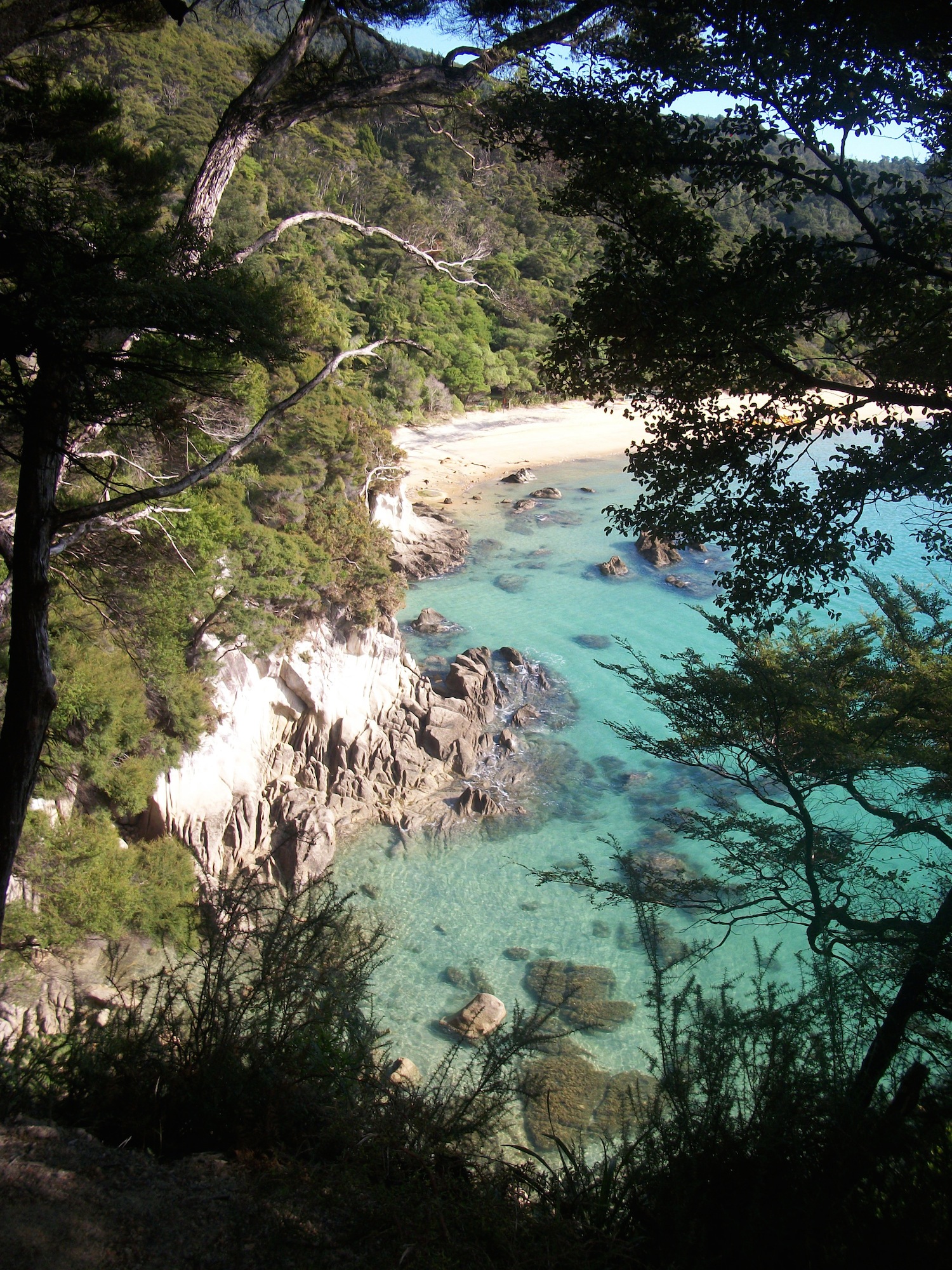
100_1198 smThe Abel Tasman was our first Great Walk as a family. It was also our first family tramp longer than two nights—the kids were still at the stage where they sometimes needed a prod to get to the top of a hill (or more accurately, the promise of chocolate at the top).

The Abel Tasman was the perfect trip—long enough to give the kids a ‘real’ adventure, and easy enough that they didn’t struggle with it. The distances between huts were short enough that the kids could spend hours playing on the beaches along the way and still get to the hut by mid-afternoon.

I’ve heard that the track is miserable in bad weather—all those exposed beaches can’t be fun in the wind and rain—but we were blessed with perfect sunny days. Though it was April, the weather was warm enough for lots of swimming along the way, and the whole experience felt more like a frolic than a tramp.

For me, the best part about the trip was gaining a greater appreciation for tides. The surges of water, so different from the normal waves, that fill the estuaries, bringing schools of fish and rays with them. The rippled and exposed mud flats of low tide. The twice-daily rhythm of inundation and exposure of the coast.

It wasn’t a wilderness experience—the huts were filled to capacity, and boats stopped at most of the beaches—but it was a beautiful chance to explore a rich and dynamic coastline.


Adventure on Kaitorete Spit

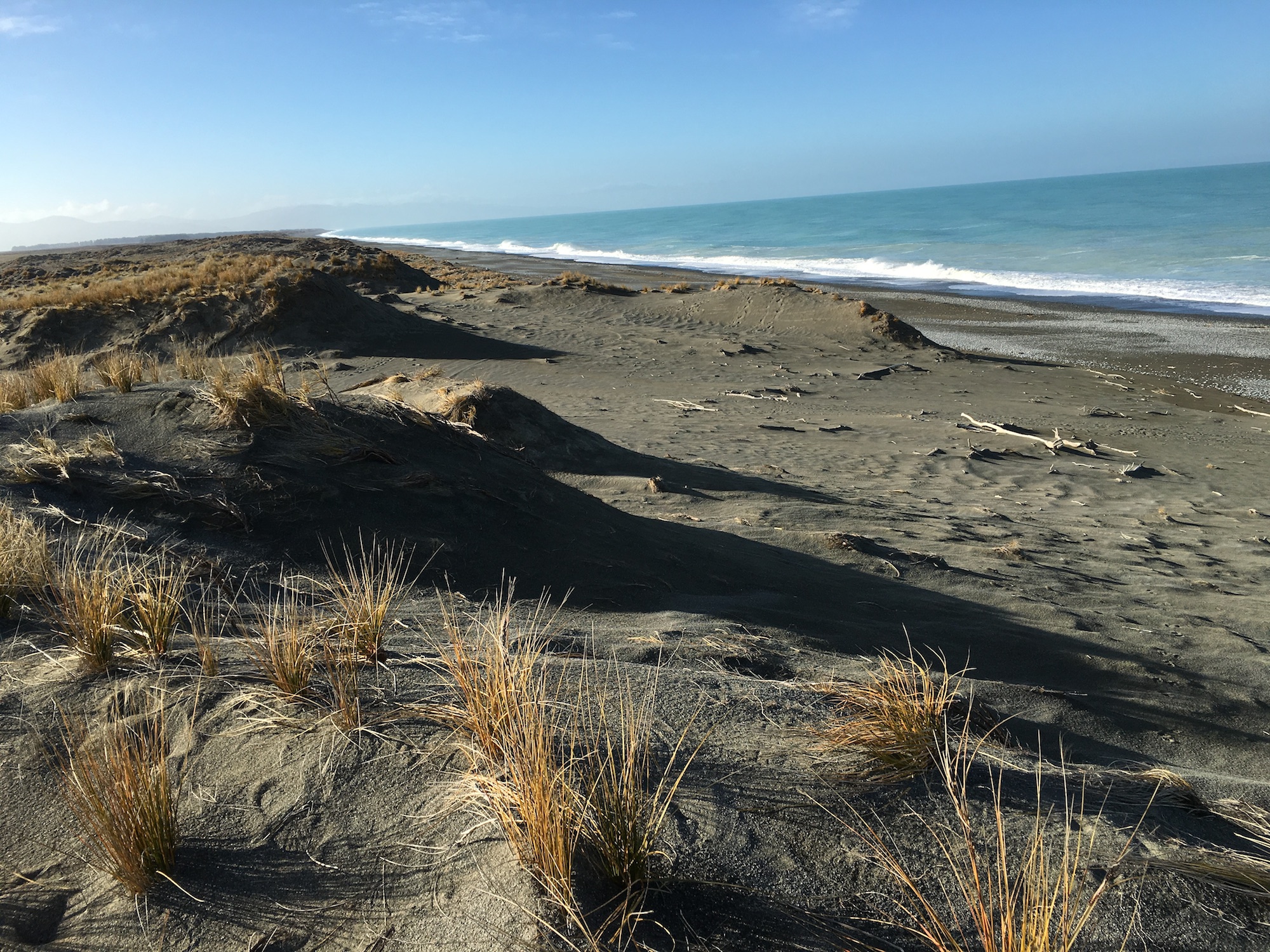
2016-06-11 11.10.09 smSaturday morning, we took advantage of the lovely weather to take a walk out on ‘our’ beach. Not just any old walk, but one that would take us beyond the lake opening onto Kaitorete Spit.

I can’t believe that in the eleven years we’ve lived here, we’ve never done this before. We’ve walked to the lake opening many times, but always when the lake was open to the sea, to see the dolphins and seabirds that congregate there eating the fish migrating in and out of the lake.

But our goal this time was the wild tip of the spit.

You would think that a mere couple of kilometres would make little difference in the beach, but the change was positively stunning.

On ‘our’ part of the beach, the dunes are covered in non-native shrubs and ice plant. Not a native plant to be found.

An hour’s stroll out onto the spit took us into a different world. Non-native plants all but gone on the dunes, replaced by pingao. Behind the dunes, native broom, Raoulia (vegetable sheep), and Muehlenbeckia.

The shape of the dunes was different. The whole effect less verdant and more windswept.

Naturally, we searched for kātipo spiders among the pingao, as this is one of the few places this endangered spider can be found. We found none, but we did find a number of other spiders, lots of spider egg cases, and a couple of sand scarabs (including an adult, which was a first for me).

We knew all this was out there, but knowing and having experienced it are two different things.

And now that we understand what’s out there, I’m sure we’ll be going back again soon.

My Best Day

I gave a writing prompt to a few students yesterday—describe your best day ever (real or hypothetical). Here’s my response in poetry:

100_4209 cropOn my best day, the sun shines
But it’s not too hot.
I get up before dawn
And the air is soft
The moon full
Sinking gently to the mountains.
I am outdoors all day
With people I love
Or alone.

On my best day, I sweat
And get my hands dirty.
I see endangered wildlife
And pick tomatoes.
I stay out late to watch
Orion rise
And see the aurora australis.

My best day stretches into night
And I sleep
Without dreams.

Walking Wellington

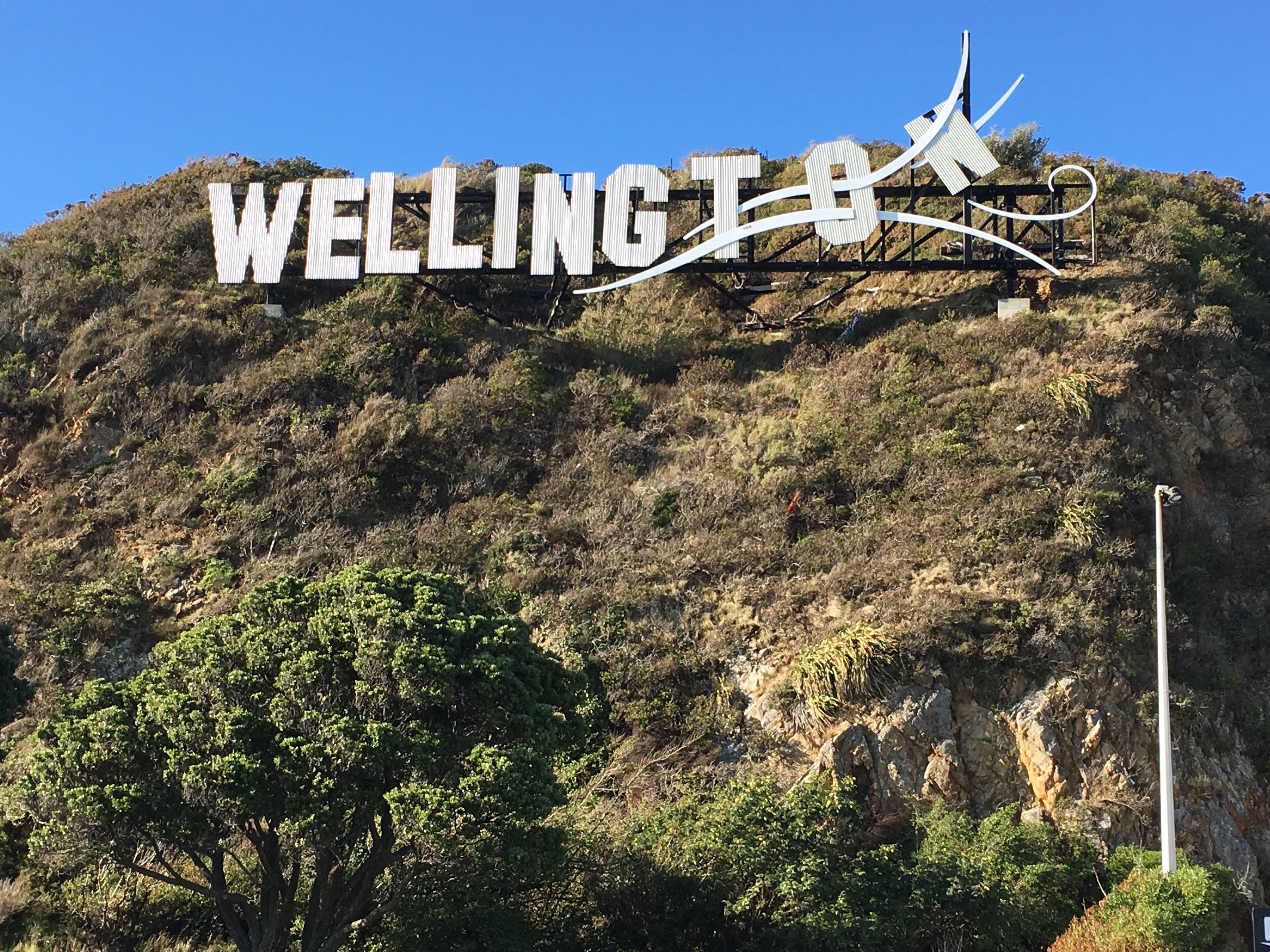
2016-06-03 10.22.20I spent the weekend in Wellington at a convention, but I have to admit that the best part of the weekend was walking around the city.

I could never live in Wellington—I’m just not a city gal, and it would kill me—but I love to visit. Yes, I enjoy Te Papa, and the Carter Observatory, the World of Wearable Arts show, and all the other indoor attractions. But mostly I like going there to walk.

And I have to think I’m not the only one who enjoys walking in Wellington. The streets are full of people walking—to and from work, during lunch breaks, to shops, to the bus stop…

You can walk along the waterfront, or through the residential neighbourhoods with their many finial posts, through the parks or the botanic garden, or along bustling Cuba Street. You can even walk to the airport, if you’ve got time and inclination—the city is compact enough that nearly everything is within a reasonable walk.

Well, reasonable by my standards.

Of course, when Wellington’s weather turns, it’s not a place you want to walk. I’ve been drenched by wind whipped waves on the waterfront, even when it’s not raining. But on a good day walking Wellington is a delight.

This past weekend’s weather was crisp and clear, with almost no wind. Perfect. I did about 10 hours of walking from Friday to Sunday, and would have happily done twice that much, had my schedule allowed.

So, if you’re planning a trip to windy Wellington, be sure to pack your walking shoes.

A Fondness for Finials

2016-06-05 10.31.13 smWellington is a city rich in finial posts.

And…um…what’s a finial post?

Finial posts are the ornamentation found on the gable ends of roofs. Roof finials have been used for millennia all over the world. They originally served the purpose of capping the point of a roof, where the tiles come together (think of the fancy post on top of a Japanese pagoda). You need something to cover the unavoidable hole where all the tiles meet. Many roof finials still serve this purpose, but they are also ornamental.

2016-06-05 10.29.42 smGable finial posts were popular in the New Zealand villas built between about 1880 and the beginning of World War I. They were just one of the many ornamentations (inspired by the new steam-powered woodworking tools of the time) used in these houses. The style (including the finial posts) was also popular during this time in America and England. Folklore in the eastern U.S. suggests that finial posts were not just attractive, but also prevented witches from landing their broomsticks on the roof.

At this point most of you are wondering why on earth I even notice finial posts. My appreciation of finial posts started when we did a major repair on our own house—a tiny villa built around 1880. The front gable was rotting and in need of replacement. It had been repaired in the past, and in one of the repairs the finial post had been sawn off at the roofline. This is a common fate of finial posts on old villas—re-roofing is much easier without finial posts in the way.

When we repaired our house, my husband insisted on restoring the house’s finial post, and this started a whole-family appreciation of finial posts. Now we can’t go anywhere without noticing good finial posts, or noticing when they’ve been removed.

And so, while in Wellington this weekend, I took several long walks, simply to admire the finial posts.

Of course, the question I have is, with so many finial posts in Wellington, do witches need to land at the airport instead?

Sunrise, Sunset

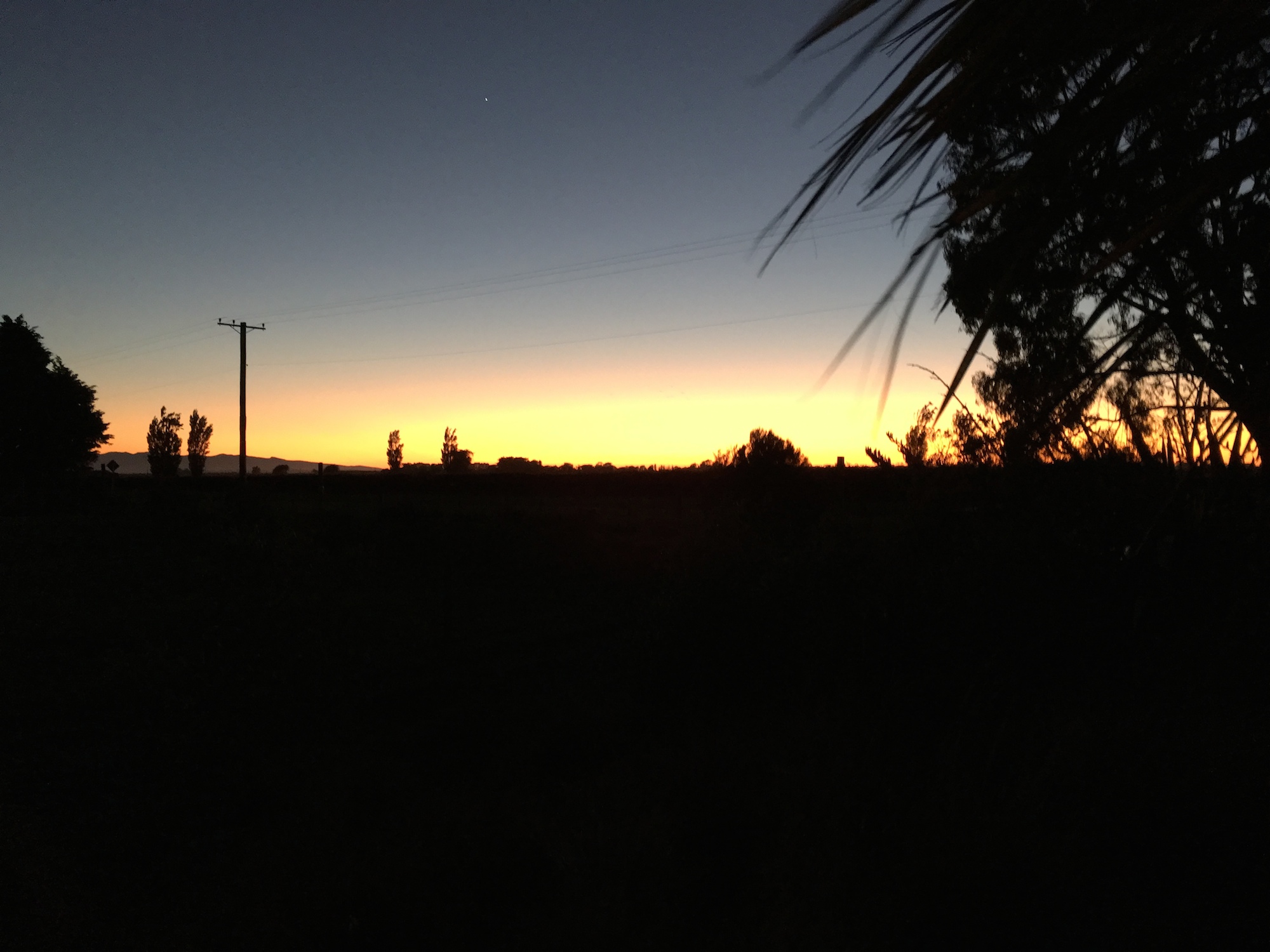
2016-02-04 05.55.27 smOne of the best things about living in the temperate zone is the long sunrises and sunsets we get much of the year.

When we lived in Panama, the sun would leap into the sky in the morning, and dive out of it in the evening, with little in the way of lingering twilight. It was like flicking on and off a light.

The more gradual appearance and disappearance of the sun in the temperate zone is far more picturesque, and there are few places on earth more picturesque than New Zealand when it comes to sunrise and sunset. Between mountains and wild weather, you can’t beat it.


Throwback Thursday: Jujuná

d1scans011 smLiving in Panama was sometimes like living in a never-ending episode of David Attenborough’s Life on Earth.

The invertebrates alone were enough there to keep me intrigued for a lifetime—tarantulas, whip scorpions, solifugids, scorpions, grasshoppers, mantids, butterflies, bioluminescent click beetles…every day was an entomological adventure.

And the snakes! Coral snakes, fer-de-lances, palm vipers, vine snakes, boa constrictors…never a dull moment.

And don’t even get me going on the frogs, birds, and lizards—I could spend a week waxing lyrical about the hummingbirds alone.

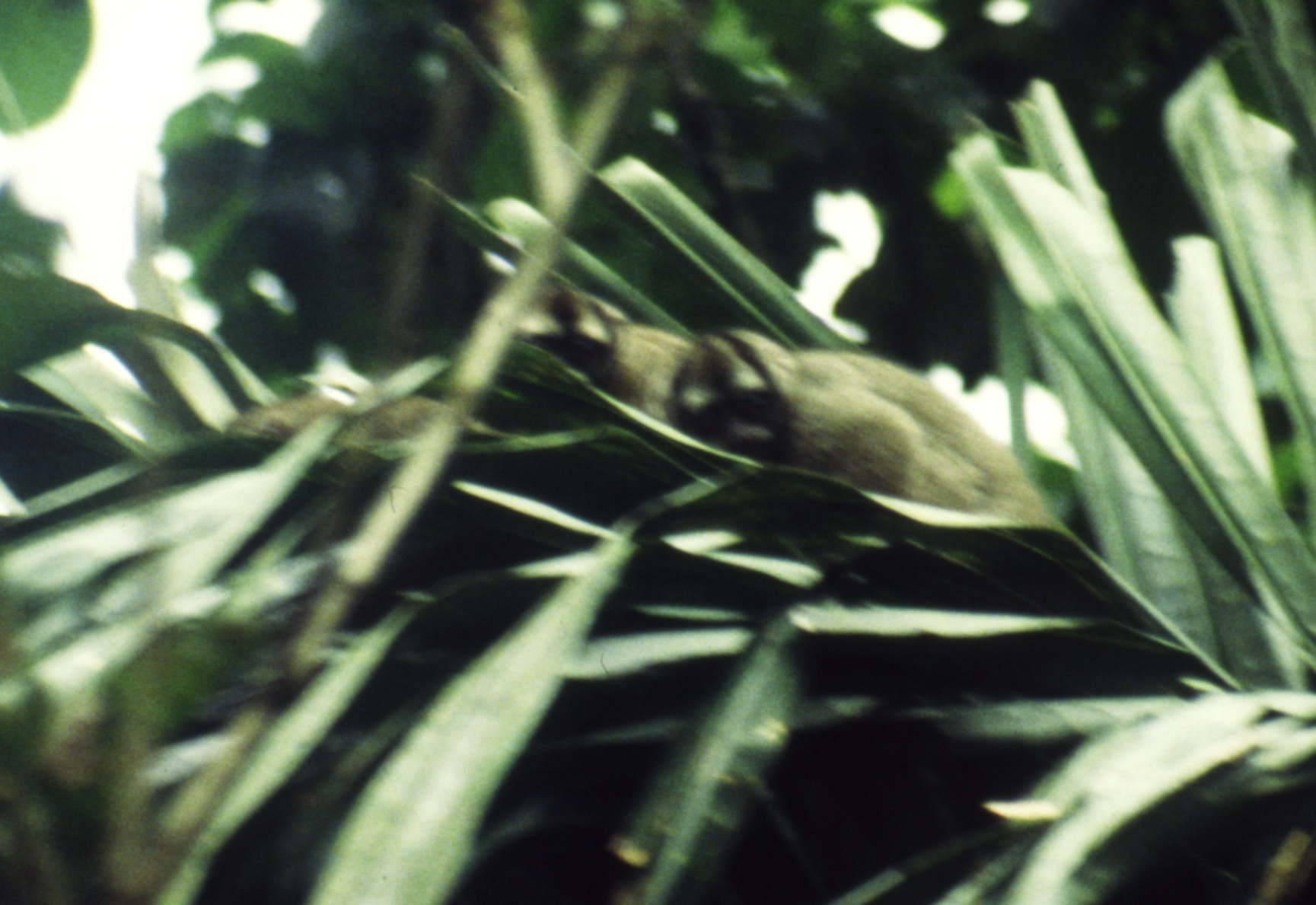
In the rainforest, we could see howler monkeys, spider monkeys, cotton-top tamarins, agouti, and jaguarundi, among other mammals. And even in our far-from-pristine village, where all the forested land was managed by the local farmers, we had mammals—sloths, squirrels, rats the size of small dogs, and one of my favourites—the jujuná or night monkey. We didn’t see them often. As their name implies, they’re nocturnal. The only nocturnal monkey, as it turns out. Its secretive habits are probably why it manages to live where other monkeys don’t.

Night monkeys are interesting, not just because of their unusual nighttime habits, but also because they are one of the few primates other than humans who contract malaria, making them important in medical research on the disease.

Night monkeys live in small family groups. The individuals in this photo are probably a mated pair and their young (the little one is on the left—you can just see its back). Though we seldom saw them, it was fun to know they were there.

Confessions of a Packrat

2016-06-01 15.19.52 HDRWhen the kids were young, we used to regularly visit Creative Junk, a place that sells all manner of industrial off cuts, overruns, and misprints, along with household ‘junk’ like plastic tubs, fabric scraps, broken tiles, and empty jars. It was a great place to get cheap materials for the kids’ creations (you know, those 3-year-old constructions of dubious artistic merit—the ones that end up in the rubbish a couple of days later).

On one of those trips, I scored a roll of heavy clear vinyl for myself. I didn’t know what I’d use it for, but it struck me as a handy thing to have.

That vinyl has sat unused in my office for eight years. It’s always a little too heavy or a little too small for anything I might want it for. More than once I considered tossing it (or donating it back to Creative Junk). But getting rid of it required more work than just leaving it in the back of the cupboard, so it just stayed there.

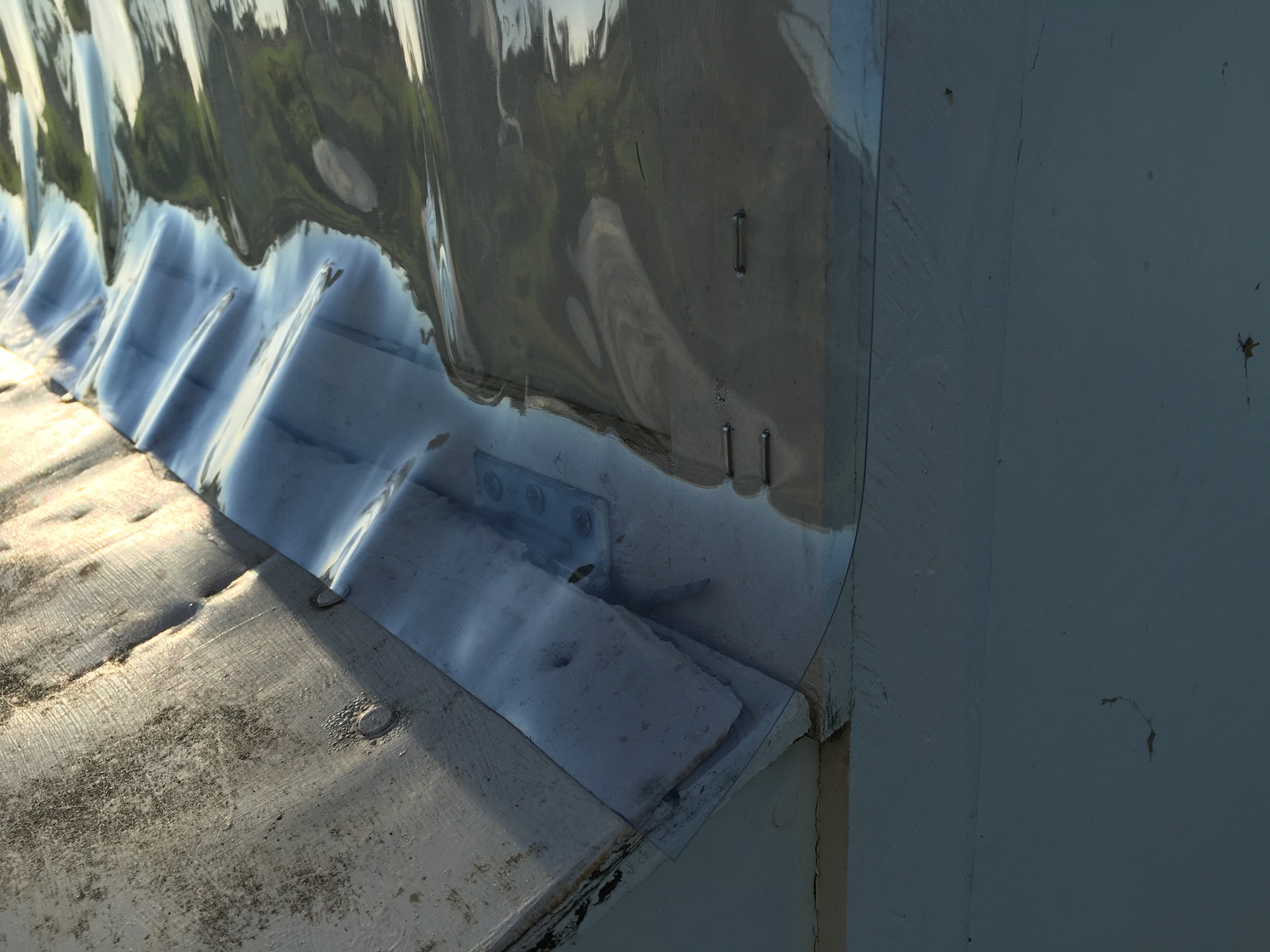
This past weekend, I noticed that rain was getting into the chicken coop. A crack at the back of the hinged lid over the nesting boxes had gotten wider with age, and was now letting water stream right into the nesting boxes.

I needed something to block the crack without preventing the nest box lid from lifting. Something waterproof, stiff enough to not blow in the wind, but flexible enough to bend with the lid.

My roll of vinyl was exactly the material for the job.

I worried the piece wouldn’t be long enough, but found it was exactly the right length, and exactly twice as wide as I needed, so after cutting it, I had a piece to put on the coop, and a perfect replacement, if the first doesn’t hold up long-term.

And this, of course, is the reason I have a cupboard full of little bits of this and that in my office; and a pile of leftover bits of spouting, flashing, and pipe out behind the shed; and a stack of not-entirely-rotted fenceposts; and three rolls of used deer fencing; and an old bed frame; and…

Eventually, nearly everything comes in handy. Nearly everything can be reused, often more than once. There are half a dozen boards under my firewood right now, keeping it off the wet ground, that are on their third lifetime—they were once a porch roof, then a tree house, and now protect the firewood. Between uses, they were slated for the rubbish, but ended up being reused before we got around to hiring a trailer to take them to the tip.

I’ve grumbled more than once about the lack of rubbish pick-up here, but I often think it does more good than harm. The more difficult it is to get rid of things, the more creative we become in reusing them.

That’s got to be good—for our finances, and for the environment.

Fabulous Fennel

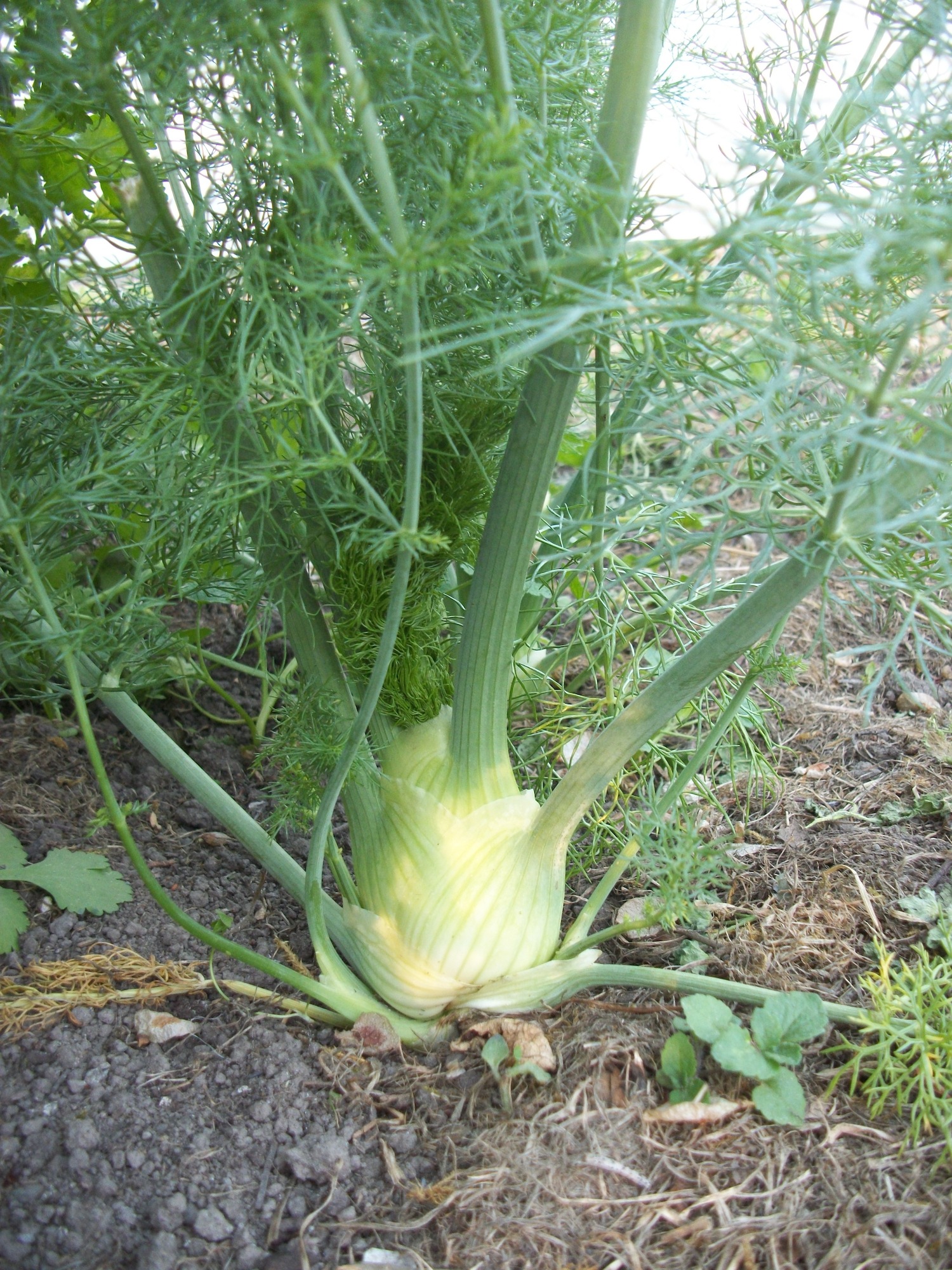
100_4031 smThere’s not a lot coming out of the garden at the moment. The summer crops are pretty well finished (though we’re still scrounging the odd pepper or eggplant from the tunnel house), and the winter crops barely had a chance, with the hot dry weather we’ve had until last week. But among the few crops that are available right now is fennel.

This little-used vegetable is versatile and delicious in the kitchen, and attractive and useful in the garden. Leaves, seeds, and bulb are all edible.

Fennel grows year-round here, though the cooler months are when we appreciate it most. I plant it in both spring and autumn, but it seeds in readily, and we eat as many volunteer fennel as we do planted ones.

Fennel has a mild anise flavour that goes well with many other vegetables. When raw, the flavour is refreshing and numbing.

Raw fennel, sliced thin, makes a crisp and refreshing addition to salads. Or it can make a salad all on its own.

It can be braised and eaten as a side dish, or chopped and added to stews or casseroles. It goes particularly well with potatoes in a cheesy gratin, and makes a delightful risotto.

Fennel leaves can be added to salads and stews, even if the bulbs aren’t ready to harvest.

The ground seeds make a zesty addition to burgers, chai, and cookies, too! Or just crunch a few between your teeth after a meal to sweeten your breath.

In the garden, fennel’s big yellow flower heads attract all sorts of beneficial insects that help keep pests in check, and when the plants get too big and rangy, I can feed them to the goats, who love fennel as much as I do.