Watching My Babies Grow

Recently hatched mantids--can you see them both?

Recently hatched mantids–can you see them both?

All winter I kept an eye on the eggs.

Now the preying mantids have all hatched, and I can’t help but watch them grow and develop.

They don’t tend to wander far, so it’s easy to keep tabs on them. Sometimes it takes a few minutes of staring before I see one, but then they start popping out at me until I’ve counted dozens of them.

I’m happy to report that they appear to be doing well. I’m sure that some are looking fat and sassy because they’ve eaten their brothers and sisters, but that’s the way it goes in the mantid world. Live by the raptorial front legs, die by the raptorial front legs.
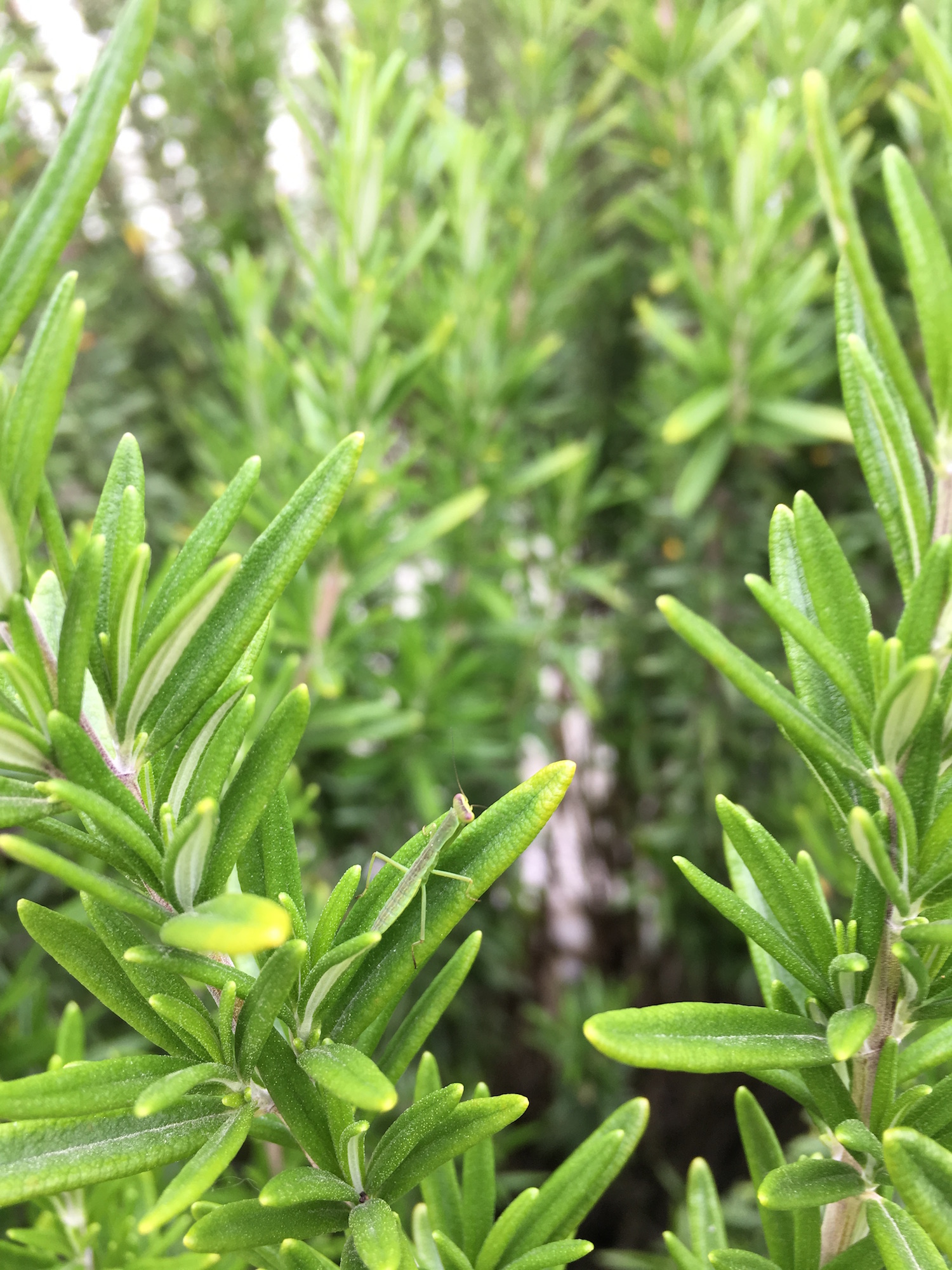
This one is a bit older and easier to see.

This one is a bit older and easier to see.

Sometimes I wonder at myself, that I can watch this year after year, and still be excited as each new egg case hatches. I hope I never lose that wonder and joy.

A Rose

R Weiss roses Christchuch Botanic Gardens

R Weiss
roses
Christchuch Botanic Gardens

A rose, by any other name
Would still have thorns and be a pain.

Black spot, chafers, aphids, too,
Spider mites and powdery mildew.

Japanese beetles, leafcutter bees
It’s rife with pests and disease.

So go ahead, forget the rose
Plant a flower with fewer foes.

Sunflower, Daisy, there’s really a passel
Of flowers easy to grow without hassle.

No pruning, no spraying, no disease or thorns
For none of these things a gardener mourns.

Or better yet, just live with the weeds
They grow by themselves, and spread their own seeds.

Dandelion, yarrow, catsear and cress
All grow on their own and let the gardener rest.

Cleanliness is Next to Godliness

2016-12-03-09-23-41-hdr

Clean pots drying in the sun.

Well, I’m not sure about the godliness, but cleanliness is important when it comes to growing plants.

I finally got round to washing the pots from all my vegetable seedlings today. They had been stacked just outside the shed door, waiting—calling out to me every time I went in or out of the shed. I managed to ignore them for several weeks.

It’s tempting to just put away the empty pots after planting out. It’s such a busy time of year, and washing pots is tedious. But I’ve learned that it must be done. If I don’t wash the pots, next year my seedlings will be plagued with disease. They’ll grow poorly, or die outright.

In truth, I don’t know that for a fact. I haven’t studied it scientifically, but in my experience, I have bad seedling growth if I plant in dirty pots. So I wash.

The pots don’t need to be perfectly clean—I swish them out with a brush in a bucket of water, then dry them in the sun. It’s actually probably the UV radiation that kills any pathogens, not so much the cleaning. But whatever it is, it works. A little extra care now, and next year’s crops will get off to a good start.

A Cauliflower Calamity

2016-11-29-16-41-47We’re about to be inundated with cauliflower. I’m afraid it’s all my fault.

As I looked through the seed catalogue way back in July, I saw ‘Cauliflower Orange Bouquet F1’.

The photo showed a warm orange head of cauliflower, and I thought, “Oooo! That would be pretty!”

I ordered it, of course. Never mind that I already had half a packet of ‘Snowball’ left from last year, and we don’t eat all that much cauliflower.

And then, because I can’t help myself, I planted both types this spring. After all, if orange cauliflower would look good, then orange and white cauliflower would look better, right?

Now I’m looking at 20 cauliflower plants all coming ready at the same time. That wouldn’t be too bad, if I had my beautiful orange and white colour combination.

Unfortunately, Orange Bouquet has turned out to be a sort of weak yellowish colour. If you didn’t have the two side by side, you’d be hard-pressed to tell the orange from the white.

The orange is every bit as delicious as the white, and the heads are big and compact. There’s nothing at all wrong with it. But it is a bit disappointing.

And now I’m wondering what to do with all this cauliflower…

Hmm…

I see in the catalogue there’s another variety—’Violet Sicilian’—now, that would be something! Think how all three colours would look together!

(Please, somebody stop me now, before it’s too late!)

Crane Flies

2016-11-29-07-27-59The crane flies are the largest family of flies in the world. There are over 15,000 species worldwide, with 1600 species in North America and 600 species in New Zealand.

The Māori name, matua waeroa, means ‘king mosquito’. You could be forgiven for thinking crane flies are giant mosquitoes—their body shape is similar. But crane flies cannot bite. The adults of many species don’t eat at all, and those that do sip nectar.

Crane fly larvae are sometimes called leatherjackets, because their exoskeletons are thick and leathery. They are aquatic or live in wet soil or rotting vegetation. Most feed on dead plants, though there are a few predators among the aquatic larvae.

When we moved to Crazy Corner Farm, and I turned the vegetable garden for the first time, I found the wet end of the garden teeming with crane fly larvae. Hundreds and hundreds of them. Every shovelful of earth came up with at least ten larvae. It was truly impressive, and the chickens loved me for the handfuls of larvae I tossed to them that year. The larvae must not like cultivation, though, because I don’t find them in the vegetable garden anymore.

I find crane flies endearing—awkward and gangly, they remind me of teenage boys who’ve just gone through a growth spurt and aren’t quite comfortable with their larger dimensions. The analogy might not be so far off. Crane fly larvae are legless and live in confined spaces. When they become adults, they suddenly have six impossibly long legs, and are airborne. It must be terribly confusing.

I spotted this beauty on my office door this morning, sitting on the glass with the white curtain behind it. I couldn’t resist photographing it.


Counting your Quinces

2016-11-28-16-39-54-smYou know what they say—don’t count your quinces before they ripen…okay, maybe they don’t say that, but they probably should.

I’m pleased to count the little quinces forming this year, though. I know we won’t get to eat all of them, but it’s the most fruit the little quince tree has ever set.

I can almost taste the quince paste now…

I had never encountered quince before coming to New Zealand. It’s an odd fruit. It’s sort of what I imagine pears must have been like before hundreds of years of plant breeding—astringent, hard, and gritty. They’re not a fruit you eat fresh.

But cook them, and all their glorious floral flavours come out. Turned into quince paste, they are one of my favourite foods.

Quince paste is delightfully versatile—pair it with cheese on a cracker for a salty snack or hors d’oeuvres, or spread it on toast for a sweet breakfast treat.

Making quince paste is a lesson in patience. First, you have to wait for the quinces to grow and ripen—they won’t be mature until autumn, and they’re not a fruit you find in the store, even in season. You just have to wait for them.

Then you have to simmer those rock-hard quinces for half an hour until they’re soft enough to mash.

Then you add sugar and cook oh-so-slowly for up to 3 hours, until the mixture turns red.

You pour the hot paste into jars and wait another few hours for it to set.

Finally, you can enjoy your quinces.

So, yeah, don’t count your quinces before they’re paste.

Entogeeks Anonymous

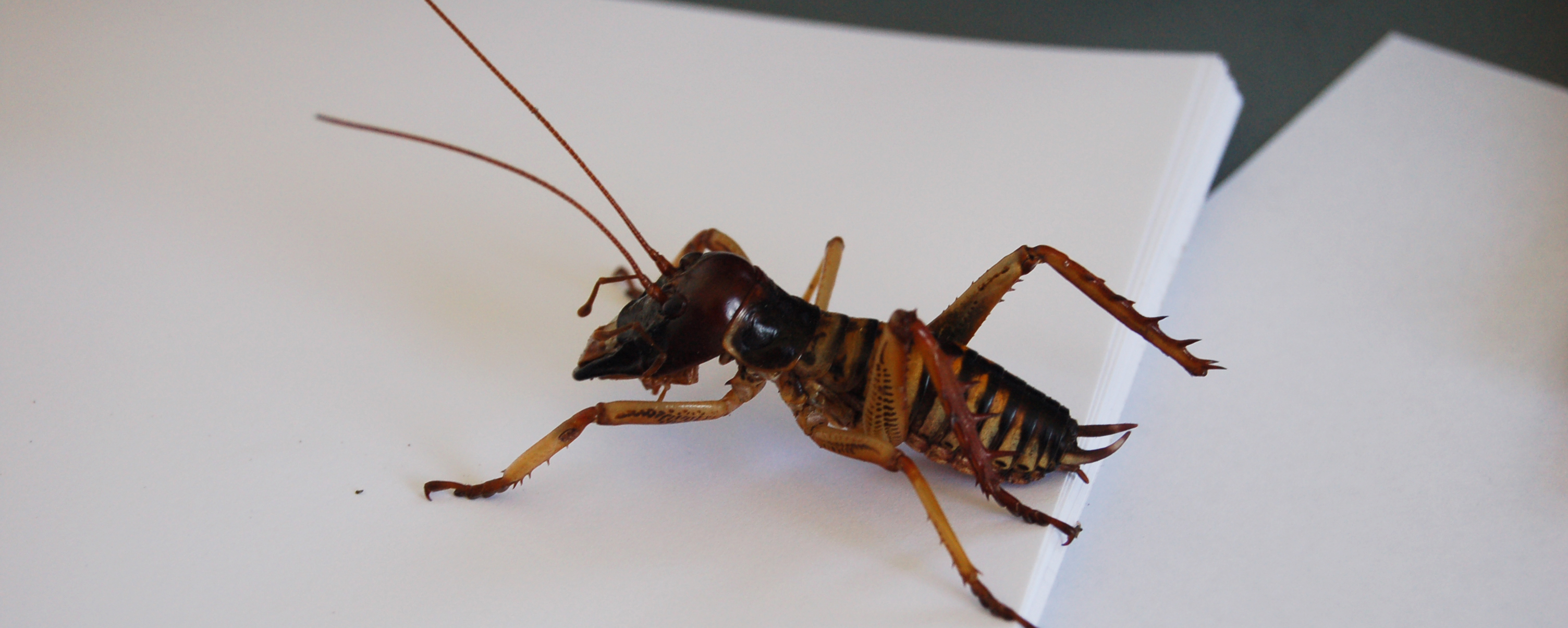
wellingtontreeweta3cropYou know you’re an entomologist when…

You find aphids on your lettuce, and eat it anyway.

You apologise to the grass grubs before squishing them.

You rescue the earwigs and lacewing larvae floating in the sink after washing vegetables.

You drop everything when you hear someone say, “Wow, look at that bug.”

You waste hours at work watching the spider on the window.

You keep a hand lens and a microscope within arms reach at all times, just in case.

The glove box of your car contains a folding insect net and several jars.

You sit down to write the day’s blog (a nice poem, you think), and get sidetracked for an hour trying to determine whether Mantophasmatodea is still considered a separate order or whether it is now grouped with the Grylloblattodea in the new order Notoptera.

*sigh*

Thanksgiving

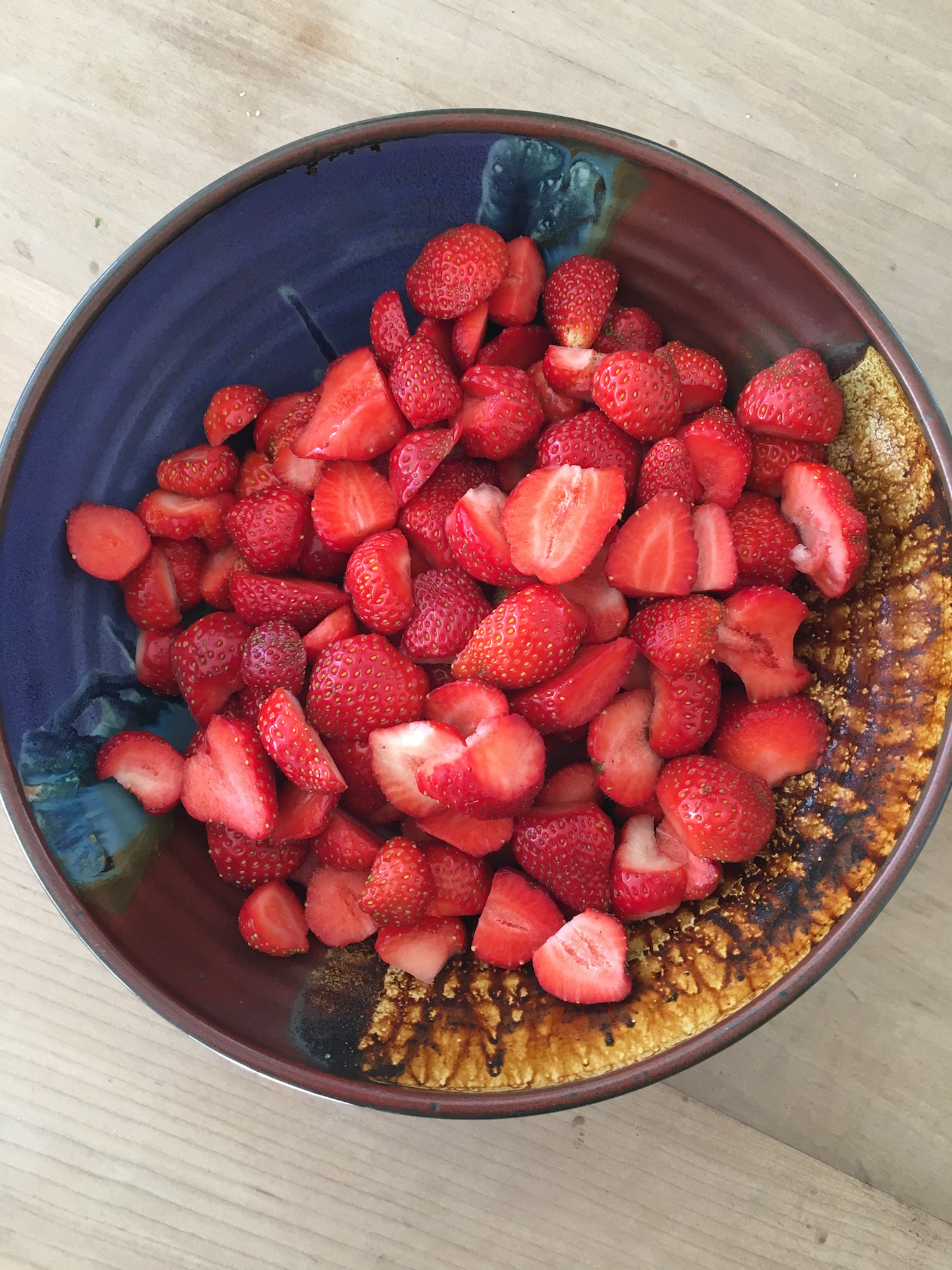
2016-11-25-18-36-30-smTimed to coincide with the last of the autumn harvest, Thanksgiving is traditionally a celebration of the foods that store through winter—pumpkins, apples, potatoes, corn.

Which is why we don’t really celebrate it here. Not in the traditional culinary sense, at least. Apples and potatoes are wrinkled and old by November. The pumpkins are all gone.

But there is much to be thankful for at the beginning of summer, and our Thanksgiving Day meal reflects this—pasta full of spinach, artichokes, and peas; a fresh green salad; and strawberries for dessert. Indeed, every day is a harvest celebration at our house. Every day, I am thankful for the sun, rain, and soil. I am thankful for our ability to produce much of our own food. I am thankful for my children, who understand and appreciate the amount of work that goes into every bite they eat—who thank the cook and the gardener every day.

I am thankful for the partner with whom I share the daily tasks that provide food for our table. I am thankful for the neighbours who help keep animals and plants alive when we go on vacation.

Yes, I’m sometimes a grumpy farmer—there’s never enough rain, the pests are terrible, the neighbour’s weed-killer has wafted across the fence line again…there’s always something to complain about.

But however much I grumble as I’m pulling weeds or dragging irrigation hoses around, dinner is always a time of Thanksgiving.

Poroporo

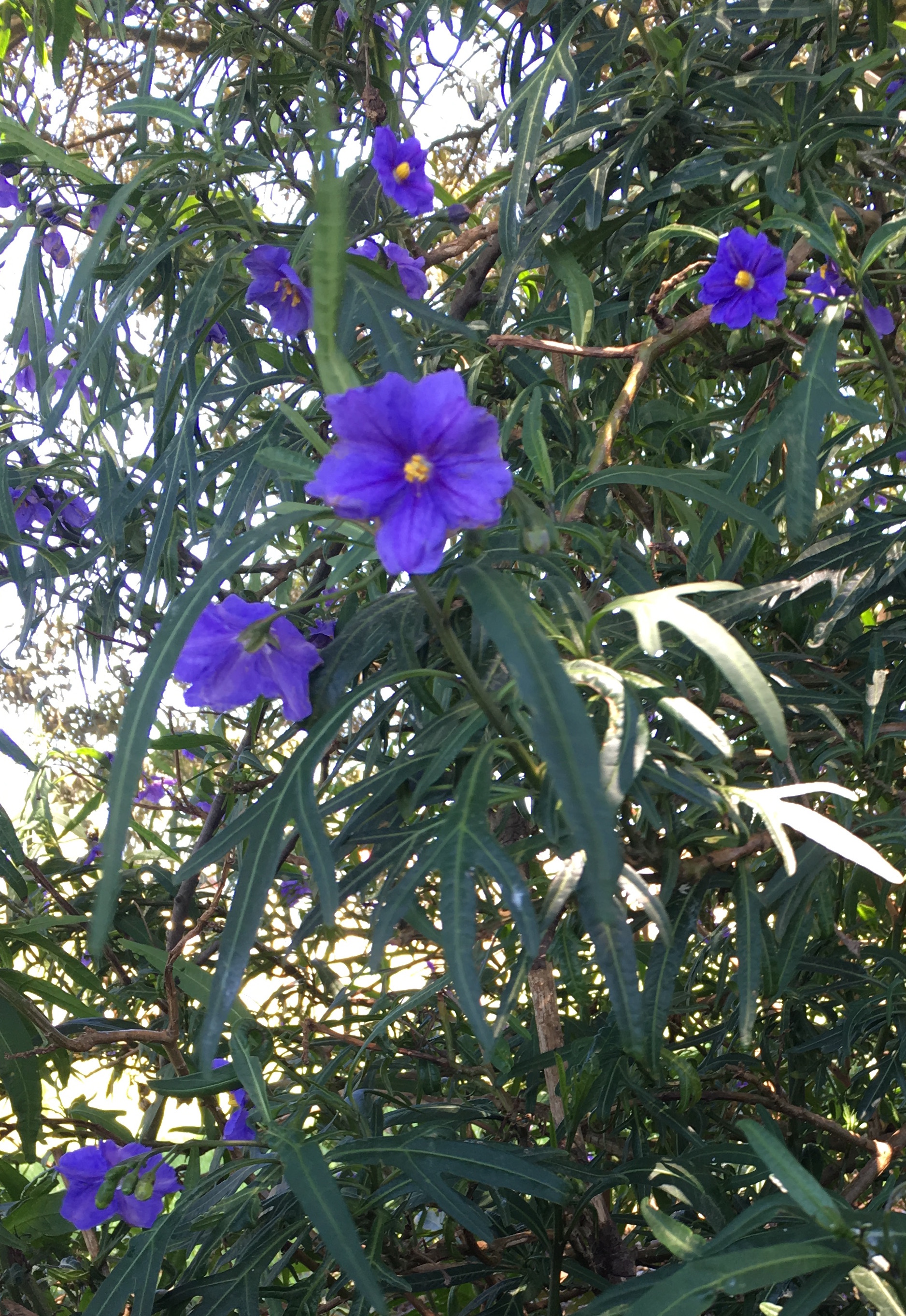
2016-11-22-13-39-04Poroporo (Solanum laciniatum) is a native shrub, and one of our few native plants typically classified as a weed. A few years ago, I noticed a tiny poroporo seedling sprouting under our oak trees—planted, no doubt by some bird roosting (and poohing) in the branches above.

At the time, the chickens were quartered under the trees, so I fenced it with a ring of chicken wire to keep it safe from their scratching.

It has now grown into a huge sprawling bush easily three metres in diameter and as tall as me. It is currently covered in gorgeous purple blooms. Later in the summer, it will drip with teardrop shaped yellow fruits. Weed or not, the plant is eye candy.

Eye candy only—not to be taken internally. Like many of the Solanums, poroporo is poisonous (though apparently the fully ripe fruit is edible…sort of). Fever, sweating, nausea, and abdominal pain are the unfortunate effects of poroporo poisoning.

In spite of its poisonous nature (well, actually because of it), poroporo is grown commercially as a source of steroidal alkaloids used medicinally to make cortico-steroid drugs like birth control and eczema treatments.

A pretty and useful weed!

Pick a Path

dsc_0001sm

A utilitarian path through the vegetable garden.

Paths are as important as the gardens they traverse. They set the mood and change how we walk through different places.

There are utilitarian paths. Straight and low-maintenance, these paths are essential in the production areas of the garden.

An untamed path meanders through tall grass.

An untamed path meanders through tall grass.


Wild and untamed paths don’t go directly to their destinations. They meander. They may be somewhat overgrown. They invite the walker to slow down and experience the world around them.

A formal path through the herb garden.

A formal path through the herb garden.


Formal paths invite strolling. They are straight and potentially utilitarian, but they’re more inclined toward the aesthetic. They may lead to nothing more than a view or a bench.

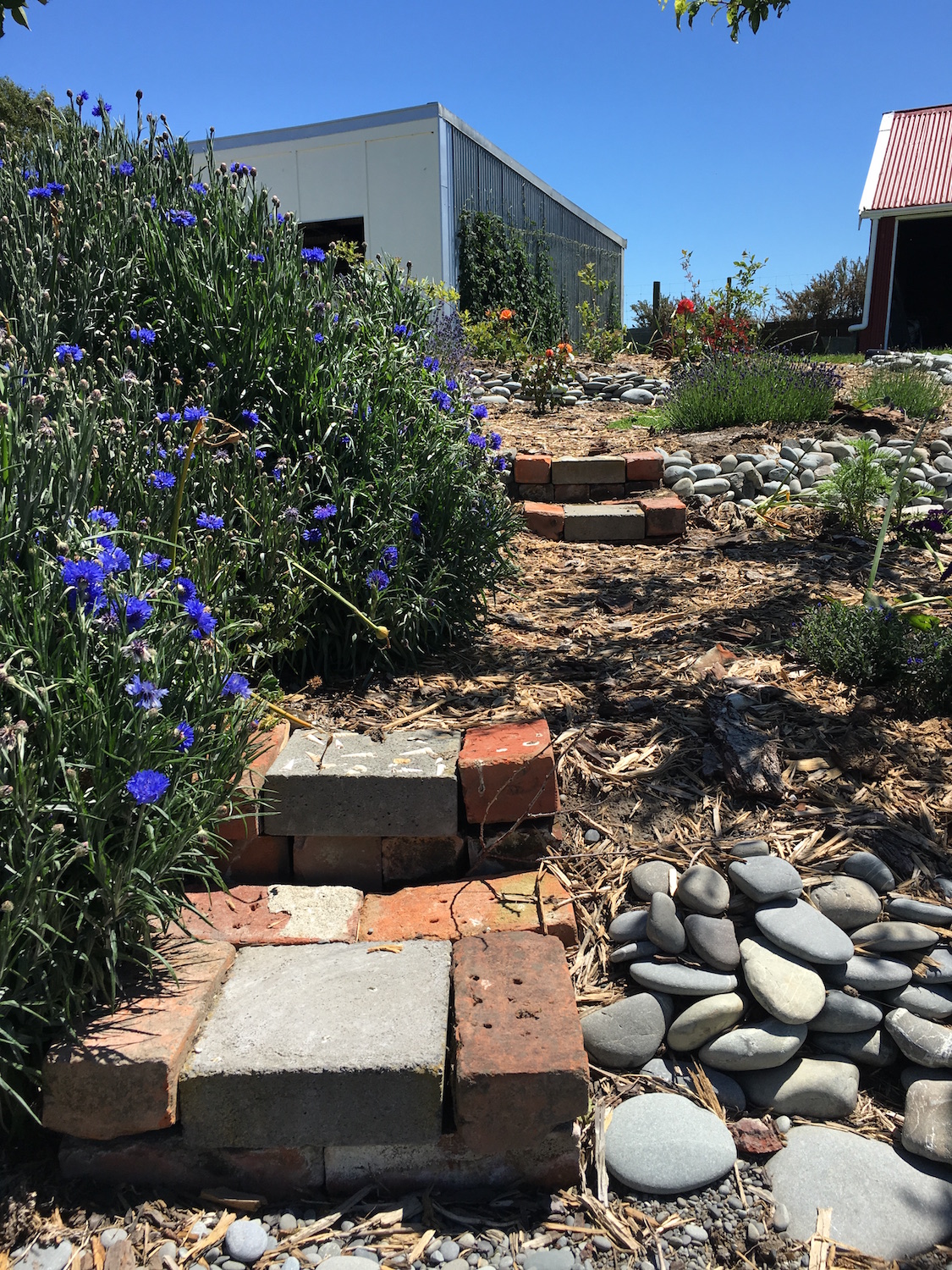
2016-11-22-13-37-28-sm


Some paths aren’t much more than suggestions of a path. A few inviting steps that say, “come this way.”

Bridge over troubled water.

Bridge over troubled water.


Other paths are clear, built structures that provide a way where none other exists.

Just try walking this path without hopping.

Just try walking this path without hopping.


And some are pure whimsy, encouraging locomotion other than walking (This path, between the house and my office, makes it incredibly difficult to carry a cup of coffee without spilling).

I enjoy the wide variety of paths on our property. There’s a path for every mood and need.